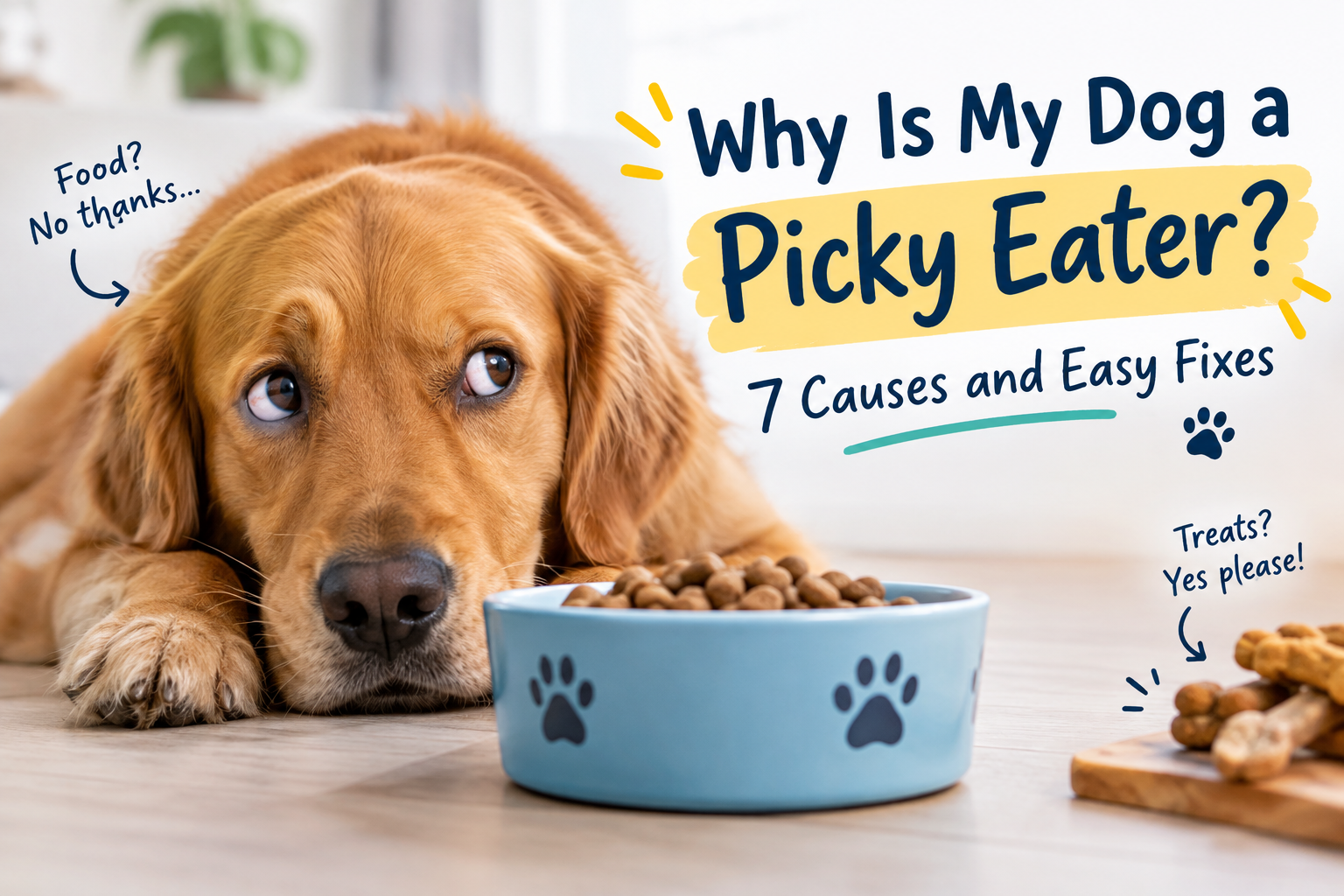
You set down a fresh bowl of kibble, but your dog gives it a quick sniff, turns around, and walks away. Ten minutes later, they are sitting by the kitchen counter, staring up at you with big, hopeful eyes, begging for a slice of cheese or a bite of dinner. If this daily standoff sounds familiar, you are probably left wondering Why is my dog a picky eater?
Dealing with a finicky dog makes mealtimes frustrating and throws off your whole routine. While a few dogs are naturally selective, picky behavior usually stems from daily habits, recent life changes, food preferences, or physical discomfort. In this guide, we will break down how to recognize true pickiness, explore the primary reasons behind it, and share practical, safe strategies to help your dog enjoy their meals again.
Quick Answer: Dogs usually become picky eaters due to excessive treats and table scraps, irregular feeding schedules, environmental stress, unappealing food texture or temperature, dental pain, digestive discomfort, or an underlying medical condition.
How to Tell If Your Dog Is a Picky Eater
Before changing your dog’s diet, it helps to figure out whether you are dealing with a behavioral habit or a deeper health concern. A classic picky eater turns their nose up at standard kibble, yet eagerly accepts high-value treats or a piece of plain chicken. They might graze listlessly throughout the day, eat only half their portion, or wait to see if human food will be offered instead.
This behavior is very different from a sudden, complete loss of appetite. A healthy dog playing food critic usually maintains their normal energy levels, stays curious, and accepts treats. Conversely, if a dog unexpectedly stops eating altogether refusing even their favorite high-value treats or appears lethargic, weak, or withdrawn, this is not mere pickiness. Any abrupt shift in eating habits should be evaluated carefully rather than brushed off as selective eating.
7 Common Reasons Why Your Dog Is a Picky Eater
Dogs rarely turn into selective eaters without a reason. Pinpointing what is driving your dog’s behavior makes finding a solution much easier.
1. Too Many Treats and Table Scraps
If your dog gets dental chews, training rewards, or human food throughout the day, they may simply not feel hungry when mealtime rolls around. Additionally, if refusing dry food consistently results in a slice of meat or a spoonful of peanut butter later, the dog learns that holding out produces higher-value food. Relying too heavily on extras fills them up on calorie-dense treats and disrupts a complete, balanced diet.
2. Frequent Changes in Dog Food
It is easy to assume our dogs want daily menu variety, but swapping brands, flavors, or recipes every few weeks can actually complicate feeding routines. Frequent food changes may reinforce food selectivity in some dogs. On top of that, sudden dietary shifts can cause digestive upset, making a dog hesitant to eat the next meal.
3. Stress or Environmental Changes
Emotional stress directly impacts a dog’s willingness to eat. Moving to a new home, welcoming a baby or another pet, enduring loud home renovations, or experiencing a shift in household routines can leave a dog feeling anxious. A stressed dog will often ignore their meal until they feel secure and settled.
4. Food Texture, Smell, or Temperature
Dogs rely heavily on scent to evaluate their food. Stale kibble left in an unsealed bag loses its aroma and can taste flat. Size and texture play a big role as well: dogs with smaller jaws, missing teeth, or sensitive gums may struggle with oversized or overly dense kibble, while senior dogs may find crunching tough pieces uncomfortable. To prevent palatability issues, store food properly and learn how to switch dog food properly when introducing a new recipe.
5. Inconsistent Feeding Routines
Leaving food out all day for free-feeding or offering meals at random times prevents your dog’s body from establishing a steady hunger cycle. Without distinct mealtimes, dogs tend to become casual grazers who lack a real appetite when food appears.
6. Dental Pain or Digestive Discomfort
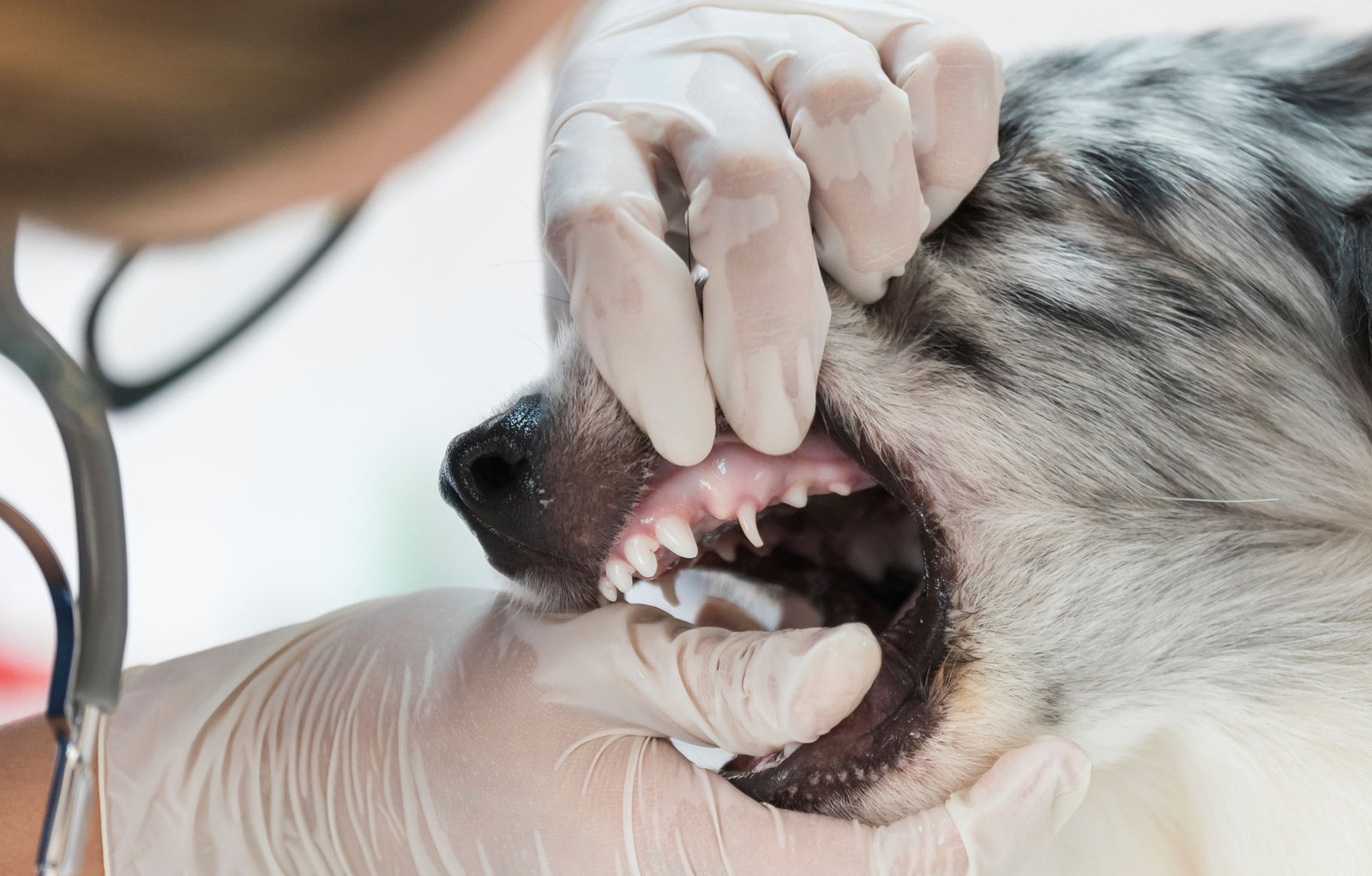
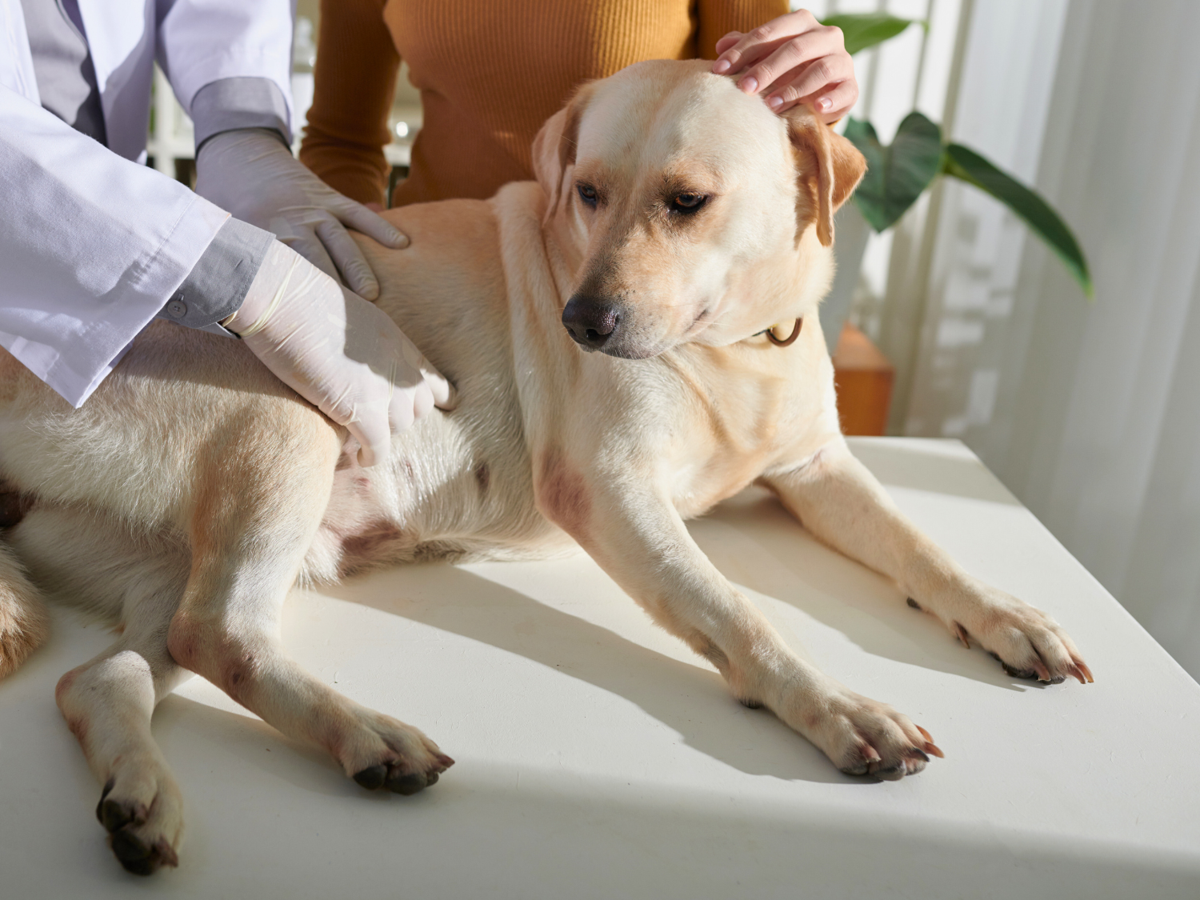
Physical pain turns eating into an unpleasant experience. Dental issues like inflamed gums, a broken tooth, or heavy tartar buildup make chewing dry food genuinely painful. Similarly, mild nausea, acid reflux, or minor gastrointestinal irritation can make a dog step back from their bowl. Watch for subtle signs like drooling over the bowl, tilting the head unnaturally while chewing, dropping pieces of food, or other indicators of stomach problems.
7. Age, Medication, or Underlying Health Conditions
Appetite shifts naturally across different life stages and medical situations. Teething puppies often avoid hard crunchies, while senior dogs frequently experience a dulled sense of smell and taste. Additionally, prescription medications or underlying health issues can suppress appetite. Always consider physical well-being before assuming meal refusal is purely behavioral.
How to Get a Picky Dog to Eat: 7 Practical Tips
Fixing picky eating requires calm, consistent habits. Rather than constantly replacing meals or coaxing your dog with treats, use these structured steps to rebuild healthy eating patterns.
1. Establish a Consistent Feeding Schedule
Move away from open grazing and set timed mealtimes. Put your dog’s bowl down in a quiet spot and give them 15 to 20 minutes to eat. If they leave the meal untouched, pick the bowl up without making a fuss, and offer food again at their next scheduled mealtime.
Note: This timed strategy is strictly intended for healthy adult dogs displaying behavioral pickiness. A dog refusing food should not automatically be assumed to be behaviorally picky. If appetite loss is sudden, persistent, or involves a puppy, senior dog, or pet with a medical condition, contact a veterinarian rather than simply waiting for the next meal.
2. Limit Treats Between Meals
Scale back significantly on mid-day snacks, table scraps, dental sticks, and training rewards while you reset your dog’s routine. All treats combined should account for no more than 10% of their total daily caloric intake. Cutting back on extras ensures your dog arrives at their bowl with an appetite, helping you avoid common dog feeding mistakes.
3. Make Food More Appealing Safely
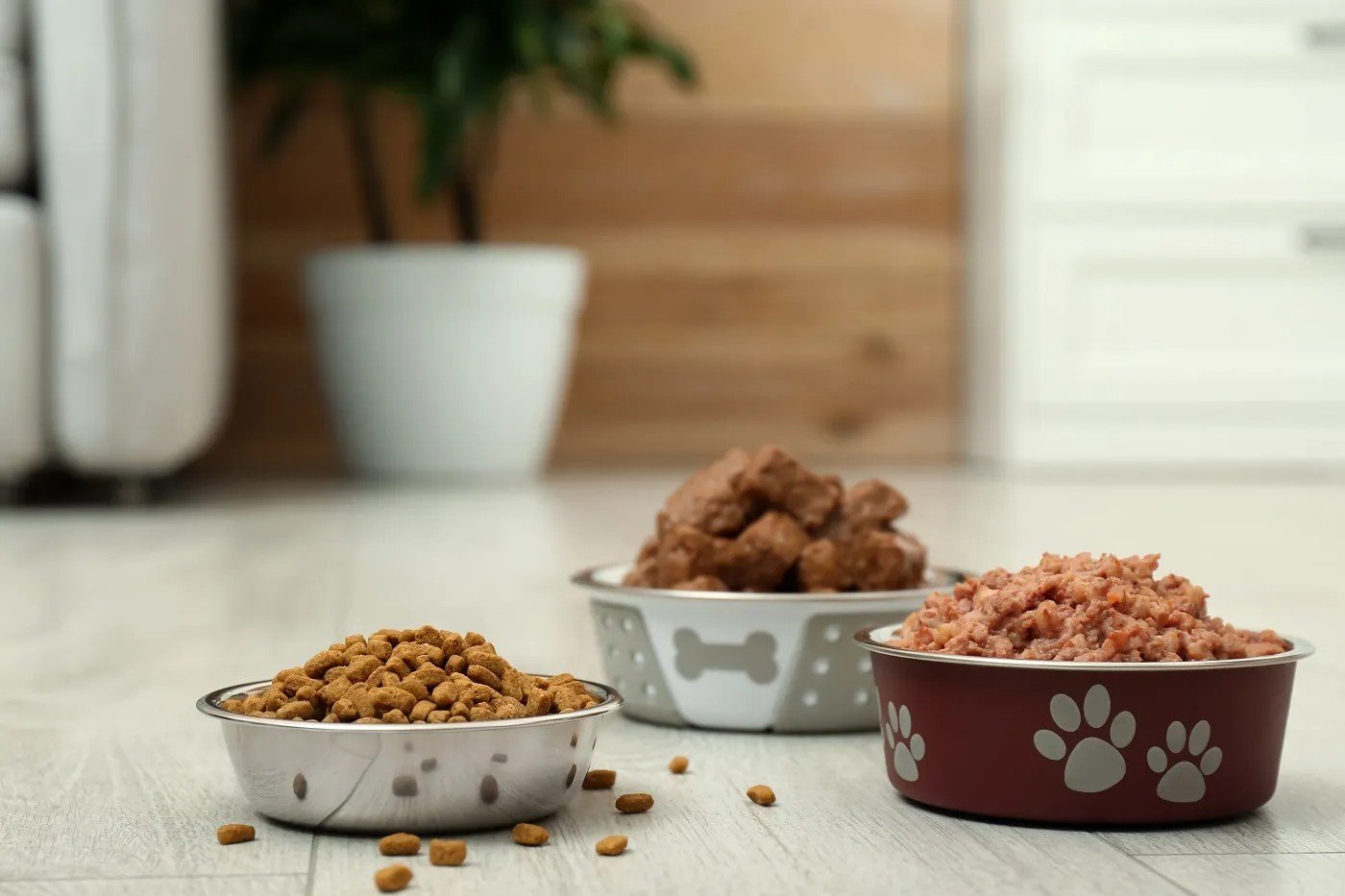
You can make standard kibble more enticing without building unhelpful habits. Try mixing in a spoonful of dog-safe wet food, a splash of warm bone broth (free of onions, garlic, and excessive sodium), or a dollop of plain canned pumpkin. Finding the right balance between wet vs. dry food provides the extra aroma and moisture your dog wants while keeping nutrition balanced.
4. Try Warm Water to Soften Dry Food
Pour a few tablespoons of warm (never hot) water over dry kibble and let it sit for two minutes. The moisture softens hard pieces and releases appealing food aromas. Always throw away any unconsumed, moistened food after 30 minutes to prevent bacteria from growing.
5. Transition to New Food Gradually
If a diet change is necessary, avoid switching overnight. As a general guideline, mix the new diet into the old food over 7 to 10 days, slowly increasing the proportion of new food. Dogs with sensitive stomachs or specific medical needs may require an even slower transition under veterinary supervision.
6. Create a Calm Feeding Environment
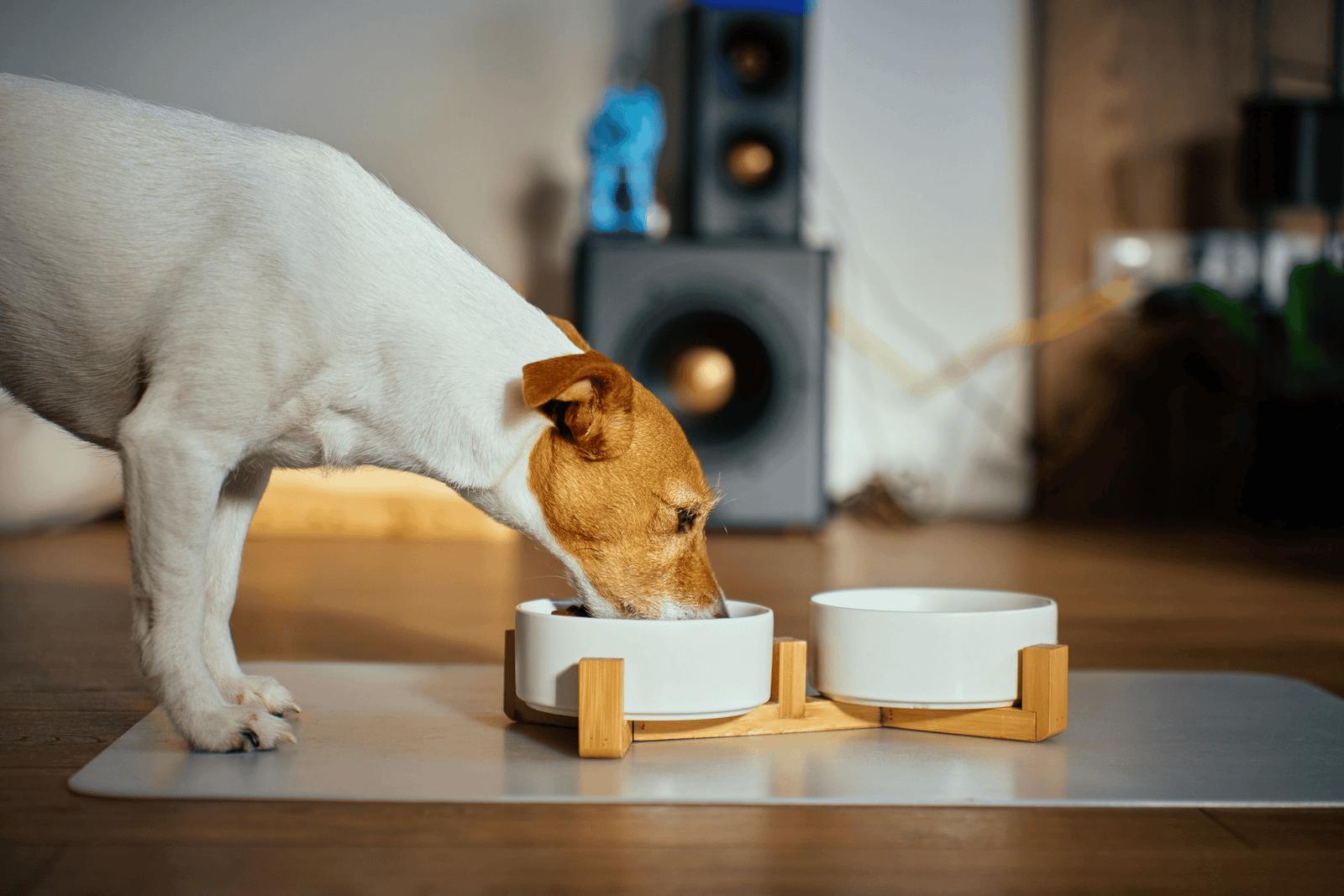
Set up your dog’s food bowl in a low-traffic, quiet area away from noisy appliances, busy walkways, or competing household pets. Anxious or easily distracted dogs eat much better when they feel secure and undisturbed.
7. Monitor Appetite and Keep Track
Keep a quick daily note of how much your dog eats, their energy levels, hydration, and weight. Tracking these details helps you spot subtle trends and provides clear information if you ever need to consult your veterinarian.
Why Does My Dog Eat Treats but Not Regular Food?
It can be puzzling when a dog turns down fresh kibble but eagerly gobbles up a treat seconds later. Many treats are more aromatic or appealing than a dog’s regular food, making them far more enticing than standard daily kibble.
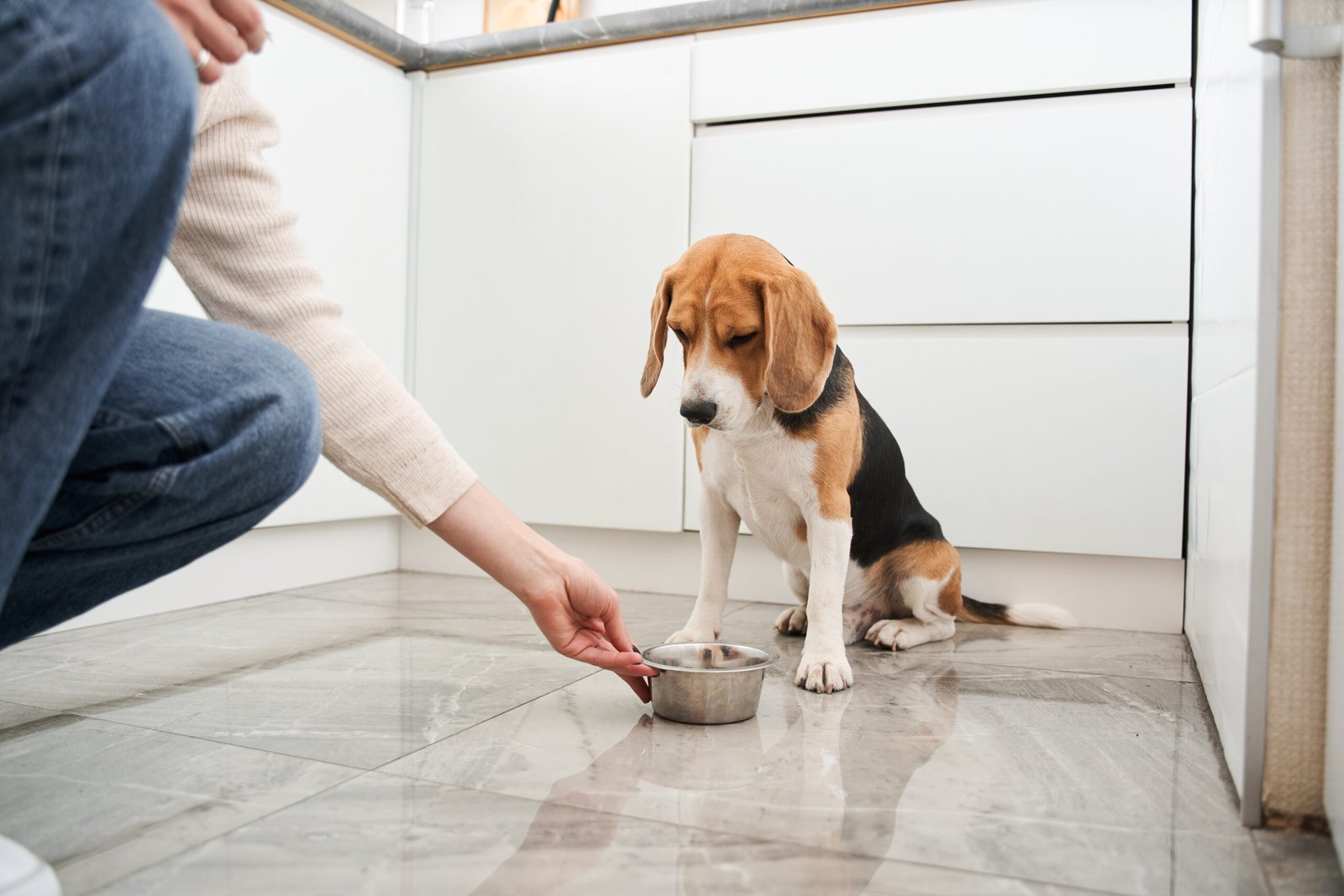
While accepting treats often points to a behavioral preference, it does not rule out a medical issue. A dog experiencing mild tooth soreness, inflamed gums, or slight nausea may still find the motivation to eat a soft, pungent treat even when crunching hard kibble feels uncomfortable or unappealing. Moderating snacks helps break behavioral habits while allowing you to monitor whether physical discomfort is present.
When Should You Worry About Your Dog Not Eating?
While some picky eating is related to feeding habits, appetite loss can be an early sign of a medical problem. You should contact your veterinarian promptly if your dog experiences a sudden loss of appetite or if meal refusal is accompanied by any of these warning signs:
- Vomiting, diarrhea, or dark, tarry stools
- Lethargy, weakness, or unusual hiding behavior
- Excessive drooling, pawing at the mouth, or difficulty swallowing
- Unexplained weight loss
Certain pets need quicker medical attention. Puppies who are vulnerable to low blood sugar, toy breeds, senior dogs, and pets with pre-existing medical conditions should be evaluated by a vet much sooner if they refuse food. If you suspect your dog has ingested something toxic, has a foreign object lodged in their mouth, or is in severe pain, seek emergency veterinary care immediately.
-
 All Products
Goat Milk Powder for Dogs and Cats – 400g
Original price was: ₹1,298.86.₹733.96Current price is: ₹733.96. -
 All Products
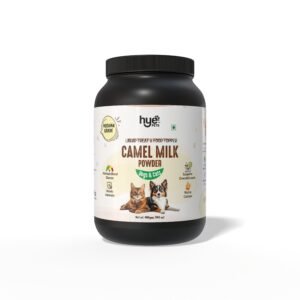
Camel Milk Powder For Dogs and Cats – 400g
Original price was: ₹1,499.75.₹499.00Current price is: ₹499.00. -
 All Products
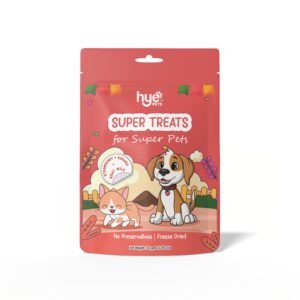
Super Treats for Super Pets made with Goat Milk, Strawberry and Banana | 30g
Original price was: ₹325.00.₹308.75Current price is: ₹308.75. -
 All Products
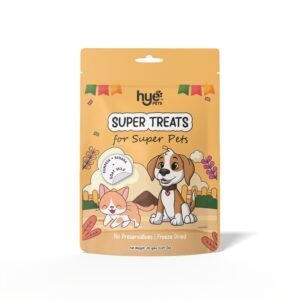
Super Treats for Super Pets made with Goat Milk, Pumpkin and Banana | 30g
Original price was: ₹279.00.₹265.06Current price is: ₹265.06. -
 All Products
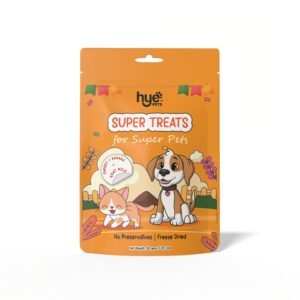
Super Treats for Super Pets made with Goat Milk, Carrot and Banana | 30g
Original price was: ₹279.00.₹265.06Current price is: ₹265.06. -
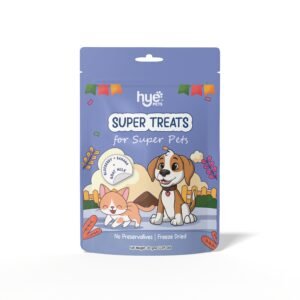 All Products
Super Treats for Super Pets made with Goat Milk, Blueberry and Banana | 30g
Original price was: ₹325.00.₹308.75Current price is: ₹308.75. -
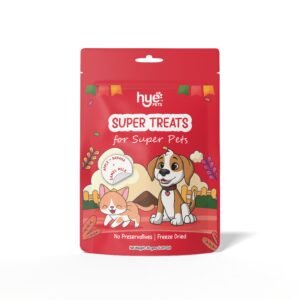 All Products
Super Treats for Super Pets made with Camel Milk, Apple and Banana | 30g
Original price was: ₹279.00.₹265.06Current price is: ₹265.06. -
 All Products
Super Treats for Super Pets made Camel Milk, Beetroot and Banana | 30g
Original price was: ₹279.00.₹265.06Current price is: ₹265.06. -
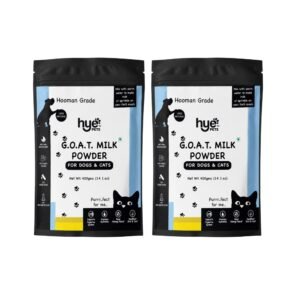 Combos
Goat Milk Powder for Dogs and Cats – Combo Pack (2 x 400g)
Original price was: ₹3,065.28.₹1,680.32Current price is: ₹1,680.32. -
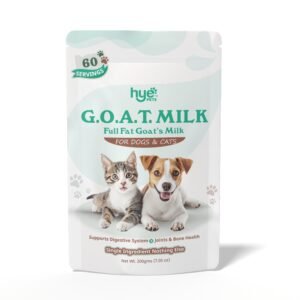 All Products
Goat Milk Powder for Dogs and Cats – 200g
Original price was: ₹698.99.₹657.05Current price is: ₹657.05. -
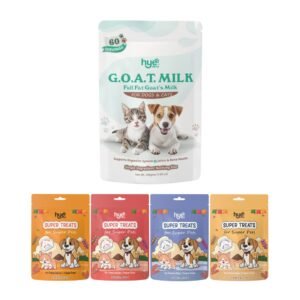 All Products
Goat Milk Powder and Freeze-Dried Goat Milk Treats Combo for Dogs and Cats
Original price was: ₹2,250.26.₹2,067.36Current price is: ₹2,067.36. -
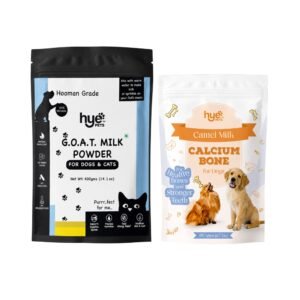 Combos
Goat Milk Powder and Camel Milk Calcium Bone for Dogs – Combo Pack
Original price was: ₹1,826.47.₹1,108.02Current price is: ₹1,108.02. -
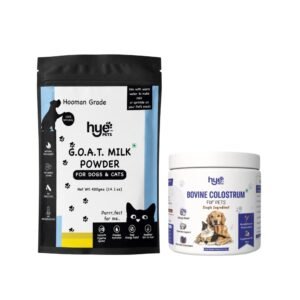 Combos
Goat Milk Powder and Bovine Colostrum Combo for Dogs & Cats
Original price was: ₹2,357.47.₹1,221.30Current price is: ₹1,221.30. -
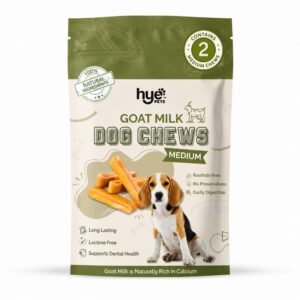 Goat Milk Treats
Goat Milk Dog Chews for Medium Dogs | Rawhide-Free Dental Treats | 2 Chews
Original price was: ₹449.01.₹422.01Current price is: ₹422.01. -
 Combos
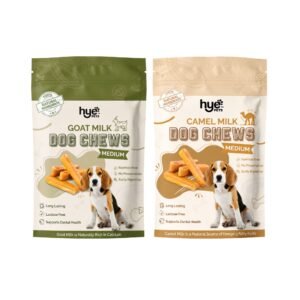
Goat Milk and Camel Milk Chews Combo for Medium Dogs
Original price was: ₹1,118.64.₹1,019.52Current price is: ₹1,019.52. -
 Combos
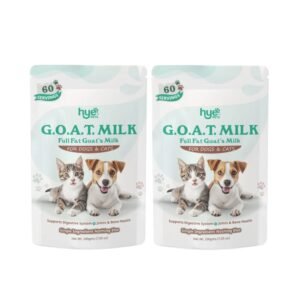
Full Fat Goat Milk Powder for Dogs and Cats Combo Pack (2 x 200g)
Original price was: ₹1,649.64.₹1,509.22Current price is: ₹1,509.22. -
 Combos
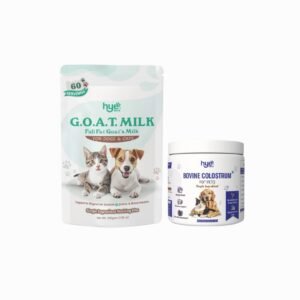
Full Fat Goat Milk Powder and Bovine Colostrum Combo for Dogs and Cats
Original price was: ₹1,398.01.₹949.01Current price is: ₹949.01.
- All Posts
- Blog
- Blogs
- Recipe
- Stories
- Trivia