It is a sound that can shake any dog owner out of the deepest sleep: that unmistakable, rhythmic heaving echoing from the foot of the bed. In a split second, you are wide awake, scrambling to turn on a lamp, and trying to guide your furry family member off the rug. In those tense, quiet moments of the night, sudden anxiety is completely natural. As a pet parent, your mind immediately starts spinning with worst-case scenarios, wondering if they snuck a toxic snack from the kitchen counter or if this episode of dog vomiting is the start of a major medical emergency.
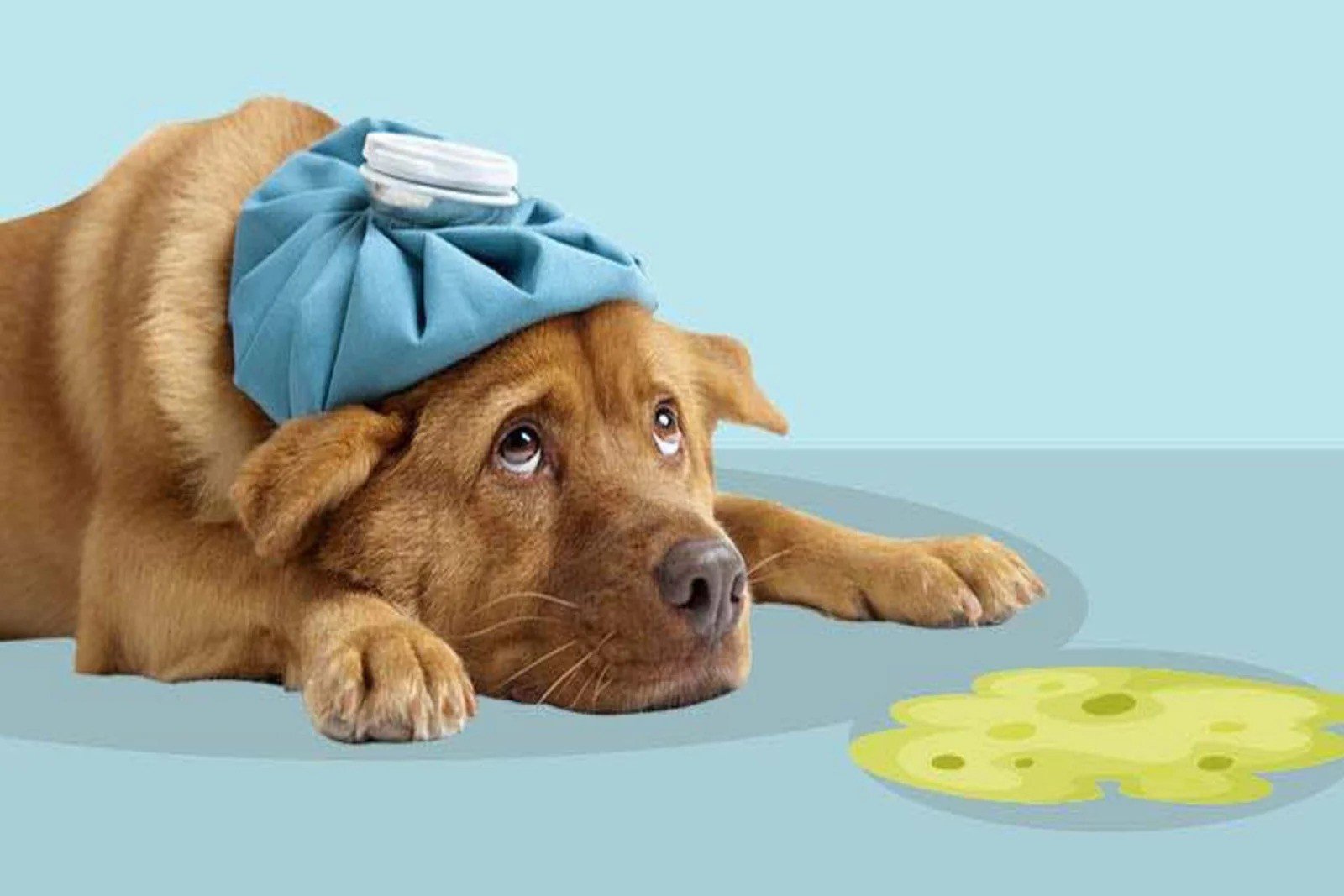
Because our canine companions famously explore their world with their mouths, an occasional upset stomach is a stressful but inevitable milestone of pet ownership. The good news is that a dog’s digestive tract is remarkably reactive. It is biologically designed to quickly reject things that do not agree with it, meaning an isolated incident is often just a protective reflex rather than a sign of deep illness.
When you are staring down at a sick, miserable-looking pup, it can be incredibly difficult to think clearly. However, before you panic and rush to the nearest emergency clinic, taking a deep breath and walking through five practical, real-world checks can help you figure out if your dog just needs a little time to recover at home or if it is time to call the veterinarian.
The Golden Rule of Thumb
When assessing dog vomiting, the most valuable clue isn’t actually the mess on the floor it’s how your dog acts the exact moment they finish. A pup that immediately shakes it off, wags their tail, and wanders away looking for a toy is usually just dealing with a flash irritation. A dog that stands hunched over, trembles, or looks completely defeated is the one that needs a doctor.
1. Post-Vomit Demeanor: Reading Your Dog’s Body Language
A dog’s immediate behavior provides a direct window into how they are genuinely feeling inside. Paying close attention to their energy levels right after an episode helps clarify whether their system has already moved past the trouble.
- The Happy Bounce-Back: It is incredibly common for a dog to experience a sudden bout of vomiting and instantly return to their cheerful, goofy self. If your pup is alert, responsive, and still demanding their usual evening walk, the stomach lining likely experienced a brief moment of irritation. This often happens from simple everyday things, like swallowing too much yard grass or running around too wildly right after dinner. For these energetic dogs, quiet monitoring from the comfort of the couch is typically the safest initial path.
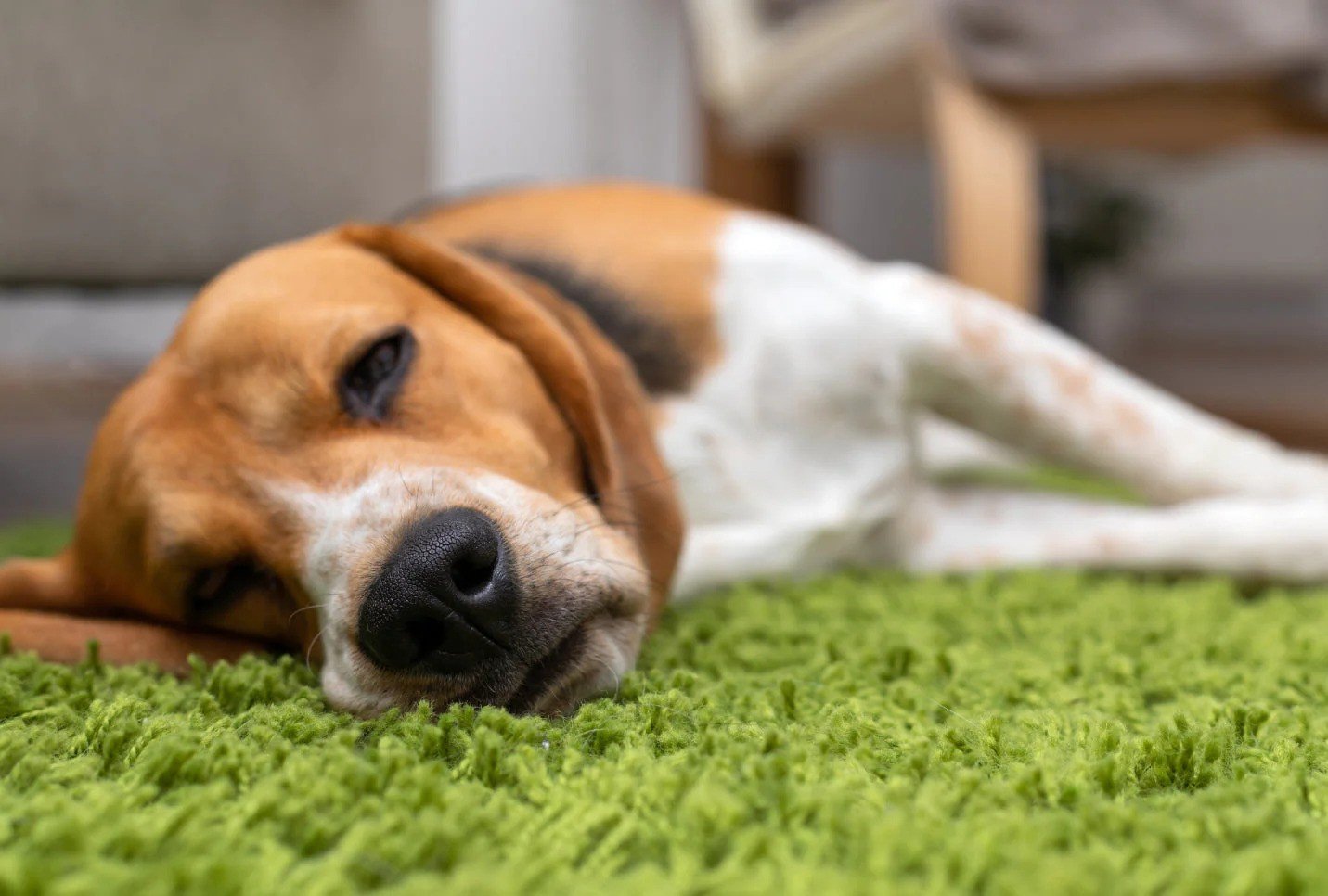
- The Worrying Slump: Conversely, a dog dealing with a more serious underlying illness will look and act visibly sick. You should immediately take note if your pup appears completely exhausted, refuses to lift their head, or crawls away to hide in a dark closet or behind furniture. Another crucial warning sign of abdominal pain is the prayer stretch, where a dog presses its front chest flat to the floor while keeping its hind legs standing straight up. This isn’t a playful invitation; it is a rigid physical posture a dog uses to try to relieve intense pressure and cramping in a painful belly.
2. Reading the Clues Left Behind
While inspecting the aftermath is easily the least favorite part of sharing your life with a pet, looking at the puddle before you clean it up offers concrete clues about the root cause.
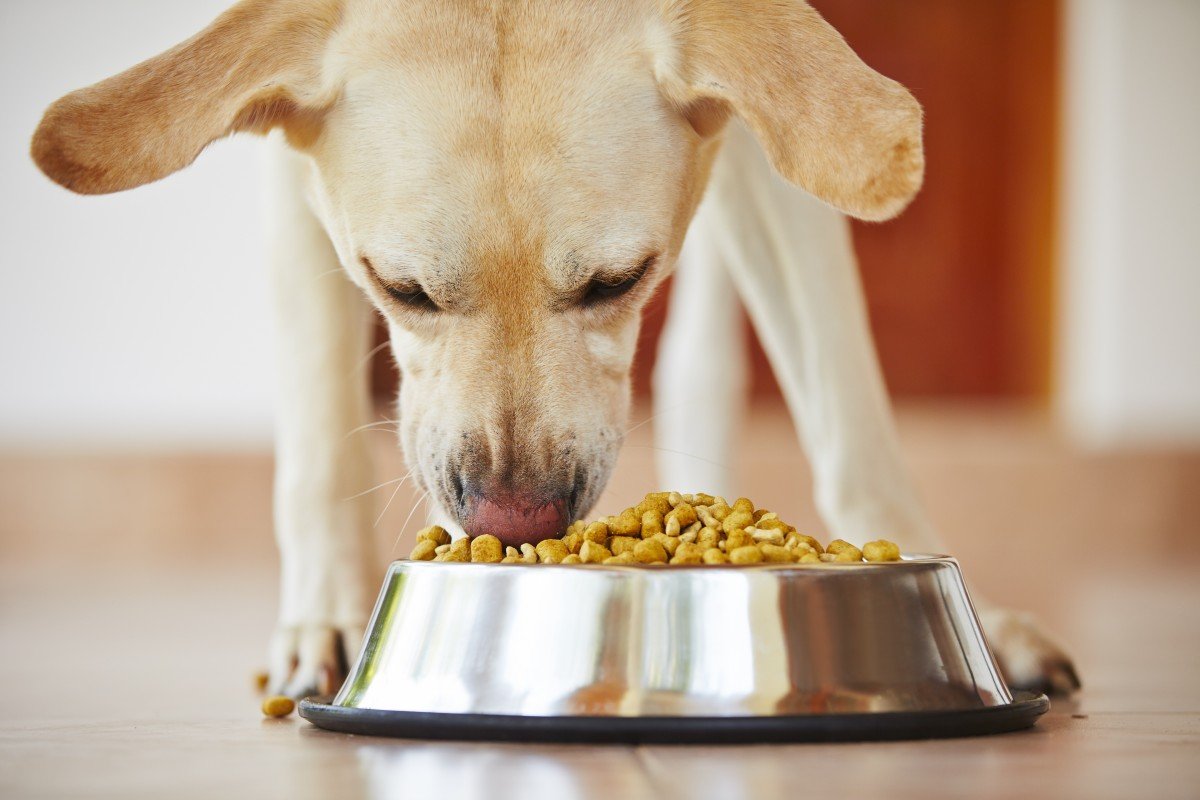
- Whole, Undigested Kibble: If the meal lands on the kitchen floor completely intact just minutes after eating, you are likely looking at a mechanical issue rather than a true illness. In multi-dog households where competition is high, or simply when a pup is overly excited, dogs often inhale their food so fast that they swallow massive pockets of air. The stomach rebels against this sudden stretch and sends the meal right back up. This is technically regurgitation, and your dog is usually perfectly fine once the initial excitement settles down.
- Yellow Foam or Clear Fluid: Finding a small pool of frothy yellow bile typically happens early in the morning, right before breakfast. This frequent occurrence points to an empty stomach. When a dog goes too long overnight without a meal, natural digestive fluids can pool and irritate the unprotected stomach lining over time. This can usually be resolved simply by moving dinner an hour later or offering a plain dog biscuit right before bedtime to give the stomach something to do.
- Red Flags: Blood or Coffee Grounds: A thin, bright red streak can happen simply from the physical strain of heavy heaving, which is often minor if the dog remains active. However, dark, gritty material that looks exactly like wet coffee grounds is a major warning sign. This appearance indicates older, digested blood, pointing to severe stomach ulcers or internal injury that requires immediate veterinary care.
3. The Fluid Retention Test
A natural mistake well-meaning owners make is leaving a large, full water bowl on the floor right after a dog gets sick. A nauseous dog will often rush straight to the bowl and obsessively guzzle water to wash the bad taste out of its mouth.
Unfortunately, putting a high volume of cold liquid into a spasming stomach stretches the sensitive walls, which can instantly trigger another round of dog vomiting and rapidly worsen dehydration.
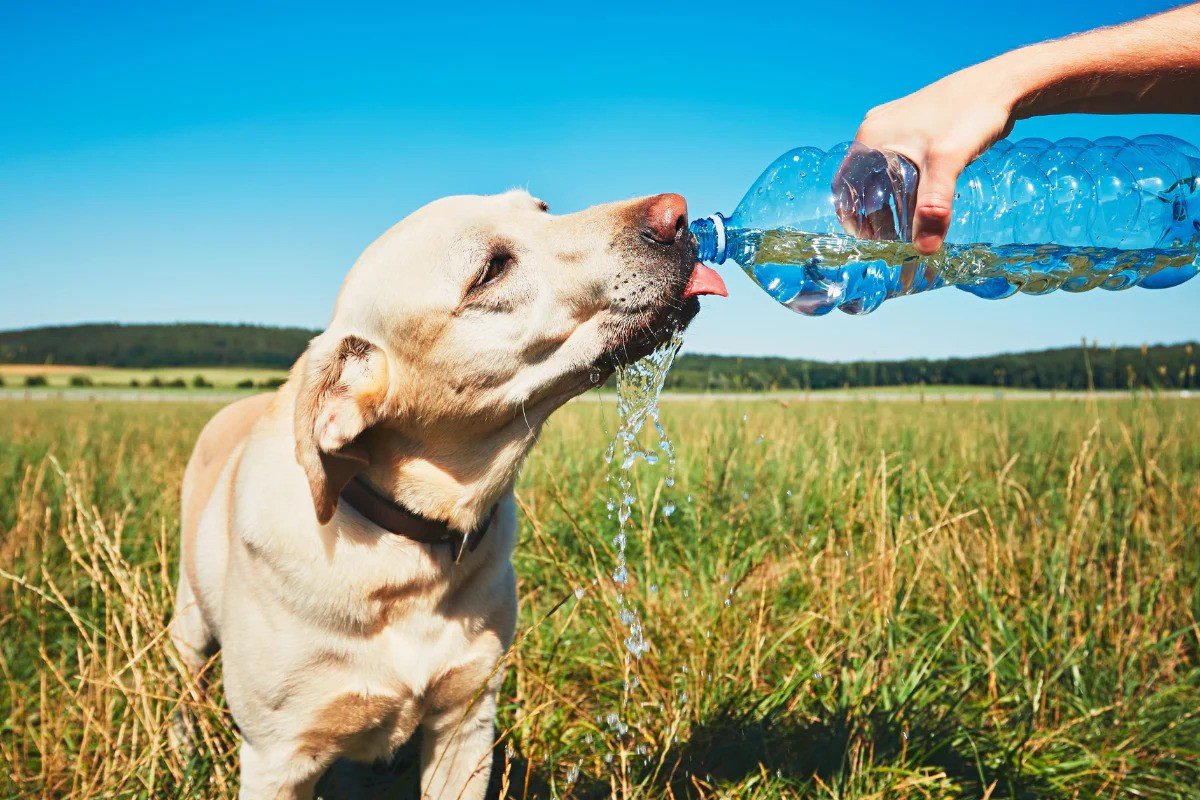
To test if the stomach has actually stabilized, remove all food and water bowls for one full hour to let the muscles rest. Once that window passes, offer a tiny, measured amount of water, just two to three tablespoons. If your dog keeps it down comfortably for thirty minutes, small, rationed sips can continue. If they take that tiny sip and immediately throw it back up, the digestive tract is too overwhelmed for home care, and a vet should be called to safely manage fluid loss.
4. Playing Detective: The 24-Hour History
If your dog is acting normal and successfully keeping water down, take a look back at the previous twenty-four hours. Usually, there is a very logical, everyday explanation for the accident.
- The Missing Household Object: Think about your house and yard over the last day. Is a favorite plush toy suddenly missing an ear? Did your dog spend twenty minutes chewing on a stick outside? Did a sock disappear from the laundry basket? Swallowed foreign objects are a primary cause of sudden stomach upsets, and the body might be trying to reject a physical blockage.
- A Sudden Menu Change: Did the dog manage to nudge open the kitchen trash, or did a well-meaning family member feed them rich, fatty human food from the dinner table? Introducing a brand-new type of food overnight, or offering greasy table scraps like bacon or gravy, can easily shock a dog’s digestive system, resulting in a short-lived internal protest.
5. Critical Emergency Warning Signs
The final check is scanning for specific, high-risk red flags that mean home monitoring must be bypassed entirely. If any of these signs are present, call a veterinarian or an emergency clinic immediately.
- Continuous, Unproductive Retching: If a dog is violently heaving, gasping, and pacing but only producing a tiny drop of white froth or absolutely nothing at all, this is a severe medical crisis. This is the primary indicator of Bloat (Gastric Dilatation-Volvulus), a condition where the stomach fills with gas and twists. It progresses rapidly, cuts off blood circulation, and requires immediate life-saving surgery.
- Suspected Toxins: Immediate intervention is vital if a dog is known or strongly suspected to have eaten hazardous items. This includes toxic human foods like chocolate, grapes, raisins, or sugar-free gum containing xylitol, as well as human medications or household chemicals. Do not wait for symptoms to worsen before seeking help.
- A Hard or Painful Belly: If the dog’s stomach looks visibly distended, feels unusually tight or hard to the touch, or if the animal whines and shrinks away when its abdomen is gently pressed, they are experiencing severe internal distress.
The 24-Hour Recovery Blueprint
If your pup passed all five checks meaning they are energetic, showing no emergency signs, and can keep small sips of water down, you can safely manage the recovery at home using a simple timeline of digestive rest.
- Enforce a Food Fast: Hours 1 to 6.
Keep all food bowls away. The stomach lining needs a few hours of complete rest to let the inflammation settle. Note: Never skip meals for young puppies or tiny toy breeds without calling a vet, as their blood sugar can drop dangerously fast.
- Control the Water Intake: Hours 6 to 12.
Stick strictly to the rationing rule. Offer a few ice cubes to lick, or place just two tablespoons of water in the bowl every hour to prevent the dog from gulping and re-triggering a spasm.
- Feed a Gentle, Bland Meal: Hours 12 to 36.
Cook a simple recovery meal consisting of two parts boiled white rice to one part plain, skinless chicken breast without any butter, oils, salt, or seasonings. Offer just two spoonfuls to start. If they keep it down, feed small portions of this mixture every few hours.
- Slowly Switch Back to Kibble: Days 2 and 3.
Once the dog has regular, solid stools and maintains great energy, slowly reintroduce standard dog food over forty-eight hours. Mix a small handful of regular kibble into the chicken and rice mixture, gradually increasing the dog food ratio until the transition is complete.
Embracing the Ups and Downs of Pet Parenthood
At the end of the day, dealing with an occasional upset stomach is simply an inescapable milestone of sharing your life with a dog. When these moments strike, remember that the mess on the rug matters far less than your dog’s overall spirit. Our companions are incredibly resilient, and a single isolated incident is often just nature’s quick way of resetting them before they return to their happy, everyday routines. By staying calm, observing their behavior closely, and using these five practical checks, you can navigate these brief scares with absolute confidence, keeping your home peaceful and your best friend safe.
-
 All Products
Goat Milk Powder for Dogs and Cats – 400g
Original price was: ₹1,298.86.₹733.96Current price is: ₹733.96. -
 All Products
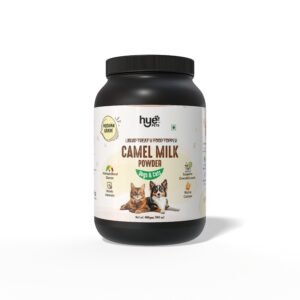
Camel Milk Powder For Dogs and Cats – 400g
Original price was: ₹1,499.75.₹499.00Current price is: ₹499.00. -
 All Products
Super Treats for Super Pets made with Goat Milk, Strawberry and Banana | 30g
Original price was: ₹325.00.₹308.75Current price is: ₹308.75. -
 All Products
Super Treats for Super Pets made with Goat Milk, Pumpkin and Banana | 30g
Original price was: ₹279.00.₹265.06Current price is: ₹265.06. -
 All Products
Super Treats for Super Pets made with Goat Milk, Carrot and Banana | 30g
Original price was: ₹279.00.₹265.06Current price is: ₹265.06. -
 All Products
Super Treats for Super Pets made with Goat Milk, Blueberry and Banana | 30g
Original price was: ₹325.00.₹308.75Current price is: ₹308.75. -
 Out of stockAll Products
Super Treats for Super Pets made with Camel Milk, Apple and Banana | 30g
Original price was: ₹279.00.₹265.06Current price is: ₹265.06. -
 All Products
Super Treats for Super Pets made Camel Milk, Beetroot and Banana | 30g
Original price was: ₹279.00.₹265.06Current price is: ₹265.06. -
 Combos
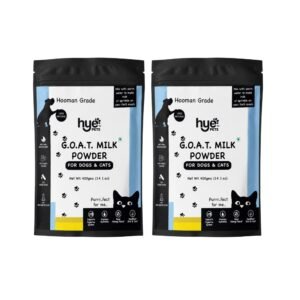
Goat Milk Powder for Dogs and Cats – Combo Pack (2 x 400g)
Original price was: ₹3,065.28.₹1,680.32Current price is: ₹1,680.32. -
 All Products
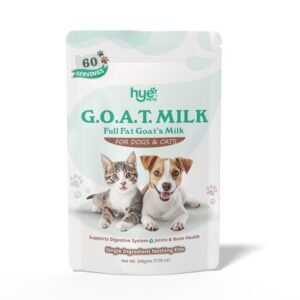
Goat Milk Powder for Dogs and Cats – 200g
Original price was: ₹698.99.₹657.05Current price is: ₹657.05. -
 All Products
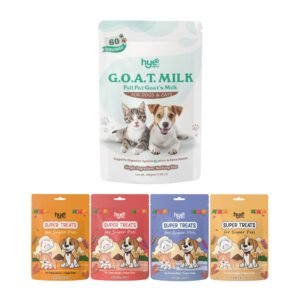
Goat Milk Powder and Freeze-Dried Goat Milk Treats Combo for Dogs and Cats
Original price was: ₹2,250.26.₹2,067.36Current price is: ₹2,067.36. -
 Combos
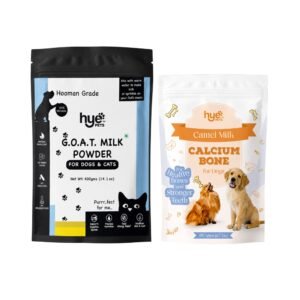
Goat Milk Powder and Camel Milk Calcium Bone for Dogs – Combo Pack
Original price was: ₹1,826.47.₹1,108.02Current price is: ₹1,108.02. -
 Combos
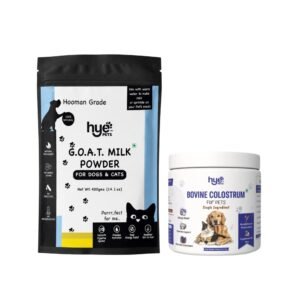
Goat Milk Powder and Bovine Colostrum Combo for Dogs & Cats
Original price was: ₹2,357.47.₹1,221.30Current price is: ₹1,221.30. -
 Goat Milk Treats
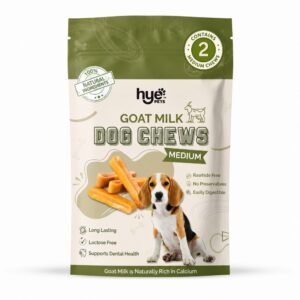
Goat Milk Dog Chews for Medium Dogs | Rawhide-Free Dental Treats | 2 Chews
Original price was: ₹449.01.₹422.01Current price is: ₹422.01. -
 Combos
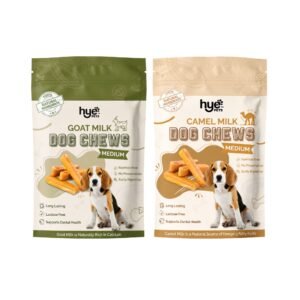
Goat Milk and Camel Milk Chews Combo for Medium Dogs
Original price was: ₹1,118.64.₹1,019.52Current price is: ₹1,019.52. -
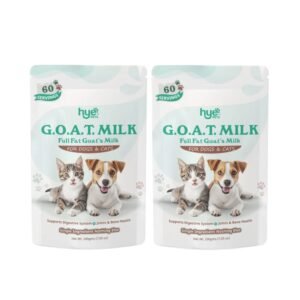 Combos
Full Fat Goat Milk Powder for Dogs and Cats Combo Pack (2 x 200g)
Original price was: ₹1,649.64.₹1,509.22Current price is: ₹1,509.22. -
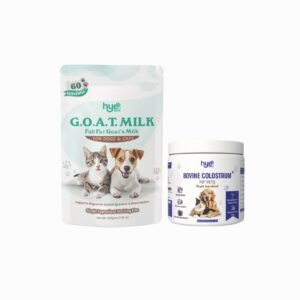 Combos
Full Fat Goat Milk Powder and Bovine Colostrum Combo for Dogs and Cats
Original price was: ₹1,398.01.₹949.01Current price is: ₹949.01.
- All Posts
- Blog
- Blogs
- Recipe
- Stories
- Trivia