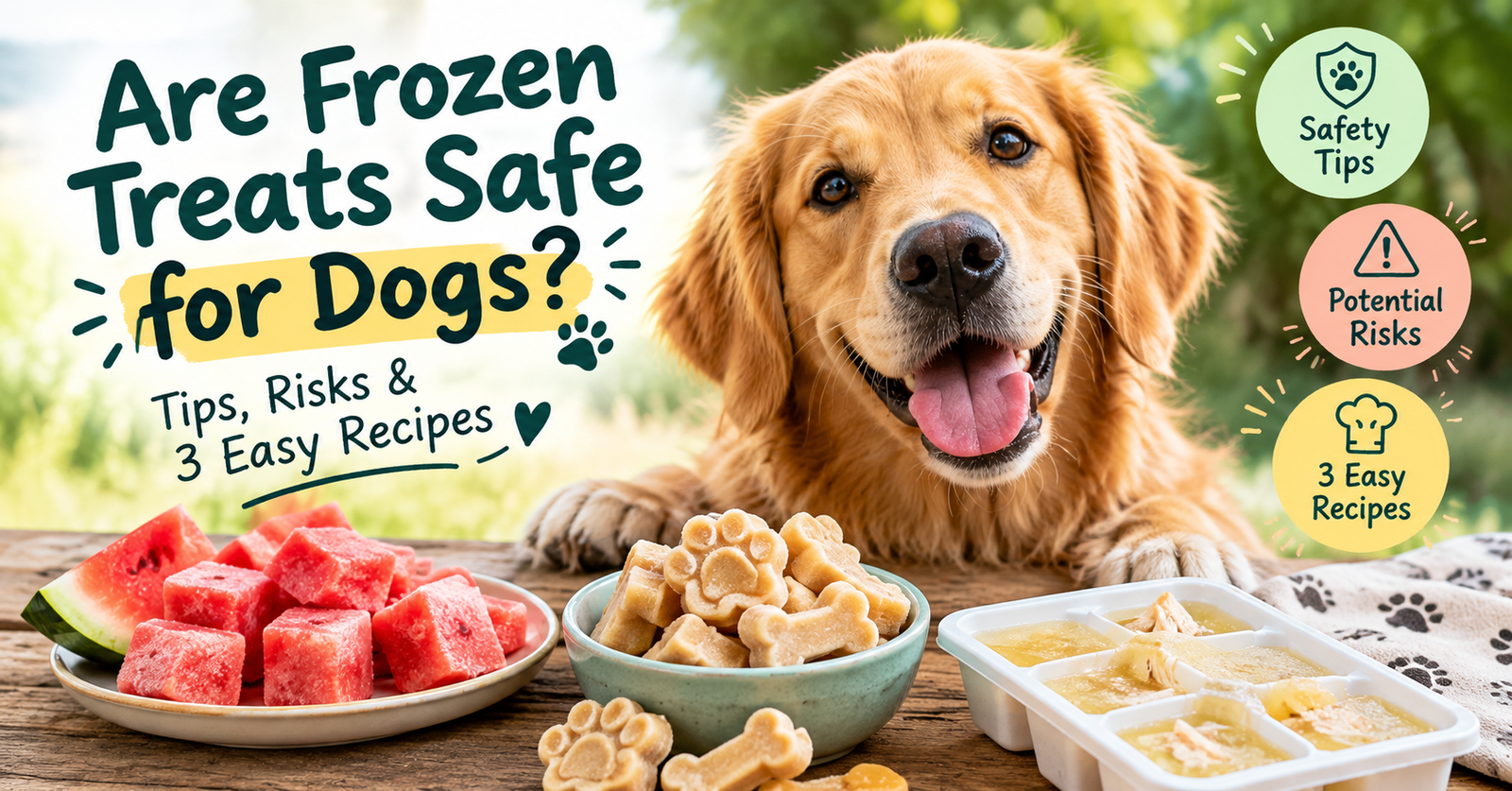
Yes, frozen treats are generally safe for healthy dogs, provided you choose pet-friendly ingredients, pay attention to texture, and keep portions reasonable. On a warm day or quiet afternoon, a frozen snack can be a fun way to mix up your dog’s routine and keep them busy.
That said, not every dog handles frozen treats the same way. Hard frozen blocks may pose a risk to teeth for aggressive chewers, big chunks can be a choking hazard, and certain human foods especially artificial sweeteners are dangerous for dogs. Taking a minute to pick the right ingredients and textures for your dog’s size and chewing style makes all the difference.
Are Frozen Treats Safe for Dogs?
For most healthy adult dogs, a simple frozen treat made from fruit, plain purée, or pet-safe broth is completely fine. But whether a treat is safe usually comes down to three things:
- Age and teeth: Puppies with baby teeth and older dogs with worn teeth or sensitive gums may experience discomfort or tooth damage if they bite down hard on solid ice blocks.
- How they chew: Dogs that crunch everything with full force risk damaging their teeth on dense ice. On the flip side, dogs that gulp their food whole can easily choke on slippery frozen chunks.
- Stomach sensitivities: Rich or fatty ingredients like full-fat dairy or nut butter can trigger upset stomachs or painful belly inflammation in sensitive dogs.
If you aren’t sure how your dog will handle a new food or texture, start small and see how they do.
Benefits of Frozen Dog Treats
Aside from being a tasty snack, frozen treats have a few nice practical perks:
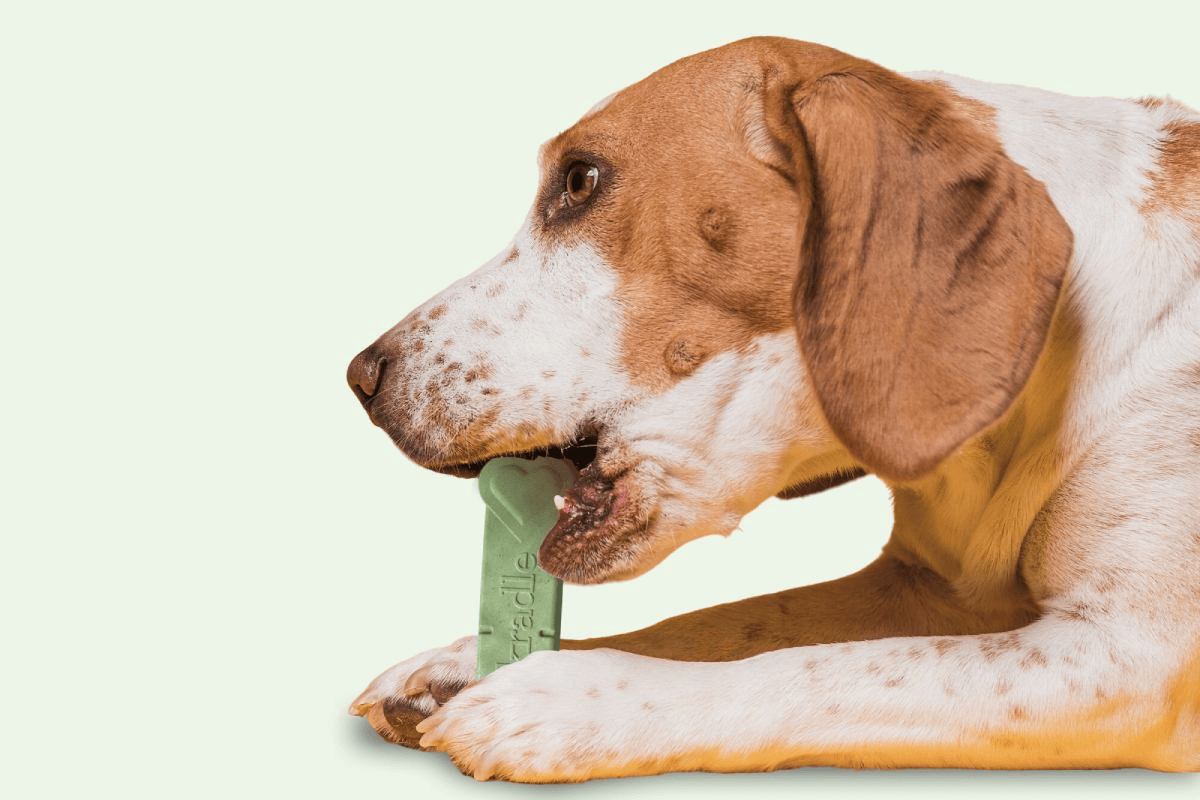
- Keeps them occupied: Licking is naturally calming for dogs. Freezing a treat extends the activity, giving your pup a soothing task to focus on.
- Slows down fast eaters: Spreading wet food or pumpkin on a mat or packing it into a toy keeps dogs from inhaling their snacks in two seconds.
- Helps sneak in fluid: Watermelon or broth-based treats offer a quick boost of moisture, which is great for dogs that don’t drink a lot of water on warm days.
Just remember that treats are just snacks they don’t replace a bowl of clean drinking water, and they won’t cool down a genuinely overheated dog.
Risks to Keep in Mind
Before making a batch of treats, here are a few key safety points to keep on your radar:
1. Hard Textures and Teeth
Solid ice cubes and dense frozen blocks can be tough on teeth. According to official dog safety guidance, hard ice may present a dental hazard, particularly for dogs that chew aggressively or already have worn teeth. Soft purées, shaved ice, or slushies are much easier on their jaws.
2. Choking Hazards and Blockages
Large, slippery ice cubes can easily slip down a dog’s throat unchewed. Also, avoid freezing whole fruit with seeds or tough outer skin (like watermelon rind), which can cause blockages in the stomach or gut.
3. Dangerous Ingredients
Always read ingredient labels before using store-bought human foods:
- Artificial sweeteners(like xylitol or birch sugar: Extremely toxic to dogs. Food safety alerts warn that even small amounts trigger a sudden drop in blood sugar and liver issues. It often hides in sugar-free peanut butter, light yogurt, and ice cream.
- Grapes and raisins: Can cause sudden kidney problems.
- Chocolate and cocoa: Contain natural plant compounds that affect the heart and nervous system.
- Onions and garlic: Commonly found in store-bought human broths and gravies, these damage red blood cells over time.
Check poison control guidance if you are ever unsure about an ingredient.
4. Extra Calories
High-fat ingredients like peanut butter add up fast. Too many calorie-heavy treats can lead to weight gain or an upset stomach.
How to Serve Frozen Treats Safely
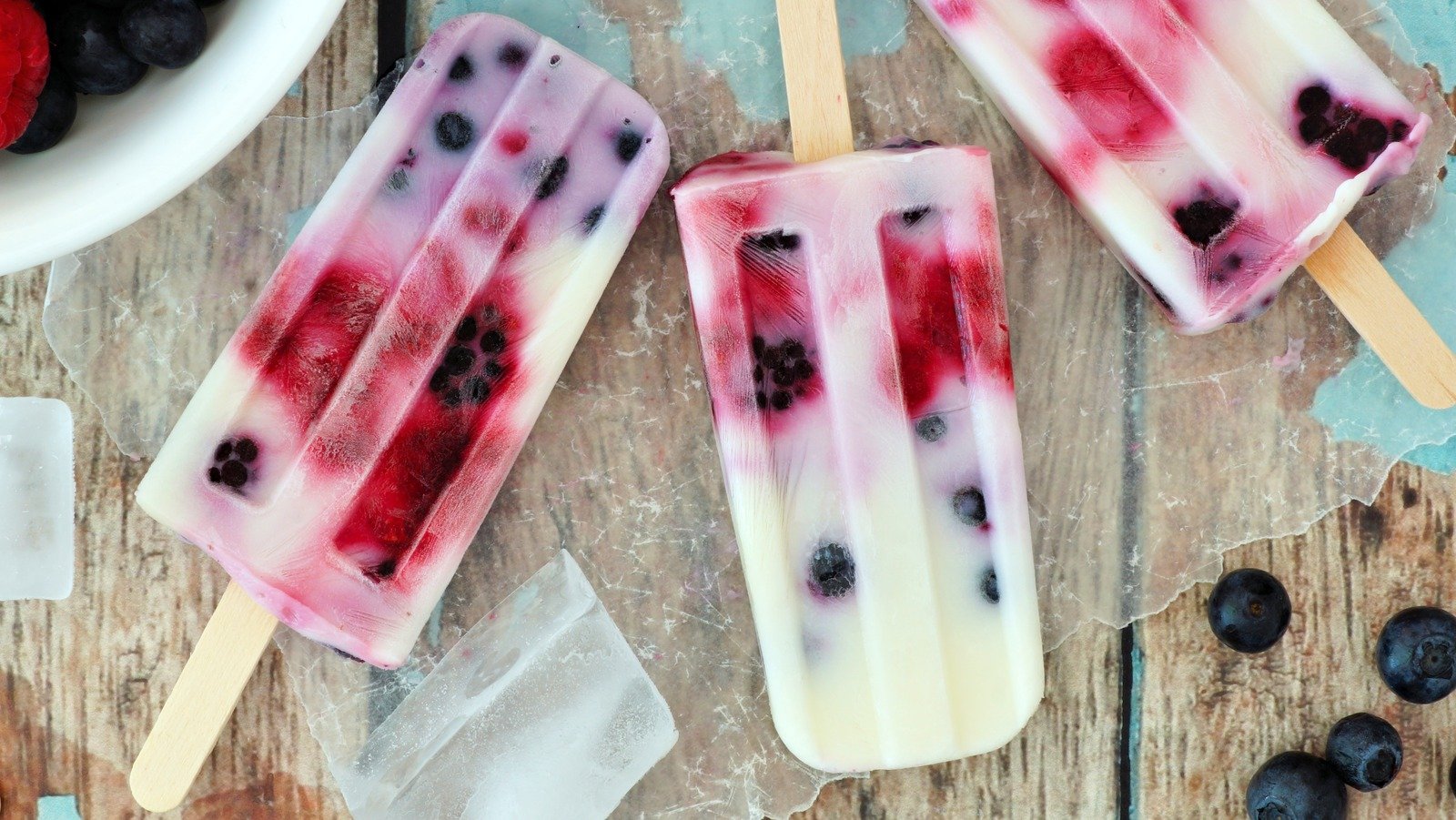
- Keep treats to a minimum: Guidelines from veterinary nutritionists recommend keeping all treats under 10% of your dog’s daily calories. The rest should come from their balanced regular diet.
- Match the portion to your dog: A treat size that works for a large dog is way too big for a tiny breed. Use smaller molds for small dogs.
- Let hard treats soften: Give dense ice cubes a few minutes at room temperature so they soften slightly before serving.
- Keep an eye on them: Always supervise your dog while they eat, especially if they tend to swallow things whole.
3 Easy Homemade Frozen Dog Treat Recipes
These simple recipes take just a few minutes to throw together using an ice tray or silicone mold.
Storage: Once frozen solid, pop the treats out into an airtight freezer container or bag. Depending on ingredient freshness and freezer conditions, homemade treats generally remain best when used within a few weeks.
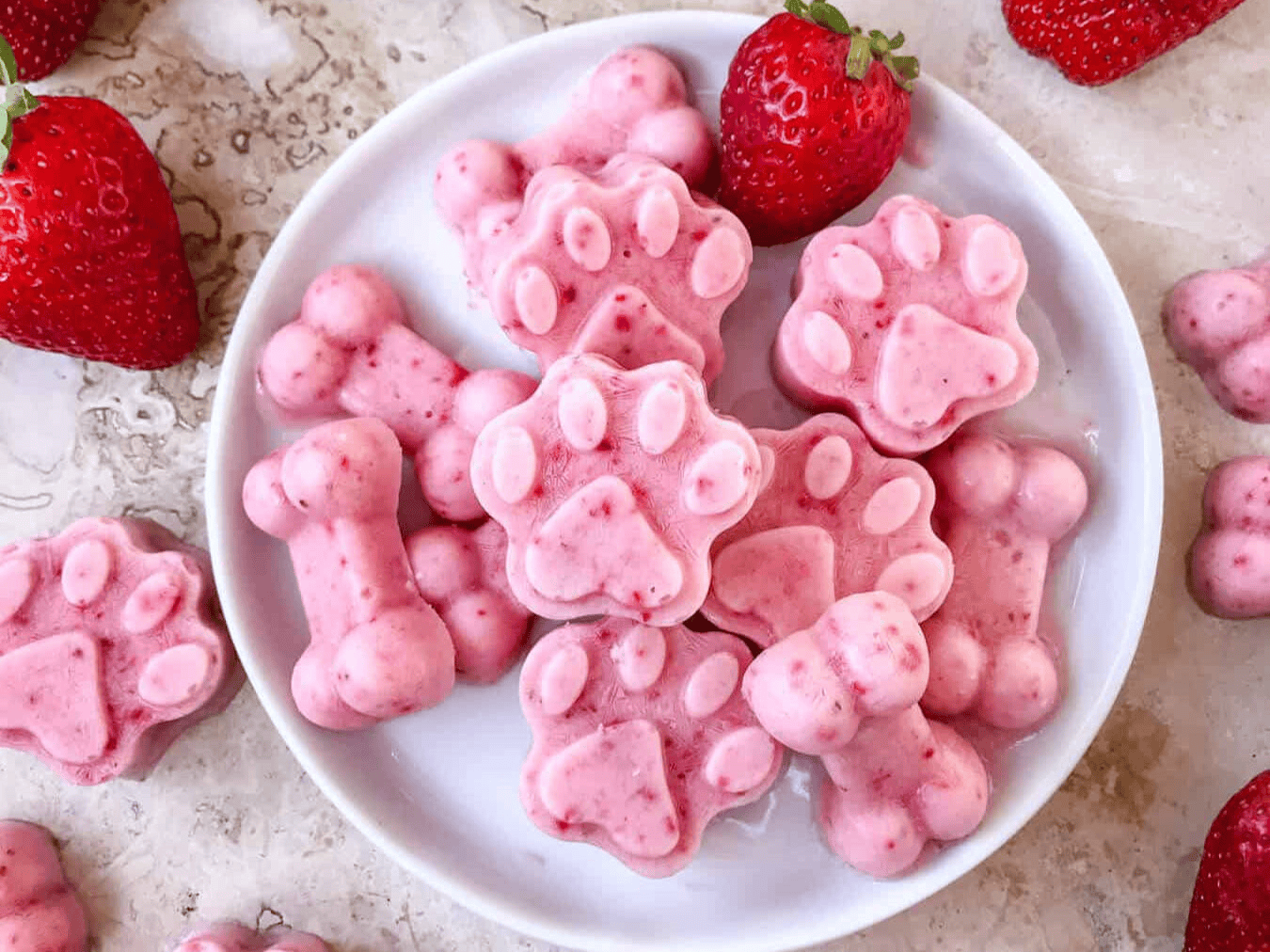
1. Watermelon Freezer Bites
A light, moisture-packed snack that is naturally low in calories.
- Prep time: 5 minutes | Freezing time: 3–4 hours
- Yield: Makes about 16 standard ice tray cubes
- Ingredients:
- 2 cups seedless watermelon rind, with all seeds completely removed
- 3 tablespoons plain water
Instructions:
- Toss the watermelon and water into a blender.
- Blend until smooth.
- Pour into an ice tray or silicone mold.
- Freeze for 3 to 4 hours until solid.
Serving tip: Offer a small portion appropriate for your dog’s size and calorie needs. Make sure there are no seeds or bits of rind in the mix.
2. Peanut Butter & Banana Drops
A creamy, rewarding treat for dogs that love rich flavors.
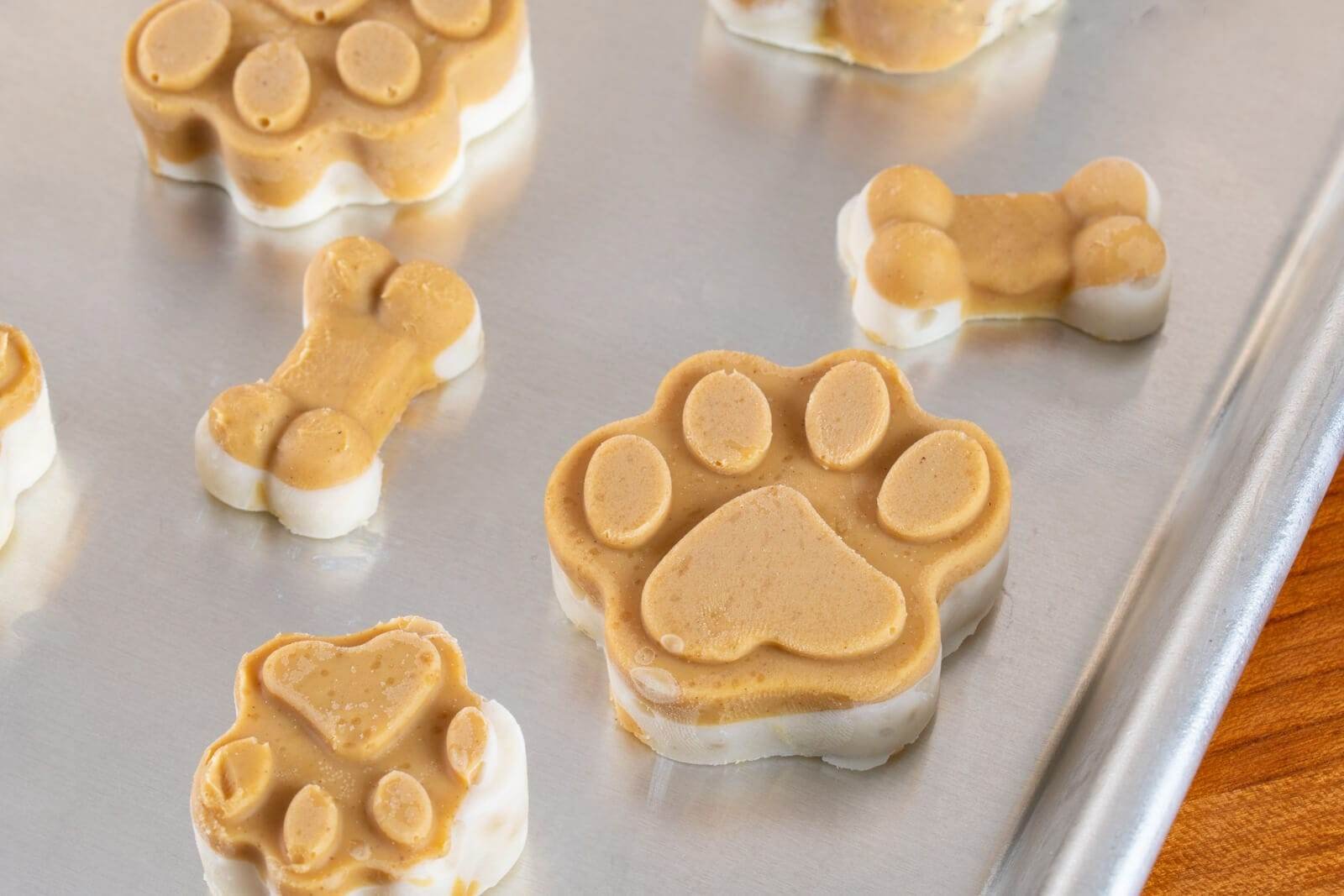
- Prep time: 5 minutes | Freezing time: 3–4 hours
- Yield: Yield varies by mold size (about 30 to 40 small 1-tsp drops)
- Ingredients:
- 1 medium ripe banana
- 2 tablespoons plain, unsweetened peanut butter check the label to ensure NO artificial sweeteners like xylitol
- 1/2 cup plain water
Instructions:
- Mash the banana in a bowl until smooth.
- Whisk in the peanut butter and water until combined into a pourable liquid.
- Spoon into small silicone molds or onto a parchment-lined tray.
- Freeze for 3 to 4 hours until firm.
Serving tip: These are calorie-dense! Start with a very small portion, especially for smaller breeds, to ensure they stay well within daily treat limits.
3. Savory Broth & Chicken Cubes
A low-calorie option for dogs that prefer meat over fruit.
- Prep time: 5 minutes | Freezing time: 3–4 hours
- Yield: Makes about 16 standard ice tray cubes
- Ingredients:
- 2 cups plain, low-sodium chicken broth 100% free of onions, garlic, and added salt
- 2 tablespoons finely shredded cooked chicken breast
Instructions:
- Put a few shreds of chicken into each compartment of an ice tray.
- Fill each slot with the broth.
- Freeze for 3 to 4 hours until solid.
Serving tip: Let the cube sit out for a couple of minutes to soften before giving it to your dog under supervision, or drop one right into their water bowl.
Are Frozen Treats Safe for Puppies?
Puppies can have frozen treats, but you need to be extra careful.
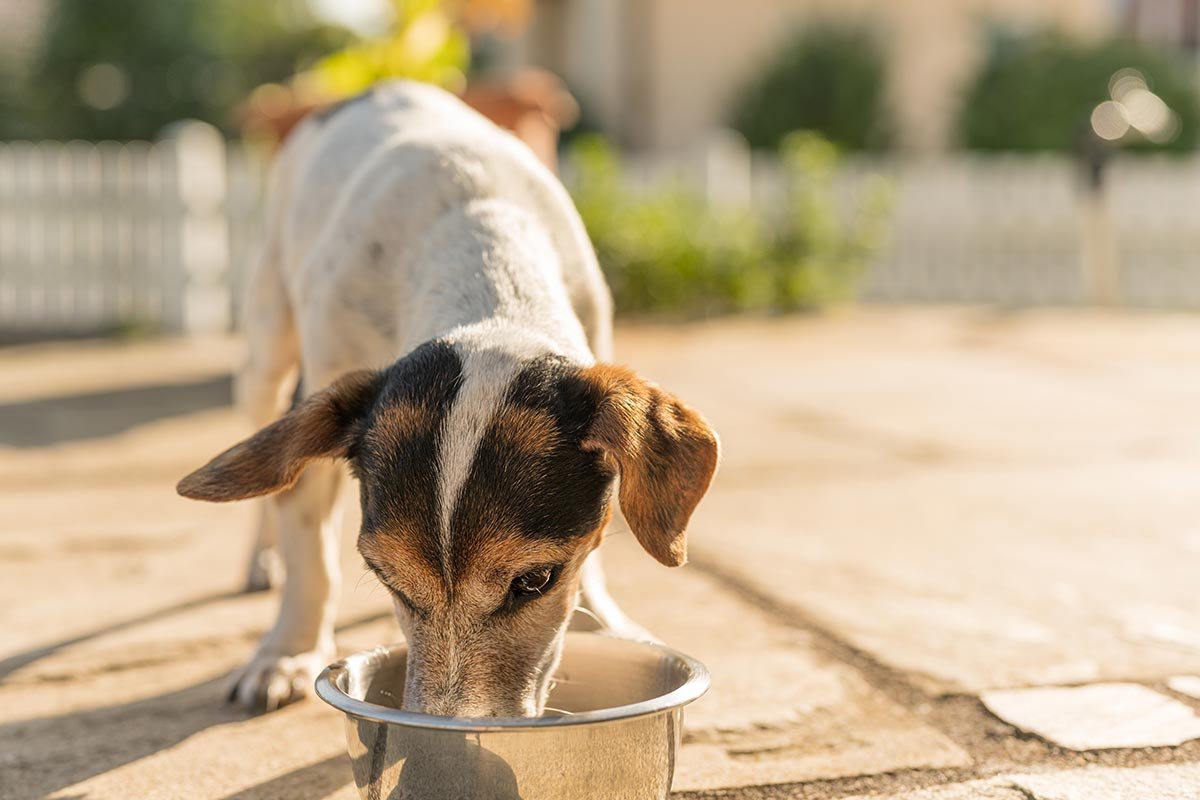
Their baby teeth can be sensitive, and their digestive systems react easily to new foods:
- Avoid hard ice: Solid ice cubes may pose a risk to delicate puppy teeth.
- Use soft options: Freeze a bit of plain canned pumpkin or wet food inside a soft, puppy-safe rubber toy instead.
- Keep portions tiny: Introduce new ingredients slowly so you don’t end up with an upset stomach.
- Always watch them: Puppies love to gulp things whole, so don’t leave them unattended with a frozen treat.
Frozen Treats and Hot Weather
Giving your dog a cold snack in the shade on a hot day is a fun way to help them relax. However, frozen treats do not treat or prevent dangerous overheating.
Severe overheating is a serious emergency. Per pet safety guidelines, if your dog shows signs of overheating frantic panting, thick drool, bright red gums, weakness, or stumbling act immediately:
- Move them into shade or air conditioning right away.
- Start cooling their coat with cool or room-temperature water around their neck, chest, and belly. Do not use ice water or ice baths.
- Offer small sips of cool drinking water only if they are awake and willing to drink.
- Get them to an emergency clinic as quickly as possible.
Stick to shade, ventilation, and fresh drinking water to stay safe in hot weather, and save frozen treats for casual rewards.
Useful Gear for Making Frozen Treats
Having a few simple tools around the kitchen makes prep easier:
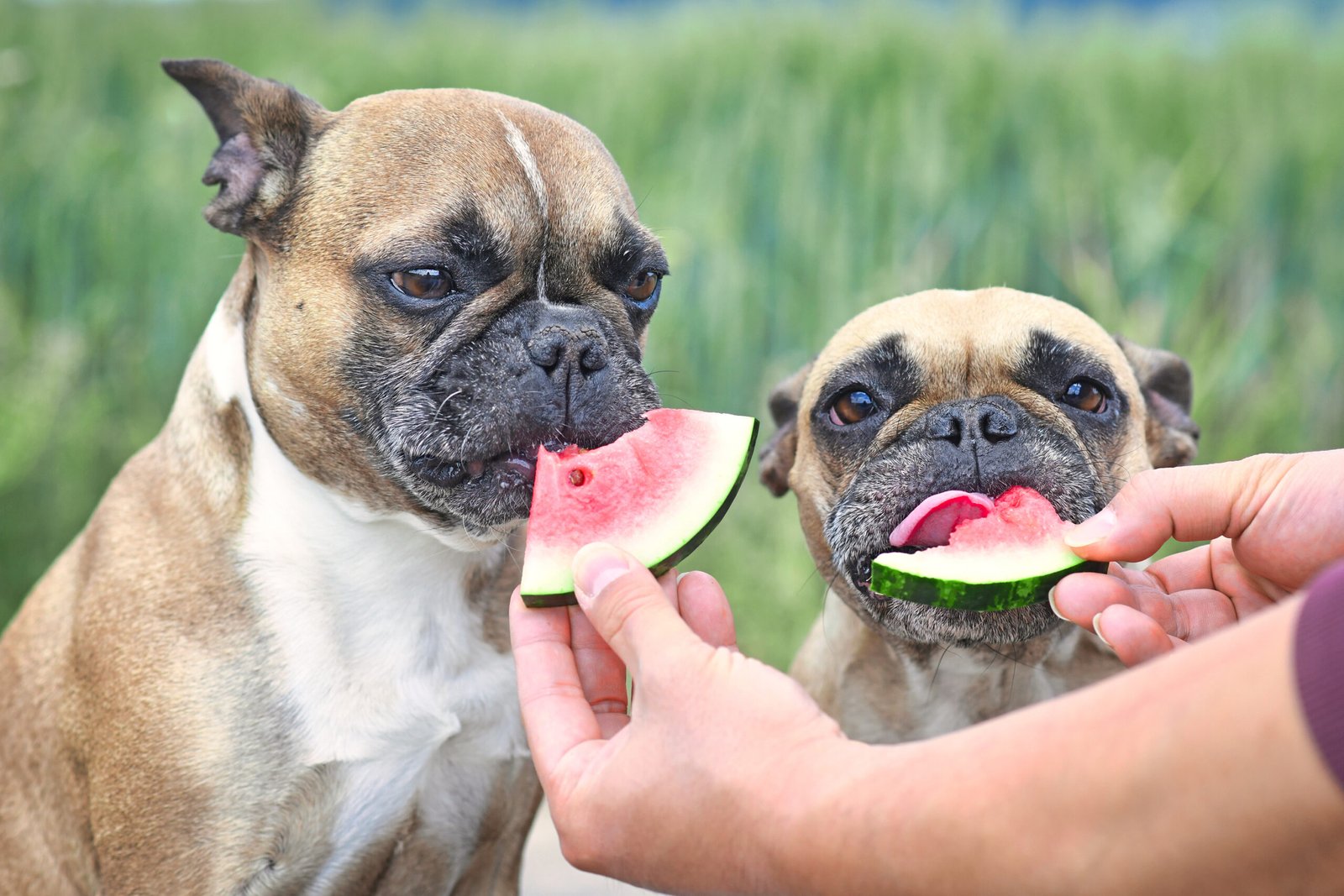
- Silicone treat molds: Flexible food-grade silicone molds make popping out individual bites much easier than struggling with rigid plastic trays.
- Lick mats: Spreading pumpkin, plain Greek yogurt, or wet food on a textured silicone mat confirmed freezer-safe on the label turns a small amount of food into an engaging licking session.
- Stuffable rubber toys: Durable, freezer-safe rubber toys can be packed with wet food or soaked kibble and frozen for a fun puzzle.
Just make sure any gear you use is made of non-toxic, durable materials appropriate for your dog’s size and chewing strength, and discard anything that starts looking worn or damaged.
Wrapping Up
Homemade frozen dog treats are an easy, budget-friendly way to keep your pup happy and entertained. Stick to safe whole ingredients, double-check labels for hidden sweeteners, pick soft textures for sensitive teeth, and keep portions reasonable.
-
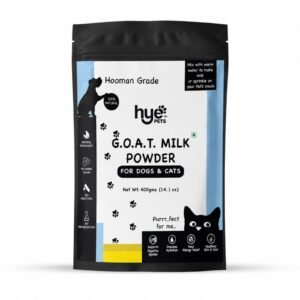 All Products
Goat Milk Powder for Dogs and Cats – 400g
Original price was: ₹1,298.86.₹733.96Current price is: ₹733.96. -
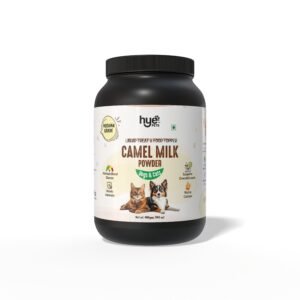 All Products
Camel Milk Powder For Dogs and Cats – 400g
Original price was: ₹1,499.75.₹499.00Current price is: ₹499.00. -
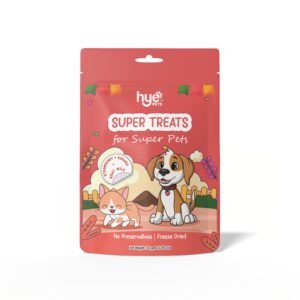 All Products
Super Treats for Super Pets made with Goat Milk, Strawberry and Banana | 30g
Original price was: ₹325.00.₹308.75Current price is: ₹308.75. -
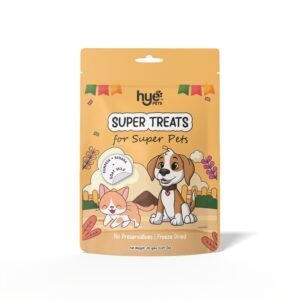 All Products
Super Treats for Super Pets made with Goat Milk, Pumpkin and Banana | 30g
Original price was: ₹279.00.₹265.06Current price is: ₹265.06. -
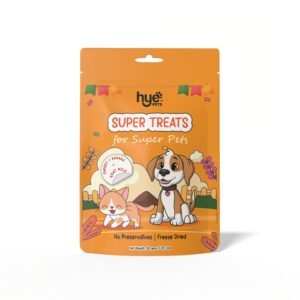 All Products
Super Treats for Super Pets made with Goat Milk, Carrot and Banana | 30g
Original price was: ₹279.00.₹265.06Current price is: ₹265.06. -
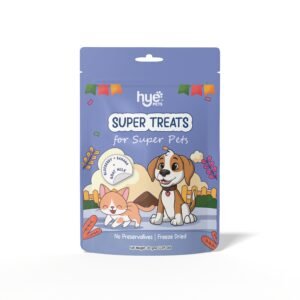 All Products
Super Treats for Super Pets made with Goat Milk, Blueberry and Banana | 30g
Original price was: ₹325.00.₹308.75Current price is: ₹308.75. -
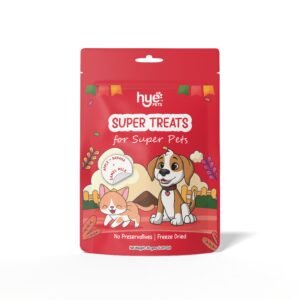 All Products
Super Treats for Super Pets made with Camel Milk, Apple and Banana | 30g
Original price was: ₹279.00.₹265.06Current price is: ₹265.06. -
 All Products
Super Treats for Super Pets made Camel Milk, Beetroot and Banana | 30g
Original price was: ₹279.00.₹265.06Current price is: ₹265.06. -
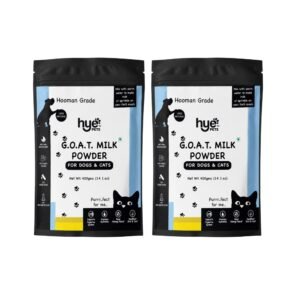 Combos
Goat Milk Powder for Dogs and Cats – Combo Pack (2 x 400g)
Original price was: ₹3,065.28.₹1,680.32Current price is: ₹1,680.32. -
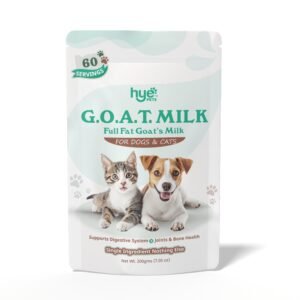 All Products
Goat Milk Powder for Dogs and Cats – 200g
Original price was: ₹698.99.₹657.05Current price is: ₹657.05. -
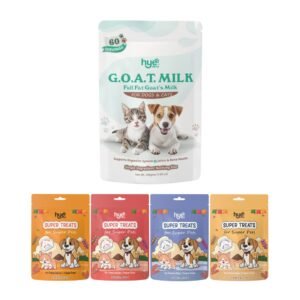 All Products
Goat Milk Powder and Freeze-Dried Goat Milk Treats Combo for Dogs and Cats
Original price was: ₹2,250.26.₹2,067.36Current price is: ₹2,067.36. -
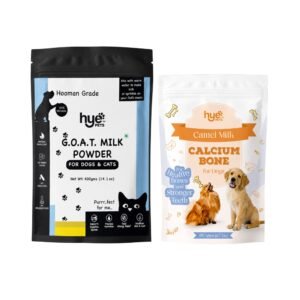 Combos
Goat Milk Powder and Camel Milk Calcium Bone for Dogs – Combo Pack
Original price was: ₹1,826.47.₹1,108.02Current price is: ₹1,108.02. -
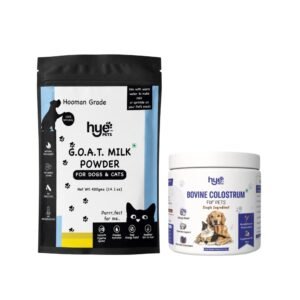 Combos
Goat Milk Powder and Bovine Colostrum Combo for Dogs & Cats
Original price was: ₹2,357.47.₹1,221.30Current price is: ₹1,221.30. -
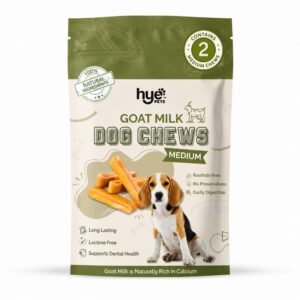 Goat Milk Treats
Goat Milk Dog Chews for Medium Dogs | Rawhide-Free Dental Treats | 2 Chews
Original price was: ₹449.01.₹422.01Current price is: ₹422.01. -
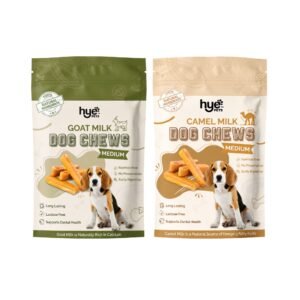 Combos
Goat Milk and Camel Milk Chews Combo for Medium Dogs
Original price was: ₹1,118.64.₹1,019.52Current price is: ₹1,019.52. -
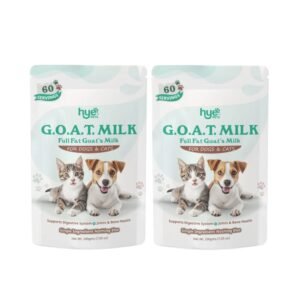 Combos
Full Fat Goat Milk Powder for Dogs and Cats Combo Pack (2 x 200g)
Original price was: ₹1,649.64.₹1,509.22Current price is: ₹1,509.22. -
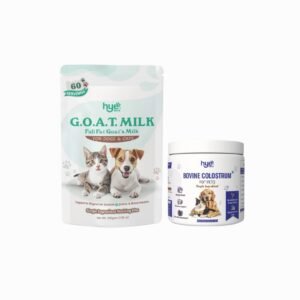 Combos
Full Fat Goat Milk Powder and Bovine Colostrum Combo for Dogs and Cats
Original price was: ₹1,398.01.₹949.01Current price is: ₹949.01.
- All Posts
- Blog
- Blogs
- Recipe
- Stories
- Trivia