It usually starts on a Saturday morning. You’re at the pet store, looking at the same bag of kibble you’ve bought for a year, and you decide it’s time for an upgrade. You’ve read the blogs, you’ve checked the labels for real meat, and you’re genuinely excited to give your dog something better. You imagine they’ll have more energy, a shinier coat, and maybe even a little more pep in their step.
You get home, scoop out a big bowl of the new stuff, and watch them inhale it. Success, right?
But then comes 3:00 AM. You’re woken up by that frantic, rhythmic scratching at the bedroom door. Or worse, the sound of your dog’s stomach gurgling so loudly you can hear it from the hallway. Five minutes later, you’re standing in the backyard in your pajamas with a flashlight, watching your dog wander in circles, looking miserable.
You’re standing there cold and tired, thinking, But this food was expensive. It’s supposed to be healthier. You feel that weird mix of guilt and frustration, and by the time you get back inside, you’re on your phone frantically checking the clock and wondering if you should have just stuck with the old stuff.
Honestly, it happens more often than people think. It’s not that the food is bad it’s just that we often forget how much a dog’s internal world loves a boring, predictable routine.
Why a Better Food Can Still Cause a Mess
We tend to think that if we’re switching from a budget brand to a premium one, the dog’s body will just be happy about it. But a dog’s stomach doesn’t care about the price tag or the fancy packaging.
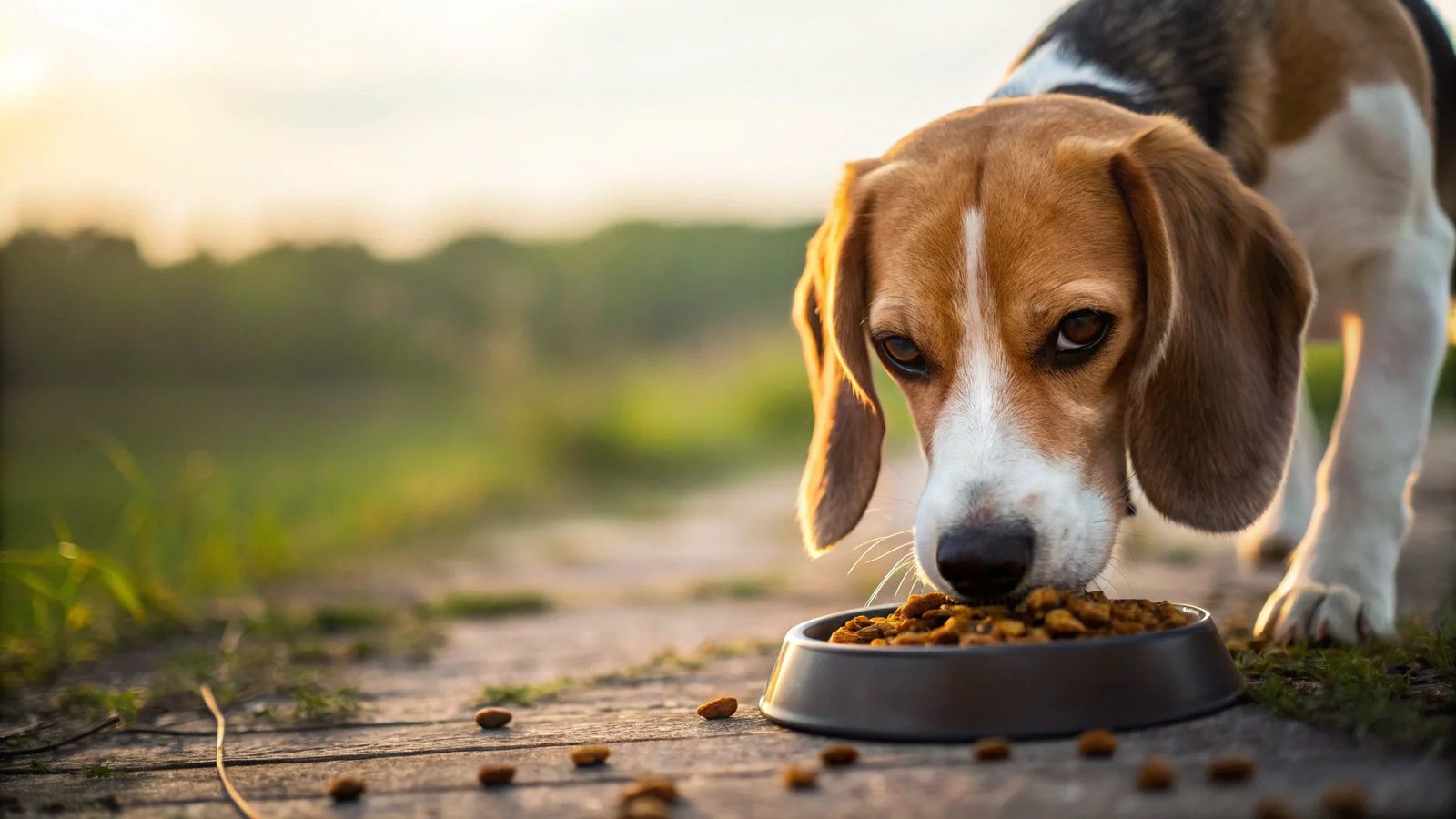
When a dog eats the same thing every day, their system gets incredibly dialed into those specific ingredients. When you suddenly drop a completely different recipe into their bowl even a much higher quality one it’s a total shock. The body isn’t ready for the different protein levels or the new types of fiber.
This is why cold turkey switches almost always end with a midnight cleanup. It isn’t that the new food is disagreeing with them in the long run it’s just that their system needs a moment to catch up.
The Signs You’re Moving Too Fast
Sometimes the signs aren’t as obvious as a backyard emergency. You have to look for the smaller tells that your dog is struggling with the change.
- The One Sniff Walk-Away: They might act hungry, walk to the bowl, take one sniff of the new kibble, and just walk away. They aren’t being picky they might already be feeling a bit of a sour stomach from the previous meal.
- The Picking-And-Choosing: You might see your dog literally sorting through the bowl, eating only the old pieces and leaving the new ones scattered on the kitchen floor like they’re trying to tell you something.
- The Liquid Sounds: If you’re sitting on the couch and can hear their belly popping and gurgling across the room, that’s usually a sign of gas and discomfort.
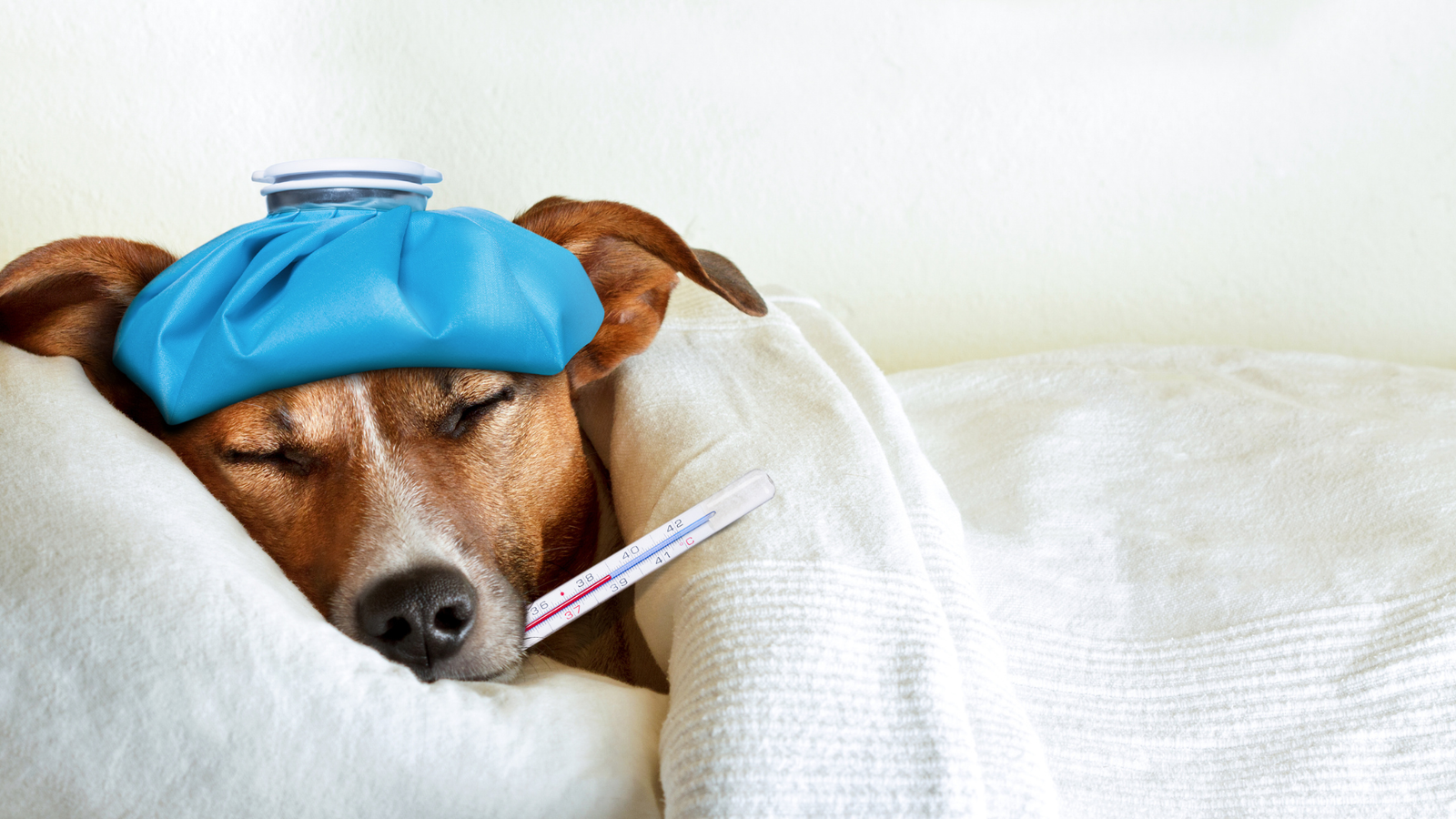
- Unusual Quietness: If your dog is usually following you around but is now just curled up in their bed looking heavy or tired, they’re likely dealing with some cramping.
- Nighttime Urgency: If they suddenly need to go out at 2:00 AM when they usually sleep through until dawn, the transition is definitely moving too fast.
Sometimes you’ll even see their stool start to look better for a day, only for it to get messy again the next night. It’s a frustrating back-and-forth that usually means the gut hasn’t quite stabilized yet.
The 7-Day Bridge: How to Do It Right
The goal here is to sneak the new food in so slowly that their body doesn’t even realize it’s happening. If you have a particularly sensitive dog, you can even stretch this out to 10 or 14 days.
- Days 1 & 2: Use mostly the old food. Just toss in a small handful of the new stuff. At this stage, you’re just letting them get used to the new smell. Check their poop if it’s still firm, you’re good to move on.
- Days 3 & 4: Go half-and-half. This is usually the danger zone where you’ll see the first signs of trouble. If things get a little soft, don’t panic. Just stay at this 50/50 mix for an extra day or two until things firm up again.
- Days 5 & 6: Now you’re mostly on the new food with just a sprinkle of the old stuff left.
- Day 7: The full switch.
A quick tip: If you realize you’re at the bottom of the old bag and only have one meal left, don’t just switch to 100% new food tomorrow. It’s worth a quick trip to the store to buy even a tiny bag of the old food so you can finish the blend properly. It’s a lot cheaper than a vet visit or a carpet cleaner.
The Real-Life Struggles of a Food Change
It’s easy to follow a chart, but real life with a dog is rarely that clean.
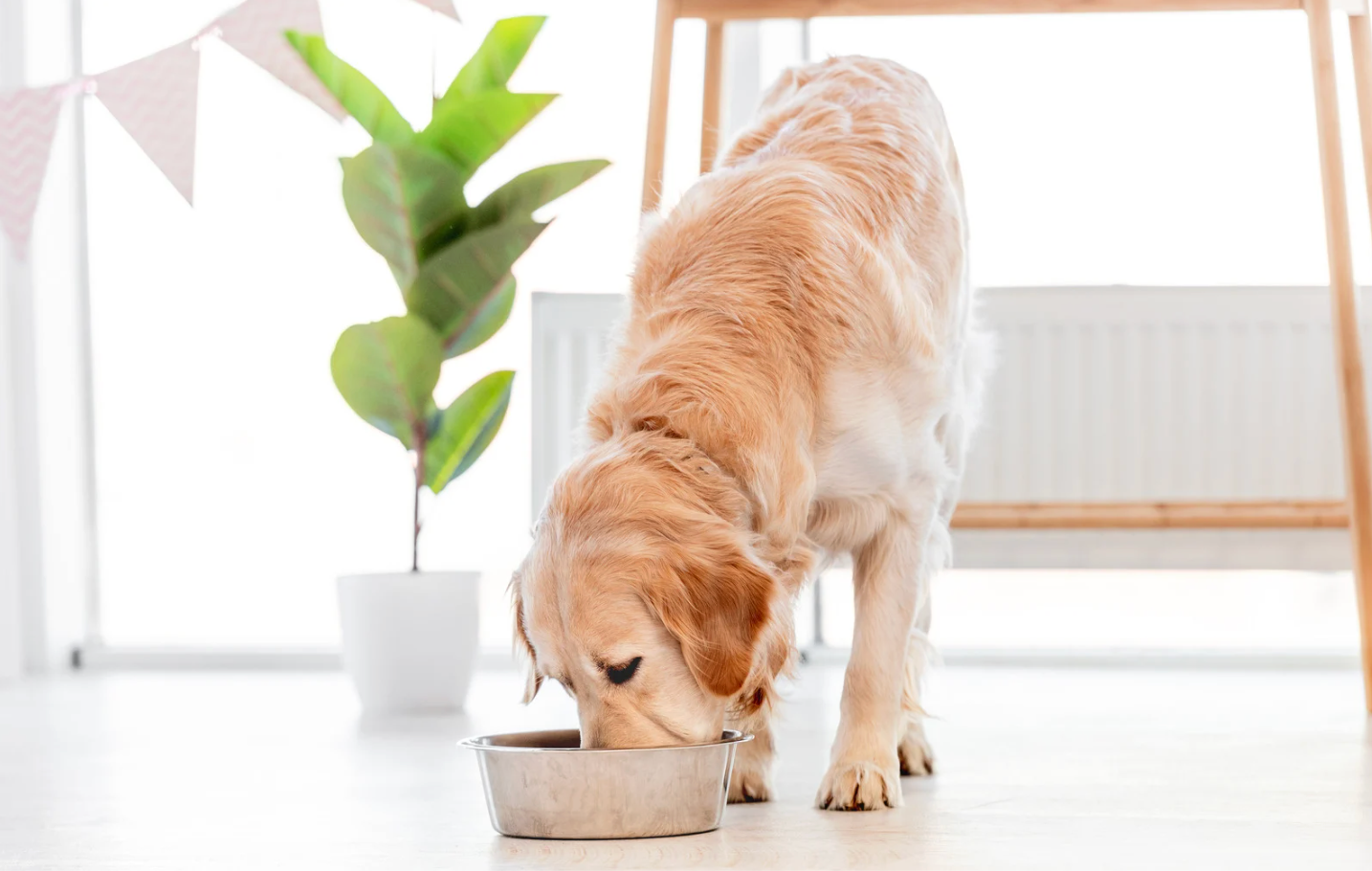
You might find that your dog is suddenly begging for treats but won’t touch their kibble. It’s tempting to give in because you’re worried they aren’t eating, but adding rich treats on top of an already stressed stomach usually just makes the diarrhea worse.
There’s also the picky eater phase. Some dogs get halfway through a transition and decide they don’t like the new texture. If they’re refusing the bowl, don’t immediately assume they hate the food. They might just be feeling a little nauseous. Try adding a bit of warm water to the bowl to soften the kibble and bring out the scent. Sometimes, that’s all it takes to get them back on track.
Common Mistakes We All Make
- Switching Because the Bag Ran Out: This is the most common reason for an upset. We don’t realize we’re low until the bag is empty, and then we’re forced into a cold turkey switch.
- Is it an Allergy or just an Upset? A lot of parents see a loose stool and immediately think, Oh, my dog is allergic to chicken. Most of the time, it’s not an allergy; it’s just a speed problem. If you slow down and the symptoms go away, you’ve solved it.
- Too Many Extras: When we switch foods, we sometimes add broth, eggs, or toppers to help them like the new stuff. But adding even more variables to a stomach that’s already confused just makes it harder to tell what’s actually causing the problem.
A Little Help for the Transition
If your dog has a history of rumbly tummies, some owners find that adding a little something gentle to the bowl helps settle things down.
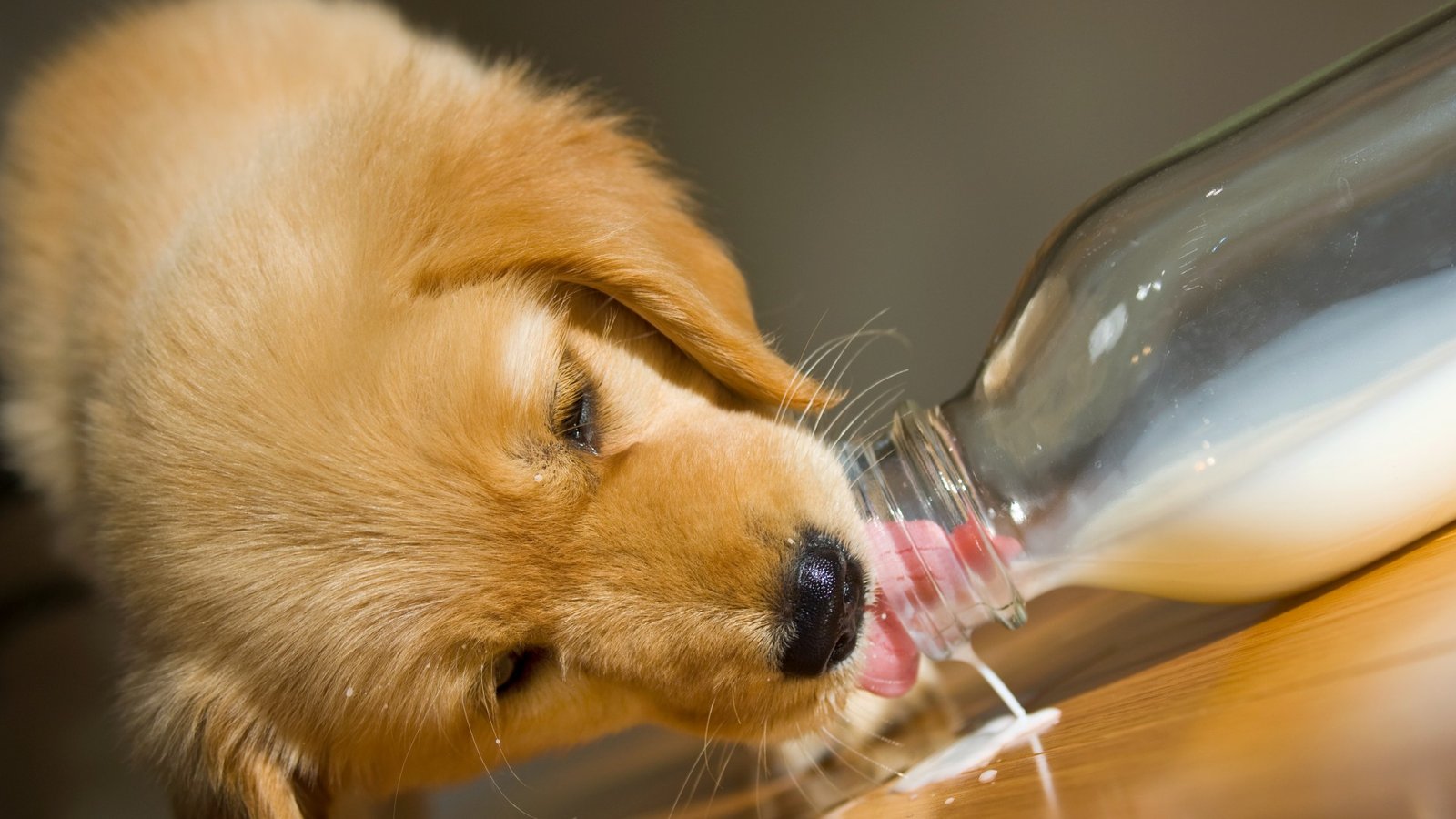
A splash of natural goat milk is a common go-to for many pet parents. Unlike the regular cow’s milk you’d buy for yourself, goat milk is much easier for dogs to handle. It’s often used as a simple topper during food changes because it’s easy on the stomach and adds a bit of hydration.
Others keep a can of plain pumpkin the pure stuff, not the pie mix in the pantry. A spoonful of that fiber can often help firm things up if the transition gets a little messy. It’s just about giving their system a little extra support while it figures out the new menu.
When to Call the Vet
Most new food belly aches go away within a day or two if you just slow things down. But you should call your vet if:
- Do you see any blood in the stool?
- They are vomiting more than once.
- They won’t touch water at all.
- They seem extremely weak or won’t get up for their favorite toy.
The Healthiest Food is the One That Works
We spend so much time worrying about the ingredients list. We want the best for them because they’re family. But it’s important to remember that the best food in the world isn’t doing much good if your dog feels miserable while eating it.
Patience is a big part of being a pet parent. Taking that extra week to slowly blend the old with the new isn’t just about avoiding a mess on the carpet it’s about making sure your dog feels okay. They can’t tell us when their stomach hurts they just look at us and hope we notice. By slowing down, you’re taking care of them in a way they’ll actually feel.
The Best Food Change Is a Slow One
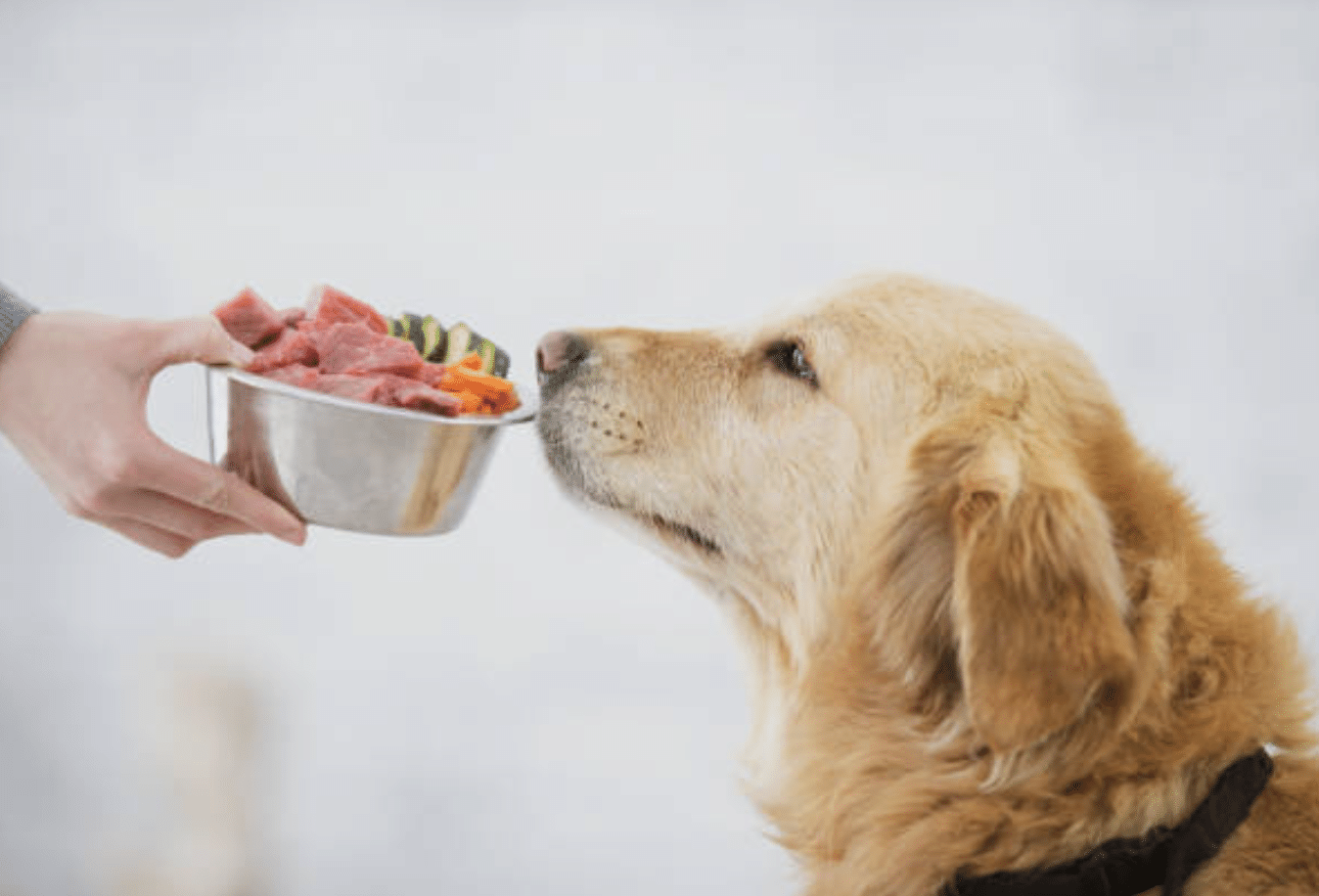
Changing a dog’s food is sometimes necessary, but rushing the process can make even a healthy food hard on the stomach. Most dogs simply need time to adjust to new ingredients, textures, and protein sources.
A slow transition, a steady routine, and paying attention to small signs can make the change much easier. And if something feels wrong, it is always better to pause and speak with a vet early.
The goal is simple a dog that feels healthy, comfortable, and happy at mealtime.
-
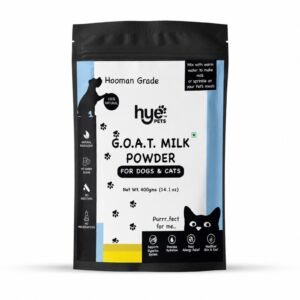 All Products
Goat Milk Powder for Dogs and Cats – 400g
Original price was: ₹1,298.86.₹733.96Current price is: ₹733.96. -
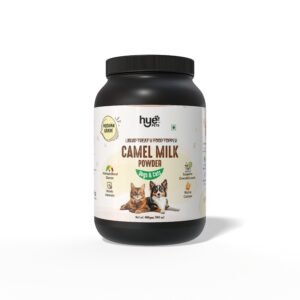 All Products
Camel Milk Powder For Dogs and Cats – 400g
Original price was: ₹1,499.75.₹499.00Current price is: ₹499.00. -
 All Products
Super Treats for Super Pets made with Goat Milk, Strawberry and Banana | 30g
Original price was: ₹325.00.₹308.75Current price is: ₹308.75. -
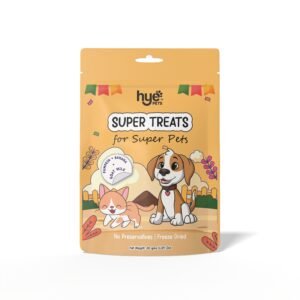 All Products
Super Treats for Super Pets made with Goat Milk, Pumpkin and Banana | 30g
Original price was: ₹279.00.₹265.06Current price is: ₹265.06. -
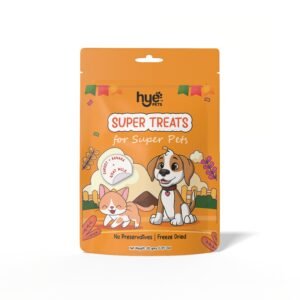 All Products
Super Treats for Super Pets made with Goat Milk, Carrot and Banana | 30g
Original price was: ₹279.00.₹265.06Current price is: ₹265.06. -
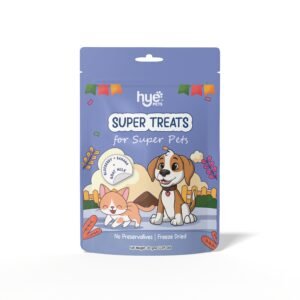 All Products
Super Treats for Super Pets made with Goat Milk, Blueberry and Banana | 30g
Original price was: ₹325.00.₹308.75Current price is: ₹308.75. -
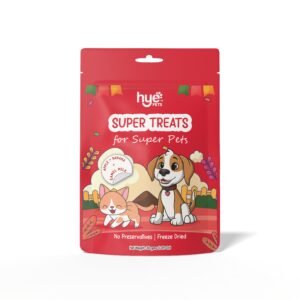 Out of stockAll Products
Super Treats for Super Pets made with Camel Milk, Apple and Banana | 30g
Original price was: ₹279.00.₹265.06Current price is: ₹265.06. -
 All Products
Super Treats for Super Pets made Camel Milk, Beetroot and Banana | 30g
Original price was: ₹279.00.₹265.06Current price is: ₹265.06. -
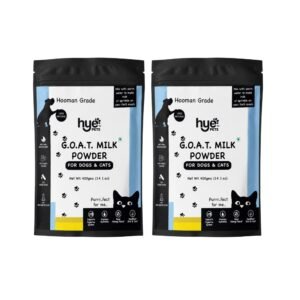 Combos
Goat Milk Powder for Dogs and Cats – Combo Pack (2 x 400g)
Original price was: ₹3,065.28.₹1,680.32Current price is: ₹1,680.32. -
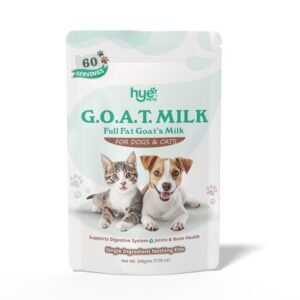 All Products
Goat Milk Powder for Dogs and Cats – 200g
Original price was: ₹698.99.₹657.05Current price is: ₹657.05. -
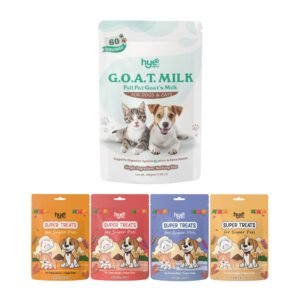 All Products
Goat Milk Powder and Freeze-Dried Goat Milk Treats Combo for Dogs and Cats
Original price was: ₹2,250.26.₹2,067.36Current price is: ₹2,067.36. -
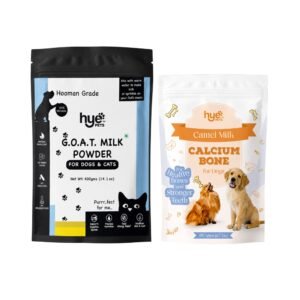 Combos
Goat Milk Powder and Camel Milk Calcium Bone for Dogs – Combo Pack
Original price was: ₹1,826.47.₹1,108.02Current price is: ₹1,108.02. -
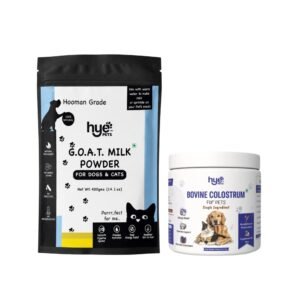 Combos
Goat Milk Powder and Bovine Colostrum Combo for Dogs & Cats
Original price was: ₹2,357.47.₹1,221.30Current price is: ₹1,221.30. -
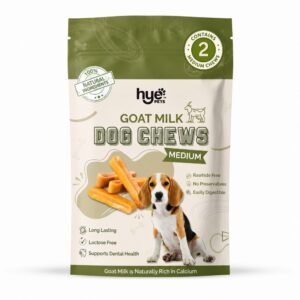 Goat Milk Treats
Goat Milk Dog Chews for Medium Dogs | Rawhide-Free Dental Treats | 2 Chews
Original price was: ₹449.01.₹422.01Current price is: ₹422.01. -
 Combos
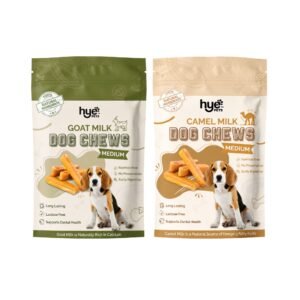
Goat Milk and Camel Milk Chews Combo for Medium Dogs
Original price was: ₹1,118.64.₹1,019.52Current price is: ₹1,019.52. -
 Combos
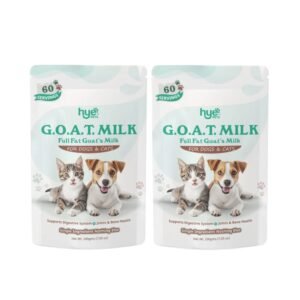
Full Fat Goat Milk Powder for Dogs and Cats Combo Pack (2 x 200g)
Original price was: ₹1,649.64.₹1,509.22Current price is: ₹1,509.22. -
 Combos
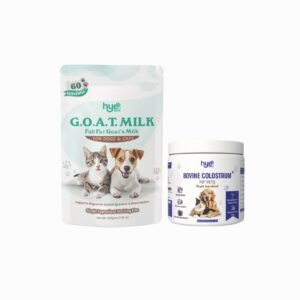
Full Fat Goat Milk Powder and Bovine Colostrum Combo for Dogs and Cats
Original price was: ₹1,398.01.₹949.01Current price is: ₹949.01.
- All Posts
- Blog
- Blogs
- Recipe
- Stories
- Trivia