It’s a familiar moment in the pet aisle a dog owner stuck between a pricey bag of premium kibble and a cheaper alternative, wondering which one actually matters. Later that evening, that same owner might be in the kitchen, wondering if boiling a chicken breast for the dog is a sign of superior care or just a fast track to a nutritional imbalance.
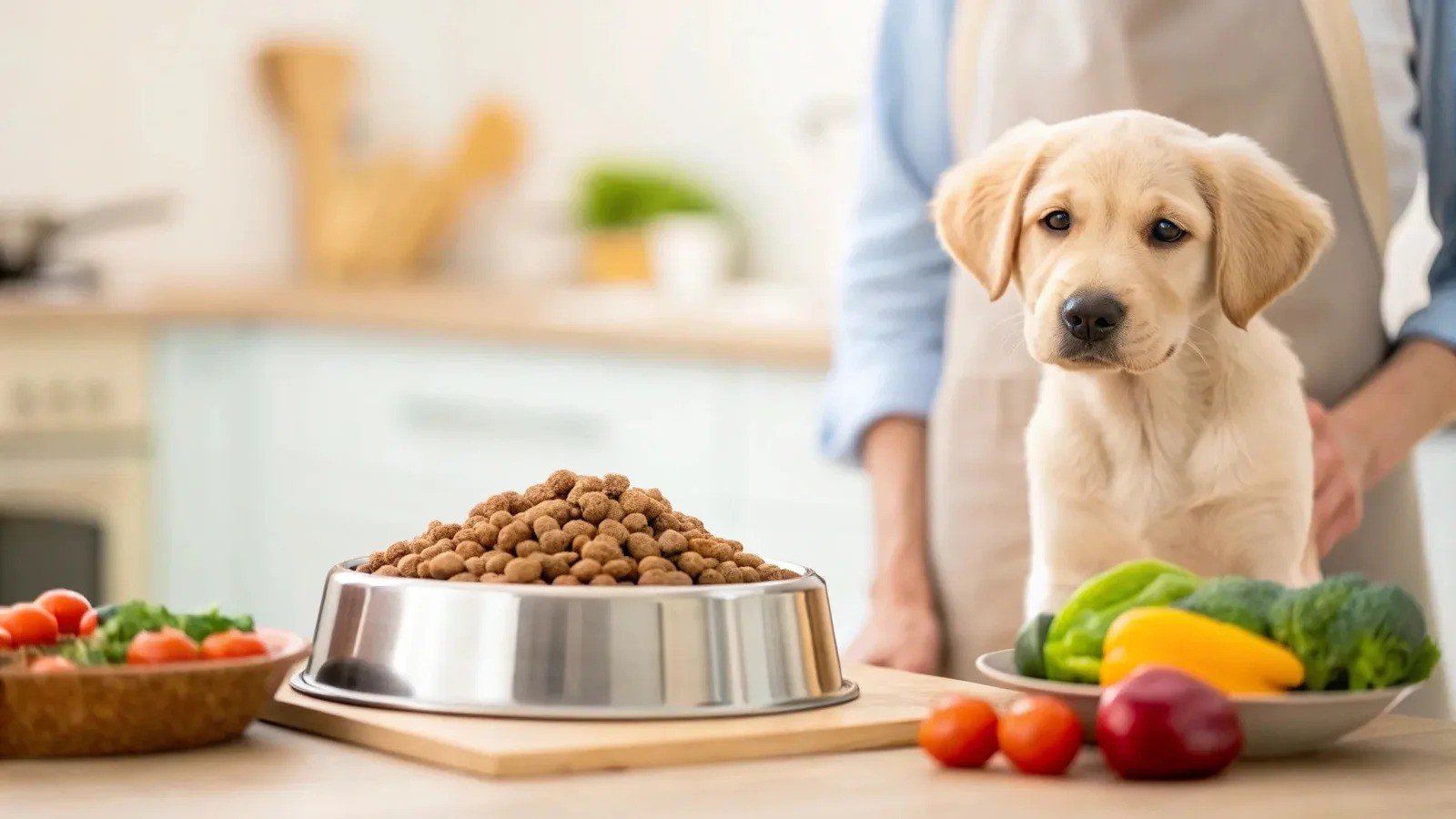
The Home Food vs. Packaged Food debate is often framed as a moral choice, but in reality, it is a logistical and nutritional puzzle. For a first-time owner, the goal isn’t to be a gourmet chef it’s to provide a diet that supports a long, wagging life without turning mealtime into a source of daily stress.
Why Nutrition is a Long-Term Investment
A dog’s diet is effectively its primary healthcare plan. Proper nutrition isn’t just about silencing a hungry bark it is the foundation for health milestones that become apparent years down the line. A well-fed dog isn’t just energetic it has a resilient immune system, a shiny coat, and joints that stay fluid well into the senior years. In simple terms, the food chosen today quietly shapes how active, healthy, and comfortable a dog will be years from now.
The Case for Home-Cooked Food
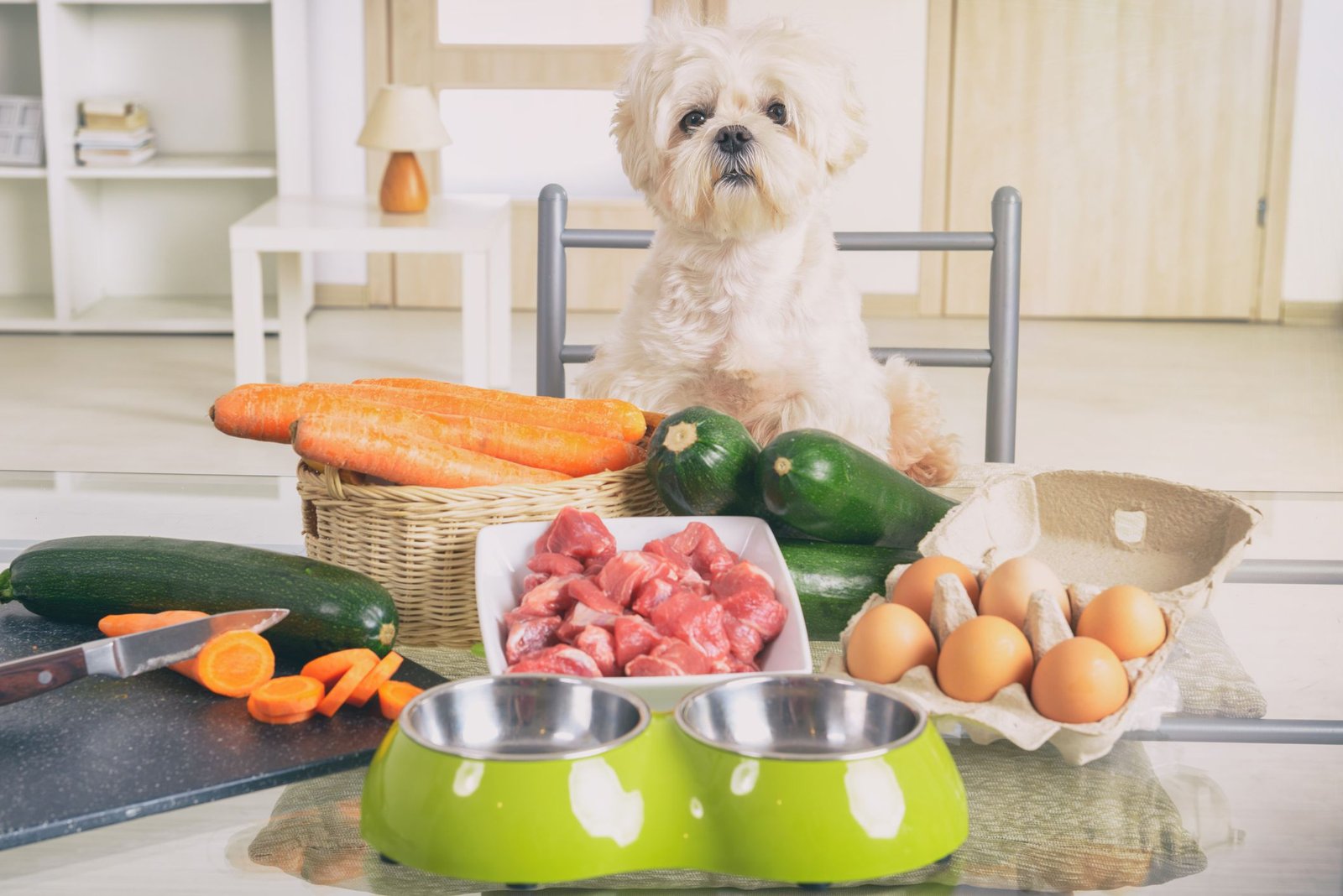
Preparing meals from scratch typically using fresh proteins like turkey or fish, grains like brown rice, and vegetables like carrots offers a level of transparency that a factory can’t match.
The Benefits
- Complete Ingredient Control: There is no mystery meat or chemical preservatives. For dogs with severe allergies or sensitive stomachs, a controlled home diet can be a literal lifesaver.
- Superior Palatability: Even the pickiest eaters rarely turn their noses up at fresh, warm food.
The Risks
- The Nutritional Gap: This is the most significant hurdle. Dogs require a precise balance of calcium, phosphorus, and specific vitamins. Feeding a dog just chicken and rice for months can lead to brittle bones or organ issues.
- The Time Commitment: Maintaining a truly balanced home-cooked diet requires significant prep time and consistent shopping. If life gets busy and the prep stops, the dog’s nutrition suffers.
The Reality of Packaged Food
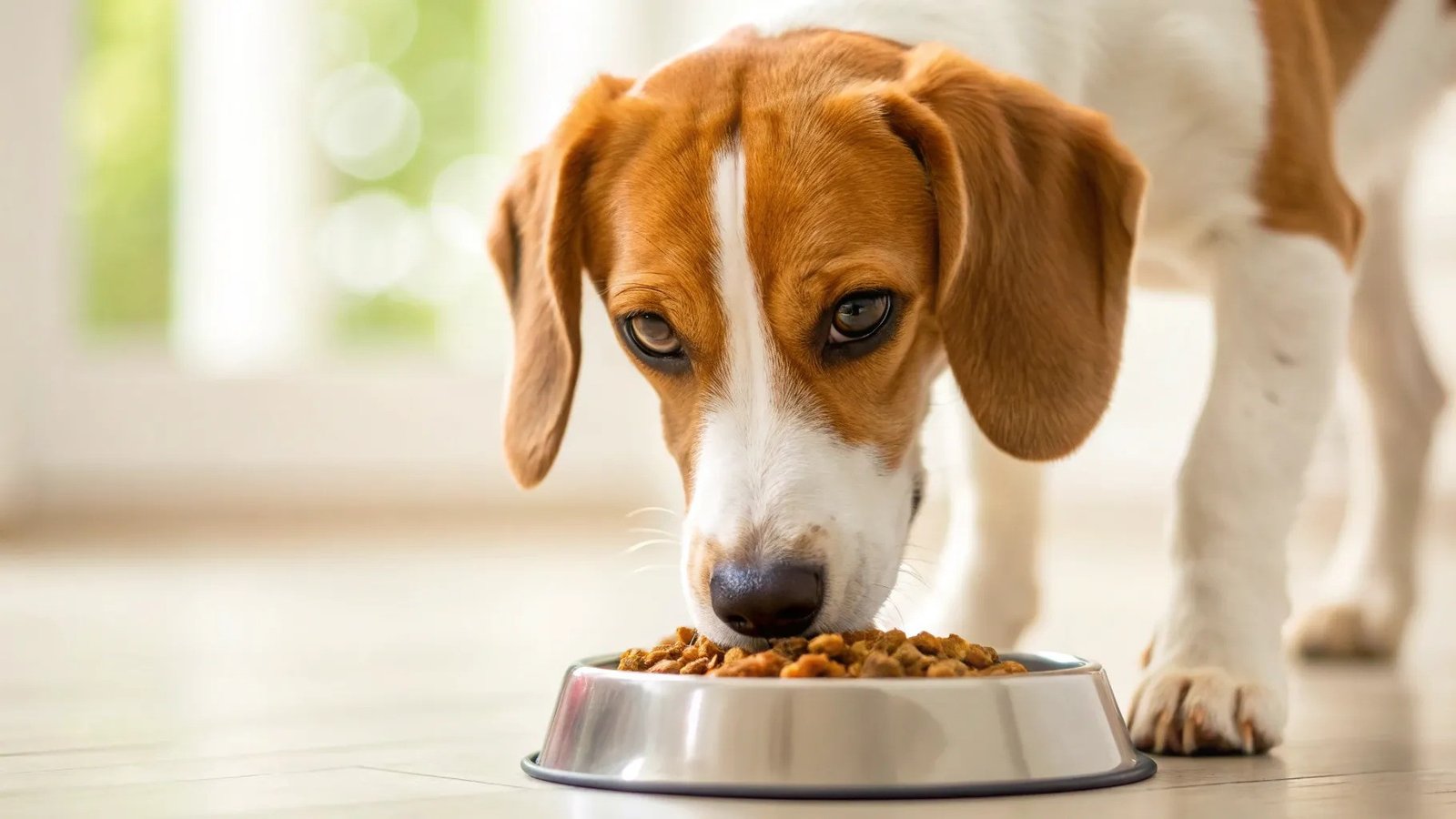
Packaged food, whether dry kibble or canned wet food is designed to be a complete and balanced meal. It takes the guesswork out of canine biology.
The Benefits
- Formulated Precision: Reputable brands follow strict guidelines to ensure every scoop contains the exact micro-nutrients a dog needs. It is essentially idiot-proof nutrition.
- Convenience and Dental Health: It is a scoop-and-serve solution. Additionally, the mechanical crunching of dry kibble can help reduce plaque buildup on the teeth.
The Risks
- Quality Discrepancy: The gap between premium and economy brands can be vast. Many budget options rely heavily on fillers like corn or wheat, which provide bulk but little nutritional value.
- Processing: Highly processed foods can sometimes lose the natural enzymes found in fresh ingredients.
The Verdict: Is a Hybrid Approach Best?
While some advocate for one side or the other, a Mixed Feeding Strategy often proves to be the most practical and beneficial.
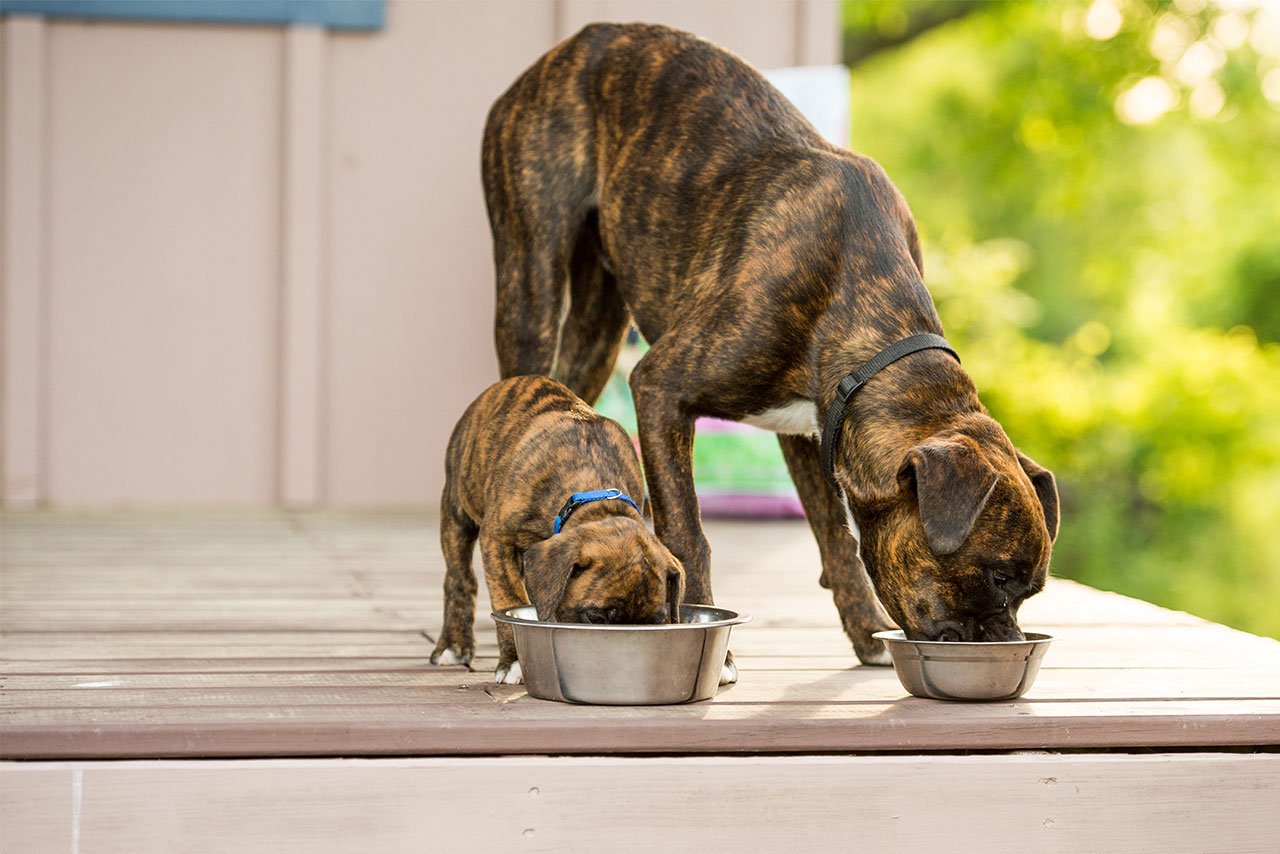
By using a high-quality, grain-inclusive kibble for roughly 80% of the diet, the dog receives all the essential minerals and vitamins. The remaining 20% can be supplemented with fresh, home-cooked toppers like steamed green beans, boiled eggs, or plain shredded chicken. For most dog owners, this balanced approach removes the pressure of choosing one side completely, while still ensuring proper nutrition along with fresh variety.
Practical Tips for the Daily Grind
- Ditch the Eyeball Method: Overfeeding is the leading cause of health issues. Using a proper measuring cup or a small kitchen scale is the easiest way to prevent obesity.
- The Topper Trick: Keeping a container of frozen green beans or plain blueberries in the freezer is a low-cost, high-impact way to add antioxidants to a bowl of dry kibble.
- Hydration Matters: If feeding strictly dry kibble, adding a splash of water or low-sodium broth can help keep a dog hydrated and improve digestion.
The Never List
Regardless of the chosen feeding method, certain human foods must stay off the menu entirely:
- Grapes and Raisins: These are silent killers even a small amount can cause sudden kidney failure.
- Onions and Garlic: These can damage a dog’s red blood cells over time.
- Xylitol: This fake sugar is often found in peanut butters and is incredibly toxic. Always check the label before sharing a spoonful of PB.
Conclusion
There is no single perfect answer, only what works best for the dog’s needs and the owner’s lifestyle. The right choice depends on a dog’s activity level, age, and any underlying health conditions. The most effective approach is to choose a high-quality base, supplement with fresh ingredients where possible, and always monitor the dog’s weight and energy levels. When in doubt, a quick consultation with a vet can ensure the bowl is filled with exactly what the dog needs to thrive.
Is the convenience of packaged food a priority, or is the control of home-cooking more appealing? Every pet parent has a different strategy for keeping their dog healthy.
-
 All Products
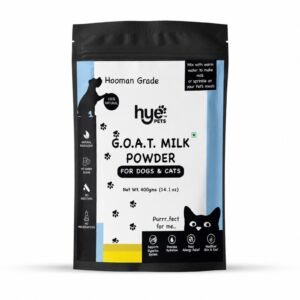
Goat Milk Powder for Dogs and Cats – 400g
Original price was: ₹1,298.86.₹733.96Current price is: ₹733.96. -
 All Products
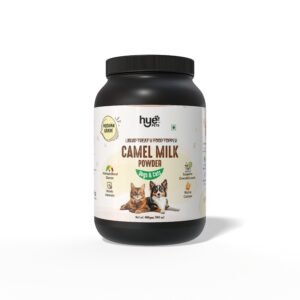
Camel Milk Powder For Dogs and Cats – 400g
Original price was: ₹1,499.75.₹499.00Current price is: ₹499.00. -
 All Products
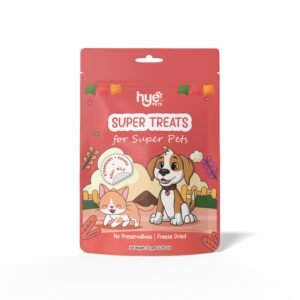
Super Treats for Super Pets made with Goat Milk, Strawberry and Banana | 30g
Original price was: ₹325.00.₹308.75Current price is: ₹308.75. -
 All Products
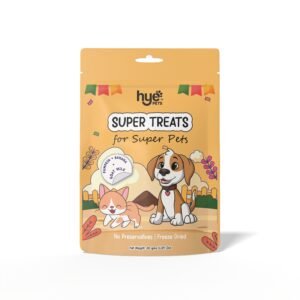
Super Treats for Super Pets made with Goat Milk, Pumpkin and Banana | 30g
Original price was: ₹279.00.₹265.06Current price is: ₹265.06. -
 All Products
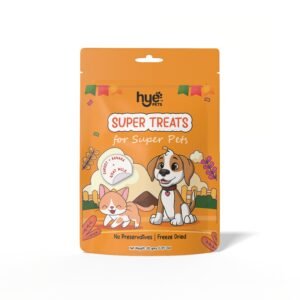
Super Treats for Super Pets made with Goat Milk, Carrot and Banana | 30g
Original price was: ₹279.00.₹265.06Current price is: ₹265.06. -
 All Products
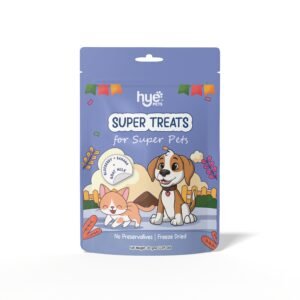
Super Treats for Super Pets made with Goat Milk, Blueberry and Banana | 30g
Original price was: ₹325.00.₹308.75Current price is: ₹308.75. -
 Out of stockAll Products
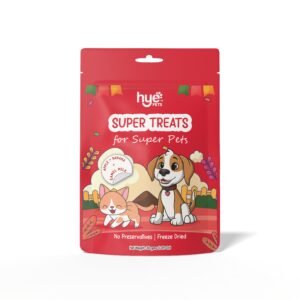
Super Treats for Super Pets made with Camel Milk, Apple and Banana | 30g
Original price was: ₹279.00.₹265.06Current price is: ₹265.06. -
 All Products
Super Treats for Super Pets made Camel Milk, Beetroot and Banana | 30g
Original price was: ₹279.00.₹265.06Current price is: ₹265.06. -
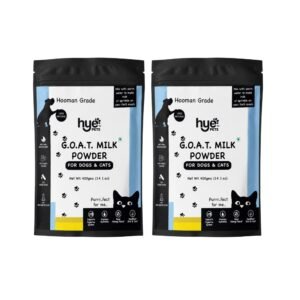 Combos
Goat Milk Powder for Dogs and Cats – Combo Pack (2 x 400g)
Original price was: ₹3,065.28.₹1,680.32Current price is: ₹1,680.32. -
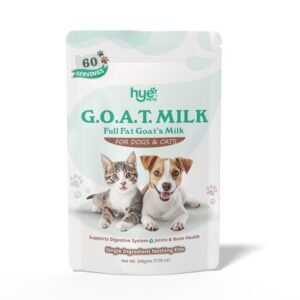 All Products
Goat Milk Powder for Dogs and Cats – 200g
Original price was: ₹698.99.₹657.05Current price is: ₹657.05. -
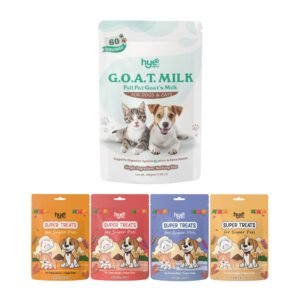 All Products
Goat Milk Powder and Freeze-Dried Goat Milk Treats Combo for Dogs and Cats
Original price was: ₹2,250.26.₹2,067.36Current price is: ₹2,067.36. -
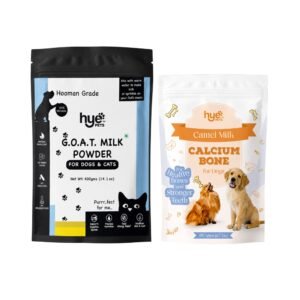 Combos
Goat Milk Powder and Camel Milk Calcium Bone for Dogs – Combo Pack
Original price was: ₹1,826.47.₹1,108.02Current price is: ₹1,108.02. -
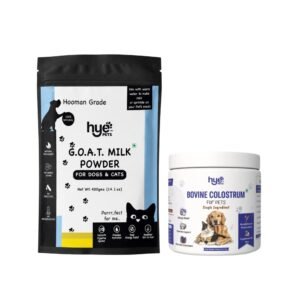 Combos
Goat Milk Powder and Bovine Colostrum Combo for Dogs & Cats
Original price was: ₹2,357.47.₹1,221.30Current price is: ₹1,221.30. -
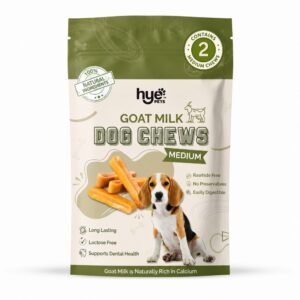 Goat Milk Treats
Goat Milk Dog Chews for Medium Dogs | Rawhide-Free Dental Treats | 2 Chews
Original price was: ₹449.01.₹422.01Current price is: ₹422.01. -
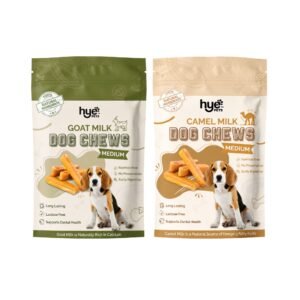 Combos
Goat Milk and Camel Milk Chews Combo for Medium Dogs
Original price was: ₹1,118.64.₹1,019.52Current price is: ₹1,019.52. -
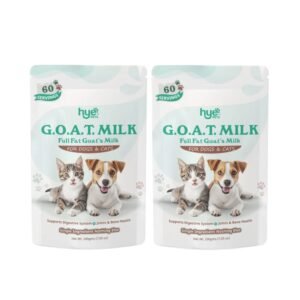 Combos
Full Fat Goat Milk Powder for Dogs and Cats Combo Pack (2 x 200g)
Original price was: ₹1,649.64.₹1,509.22Current price is: ₹1,509.22. -
 Combos
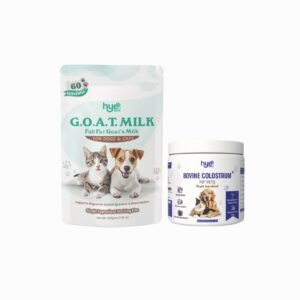
Full Fat Goat Milk Powder and Bovine Colostrum Combo for Dogs and Cats
Original price was: ₹1,398.01.₹949.01Current price is: ₹949.01.
- All Posts
- Blog
- Blogs
- Recipe
- Stories
- Trivia