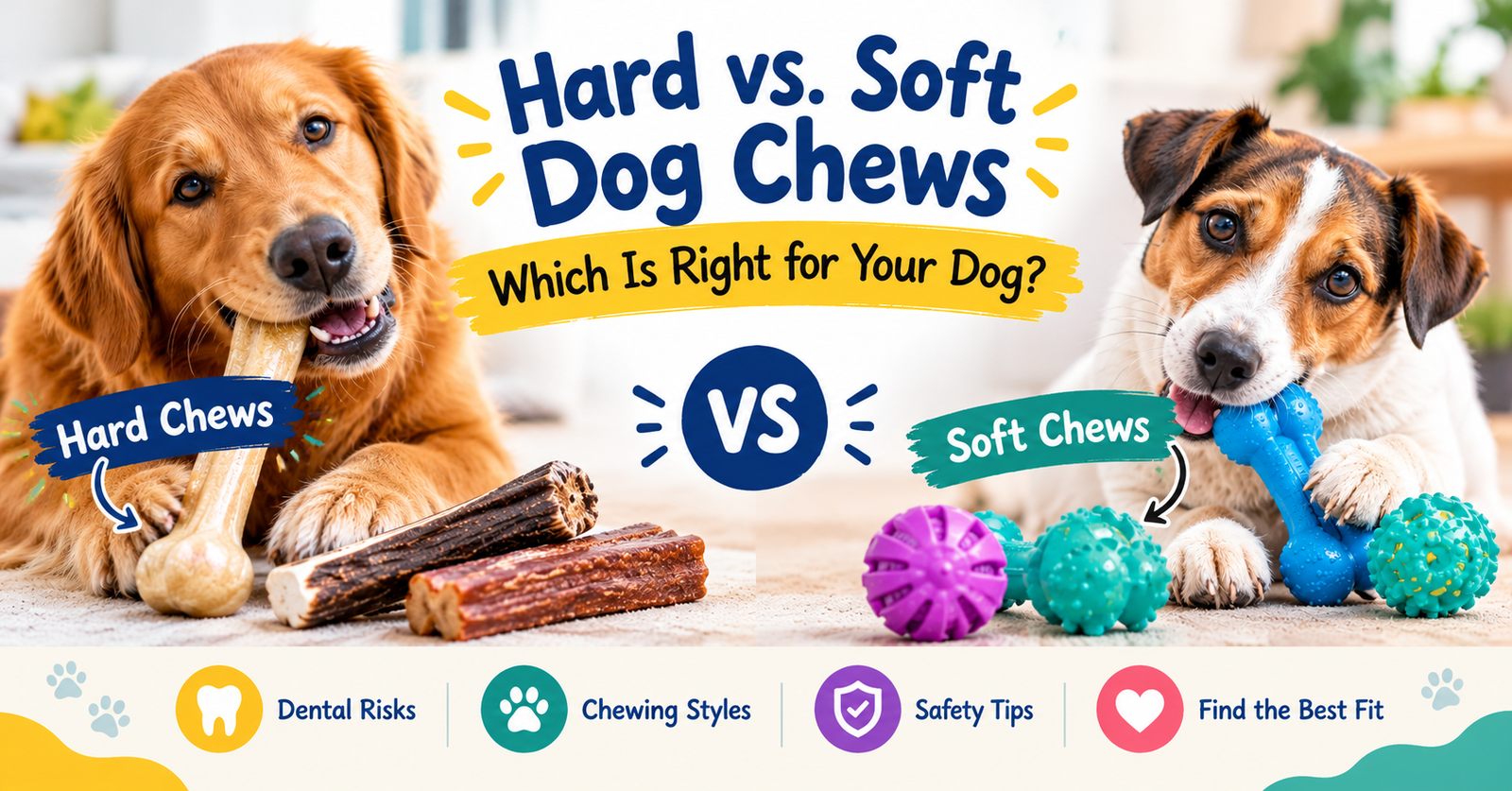
We’ve all been there. You stand in the pet store aisle, staring at a massive wall of dehydrated animal parts, braided shapes, and bright neon rubber, trying to make the right choice. You pick the one that looks the most durable, head home, and toss it to your dog.
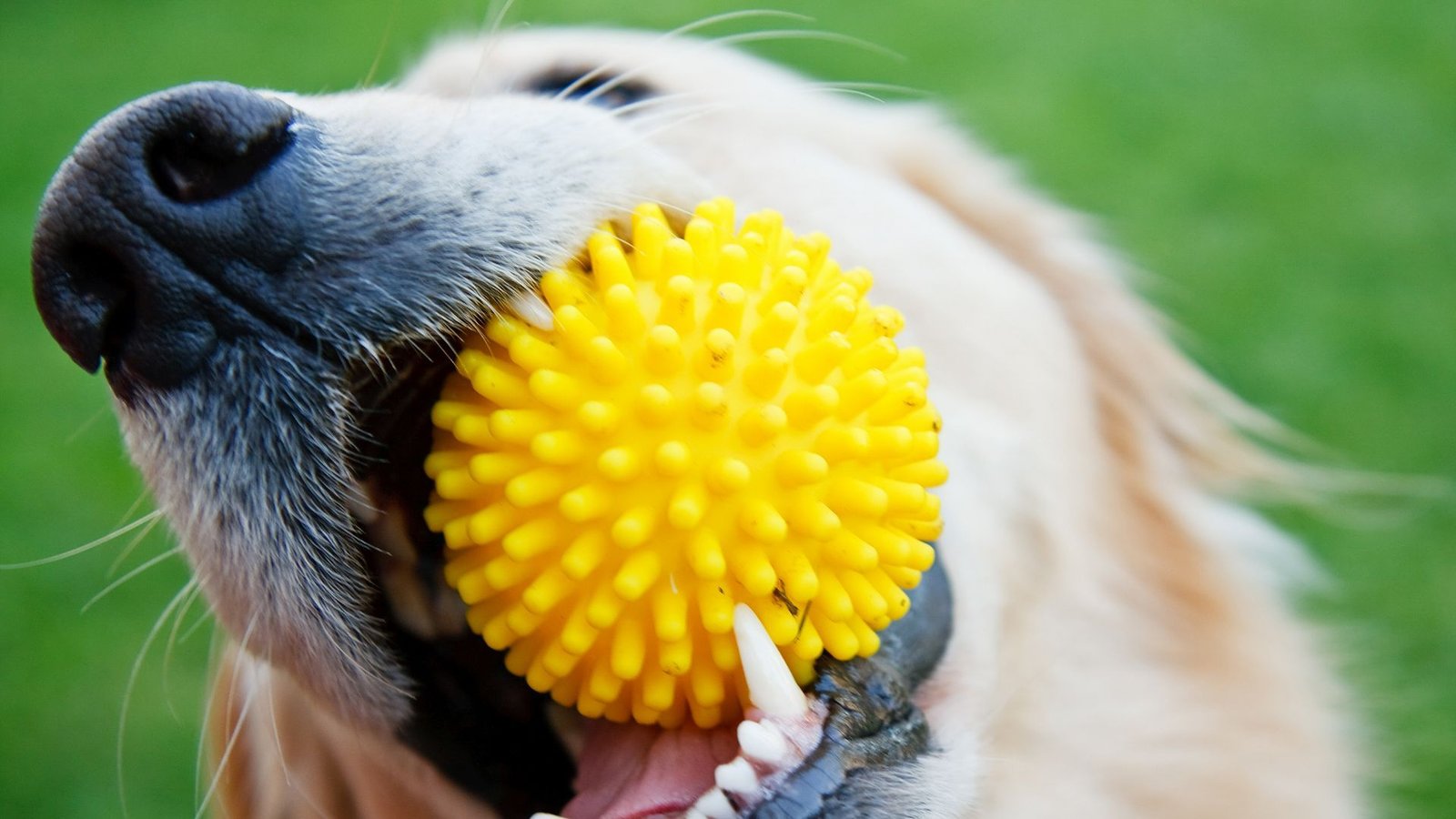
A few minutes later, you notice your dog crunching down with terrifying force or trying to swallow a piece that is far too big. Suddenly, you are hovering over them, pulling a slimy treat out of their mouth, and wondering why a simple reward feels so stressful.
The truth is, finding the best dog chews isn’t about simply grabbing the toughest product on the shelf. It requires a balanced approach that matches the chew to your dog’s specific age, size, and unique jaw mechanics. Let’s strip away the guesswork so you can choose safe dog chews that keep your pup happy, healthy, and occupied.
Why Choosing the Right Dog Chew Matters
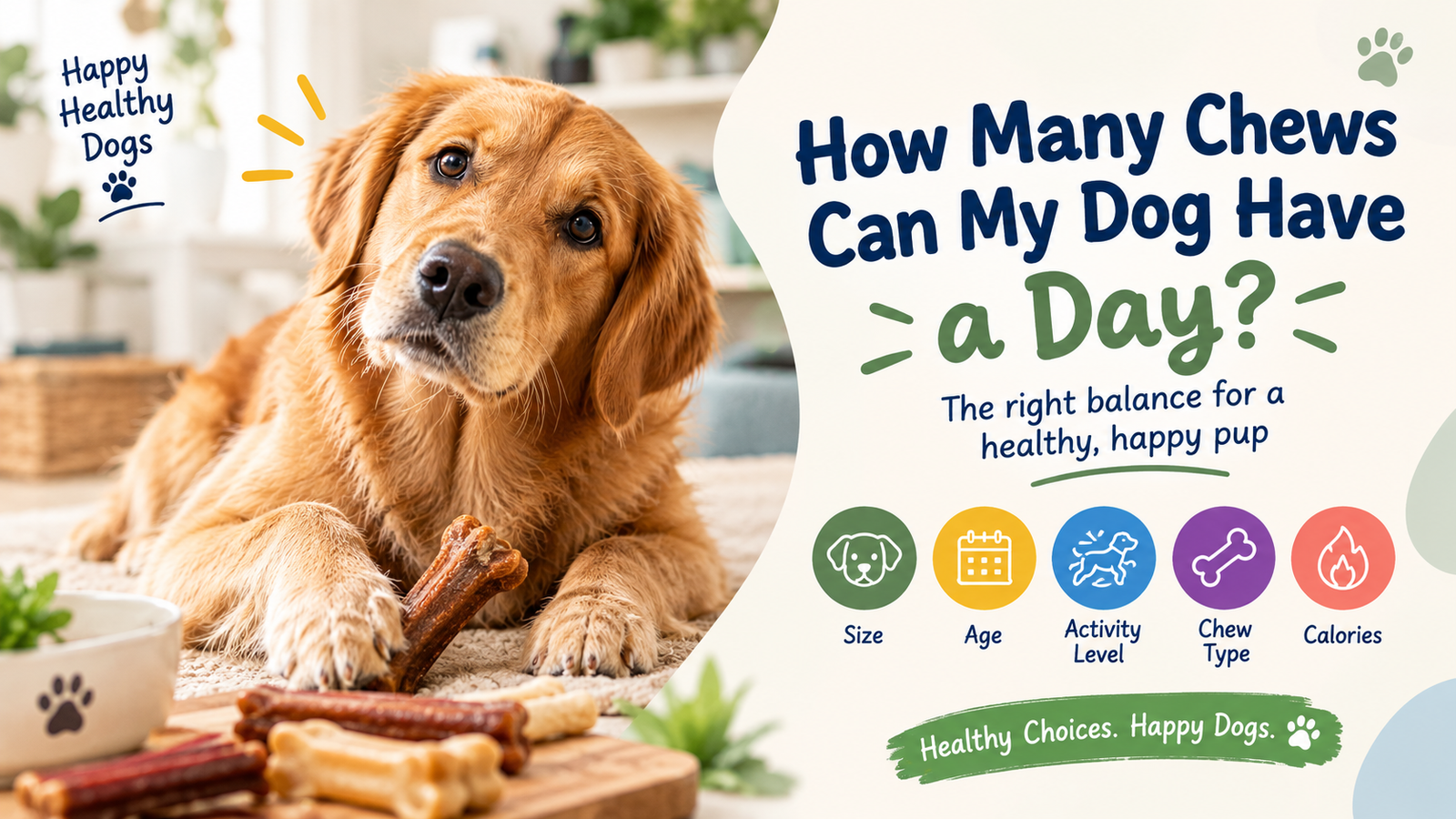
Chewing is a natural, fundamental behavior for dogs. According to the American Veterinary Medical Association (AVMA), providing safe chew toys is an excellent way to keep your dog mentally stimulated while reducing boredom and anxiety.
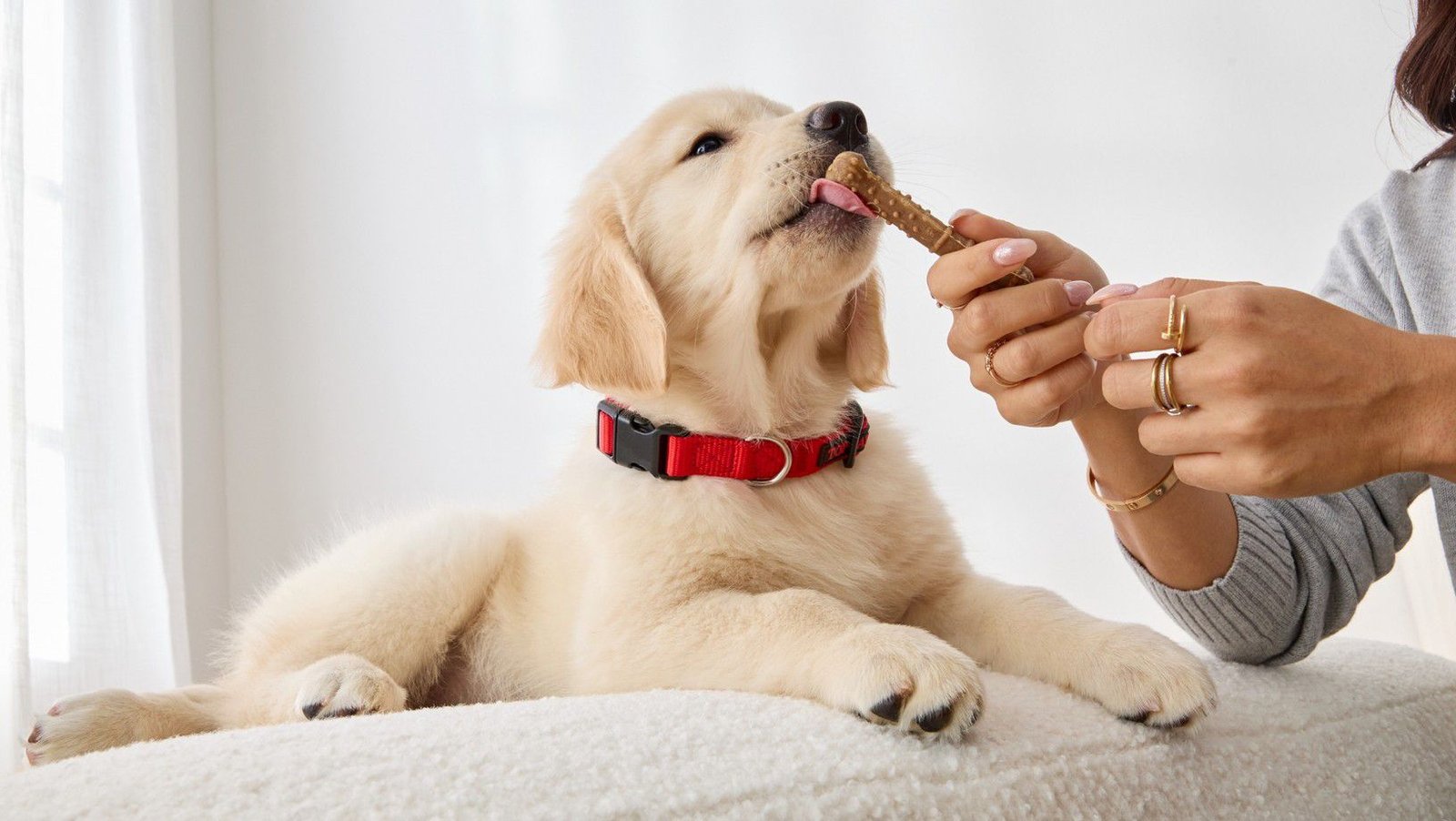
When a dog gnaws, the physical friction against the chew helps scrape away plaque and tartar buildup, acting like a natural toothbrush. While individual habits vary, veterinary dental organizations note that mechanical chewing with appropriate, safety-tested dental chews can assist in reducing plaque accumulation over time.
However, there is a major difference between safe scraping and dangerous, tooth-cracking pressure.
The Thumbnail Test: A classic rule of thumb recommended by veterinarians. If you press your nail firmly into a chew and it leaves no indentation because the material is bone-hard, it may be too tough for your dog’s teeth and could cause a painful fracture. Your goal is a slow, steady wear-down, not a crunch-and-swallow.
Choose Dog Chews Based on Age
A dog’s mouth changes dramatically over their lifetime. Offering dog chews by age ensures you respect their changing dental structural strength and digestive capabilities.
Life Stage | Dental & Structural Needs | Recommended Chew Types |
Puppies (Teething) | Fragile milk teeth, sore gums, high need for give | Pliable rubber, frozen washcloths, soft puppy dental sticks |
Adult Dogs (Peak Power) | Strong jaw alignment, permanent adult teeth, high stamina | Standard bully sticks, frozen stuffed toys, collagen sticks |
Senior Dogs (Gentle Care) | Brittle teeth, worn enamel, sensitive or receding gums | Soft veggie chews, thin fish skins, light dental twists |
Puppies: The Teething Phase
Puppies don’t need ultra-durable materials, they need flexibility. Their milk teeth are sharp but fragile, and around four months old, their adult teeth begin pushing through their gums.

- The Common Mistake: Buying rock-hard nylon bones to withstand intense puppy biting.
- Best Chews for Puppies: Use pliable rubber toys or specialized puppy dental sticks. For an easy home remedy, wet a clean washcloth, twist it, freeze it, and let them chew the cold fabric to soothe sore gums.
Adult Dogs: Prime Power
Once adult teeth set in, jaw muscles strengthen. You might assume a large dog is automatically an aggressive chewer, but they might just be a bored chewer who needs engagement. High-quality, long-lasting dog chews, such as beef collagen sticks or durable rubber toys stuffed with frozen food, provide excellent long-term focus without the risk of splintering.
Senior Dogs: Gentle Comfort
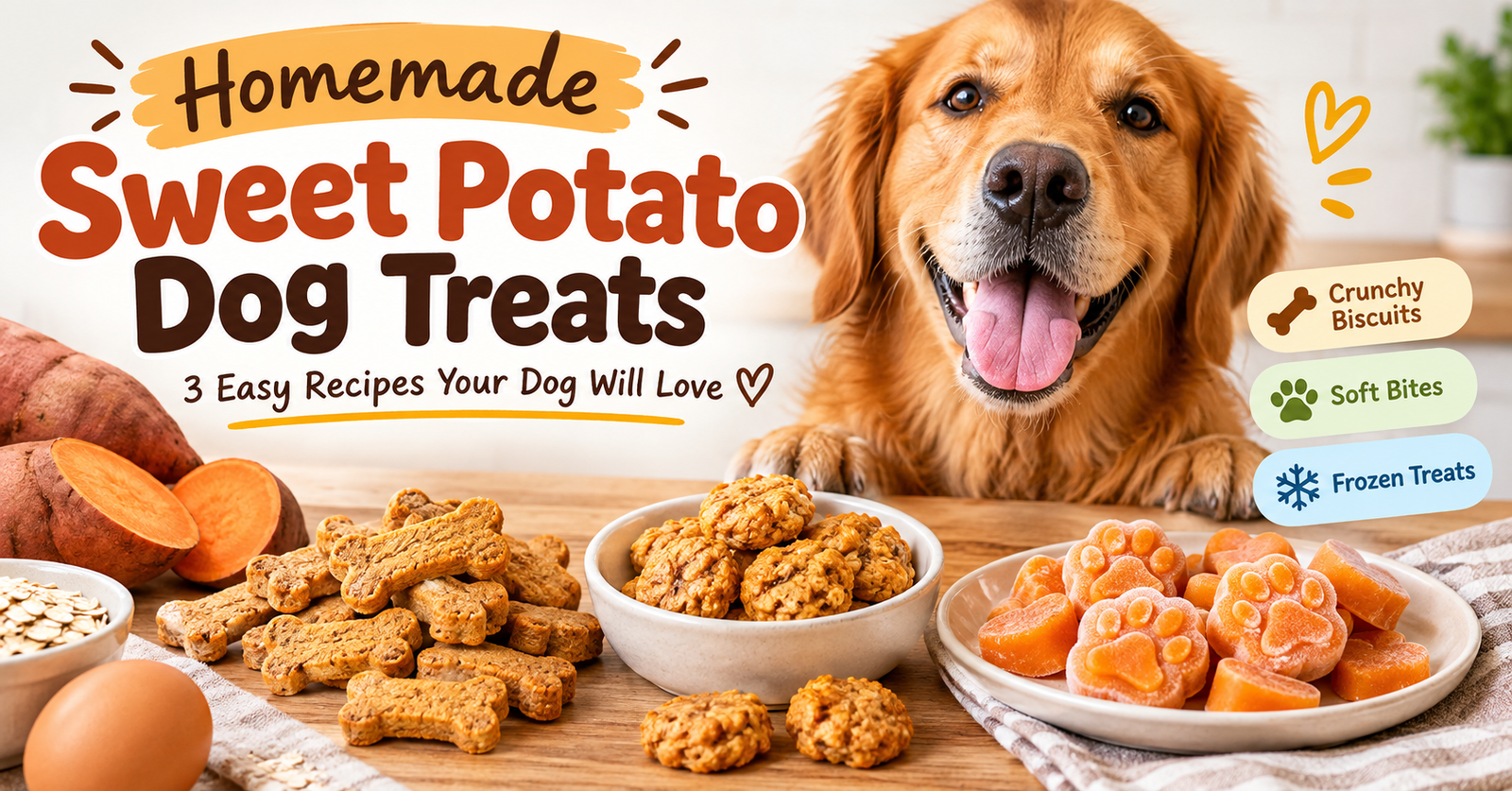
Older dogs often deal with sensitive gums or age-related jaw discomfort. Giving a senior dog an ultra-hard chew can lead to a painful tooth fracture. Switch them to easily digestible dental sticks or soft, dehydrated sweet potato slices to satisfy their natural urge to chew without straining their dental health.

Size Matters: Your Dog Chew Size Guide
Weight charts on packaging offer a helpful baseline, but they don’t always tell the whole story. Sizing requires looking at both your dog’s physical weight and their actual jaw anatomy. For instance, a twenty-pound French Bulldog often exerts far more concentrated jaw pressure than a twenty-pound, soft-mouthed Greyhound.
Sizing Tip: If you have a mixed-breed dog with a strong jaw history (like a terrier or bully breed mix), consider sizing up to the recommendations for the larger breed component. When in doubt, choosing a slightly larger size is generally safer than buying a chew that is too small.
As a safety rule, if a chew can fit entirely inside your dog’s open mouth, it poses an immediate choking hazard. Look for items that are large enough to force your dog to hold them down with their paws, using their back molars to break the material down gradually.
Match the Chew to Your Dog’s Chewing Style
Observing how your dog actually interacts with toys is the final piece of the puzzle. Most dogs fall into one of three distinct categories:
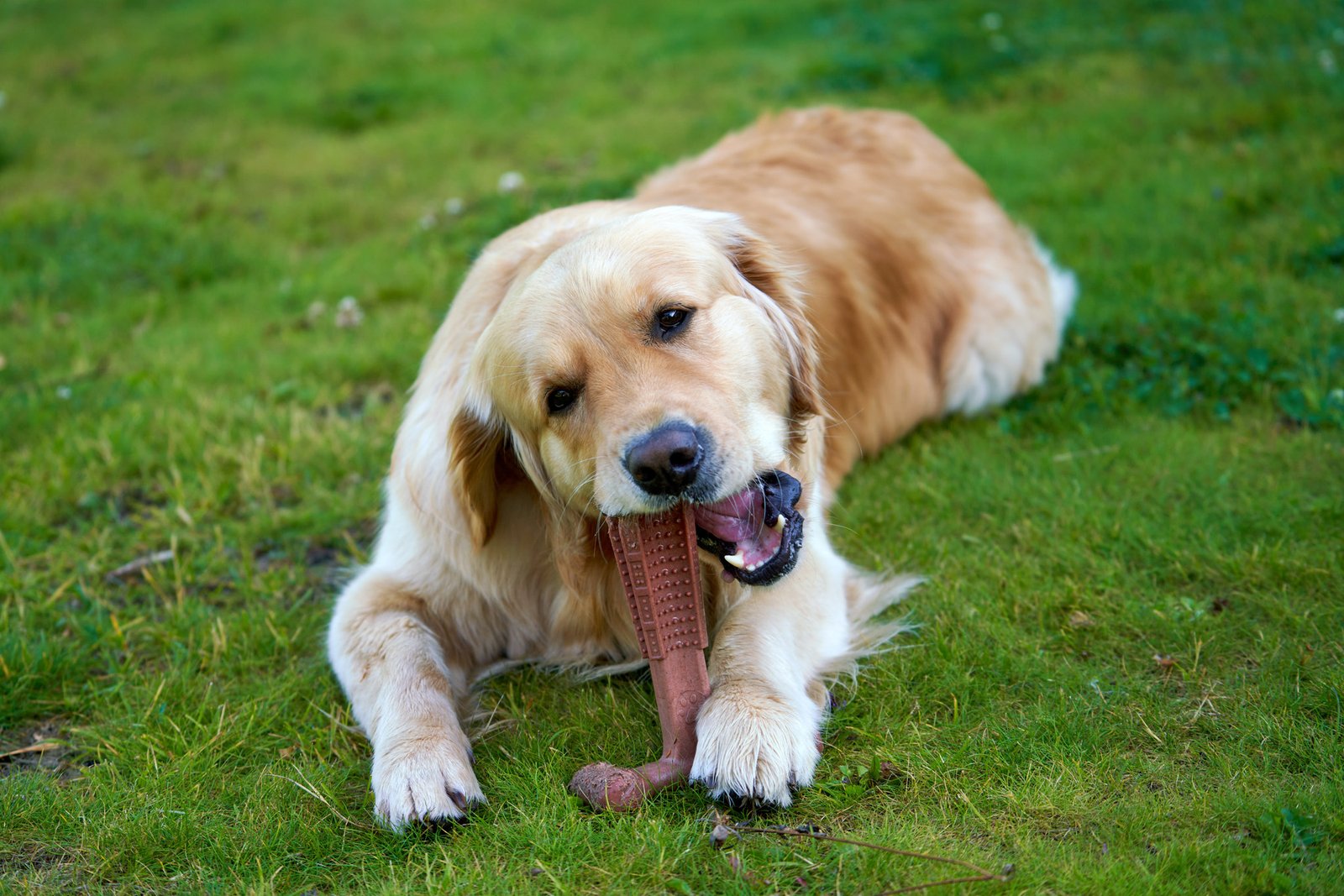
1. Gentle Chewers
These are the nibblers. They carry a treat to their bed, lick it, and slowly scrape it with their front teeth. A single chew can last them weeks.
- Best Strategy: Flavorful, lighter options like fish skins or dental twists. They do not require heavy-duty industrial rubber.
2. Moderate Chewers
These dogs take their time but love a good gnawing session. They enjoy a mix of textures and will steadily work through a treat without trying to destroy it immediately.
- Best Strategy: Standard bully sticks, split antlers where the softer inner marrow is already exposed, and structured rubber toys.
3. Power Chewers
These dogs view a chew as a speed challenge or a mission. They try to break off large pieces, crush materials, and swallow them quickly.
- Best Strategy: Avoid easily breakable chews. Instead, use ultra-durable, thick rubber toys designed specifically for heavy chewers, or pack durable toys with frozen food to slow them down.
Chew Materials Compared
To pick the best dog chews on your next shopping trip, it helps to understand how different materials stack up against each other.
Chew Material | Primary Benefits | Ideal User |
Durable Rubber (Stuffable) | Extreme longevity, dishwasher-safe, freezable | Power chewers, crate-training dogs |
Natural Bully Sticks | Generally highly digestible, high-density | Moderate chewers needing a high-flavor option |
Rawhide Alternatives | Lower risk of blockage, high solubility | Gentle to moderate chewers, sensitive stomachs |
- Ingredient Quality: Look for single-ingredient or limited-ingredient natural dog chews sourced responsibly. Avoid products heavy in artificial dyes or chemical preservatives.
- Digestibility: Traditional rawhide remains a debated topic because it can be difficult for some dogs to digest. If a dog swallows a large, unchewed piece, it can expand in the stomach and potentially cause an intestinal blockage. If you are concerned about rawhide, consider alternative options like collagen or beef gelatin chews, which many owners find easier to digest.
- Manufacturer Recommendations: Check for clear labels that indicate the intended life stage and size. Trusted brands will often state where their ingredients are sourced and manufactured.
Dog Chew Safety Tips
While no chew is completely risk-free, proactive habits can prevent the vast majority of common accidents.
- Always Supervise: Veterinary experts recommend supervising dogs whenever they are chewing to help reduce the risk of choking or swallowing large pieces. Always monitor your dog with any chew to see how they handle it before leaving them alone.
- The Three-Inch Rule: When a bully stick or chew gets gnawed down to the last few inches, it enters the danger zone. A dog may attempt to gulp the remaining nub. Use a safety chew holder tool to lock the end in place, or take the small piece away entirely.
- Introduce New Chews Gradually: A new protein can upset a sensitive stomach. Let your dog chew a new item for just 10 to 15 minutes the first day to see how their digestion responds.
- Consult Your Vet: If your dog has a history of broken teeth, sensitive digestion, or specific weight-management needs, ask your veterinarian for a tailored recommendation.
The Takeaway
At the end of the day, there is no single “perfect” chew—there is only the perfect chew for your dog. Finding that sweet spot where they are relaxed, focused, and using their back molars safely ensures a great experience for them, and some well-deserved, worry-free quiet time for you. Trust your observations, monitor their habits, and always consult your veterinarian when you are unsure.
Ready to find your dog’s next favorite treat? Browse our curated selection of safety-tested dog chews, or speak with your local veterinarian to find the ideal match for your pup’s specific oral and dietary health needs.
-
 All Products
Goat Milk Powder for Dogs and Cats – 400g
Original price was: ₹1,298.86.₹733.96Current price is: ₹733.96. -
 All Products
Camel Milk Powder For Dogs and Cats – 400g
Original price was: ₹1,499.75.₹499.00Current price is: ₹499.00. -
 All Products
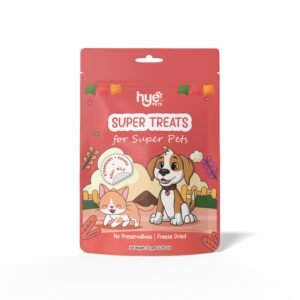
Super Treats for Super Pets made with Goat Milk, Strawberry and Banana | 30g
Original price was: ₹325.00.₹308.75Current price is: ₹308.75. -
 All Products
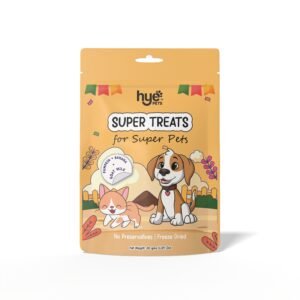
Super Treats for Super Pets made with Goat Milk, Pumpkin and Banana | 30g
Original price was: ₹279.00.₹265.06Current price is: ₹265.06. -
 All Products
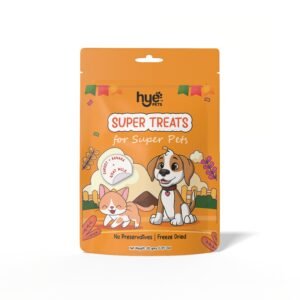
Super Treats for Super Pets made with Goat Milk, Carrot and Banana | 30g
Original price was: ₹279.00.₹265.06Current price is: ₹265.06. -
 All Products
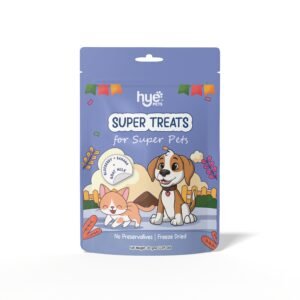
Super Treats for Super Pets made with Goat Milk, Blueberry and Banana | 30g
Original price was: ₹325.00.₹308.75Current price is: ₹308.75. -
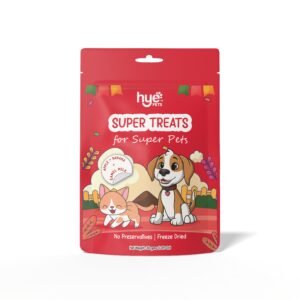 Out of stockAll Products
Super Treats for Super Pets made with Camel Milk, Apple and Banana | 30g
Original price was: ₹279.00.₹265.06Current price is: ₹265.06. -
 All Products
Super Treats for Super Pets made Camel Milk, Beetroot and Banana | 30g
Original price was: ₹279.00.₹265.06Current price is: ₹265.06. -
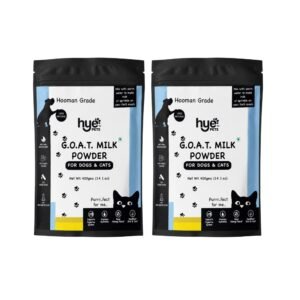 Combos
Goat Milk Powder for Dogs and Cats – Combo Pack (2 x 400g)
Original price was: ₹3,065.28.₹1,680.32Current price is: ₹1,680.32. -
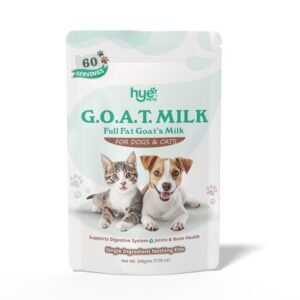 All Products
Goat Milk Powder for Dogs and Cats – 200g
Original price was: ₹698.99.₹657.05Current price is: ₹657.05. -
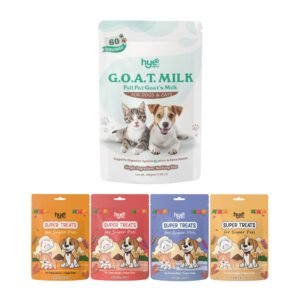 All Products
Goat Milk Powder and Freeze-Dried Goat Milk Treats Combo for Dogs and Cats
Original price was: ₹2,250.26.₹2,067.36Current price is: ₹2,067.36. -
 Combos
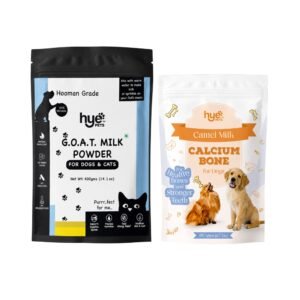
Goat Milk Powder and Camel Milk Calcium Bone for Dogs – Combo Pack
Original price was: ₹1,826.47.₹1,108.02Current price is: ₹1,108.02. -
 Combos
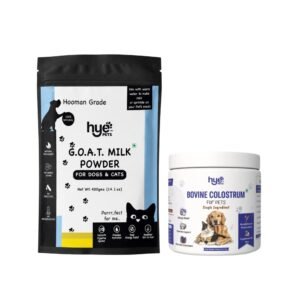
Goat Milk Powder and Bovine Colostrum Combo for Dogs & Cats
Original price was: ₹2,357.47.₹1,221.30Current price is: ₹1,221.30. -
 Goat Milk Treats
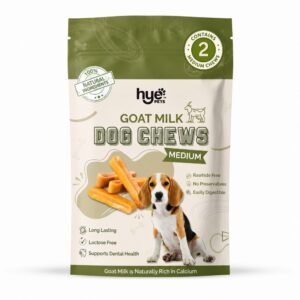
Goat Milk Dog Chews for Medium Dogs | Rawhide-Free Dental Treats | 2 Chews
Original price was: ₹449.01.₹422.01Current price is: ₹422.01. -
 Combos
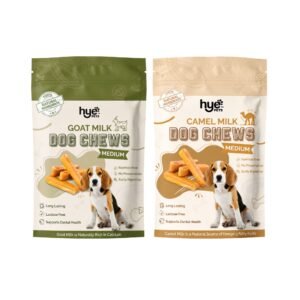
Goat Milk and Camel Milk Chews Combo for Medium Dogs
Original price was: ₹1,118.64.₹1,019.52Current price is: ₹1,019.52. -
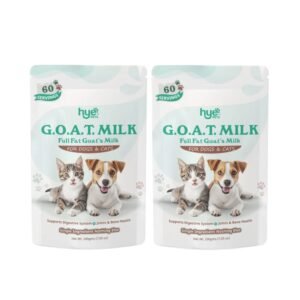 Combos
Full Fat Goat Milk Powder for Dogs and Cats Combo Pack (2 x 200g)
Original price was: ₹1,649.64.₹1,509.22Current price is: ₹1,509.22. -
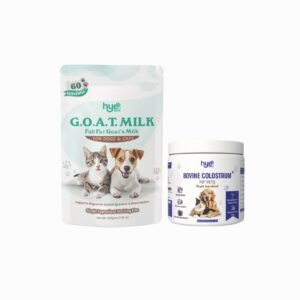 Combos
Full Fat Goat Milk Powder and Bovine Colostrum Combo for Dogs and Cats
Original price was: ₹1,398.01.₹949.01Current price is: ₹949.01.
- All Posts
- Blog
- Blogs
- Recipe
- Stories
- Trivia