If you have ever given your dog a chew, turned around to pour a cup of coffee, and returned to find it completely gone, you know how confusing it can be. Meanwhile, a friend’s dog might work on the exact same product over several days.
This leads many pet parents to ask, Is my dog chewing too fast? Is a chew that disappears quickly a waste of money? Or can chews that last a long time risk a dog’s teeth?
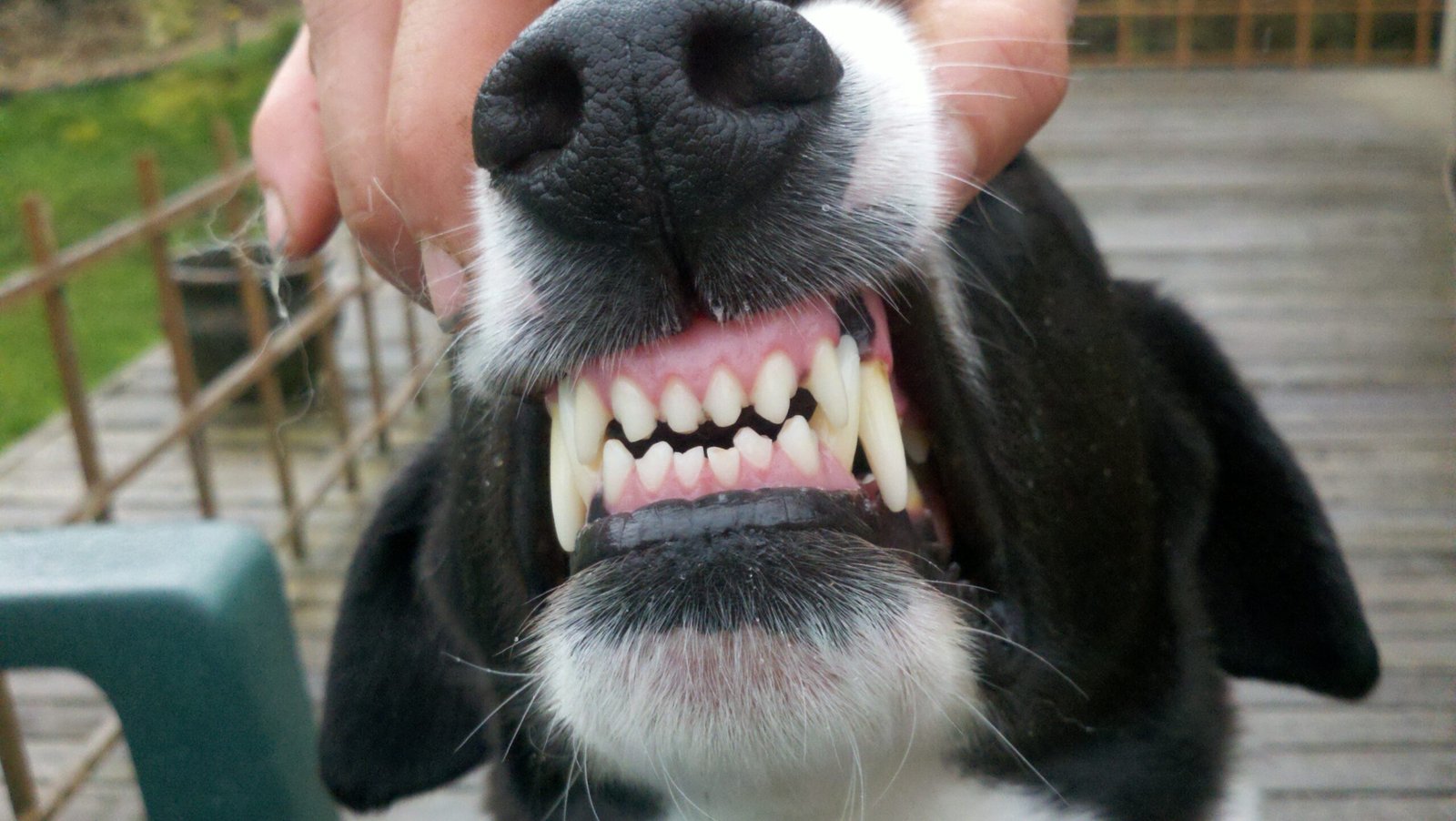
The short answer is that no universal timer applies to dog chews.
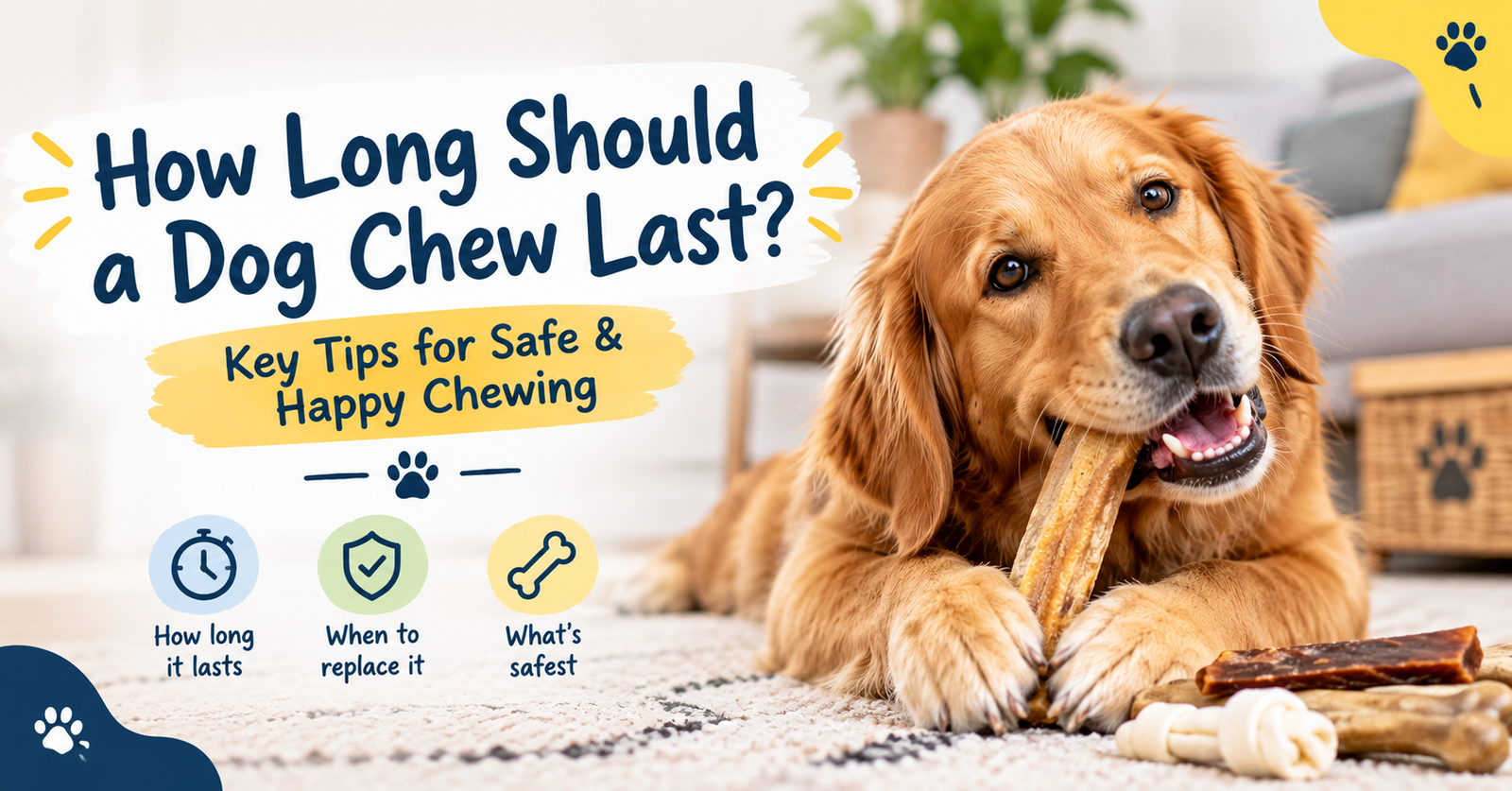
How long a chew holds up depends on your dog’s size, age, and chewing style, as well as the materials used in the product. Instead of relying on a fixed clock, safe chewing comes down to understanding your dog’s habits, selecting appropriate materials, and monitoring the chew as they work on it.
Why Chew Lifespans Vary
When a chew does not last as long as expected, it is rarely a sign that something is wrong. A dog that finishes a chew in 15 minutes may simply be a more determined chewer than one that takes several days to work through the same item.
Duration depends on a few main factors:
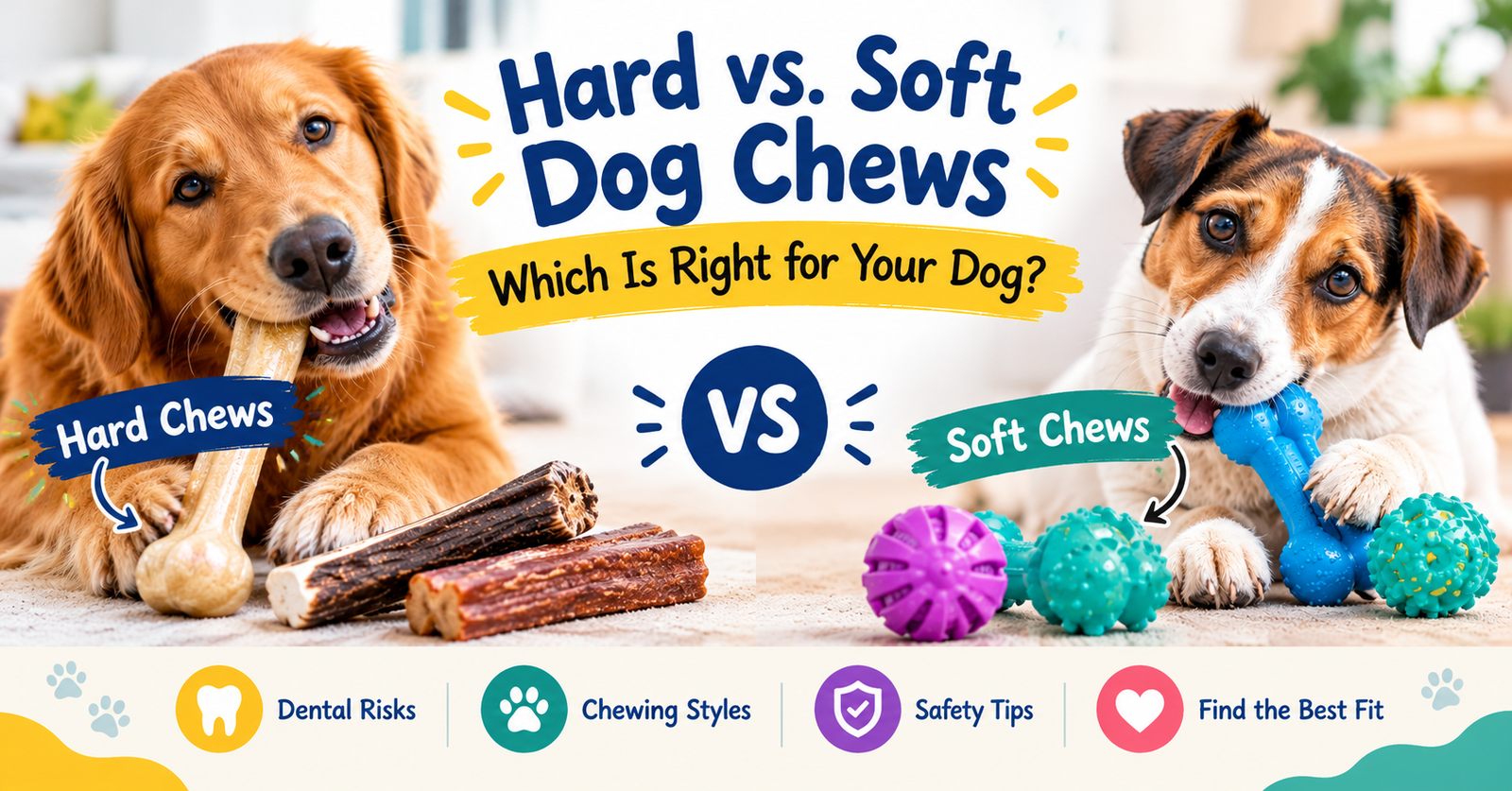
- Chewing style: Gentle chewers lick and gnaw slowly, which allows products to hold up longer. Power chewers apply strong, repeated force, breaking down durable materials much faster.
- Dog size: Larger dogs generally have stronger jaws and can wear through a chew much faster than smaller breeds.
- Product material: Different materials respond differently to chewing pressure:
Chew Category | Typical Lifespan | Key Considerations for Pet Parents |
Edible Dental Chews | Often short-lasting | Generally formulated to be consumed over one session, though duration varies by recipe, size, and your dog’s chewing habits. Look for the VOHC seal for proven plaque and tartar control. |
Natural Chews (Bully sticks, yak cheese) | Short to Moderate | Digestible or semi-digestible products derived from animal or dairy sources. Hardness varies by product, so supervise closely as they wear down into small, swallowable nubs. |
Rubber Toys | Long-lasting / Reusable | Designed for repeated play. Flexible materials yield under pressure, which can help reduce stress on teeth during active chewing. |
Nylon Chews | Long-lasting / Reusable | Synthetic and non-digestible. Very durable under heavy chewing, though they should be checked periodically for rough micro-edges or splinters. |
Antlers & Hard Bones | Very Long-lasting | Rigid natural materials that do not give under force. Extremely hard options carry a higher risk of tooth wear or fractures for strong chewers. |
Note: Duration can vary widely even within the same category depending on product thickness, size, and individual brand formulations.
When to Take a Chew Away
Because safety depends on the physical condition of the product, routine inspection during use is far more helpful than tracking minutes. Consider removing a chew if:
- It wears down to a small size: Once a chew is small enough for a dog to swallow whole, it presents a potential choking hazard or risk of digestive blockage.
- Large or sharp pieces break off: If a dog shears off large chunks or sharp fragments, the remaining piece should be removed immediately.
- Behavior changes occur: Gulping, pawing at the mouth, or chewing exclusively on one side can indicate discomfort, a wedged fragment, or sensitive teeth.
- Product guidelines are reached: Edible chews contribute to a dog’s daily calorie intake, so following packaging guidelines helps prevent digestive upset.
Finding a Balance Between Durability and Dental Safety
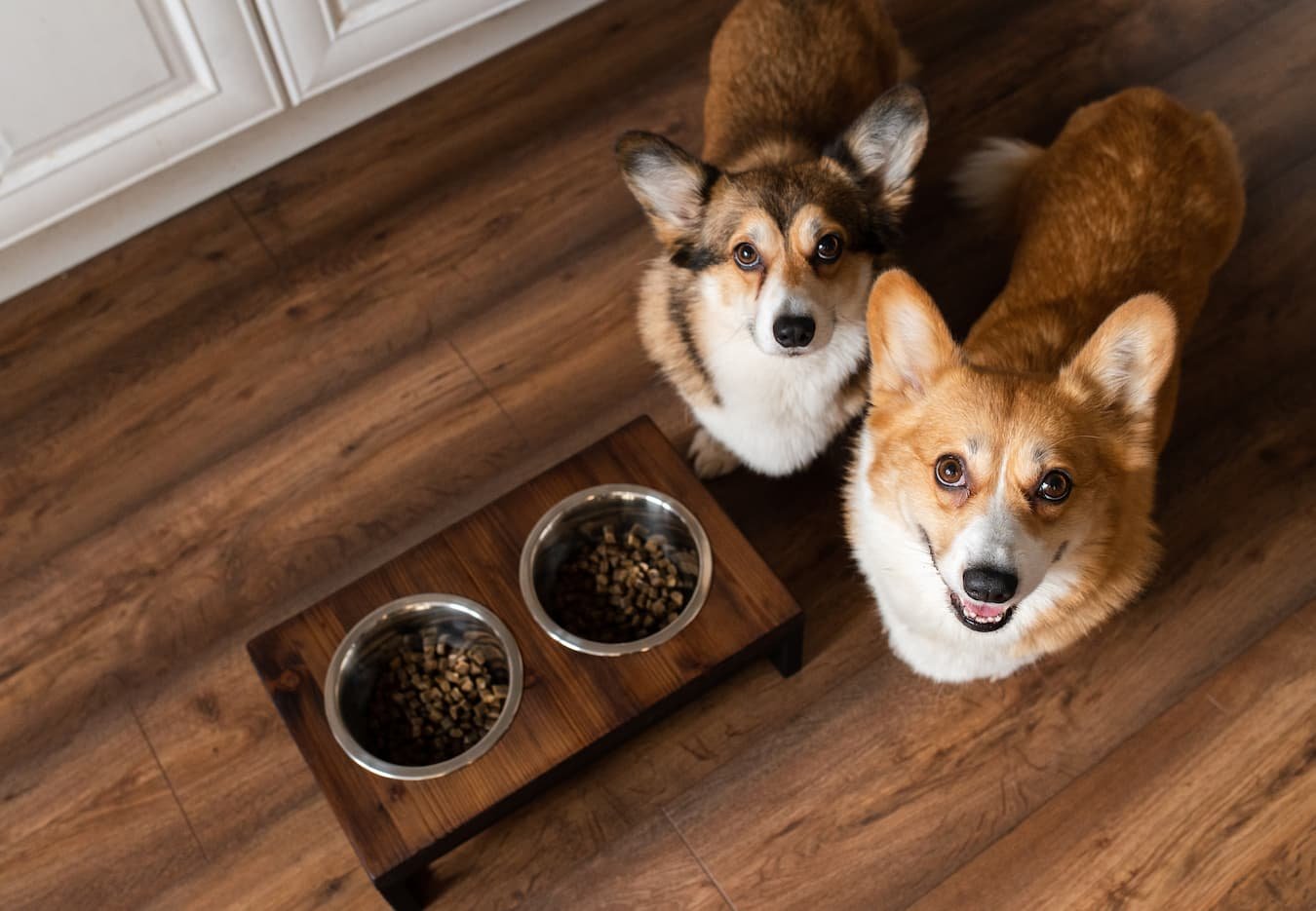
It can be tempting to search for the most durable chew available. However, high durability sometimes comes at the expense of dental safety.
Very hard, rigid chews can place significant stress on a dog’s teeth and may increase the risk of chipped or fractured teeth, particularly for strong chewers.
Tips for Choosing Suitable Options
- Check for flexibility: Some veterinary dental guidance recommends checking whether a recreational chew has some flexibility rather than being completely rigid. or trying to bend it slightly. While not an absolute safety guarantee, if a chew has zero give under pressure, it may be too firm for aggressive chewers.
- Match the recommended weight class: Selecting a chew size recommended for your dog’s weight range helps prevent accidental swallowing and uncomfortable chewing angles.
- Consider age and health: Teething puppies often benefit from flexible rubber toys to soothe sore gums. Senior dogs with worn enamel or existing dental issues generally do better with softer options. When in doubt, ask your veterinarian which textures suit your dog’s current oral health.
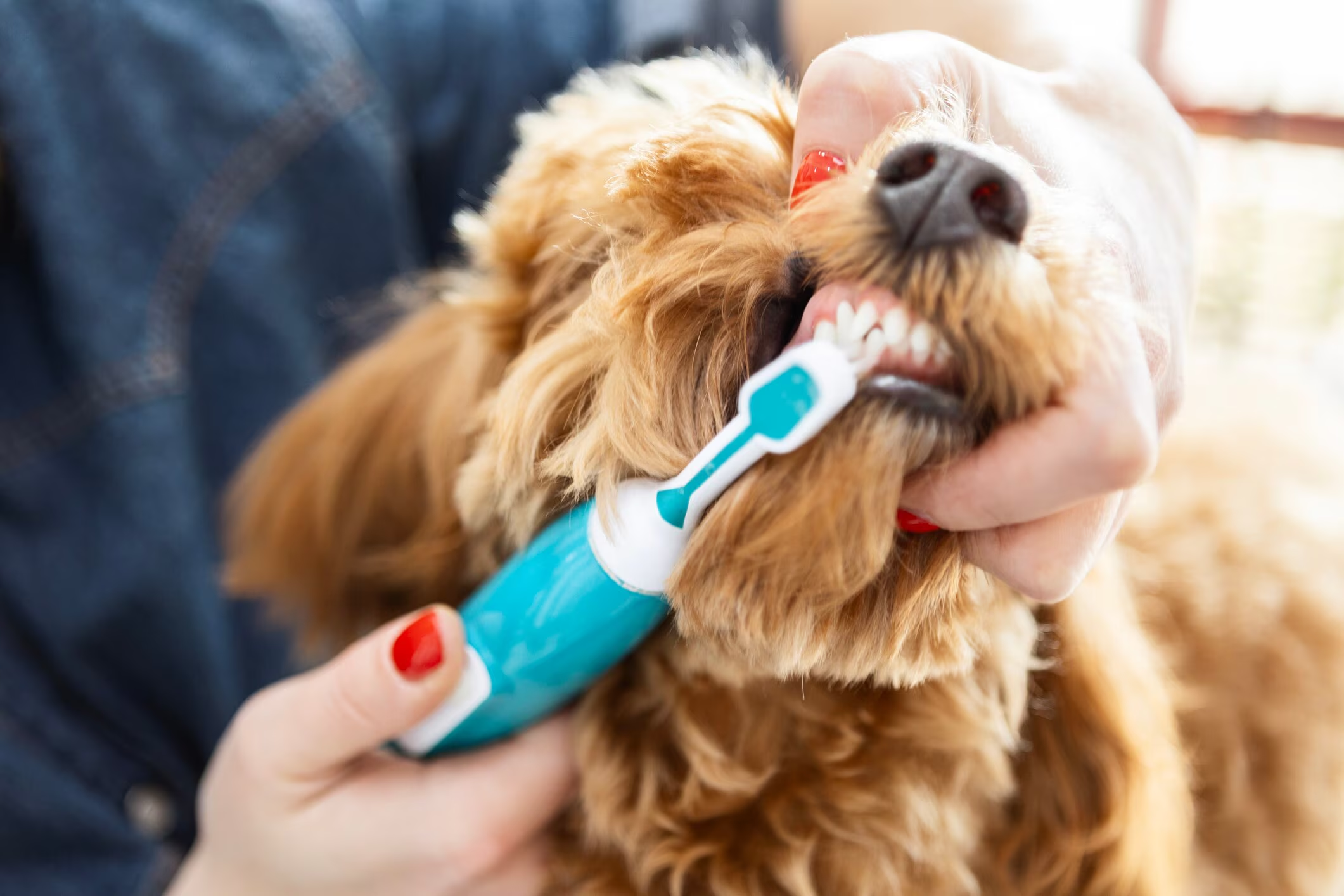
A Note on Dental Health
While the mechanical action of gnawing can help scrape away soft buildup from accessible tooth surfaces, recreational chewing is not a complete solution for oral care.
If dental hygiene is your primary goal, look for products carrying the Veterinary Oral Health Council (VOHC) Seal of Acceptance. The VOHC recognizes products that have demonstrated a statistically significant reduction in plaque and tartar build-up through standardized clinical testing. Ordinary recreational chews generally have not undergone this clinical evaluation. For complete dental health, VOHC-accepted products work best when combined with regular tooth brushing and professional veterinary checkups.
Conclusion
There is no single “best” chew on the market. A suitable choice is one matched to your dog’s individual weight, age, and chewing habits, paired with regular supervision and attention to product wear.
For more information on dog nutrition and everyday care, visit Hye Pets.
-
 All Products
Goat Milk Powder for Dogs and Cats – 400g
Original price was: ₹1,298.86.₹733.96Current price is: ₹733.96. -
 All Products
Camel Milk Powder For Dogs and Cats – 400g
Original price was: ₹1,499.75.₹499.00Current price is: ₹499.00. -
 All Products
Super Treats for Super Pets made with Goat Milk, Strawberry and Banana | 30g
Original price was: ₹325.00.₹308.75Current price is: ₹308.75. -
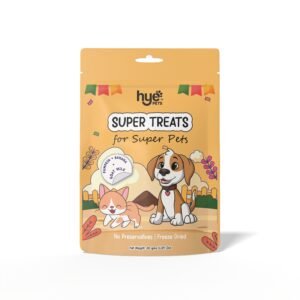 All Products
Super Treats for Super Pets made with Goat Milk, Pumpkin and Banana | 30g
Original price was: ₹279.00.₹265.06Current price is: ₹265.06. -
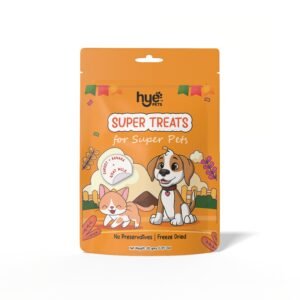 All Products
Super Treats for Super Pets made with Goat Milk, Carrot and Banana | 30g
Original price was: ₹279.00.₹265.06Current price is: ₹265.06. -
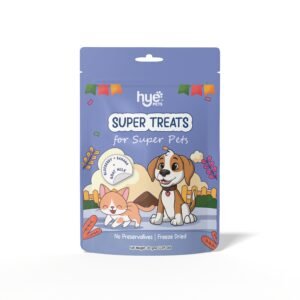 All Products
Super Treats for Super Pets made with Goat Milk, Blueberry and Banana | 30g
Original price was: ₹325.00.₹308.75Current price is: ₹308.75. -
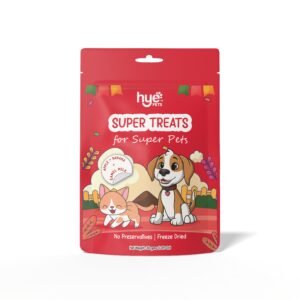 Out of stockAll Products
Super Treats for Super Pets made with Camel Milk, Apple and Banana | 30g
Original price was: ₹279.00.₹265.06Current price is: ₹265.06. -
 All Products
Super Treats for Super Pets made Camel Milk, Beetroot and Banana | 30g
Original price was: ₹279.00.₹265.06Current price is: ₹265.06. -
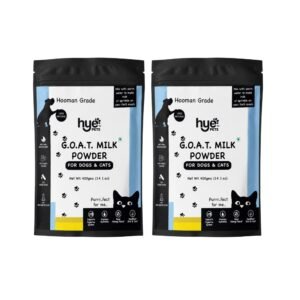 Combos
Goat Milk Powder for Dogs and Cats – Combo Pack (2 x 400g)
Original price was: ₹3,065.28.₹1,680.32Current price is: ₹1,680.32. -
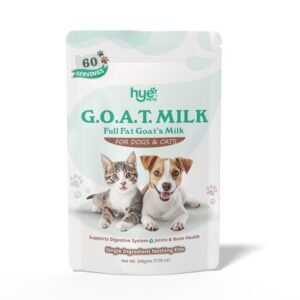 All Products
Goat Milk Powder for Dogs and Cats – 200g
Original price was: ₹698.99.₹657.05Current price is: ₹657.05. -
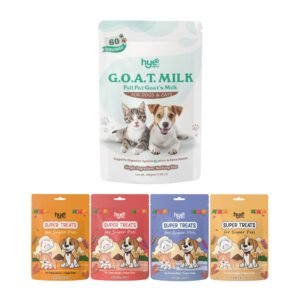 All Products
Goat Milk Powder and Freeze-Dried Goat Milk Treats Combo for Dogs and Cats
Original price was: ₹2,250.26.₹2,067.36Current price is: ₹2,067.36. -
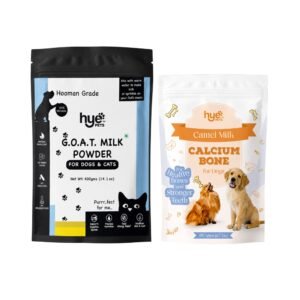 Combos
Goat Milk Powder and Camel Milk Calcium Bone for Dogs – Combo Pack
Original price was: ₹1,826.47.₹1,108.02Current price is: ₹1,108.02. -
 Combos
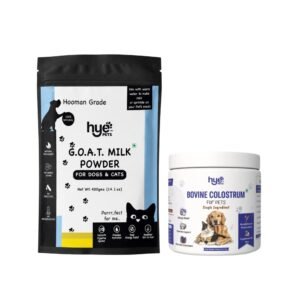
Goat Milk Powder and Bovine Colostrum Combo for Dogs & Cats
Original price was: ₹2,357.47.₹1,221.30Current price is: ₹1,221.30. -
 Goat Milk Treats
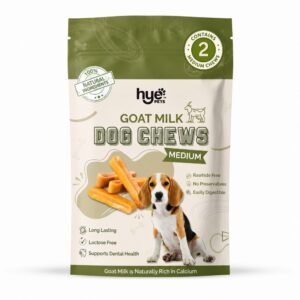
Goat Milk Dog Chews for Medium Dogs | Rawhide-Free Dental Treats | 2 Chews
Original price was: ₹449.01.₹422.01Current price is: ₹422.01. -
 Combos
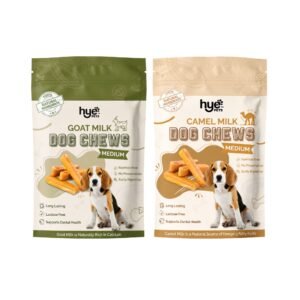
Goat Milk and Camel Milk Chews Combo for Medium Dogs
Original price was: ₹1,118.64.₹1,019.52Current price is: ₹1,019.52. -
 Combos
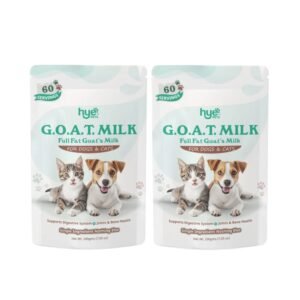
Full Fat Goat Milk Powder for Dogs and Cats Combo Pack (2 x 200g)
Original price was: ₹1,649.64.₹1,509.22Current price is: ₹1,509.22. -
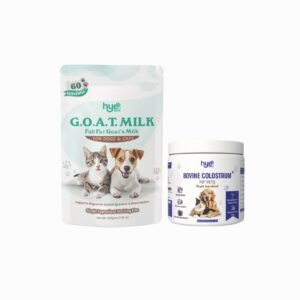 Combos
Full Fat Goat Milk Powder and Bovine Colostrum Combo for Dogs and Cats
Original price was: ₹1,398.01.₹949.01Current price is: ₹949.01.
- All Posts
- Blog
- Blogs
- Recipe
- Stories
- Trivia