You stand in the pet store aisle holding a $15 chew that promises indestructible, long-lasting entertainment. You bring it home, set it down, and turn your back to pour a cup of coffee. By the time you look back, your dog has either completely demolished it into plastic confetti or turned away to happily gnaw on the corner of your coffee table instead.
Every dog parent has been there. It is easy to assume that the hardest, heaviest chew on the shelf is the best value for your money. But when you hear that loud crunch as your dog bites down on a rock-hard bone, you can’t help but wonder: Is this actually good for their teeth, or am I one bad bite away from an emergency vet bill?
Finding the right chew isn’t about picking a single safest or toughest item in the store. It is about matching the chew to how your dog actually eats, plays, and gnaws.
Why Your Dog Can’t Stop Chewing
Chewing isn’t just a mischievous habit aimed at your favorite pair of sneakers it is a deeply ingrained biological drive.
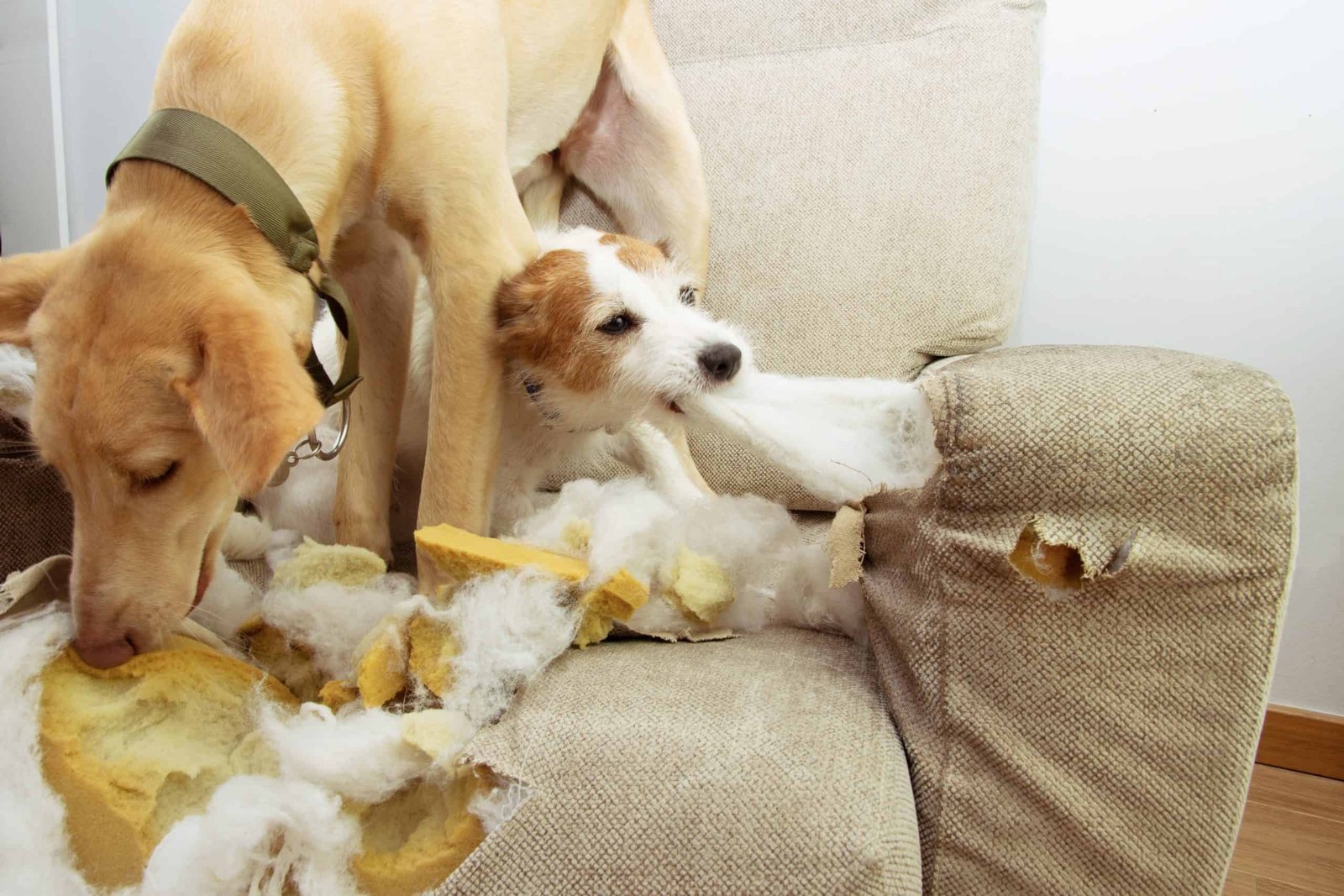
For a three-month-old puppy, chewing is all about relief. As adult teeth push through sore gums, biting down on appropriate objects provides a soothing counter-pressure. For an adult dog, gnawing is the canine equivalent of a good workout or a relaxing evening routine. It burns off mental restlessness, keeps their mind working, and helps them unwind after a busy day.
However, no two dogs chew the same way. One dog might gently carry a chew around the house, lightly licking and nibbling it like a prized possession. Another might plant two heavy paws over a toy and try to crush it with brute force. Understanding which camp your dog falls into is the first step toward picking a suitable option.
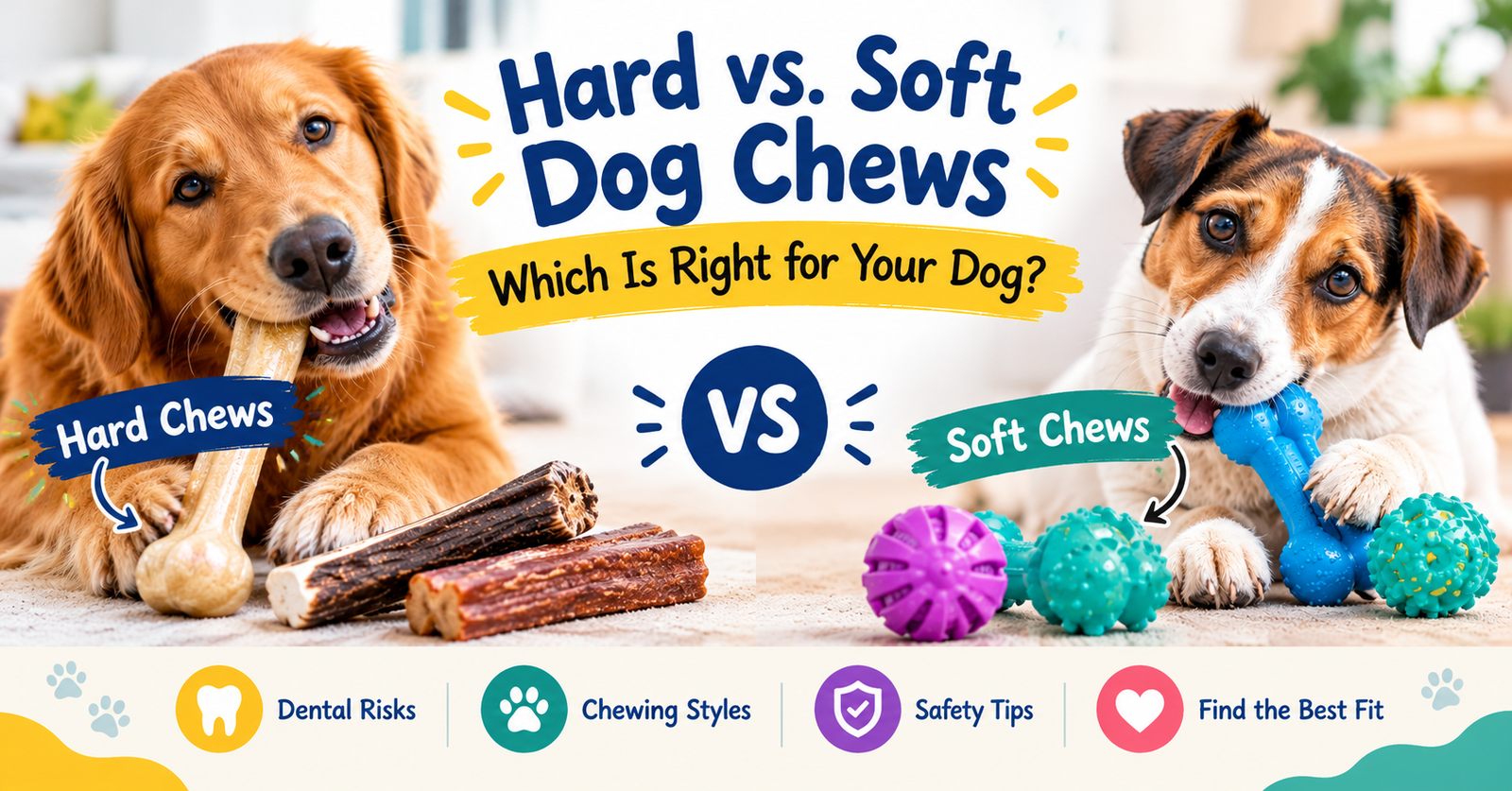
Hard vs. Soft Chews at a Glance
If you are trying to decide between options in the store, here is how hard and soft chews compare:
Feature | Hard Chews | Soft Chews |
Typical Materials | Compressed nylon, dense rubber, natural hard chews | Flexible rubber, pliable polymers, dental treats |
Main Appeal | Firm resistance stands up to continuous scraping | Pliable texture easy and satisfying to bite down on |
Key Limitation | Zero give can pose a risk of cracked or chipped teeth | Can be shredded quickly by determined biters |
Best Suited For | Dogs that scrape and gnaw gently without clamping down | Gentle mouthers, puppies, and dogs that prefer flex depending on product design |
Can a Chew Be Too Hard?
It is tempting to pick the firmest chew on the shelf, especially if your dog turns standard treats into a quick snack. Dense chews give dogs a resistant surface to scrape against, which can keep an energetic dog quietly occupied in their crate while you make dinner.
Understanding Dental Risks
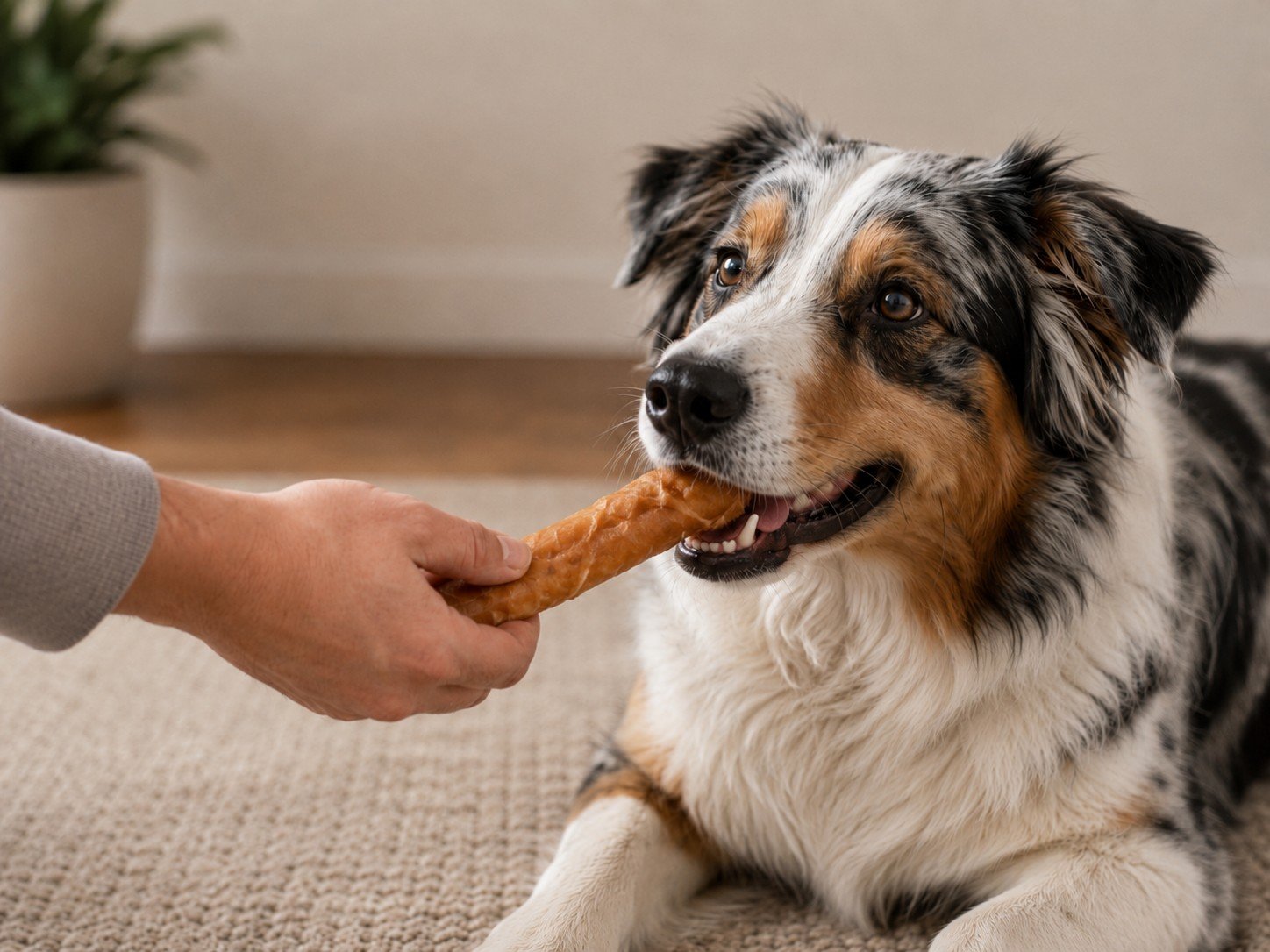
The main concern with rigid chews comes down to pure biting force. When a dog clamps down hard, most of that crushing pressure lands directly on their large upper back teeth (carnassial teeth). If the chew has no flexibility or give, that force has nowhere to go except right back into the tooth structure.
Veterinary dentists at the American Veterinary Dental College (AVDC) caution that extremely hard, unyielding objects carry a real risk of causing painful slab fractures where a section of the tooth scales off. While checking for flexibility can give a rough sense of material yield, no quick home test can guarantee a chew is 100% risk-free against dental damage if a dog bites down with extreme force.
Soft Chews: Gentler, But Are They Safer?
Soft and flexible chews like pliable rubber toys, treat-dispensing devices, and chewable dental sticks yield when your dog bites down. This allows their teeth to sink in slightly rather than meeting a rigid wall.
Why Texture Matters
For puppies shedding milk teeth or older dogs with worn enamel, flexible textures may be much easier on the mouth. Depending on the individual dog’s health and the product’s design, a senior dog who finds hard objects uncomfortable will often happily work on a pliable rubber toy because it doesn’t require crushing effort to enjoy.
The Catch for Strong Biters
Softer doesn’t automatically mean risk-free for every dog. If a dog with strong jaws gets hold of a toy that is too pliable for their jaw strength, they can easily shear off large chunks in seconds. If they swallow those pieces whole, it can lead to choking or a dangerous intestinal blockage. Soft chews still require careful supervision and proper product matching.
What Your Dog’s Chewing Style Can Tell You
Instead of buying chews based solely on your dog’s age or weight bracket, watch how they actually handle their toys at home.
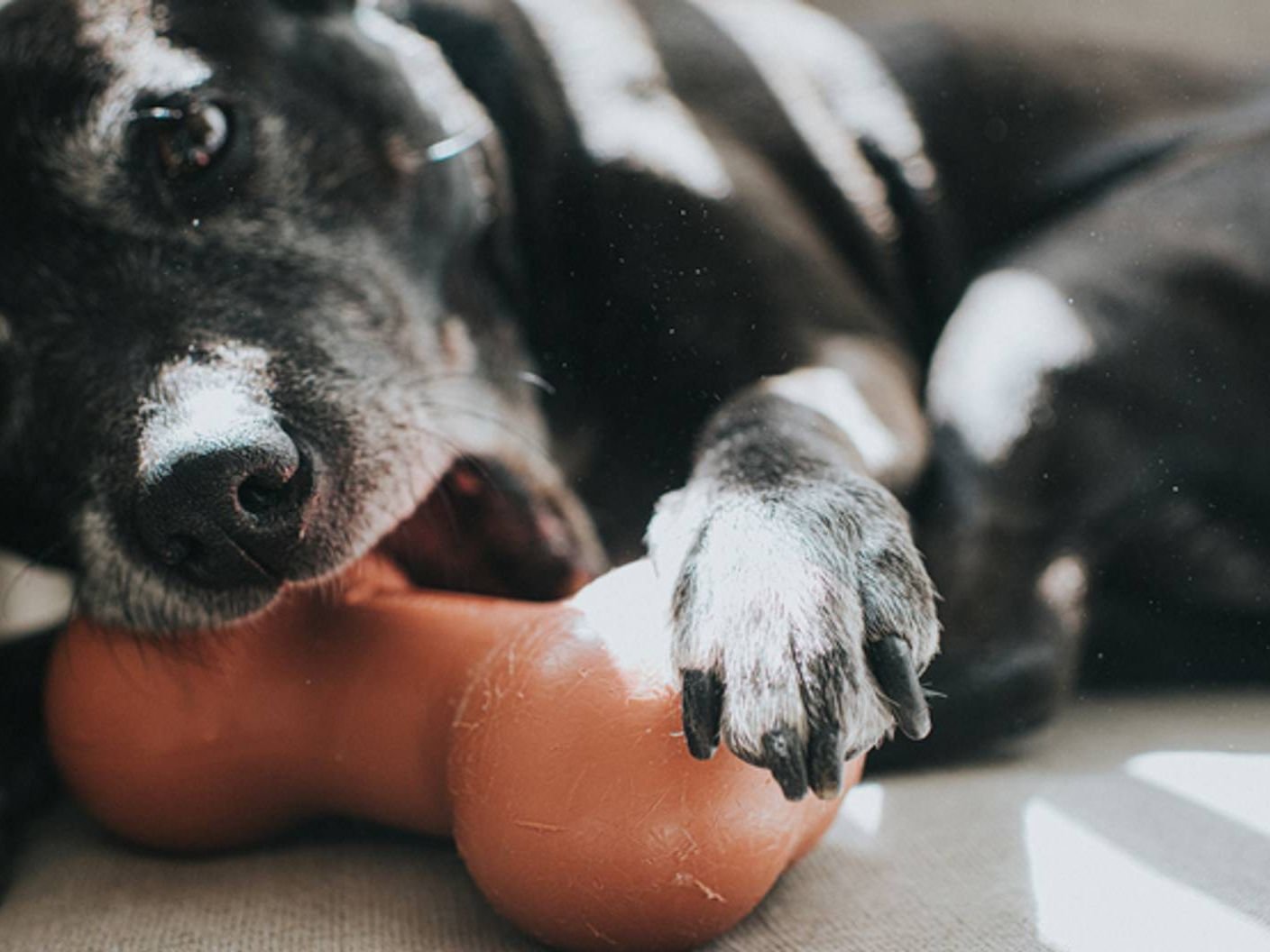
- The Power Biter: This is the dog that doesn’t scrape a toy they try to bite straight through it. If you hear a loud clack-clack sound when they chew, they are applying full jaw pressure. An appropriately sized, heavy-duty rubber toy with built-in flex may be worth considering, as its material resists tearing while cushioning impact on the teeth. Regularly inspect these toys for cracks or tearing.
- The Gentle Nibbler: This dog holds a toy gently between their paws, softly mouthing or licking it for half an hour. They often thrive with pliable rubber toys, puzzle gadgets, and soft treat sticks where they can focus on taste and texture without destroying the object.
- The Teething Puppy: Puppies may benefit from gentle relief for sore gums. Flexible, puppy-formulated rubber toys including those designed to be chilled, can help provide comfort without placing heavy pressure on developing teeth.
- The Senior Companion: Older dogs may prefer soft-to-medium rubber toys or textured chew sticks that keep them mentally active without forcing them to work through stiff, unforgiving materials.
Why Size Matters Just as Much as Material
Even if you pick the right texture, selecting the wrong size introduces an entirely new set of safety risks.

A chew that is too small can easily slide to the back of your dog’s mouth and become a choking hazard, or get swallowed whole during an excited play session. On the flip side, an oversized or heavy chew can cause frustration or jaw fatigue for a smaller dog.
Always follow the specific manufacturer’s sizing guidance on the package and pick a product that your dog cannot fit entirely inside their mouth. As long-lasting chews wear down over time, throw away the small remaining nubs before your dog tries to gulp them down whole. As the American Kennel Club (AKC) notes, selecting appropriately sized items and supervising play are essential steps for preventing accidental blockages.
Do Chews Really Clean Your Dog’s Teeth?
A common belief is that simply handing your dog a hard chew will scrub their teeth clean like a toothbrush. While the mechanical action of chewing can scrape away some soft, fresh plaque, not all chews are designed or proven to improve dental health and unyielding materials can actually chip teeth in the process.
There is a big difference between a toy that keeps your dog busy and a product specifically tested for oral care. The Veterinary Oral Health Council (VOHC) awards its Seal of Acceptance to products that meet established clinical standards for helping control plaque and/or tartar based on reviewed trial data. Note that the VOHC seal relates specifically to verified plaque or tartar control claims it is not an endorsement of overall chew safety for every chewing style. Check the official VOHC Accepted Products List for current options if oral hygiene is your primary goal.
Five Simple Ways to Make Chew Time Safer
No matter what type of chew you choose, a few easy habits will keep your dog safe:
- Supervise Play: Always keep an eye on your dog, especially when giving them a new chew, material, or shape for the first time.
- Inspect Toys Regularly: Look for deep cracks, tearing, or loose pieces that could break off before handing a toy over.
- Remove Small Pieces: Discard worn-down chews or small remnants as soon as they reach a size your dog could potentially swallow.
- Follow Manufacturer Sizing: Check the size, shape, and weight recommendations on the package rather than guessing.
- Ask Your Vet: Reach out to your veterinarian for personalized advice if your dog has missing teeth, known dental sensitivity, or a delicate stomach.
The Bottom Line for Dog Parents
There is no single chew type that works for every dog. A product that keeps your neighbor’s Labrador happy for weeks might be completely unsuitable for your German Shepherd or completely uninteresting to your French Bulldog.
Instead of searching for a single perfect option on the shelf, focus on your dog’s unique chewing style, follow product sizing guidelines, and always supervise chewing sessions. Matching the chew to the individual dog in front of you is the best way to keep chew time fun, engaging, and safe.
-
 All Products
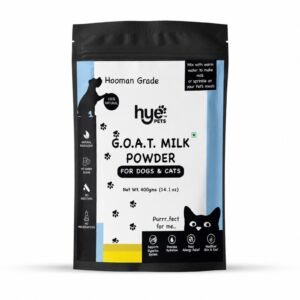
Goat Milk Powder for Dogs and Cats – 400g
Original price was: ₹1,298.86.₹733.96Current price is: ₹733.96. -
 All Products
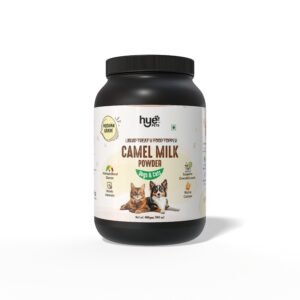
Camel Milk Powder For Dogs and Cats – 400g
Original price was: ₹1,499.75.₹499.00Current price is: ₹499.00. -
 All Products
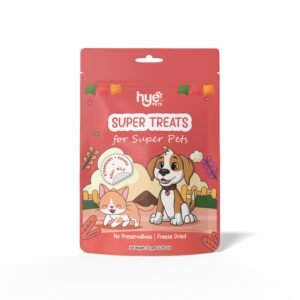
Super Treats for Super Pets made with Goat Milk, Strawberry and Banana | 30g
Original price was: ₹325.00.₹308.75Current price is: ₹308.75. -
 All Products
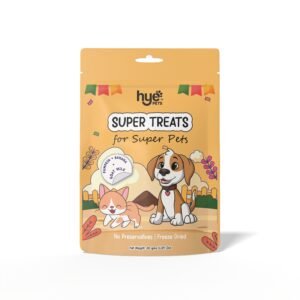
Super Treats for Super Pets made with Goat Milk, Pumpkin and Banana | 30g
Original price was: ₹279.00.₹265.06Current price is: ₹265.06. -
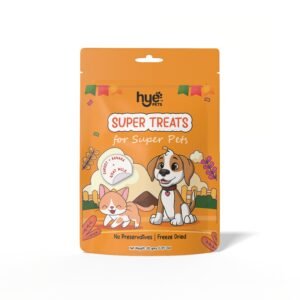 All Products
Super Treats for Super Pets made with Goat Milk, Carrot and Banana | 30g
Original price was: ₹279.00.₹265.06Current price is: ₹265.06. -
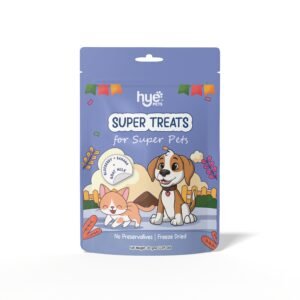 All Products
Super Treats for Super Pets made with Goat Milk, Blueberry and Banana | 30g
Original price was: ₹325.00.₹308.75Current price is: ₹308.75. -
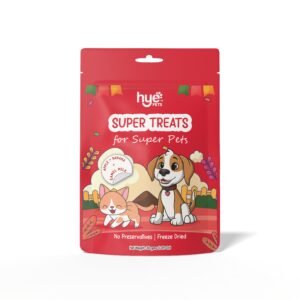 Out of stockAll Products
Super Treats for Super Pets made with Camel Milk, Apple and Banana | 30g
Original price was: ₹279.00.₹265.06Current price is: ₹265.06. -
 All Products
Super Treats for Super Pets made Camel Milk, Beetroot and Banana | 30g
Original price was: ₹279.00.₹265.06Current price is: ₹265.06. -
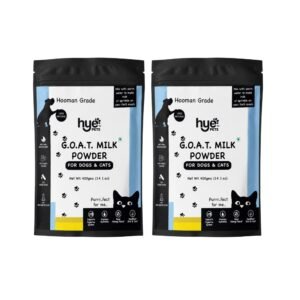 Combos
Goat Milk Powder for Dogs and Cats – Combo Pack (2 x 400g)
Original price was: ₹3,065.28.₹1,680.32Current price is: ₹1,680.32. -
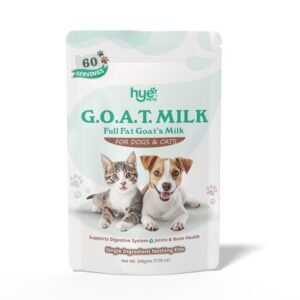 All Products
Goat Milk Powder for Dogs and Cats – 200g
Original price was: ₹698.99.₹657.05Current price is: ₹657.05. -
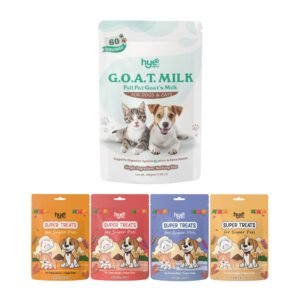 All Products
Goat Milk Powder and Freeze-Dried Goat Milk Treats Combo for Dogs and Cats
Original price was: ₹2,250.26.₹2,067.36Current price is: ₹2,067.36. -
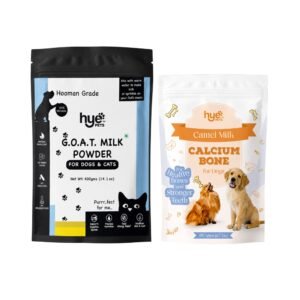 Combos
Goat Milk Powder and Camel Milk Calcium Bone for Dogs – Combo Pack
Original price was: ₹1,826.47.₹1,108.02Current price is: ₹1,108.02. -
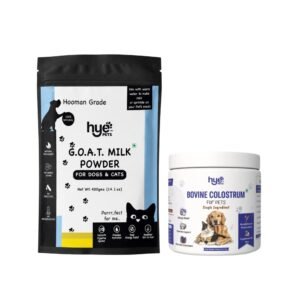 Combos
Goat Milk Powder and Bovine Colostrum Combo for Dogs & Cats
Original price was: ₹2,357.47.₹1,221.30Current price is: ₹1,221.30. -
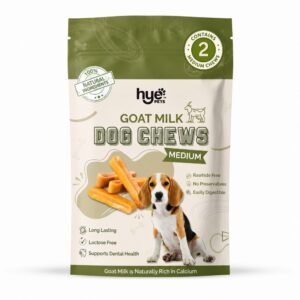 Goat Milk Treats
Goat Milk Dog Chews for Medium Dogs | Rawhide-Free Dental Treats | 2 Chews
Original price was: ₹449.01.₹422.01Current price is: ₹422.01. -
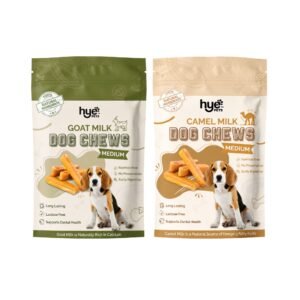 Combos
Goat Milk and Camel Milk Chews Combo for Medium Dogs
Original price was: ₹1,118.64.₹1,019.52Current price is: ₹1,019.52. -
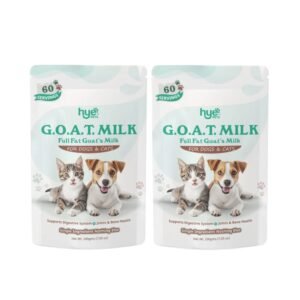 Combos
Full Fat Goat Milk Powder for Dogs and Cats Combo Pack (2 x 200g)
Original price was: ₹1,649.64.₹1,509.22Current price is: ₹1,509.22. -
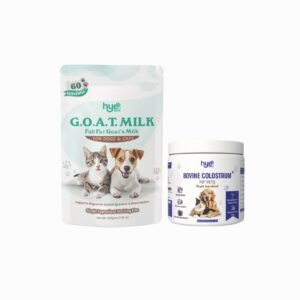 Combos
Full Fat Goat Milk Powder and Bovine Colostrum Combo for Dogs and Cats
Original price was: ₹1,398.01.₹949.01Current price is: ₹949.01.
- All Posts
- Blog
- Blogs
- Recipe
- Stories
- Trivia