There is a very specific sound that every dog owner knows, one that can wake you from a dead sleep faster than any alarm clock. It’s that rhythmic, wet gulping sound coming from the corner of the bedroom at 2 a.m. You know exactly what’s coming. You’re out of bed in a heartbeat, grabbing a towel or trying to usher your dog toward the back door before the inevitable happens.
Once the immediate mess is handled, you’re left standing in the dark, watching your dog lick their paws or pace around the yard, and you can’t help but wonder what went wrong. Was it the new flavor of treats? Did they get into something in the trash? It’s a stressful way to start the day, and it’s even harder because your dog can’t tell you where it hurts or why they feel so lousy. They just give you those heavy, sad eyes and go back to lying by their water bowl.
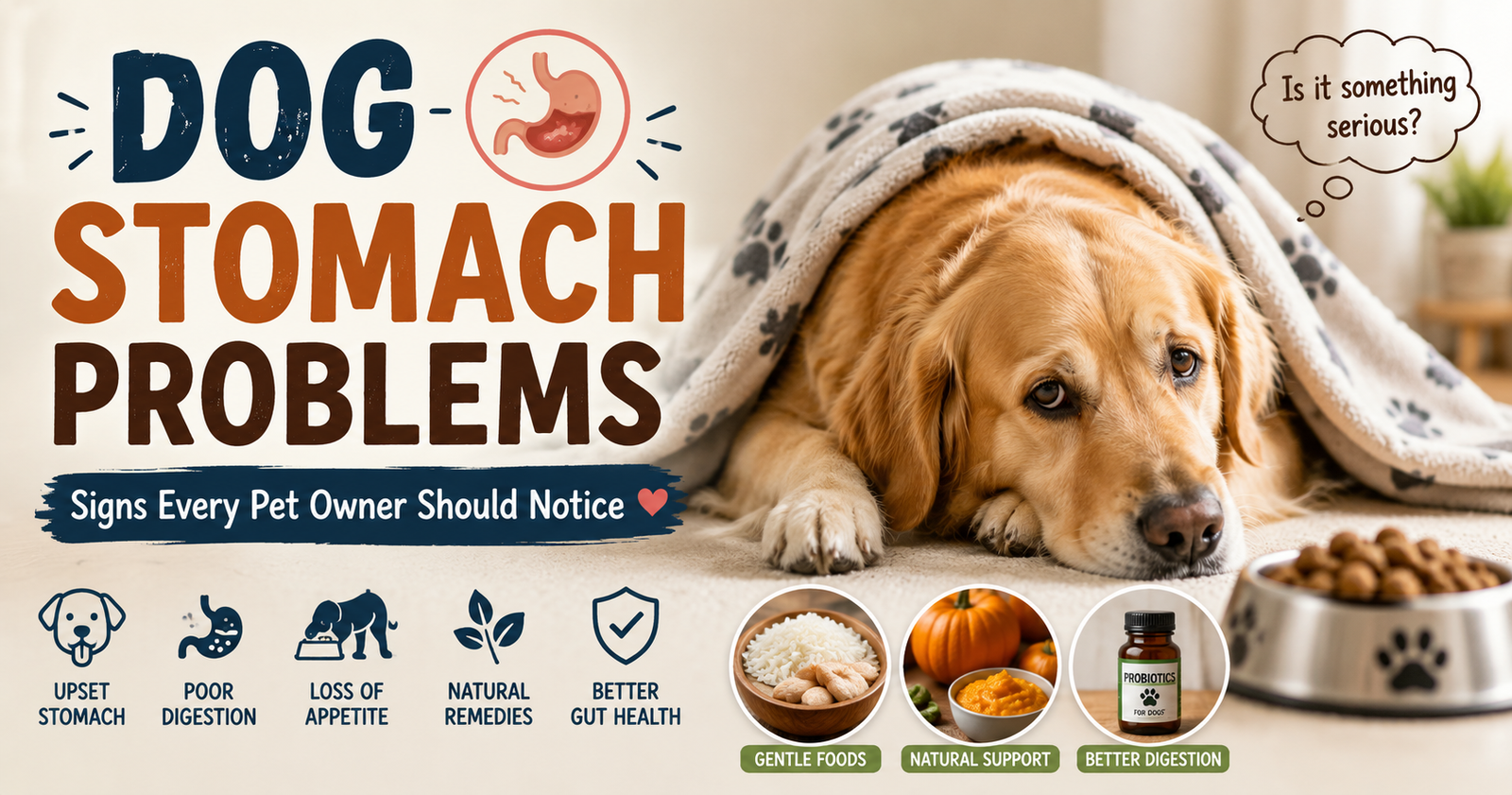
As someone who has spent far too many nights standing in the grass in pajamas, I’ve realized that a dog’s stomach is often a reflection of their total well-being. When their digestion is off, their whole personality seems to dim. But the good news is that for most dogs, keeping their stomach healthy doesn’t require a medical degree just a bit of observation and some simple, daily habits.
The Subtle Signs We Often Miss
We tend to ignore the small things. We roll down the car windows and laugh about the dog’s room-clearing gas, or we shrug off the fact that their poop is a bit soft after a weekend trip. We label them as having a sensitive stomach and just accept it as part of who they are. But these small behaviors are usually early signals that their internal system is struggling to keep up.
One sign that many people miss is excessive licking. If you notice your dog constantly licking their paws, the furniture, or even just the air, it’s often a sign of silent acid reflux or nausea. It’s their way of trying to manage a sour feeling in their throat. You might also hear their stomach gurgling from across the room those loud pops and clicks aren’t just hunger noises they’re often a sign of gas moving through a digestive tract that is working too hard.
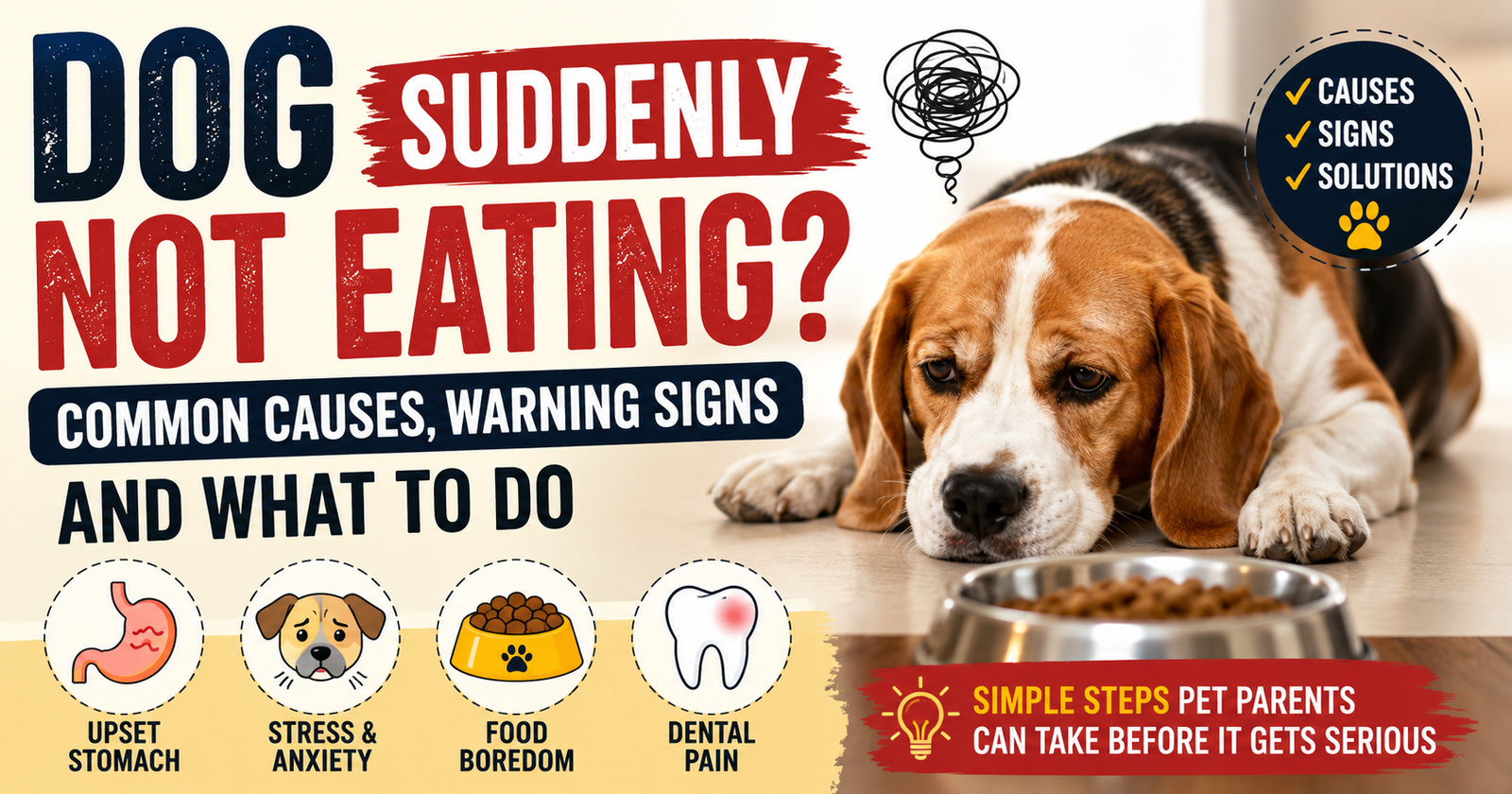
Other signs are more behavioral. Maybe they take a few bites of breakfast and walk away, leaving the rest for later. Or perhaps they seem unusually lethargic after eating, choosing to curl up in a tight ball instead of wanting to play. When these things become a pattern, it’s a sign that the food they’re eating isn’t sitting right, and it’s time to look at the why behind the discomfort.
Why Do Tummy Upsets Happen?
Most of the time, digestive issues come down to a lack of consistency. Dogs are creatures of habit, and their gut bacteria are no different. If you suddenly switch their protein source moving from chicken to beef overnight because the store was out of their usual bag it’s like an earthquake for their digestive system. The enzymes and bacteria that were specialized for one food are suddenly faced with something entirely different, leading to inflammation and, eventually, a mess on the floor.
Beyond sudden changes, the quality of the food itself plays a massive role. Many cheaper commercial diets are packed with fillers like heavy corn or soy. While these ingredients provide calories, they are harder for a dog’s short digestive tract to break down. This results in more waste larger, smellier stools and more gas.
Then there is the mechanical side of things. If your dog is a vacuum that inhales their meal in under thirty seconds, they are gulping down a massive amount of air. This air gets trapped in the stomach, causing painful bloating and gas. It also means the food isn’t being chewed or mixed with saliva properly, which is the first step of the digestive process.
Lastly, don’t underestimate the power of stress. Just like we might get a nervous stomach before a big presentation, dogs feel it too. A move to a new house, a loud thunderstorm, or even a change in your work schedule can physically slow down their digestion. Their body shifts energy away from the gut and toward their fight or flight response, which often results in diarrhea or a total loss of appetite.
Practical Tips for Daily Digestion
Helping a dog with a grumpy stomach is usually about making small, consistent shifts. Here are the things that actually make a difference in the long run:
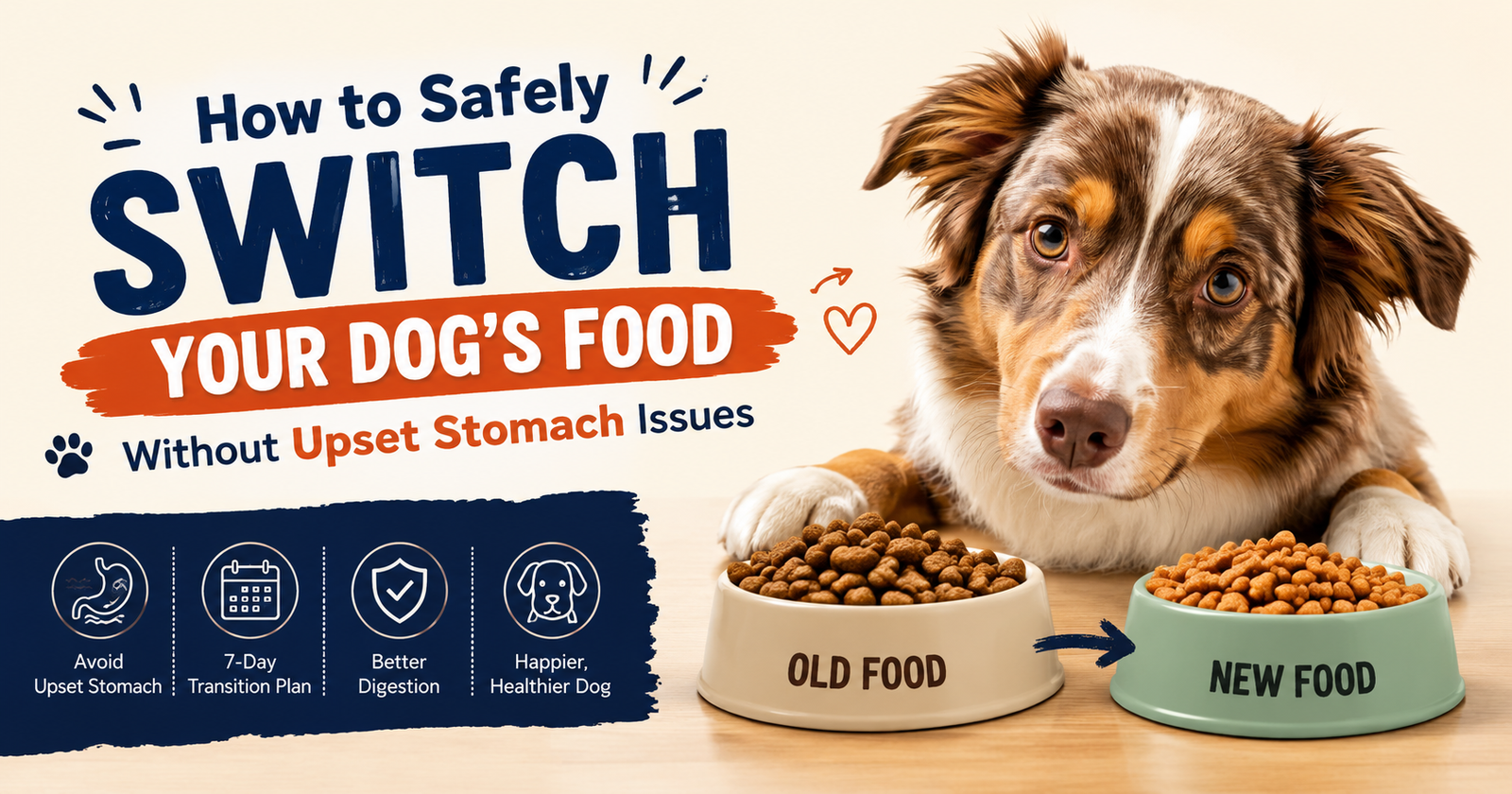
- The 7-Day Transition. If you have to change your dog’s food, never do it all at once. Start by mixing about 25% of the new food with 75% of the old food for a few days. Gradually increase the ratio until they are fully on the new diet. This gives the gut bacteria time to adapt without causing a total meltdown.
- Slow Down the Pace. For the speed-eaters, a slow-feeder bowl is a lifesaver. If you don’t want to buy a new dish, you can simply put a large, clean rock too big to swallow or an upside-down ramekin in the middle of their bowl. Making them move around an obstacle slows their intake and stops the air gulping.
- Watch the Treats. It’s hard to say no to those puppy eyes under the dinner table, but greasy table scraps are one of the fastest ways to trigger pancreatitis or a bad stomach upset. If you want to give them a human snack, stick to simple, whole foods like plain carrot slices, blueberries, or a spoonful of plain canned pumpkin not the pie filling.
- Keep the Water Fresh. Digestion requires a lot of moisture. If a dog is even slightly dehydrated, everything in the digestive tract slows down, leading to constipation. Clean the water bowl daily to prevent bacteria buildup, which can also cause stomach irritation.
- Post-Meal Quiet Time. It’s tempting to throw the ball right after dinner, but avoid heavy exercise for at least 30 to 60 minutes after eating. Digestion takes a lot of energy, and vigorous running can lead to a dangerous condition called bloat, especially in larger breeds.
The Role of Nutrition Support
Sometimes, even with the best routine, a dog’s gut needs a little extra help. This is especially true for older dogs or those who have recently been on antibiotics, which can wipe out the good bacteria in their system.
This is where targeted nutrition and supplements come in. Adding a daily probiotic is one of the easiest ways to support a healthy stomach. It helps maintain a strong colony of beneficial bacteria that can fight off the bad stuff and help the body absorb more nutrients from its food. Many people also find that adding a little fiber, like a tablespoon of mashed sweet potato, can help firm up stools and keep things moving regularly.
Focusing on gut health isn’t just about preventing diarrhea, it’s about the long-term health of the dog. A huge portion of a dog’s immune system is located in their gut. When the stomach is healthy, the dog has more energy, their skin is less itchy, and their coat becomes shinier. It’s a full-body improvement that starts with what goes into the bowl.
Knowing When to Call the Vet
While most stomach issues can be managed at home with a bland diet and rest, you have to know when a situation is out of your hands. If your dog is trying to vomit but nothing is coming up, or if their stomach feels hard and bloated, that is a life-threatening emergency. Likewise, if you see blood in the stool or if the vomiting lasts for more than 24 hours, it’s time to call a professional.
But for the day-to-day gurgles and occasional picky behavior, a little bit of patience and a better routine are usually the answer. We owe it to our dogs to pay attention to these things. They can’t communicate their discomfort clearly, so we have to be the ones to notice the 2 a.m. grass-eating or the lack of enthusiasm at mealtime. By keeping their stomach healthy, you’re ensuring they feel good enough to enjoy the walks, the treats, and the couch naps for a long, long time.
Conclusion
Most dog stomach problems start with small signs that are easy to overlook, such as a little extra gas, loud stomach noises, or a skipped meal here and there. While occasional digestive issues are common, paying attention to these changes can help you catch bigger problems early. With a consistent routine, better food habits, and a little extra care, you can do a lot to support your dog’s digestion and overall well-being. And when something truly feels off, trusting your instincts and calling the vet is always the right move.

 All Products
 All Products
 All Products
 All Products
 All Products
 All Products
 All Products
 All Products
 All Products
 Pet Food
 All Products
 All Products