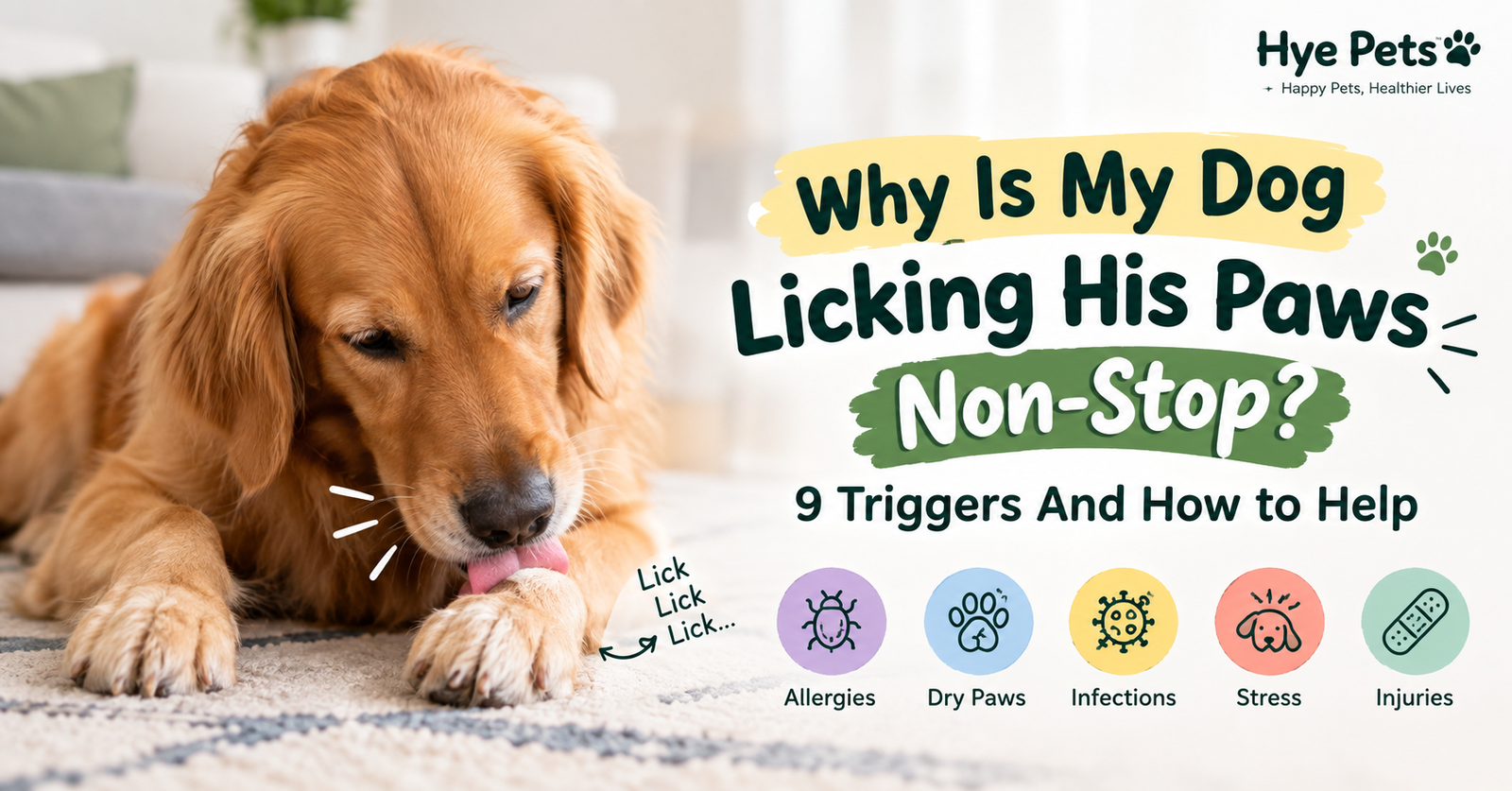
If you’ve lived with a dog long enough, you know they have a dozen ways of communicating without making a sound. There’s the specific look they give you when dinner is late, or the way they lean against your legs when they want attention. But when they aren’t feeling well, things get trickier. Dogs have an instinct to hide pain and discomfort. It’s a survival trait from their wild ancestors, showing weakness meant you were a target. In your living room, that means your dog might be dealing with an ache or an upset stomach while still wagging their tail.
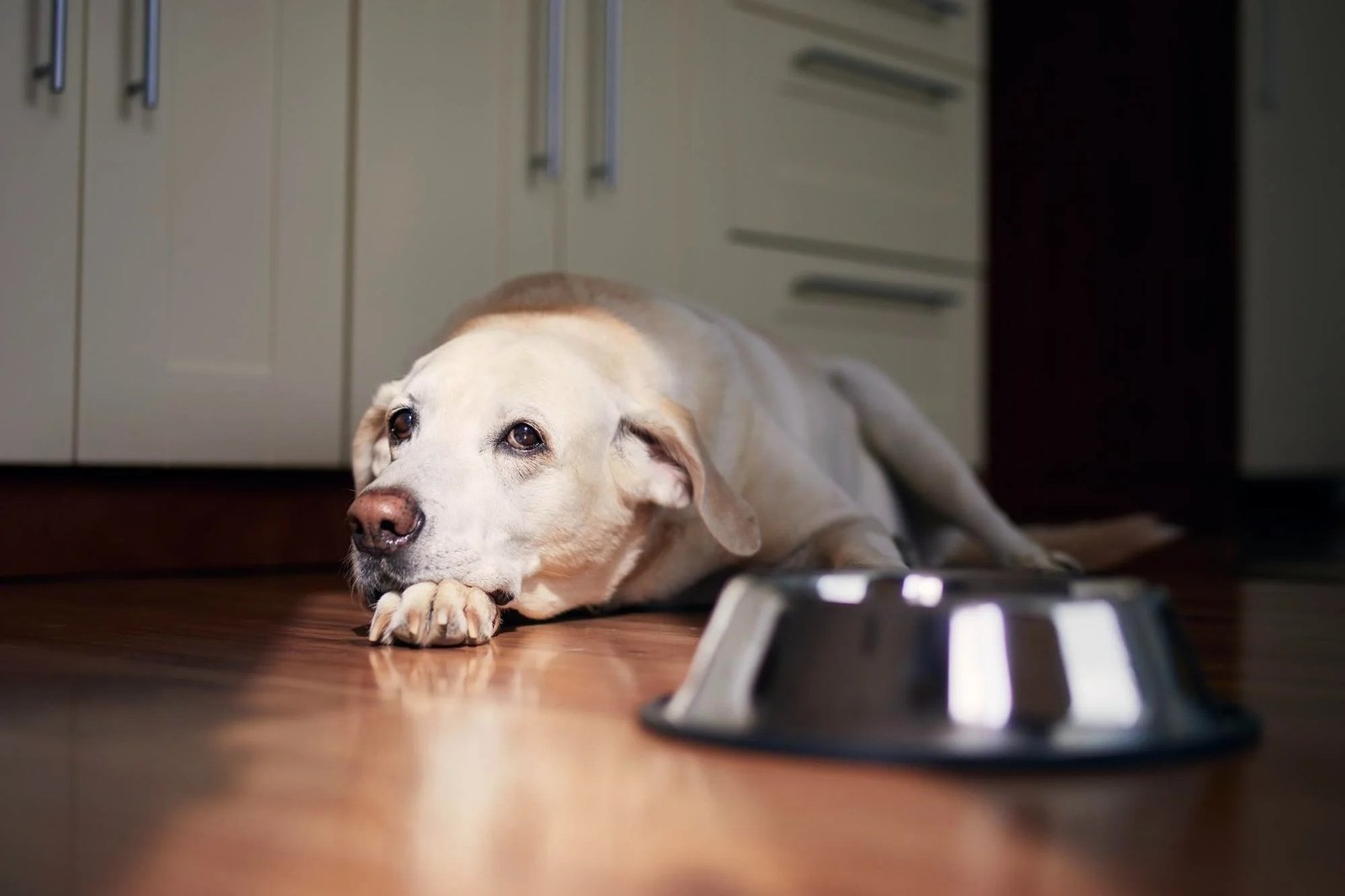
Waiting for obvious symptoms often means waiting until a problem has snowballed. By knowing what to look for daily, you can catch the most common canine health issues before they turn into expensive emergency vet visits.
1. The Extra Pounds (Obesity)
It’s incredibly easy to let a dog slip past a healthy weight. A few extra training treats, table scraps under the dinner table, or shorter walks during a busy week add up quickly. Today, over half the dogs in the U.S. are overweight, and while a plump pup might look cute, it’s a massive strain on their body.
Carrying extra weight forces a dog’s joints to work much harder than they were designed to. That constant friction wears down cartilage, leading straight to arthritis. If your dog starts hesitating before jumping onto the bed or getting up slowly in the morning, don’t just chalk it up to slowing down with age. They might actually be hurting.
Prevention: Put away the random plastic cup in the food bin and use a real measuring cup for their meals. If you want to give treats, swap out high-calorie biscuits for crunchy green beans or cucumber slices.
2. Diabetes and Sugar Regulation
When a dog carries extra weight for years, their internal chemistry can take a hit, making it much harder for their body to process blood sugar. This is how canine diabetes develops.
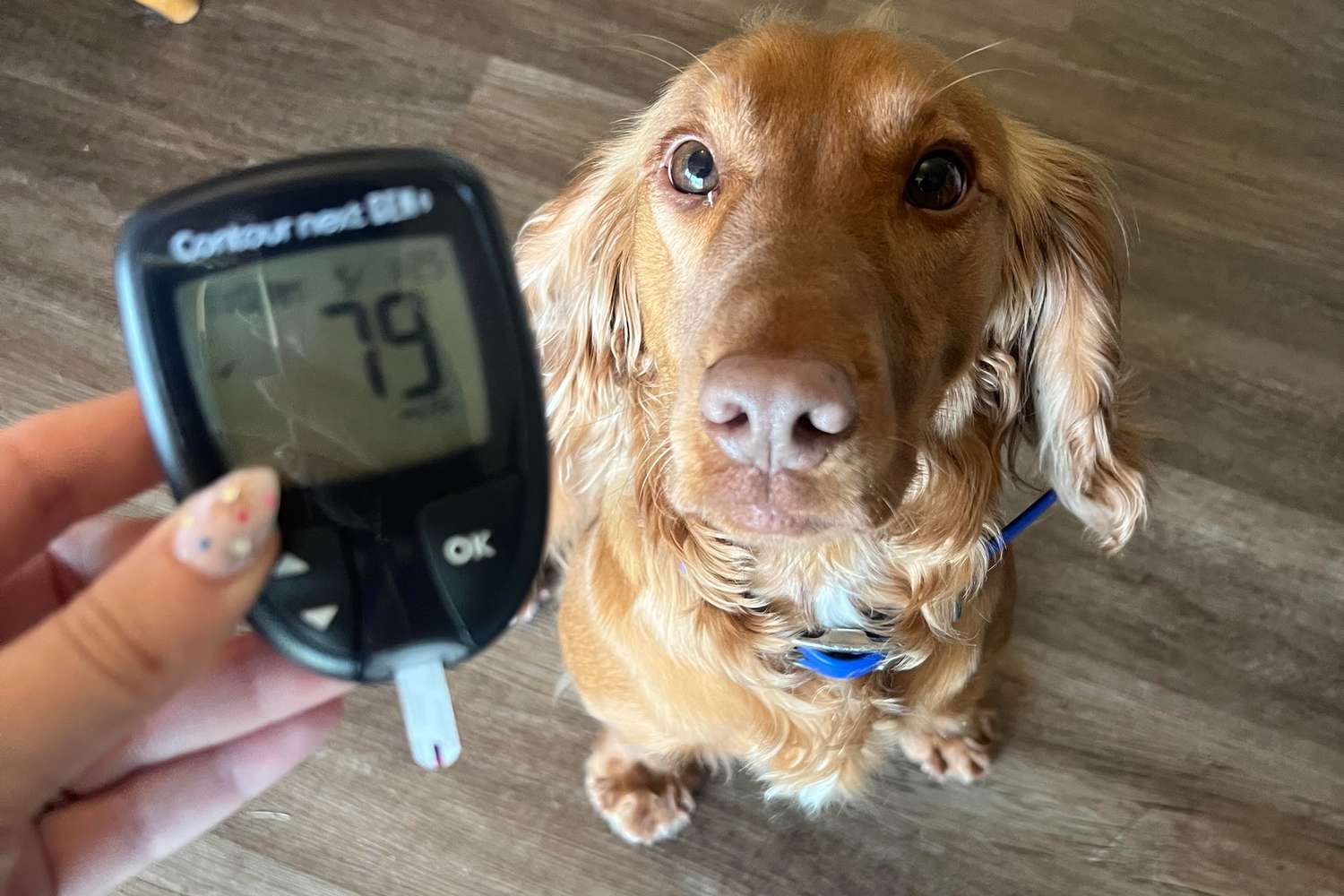
The signs are usually behavioral. You might notice you’re refilling the water bowl twice as often, or your dog starts begging to go outside in the middle of the night. When blood sugar peaks, the kidneys have to work overtime to flush it out, causing constant thirst and urination. You might also notice your dog losing weight out of nowhere, even though they are eating as much as they’ve ever been fed before.
Prevention: Keeping your dog lean is your best defense. Ask your vet to run baseline blood work during their annual exam so you can spot any shifting sugar levels early.
3. Periodontal Disease
There’s a stubborn myth that dog breath is just part of owning a pet. In reality, bad breath is usually the first sign of dental disease. By age three, about 80% of dogs have some form of plaque and tartar buildup below their gumline.
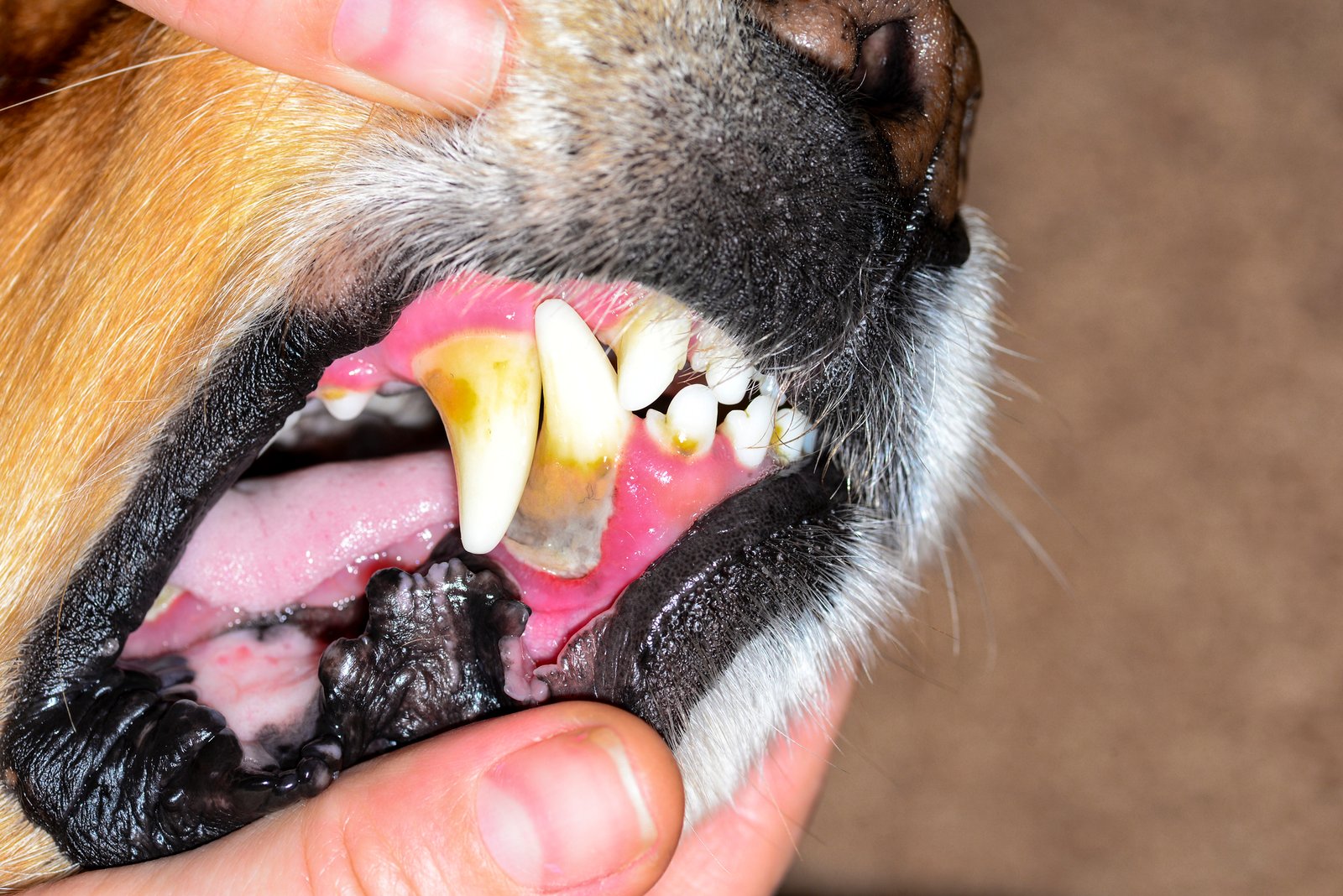
It’s painful, but the bigger risk is systemic. When a dog chews with inflamed, bleeding gums, bacteria from the mouth enter the bloodstream. These bacteria can travel directly to vital organs, causing long-term damage to the heart valves, liver, and kidneys.
Prevention: Get your dog used to a toothbrush. Even brushing a few times a week with dog-safe paste makes a massive difference. Dental chews help, but they don’t replace the physical scrubbing of a brush.
4. Chronic Ear Infections
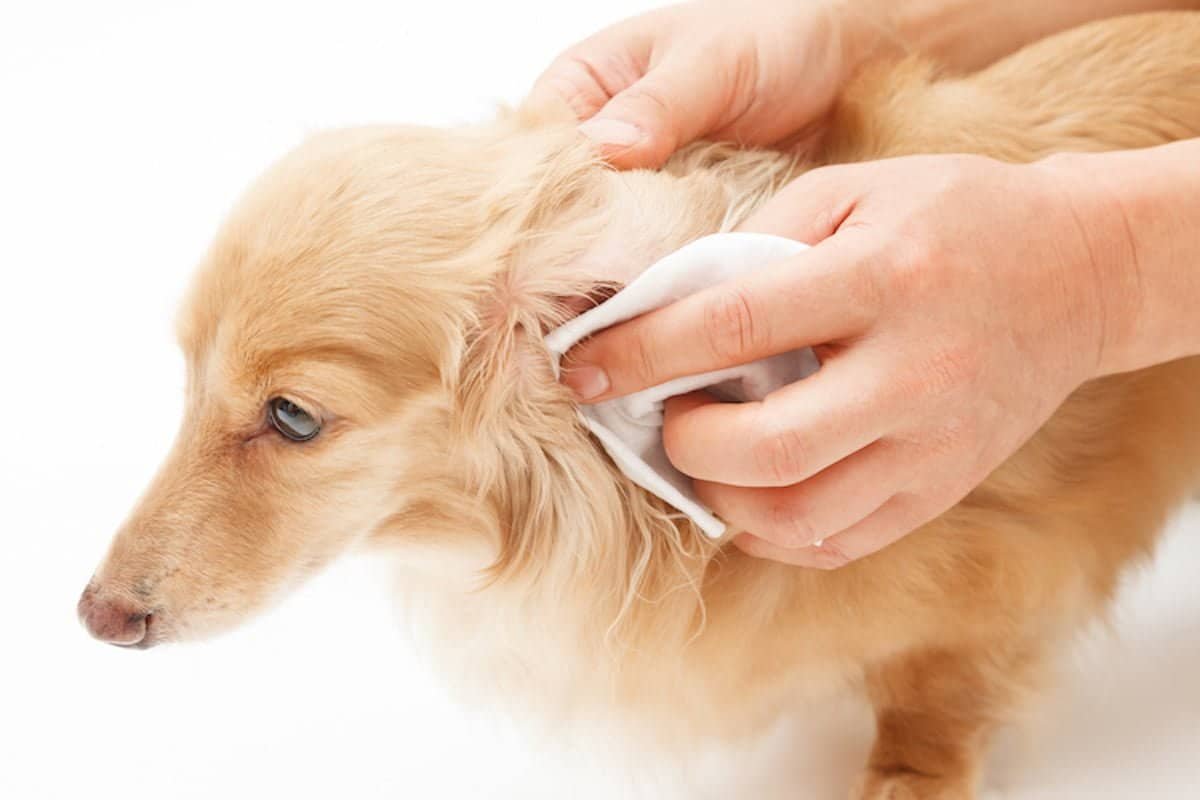
If you see your dog shaking their head repeatedly or dragging their ear across the carpet, they’re likely dealing with an ear infection. Because a dog’s ear canal is shaped like a deep L, it’s incredibly good at trapping things inside.
Moisture from a bath or a swim gets locked at the bottom of that canal, creating a perfect dark, warm incubator for yeast and bacteria. You’ll usually notice a musty smell or some dark discharge when you look inside.
Prevention: Gently place a cotton ball in your dog’s ears before a bath to block stray water, and use a vet-approved ear-drying solution after they go swimming.
5. Skin Allergies and Hot Spots
Dogs don’t get the classic human allergy symptoms like runny eyes and sneezing fits. Instead, their allergies show up in their skin.
Whether it’s triggered by seasonal pollen, a specific protein in their food, or a single flea bite, an allergic dog will itch intensely. They’ll lick, chew, and bite at themselves, especially their paws and belly, until the skin breaks. Once the skin barrier is open, bacteria move in, creating raw, weeping hot spots.
Prevention: Keep your dog on a reliable, year-round flea preventive. If they are sensitive to grass or pollen, give their paws and belly a quick wipe with a damp cloth when they come inside from a walk.
6. Fleas and Ticks
These pests are a constant headache for dog owners, and they’re active much longer into the colder months than most people realize.
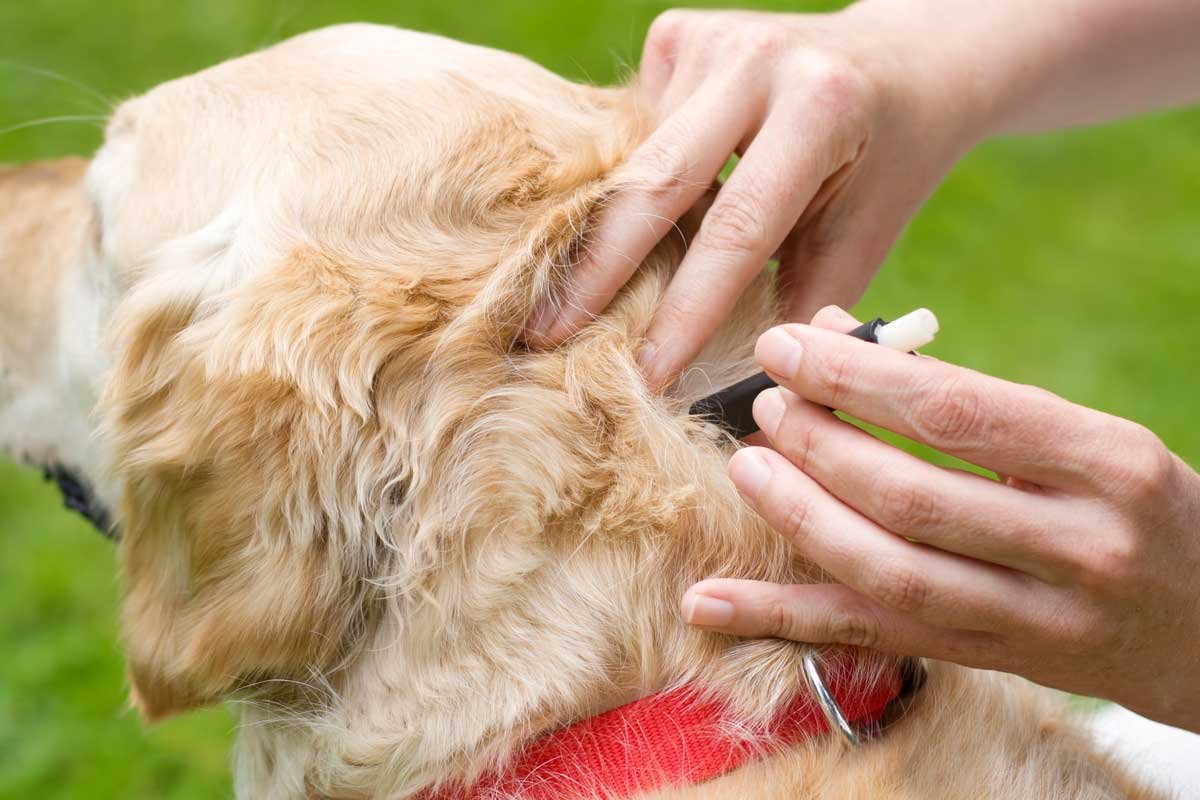
Fleas breed incredibly fast and cause intense itching, while ticks are dangerous because of the diseases they carry. A single tick bite can transmit pathogens like Lyme disease, which leads to sudden joint pain, fevers, and lethargy weeks down the line.
Prevention: Don’t wait until you see a flea or tick to treat your dog. Use a monthly oral or topical preventive recommended by your vet, and do a quick physical check after walks through tall grass or wooded trails.
7. Digestive Upset (The Dreaded Garbage Gut)
Dogs explore the world with their mouths, which means their digestive systems are regularly tested by things they shouldn’t be eating.
Bouts of vomiting or diarrhea can happen because of a sudden change in their regular food brand, a viral bug, or eating something out of the trash can. While a single episode might just mean a mild stomach ache, persistent vomiting or diarrhea can cause dangerous dehydration very quickly.
Prevention: If you need to switch your dog’s food, do it gradually over a week by mixing the old and new kibble. Keep kitchen trash cans securely covered, and avoid feeding rich, fatty table scraps.
8. Urinary Tract Infections (UTIs)
When a house-trained adult dog suddenly has an accident inside, people often think it’s a behavioral issue. It rarely is. More often, it’s a urinary tract infection.
Bacteria can find their way into the bladder, causing painful inflammation. The infection creates a constant, nagging pressure, making the dog feel like they have to go right now even if their bladder is empty. You’ll see them strain frequently on a walk, only to produce a few drops of urine.
Prevention: Always provide plenty of clean, fresh water to help naturally flush out the urinary tract, and make sure your dog gets regular bathroom breaks throughout the day so urine doesn’t sit stagnant.
9. Heart Disease
Heart conditions are incredibly difficult to spot at home because they progress very slowly behind the scenes.
As a dog’s heart muscle weakens, fluid can begin to back up into the lungs. This triggers a persistent, dry cough that usually sounds worse when the dog is resting or sleeping at night. You might also notice your dog panting heavily after minor exercise or turning around early on their usual walks.
Prevention: Never skip your vet’s annual exam. Listening to the chest with a stethoscope is the only way to catch an early heart murmur or an irregular rhythm before visible symptoms start.
10. Arthritis and Joint Degeneration
Joint pain isn’t just a problem for senior dogs it can affect large breeds and dogs with old injuries early in life.
Because the cartilage inside the joints wears down over time, bones begin to rub together, causing stiffness. You might notice your dog is a bit slow to get up from their bed on a cold morning, or they start avoiding the stairs entirely.

Prevention: Keeping your dog lean is the single best thing you can do for their joints. Talk to your vet about starting a high-quality glucosamine and Omega-3 fish oil supplement early in adulthood to support their cartilage over the long haul.
The Takeaway
You don’t need to panic over every single cough or scratch, but staying observant pays off. Taking care of their teeth, keeping their weight in check, and staying consistent with parasite preventives handles the vast majority of common vet visits. Your dog relies entirely on you to protect them and paying attention to those minor changes in their daily routine is the best way to
-
 All Products
Goat Milk Powder for Dogs and Cats – 400g
Original price was: ₹1,298.86.₹733.96Current price is: ₹733.96. -
 All Products
Camel Milk Powder For Dogs and Cats – 400g
Original price was: ₹1,499.75.₹499.00Current price is: ₹499.00. -
 All Products
Super Treats for Super Pets made with Goat Milk, Strawberry and Banana | 30g
Original price was: ₹325.00.₹308.75Current price is: ₹308.75. -
 All Products
Super Treats for Super Pets made with Goat Milk, Pumpkin and Banana | 30g
Original price was: ₹279.00.₹265.06Current price is: ₹265.06. -
 All Products
Super Treats for Super Pets made with Goat Milk, Carrot and Banana | 30g
Original price was: ₹279.00.₹265.06Current price is: ₹265.06. -
 All Products
Super Treats for Super Pets made with Goat Milk, Blueberry and Banana | 30g
Original price was: ₹325.00.₹308.75Current price is: ₹308.75. -
 Out of stockAll Products
Super Treats for Super Pets made with Camel Milk, Apple and Banana | 30g
Original price was: ₹279.00.₹265.06Current price is: ₹265.06. -
 All Products
Super Treats for Super Pets made Camel Milk, Beetroot and Banana | 30g
Original price was: ₹279.00.₹265.06Current price is: ₹265.06. -
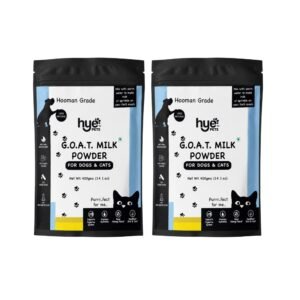 Combos
Goat Milk Powder for Dogs and Cats – Combo Pack (2 x 400g)
Original price was: ₹3,065.28.₹1,680.32Current price is: ₹1,680.32. -
 All Products
Goat Milk Powder for Dogs and Cats – 200g
Original price was: ₹698.99.₹657.05Current price is: ₹657.05. -
 All Products
Goat Milk Powder and Freeze-Dried Goat Milk Treats Combo for Dogs and Cats
Original price was: ₹2,250.26.₹2,067.36Current price is: ₹2,067.36. -
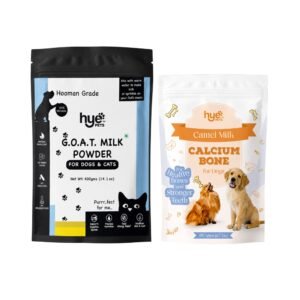 Combos
Goat Milk Powder and Camel Milk Calcium Bone for Dogs – Combo Pack
Original price was: ₹1,826.47.₹1,108.02Current price is: ₹1,108.02. -
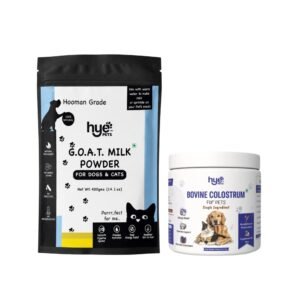 Combos
Goat Milk Powder and Bovine Colostrum Combo for Dogs & Cats
Original price was: ₹2,357.47.₹1,221.30Current price is: ₹1,221.30. -
 Goat Milk Treats
Goat Milk Dog Chews for Medium Dogs | Rawhide-Free Dental Treats | 2 Chews
Original price was: ₹449.01.₹422.01Current price is: ₹422.01. -
 Combos
Goat Milk and Camel Milk Chews Combo for Medium Dogs
Original price was: ₹1,118.64.₹1,019.52Current price is: ₹1,019.52. -
 Combos
Full Fat Goat Milk Powder for Dogs and Cats Combo Pack (2 x 200g)
Original price was: ₹1,649.64.₹1,509.22Current price is: ₹1,509.22. -
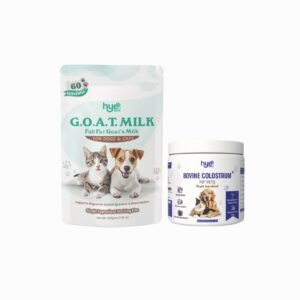 Combos
Full Fat Goat Milk Powder and Bovine Colostrum Combo for Dogs and Cats
Original price was: ₹1,398.01.₹949.01Current price is: ₹949.01.
- All Posts
- Blog
- Blogs
- Recipe
- Stories
- Trivia