
A dog curled up on the couch, trembling for no obvious reason, has a way of turning an ordinary evening into a worried one. Is it cold? Scared? Sick? The mind jumps straight to the worst-case scenario, and understandably so shaking looks alarming even when it isn’t.
The truth is that shaking is one of the most common things dogs do, and most of the time it means very little. A dog might tremble because the tile floor is cold, because the mail carrier just knocked, or because bath time is the single most traumatic event of the week. But shaking can also be the body’s way of flagging something that needs attention pain, illness, or in rare cases, a genuine emergency.
This guide walks through ten of the most common reasons dogs shake, how to tell harmless trembling from something more serious, and what to actually do about it. By the end, the goal isn’t to memorize every possible cause it’s to know how to read the situation calmly and confidently.
Is Dog Shaking Normal?
Yes, in most cases. Dogs shake far more often than people realize, and it’s rarely a cause for concern on its own.
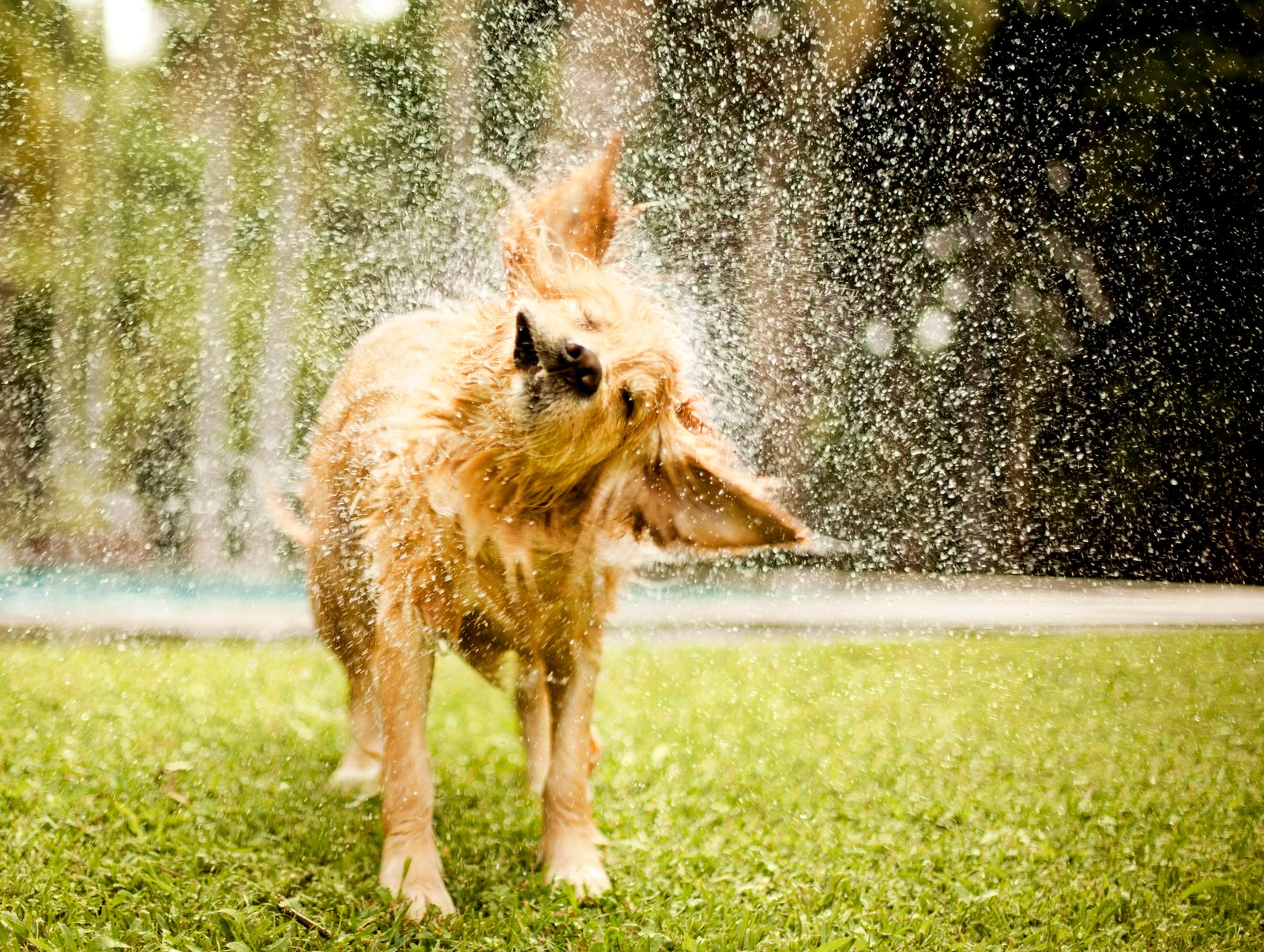
Think about the classic wet dog shake after a bath or a swim that full-body shimmy that flings water everywhere. It’s not distress it’s biology. Dogs can’t towel themselves off, so shaking is an efficient way to remove excess water from their coat. The same reflex shows up after a nap or a particularly enthusiastic greeting at the door a quick shake seems to help dogs reset.
It becomes a different conversation when the trembling is constant, paired with withdrawal or a loss of appetite, or happens in a warm, calm environment for no clear reason. A dog who shivers for thirty seconds during a thunderstorm and then goes back to chewing a toy is telling a very different story than one who won’t stop shaking an hour later.
That’s really the skill to build here don’t just watch the shaking, watch the whole dog. Is the tail wagging? Is the appetite normal? Is the dog walking normally and responding to their name? Context almost always matters more than the tremor itself and keeping that in mind makes the ten causes below much easier to sort through.
10 Common Reasons Dogs Shake
The list below moves from the least concerning causes to those that deserve closer attention, loosely grouped by environmental, emotional, and medical triggers. For each one, why it happens, what it typically looks like, when it’s harmless versus when it’s worth a vet visit, and a practical tip.
1. Cold Exposure
Why it happens: Shivering generates heat through rapid muscle contraction the same reason people shiver waiting for a bus in winter. Small, short-haired, or thin-coated breeds (Chihuahuas, Greyhounds, Dachshunds) lose body heat quickly, and even indoors, a cold tile or hardwood floor can draw warmth away from a dog lying flat on its belly.
Common signs: Shivering that starts in cold air or on hard flooring and eases once the dog is warmed up or moved to a bed or carpet.
Normal vs. vet needed: Almost always harmless. It only becomes a concern if a dog is outside for extended periods in freezing temperatures, where shivering can progress toward genuine hypothermia lethargy, weakness, or gums that feel cold to the touch are signs to get inside and warm up immediately.
Tip: A sweater on winter walks and a raised, well-padded bed away from drafts solve most of this.
2. After a Bath or Swim
Why it happens: As mentioned earlier, the post-bath shake is a built-in drying mechanism, not a sign of distress it flings water off the coat far more efficiently than air-drying alone.
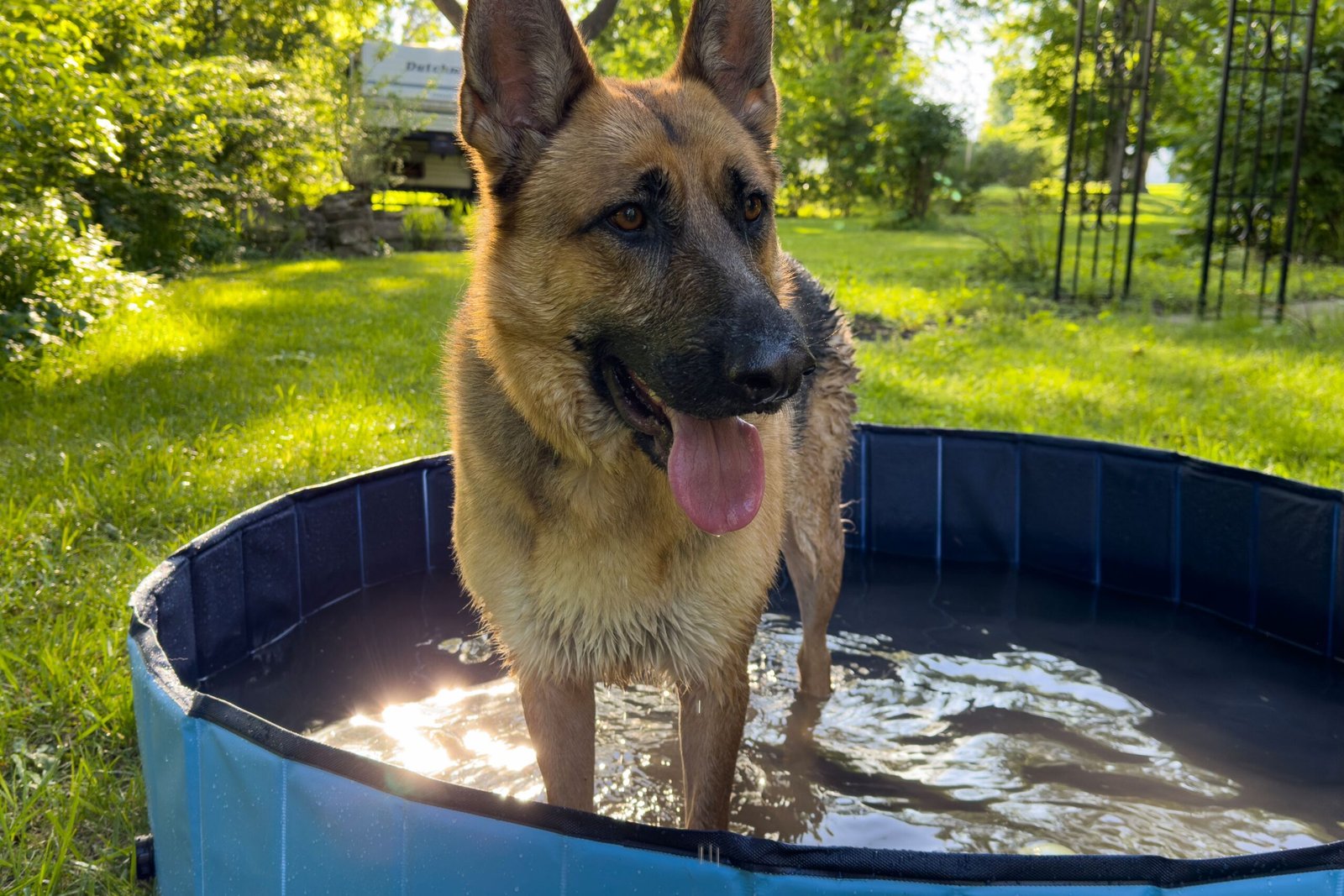
Common signs: A vigorous, brief, whole-body shake immediately after getting wet, then business as usual.
Normal vs. vet needed: Completely normal. Worth noting only if it turns into prolonged shivering, which usually just means the dog got chilled towel drying promptly in cooler weather prevents that.
Tip: Keep the bathroom warm and towel-dry before letting a damp dog wander into a cold room.
3. Excitement
Why it happens: A rush of adrenaline the same chemical response behind a person’s hands shaking before a big moment can make a dog’s whole body buzz with energy.
Common signs: Full-body wiggling, a wagging tail, and that unmistakable someone’s home! energy, usually gone within a minute or two.
Normal vs. vet needed: Entirely normal and, frankly, kind of endearing. No action needed.
Tip: If greetings get overwhelming, a short calm-down routine at the door sit, wait, then affection can take the edge off the excitement without dampening the enthusiasm.
4. Fear, Anxiety & Stress
Why it happens: Fear, anxiety, and stress all trigger the same underlying stress response, just at different intensities and timescales. A sudden fright thunder, fireworks, a vet visit causes a sharp burst of trembling. Ongoing anxiety, from separation, a new environment, or household changes, tends to produce a slower, on-and-off shake that can last for hours.

Common signs: A tucked tail, flattened ears, hiding, panting, pacing, or drooling alongside the shaking.
Normal vs. vet needed: Situational fear of a storm or a loud noise typically resolves on its own once the trigger passes. Chronic anxiety isn’t a medical emergency, but it’s worth mentioning at a regular vet visit not because the shaking is dangerous, but because ongoing stress affects a dog’s quality of life and often responds well to training, environmental changes, or, in some cases, medication.
Tip: A quiet, enclosed space a covered crate or a small room gives an anxious dog somewhere to settle rather than pace.
5. Pain or Injury
Why it happens: Trembling is a common physical response to discomfort, whether it’s a sprained leg, a bad tooth, or an aching back.
Common signs: Limping, reluctance to jump onto furniture or climb stairs, flinching when a specific spot is touched, or general stiffness.
Normal vs. vet needed: Any shaking paired with a clear sign of pain deserves a vet exam. Dogs are skilled at hiding discomfort, so visible signs usually mean it’s been bothering them for a while already.
Tip: Gently run a hand along the dog’s body and legs a flinch or a yelp at a specific spot is useful information to relay to the vet.
6. Nausea or an Upset Stomach
Why it happens: Much like a queasy stomach can make a person feel shaky, digestive upset in dogs often shows up as trembling in the lead-up to vomiting.
Common signs: Lip-licking, excessive drooling, a hunched posture, or repeated swallowing right before getting sick.
Normal vs. vet needed: A one-off episode, especially after getting into something they shouldn’t have eaten, usually passes on its own. Repeated bouts of nausea, or vomiting that doesn’t stop, warrant a vet visit.
Tip: Withhold food for a short period, as advised by your vet, after an isolated vomiting episode to let the stomach settle.
7. Ear Infections
Why it happens: Ear infections are uncomfortable and often itchy, and the irritation can trigger vigorous head shaking rather than a whole-body tremble.
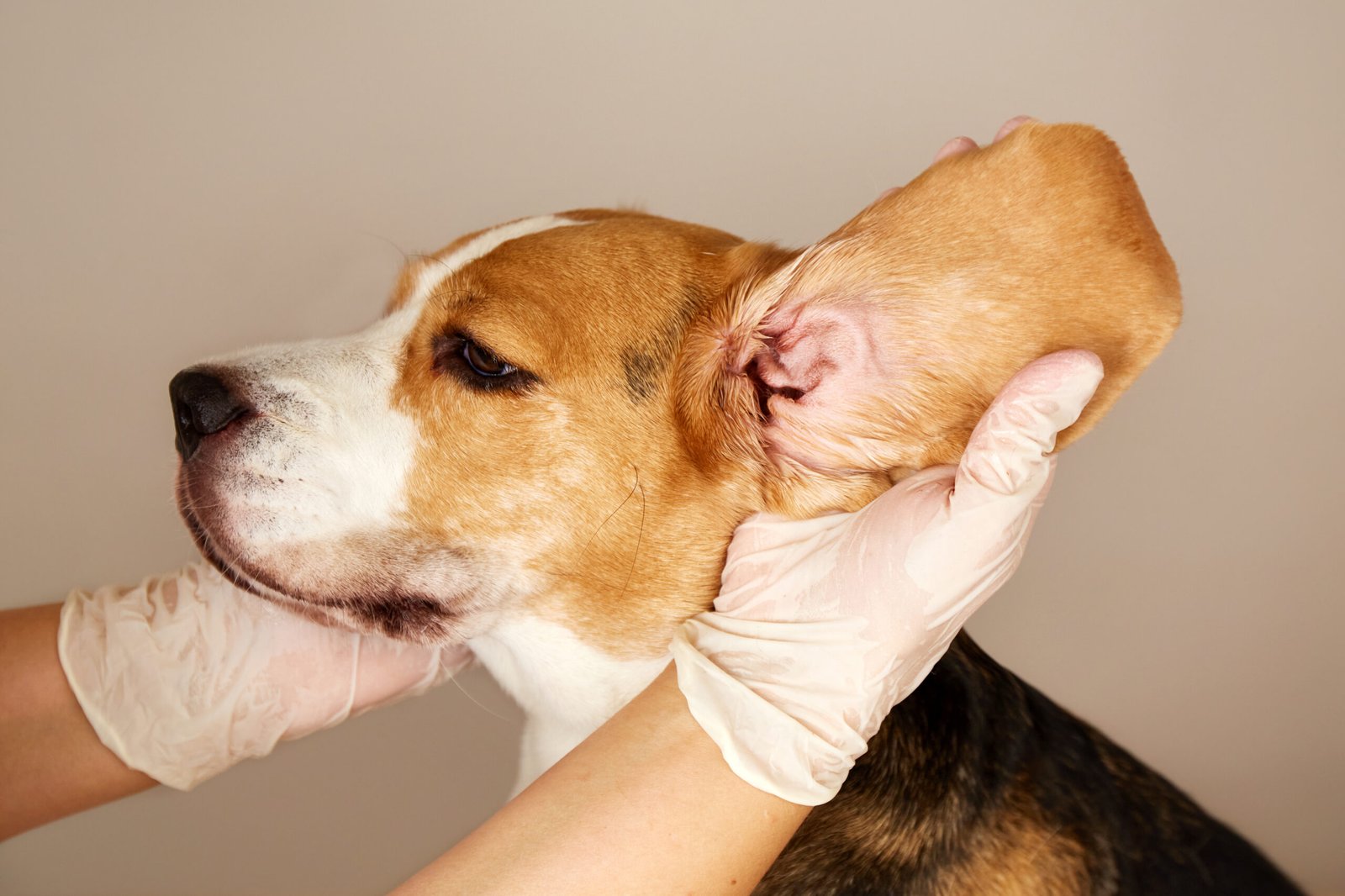
Common signs: Pawing at one ear, a tilted head, a visible odor, redness, or discharge inside the ear.
Normal vs. vet needed: Not something to wait out. Ear infections rarely resolve without treatment and tend to worsen the longer they’re left alone.
Tip: Check ears regularly, especially in floppy-eared breeds prone to trapped moisture, and avoid inserting anything deep into the ear canal at home.
8. Low Blood Sugar
Why it happens: Toy breeds and puppies have small bodies that burn through energy reserves quickly, and a skipped meal can cause blood sugar to drop faster than in larger dogs.
Common signs: Weakness, wobbliness, disorientation, and shaking, often appearing several hours after a missed meal.
Normal vs. vet needed: A single mild episode that improves quickly after eating is usually manageable at home, but recurring episodes need veterinary follow-up, since hypoglycemia can escalate quickly if untreated.
Tip: Offer a small amount of food or a bit of corn syrup rubbed on the gums for a quick response, then get the dog checked out.
9. Poisoning or Toxin Exposure
Why it happens: Many common toxins chocolate, xylitol found in sugar-free gum and some peanut butters, certain plants, rodent bait, and some human medications affect the nervous system or metabolism in ways that trigger tremors.
Common signs: Shaking combined with vomiting, drooling, agitation, an elevated heart rate, or seizures, usually appearing shortly after exposure.
Normal vs. vet needed: Always an emergency. Don’t wait to see if symptoms pass; call a vet or an animal poison control line immediately, and bring the packaging for whatever was ingested, if possible.
Tip: Store chocolate, medications, and sugar-free products well out of reach, and know which houseplants are toxic to dogs before bringing them inside.
10. Neurological Disorders & Age-Related Weakness
Why it happens: Some tremors originate in the nervous system or muscles rather than from an outside trigger. Conditions like generalized tremor syndrome, sometimes called shaker syndrome and epilepsy can cause persistent shaking unrelated to temperature or emotion. In senior dogs, weakening muscles and joint conditions like arthritis often cause the back legs specifically to shake, particularly after resting.
Common signs: Shaking with no obvious external cause, tremors that don’t stop with warmth or comfort, or hind-leg trembling that’s worse after lying down and eases with gentle movement.
Normal vs. vet needed: These cases call for a proper veterinary diagnosis. Some, like shaker syndrome, are very manageable with medication once identified; age-related weakness often benefits from joint support and pain management.
Tip: Keep a log of when the shaking happens and how long it lasts that pattern is genuinely useful information for a vet trying to narrow down the cause.
Emergency Warning Signs
With ten causes to weigh, it helps to have a simple filter for deciding how urgently to act.
Safe to monitor at home the dog is:
- Alert and responsive
- Eating and drinking normally
- Shaking briefly, then stopping on their own
- Trembling for a clear, identifiable reason cold, fear, excitement
Seek emergency veterinary care immediately if shaking comes with:
- Collapse or inability to stand
- Seizures
- Trouble walking or coordinating movement
- Pale or blue-tinged gums
- Difficulty breathing
- Vomiting that won’t stop
- Suspected exposure to something toxic
- Shaking that continues for hours with no obvious cause
When in doubt, a quick phone call to a vet clinic costs nothing and can offer real peace of mind most clinics are used to fielding exactly this kind of question.
What to Do If Your Dog Is Shaking
Once the cause seems clearer, the right response usually follows naturally but a calm, methodical approach helps regardless of what’s behind it.
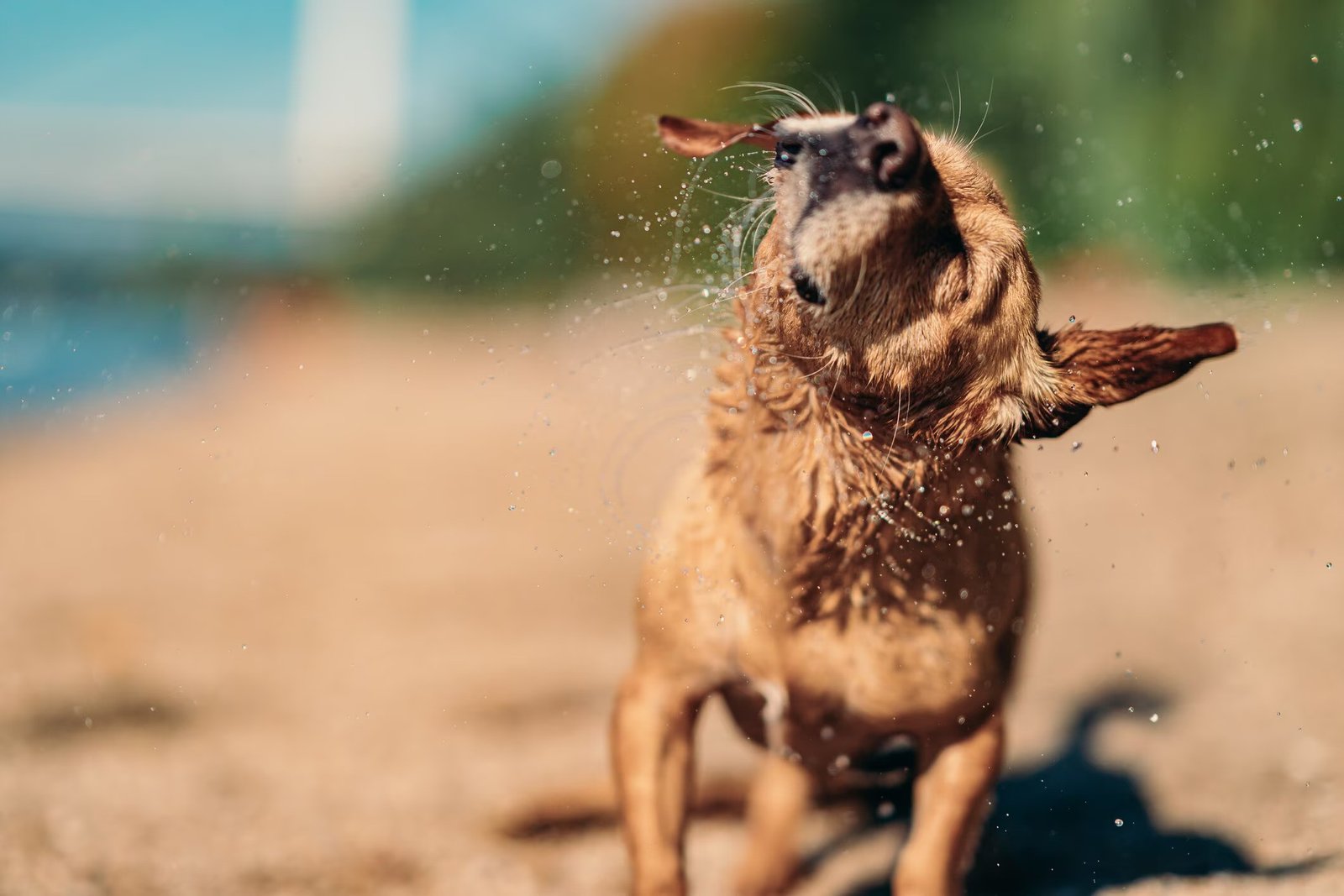
Start by staying calm. Dogs pick up on tension, and an anxious owner can actually make a frightened or stressed dog shake more. Keep the dog warm with a blanket or a snug shirt if the room feels cool, and give them a quiet space to settle. From there, observe rather than react: note when the shaking started, what the dog was doing beforehand, and whether anything else seems off, like appetite, energy, or gait.
If the dog seems otherwise normal and food is appropriate for the situation, offering a small meal or treat can help rule out low blood sugar and often has a calming effect in itself. Recording a short video is genuinely useful, too vets can learn a lot from watching how the shaking looks in real time, and it’s easy to forget the exact details once the appointment starts. If anything on the emergency list above applies, skip the wait-and-see approach and contact a veterinarian right away.
What not to do:
- Never give human medications, even common ones like ibuprofen or acetaminophen are toxic to dogs.
- Don’t dismiss severe symptoms as probably nothing. Waiting out a real emergency costs valuable time.
- Don’t force interaction with a frightened dog. Cornering or restraining a scared dog can increase stress and, in some cases, provoke a defensive bite.
How to Prevent Common Causes of Shaking
Plenty of the causes above can be headed off before they start.
For cold-related shaking, a sweater, a well-insulated bed, and shorter walks in extreme weather go a long way for small and thin-coated breeds. Around the house, storing cleaning products, medications, and toxic foods like chocolate, grapes, and xylitol-sweetened items safely out of reach prevents one of the more frightening causes on this list entirely.
Toy breeds and puppies benefit from consistent, frequent meals to avoid blood sugar crashes, while anxious dogs often do better with predictable routines, safe retreat spaces, and for noise-sensitive dogs a plan in place before fireworks or storms roll in.
A few broader habits round things out routine veterinary checkups catch problems like ear infections, dental pain, or early joint issues before they escalate. Keeping vaccinations and parasite prevention current reduces the odds of illness-related tremors altogether, and maintaining a healthy weight takes ongoing strain off joints and muscles. For senior dogs specifically, joint supplements, weight management, and vet-guided pain control can noticeably reduce age-related shaking and keeping an eye out for gradual changes in mobility means those issues get caught early rather than after they’ve become painful.
Conclusion
Shaking is a symptom, not a diagnosis it’s the body’s way of communicating something, and the job is figuring out what. A dog trembling on a cold walk and a dog trembling after eating something they shouldn’t have are doing the same physical thing for entirely different reasons.
The best approach is to zoom out and look at the whole picture the circumstances, the dog’s overall behavior, and whether the shaking resolves on its own or lingers alongside other symptoms. In the end, it’s never really the tremor itself that tells the story it’s everything happening around it. When something feels unusual, trusting that instinct and calling a vet is always the right move.
-
 All Products
Goat Milk Powder for Dogs and Cats – 400g
Original price was: ₹1,298.86.₹733.96Current price is: ₹733.96. -
 All Products
Camel Milk Powder For Dogs and Cats – 400g
Original price was: ₹1,499.75.₹499.00Current price is: ₹499.00. -
 All Products
Super Treats for Super Pets made with Goat Milk, Strawberry and Banana | 30g
Original price was: ₹325.00.₹308.75Current price is: ₹308.75. -
 All Products
Super Treats for Super Pets made with Goat Milk, Pumpkin and Banana | 30g
Original price was: ₹279.00.₹265.06Current price is: ₹265.06. -
 All Products
Super Treats for Super Pets made with Goat Milk, Carrot and Banana | 30g
Original price was: ₹279.00.₹265.06Current price is: ₹265.06. -
 All Products
Super Treats for Super Pets made with Goat Milk, Blueberry and Banana | 30g
Original price was: ₹325.00.₹308.75Current price is: ₹308.75. -
 Out of stockAll Products
Super Treats for Super Pets made with Camel Milk, Apple and Banana | 30g
Original price was: ₹279.00.₹265.06Current price is: ₹265.06. -
 All Products
Super Treats for Super Pets made Camel Milk, Beetroot and Banana | 30g
Original price was: ₹279.00.₹265.06Current price is: ₹265.06. -
 Combos
Goat Milk Powder for Dogs and Cats – Combo Pack (2 x 400g)
Original price was: ₹3,065.28.₹1,680.32Current price is: ₹1,680.32. -
 All Products
Goat Milk Powder for Dogs and Cats – 200g
Original price was: ₹698.99.₹657.05Current price is: ₹657.05. -
 All Products
Goat Milk Powder and Freeze-Dried Goat Milk Treats Combo for Dogs and Cats
Original price was: ₹2,250.26.₹2,067.36Current price is: ₹2,067.36. -
 Combos
Goat Milk Powder and Camel Milk Calcium Bone for Dogs – Combo Pack
Original price was: ₹1,826.47.₹1,108.02Current price is: ₹1,108.02. -
 Combos
Goat Milk Powder and Bovine Colostrum Combo for Dogs & Cats
Original price was: ₹2,357.47.₹1,221.30Current price is: ₹1,221.30. -
 Goat Milk Treats
Goat Milk Dog Chews for Medium Dogs | Rawhide-Free Dental Treats | 2 Chews
Original price was: ₹449.01.₹422.01Current price is: ₹422.01. -
 Combos
Goat Milk and Camel Milk Chews Combo for Medium Dogs
Original price was: ₹1,118.64.₹1,019.52Current price is: ₹1,019.52. -
 Combos
Full Fat Goat Milk Powder for Dogs and Cats Combo Pack (2 x 200g)
Original price was: ₹1,649.64.₹1,509.22Current price is: ₹1,509.22. -
 Combos
Full Fat Goat Milk Powder and Bovine Colostrum Combo for Dogs and Cats
Original price was: ₹1,398.01.₹949.01Current price is: ₹949.01.
- All Posts
- Blog
- Blogs
- Recipe
- Stories
- Trivia