If a dog owner notices their companion continuously thumping a hind leg against an ear, or doing an intense, full-body head shake every few minutes, they are likely looking at a common canine health issue an ear infection.
It is the kind of condition that immediately disrupts a dog’s day-to-day comfort. The good news is that these infections are incredibly routine for veterinarians to treat. Catching the problem early simply saves the dog from unnecessary soreness and restores their normal routine much faster. Understanding what is actually happening inside that ear canal can help owners handle the situation with confidence.
What Exactly is Otitis Externa?
Veterinarians use the term otitis externa to describe inflammation or infection in the outer part of the ear canal, specifically the area running from the outside of the head down to the eardrum.
Why Dog Ears Are Vulnerable to Infection
- The Infamous “L” Shape: Unlike human ear canals that go straight in, a dog’s canal goes straight down, takes a sharp 90-degree turn, and then runs inward. This anatomy acts as a natural trap for moisture, wax, and debris.
- The Microbe Greenhouse: Once a tiny bit of inflammation hits, the canal swells and narrows. This creates a dark, warm, humid environment with restricted airflow ideal conditions for bacteria and yeast to multiply.
- The Floppy Ear Factor: Pups with heavy ear flaps like Basset Hounds, Cocker Spaniels, or Poodle mixes essentially have a closed lid over the canal, trapping that humidity instantly.
Common Causes of Dog Ear Infections
Vets often point out that an ear infection is rarely a standalone disease it is usually a secondary reaction to an underlying issue that altered the ear’s normal ecosystem.
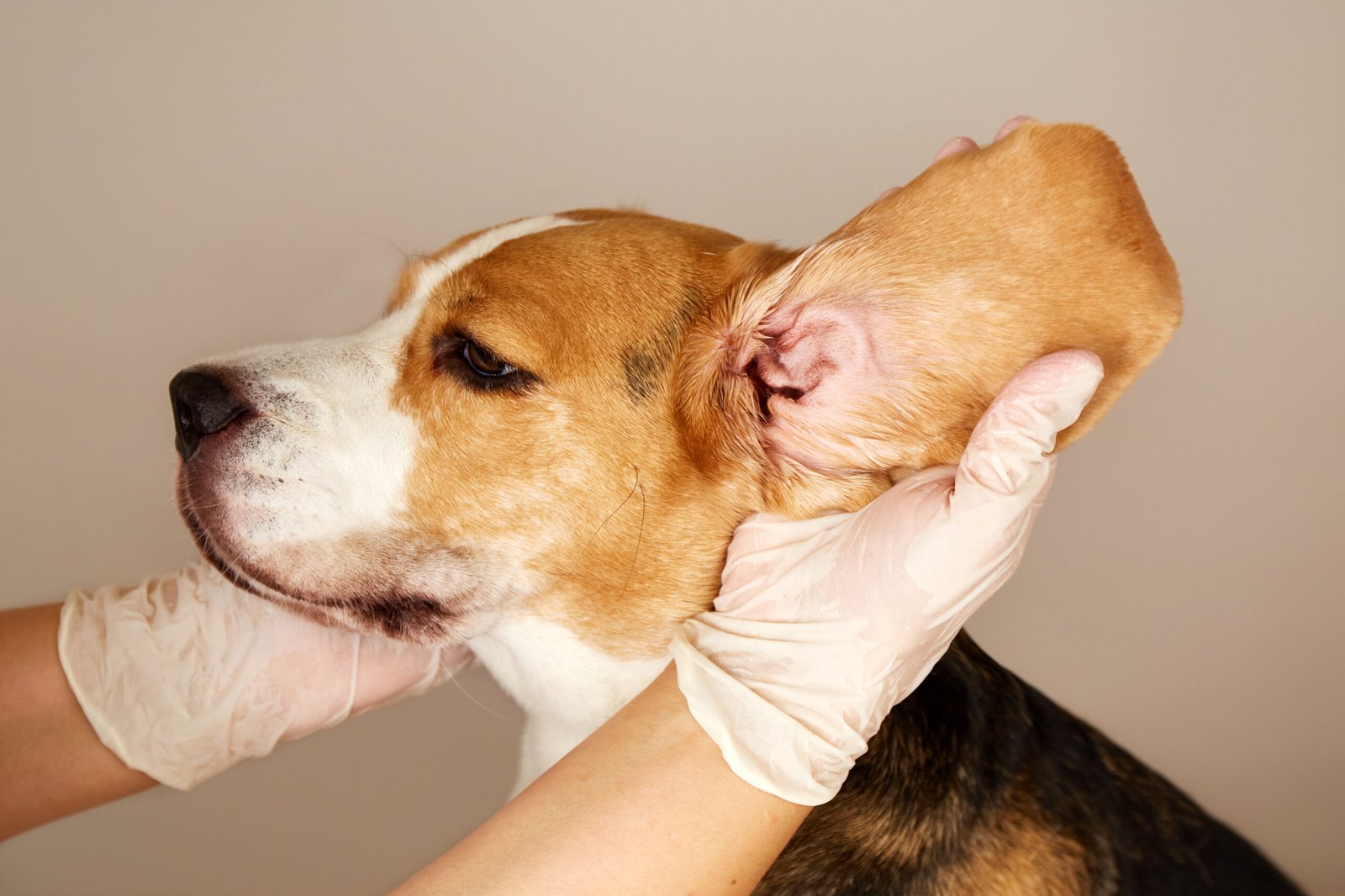
- Allergies: Most people associate allergies with sneezing or itchy paws, but environmental allergies (pollen, dust) and food sensitivities are actually the leading drivers of chronic, recurring ear infections.
- Trapped Moisture: A dog does not need to be a dock-diver to get water in the ears. A simple backyard bath or a walk in a heavy downpour can leave enough micro-moisture behind to kickstart a yeast bloom.
- Normal Microbes Gone Rogue: Yeast and bacteria live on a dog’s skin naturally in tiny, harmless amounts. The population only explodes out of control when the ear canal becomes warm, damp, or irritated.
- Ear Mites: Common in puppies but rarer in older dogs, these tiny parasites cause intense itching and leave behind a characteristic coffee-ground-like discharge.
Symptoms of Ear Infections in Dogs
A pet parent does not need an otoscope to know a dog’s ears are bothering them. Instead of looking purely for medical markers, owners can easily spot the trouble by watching for subtle shifts in the dog’s normal home habits.
Changes in Daily Routine and Behavior
- The Petting Flinch: A dog that normally loves a good head scratch might suddenly pull away, whine, or tilt its head down when anyone reaches near the ears.
- Uncharacteristic Irritability: Significant ear discomfort can make a normally social dog quiet, hesitant to play, or grumpy when family members get too close.
- Restless Napping: An uncomfortable dog may pace, adjust its head repeatedly on its bed, or groan softly because it cannot find a comfortable position to rest its ears against the floor.
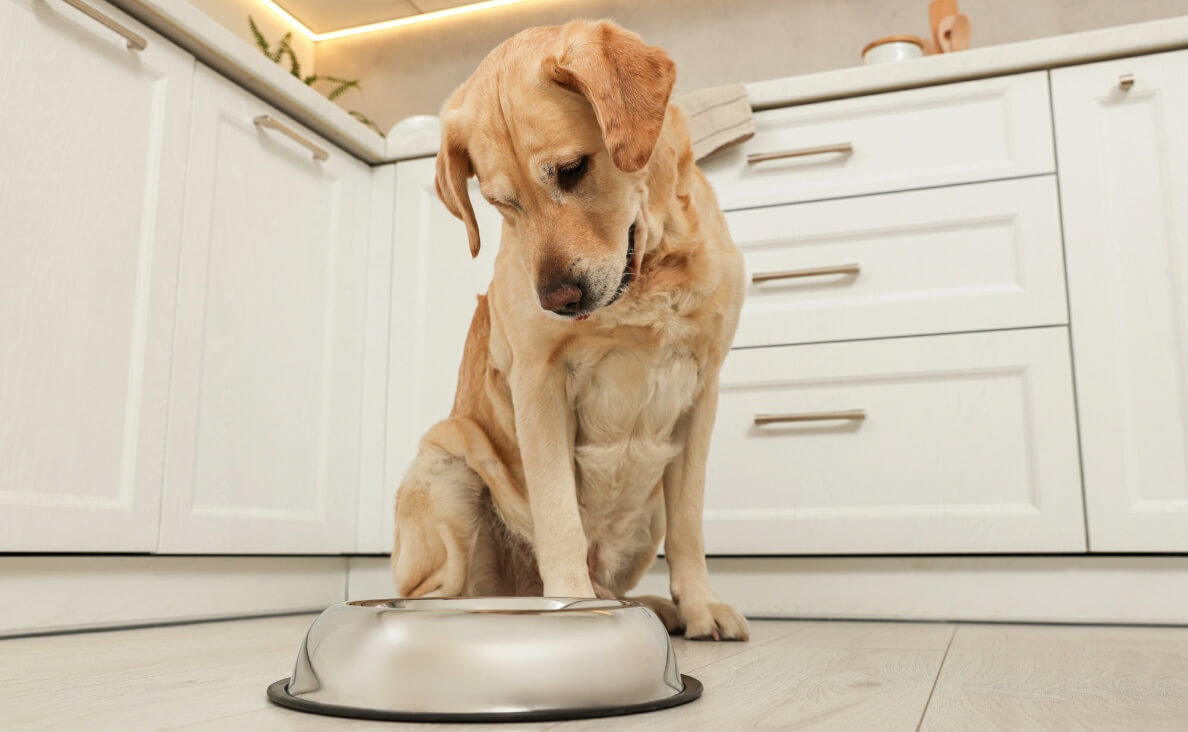
- Sudden Pickiness at the Bowl: If opening the mouth or chewing dry kibble hurts the jaw area near the ear base, some dogs will suddenly walk away from their meals.
Physical Red Flags
- A heavy, musty, or uncharacteristically sweet odor when leaning in close to the dog’s head.
- An ear flap that looks bright pink or angry red on the inside instead of a healthy, pale pink.
- Discharge inside the canal that resembles thick yellow pus or dark brown wax.
What to Expect During a Veterinary Exam
While it is tempting to scroll through online forums for quick fixes, guessing at an ear infection can backfire. Professional diagnostics are essential for a safe recovery.
Why the Appointment Matters
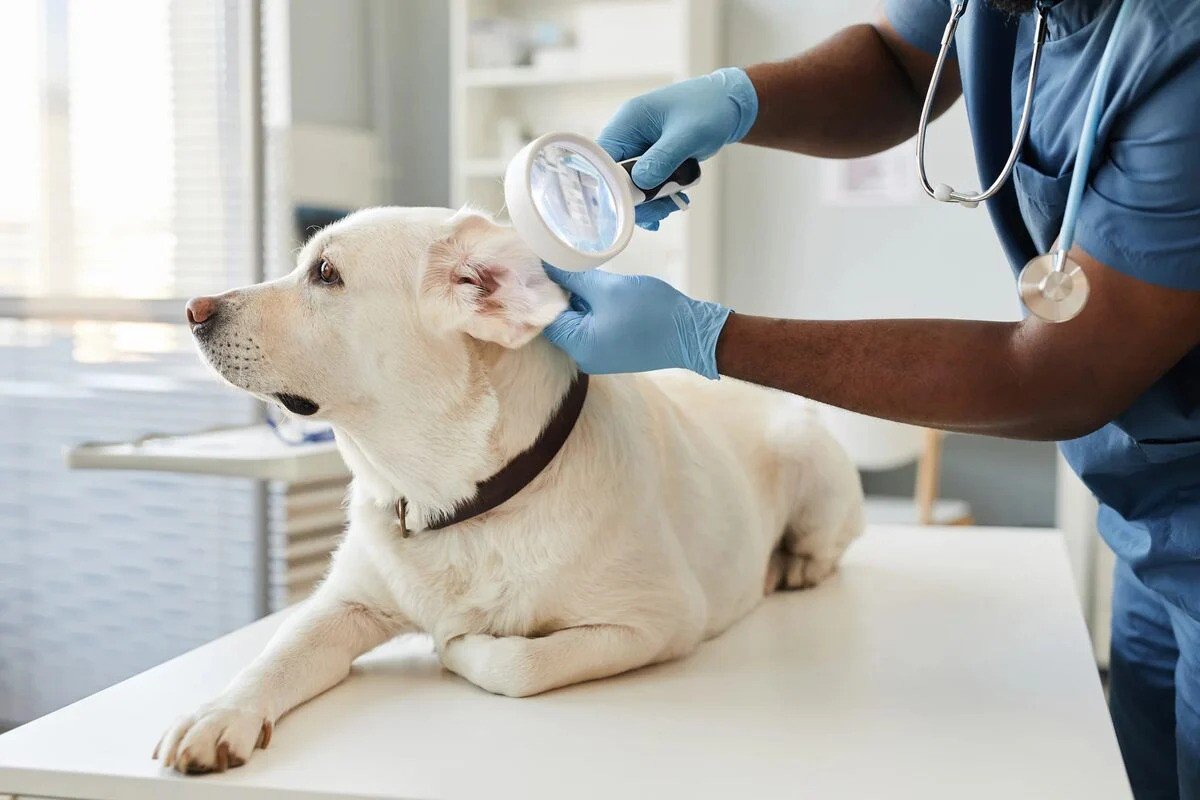
A veterinarian’s first job is to look down the canal with an otoscope to check one critical thing: Is the eardrum still intact? This matters because if the eardrum has ruptured, common ear drops can leak into the inner ear, causing permanent hearing damage or severe balance issues.
Next, the vet will take a quick swab of the discharge. Looking at this sample under a microscope is the only way to determine if they are fighting a bacterial infection which requires antibiotics or a yeast infection which requires antifungals. Treating a yeast infection with standard antibiotic drops does absolutely nothing to fix the problem.
Treatment Options and Common Misconceptions
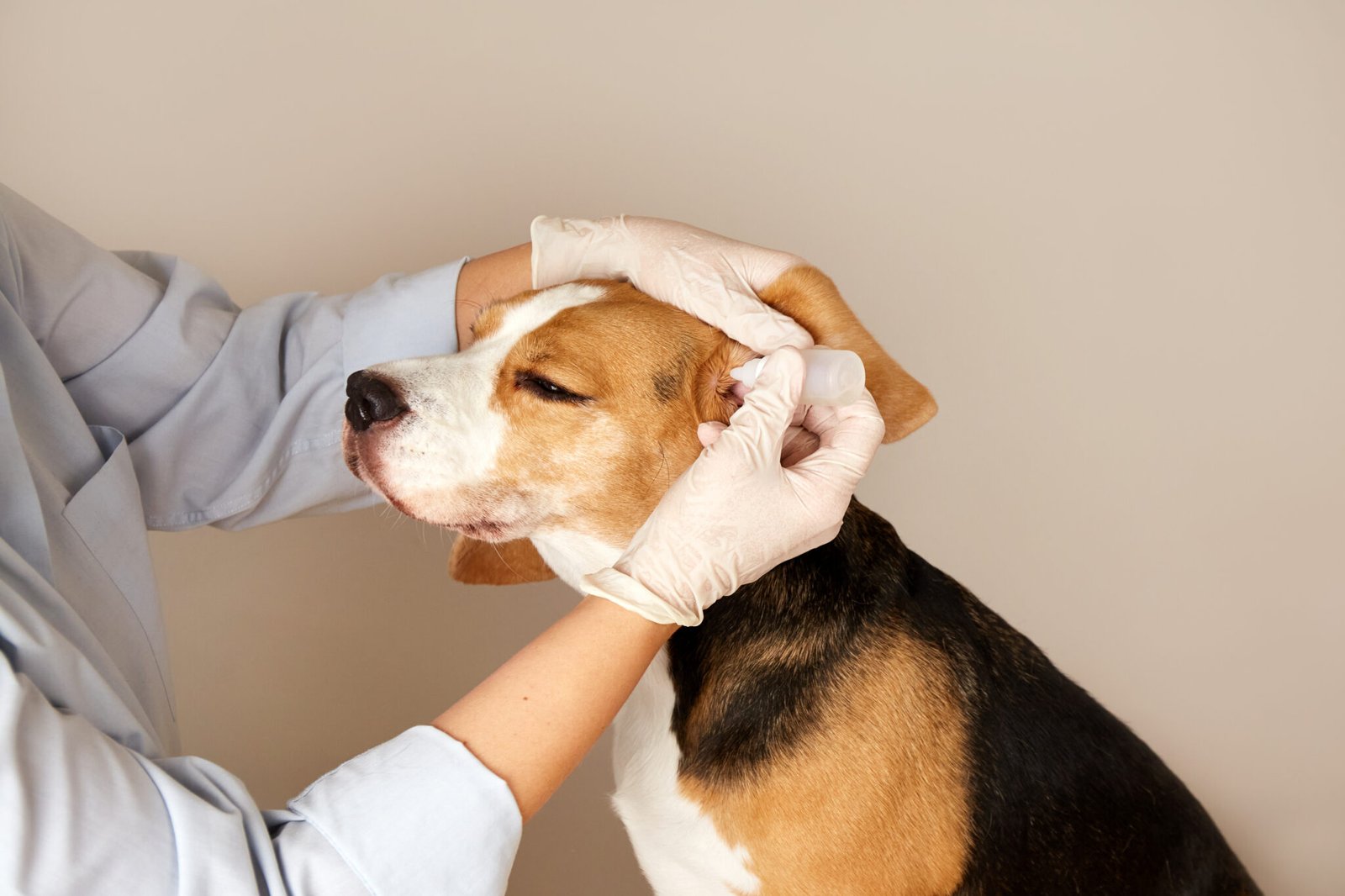
Treating an ear infection usually involves a combination of a thorough professional cleaning at the clinic and prescribed topical drops administered at home.
Finishing the Entire Prescription
A mistake many pet parents make is stopping the ear drops the moment the redness fades and the scratching stops usually around day four or five. However, microscopic traces of bacteria or yeast frequently linger deep in that “L” bend. If the medication is stopped early, the strongest microbes survive, multiply, and return as a highly resistant, much harder-to-treat infection.
Owners should always finish the entire course exactly as prescribed and attend the follow-up recheck if the vet requests one. Veterinarians want to look deep into the canal to verify the infection is truly gone before giving the green light to stop treatment.
A Quick Warning on DIY Remedies: Owners should entirely bypass rubbing alcohol, vinegar rinses, or leftover drops from a friend’s pet. Alcohol and vinegar cause severe burning on raw, inflamed ear tissue, and old drops might be completely wrong for the specific microbe currently causing the trouble.
Simple Preventive Habits for Healthy Ears
Routine maintenance makes a massive difference in preventing these issues from developing in the first place.
- The Post-Water Towel Down: Thoroughly drying a dog’s ears after swimming, a rainy walk, or a bath should be a strict rule. For floppy-eared dogs, holding the flaps open for a few minutes allows the canals to air out.
- The Weekly Inspection: Once a week during a calm moment, owners should lift the dog’s ear flaps to check for healthy pink skin and ensure there is no unusual odor. Catching a mild redness early prevents a major issue later.
- Clean Smarter, Not Deeper: If a dog builds up regular wax, a vet-recommended ear cleaner should be used. After being squirted into the canal, the base of the ear should be massaged gently until a squishing sound is heard. Once the dog shakes its head, a clean cotton ball can be used to wipe away the debris that rises to the surface. Q-tips should be kept entirely out of the canal, as they act like a plunger, packing debris tighter against the eardrum.
Conclusion
Ear infections are a common health issue in dogs, but with a watchful eye, routine care, and professional veterinary guidance, they are easily managed. Paying attention to a dog’s subtle body language is the best way to keep them healthy, happy, and comfortable.
When in doubt, get it checked: If a dog’s evening routine seems off, or if an unusual scent is noticed during a routine cuddle, owners should contact their veterinarian. Catching a mild irritation before it turns into a painful ache gets the dog back to its normal, active self in no time.
-
 All Products
Goat Milk Powder for Dogs and Cats – 400g
Original price was: ₹1,298.86.₹733.96Current price is: ₹733.96. -
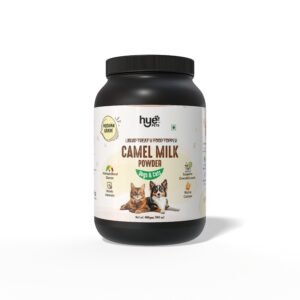 All Products
Camel Milk Powder For Dogs and Cats – 400g
Original price was: ₹1,499.75.₹499.00Current price is: ₹499.00. -
 All Products
Super Treats for Super Pets made with Goat Milk, Strawberry and Banana | 30g
Original price was: ₹325.00.₹308.75Current price is: ₹308.75. -
 All Products
Super Treats for Super Pets made with Goat Milk, Pumpkin and Banana | 30g
Original price was: ₹279.00.₹265.06Current price is: ₹265.06. -
 All Products
Super Treats for Super Pets made with Goat Milk, Carrot and Banana | 30g
Original price was: ₹279.00.₹265.06Current price is: ₹265.06. -
 All Products
Super Treats for Super Pets made with Goat Milk, Blueberry and Banana | 30g
Original price was: ₹325.00.₹308.75Current price is: ₹308.75. -
 Out of stockAll Products
Super Treats for Super Pets made with Camel Milk, Apple and Banana | 30g
Original price was: ₹279.00.₹265.06Current price is: ₹265.06. -
 All Products
Super Treats for Super Pets made Camel Milk, Beetroot and Banana | 30g
Original price was: ₹279.00.₹265.06Current price is: ₹265.06. -
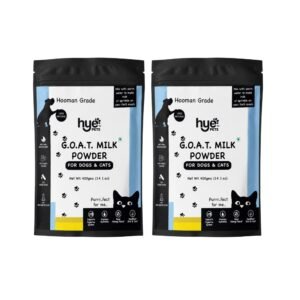 Combos
Goat Milk Powder for Dogs and Cats – Combo Pack (2 x 400g)
Original price was: ₹3,065.28.₹1,680.32Current price is: ₹1,680.32. -
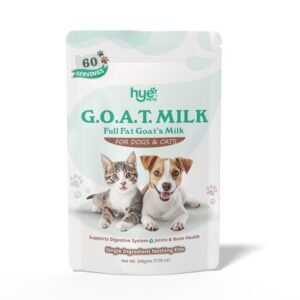 All Products
Goat Milk Powder for Dogs and Cats – 200g
Original price was: ₹698.99.₹657.05Current price is: ₹657.05. -
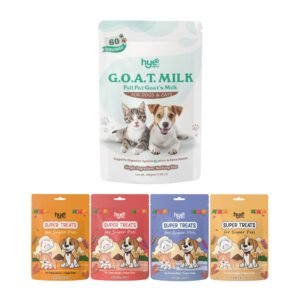 All Products
Goat Milk Powder and Freeze-Dried Goat Milk Treats Combo for Dogs and Cats
Original price was: ₹2,250.26.₹2,067.36Current price is: ₹2,067.36. -
 Combos
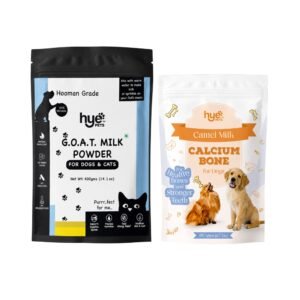
Goat Milk Powder and Camel Milk Calcium Bone for Dogs – Combo Pack
Original price was: ₹1,826.47.₹1,108.02Current price is: ₹1,108.02. -
 Combos
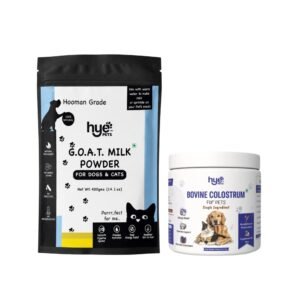
Goat Milk Powder and Bovine Colostrum Combo for Dogs & Cats
Original price was: ₹2,357.47.₹1,221.30Current price is: ₹1,221.30. -
 Goat Milk Treats
Goat Milk Dog Chews for Medium Dogs | Rawhide-Free Dental Treats | 2 Chews
Original price was: ₹449.01.₹422.01Current price is: ₹422.01. -
 Combos
Goat Milk and Camel Milk Chews Combo for Medium Dogs
Original price was: ₹1,118.64.₹1,019.52Current price is: ₹1,019.52. -
 Combos
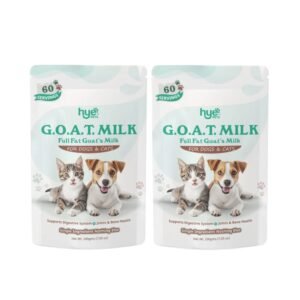
Full Fat Goat Milk Powder for Dogs and Cats Combo Pack (2 x 200g)
Original price was: ₹1,649.64.₹1,509.22Current price is: ₹1,509.22. -
 Combos
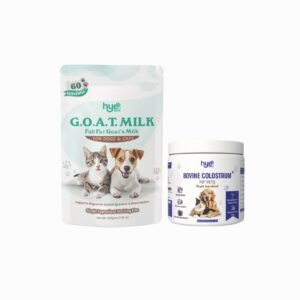
Full Fat Goat Milk Powder and Bovine Colostrum Combo for Dogs and Cats
Original price was: ₹1,398.01.₹949.01Current price is: ₹949.01.
- All Posts
- Blog
- Blogs
- Recipe
- Stories
- Trivia