Quick Summary: Most healthy adult dogs can eat a small bite of plain cheese as an occasional treat. That said, cheese isn’t a necessary part of their diet. It contains a lot of calories, fat, and lactose, which can upset a dog’s stomach. Cheeses with mold, like blue cheese, or those with garlic, onion, or high salt content should never be fed to dogs.

Is Cheese Safe for Dogs?
Your dog hears the cheese wrapper crinkle from two rooms away and suddenly appears right at your feet, giving you those irresistible begging eyes. It’s a scene every dog owner knows well. But before you break off a piece to share, it helps to know which cheeses are okay, how much is too much, and why some options should never end up in a dog’s bowl.
Yes, plain cheese is non-toxic and generally safe for most healthy adult dogs in small amounts. While many dogs enjoy a small bite without any issue, cheese isn’t an essential food for canine health.
It works best as a high-value treat rather than a daily staple. Every dog handles dairy differently a healthy Lab might digest a piece of mild cheddar without missing a beat, while a dog with a sensitive stomach might end up with gas or loose stools from the same bite.
If you’re offering cheese for the first time, start with a piece no larger than a grain of rice and see how your dog’s stomach handles it over the next few hours.
Are There Any Benefits of Cheese for Dogs?
Your dog should get all their essential nutrients from a complete and balanced dog food, but cheese can still come in handy for a few specific situations:
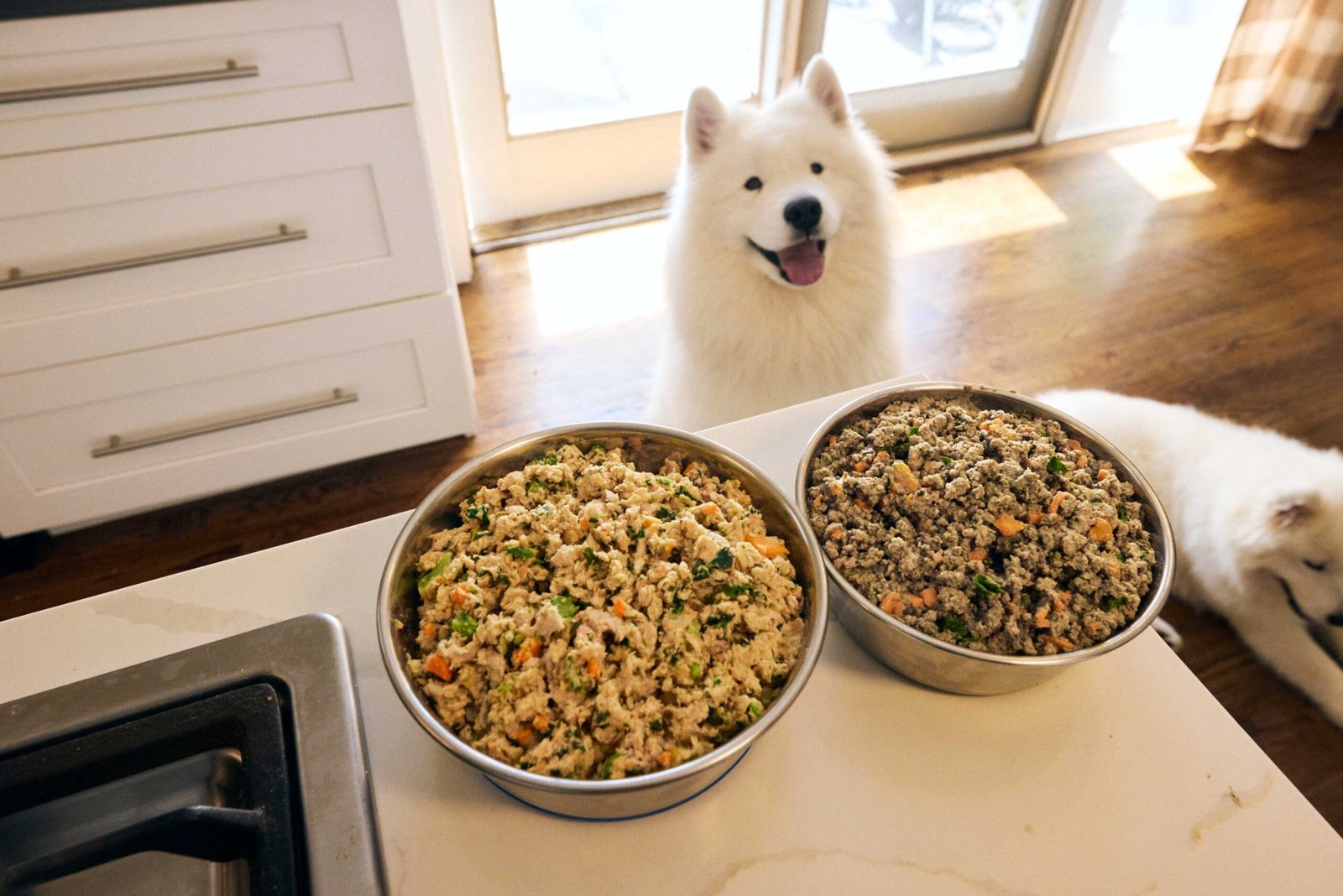
- High-Value Motivation: The strong scent of cheese makes it a brilliant reward when teaching tricky recall or keeping your dog focused in busy environments. Commands, practicing
- Hiding Pills: Wrapping a tablet in a tiny dab of soft cheese makes medicine time far less stressful for both of you. Tip: Check with your vet first. Dairy calcium can bind to certain medications, such as doxycycline or tetracycline, reducing how effectively the body absorbs them.
- Extra Nutrients: Cheese naturally contains protein and calcium, though these are secondary perks since balanced pet food already covers their nutritional baseline.
How Much Cheese Can Your Dog Eat?
As a general rule, all treats combined should make up no more than 10% of your dog’s total daily calories. Because cheese is rich and calorie-dense, a little bit goes a long way.
Here is a rough starting guide for healthy adult dogs. Keep in mind that exact portions depend on your dog’s size, age, activity level, weight, and overall health:
Dog Size | Example Weight Range | Rough Starting Guide (Occasional) |
Small | Under 10 kg (22 lbs) | Half a pea-sized piece |
Medium | 10–25 kg (22–55 lbs) | 1 pea-sized piece |
Large | Over 25 kg (55 lbs) | 1 small dice-sized cube |
Pro Tip: Break cheese into micro-bits for training. Dogs care about the scent and the reward moment, not whether the piece is the size of a coin or a crumb.
Which Cheeses Can Dogs Eat?
Cheese varieties vary widely some are much higher in fat, sodium, or lactose than others:
Cheese Variety | Suitability | Key Details |
Mozzarella | Generally Suitable | Low in sodium and moderate in fat compared to hard aged options. |
Cottage Cheese | Generally Suitable | Lower in fat and lactose stick to plain, low-sodium versions. |
Cheddar | Use Sparingly | Aging lowers the lactose content, but it remains rich in fat and salt. |
Swiss Cheese | Generally Suitable | Naturally lower in lactose and sodium. |
Paneer | Use Sparingly | Fine if plain and unseasoned, but high in milk fat. Avoid cooked gravies. |
Cream Cheese | Use Sparingly | Very rich in fat. Only plain versions in tiny amounts on rare occasions. |
Processed Slices | Best Avoided | High in sodium, emulsifiers, and preservatives that offer no benefit. |
Blue Cheese | Potentially Toxic | Mold cultures produce roquefortine C, which can be toxic to dogs. |
Can Dogs Eat Paneer?
If you’re chopping paneer for dinner, it’s natural to wonder whether a stray cube is safe to drop into your dog’s bowl.
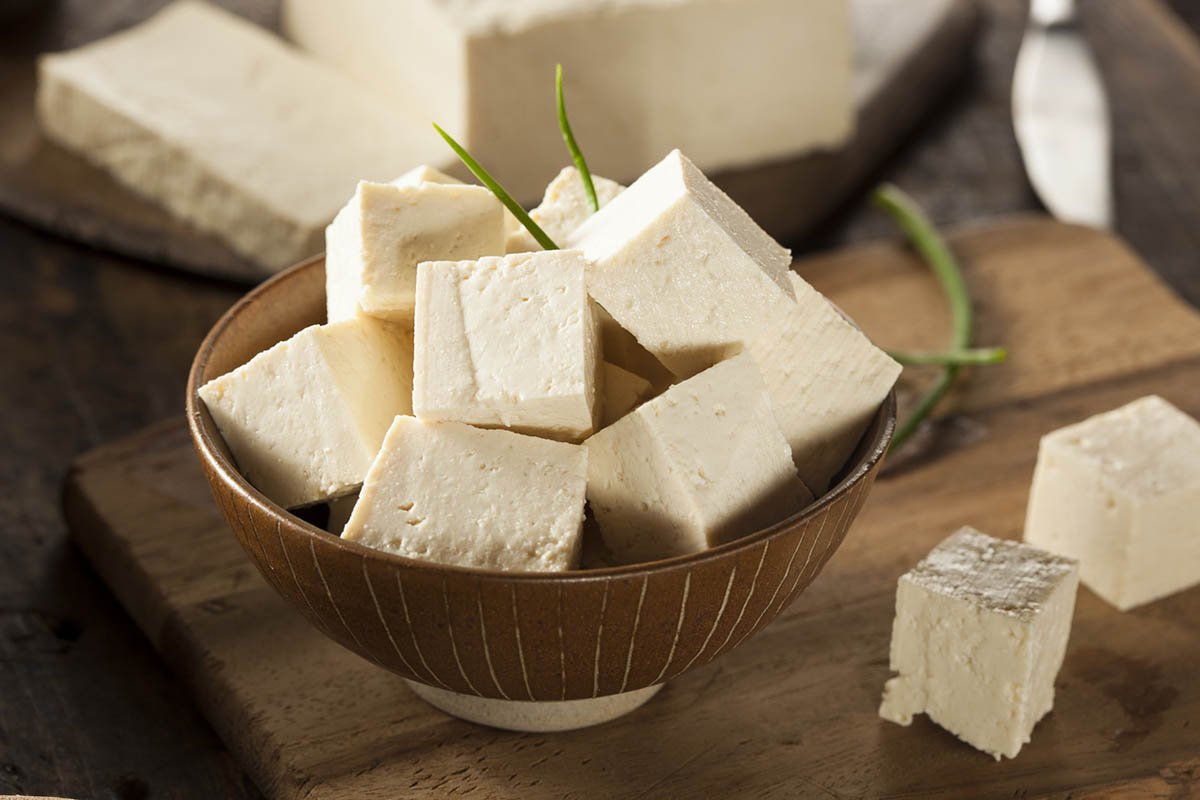
Plain, raw, or unseasoned paneer is fine for most dogs as a tiny, occasional treat. Because unaged paneer isn’t heavily salted like imported hard cheeses, it’s relatively gentle on a dog’s system. However, how it’s prepared makes all the difference:
- Plain Paneer vs. Gravies: A small piece of plain paneer is safe. Never feed your dog paneer from cooked dishes like paneer butter masala, paneer tikka, or spicy stir-fries. Ingredients commonly used in these recipes including onions, garlic, chili powders, heavy butter, and excess salt, can cause acute stomach distress or red blood cell toxicity.
- Watch the Fat Content: Whether store-bought or made fresh at home, paneer is packed with milk fat. Feeding too much regularly can lead to weight gain, especially in less active indoor pets.
Can Puppies Eat Cheese?
It’s best to hold off on cheese for young puppies. Puppies have sensitive digestive systems and need strict nutritional balance from their core growth diet to develop properly.
Adding rich human foods can cause loose stools or encourage picky eating habits. If your vet approves using a tiny bite of cheese for milestone training rewards, stick to micro-sized bits of plain mozzarella, factor those extra calories into their daily total, and monitor their digestion closely.
Cheeses You Should Never Give Your Dog
Keep these varieties off your dog’s menu entirely:
- Blue Cheeses (Roquefort, Gorgonzola, Stilton): The molds used to ripen blue cheese produce a compound called roquefortine C. If ingested in sufficient amounts, this substance can trigger muscle tremors, high fever, severe vomiting, and seizures.
- Cheeses with Garlic, Onion, or Chives: Garlic and onions in any form raw, cooked, or powdered damage a dog’s red blood cells, which can lead to anemia over time.
- High-Sodium Cheeses (Feta, Halloumi): Salty cheeses cause excessive thirst and put unnecessary strain on a dog’s digestive tract, making them a poor choice for treats.
Understanding Lactose Intolerance in Dogs
As puppies mature into adult dogs, their bodies naturally produce less lactase, the enzyme responsible for breaking down lactose in milk.
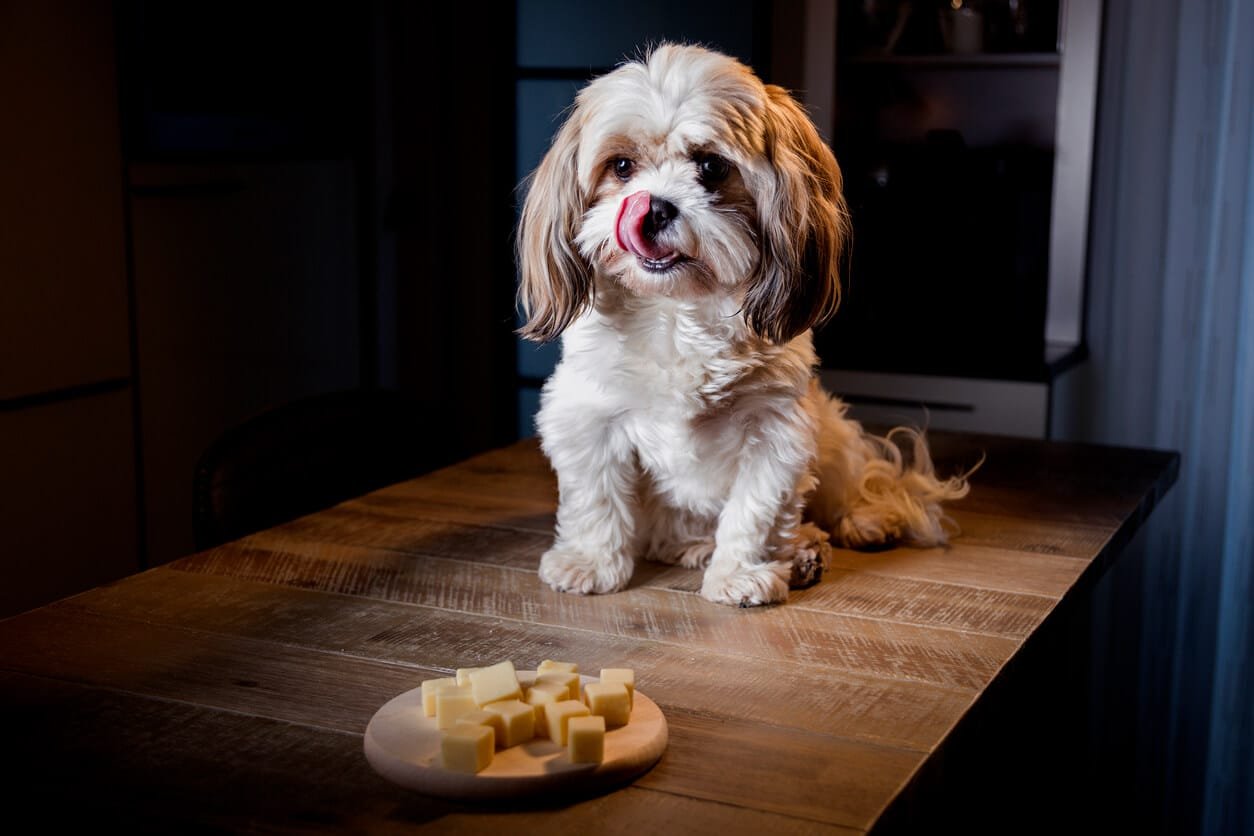
Hard, aged cheeses contain significantly less lactose than fresh fluid milk, but that doesn’t mean every dog tolerates them. A dog with high dairy sensitivity can still experience mild stomach distress from a small piece.
Signs Your Dog Might Be Sensitive to Dairy:
- Bloating or excessive gas
- Soft stools or loose bowel movements
- Vomiting shortly after eating dairy
- Restlessness or whining from stomach cramps
If your dog regularly develops stomach trouble after eating dairy, stop giving cheese and consult your vet. Simple alternatives like plain boiled chicken or crisp cucumber slices make excellent, low-risk rewards.
What Happens If Your Dog Eats Too Much Cheese?
If your dog manages to swipe a large block of cheese off the kitchen counter, here’s what you need to keep an eye on:
Short-Term Stomach Upset
A sudden intake of rich fat and lactose usually leads to mild digestive trouble, such as loose stools, gas, abdominal cramping, or temporary vomiting.
Pancreatitis Risks
High-fat dietary indiscretions can contribute to pancreatitis an inflammation of the pancreas) in susceptible dogs. While eating cheese won’t automatically trigger this condition in every dog, pets with a history of digestive issues, overweight dogs, or certain breeds like Miniature Schnauzers face a higher risk.
When to Call the Vet: Watch for signs like repeated vomiting, severe abdominal pain often shown by a praying stretch with front paws down and rear end in the air, extreme tiredness, or refusing food. These symptoms mean your pet needs prompt veterinary attention.
Can Dogs Eat Cheese Every Day?
Even if your dog handles dairy without any issues, cheese shouldn’t be a daily fixture in their bowl.
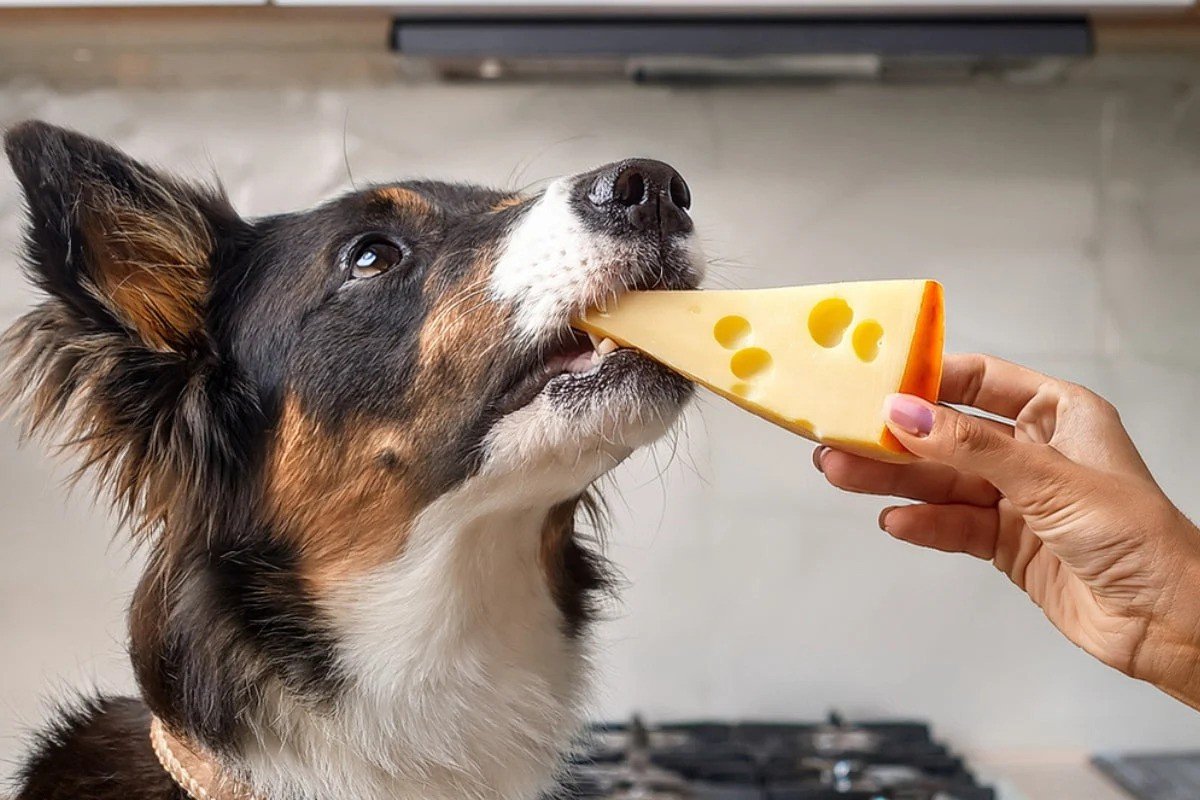
Feeding it every day adds unnecessary calories, saturated fats, and sodium to an otherwise balanced diet. Over time, those extra calories contribute to weight gain, putting extra strain on your pet’s joints. Save cheese for rare training breakthroughs or tricky pill days.
Checklist: Serving Cheese Safely
- Pick Plain Options:
Stick to plain, unseasoned choices like low-fat mozzarella, Swiss, or plain paneer.
- Check the Ingredients:
Make sure there is no added garlic, onion powder, herbs, or artificial seasonings.
- Keep Portions Small:
Cut or break the cheese into tiny bits appropriate for your dog’s frame.
- Monitor Digestion:
Watch their stool and appetite over the next few hours to make sure it agrees with them.
What to Do If Your Dog Consumes a Large Amount
If your dog eats a significant amount of cheese, make sure fresh water is readily available and keep a close eye on their behavior. Reach out to your vet if:
- The cheese contained blue mold, garlic, or onions.
- Your dog shows signs of severe pain, persistent vomiting, diarrhea, or unusual tiredness.
- Your dog has an existing medical condition, such as chronic pancreatitis or kidney disease.
The Bottom Line
Can dogs eat cheese? Yes, but keep it plain and simple.
A tiny bite of plain mozzarella or unseasoned paneer makes a great reward now and then. Choose simple varieties, keep portions tiny, avoid toxic or heavily seasoned options, and always consider your dog’s individual tolerance and health needs.
Reliable Veterinary & Safety References
- ASPCA Animal Poison Control Center: People Foods to Avoid Feeding Your Pets (Resource for food safety, garlic/onion toxicity, and mold risks)
- American Kennel Club (AKC): Can Dogs Eat Cheese? (Overview of dairy intake, fat levels, and treat guidelines)
- Merck Veterinary Manual: Gastrointestinal Disorders & Pancreatitis in Small Animals (Clinical reference for dietary indiscretion and pancreatic health)
-
 All Products
Goat Milk Powder for Dogs and Cats – 400g
Original price was: ₹1,298.86.₹733.96Current price is: ₹733.96. -
 All Products
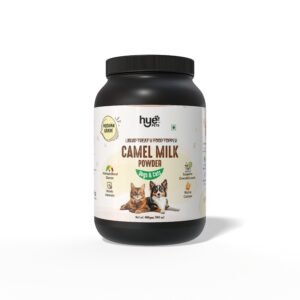
Camel Milk Powder For Dogs and Cats – 400g
Original price was: ₹1,499.75.₹499.00Current price is: ₹499.00. -
 All Products
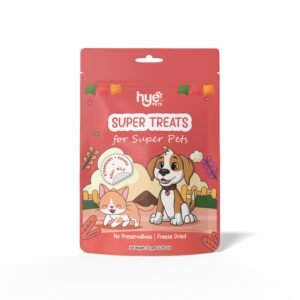
Super Treats for Super Pets made with Goat Milk, Strawberry and Banana | 30g
Original price was: ₹325.00.₹308.75Current price is: ₹308.75. -
 All Products
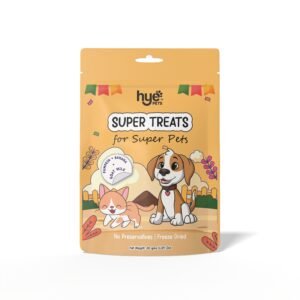
Super Treats for Super Pets made with Goat Milk, Pumpkin and Banana | 30g
Original price was: ₹279.00.₹265.06Current price is: ₹265.06. -
 All Products
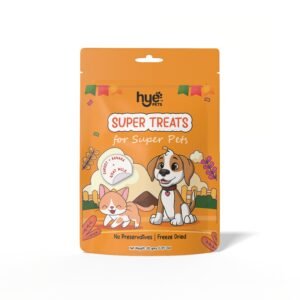
Super Treats for Super Pets made with Goat Milk, Carrot and Banana | 30g
Original price was: ₹279.00.₹265.06Current price is: ₹265.06. -
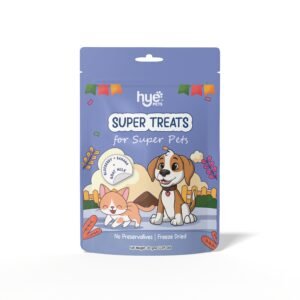 All Products
Super Treats for Super Pets made with Goat Milk, Blueberry and Banana | 30g
Original price was: ₹325.00.₹308.75Current price is: ₹308.75. -
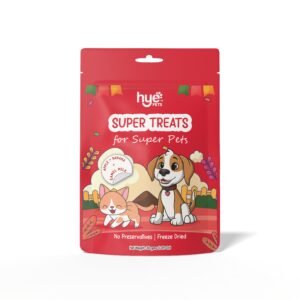 Out of stockAll Products
Super Treats for Super Pets made with Camel Milk, Apple and Banana | 30g
Original price was: ₹279.00.₹265.06Current price is: ₹265.06. -
 All Products
Super Treats for Super Pets made Camel Milk, Beetroot and Banana | 30g
Original price was: ₹279.00.₹265.06Current price is: ₹265.06. -
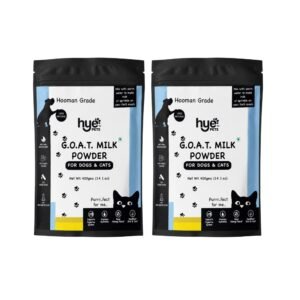 Combos
Goat Milk Powder for Dogs and Cats – Combo Pack (2 x 400g)
Original price was: ₹3,065.28.₹1,680.32Current price is: ₹1,680.32. -
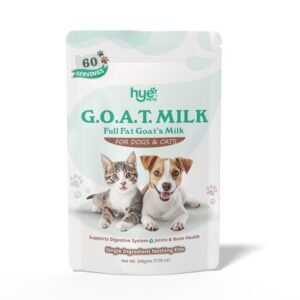 All Products
Goat Milk Powder for Dogs and Cats – 200g
Original price was: ₹698.99.₹657.05Current price is: ₹657.05. -
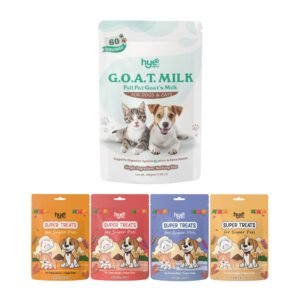 All Products
Goat Milk Powder and Freeze-Dried Goat Milk Treats Combo for Dogs and Cats
Original price was: ₹2,250.26.₹2,067.36Current price is: ₹2,067.36. -
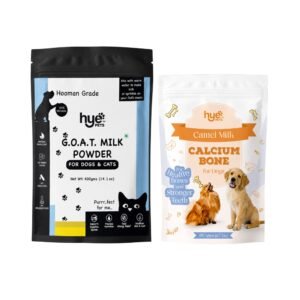 Combos
Goat Milk Powder and Camel Milk Calcium Bone for Dogs – Combo Pack
Original price was: ₹1,826.47.₹1,108.02Current price is: ₹1,108.02. -
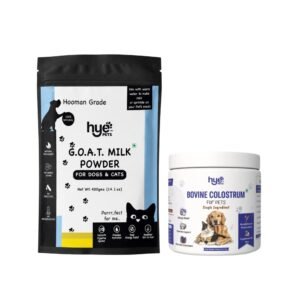 Combos
Goat Milk Powder and Bovine Colostrum Combo for Dogs & Cats
Original price was: ₹2,357.47.₹1,221.30Current price is: ₹1,221.30. -
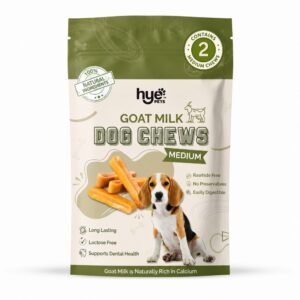 Goat Milk Treats
Goat Milk Dog Chews for Medium Dogs | Rawhide-Free Dental Treats | 2 Chews
Original price was: ₹449.01.₹422.01Current price is: ₹422.01. -
 Combos
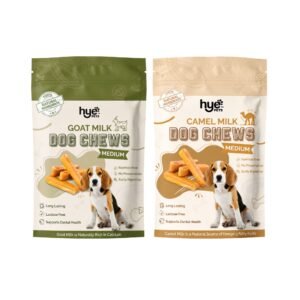
Goat Milk and Camel Milk Chews Combo for Medium Dogs
Original price was: ₹1,118.64.₹1,019.52Current price is: ₹1,019.52. -
 Combos
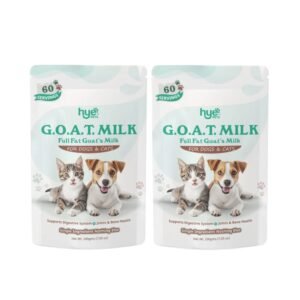
Full Fat Goat Milk Powder for Dogs and Cats Combo Pack (2 x 200g)
Original price was: ₹1,649.64.₹1,509.22Current price is: ₹1,509.22. -
 Combos
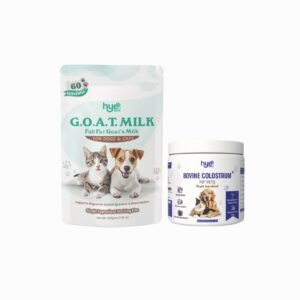
Full Fat Goat Milk Powder and Bovine Colostrum Combo for Dogs and Cats
Original price was: ₹1,398.01.₹949.01Current price is: ₹949.01.
- All Posts
- Blog
- Blogs
- Recipe
- Stories
- Trivia