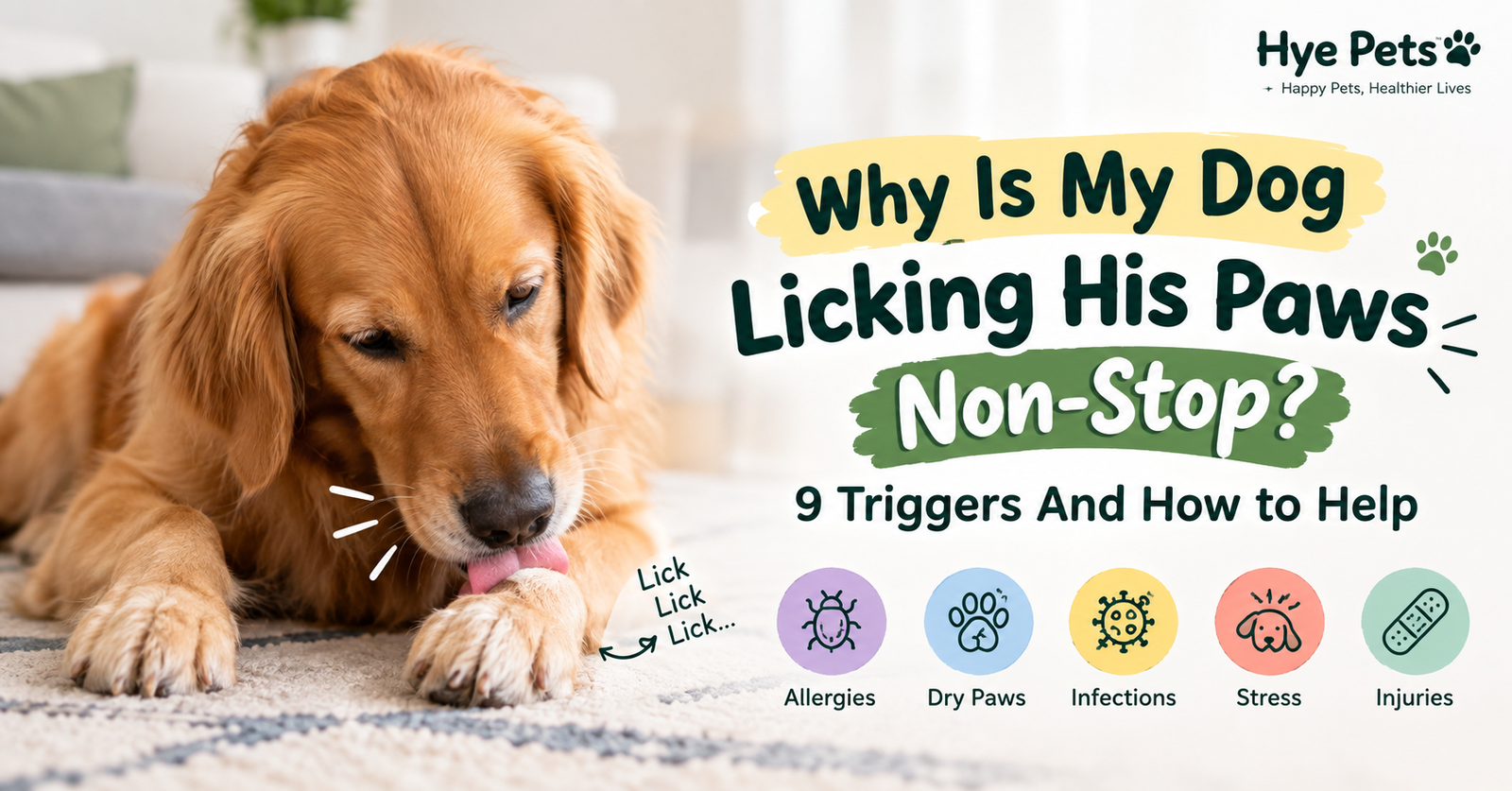
You walk into the living room, and your companion doesn’t instantly jump up to greet you. Instead, they take a moment to stretch before slowly pushing themselves up from their bed. Later that week, you notice them hesitate at the bottom of the staircase, pausing for a few seconds before slowly making their way up.
It is easy to assume these small changes are just a normal part of your dog slowing down as they age. However, early joint issues usually show up as subtle shifts in a dog’s daily routine rather than obvious signs of distress like whining or crying. Learning to recognize these quiet indicators allows you to partner with your veterinarian sooner, helping preserve flexibility and quality of life through earlier intervention.
What Is Happening Inside the Joint?
To spot the signs, it helps to look at how a healthy joint works. In a healthy dog, the ends of the bones are capped with a smooth, rubbery layer of cartilage. This cartilage acts as a natural shock absorber, while a specialized liquid called synovial fluid lubricates the joint, allowing for smooth, friction-free movement.
Canine arthritis is a chronic condition where this protective cushion gradually wears away. As the cartilage breaks down, the joint becomes inflamed, and the lubricating fluid loses its protective properties. Without a smooth glide, movement becomes increasingly uncomfortable. Simple activities your dog used to do effortlessly now require much more energy and focus.
The Hidden Nature of Dog Pain
Many pet owners wait for a dog to whine, cry, or limp heavily before suspecting pain. However, dogs process and display chronic discomfort very differently from humans. In many cases, masking physical weakness is a deeply ingrained behavioral trait. A dog dealing with joint changes rarely vocalizes their distress instead, they simply adapt by quietly changing their behavior and doing less.
Because arthritis gets progressively worse over time, leaving early symptoms unaddressed allows inflammation to build in the background. Spotting the issue early means you can work with your veterinarian to protect the remaining tissue and slow down the progress of the condition.
7 Subtle Signs Your Dog Might Be Hurting
1. Morning Stiffness That Warms Up
A very common initial indicator is a temporary stiffness immediately after a long rest or first thing in the morning. Your dog may need several seconds to push themselves up, and their first few steps might look tentative or uncoordinated.
Affected joints naturally become less flexible after long periods of inactivity. As your dog moves around and the body warms up, circulation improves and ease of movement returns, causing the stiffness to seemingly disappear. If you notice your dog regularly needs a few minutes to get going after a nap, it is typically a sign of early joint inflammation rather than simple laziness.
2. Hesitation at the Car Door or Couch
Many pet owners notice that their dog suddenly seems to hesitate before jumping into the car or onto the bed. They might pace back and forth, look up at you for assistance, or completely walk away from a ledge they used to clear with ease.
Leaping and climbing stairs require a sudden, powerful push from the hind legs and spine, which places intense mechanical stress on the skeletal system. If a dog is experiencing joint discomfort, they anticipate the twinge caused by that sudden force and will choose to opt out.
3. A Limp That Comes and Goes
A common misconception is that arthritis causes a constant, unyielding limp. In its initial stages, the discomfort frequently fluctuates. Your dog might favor a leg on a cold, damp morning but walk perfectly normally by the afternoon.
Because the symptoms come and go, many pet owners delay booking a veterinary appointment. However, any recurring or intermittent change in gait indicates that the body is actively altering its movements to favor a sore spot, which warrants a professional assessment.
4. Subtle Shifting of Weight
When standing still, a healthy dog distributes their weight evenly across all four legs. A dog dealing with joint issues will often subtly shift their stance away from the painful area to find relief.
You might notice them frequently lifting a paw slightly while standing at their food bowl, or sitting with one leg tucked awkwardly out to the side often called a lazy sit. Over time, this uneven distribution can cause the muscles in the healthy legs to overwork, leading to secondary muscle soreness.
5. Social Withdrawal and Behavioral Shifts
Persistent aches can significantly influence a dog’s mood, behavior, and social interactions. A normally affectionate dog might stop sleeping at the foot of your bed and instead seek out an isolated, quiet room. They are instinctively protecting themselves from accidental bumps by family members or other pets.
Additionally, if your dog stiffens, walks away, or lets out a low warning growl when you touch their lower back or hips, it is a clear indicator of localized physical tenderness.
6. Repetitive Licking of the Wrists or Ankles
Dogs cannot massage a deep ache, so they often resort to licking as a self-soothing mechanism. You may notice your dog repeatedly grooming the skin directly over their front wrists, ankles, or lower back.
While chronic licking can be a sign of joint discomfort, it is important to note that this behavior is also frequently caused by environmental allergies, skin infections, anxiety, or boredom. A veterinarian can help pinpoint the exact cause. If joints are the culprit, the repetitive moisture and friction can eventually wear away the fur, leading to raw, irritated skin spots.
7. Shifting to a Bunny Hop Gait
Watch your dog walk from behind. A healthy dog moves with an alternating, fluid stride. A dog experiencing hip or knee discomfort will often alter their mechanics to limit how much they have to flex those specific joints.
This often manifests as a bunny hop, where both hind legs move forward together in unison. This gait change is most visible when a dog is trying to pick up speed, climb a hill, or step up onto a curb.
Key Risk Factors
While arthritis can impact any dog, certain baseline factors increase the likelihood of joint wear and tear:
- Dog Size and Genetics: Large and giant breeds such as German Shepherds, Labradors, Golden Retrievers, and Great Danes carry significant weight and are structurally prone to developmental conditions like hip or elbow dysplasia.
- Excess Body Weight: Carrying even a few extra pounds places continuous pressure on the bones and ligaments. Furthermore, fat tissue actively releases chemicals that trigger chronic inflammation throughout the body, which can accelerate cartilage breakdown.
- Past Injuries: Past injuries, such as a torn ligament, a soft-tissue strain, or an old puppyhood fracture, can permanently alter how a joint aligns, causing uneven wear and tear over time.
Preparing for Your Veterinary Evaluation
A Quick Diagnostic Note: Many of the signs listed above such as limping, stiffness, and behavioral changes, can overlap with other orthopedic issues, neurological conditions, or muscular strains. Because treatment paths vary widely depending on the underlying cause, a comprehensive veterinary evaluation is essential for an accurate diagnosis.
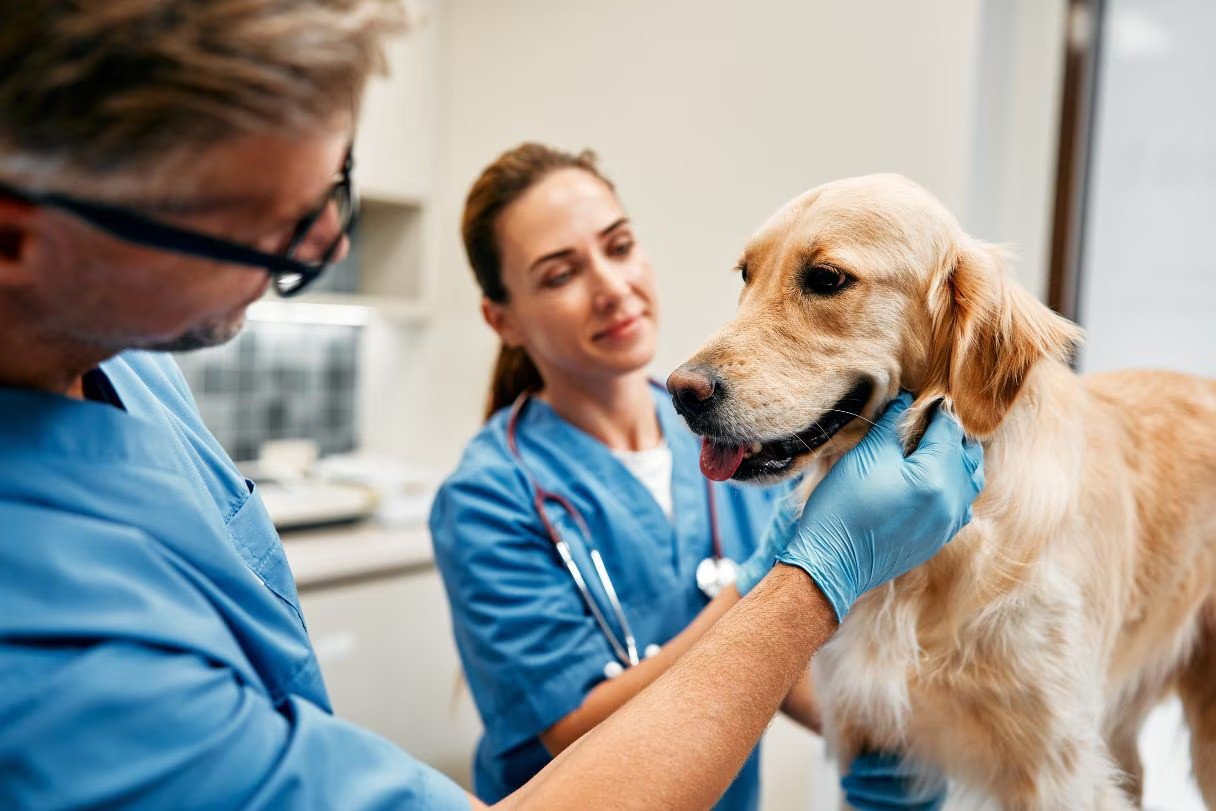
If you recognize these changes in your dog, schedule a routine exam. When you go, keep in mind that dogs routinely experience a major adrenaline surge when entering a veterinary clinic. This natural excitement can temporarily mask stiffness, causing your dog to walk perfectly during their visit.
To help your vet make an accurate assessment, use your phone to record a brief video of the specific behaviors you are seeing at home, especially when your dog first stands up after a long rest or hesitates at the stairs.
A Multi-Modal Approach to Management
Canine arthritis cannot be cured, but it can be managed exceptionally well. Modern veterinary medicine relies on a layered strategy, meaning we combine several simple therapies to significantly reduce inflammation and keep your dog comfortable.
Core Pillars of Joint Support
- Weight Optimization: Keeping your dog at a lean, healthy weight is the single most effective way to minimize the load on vulnerable joints.
- Low-Impact Exercise: High-impact activities like intense fetch should be replaced with controlled leash walks or swimming. This builds the supporting muscle mass without subjecting joints to harsh impacts.
- Targeted Medical Plans: Your veterinarian can prescribe dog-safe anti-inflammatory medications or modern, targeted joint injections to safely manage discomfort.
- Joint Supplements: High-quality ingredients like Omega-3 fatty acids, glucosamine, and chondroitin help support the remaining cartilage and lower baseline inflammation.
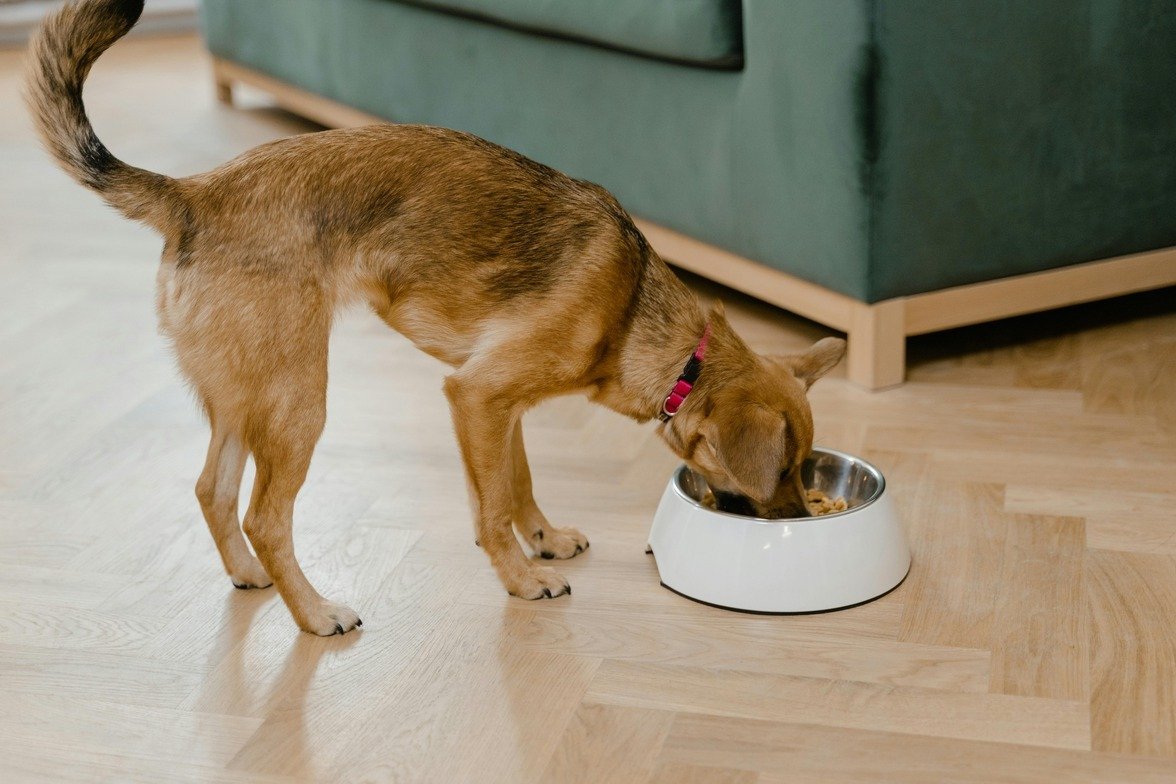
Note: Always consult your veterinarian before introducing any new joint-support products or supplements. Your vet will help you verify the ingredient quality and calculate the safe, proper dosage for your dog’s specific weight.
Final Thoughts
The early signs of canine arthritis are easy to miss, but noticing these small shifts in your dog’s daily routine is the first step toward getting them relief. By monitoring how they get out of bed, observing how they handle household steps, and partnering with your veterinarian early on, you can proactively build a care plan that protects your dog’s comfort and keeps them active, happy, and thriving.
-
 All Products
Goat Milk Powder for Dogs and Cats – 400g
Original price was: ₹1,298.86.₹733.96Current price is: ₹733.96. -
 All Products
Camel Milk Powder For Dogs and Cats – 400g
Original price was: ₹1,499.75.₹499.00Current price is: ₹499.00. -
 All Products
Super Treats for Super Pets made with Goat Milk, Strawberry and Banana | 30g
Original price was: ₹325.00.₹308.75Current price is: ₹308.75. -
 All Products
Super Treats for Super Pets made with Goat Milk, Pumpkin and Banana | 30g
Original price was: ₹279.00.₹265.06Current price is: ₹265.06. -
 All Products
Super Treats for Super Pets made with Goat Milk, Carrot and Banana | 30g
Original price was: ₹279.00.₹265.06Current price is: ₹265.06. -
 All Products
Super Treats for Super Pets made with Goat Milk, Blueberry and Banana | 30g
Original price was: ₹325.00.₹308.75Current price is: ₹308.75. -
 Out of stockAll Products
Super Treats for Super Pets made with Camel Milk, Apple and Banana | 30g
Original price was: ₹279.00.₹265.06Current price is: ₹265.06. -
 All Products
Super Treats for Super Pets made Camel Milk, Beetroot and Banana | 30g
Original price was: ₹279.00.₹265.06Current price is: ₹265.06. -
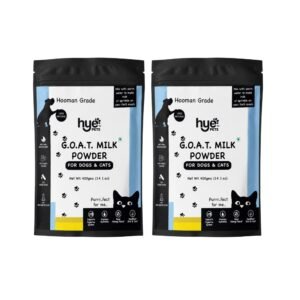 Combos
Goat Milk Powder for Dogs and Cats – Combo Pack (2 x 400g)
Original price was: ₹3,065.28.₹1,680.32Current price is: ₹1,680.32. -
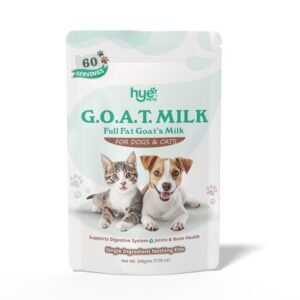 All Products
Goat Milk Powder for Dogs and Cats – 200g
Original price was: ₹698.99.₹657.05Current price is: ₹657.05. -
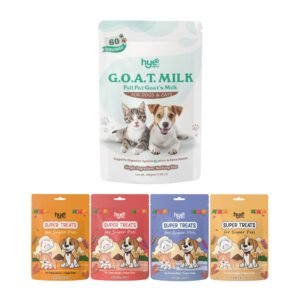 All Products
Goat Milk Powder and Freeze-Dried Goat Milk Treats Combo for Dogs and Cats
Original price was: ₹2,250.26.₹2,067.36Current price is: ₹2,067.36. -
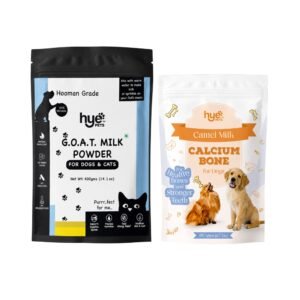 Combos
Goat Milk Powder and Camel Milk Calcium Bone for Dogs – Combo Pack
Original price was: ₹1,826.47.₹1,108.02Current price is: ₹1,108.02. -
 Combos
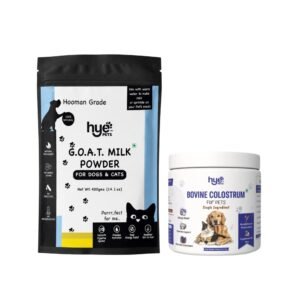
Goat Milk Powder and Bovine Colostrum Combo for Dogs & Cats
Original price was: ₹2,357.47.₹1,221.30Current price is: ₹1,221.30. -
 Goat Milk Treats
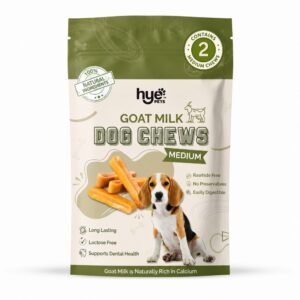
Goat Milk Dog Chews for Medium Dogs | Rawhide-Free Dental Treats | 2 Chews
Original price was: ₹449.01.₹422.01Current price is: ₹422.01. -
 Combos
Goat Milk and Camel Milk Chews Combo for Medium Dogs
Original price was: ₹1,118.64.₹1,019.52Current price is: ₹1,019.52. -
 Combos
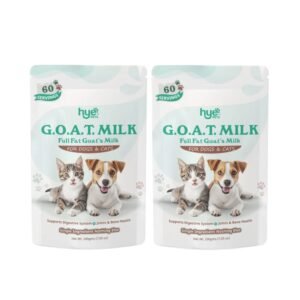
Full Fat Goat Milk Powder for Dogs and Cats Combo Pack (2 x 200g)
Original price was: ₹1,649.64.₹1,509.22Current price is: ₹1,509.22. -
 Combos
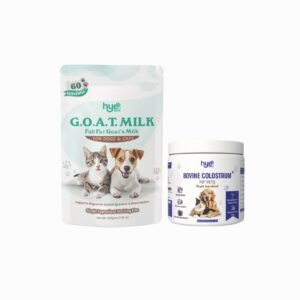
Full Fat Goat Milk Powder and Bovine Colostrum Combo for Dogs and Cats
Original price was: ₹1,398.01.₹949.01Current price is: ₹949.01.
- All Posts
- Blog
- Blogs
- Recipe
- Stories
- Trivia