A dog finishes his bowl, looks up, and stares. Four minutes straight. As someone owes him something, he gets a little extra. Then, a treat because he looked sad. Then another one, because grandma visited and she always gives him just one
That was basically the dog’s whole diet for a Tuesday.
These moments feel harmless. But feeding habits, even small ones, add up over months. A bit of extra food here, an irregular schedule there, a random food switch because the store was out, and the effects start showing up in the dog’s weight, digestion, and mood. Not overnight, but steadily.
Here are the mistakes that quietly cause the most trouble.
1. Feeding Too Much, Too Often healthy dog diet n
Dogs are not subtle about hunger. A dog will eat whatever lands in the bowl, act like it hasn’t eaten in three days right after finishing a meal, and look genuinely betrayed when there’s nothing left. That’s normal dog behavior not a signal to add more food.
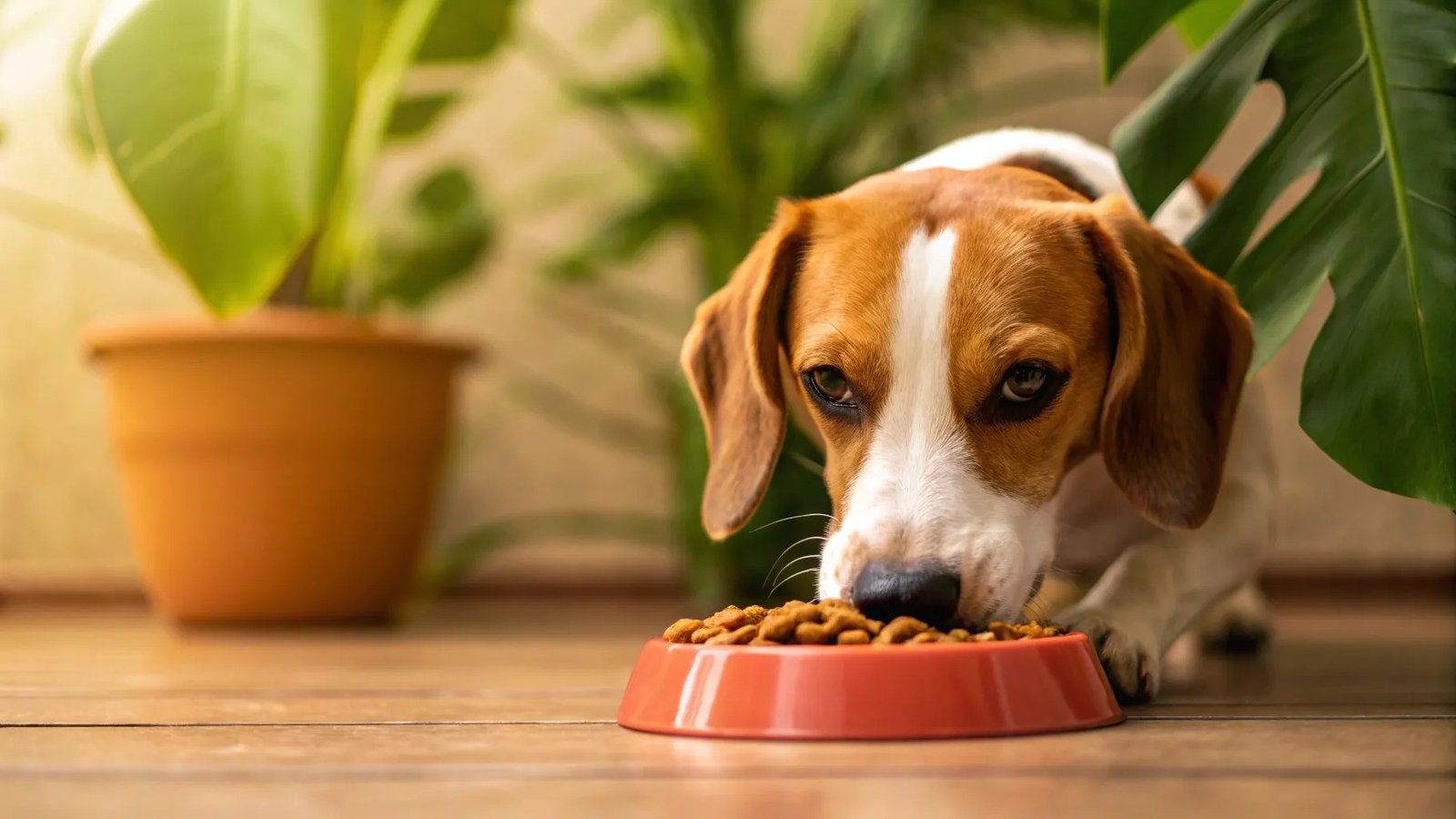
The problem is that the portion sizes printed on dog food packaging tend to run on the high side. Add a little extra because he seemed hungry, throw in a few snacks throughout the day, and the calories stack up fast. Weight gain is easy to miss until it’s already noticeable. A few extra pounds on a medium-sized dog puts real strain on joints and organs over time.
If a vet hasn’t commented on the dog’s weight recently, it’s worth bringing up at the next visit. The answer sometimes surprises people.
2. Treats Are a Meal, Not a Bonus
Treats feel small. They’re tiny. How much could one biscuit actually matter?
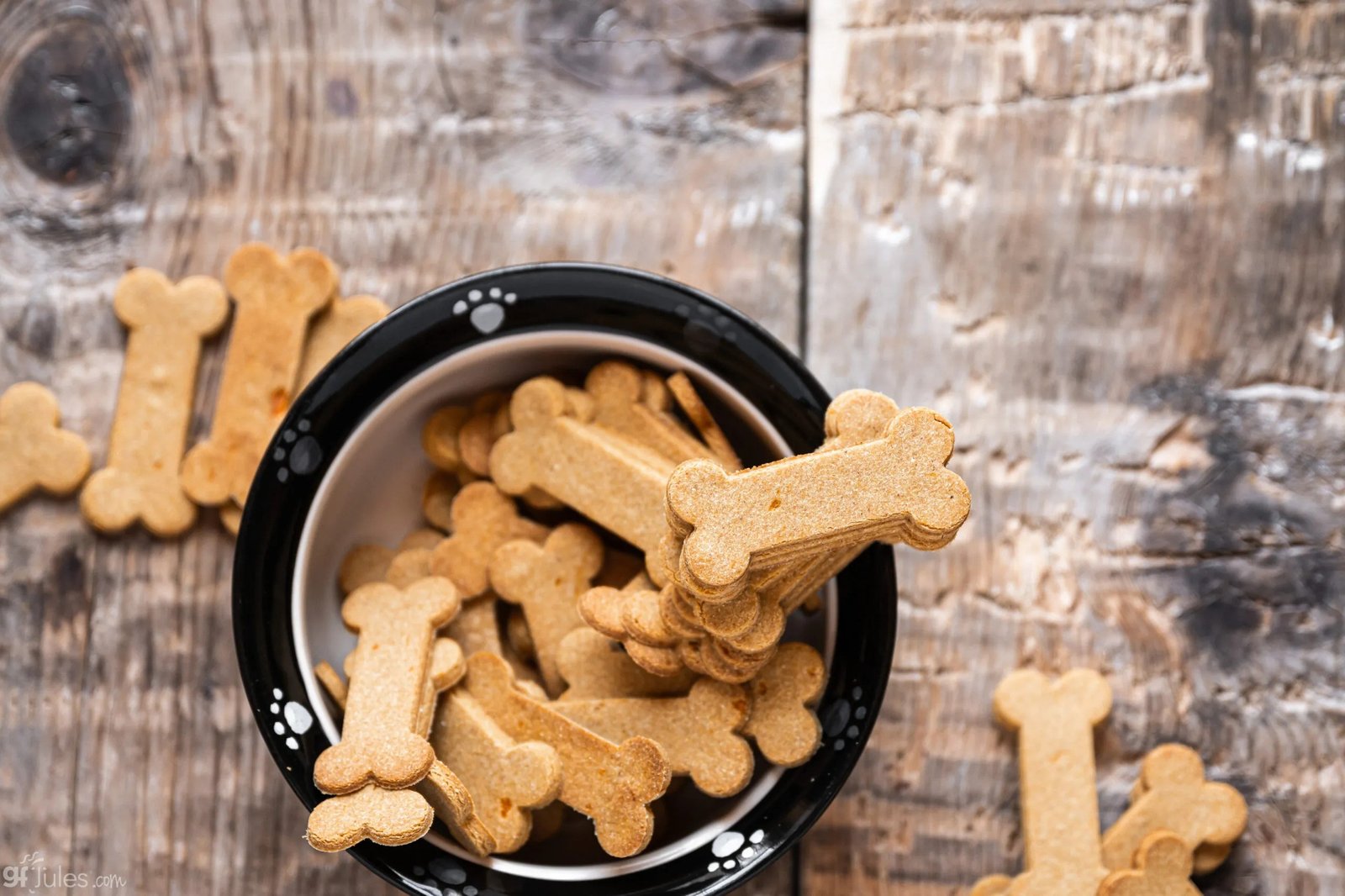
Here’s the thing if three different family members each give the dog just one treat a day, that’s three treats. Done daily, that adds up to a meaningful chunk of extra calories every week on top of regular meals. Dogs also figure out pretty quickly that holding out gets the good stuff, so over time some will start ignoring their regular food in favor of waiting for something better.
A reasonable guideline is that treats should make up around 10% of a dog’s total daily calorie intake. Not per person. Total.
3. Switching Food Too Fast
A better food shows up, the usual brand is out of stock, or a vet recommends something different. The switch happens. The dog eats it fine and then spends the next two days with an upset stomach.
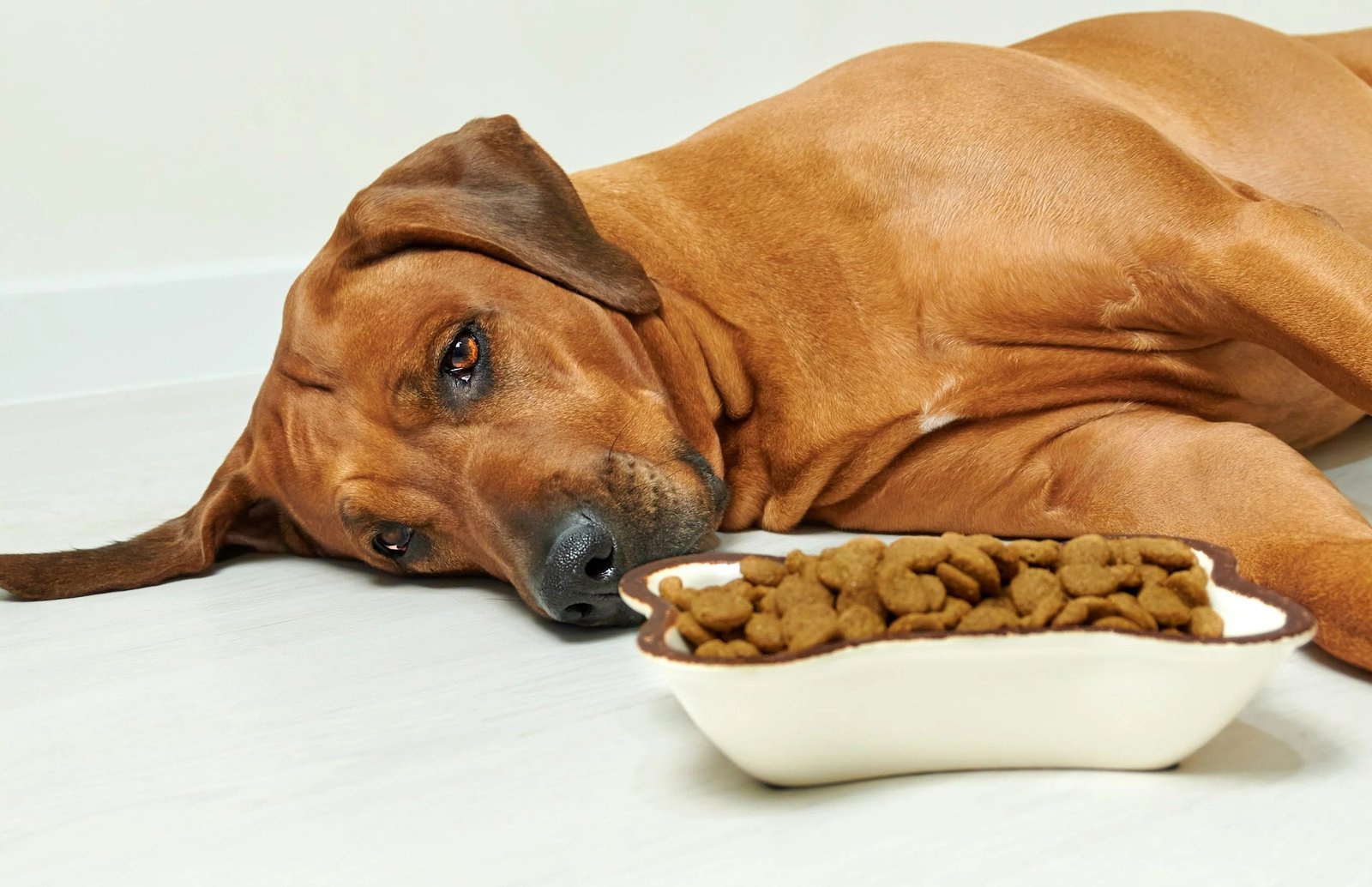
Dogs’ digestive systems don’t change gears quickly. A sudden food change can cause loose stools, vomiting, or general discomfort. The fix is a simple transition over 7 to 10 days, mixing increasing amounts of the new food with the old. Start at around 25% new and work up gradually. It sounds unnecessary until someone has dealt with the alternative.
4. No Consistent Feeding Schedule
Some households feed the dog at whatever time works that day, depending on who’s home, what’s going on, or whether anyone remembered. It feels fine in the moment, but it creates two real problems.
First, digestion works better on a schedule. A dog’s body regulates digestive processes around predictable meal times. Irregular feeding leads to gas, bloating, and loose stools more often than most people expect. Second, consistent meals make house training and general behavior much easier to manage. A dog who eats at the same time tends to need bathroom breaks at predictable times, too.
Twice a day, roughly the same times each day, that’s really all it takes.
5. Too Many Things in the Bowl
This one’s common in households where feeding the dog starts to feel like cooking for the dog. A base of dry kibble, some rice, a splash of milk because someone read it was good for dogs, a spoonful of wet food for flavor, maybe some table scraps from dinner.
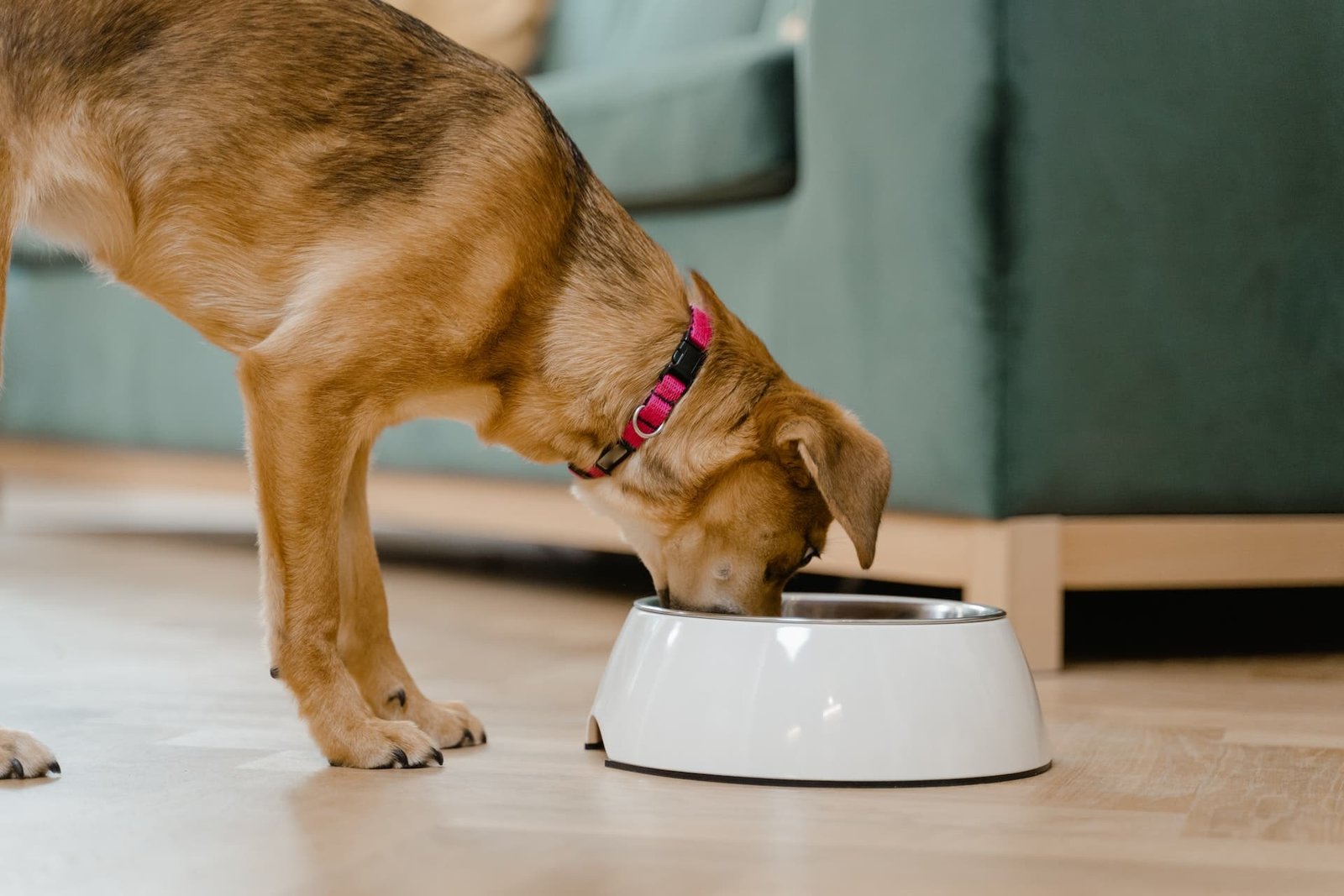
The dog loves it. Of course, the dog loves it, it’s chaos in a bowl.
The problem is that layering multiple foods makes it hard to identify what’s causing a reaction when something goes wrong. It also upsets the nutritional balance of a complete food, which is formulated to stand on its own. Many dogs have stomachs more sensitive to variety than their enthusiasm suggests. Rice and milk, especially, are neither necessary, and milk causes digestive upset in a lot of dogs.
Simpler meals are usually better meals.
6. Ignoring the Water Bowl
Food gets attention. Water is an afterthought.
Plenty of dogs walk past a bowl of stale water that’s been sitting in the same corner for two days. They’ll drink when thirsty enough, but they drink less than they should when the water isn’t fresh. Dehydration in dogs is easy to miss it shows up as lethargy, dry gums, and low energy, none of which immediately point to a water problem.
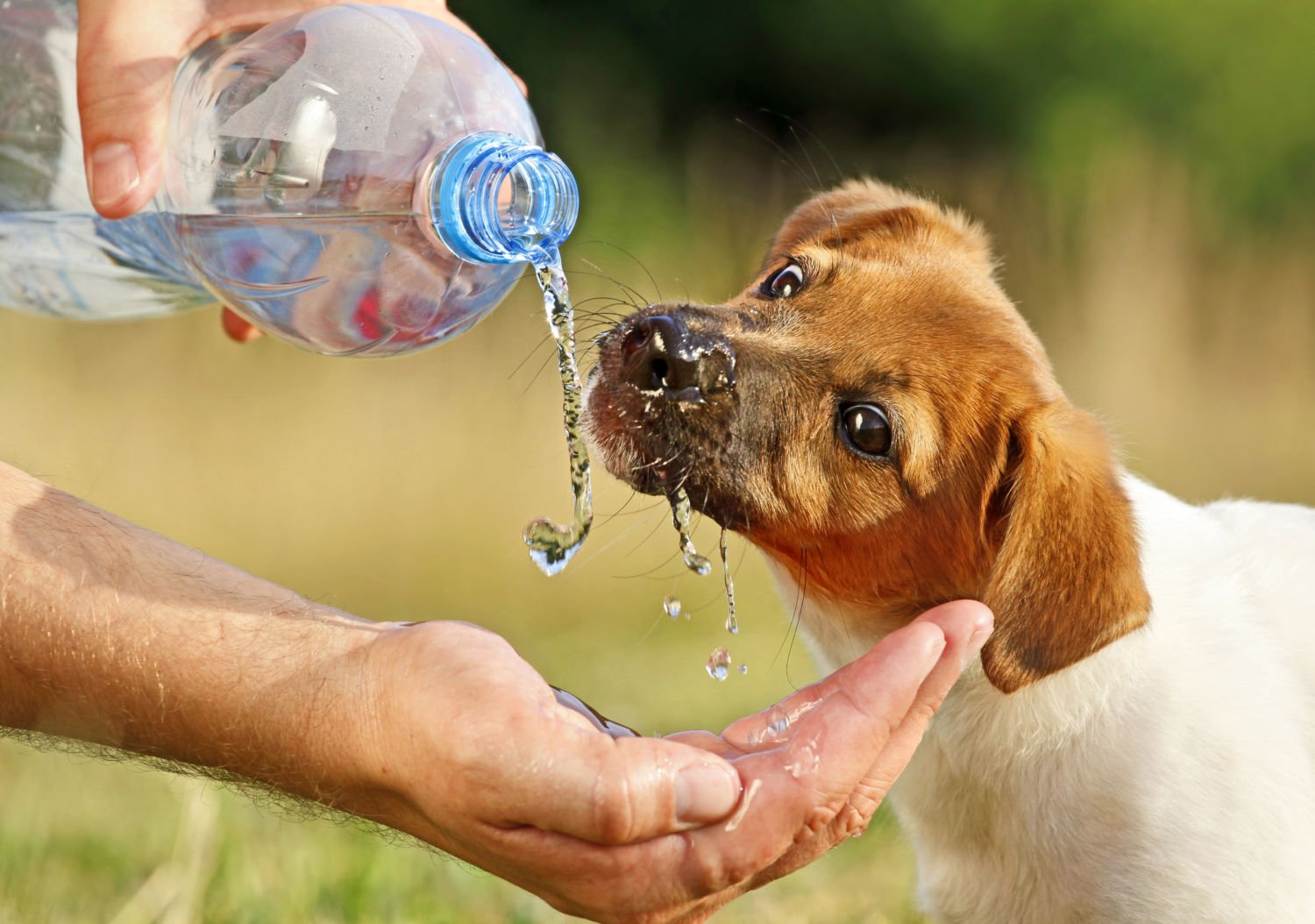
Fresh water, rinsed bowl, refilled daily at a minimum. Dogs eating dry or high-protein food need even more. It’s one of the easier habits to get right.
7. Picking Food Based on the Packaging
Bags with golden retrievers on them, words like natural, premium, holistic, ancestral diet, none of that says anything about what’s actually in the food. Marketing terms for pet food are largely unregulated, so they mean roughly whatever the company decides they mean.
What actually matters is the ingredient list and whether the food meets AAFCO standards for the dog’s life stage. Protein should appear near the top. Foods where corn syrup, artificial preservatives, or vague meat by-products dominate the first few lines are worth avoiding.
A vet can point toward options suited to the dog’s age, size, and health conditions. That’s a more reliable starting point than whichever brand runs the most ads.
None of This Is Complicated
Dogs who do well long-term aren’t eating expensive specialty diets or getting elaborate meals. They’re eating consistent, appropriate amounts of decent food, at regular times, with fresh water available and treats kept in check.
That’s mostly it. Small habits, kept up consistently, matter more than any single meal. Getting it perfect isn’t the goal getting it mostly right, most of the time, is enough.
-
 All Products
Goat Milk Powder for Dogs and Cats – 400g
Original price was: ₹1,298.86.₹733.96Current price is: ₹733.96. -
 All Products
Camel Milk Powder For Dogs and Cats – 400g
Original price was: ₹1,499.75.₹499.00Current price is: ₹499.00. -
 All Products
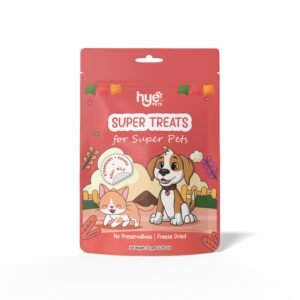
Super Treats for Super Pets made with Goat Milk, Strawberry and Banana | 30g
Original price was: ₹325.00.₹308.75Current price is: ₹308.75. -
 All Products
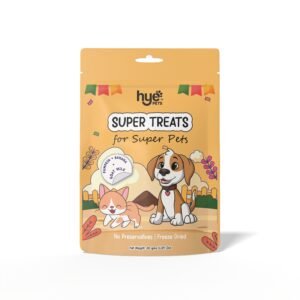
Super Treats for Super Pets made with Goat Milk, Pumpkin and Banana | 30g
Original price was: ₹279.00.₹265.06Current price is: ₹265.06. -
 All Products
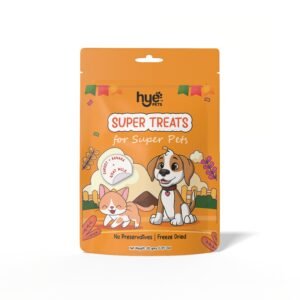
Super Treats for Super Pets made with Goat Milk, Carrot and Banana | 30g
Original price was: ₹279.00.₹265.06Current price is: ₹265.06. -
 All Products
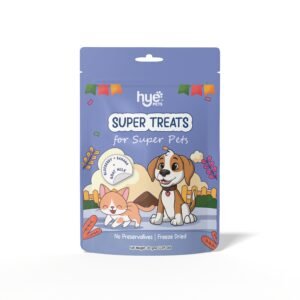
Super Treats for Super Pets made with Goat Milk, Blueberry and Banana | 30g
Original price was: ₹325.00.₹308.75Current price is: ₹308.75. -
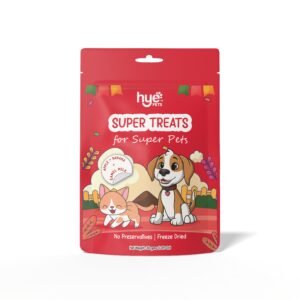 Out of stockAll Products
Super Treats for Super Pets made with Camel Milk, Apple and Banana | 30g
Original price was: ₹279.00.₹265.06Current price is: ₹265.06. -
 All Products
Super Treats for Super Pets made Camel Milk, Beetroot and Banana | 30g
Original price was: ₹279.00.₹265.06Current price is: ₹265.06. -
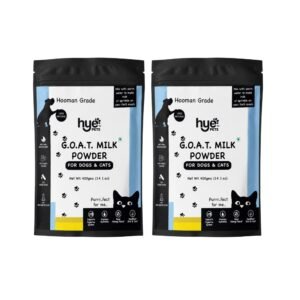 Combos
Goat Milk Powder for Dogs and Cats – Combo Pack (2 x 400g)
Original price was: ₹3,065.28.₹1,680.32Current price is: ₹1,680.32. -
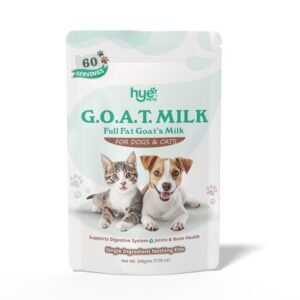 All Products
Goat Milk Powder for Dogs and Cats – 200g
Original price was: ₹698.99.₹657.05Current price is: ₹657.05. -
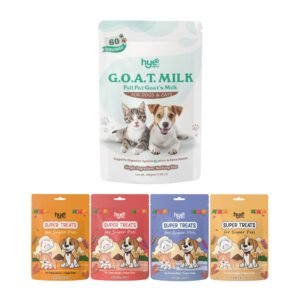 All Products
Goat Milk Powder and Freeze-Dried Goat Milk Treats Combo for Dogs and Cats
Original price was: ₹2,250.26.₹2,067.36Current price is: ₹2,067.36. -
 Combos
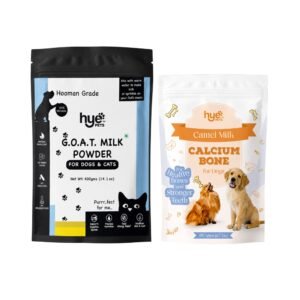
Goat Milk Powder and Camel Milk Calcium Bone for Dogs – Combo Pack
Original price was: ₹1,826.47.₹1,108.02Current price is: ₹1,108.02. -
 Combos
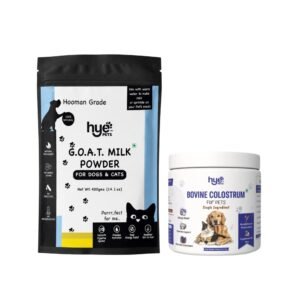
Goat Milk Powder and Bovine Colostrum Combo for Dogs & Cats
Original price was: ₹2,357.47.₹1,221.30Current price is: ₹1,221.30. -
 Goat Milk Treats
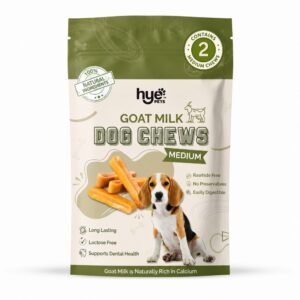
Goat Milk Dog Chews for Medium Dogs | Rawhide-Free Dental Treats | 2 Chews
Original price was: ₹449.01.₹422.01Current price is: ₹422.01. -
 Combos
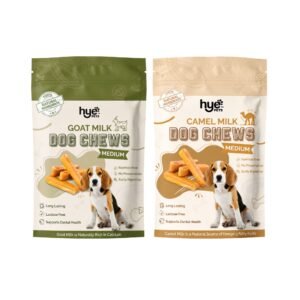
Goat Milk and Camel Milk Chews Combo for Medium Dogs
Original price was: ₹1,118.64.₹1,019.52Current price is: ₹1,019.52. -
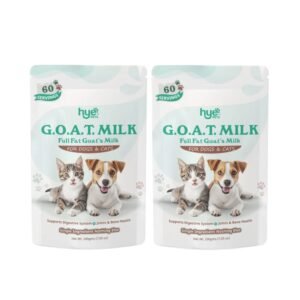 Combos
Full Fat Goat Milk Powder for Dogs and Cats Combo Pack (2 x 200g)
Original price was: ₹1,649.64.₹1,509.22Current price is: ₹1,509.22. -
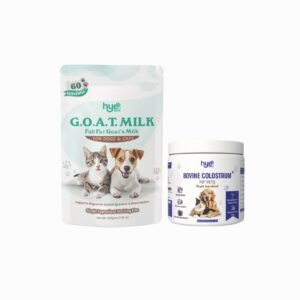 Combos
Full Fat Goat Milk Powder and Bovine Colostrum Combo for Dogs and Cats
Original price was: ₹1,398.01.₹949.01Current price is: ₹949.01.
- All Posts
- Blog
- Blogs
- Recipe
- Stories
- Trivia