Seeing a dog lose weight can be frustrating and deeply worrying. Whether you have an energetic new rescue, a senior pup losing muscle, or a naturally picky eater, this guide walks you through safely assessing your dog’s weight, pinpointing the root cause, and using simple, whole-food strategies to build healthy muscle mass without upsetting their stomach.
It often starts with a simple moment during a quiet evening. You are sitting on the floor, giving your dog a good side-scratch, when you notice their ribs or the small notches of their spine feel a bit more prominent than usual. Or perhaps they just came back from a grooming session, and without all that extra fluff, their frame looks unexpectedly tucked in.
It is a common scenario that instantly makes any pet parent want to fix things fast. The instinct is to immediately double their dinner portions or start loading their bowl with heavy table scraps. It seems like simple math: more food equals more weight.
But rushing to pack on the pounds by overfilling the bowl usually backfires. A dog’s digestive tract adapts slowly to changes in nutritional density.
When a sensitive stomach is overloaded with sudden volume or heavy grease, it usually triggers vomiting and diarrhea. Instead of gaining weight, the dog ends up losing more. Helping a thin dog rebuild their strength isn’t about overfeeding it’s about making small, intentional adjustments that work with their specific metabolism.
1. Checking the Frame: Is Your Dog Truly Underweight?
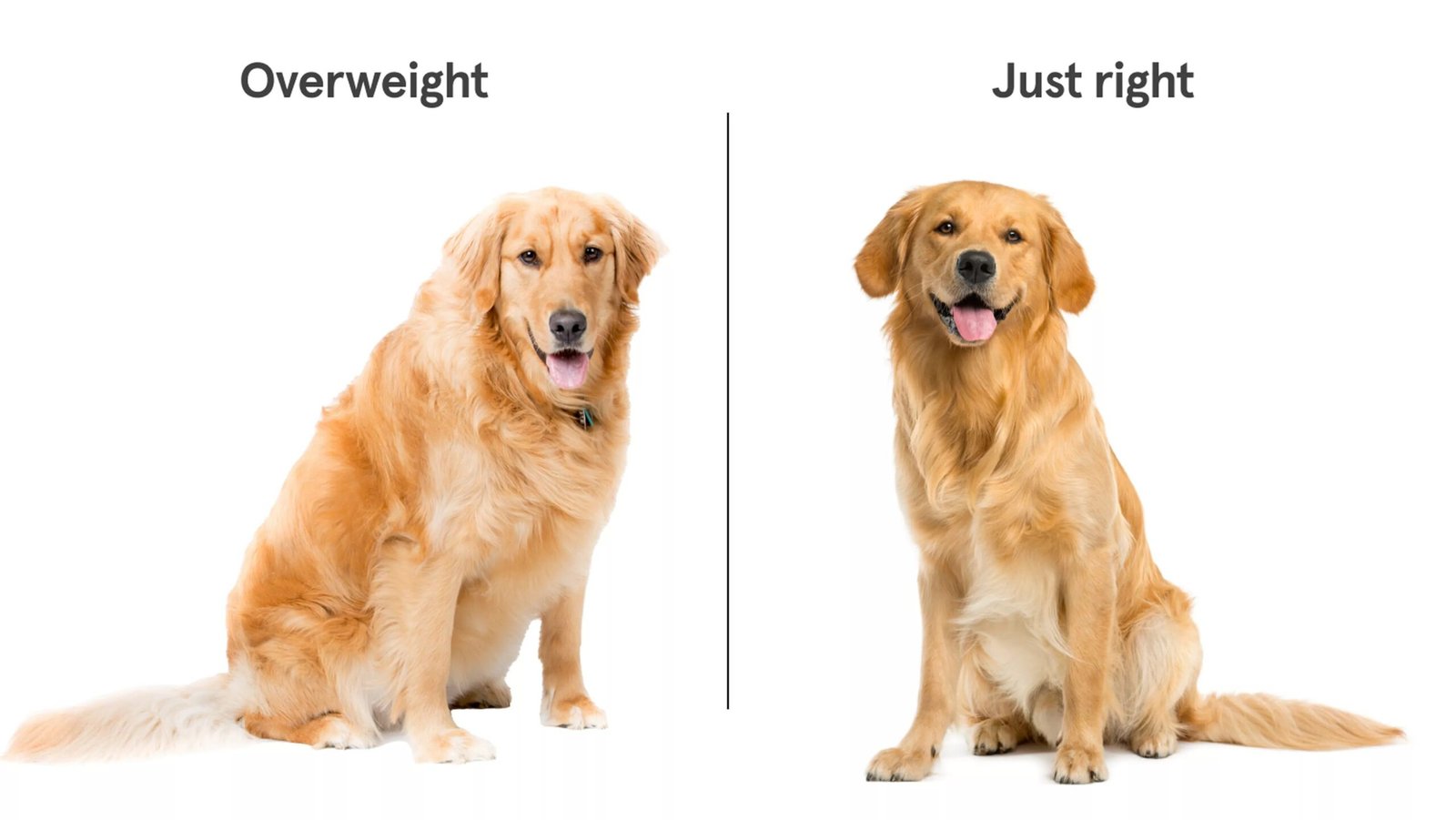
Fluffy coats, deep chests, and breed standards can make visual checks deceptive. A thick-coated Collie might look perfectly fine until you actually get your hands on them, while a young Boxer might look alarmingly lean during a growth spurt even though their vet check is fine.
To cut through the guesswork, professionals look at the Body Condition Score (BCS) a standard 1-to-9 index developed by the World Small Animal Veterinary Association (WSAVA), where 4 or 5 is the healthy sweet spot.
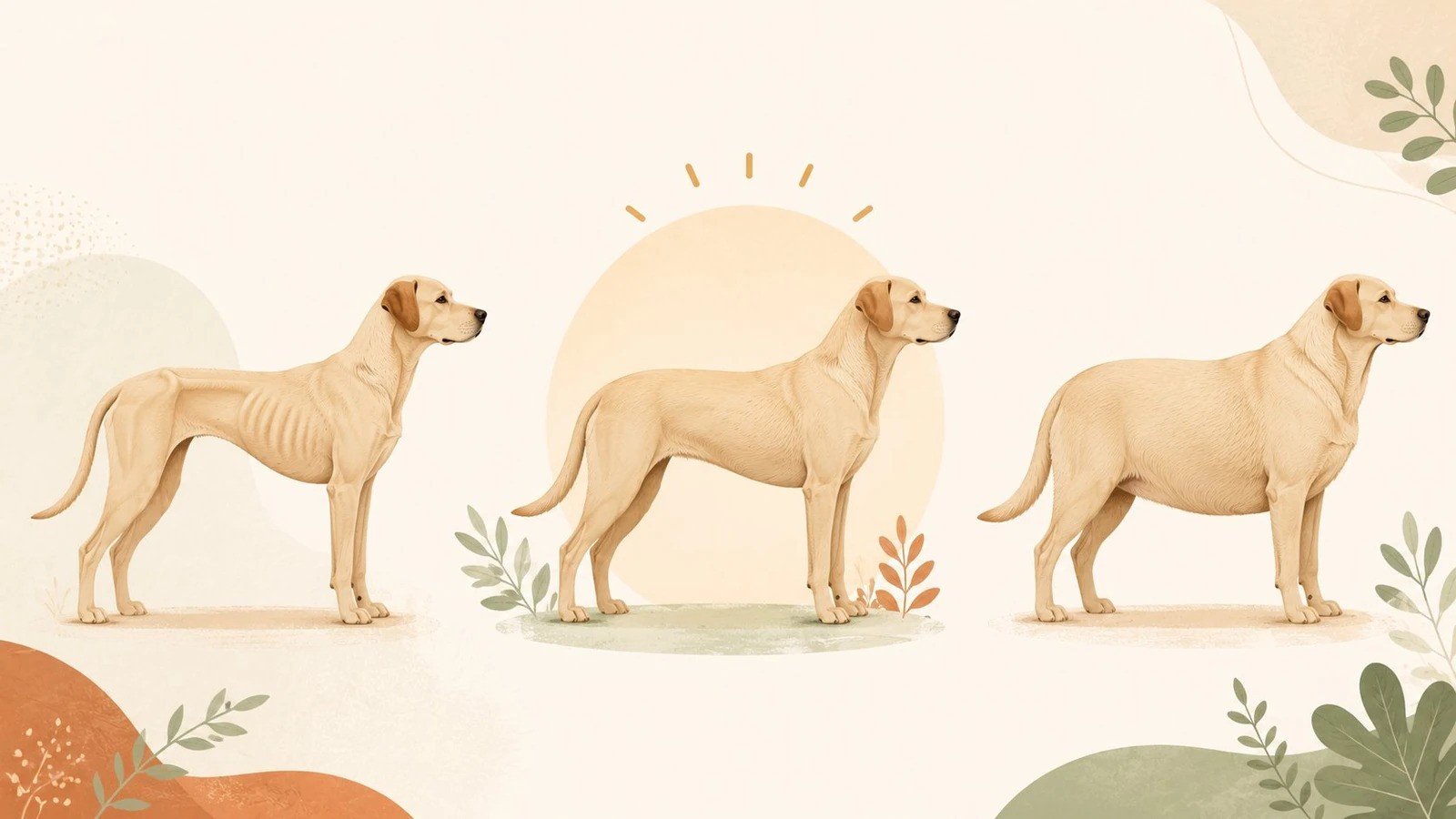
You don’t need veterinary equipment to check this at home. You can run a quick check using your own hands as a guide:
- The Rib Test: Run your hands flat over your dog’s ribcage. On a healthy dog, the ribs should feel like the back of your hand smooth, but with individual bones easily felt under a thin layer of padding. If the ribs feel sharp and prominent, like running your fingers over your knuckles when you close your fist, they are running too thin.
- The Profile Check: Look at your dog from the side while they are standing. A healthy dog has an upward curve right behind the ribs, known as an abdominal tuck. If that slope looks like a cliff or you can see the sharp edges of their hip bones casting distinct shadows, they lack necessary fat reserves.
- The View From Above: Look down at your dog’s back from directly above. You want to see a soft hourglass waistline behind the ribcage. If that indentation pinches in sharply, or if the individual vertebrae along their lower back are clearly visible, their body is burning through muscle mass.
Always account for breed identity. If you have a Greyhound, Whippet, or even certain lean lines of pointers, seeing a hint of rib during movement is completely healthy for their athletic structure. But if a naturally broad, blocky breed like a Labrador Retriever or a Rottweiler starts showing rib contours, their weight has slipped too low.
2. Pinpointing the Root Cause of Weight Loss
Before you start messing with the diet, you have to figure out why the calories aren’t sticking. Food isn’t always the automatic fix, because weight loss is usually a symptom of an underlying issue rather than a standalone problem.
Sometimes, it is purely a matter of energy output versus calorie input. A young, high-drive herding dog or an active farm dog might burn calories at double the rate of a neighborhood walker. If they are eating standard maintenance kibble, they might just be running an energy deficit.
Stress is another huge, often overlooked appetite killer. A recent move, a long stay at a boarding kennel, or even a chaotic household change can cause a sensitive dog to leave half their breakfast behind day after day.
On the medical side, the reasons can be subtle. If you’ve just brought home a rescue, they might be harboring internal parasites like hookworms or roundworms that steal nutrition directly from their digestive tract.
In older dogs, weight loss often traces back to dental pain a fractured premolar or inflamed gums can make crunching hard kibble so painful that the dog chooses to walk away from the bowl despite being hungry. More complex issues, like Inflammatory Bowel Disease (IBD), prevent the gut from absorbing nutrients properly, while metabolic conditions like diabetes or early kidney issues alter how the body processes energy entirely.
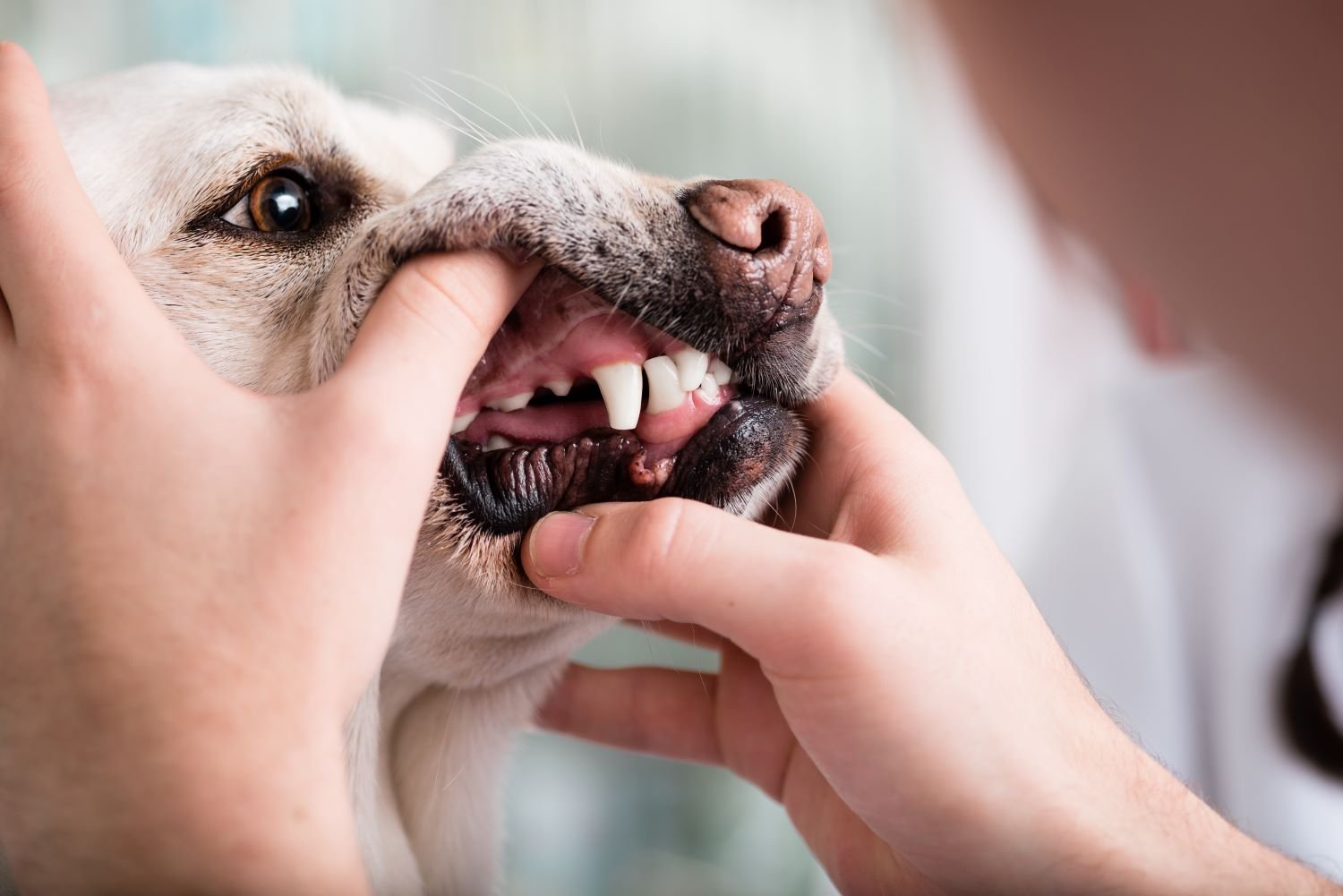
Veterinary Guidance: According to guidelines established by the American Animal Hospital Association (AAHA), a physical exam and baseline diagnostic testing, including bloodwork and a fecal analysis, are foundational for tracking down unintended weight loss. If your dog has dropped weight quickly over a week or two, or if the weight loss comes with lethargy or a change in water consumption, please schedule a vet visit before altering their diet.
3. Choosing the Right Nutrients for Weight Gain
To help a dog gain weight safely, you aren’t trying to build a layer of soft, sluggish fat. The goal is to rebuild lean muscle tissue and baseline stamina. This requires a specific focus on how macronutrients are balanced in the bowl.
- Clean Animal Proteins: Whole, identifiable meats like chicken, beef, turkey, or lamb should lead the ingredient list. Protein supplies the amino acids necessary to repair tissues and restore muscle fibers that have begun to waste away.
- Healthy Fats: Fat is the most efficient tool for weight gain because it contains more than twice the calories per gram compared to protein or carbohydrates. Adding a high-quality fat source lets you double the energy density of a meal without physically packing the bowl with massive volume. This is essential for picky eaters or dogs who get full quickly and walk away.
- Digestible Carbohydrates: Easily processed carbohydrates like cooked sweet potatoes or oatmeal provide immediate energy. By giving the body an easy source of fuel to burn for daily activity, you protect the protein, allowing it to be used purely for muscle synthesis rather than being burned off as cheap energy.
A simple, practical alternative to home formulation is moving an underweight dog onto a premium puppy formula or an Active/Performance adult kibble for a few months. Veterinary nutritionists design these commercial blends to deliver higher fat and protein percentages in highly digestible, calorie-dense bites, taking the guesswork out of the kitchen routine.
4. Safe Whole-Food Toppers to Increase Calories
If you want to keep your dog on their current, trusted base food but need to safely increase their caloric intake, fresh whole foods make excellent mix-ins. These options are highly digestible and packed with natural fats and proteins:
Food Item | Primary Benefit | Why It Works | How to Feed It |
Boiled Chicken Thighs | Rich, appealing protein booster. | Higher in natural fats and calories than dry chicken breast; gentler on sensitive stomachs. | Strip the skin and bones completely. Shred the dark meat and mix 1–2 tablespoons into their regular food. |
Plain Cooked Eggs | Superior biological value. | One of the most complete, easily utilized protein profiles available to a canine gut. | Scramble or hard-boil plain. Never add oil, butter, milk, or salt. Offer a half or whole egg daily. |
Mashed Sweet Potatoes | Stable, slow-burning energy. | High in soluble fiber, potassium, and beta-carotene, which helps support stable digestion. | Bake or boil until completely soft, mash plain, and add 1–3 tablespoons depending on your dog’s size. |
Pure Canned Pumpkin | Digestive safety net. | Full of soluble fiber that regulates bowel movements when transitioning to richer foods. | Use 100% pure pumpkin, never pie filling. Mix 1–2 teaspoons into their morning meal. |
Water-Packed Sardines | Anti-inflammatory calorie spike. | Rich in Omega-3 fatty acids (EPA/DHA), which support joint health and coat quality. | Buy unsalted varieties packed in water. Mash half a sardine into their dinner twice a week. |
Low-Sodium Cottage Cheese | High-fat protein topper. | Offers a quick dose of calcium and protein that appeals heavily to picky eaters. | Use sparingly, and only if your dog tolerates dairy. Add a single tablespoon as an enticing garnish. |
5. Practical Feeding Routines for Success
Once you have chosen the right ingredients, how you manage the daily feeding routine plays a massive role in how well your dog digests those extra calories.
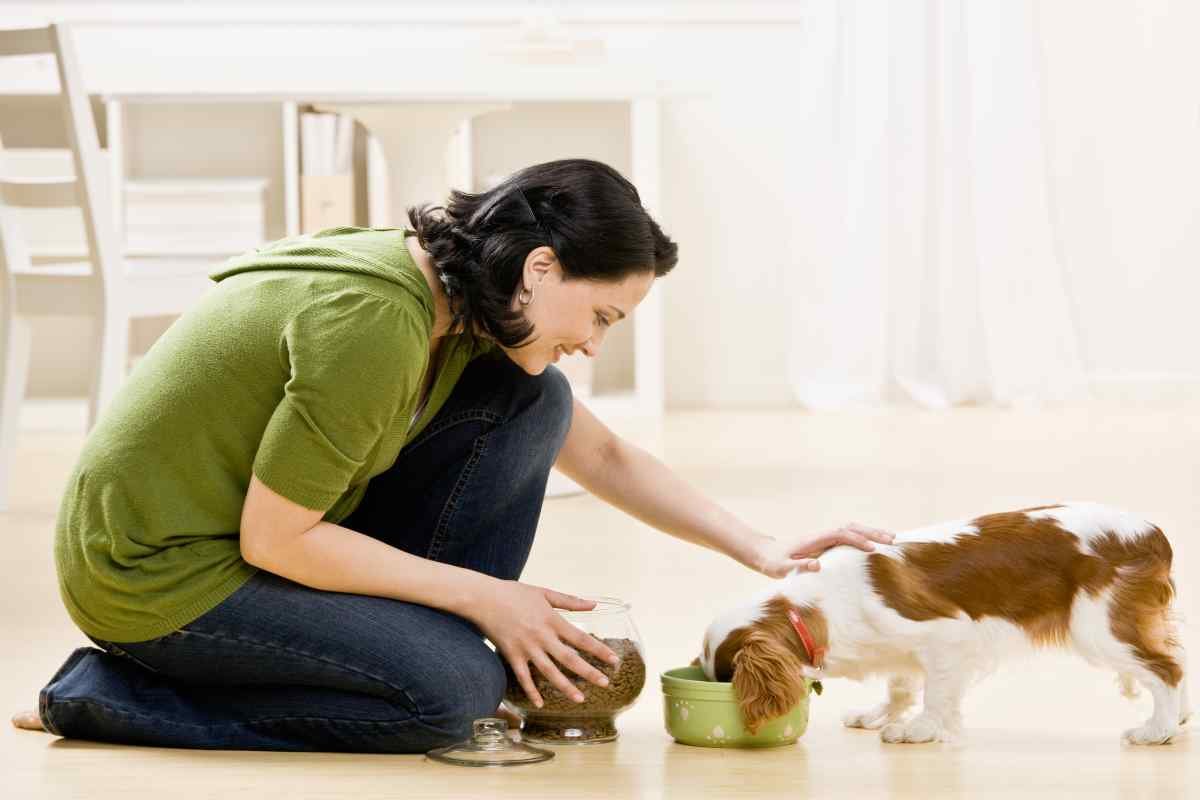
If your dog is struggling to maintain weight, move away from the traditional schedule of one massive meal a day. A large volume of rich food can leave an underweight dog feeling bloated and lethargic.
Instead, split their daily portion into three or four smaller meals spaced evenly from morning to night. This keeps their blood sugar steady, prevents stomach strain, and gives the gut a continuous, manageable stream of nutrients to process.
When you do introduce a higher-calorie kibble or a new whole-food topper, give the digestive tract time to catch up. A sudden shift to high-fat foods can trigger a bout of pancreatitis or severe diarrhea. Use a slow 7-to-10-day transition window, gradually blending a little more of the new recipe into the old food each day.
If you are dealing with an older pup or a dog stressed by a recent environment change, use their nose to kickstart their appetite. A dog’s desire to eat is intensely tied to aroma.
Try warming up their food for a few seconds to release the natural fat scents, or pour a small splash of warm, low-sodium bone broth over their dry kibble. Just read the broth labels carefully to ensure there are no hidden onions or garlic listed in the ingredients.
Finally, keep an objective log. Weigh your dog once a week on the same scale, preferably at the same time of day. A safe, sustainable rate of weight gain for most dogs is roughly 0.5% to 2% of their total body weight per week. Monitor their stool quality along the way if their stools start turning soft, it is a clear indicator that you are pushing the caloric density a bit too fast for their system to handle.
6. Dangerous Foods to Keep Out of the Bowl
When you are eager to see your dog fill out, it is incredibly easy to fall into the trap of sharing rich table scraps or heavy dairy. However, some common human treats can trigger severe medical emergencies and must be avoided entirely:
- Bacon Grease and Pan Drippings: Pouring pure rendered fat over food can shock a dog’s pancreas, leading to a dangerous condition called pancreatitis that causes severe vomiting and requires urgent veterinary care.
- The Onion Family (Alliums): Onions, garlic, leeks, and chives contain compounds that cause oxidative damage to a dog’s red blood cells, which can lead to hemolytic anemia over time.
- Peanut Butter with Xylitol: While pure peanut butter is a great calorie source, many modern brands use xylitol, often listed as birch sugar or wood sugar as a sweetener. Even tiny amounts cause a catastrophic blood sugar drop and acute liver failure in dogs. Always flip the jar over and read the ingredient list first.
Taking the Next Steps
Rebuilding a dog’s frame is a journey that requires time, consistency, and a great deal of patience. True progress isn’t marked by a sudden jump on the scale, but by steady, healthy changes a return of bright energy, a coat that regains its natural shine, and the gradual filling out of lean muscle mass.
By identifying the root cause with your vet, focusing on high-quality proteins and healthy fats, and breaking meals into smaller, frequent portions, you can safely give your dog the boost they need without causing digestive distress. Take a breath, trust the process, and remember that moving slowly is the safest way to guide your companion back to vibrant health.
Disclaimer: This article is for informational purposes only and does not replace professional veterinary advice. If your dog is experiencing sudden, unexplained, or severe weight loss, please consult a veterinarian immediately to rule out serious underlying health conditions.
-
 All Products
Goat Milk Powder for Dogs and Cats – 400g
Original price was: ₹1,298.86.₹733.96Current price is: ₹733.96. -
 All Products
Camel Milk Powder For Dogs and Cats – 400g
Original price was: ₹1,499.75.₹499.00Current price is: ₹499.00. -
 All Products
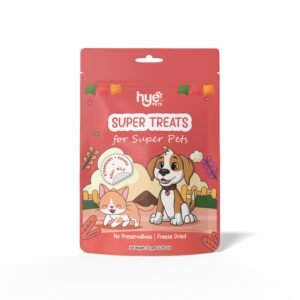
Super Treats for Super Pets made with Goat Milk, Strawberry and Banana | 30g
Original price was: ₹325.00.₹308.75Current price is: ₹308.75. -
 All Products
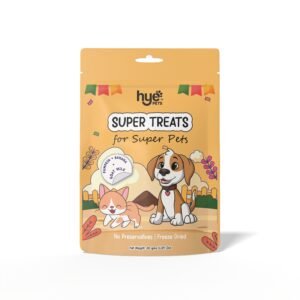
Super Treats for Super Pets made with Goat Milk, Pumpkin and Banana | 30g
Original price was: ₹279.00.₹265.06Current price is: ₹265.06. -
 All Products
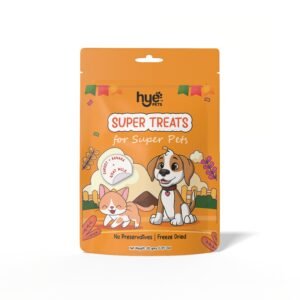
Super Treats for Super Pets made with Goat Milk, Carrot and Banana | 30g
Original price was: ₹279.00.₹265.06Current price is: ₹265.06. -
 All Products
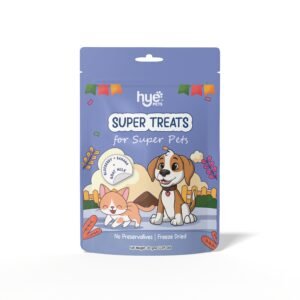
Super Treats for Super Pets made with Goat Milk, Blueberry and Banana | 30g
Original price was: ₹325.00.₹308.75Current price is: ₹308.75. -
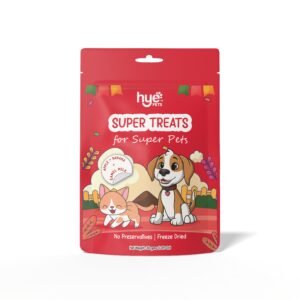 Out of stockAll Products
Super Treats for Super Pets made with Camel Milk, Apple and Banana | 30g
Original price was: ₹279.00.₹265.06Current price is: ₹265.06. -
 All Products
Super Treats for Super Pets made Camel Milk, Beetroot and Banana | 30g
Original price was: ₹279.00.₹265.06Current price is: ₹265.06. -
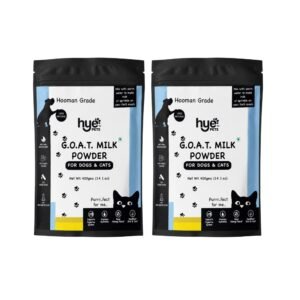 Combos
Goat Milk Powder for Dogs and Cats – Combo Pack (2 x 400g)
Original price was: ₹3,065.28.₹1,680.32Current price is: ₹1,680.32. -
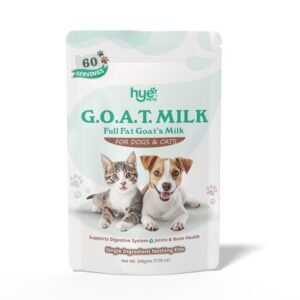 All Products
Goat Milk Powder for Dogs and Cats – 200g
Original price was: ₹698.99.₹657.05Current price is: ₹657.05. -
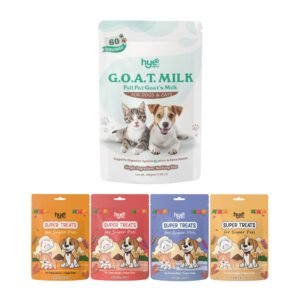 All Products
Goat Milk Powder and Freeze-Dried Goat Milk Treats Combo for Dogs and Cats
Original price was: ₹2,250.26.₹2,067.36Current price is: ₹2,067.36. -
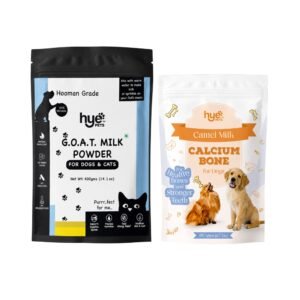 Combos
Goat Milk Powder and Camel Milk Calcium Bone for Dogs – Combo Pack
Original price was: ₹1,826.47.₹1,108.02Current price is: ₹1,108.02. -
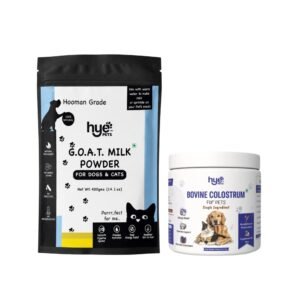 Combos
Goat Milk Powder and Bovine Colostrum Combo for Dogs & Cats
Original price was: ₹2,357.47.₹1,221.30Current price is: ₹1,221.30. -
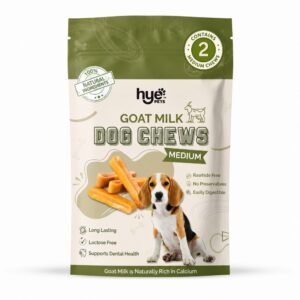 Goat Milk Treats
Goat Milk Dog Chews for Medium Dogs | Rawhide-Free Dental Treats | 2 Chews
Original price was: ₹449.01.₹422.01Current price is: ₹422.01. -
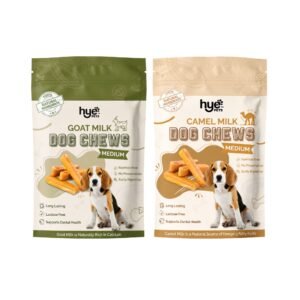 Combos
Goat Milk and Camel Milk Chews Combo for Medium Dogs
Original price was: ₹1,118.64.₹1,019.52Current price is: ₹1,019.52. -
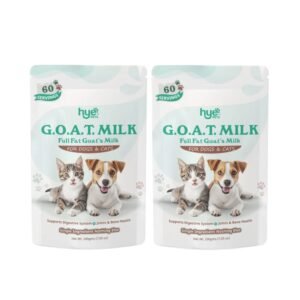 Combos
Full Fat Goat Milk Powder for Dogs and Cats Combo Pack (2 x 200g)
Original price was: ₹1,649.64.₹1,509.22Current price is: ₹1,509.22. -
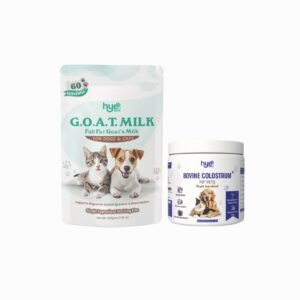 Combos
Full Fat Goat Milk Powder and Bovine Colostrum Combo for Dogs and Cats
Original price was: ₹1,398.01.₹949.01Current price is: ₹949.01.
- All Posts
- Blog
- Blogs
- Recipe
- Stories
- Trivia