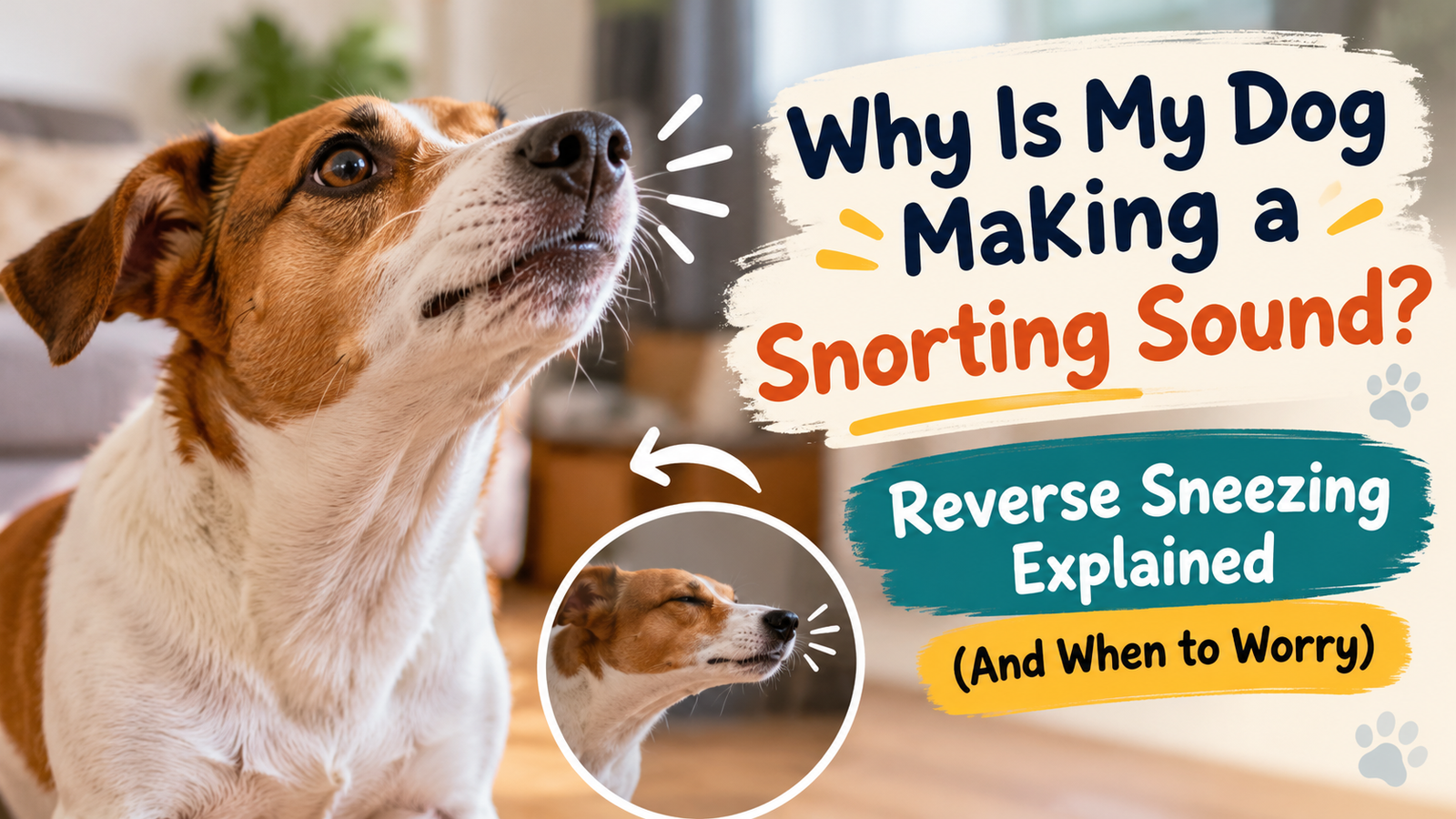
You’re sitting in the living room when your dog suddenly stands up, locks their legs, stretches their head and neck straight out, and starts pulling in air with a loud, goose-like honk. For ten or fifteen seconds, it is hard not to wonder if they are choking on a toy or struggling for breath.
That sudden snorting noise may be reverse sneezing, a common upper-airway reflex. While the posture looks alarming, an episode typically passes quickly without treatment. Because several breathing problems can produce similar noises, it helps to understand what is happening inside your dog’s throat, what sets off these noisy fits, and how to spot when a snorting sound points to a medical issue that needs a vet.
What Is Reverse Sneezing?
Reverse sneezing, known clinically as paroxysmal respiration, is a reflex response to localized irritation at the back of the nasal passage or upper throat the nasopharynx.
Think about what happens during a regular sneeze an irritant in the front of the nose triggers a sharp outward blast of air. A reverse sneeze turns that process around. When dust, pollen, or a bit of fluid irritates the upper throat tissue, the muscles spasm, forcing your dog to pull air rapidly inward through their nose to try to clear the spot.
As air rushes past the soft palate, the tissue vibrates, creating that distinct honking or snorting sound.
According to clinical guidance from the Cornell University Riney Canine Health Center, reverse sneezing is an involuntary reflex triggered by localized nasopharyngeal irritation. It is structurally distinct from conditions like a collapsing trachea or a foreign object blocking the throat.
Episodes are usually brief, often resolving without intervention. Once the throat tickle clears, most dogs take a normal breath, shake their ears out, and wander off as if nothing happened.
Recognizing an Episode in Action
When a reverse sneeze happens, watching your dog during the episode reveals a distinct set of physical signs:
- Sharp, inward snorting: Rhythmic, forced breathing through the nose that sounds like a honk.
- Stretched neck and head: Extending the neck straight out to align the airway.
- Stiff stance: Standing still, sometimes with front legs planted wide to steady the chest.
- Closed mouth: Air moves entirely through the nostrils rather than an open mouth.
- Normal behavior right after: Once the noise stops, normal breathing resumes without lingering exhaustion or distress.
If your dog finishes an episode and immediately steps away looking alert and comfortable, that quick return to normal energy is a helpful indicator that the spasm has passed.
What Triggers That Sudden Snorting Sound?
Anything that tickles or inflames the sensitive lining at the back of the nose can set off the reflex. You’ll often notice them happening in specific everyday scenarios:
- Sudden Excitement: Dogs that leap up and gulp air quickly when you grab their leash often spark a quick throat spasm.
- Yard Debris and Dust: Sniffing deep into dry garden soil, tall weeds, or an uncleaned rug pulls tiny particles straight into the nose.
- Household Scents: Aerosol room sprays, lit candles, floor cleaners, or strong perfumes can easily irritate a dog’s sensitive nasal lining.
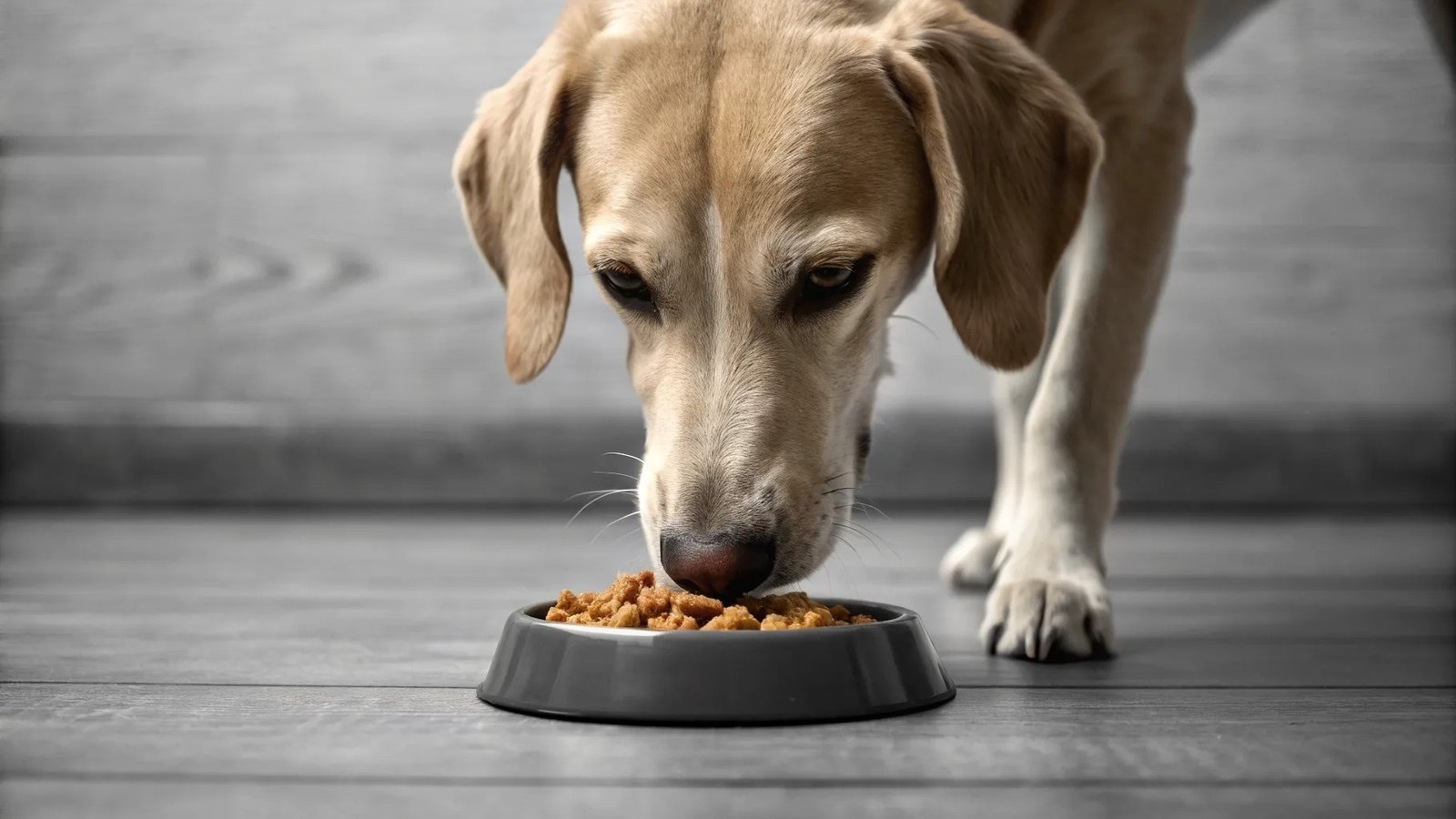
- Eating or Drinking Too Fast: Dogs that gulp down food or water rapidly can inadvertently splash tiny food particles or liquid droplets up toward the back of the throat.
- Leash Pressure: A dog pulling hard against a standard collar puts pressure on the throat and windpipe, which can contribute to upper airway irritation.
- Seasonal Allergies: Pollen and mold spores can cause mild nasal inflammation, making the throat tissues more sensitive during certain times of the year.
- Foreign Objects or Infections: Less frequently, persistent snorting can stem from upper respiratory infections, nasal mites, or a tiny blade of grass stuck in the nasal passage.
Why Certain Breeds Snort More Often
While any dog can reverse sneeze, throat anatomy plays a big part in how often it occurs.
Small and Flat-Faced Breeds
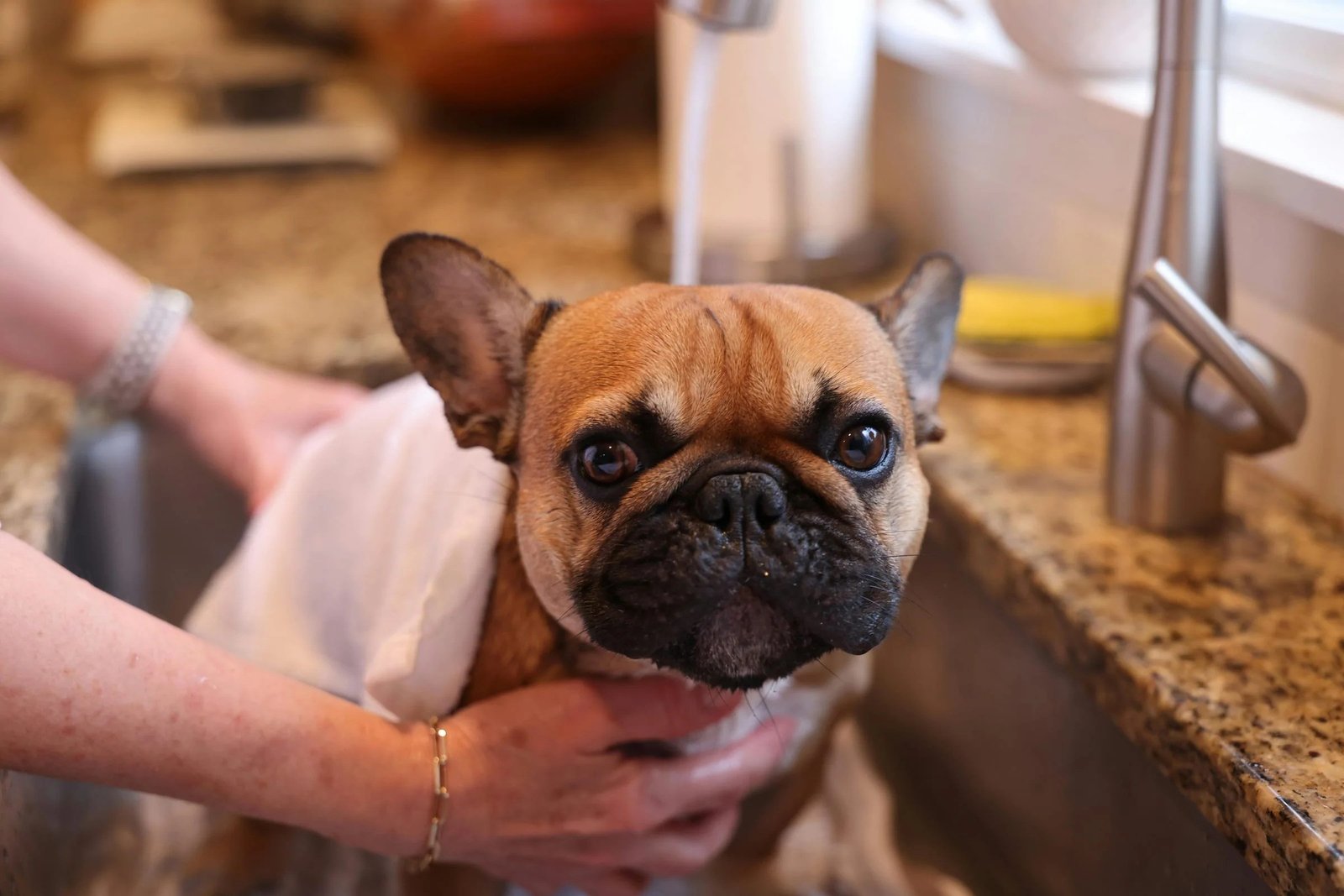
Brachycephalic dogs such as Pugs, French Bulldogs, Boston Terriers, and Shih Tzus have shortened skull structures and longer soft palates relative to the available space in their throats. Because these tissues sit close together, minor irritation causes them to vibrate and spasm much more easily.
Reverse sneezing is also reported in small and toy breeds, including Yorkies, Malteses, and Chihuahuas.
Note: While noisy breathing is common in flat-faced breeds, any sudden change in your dog’s breathing effort or noise level warrants a veterinary check, as these breeds are also prone to structural airway issues.
What to Do When It Happens
If your dog starts reverse sneezing, a few simple steps can help you monitor the situation safely:
- Stay calm and observe: Avoid unnecessary handling while watching your dog’s breathing and behavior.
- Clear the immediate air: If you suspect an airborne irritant, remove the source if possible and allow your dog to rest in a well-ventilated area. If your dog is struggling to breathe, seek emergency veterinary care instead.
- Offer quiet reassurance: If your dog is comfortable being touched, offer gentle reassurance without restricting their breathing. Once your dog is breathing normally, you can offer fresh water if they want it.
- Record a short video: If this is a new noise for your dog, pull out your phone and take a brief clip. A short video can help your veterinarian assess the episode and determine whether further examination is needed.
Safety Warning: Do not force your dog’s mouth shut, pinch their nostrils, or place your fingers in their mouth during an episode. These actions restrict airflow, cause panic, and carry a risk of an accidental bite.
Reverse Sneezing vs. Choking vs. Coughing
Because upper respiratory noises can sound similar, comparing general physical signs can give helpful clues while you observe your dog:
Issue | Primary Sound | Airflow & Posture | What Happens Next? |
Reverse Sneezing | Inward honking/snorting | Neck extended, body still, air pulled in through nose | Rapid recovery acts fine right away |
Coughing | Outward hacking / harsh bark | Air forced out through mouth, chest heaving | May clear throat, gag, or cough in spells |
Choking | Silent gasping or violent gagging | Frantic movement, pawing at mouth, wide eyes | May cause persistent or intermittent breathing difficulty requires urgent assessment |
Respiratory Distress | Open-mouth gasping, shallow rapid breathing | Chest heaving, blue or pale gums, weakness | Emergency dog looks exhausted or collapses |
Note: This table provides general observations to help guide your monitoring, not a formal diagnostic tool. If your dog shows signs of distress, do not wait for multiple symptoms to appear before seeking help.
When to Contact Your Vet
While you can manage an occasional reverse sneeze at home, breathing difficulties require prompt professional care.
Seek Immediate Emergency Veterinary Care If:
- Gums or tongue appear blue, purple, pale, or gray, which may signal a serious breathing or circulation problem.
- Your dog has severe difficulty breathing, such as open-mouth gasping or heavy abdominal heaving, no matter how long the episode lasts.
- Your dog collapses, faints, or becomes weak and uncoordinated.
- You suspect a foreign object is lodged in their throat or they are actively choking.
Schedule a Regular Vet Appointment If:
- Episodes suddenly become much more frequent, severe, or long-lasting.
- You notice accompanying nasal discharge thick, yellow, green, or bloody or crusty nostrils.
- Your dog develops a lingering cough, lethargy, or loss of appetite.
- New snorting sounds appear for the first time in an older dog.
Practical Ways to Reduce Triggers
You cannot eliminate a natural nerve reflex, but a few simple adjustments around the house can lower how often episodes happen:
- Switch to a Harness: A well-fitted harness can help reduce pressure on your dog’s throat during walks if they tend to pull on a leash.
- Keep Indoor Air Clear: Limit aerosol sprays, scented candles, and heavy cleaners near your pet’s bed or resting areas.
- Pace Out Meals: Use a slow-feeder bowl or puzzle mat if your dog tends to gulp down food too fast. If they consistently struggle with gulping water or coughing while drinking, discuss it with your veterinarian.
- Wipe Paws After Walks: Wiping your dog’s paws and muzzle after outdoor play removes trapped pollen during peak allergy seasons.
Conclusion
Hearing your dog make a sudden snorting noise can be unnerving, but watching their recovery helps keep the situation in perspective. An occasional episode that resolves quickly, with your dog returning to normal behavior, may be reverse sneezing. If episodes become more frequent, last longer, or occur alongside coughing or nasal discharge, schedule a veterinary appointment. However, if your dog struggles to breathe, collapses, or develops pale or blue gums, seek emergency veterinary care immediately
-
 All Products
Goat Milk Powder for Dogs and Cats – 400g
Original price was: ₹1,298.86.₹733.96Current price is: ₹733.96. -
 All Products
Camel Milk Powder For Dogs and Cats – 400g
Original price was: ₹1,499.75.₹499.00Current price is: ₹499.00. -
 All Products
Super Treats for Super Pets made with Goat Milk, Strawberry and Banana | 30g
Original price was: ₹325.00.₹308.75Current price is: ₹308.75. -
 All Products
Super Treats for Super Pets made with Goat Milk, Pumpkin and Banana | 30g
Original price was: ₹279.00.₹265.06Current price is: ₹265.06. -
 All Products
Super Treats for Super Pets made with Goat Milk, Carrot and Banana | 30g
Original price was: ₹279.00.₹265.06Current price is: ₹265.06. -
 All Products
Super Treats for Super Pets made with Goat Milk, Blueberry and Banana | 30g
Original price was: ₹325.00.₹308.75Current price is: ₹308.75. -
 All Products
Super Treats for Super Pets made with Camel Milk, Apple and Banana | 30g
Original price was: ₹279.00.₹265.06Current price is: ₹265.06. -
 All Products
Super Treats for Super Pets made Camel Milk, Beetroot and Banana | 30g
Original price was: ₹279.00.₹265.06Current price is: ₹265.06. -
 Combos
Goat Milk Powder for Dogs and Cats – Combo Pack (2 x 400g)
Original price was: ₹3,065.28.₹1,680.32Current price is: ₹1,680.32. -
 All Products
Goat Milk Powder for Dogs and Cats – 200g
Original price was: ₹698.99.₹657.05Current price is: ₹657.05. -
 All Products
Goat Milk Powder and Freeze-Dried Goat Milk Treats Combo for Dogs and Cats
Original price was: ₹2,250.26.₹2,067.36Current price is: ₹2,067.36. -
 Combos
Goat Milk Powder and Camel Milk Calcium Bone for Dogs – Combo Pack
Original price was: ₹1,826.47.₹1,108.02Current price is: ₹1,108.02. -
 Combos
Goat Milk Powder and Bovine Colostrum Combo for Dogs & Cats
Original price was: ₹2,357.47.₹1,221.30Current price is: ₹1,221.30. -
 Goat Milk Treats
Goat Milk Dog Chews for Medium Dogs | Rawhide-Free Dental Treats | 2 Chews
Original price was: ₹449.01.₹422.01Current price is: ₹422.01. -
 Combos
Goat Milk and Camel Milk Chews Combo for Medium Dogs
Original price was: ₹1,118.64.₹1,019.52Current price is: ₹1,019.52. -
 Combos
Full Fat Goat Milk Powder for Dogs and Cats Combo Pack (2 x 200g)
Original price was: ₹1,649.64.₹1,509.22Current price is: ₹1,509.22. -
 Combos
Full Fat Goat Milk Powder and Bovine Colostrum Combo for Dogs and Cats
Original price was: ₹1,398.01.₹949.01Current price is: ₹949.01.
- All Posts
- Blog
- Blogs
- Recipe
- Stories
- Trivia