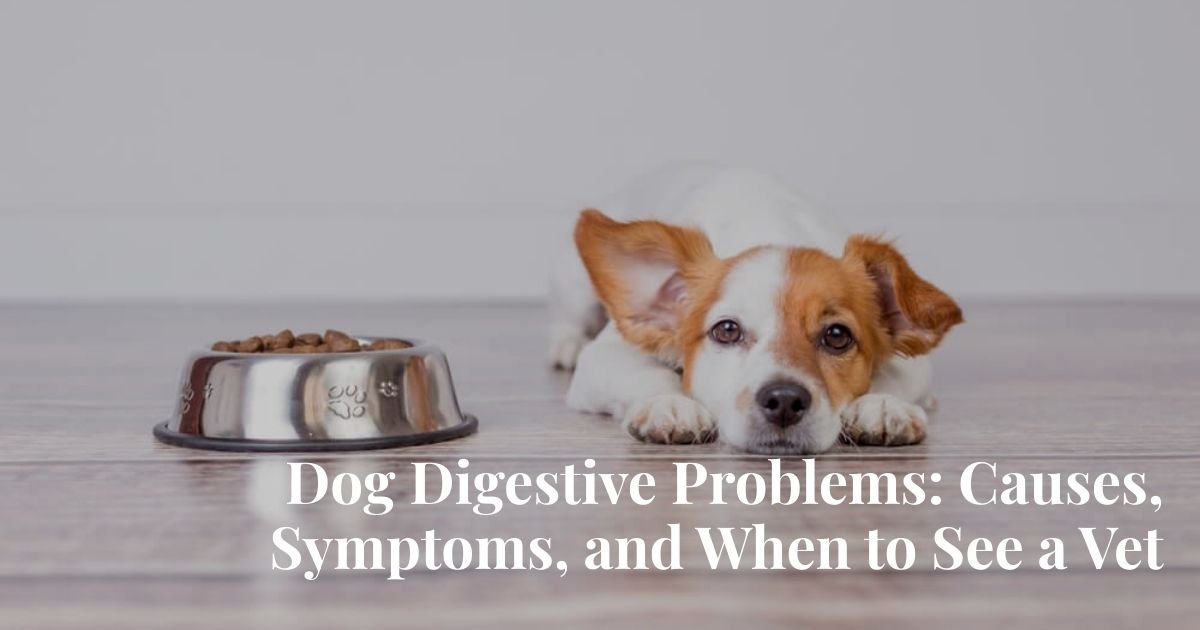
Dog digestive problems usually start with a sound that every pet parent learns to dread, that rhythmic, wet hic-hic-hurgh echoing through a silent house at 3:00 AM. Before your eyes are even fully open, you’re in a blind sprint, tripping over the rug and fumbling for the light switch, desperately trying to guide a heaving pup toward the tile floor before the inevitable happens.
It’s the ultimate welcome to parenthood moment. Whether it’s a sudden bout of the runs or a stomach that sounds like a literal thunderstorm, tummy troubles are messy, stressful, and honestly, just part of the deal. When a dog is pacing the hallway or staring at the door with that it’s happening now, look in their eyes, the panic is real. You find yourself Googling why is my dog’s stomach making noise while praying you don’t have to visit the emergency vet.
But while these issues are incredibly common, they don’t have to be a total mystery. Most canine digestive drama follows a predictable pattern. Understanding the “why” behind the gurgles and the “how” of the home fixes can turn a midnight crisis into a manageable situation.
Why Do Dogs Have Such Sensitive Stomachs?
Biologically, dogs are scavengers, but that doesn’t mean they have iron stomachs. In the veterinary world, the most common cause of a midnight cleanup is often called dietary indiscretion. That is just a fancy way of saying a dog ate something they shouldn’t have, like a dead beetle, a stray sock, or a forgotten grease trap in the kitchen.
However, it isn’t always about what they stole from the trash. There are several biological and environmental factors that can throw a dog’s digestive system out of whack:
- The Microbiome Meltdown: Just like humans, dogs rely on a delicate balance of good bacteria. When we switch their food brand overnight without a transition period, we effectively nuke those helpful microbes, leading to instant upset.
- Environmental Stress: Dogs are highly intuitive. A big move, a new baby, or even a particularly loud thunderstorm can manifest physically as diarrhea or vomiting.
- The Scavenger Instinct: Despite our best efforts to feed them premium kibble, their DNA still tells them that the rotting chicken wing on the sidewalk is a prize. Their bodies, however, often disagree.
Common Dog Digestive Issues
To handle a sick pup effectively, one has to identify exactly what part of the system is failing. Generally, canine tummy troubles fall into four main categories.
1. Vomiting (The Body’s Eject Button)
Vomiting is a symptom, not a disease. It’s the body hitting the delete button on something that doesn’t belong there. It is the most immediate way a dog’s body protects itself from toxins or indigestible objects.

- The Causes: Gulping food too fast, garbage gut, motion sickness, or eating grass.
- The Home Fix: If the dog is still acting like their usual happy self tail wagging, alert, no fever, a gut rest is the gold standard. This means no food for 6 to 12 hours to let the inflammation settle. During this time, offer only tiny sips of water or ice cubes. Once the vomiting stops, ease them back in with a bland diet of boiled chicken and white rice.
- When to See a Vet: If they are dry-heaving trying to puke but nothing comes out or if they cannot keep water down for more than 4 hours. This could indicate an obstruction or bloat.
2. Dog Diarrhea (The Backyard Marathon)
Diarrhea is arguably the most frustrating issue for owners. It usually means the lining of the intestines is irritated, and food is moving through the tract way too fast to be processed correctly.

- The Causes: Parasites like giardia, sudden diet changes, or plain old stress.
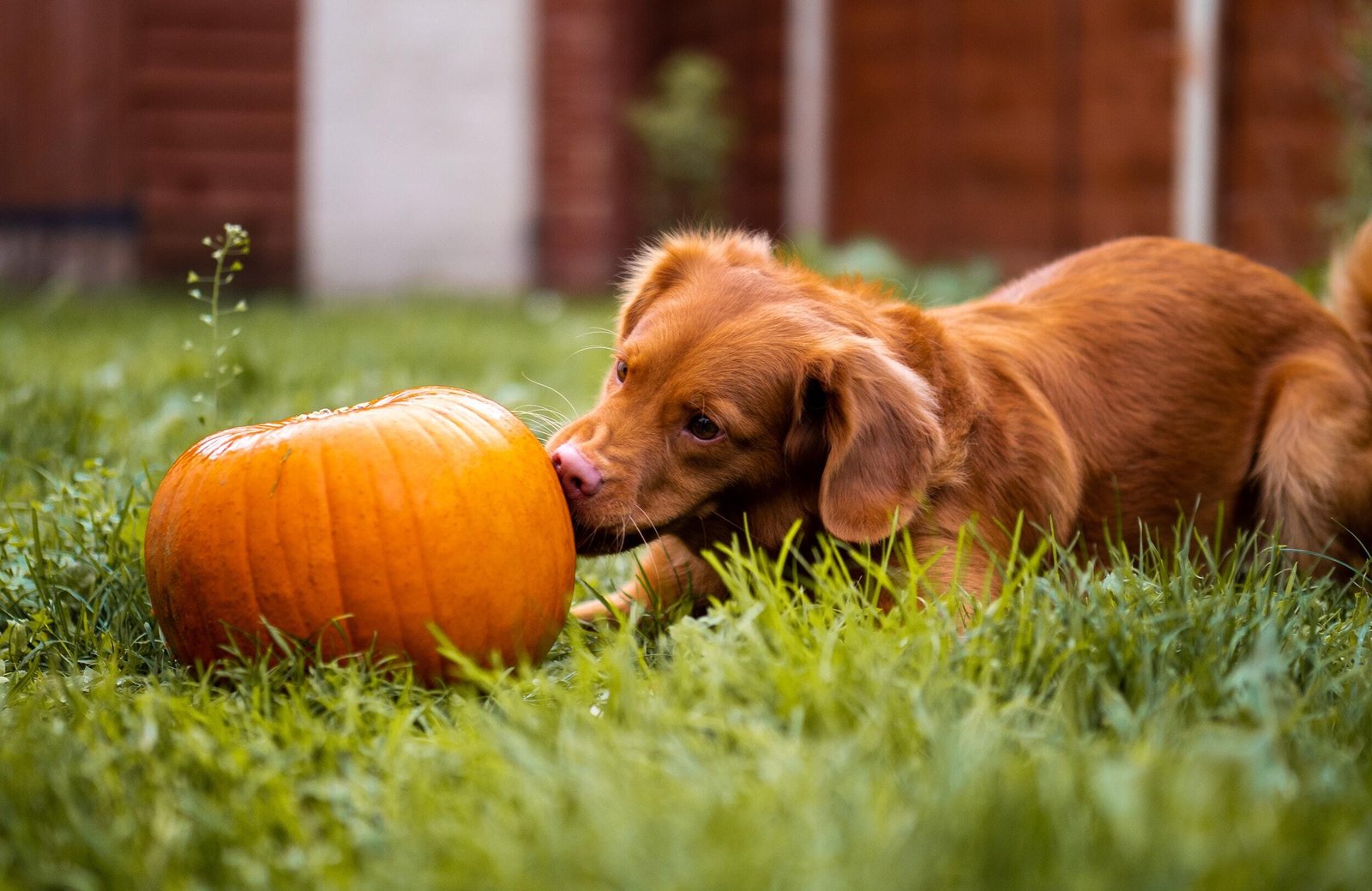
- The Home Fix: Fiber is a lifesaver here. A tablespoon of plain canned pumpkin pure pumpkin, NOT the sugar-filled pie mix! works like a sponge to soak up excess moisture and firm things up. Probiotics specifically designed for dogs can also help replenish the good bacteria lost during the bout. Some pet owners also give small amounts of plain, unsweetened goat milk to support digestion, as it contains natural probiotics. However, it should be introduced slowly since not all dogs tolerate dairy well.
- When to See a Vet: If the stool looks like coffee grounds which indicates digested blood or if the dog seems unusually weak, flat,or dehydrated.
3. Gas and Bloat
A farty dog is usually just a dog with a low-quality protein source or someone who ate a bit too much broccoli. But there is a massive difference between a smelly room and a medical emergency.
- The Difference: Normal gas is just smelly and passed naturally. Bloat (GDV) is a different beast entirely. This is when the stomach fills with air and actually twists on itself, cutting off blood flow.
- Signs of Emergency: A hard, swollen drum-like belly, unproductive retching trying to throw up but only foam comes out, and frantic pacing. If these signs appear, stop reading and drive to the ER. It is a race against time.
4. Constipation
On the flip side, sometimes the system just grinds to a halt. This is less common than diarrhea but equally uncomfortable for the pup.
- The Causes: Dehydration, lack of exercise, or swallowing something they can’t pass (like hair, carpet fibers, or bone fragments).
- The Home Fix: Hydration is key. Adding warm water or low-sodium chicken broth to their kibble can help. A long, brisk walk can also wake up the bowels and get things moving naturally.
- When to See a Vet: If a dog hasn’t had a bowel movement in over 48 hours or is straining painfully without success.
The Red Flags: When the Wait and See Approach Fails
Most pet parents want to avoid a $500 vet bill for a simple case of gas. However, intuition is a powerful tool. If a situation feels off, it probably is. Beyond the standard symptoms, these three red flags mean the home-remedy phase is over:
- The Prayer Position: If a dog is stretching with their front paws down and their butt in the air and they aren’t doing it to play they are likely in intense abdominal pain.
- Pale Gums: Lift your dog’s lip. Their gums should be a bubblegum pink. If they look white, grey, or muddy, it’s a sign of shock or internal issues.
- Lethargy: There is a difference between a sleepy dog and a lethargic one. If they won’t even get up for a piece of cheese or their favorite leash, something is wrong.
Practical Prevention: Keeping the Gut Happy
While you can’t prevent every stomach bug, you can significantly lower the odds of a midnight disaster with a few proactive steps.
- The 7-Day Switch Rule: Never swap food brands overnight. Start with 75% old food and 25% new food, gradually shifting the ratio over a full week.
- Ditch the Table Scraps: It’s hard to say no to those puppy eyes, but fatty human foods like bacon, butter, or gravy can trigger pancreatitis, a painful and serious inflammation of the pancreas that often requires hospitalization.
- Invest in a Slow Feeder: If your dog eats like they’re in a competitive speed-eating contest, they are swallowing air along with their kibble. A maze-style slow feeder bowl is a cheap way to prevent gas and reduce bloat risk.
- Keep the Emergency Stash: Every dog owner should have a tummy kit in their pantry: a few cans of plain pumpkin, a box of white rice, and some low-sodium chicken broth.
Final Thoughts
Watching a dog suffer through a stomach bug is heartbreaking. The house feels off-balance, the carpet is at risk, and you feel helpless. But remember: most of these issues are just temporary speed bumps in the journey of pet ownership.
The best thing a pet parent can do is stay calm. Dogs pick up on our anxiety, which can actually make their physical symptoms worse. Stay the course, keep the pumpkin handy, and provide a gentle ear scratch. Most pups will be back to their tail-wagging, feeding themselves before the next mealtime.
-
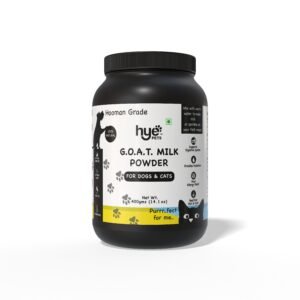 All Products
Goat Milk Powder for Dogs and Cats – 400g
Original price was: ₹1,298.86.₹733.96Current price is: ₹733.96. -
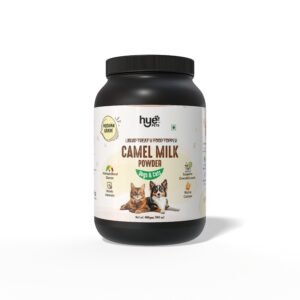 All Products
Camel Milk Powder For Dogs and Cats – 400g
Original price was: ₹1,499.75.₹499.00Current price is: ₹499.00. -
 All Products
Super Treats for Super Pets made with Goat Milk, Strawberry and Banana | 30g
Original price was: ₹325.00.₹308.75Current price is: ₹308.75. -
 All Products
Super Treats for Super Pets made with Goat Milk, Pumpkin and Banana | 30g
Original price was: ₹279.00.₹265.06Current price is: ₹265.06. -
 All Products
Super Treats for Super Pets made with Goat Milk, Carrot and Banana | 30g
Original price was: ₹279.00.₹265.06Current price is: ₹265.06. -
 All Products
Super Treats for Super Pets made with Goat Milk, Blueberry and Banana | 30g
Original price was: ₹325.00.₹308.75Current price is: ₹308.75. -
 All Products
Super Treats for Super Pets made with Camel Milk, Apple and Banana | 30g
Original price was: ₹279.00.₹265.06Current price is: ₹265.06. -
 All Products
Super Treats for Super Pets made Camel Milk, Beetroot and Banana | 30g
Original price was: ₹279.00.₹265.06Current price is: ₹265.06. -
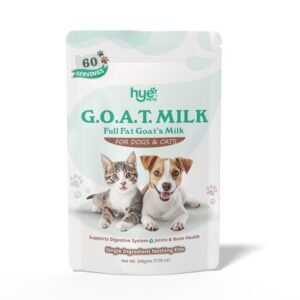 All Products
Goat Milk Powder for Dogs and Cats – 200g
Original price was: ₹698.99.₹657.05Current price is: ₹657.05. -
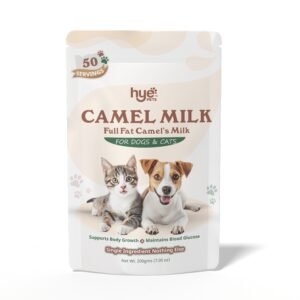 All Products
Camel Milk Powder For Dogs and Cats – 200g
Original price was: ₹748.99.₹704.05Current price is: ₹704.05. -
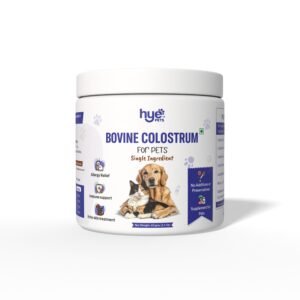 All Products
Bovine Colostrum for Dogs and Cats – 60g
Original price was: ₹1,199.10.₹333.00Current price is: ₹333.00.
- All Posts
- Blog
- Blogs
- Recipe
- Stories
- Trivia