
What if the changes you’ve noticed in your dog lately aren’t just typical signs of aging? It’s a quiet evening, and you realize you’ve already refilled the water bowl three times today. Your house-trained companion is suddenly pacing by the back door every hour, begging for extra treats, and yet, when you run your hands over their sides, their ribs feel a bit more prominent than usual. Many pet parents assume these subtle shifts are just harmless quirks or a natural part of growing older, delaying that crucial visit to the vet.
However, these seemingly minor changes can actually be the early signs of diabetes in dogs. Our canine companions rely entirely on us to read between the lines of their daily routines. Recognizing these shifts early can prevent a manageable condition from turning into a medical emergency, keeping your best friend happy and by your side.
Why Canine Diabetes Is on the Rise
It’s not just your imagination if it feels like you’re hearing about canine diabetes more often lately. Much like human health trends, our dogs are living longer than ever thanks to advancements in modern veterinary medicine. However, they are also facing a contemporary challenge rising rates of pet obesity.
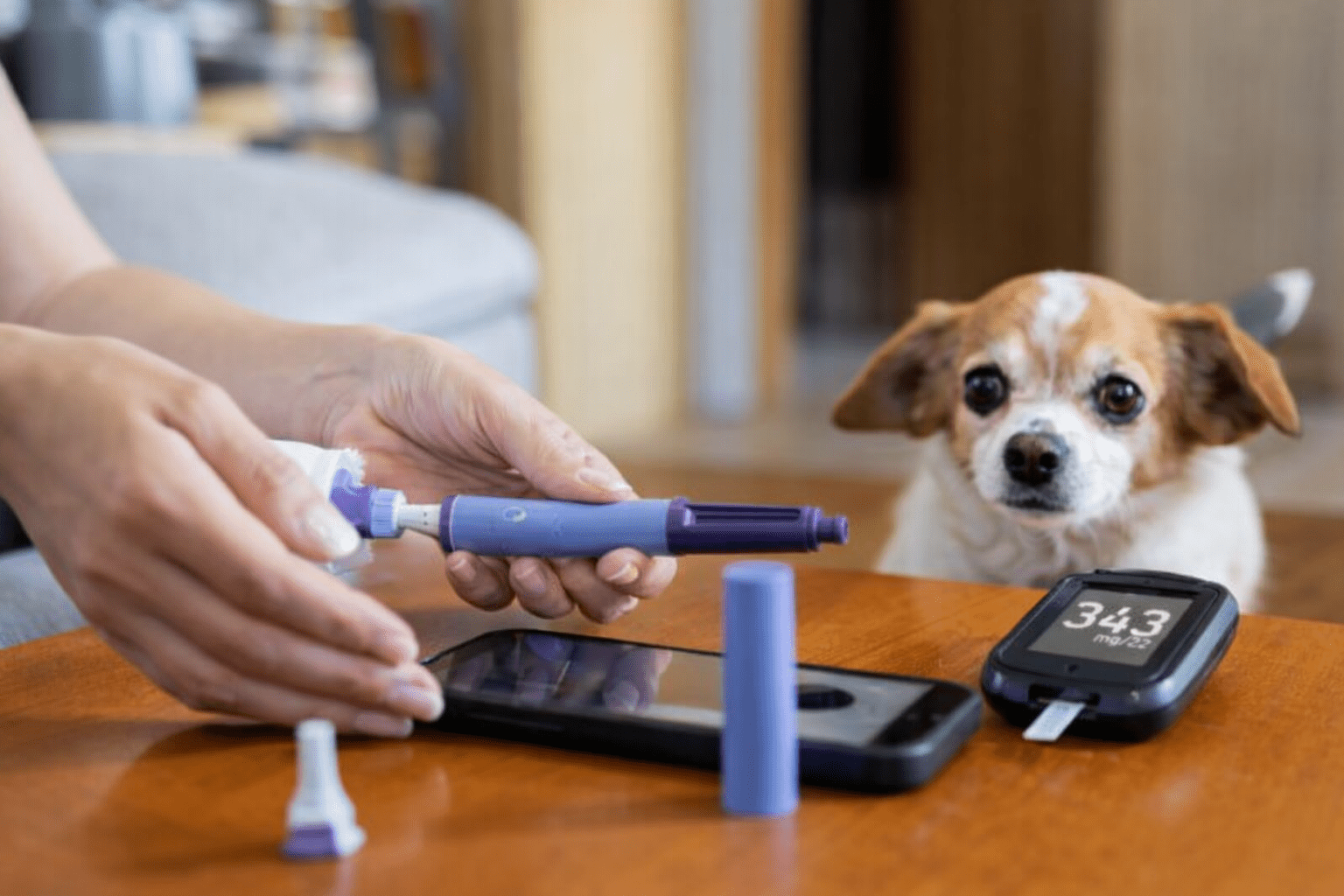
According to veterinary health tracking and insurance data, diabetes affects roughly 1 in every 300 dogs, and the diagnosed numbers have steadily trended upward over the last decade. This combination of longer lifespans and extra weight has made diabetes a much more common conversation in veterinary offices today. Fortunately, understanding the root of the condition can take away much of the fear surrounding it.
What Is Diabetes in Dogs?
If you’ve ever felt completely drained and hangry after missing a meal, you have a small window into what a dog dealing with diabetes feels all the time. Diabetes in dogs is essentially a breakdown in how the body uses its primary fuel, glucose (sugar). When your dog eats, their body breaks that food down into sugar, which enters the bloodstream. To get that sugar out of the blood and into the cells to create energy, the body needs a hormone called insulin.
Think of insulin as a key. In a healthy dog, the pancreas releases these keys to unlock the cells so the sugar can enter and provide strength. When a dog has diabetes, the pancreas either stops making these keys or the cells refuse to accept them. Because the cells remain locked, sugar builds up to dangerous levels in the bloodstream while the cells themselves are left starved for fuel. This lack of energy at the cellular level is what triggers every visible symptom you will notice at home.
Why Early Detection Is Critical
You won’t usually wake up one morning to a dog who is suddenly, obviously sick. Instead, diabetes tends to develop slowly, with symptoms creeping in so gradually that you simply adapt to them without realizing it. You might find yourself saying, Oh, Buddy just loves his water lately, or She’s just getting older and needs a few more naps.
The danger lies in that delay. When blood sugar levels go unchecked, the excess sugar begins to cause serious, irreversible internal damage. By catching it early, you can protect your pup from severe complications like rapid-onset blindness from cataracts or severe illness. Early diagnosis isn’t just about medicine, it’s about preserving the quality of the vibrant years you have left together.
10 Common Symptoms of Dog Diabetes
While individual changes can seem harmless on their own, dog diabetes symptoms quickly become concerning when several appear together. Here is what to look out for during your normal daily routine:
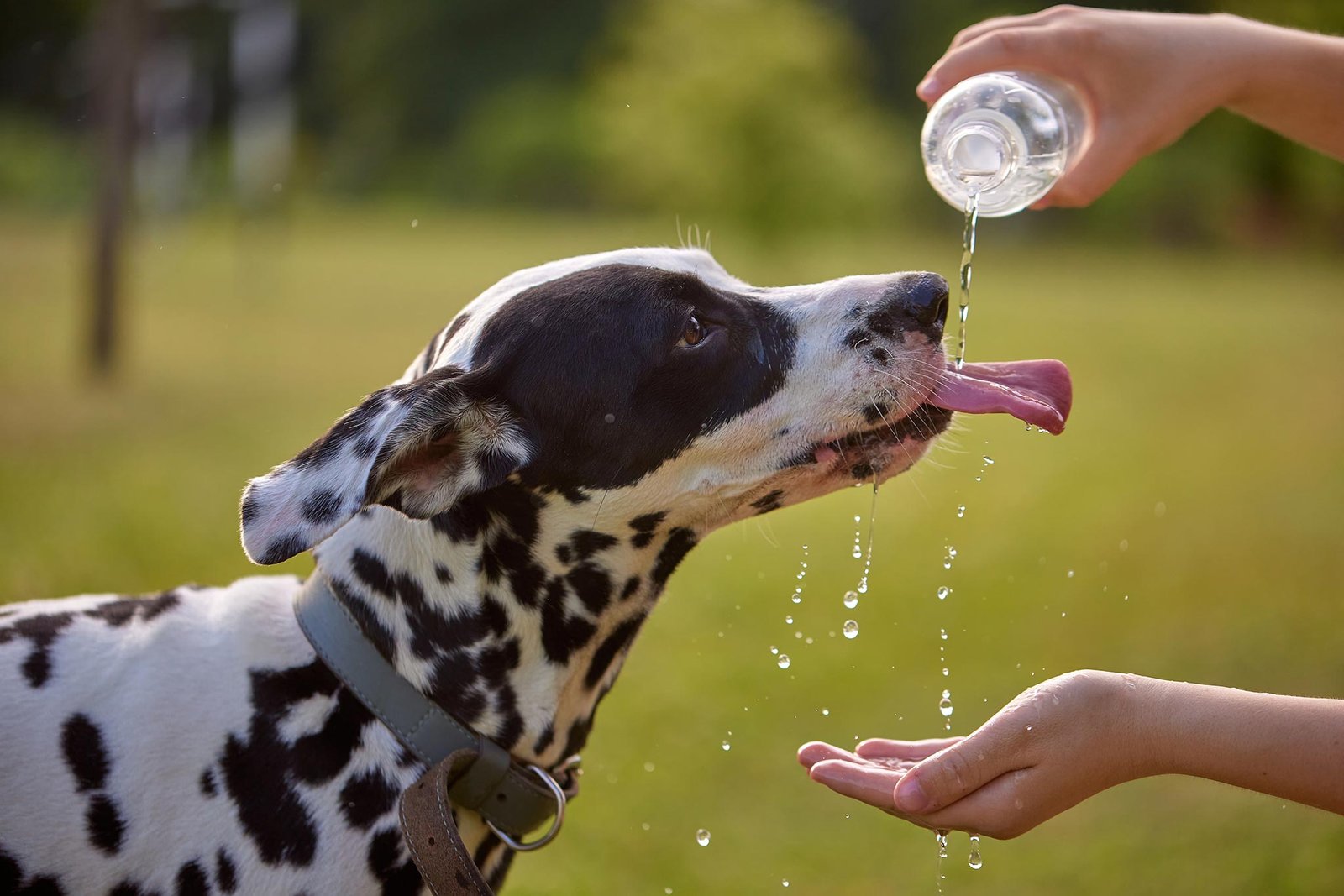
1. Drinking More Water Than Usual
You might find yourself refilling the bowl before work, after work, and before bed and still finding it bone-dry. The body is desperately trying to flush out the excess, unused sugar through the urine, which demands massive amounts of hydration.
2. More Frequent Urination
If your once-reliable companion is suddenly having accidents on the rug or nudging you at 3:00 AM to go out, pay attention. This is the direct result of that increased water intake.
3. Increased Appetite and Begging
Does your dog hover under the high chair or sprint to the kitchen the second they hear a food wrapper? Because their body cannot process the energy from their meals, their brain constantly tells them they are starving, no matter how much they actually eat.
4. Unexplained Weight Loss
It’s a strange paradox your dog is eating like a champion but looking thinner. One day, you may realize their spine or hips are becoming distinct because the body has begun breaking down its own fat and muscle stores to try to feed itself.
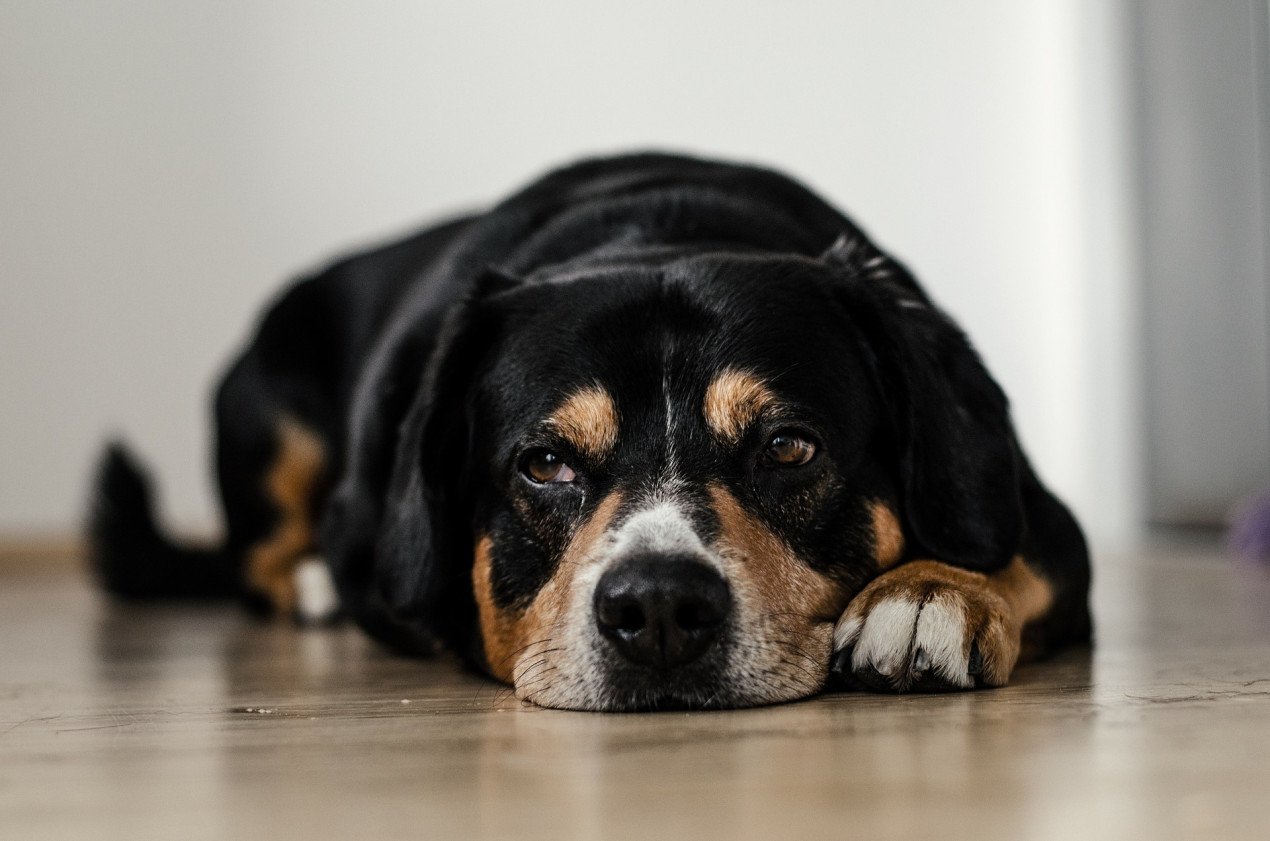
5. Lethargy and Low Energy
You might notice your dog no longer brings you their favorite toy, or they stop at the bottom of the stairs, looking up at you with tired eyes. Without basic fuel reaching their muscles, everyday activities simply become exhausting.
Note for Multi-Pet Homes: It can be easy to miss early symptoms if dogs share a water bowl. If you suspect changes, try separating their water or feeding times for a few days to monitor individual habits closely.
6. Cloudy or Hazy Eyes
When looking at your dog, you might notice their eyes look hazy, dim, or blue-tinted. High blood sugar in dogs quickly alters the fluid balance in the lens of the eye, leading to cataracts that can rapidly impair vision.
7. A Strange, Sweet Scent
If you lean in for a snuggle and notice your dog’s breath smells oddly like fruit or even nail polish remover, this is a major red flag. It’s a sign that the body is dangerously out of balance, and you should contact your vet immediately.
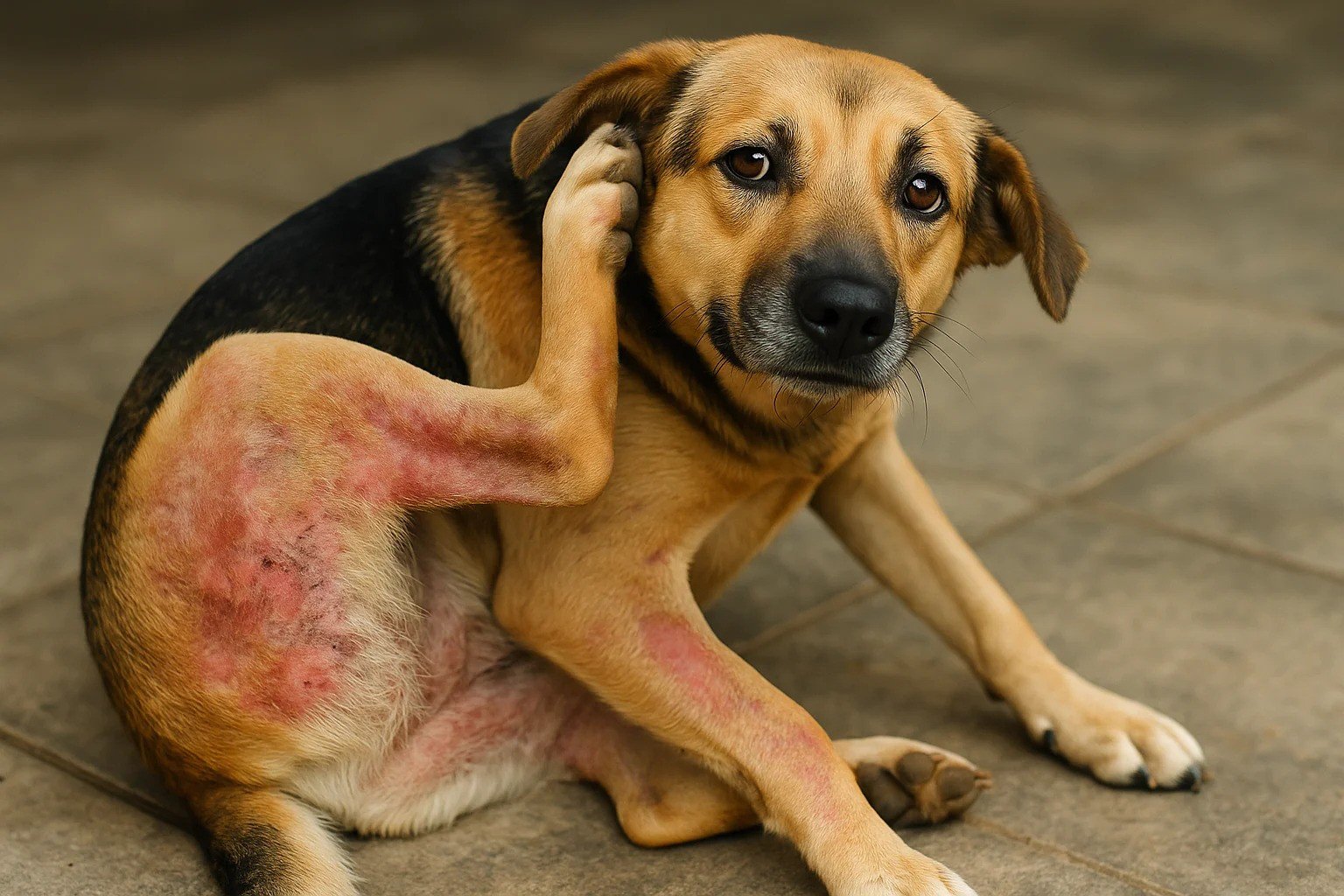
8. Recurring Skin and Urinary Infections
You might find yourself back at the clinic for yet another ear infection or a patch of itchy skin that won’t heal. Bacteria and yeast thrive on excess sugar, making a diabetic dog’s body the perfect environment for these issues to flare up.
9. A Dull, Flaky Coat
We all love that healthy, glossy fur. In a diabetic dog, the coat often becomes brittle, dry, and lackluster. You might notice significantly more hair on the furniture or skin that feels dry and thin to the touch.
10. Sudden Vomiting or Weakness
If your dog starts vomiting, becomes completely lethargic, or seems wobbly on their feet, the condition has become severe. This indicates a serious health crisis that requires an immediate trip to an emergency vet clinic.
Risk Factors: Which Dogs Are Most Vulnerable?
While it’s true that middle-aged and senior dogs develop diabetes most frequently, a dog’s lifestyle and breed history matter just as much as their age.
First and foremost, overweight or obese dogs face the highest risk. Just like in humans, carrying extra weight causes insulin resistance, making it incredibly difficult for the body to manage sugar properly. Keeping your dog at a healthy weight is one of the most effective ways to protect them.
Genetics also plays a role. If you own a Miniature Schnauzer, Poodle, Dachshund, or Beagle, they have a higher risk passed down through their breed. Female dogs who are not spayed also face a tougher road, as hormonal shifts can make blood sugar levels much harder to stabilize. Remember, risk factors simply mean you need to be a bit more vigilant they do not guarantee a diagnosis.
What to Expect During the Vet Visit
If any of this sounds like your dog, the What If? is always scarier than reality. Pet parents often worry that a diagnosis means an expensive, week-long hospital stay or painful testing. In reality, the path to getting answers is very gentle.
A vet visit for suspected diabetes usually feels like a standard check-up. The veterinary team will take a small blood sample and a urine sample much like a human physical. They are simply checking if the sugar levels in the blood are too high and if that sugar is spilling over into the urine. It’s a quick, painless answer that provides immediate relief because, finally, you know exactly what you’re dealing with.
Managing Diabetes and Long-Term Care
Can a diabetic dog live a happy life? Absolutely. The most important thing to realize is that diabetes treatment for dogs isn’t about fixing them it’s about finding a new daily rhythm. Successful management relies on three simple, core habits:
- Daily Insulin Injections: Given just under the skin after meals to give the body the keys it needs.
- A Consistent Diet: Feeding high-fiber food at fixed times to prevent sudden blood sugar spikes.
- Predictable Exercise: Keeping activity levels stable so your dog burns energy evenly every day.
At first, the idea of giving an injection or measuring every single meal feels overwhelming. But within a few weeks, it becomes as routine as brushing your teeth. With this consistent routine, most dogs go right back to their happy, tail-wagging selves. You’ll often find that the extra attention to their health leads to a deeper, more intentional bond than you ever had before.
Conclusion
Our dogs can’t tell us they feel off, but they show us every time they nudge the empty water bowl or struggle to get off the couch. By keeping a close eye on the most critical warning signs, excessive thirst, frequent urination, increased appetite, and unexplained weight loss you are acting as their strongest advocate.
Catching these subtle shifts early does more than prevent an emergency it preserves their daily joy, keeps their eyes bright, and protects their long-term quality of life. If your gut tells you something has changed in your dog’s routine, trust it. Your veterinarian is ready to help you navigate this next chapter, ensuring your best friend stays comfortable, happy, and active by your side for years to come.
-
 All Products
Goat Milk Powder for Dogs and Cats – 400g
Original price was: ₹1,298.86.₹733.96Current price is: ₹733.96. -
 All Products
Camel Milk Powder For Dogs and Cats – 400g
Original price was: ₹1,499.75.₹499.00Current price is: ₹499.00. -
 All Products
Super Treats for Super Pets made with Goat Milk, Strawberry and Banana | 30g
Original price was: ₹325.00.₹308.75Current price is: ₹308.75. -
 All Products
Super Treats for Super Pets made with Goat Milk, Pumpkin and Banana | 30g
Original price was: ₹279.00.₹265.06Current price is: ₹265.06. -
 All Products
Super Treats for Super Pets made with Goat Milk, Carrot and Banana | 30g
Original price was: ₹279.00.₹265.06Current price is: ₹265.06. -
 All Products
Super Treats for Super Pets made with Goat Milk, Blueberry and Banana | 30g
Original price was: ₹325.00.₹308.75Current price is: ₹308.75. -
 Out of stockAll Products
Super Treats for Super Pets made with Camel Milk, Apple and Banana | 30g
Original price was: ₹279.00.₹265.06Current price is: ₹265.06. -
 All Products
Super Treats for Super Pets made Camel Milk, Beetroot and Banana | 30g
Original price was: ₹279.00.₹265.06Current price is: ₹265.06. -
 Combos
Goat Milk Powder for Dogs and Cats – Combo Pack (2 x 400g)
Original price was: ₹3,065.28.₹1,680.32Current price is: ₹1,680.32. -
 All Products
Goat Milk Powder for Dogs and Cats – 200g
Original price was: ₹698.99.₹657.05Current price is: ₹657.05. -
 All Products
Goat Milk Powder and Freeze-Dried Goat Milk Treats Combo for Dogs and Cats
Original price was: ₹2,250.26.₹2,067.36Current price is: ₹2,067.36. -
 Combos
Goat Milk Powder and Camel Milk Calcium Bone for Dogs – Combo Pack
Original price was: ₹1,826.47.₹1,108.02Current price is: ₹1,108.02. -
 Combos
Goat Milk Powder and Bovine Colostrum Combo for Dogs & Cats
Original price was: ₹2,357.47.₹1,221.30Current price is: ₹1,221.30. -
 Goat Milk Treats
Goat Milk Dog Chews for Medium Dogs | Rawhide-Free Dental Treats | 2 Chews
Original price was: ₹449.01.₹422.01Current price is: ₹422.01. -
 Combos
Goat Milk and Camel Milk Chews Combo for Medium Dogs
Original price was: ₹1,118.64.₹1,019.52Current price is: ₹1,019.52. -
 Combos
Full Fat Goat Milk Powder for Dogs and Cats Combo Pack (2 x 200g)
Original price was: ₹1,649.64.₹1,509.22Current price is: ₹1,509.22. -
 Combos
Full Fat Goat Milk Powder and Bovine Colostrum Combo for Dogs and Cats
Original price was: ₹1,398.01.₹949.01Current price is: ₹949.01.
- All Posts
- Blog
- Blogs
- Recipe
- Stories
- Trivia