
It’s 6:30 AM on a Tuesday. You’re bleary-eyed, waiting for the coffee pot to finish brewing, when you feel it. Two warm, brown eyes are boring into the side of your face. A heavy chin gently rests on your knee, accompanied by a soft, hopeful tail thud against the kitchen cabinets.
It’s breakfast time. As you scoop food into the bowl, you find yourself doing the classic pet-parent mental math: Is this stuff actually good for him? Is he getting everything he needs to stay this energetic forever? Am I doing this right?

If you’ve ever stared down at your dog’s food bowl and felt a wave of anxiety, you are far from alone. Trying to find a truly healthy dog diet can feel like decoding a secret language amidst a sea of overwhelming noise. You open social media, and one influencer tells you grains are poison, while a commercial insists raw is the only way. You join a group online, and members claim you are harming your dog if you aren’t home-cooking organic turkey every morning. Then you read a news headline warning you about boutique fresh food delivery services.
It is exhausting, confusing, and frankly, terrifying. You are left wondering if your current food is quietly lacking an essential nutrient, or worse, actively harming your best friend’s long-term health. The fear of making the wrong choice of looking back years from now and wishing you had fed them differently is a heavy burden to carry.
But here’s the reassuring truth building a balanced diet for your dog doesn’t require a degree in biochemistry, nor does it mean turning your kitchen into a 24/7 culinary institute. It’s simply about understanding what your dog’s body actually needs so you can step away from the internet guilt, buy with confidence, and feed with love.
What Does Balance Actually Mean to Your Dog?
When veterinarians talk about canine nutrition, we tend to focus on numbers and percentages. But if you ask your dog, a balanced diet is simply the difference between a sluggish afternoon nap and having the stamina for a high-speed game of fetch.
True balance means your dog is getting all their required nutrients in the exact correct proportions relative to the calories they consume. Think of it like a perfectly tuned orchestra if the violin section plays just a little too loud, it ruins the entire symphony.
Let’s look at a real-world example of large-breed puppies like Great Danes or Labradors. If they get just a bit too much calcium in their food, it forces their bones to grow at a breakneck, unnatural speed. Their muscles and ligaments can’t keep up, leading to painful joint issues later in life. On the flip side, too little calcium leaves them with fragile bones.
Achieving balance isn’t about cramming as many vitamins as possible into a single bowl. It’s about creating a harmonious blend where nutrients work together quietly behind the scenes to unlock your dog’s absolute best quality of life.
The Essential Fuel: What’s Inside the Bowl?
When you look past the beautiful packaging, a great dog nutrition guide boils down to five core pillars. Here is what they actually look like in your dog’s daily life:

1. High-Quality Protein (The Muscle Builder)
Protein is what keeps that proud chest sturdy and those legs ready to spring into the car for a road trip. When your dog digests protein, their body breaks it down into amino acids to repair tissues and keep their immune defense sharp.
- On the label: You want to see real, identifiable whole meats like chicken, beef, turkey, lamb, or salmon leading the charge on the ingredient list. If a whole meat is the first item listed, you’re off to a fantastic start.
2. Healthy Fats (The Shiny Coat Secret)
If you want that gorgeous, velvety fur that everyone wants to pet at the dog park, look to the fats. Far from being a dietary villain, fat is your dog’s primary energy source. It keeps them moving during long weekend hikes and helps them absorb essential vitamins.
- The Power of Omegas: Omega-3 and Omega-6 fatty acids like fish oil or flaxseed act like an all-natural skin booster. If you’ve ever owned a dog who constantly chews their paws or scratches itchy skin, proper fat ratios are often the missing puzzle piece that soothes that irritation from the inside out.
3. Smart Carbohydrates (The All-Day Energy)
Despite the anti-carb trends floating around social media, high-quality carbohydrates are wonderful for dogs. Imagine your dog chasing a tennis ball carbs provide the clean, readily available energy for that sprint, which allows their body to save precious protein for muscle maintenance rather than burning it off as raw fuel.
- The Gut Health Bonus: Carbs bring fiber to the equation. Ingredients like sweet potatoes, oats, and pumpkin feed the good bacteria in your dog’s gut. In short, it means fewer emergency midnight bathroom trips for them and much easier yard cleanup for you.
4. Vitamins & Minerals (The Unsung Heroes)
These are the tiny molecules doing massive behind-the-scenes work. You won’t see immediate changes from them, but a lack of them causes problems down the line. Calcium and phosphorus team up to keep teeth and bones strong, Vitamin A preserves that sharp night vision for evening walks, and Vitamin E ensures their immune system can fight off seasonal bugs.
5. Water (The Source of Life)
It sounds basic, but hydration runs the entire show from cooling your dog down on hot summer days to flushing toxins out of their system. A good rule of thumb is that a healthy dog should drink roughly 30 to 60 ml of water per kilogram of body weight each day. If you notice your dog suddenly hitting the water bowl twice as much as usual, it’s often their body’s first way of signaling a change in their internal health.

A Day in the Life: Balanced Nutrition in Action
To see how these nutrients translate into everyday energy, let’s follow a typical day for an adult dog named Buster.
- 7:00 AM (The Morning Fuel): Buster happily polishes off his breakfast kibble. Within an hour, those smart carbohydrates are fully digested, turning into a steady stream of clean energy. When you grab his leash for the morning walk, he’s alert, ears up, and ready to explore the neighborhood with plenty of stamina.
- 12:00 PM (The Snooze and Repair): While Buster stretches out in his favorite sunny spot on the living room rug, his body is quietly doing maintenance. The proteins from his breakfast are busy repairing his muscles after that morning game of fetch, while healthy fats work to keep his skin hydrated, supple, and flake-free.
- 6:00 PM (Dinner & Overnight Support): Buster enjoys his evening meal. As he winds down for the night, essential vitamins and minerals are absorbed to keep his immune system sharp and his bones strong. Meanwhile, the natural fiber from ingredients like pumpkin or oats ensures his stomach stays settled, setting him up for a peaceful night’s sleep and a healthy start to the next morning.
The Changing Menu: Feeding Through the Life Stages
Just like humans wouldn’t eat baby formula our entire lives, our dogs need their menus to evolve as they grow from clumsy, floppy-eared puppies into wise, silver-muzzled seniors.
Puppies: The Construction Zone
Puppies aren’t just growing they are building a body from scratch at an unbelievable speed. Because of this, their metabolic engines run incredibly hot.
- A Real-Life Example: Imagine a 4-month-old Golden Retriever puppy. They need a highly concentrated, calorie-dense food packed with extra protein and fat to fuel their playful, chaotic energy. Feeding an adult dog formula to a puppy is like trying to build a brick house without enough mortar they simply won’t have the structural integrity they need for their adult years.
Adult Dogs: The Golden Mean
Once your pup hits their adult years anywhere from 12 to 24 months, depending on size, their growth stops, and their metabolic needs level off. Now, the goal is all about maintaining a lean, healthy weight.
- A Real-Life Example: A cozy, couch-loving Bulldog who spends most of her day snoozing on the rug needs a drastically different calorie count than an active Australian Shepherd who runs three miles a day with their owner. Matching the food portions to their actual lifestyle prevents the slow creep of weight gain.
Senior Dogs: Cozying Into the Golden Years
When those beautiful gray hairs start appearing around your dog’s muzzle, their internal processing slows down. Senior dogs generally need fewer calories because they move a bit less, but they require highly digestible proteins alongside plenty of joint-supporting nutrients.

- A Real-Life Example: If your older Labrador is starting to hesitate before jumping onto the couch or stepping into the car, a senior-specific formula with added glucosamine and chondroitin can make a world of difference in their daily comfort and mobility.
Decoding the Back of the Bag: How to Shop Like an Expert
The front of a dog food bag is designed by marketers to make you feel emotional. Pictures of pristine running rivers and perfectly carved chicken breasts are nice, but the back of the bag is where the truth lives. Here is how to read a label without getting a headache:
- The First Ingredient Rule: Ingredients are listed by weight before they are cooked. You always want to see a clearly named animal protein like chicken or salmon right at the top. If the first ingredient is a vague term like grain by-products or just meat, keep walking.
- The AAFCO Stamp of Approval: This is your golden ticket. Look for a small statement on the back or side of the packaging that mentions the food meets the nutritional levels established by the Association of American Feed Control Officials (AAFCO). This tells you the food is scientifically proven to be a complete and balanced daily meal.
- Matching the Life Stage: Make sure the bag explicitly matches your dog’s current age group. All Life Stages formulas are acceptable, but a food specifically tailored for Adult Maintenance or Senior Care will always give your specific dog a more precise nutritional match.
Let’s Talk About Those Trendy Diets
Step onto any pet forum, and you’ll find passionate debates about how we should feed our dogs. Let’s take a deep breath, step away from the hype, and look at the facts behind the three biggest trends in canine nutrition today.
1. The Grain-Free Movement
Marketing campaigns love to tell us that dogs are essentially wild wolves who shouldn’t eat grains. The reality is that dogs have evolved alongside humans for thousands of years, developing the ability to digest grains perfectly well. True grain allergies are incredibly rare dogs are much more likely to be allergic to beef or dairy.
Furthermore, veterinary cardiologists continue to investigate a potential link between certain boutique grain-free diets that swap grains for massive amounts of peas, lentils, or legumes and a serious heart condition called dilated cardiomyopathy (DCM). Unless your vet gives you a specific medical reason to avoid grains, they are entirely safe, healthy, and energy-dense.
2. Raw Feeding (The BARF Diet)
Proponents love raw meat, bones, and organs because it mimics an ancestral diet, promising shinier coats and smaller stools. While fans report positive visual results, raw feeding carries significant risks. Major veterinary organizations worldwide discourage it due to the very real risk of bacterial contamination (e.g., Salmonella and E. coli). This doesn’t just put your dog at risk it poses a health hazard to the human family members who wash the bowls or handle the food. It’s also remarkably difficult to get the precise vitamin and mineral ratios correct at home without expert formulation.
3. Fresh Food Delivery Services
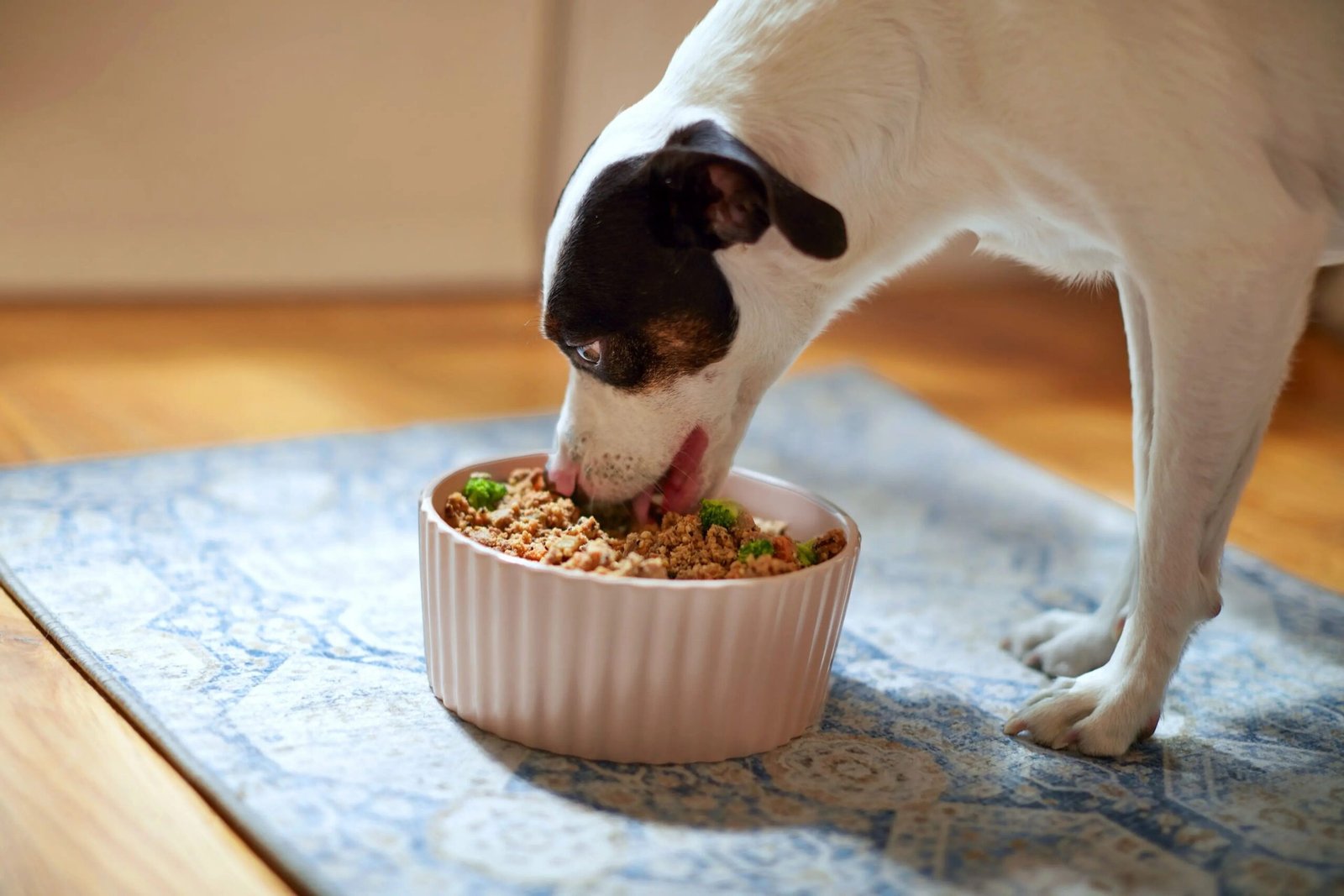
This option features gently cooked, human-grade food delivered in pre-portioned packs straight to your doorstep. For many pet parents, this offers an excellent balance between the convenience of commercial diets and the appeal of fresh, whole-food ingredients. Because the food is cooked, the risk of harmful pathogens is minimized while remaining highly palatable. It can be a wonderful option for notoriously picky eaters or pups with sensitive stomachs, just ensure the company employs a board-certified veterinary nutritionist to properly balance their recipes.
Kibble vs. Home Cooking: Finding Your Comfort Zone
Should you open a bag or fire up the stove? There is no wrong answer here, as long as you know the ground rules of a proper dog feeding guide.
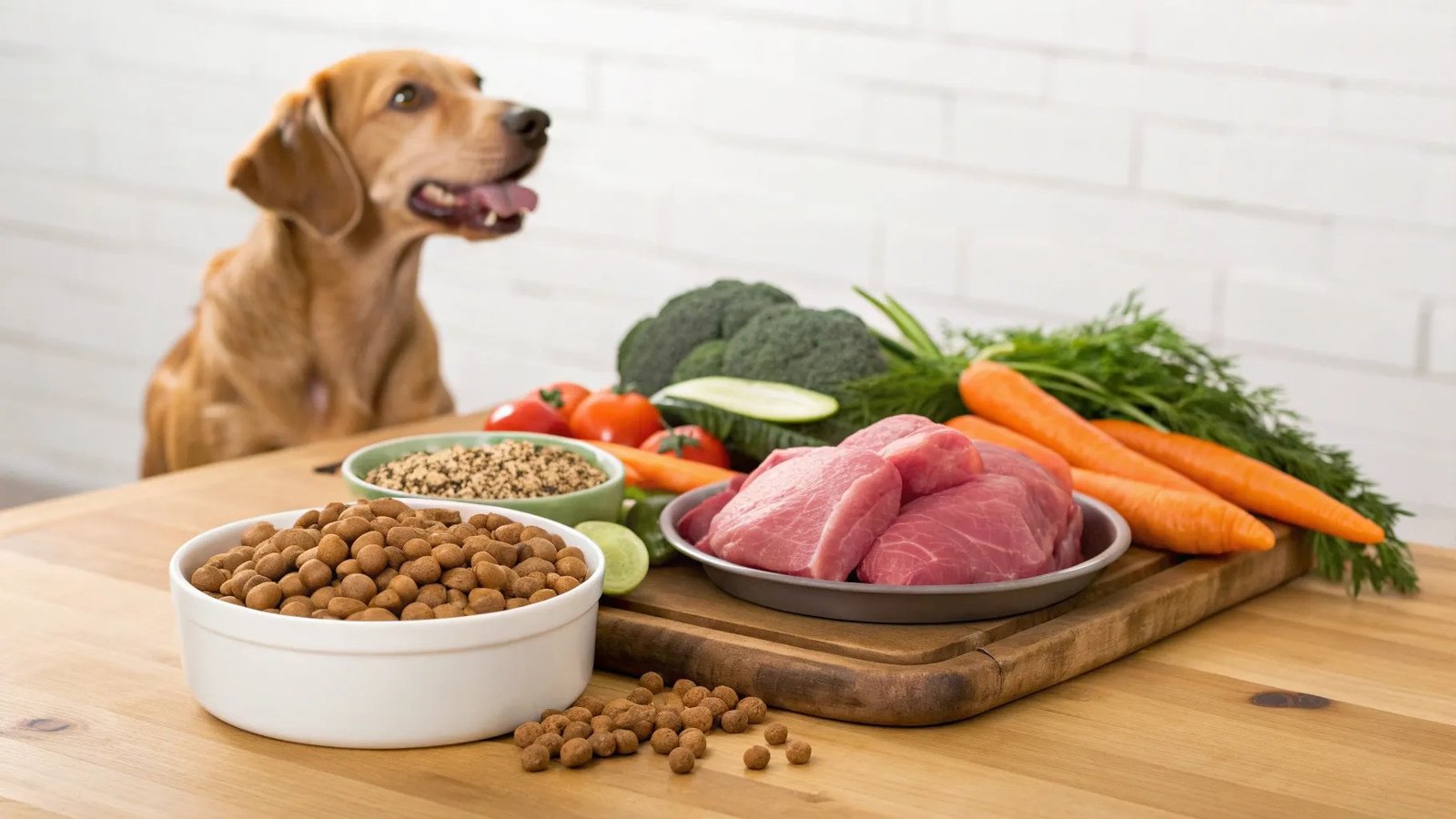
- The Commercial Route (Kibble & Canned): There is absolutely no shame in feeding commercial food. It is affordable, incredibly convenient, shelf-stable, and guaranteed to be balanced if it carries that AAFCO seal. The only downside is that it is highly processed, meaning you have to do a little research to find brands using top-tier ingredients.
- The Homemade Route: Cooking your dog’s meals from scratch gives you total control over every single ingredient, which is a massive blessing for dogs dealing with severe, complex food allergies. However, peer-reviewed veterinary studies show that the vast majority of homemade dog food recipes found on the internet are dangerously deficient in long-term nutrients.
The Golden Rule: If you want to cook for your dog at home, please skip the Pinterest recipes. Work directly with a veterinary nutritionist to build a customized, safe recipe sheet. Your dog’s liver, kidneys, and bones will thank you down the road.
Is the Current Diet Working? How to Listen to Your Dog’s Body
Your pup can’t walk up to you and verbally explain that their food is missing a key vitamin or causing subtle inflammation. Instead, they tell you through their behavior, their energy, and their physical appearance. Knowing how to read these signs is the ultimate tool for any pet parent.
Signs of an Ideal Balance
When a diet is firing on all cylinders, it shows. Your dog will have stable energy throughout the day rather than intense hyperactive bursts followed by total exhaustion. Their skin will be calm not constantly itchy or covered in hot spots and their coat will have a natural sheen. Digestion will be a non-issue, characterized by small, firm, and easily sweepable stools.
Red Flags That Signal a Change is Needed
If the nutritional harmony is off balance, your dog’s body will slowly start flashing warning lights. Keep an eye out for these common signs of dietary distress:
- The Lackluster Coat: Dry, brittle fur, heavy off-season shedding, and persistent dandruff usually mean they aren’t absorbing enough essential fatty acids or zinc.
- Chronic Gastrointestinal Issues: Frequent flatulence, a rumbling stomach, regular bouts of soft stool, or vomiting are clear indicators that the current ingredient blend isn’t agreeing with their digestive tract.
- Unexplained Weight Fluctuations: Dropping weight despite eating normal amounts can point to poor nutrient absorption, while a rapid upward creep suggests too many empty filler calories.
Hands-On Health: Checking Your Dog’s Body Condition Score
While keeping an eye on your dog’s fur and energy levels is great, the easiest way to monitor their nutritional health day-to-day is by tracking their physical shape. In veterinary medicine, we use a 1-to-9 scale called the Body Condition Score (BCS) to evaluate a dog’s fat reserves.
You don’t need veterinary equipment to do this. You can easily assess your dog at home right now using two simple checks:
- The Rib Check (Hands-On): Place both of your thumbs on your dog’s spine and let your fingers spread out across their rib cage. You should be able to easily feel each rib under a thin layer of skin and fat, without having to press firmly. If the ribs feel like the knuckles on the back of your hand when you make a fist, your dog is likely underweight. If they feel like your knuckles when your hand is flat, that’s ideal. If they feel like the palm of your hand, your dog is carrying too much weight.
- The Profile Check (Visual): Stand directly above your dog while they are standing up. You should see a clear, smooth indentation behind their rib cage, creating a distinct waistline. Next, kneel beside them and look at them from the side. Their stomach should slope upward from the end of the rib cage toward their back legs. This is called an abdominal tuck.
A dog with a straight baseline from chest to hips or a visible downward bulge is over their ideal weight. Keeping your dog at an ideal BCS typically a 4 or 5 out of 9 can extend their lifespan by up to two years and drastically reduce the risk of early-onset arthritis.

4 Common Feeding Blunders We All Make
We’ve all been there giving in to those big, soulful puppy eyes is the easiest thing in the world. But to keep your dog’s health on track, try to steer clear of these hidden traps:
- The Eyeball Method: Grabbing a random coffee mug and scoops out kibble makes it incredibly easy to accidentally overfeed your dog. Over time, those extra kibbles stack up, leading to canine obesity, which puts massive stress on their heart and joints.
- Too Much Love (In the Form of Treats): It feels great to reward our pups, but treats, biscuits, and human food scraps should never make up more than 10% of their daily calories. The other 90% must come from their balanced food, or you risk diluting their daily vitamin intake.
- The Countertop Danger Zone: Always double-check that your kitchen counters are clear of foods that are perfectly healthy for you but toxic to them. Never share anything containing chocolate, grapes or raisins which cause sudden kidney failure, onions, or xylitol a sugar substitute often found in peanut butter that can cause a fatal blood sugar drop.
5 Practical Habits for a Healthier Mealtime
You don’t need to reinvent the wheel to upgrade your dog’s routine. Try integrating these five simple, stress-free habits into your day:
- Switch to a Scale: Ditch the plastic scoop and buy a cheap digital kitchen scale. Weighing your dog’s food in grams takes five seconds and is shockingly more accurate than trying to eye a measuring cup line.
- The Daily Dishwash: Dog bowls get lined with a clear biofilm of bacteria incredibly fast. Give their food and water dishes a quick scrub with hot, soapy water every single day.
- Ditch the Boredom: Dogs love to work for their food! Instead of serving dinner in a plain silver bowl, try stuffing it into a puzzle toy, scattering it on a snuffle mat, or freezing it inside a rubber KONG toy. It slows down fast eaters and gives their brains a wonderful mental workout.
- Keep a Consistent Routine: Feeding your adult dog at the same times every day keeps their digestive tract predictable and prevents the anxious begging that happens when meal times are a mystery.
- Take Notes: Keep a small note on your phone tracking the brand of food your dog eats, their stool consistency, and their weight. If you ever need to visit the vet for a stomach issue, this timeline is pure gold.
Established Pet Nutrition Resources
To learn more about canine nutrition guidelines or to verify your dog’s diet, consult these major veterinary authorities:
- AAFCO (Association of American Feed Control Officials): Establishes the standard nutritional profiles for complete and balanced pet foods.
- WSAVA (World Small Animal Veterinary Association): Offers excellent global nutrition toolkits and guidelines for pet parents assessing commercial food brands.
- AVMA (American Veterinary Medical Association) & AAHA (American Animal Hospital Association): Provide evidence-based resources and position statements on popular feeding practices, raw diets, and general preventative healthcare.
Closing the Loop on the Morning Routine
Let’s circle back to that quiet, Tuesday morning scene in your kitchen. The coffee pot is finally quiet, your dog’s chin is resting trustingly on your knee, and you are holding the food scoop over the bowl.
The next time you find yourself in that moment, you can step away from the uncertainty of conflicting online trends. You don’t need to overcomplicate things or worry if your choices measure up to an unreachable standard. You now know exactly what to look for in a foundation built on reliable, verified nutritional science, high-quality proteins, healthy fats, and that small, essential AAFCO statement on the back of the bag.
When you lower that bowl to the floor, you can do so with confidence. By tracking their body condition at home, watching for physical cues, and partnering openly with your veterinarian, you can handle your dog’s dietary choices with complete clarity. Take a close look at your dog’s food bag tonight, check their physical profile on your next walk, and take comfort in knowing that you are making informed, practical decisions for their long-term health.
-
 All Products
Goat Milk Powder for Dogs and Cats – 400g
Original price was: ₹1,298.86.₹733.96Current price is: ₹733.96. -
 All Products
Camel Milk Powder For Dogs and Cats – 400g
Original price was: ₹1,499.75.₹499.00Current price is: ₹499.00. -
 All Products
Super Treats for Super Pets made with Goat Milk, Strawberry and Banana | 30g
Original price was: ₹325.00.₹308.75Current price is: ₹308.75. -
 All Products
Super Treats for Super Pets made with Goat Milk, Pumpkin and Banana | 30g
Original price was: ₹279.00.₹265.06Current price is: ₹265.06. -
 All Products
Super Treats for Super Pets made with Goat Milk, Carrot and Banana | 30g
Original price was: ₹279.00.₹265.06Current price is: ₹265.06. -
 All Products
Super Treats for Super Pets made with Goat Milk, Blueberry and Banana | 30g
Original price was: ₹325.00.₹308.75Current price is: ₹308.75. -
 Out of stockAll Products
Super Treats for Super Pets made with Camel Milk, Apple and Banana | 30g
Original price was: ₹279.00.₹265.06Current price is: ₹265.06. -
 All Products
Super Treats for Super Pets made Camel Milk, Beetroot and Banana | 30g
Original price was: ₹279.00.₹265.06Current price is: ₹265.06. -
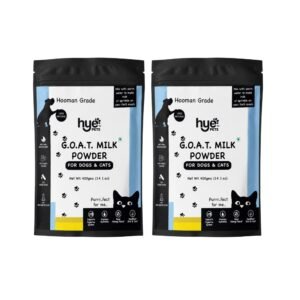 Combos
Goat Milk Powder for Dogs and Cats – Combo Pack (2 x 400g)
Original price was: ₹3,065.28.₹1,680.32Current price is: ₹1,680.32. -
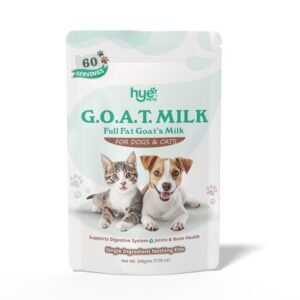 All Products
Goat Milk Powder for Dogs and Cats – 200g
Original price was: ₹698.99.₹657.05Current price is: ₹657.05. -
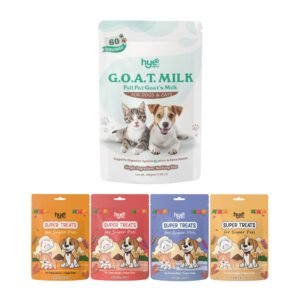 All Products
Goat Milk Powder and Freeze-Dried Goat Milk Treats Combo for Dogs and Cats
Original price was: ₹2,250.26.₹2,067.36Current price is: ₹2,067.36. -
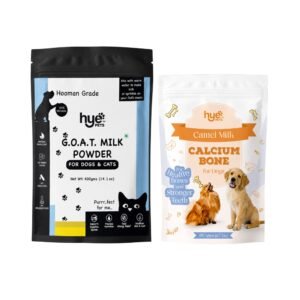 Combos
Goat Milk Powder and Camel Milk Calcium Bone for Dogs – Combo Pack
Original price was: ₹1,826.47.₹1,108.02Current price is: ₹1,108.02. -
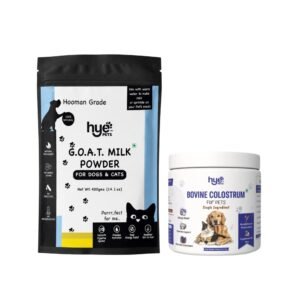 Combos
Goat Milk Powder and Bovine Colostrum Combo for Dogs & Cats
Original price was: ₹2,357.47.₹1,221.30Current price is: ₹1,221.30. -
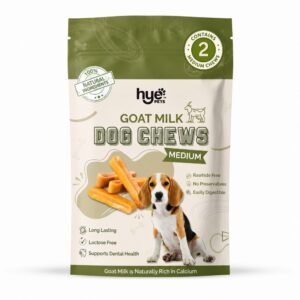 Goat Milk Treats
Goat Milk Dog Chews for Medium Dogs | Rawhide-Free Dental Treats | 2 Chews
Original price was: ₹449.01.₹422.01Current price is: ₹422.01. -
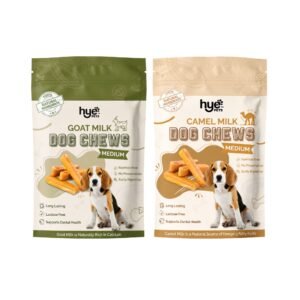 Combos
Goat Milk and Camel Milk Chews Combo for Medium Dogs
Original price was: ₹1,118.64.₹1,019.52Current price is: ₹1,019.52. -
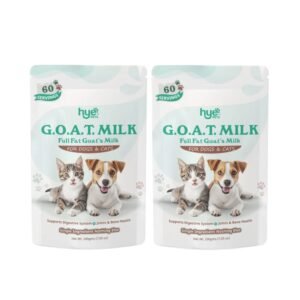 Combos
Full Fat Goat Milk Powder for Dogs and Cats Combo Pack (2 x 200g)
Original price was: ₹1,649.64.₹1,509.22Current price is: ₹1,509.22. -
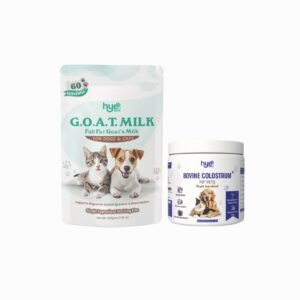 Combos
Full Fat Goat Milk Powder and Bovine Colostrum Combo for Dogs and Cats
Original price was: ₹1,398.01.₹949.01Current price is: ₹949.01.
- All Posts
- Blog
- Blogs
- Recipe
- Stories
- Trivia