Have you ever caught someone watching their dog struggle to get off the rug and noticed that quiet, heart-tugging realization in their eyes? It’s the moment we all dread realizing the forever puppy is officially a senior. But the silvering of a muzzle doesn’t mean the adventures have to end. In fact, senior dog health is simply a new, deeper chapter of companionship.
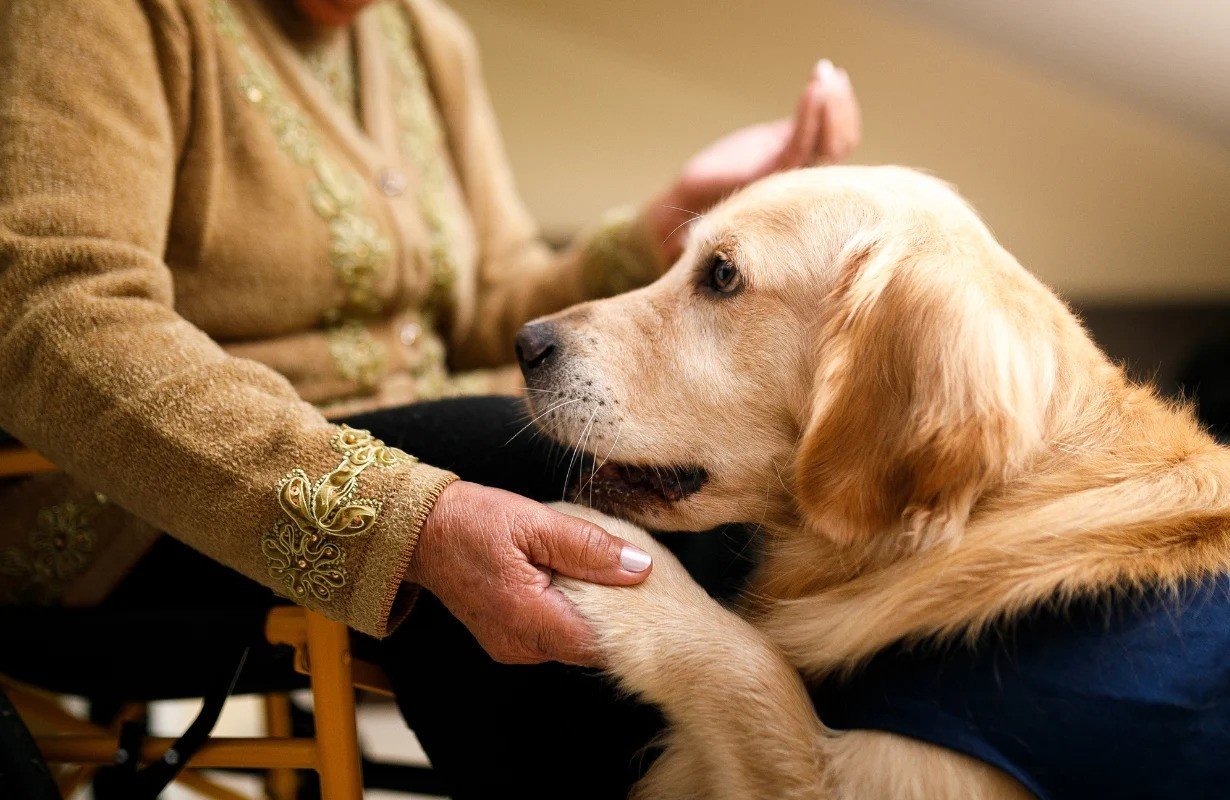
While an older dog might not be sprinting for frisbees like they used to, keeping them vibrant is all about strategy and a whole lot of love. Transitioning into senior dog care isn’t about managing a decline, it’s about optimizing their comfort and honoring the years of loyalty they’ve given. Experts agree that with a few proactive tweaks, these golden years can be some of the most rewarding.
Signs the Golden Years Have Arrived
It usually starts with the little things. Maybe the zoomies are shorter, or that distinguished gray fur is creeping up from the chin to the ears. Most dogs hit the senior category between age 7 and 10, depending on their size larger breeds tend to get there a bit faster than the little guys.
Recognizing aging dog signs early allows for much better preventative care. Common senior dog symptoms to watch for include:
- Joint Stiffness: Looking a bit creaky after a long nap or on chilly mornings.
- Weight Fluctuations: A metabolism that’s decided to take a permanent vacation.
- Cloudy Eyes: A slight bluish tint that can affect their night vision.
- Behavioral Shifts: Napping more during the day or acting a bit more velcro-like than usual.
Noticing these older dog health changes is simply nature’s way of saying it’s time to start looking at their routine through a more supportive lens.
Fueling the Senior Engine: Better Nutrition
Think of a senior dog’s body like a classic car. It needs higher-quality fuel and a bit more frequent maintenance. As activity levels drop, a senior dog diet needs to be calorie-conscious to prevent obesity, the number one enemy of aging joints.
The best food for older dogs usually includes:
- Glucosamine and Chondroitin: Essential for maintaining healthy cartilage.
- Omega-3 Fatty Acids: To fight inflammation and keep that coat shiny.
- High-Quality Proteins: To keep muscle mass from wasting away without overtaxing the kidneys.
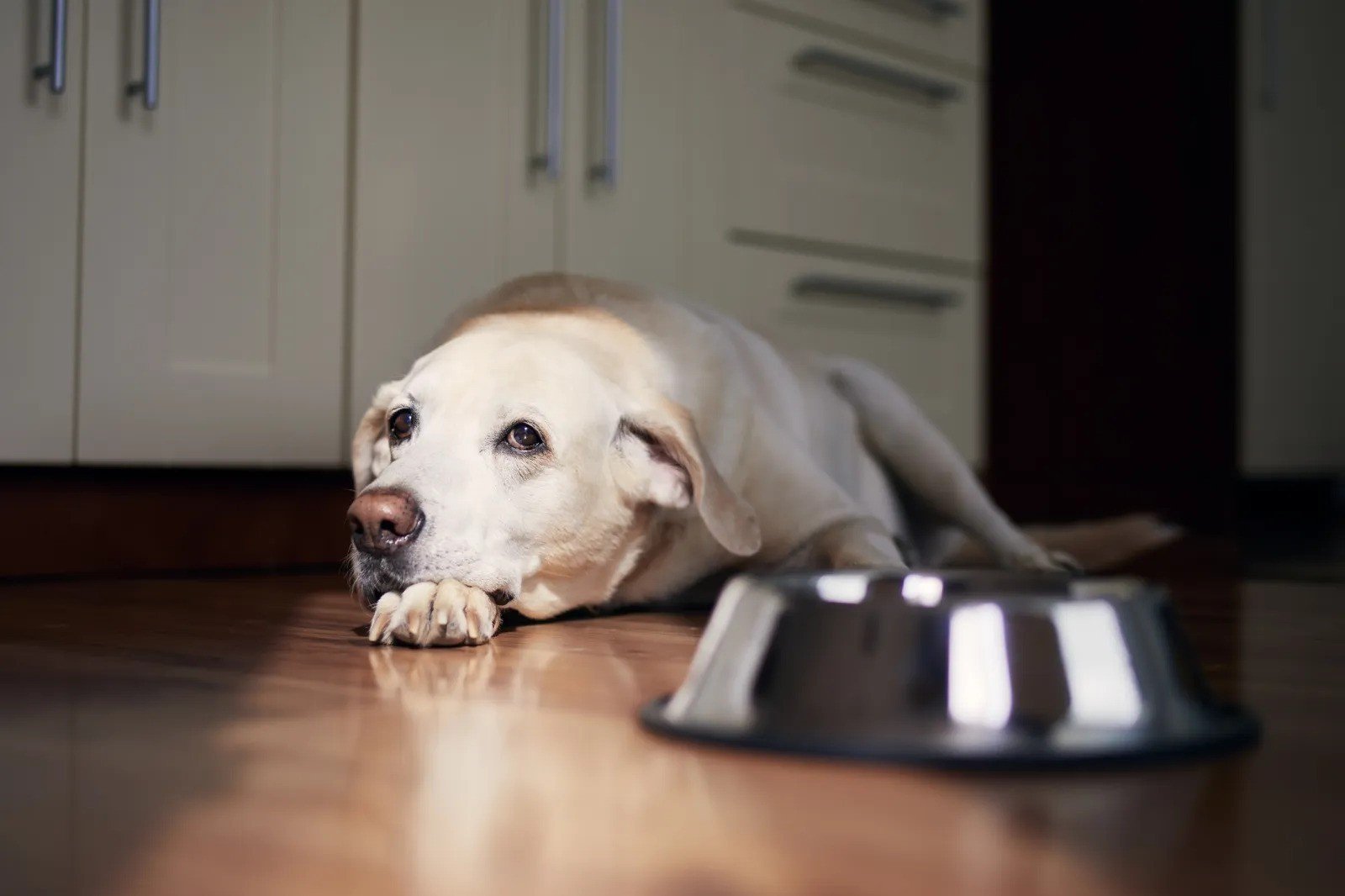
A Pro Tip for Aging Appetites: If a dog is getting pickier, many experts suggest adding a splash of raw goat milk. It’s often called “universal milk” because it’s incredibly easy on the digestive system, packed with probiotics, and adds moisture that’s great for the kidneys. A little goat milk or warm bone broth can unlock the aroma of their food, making it much more tempting for a senior nose.
Movement is Medicine: Low-Impact Fun
The weekend warrior hikes might be in the rearview mirror, but movement is still medicine. If an older dog stops moving, their joints tend to lock up. The trick to keeping older dogs active is focusing on low-impact, high-reward movement.
- The Sniffari: Instead of a power walk, let the dog lead. A 15-minute walk where they sniff every blade of grass is more tiring and more rewarding than a two-mile jog.
- Swimming: This is the gold standard of exercise for senior dogs. It builds muscle without putting an ounce of pressure on achy hips.
- Gentle Play: Short bursts of tug-of-war or soft-toy fetching are better than long, repetitive sessions.
Keeping the Spark Alive: Mental Health
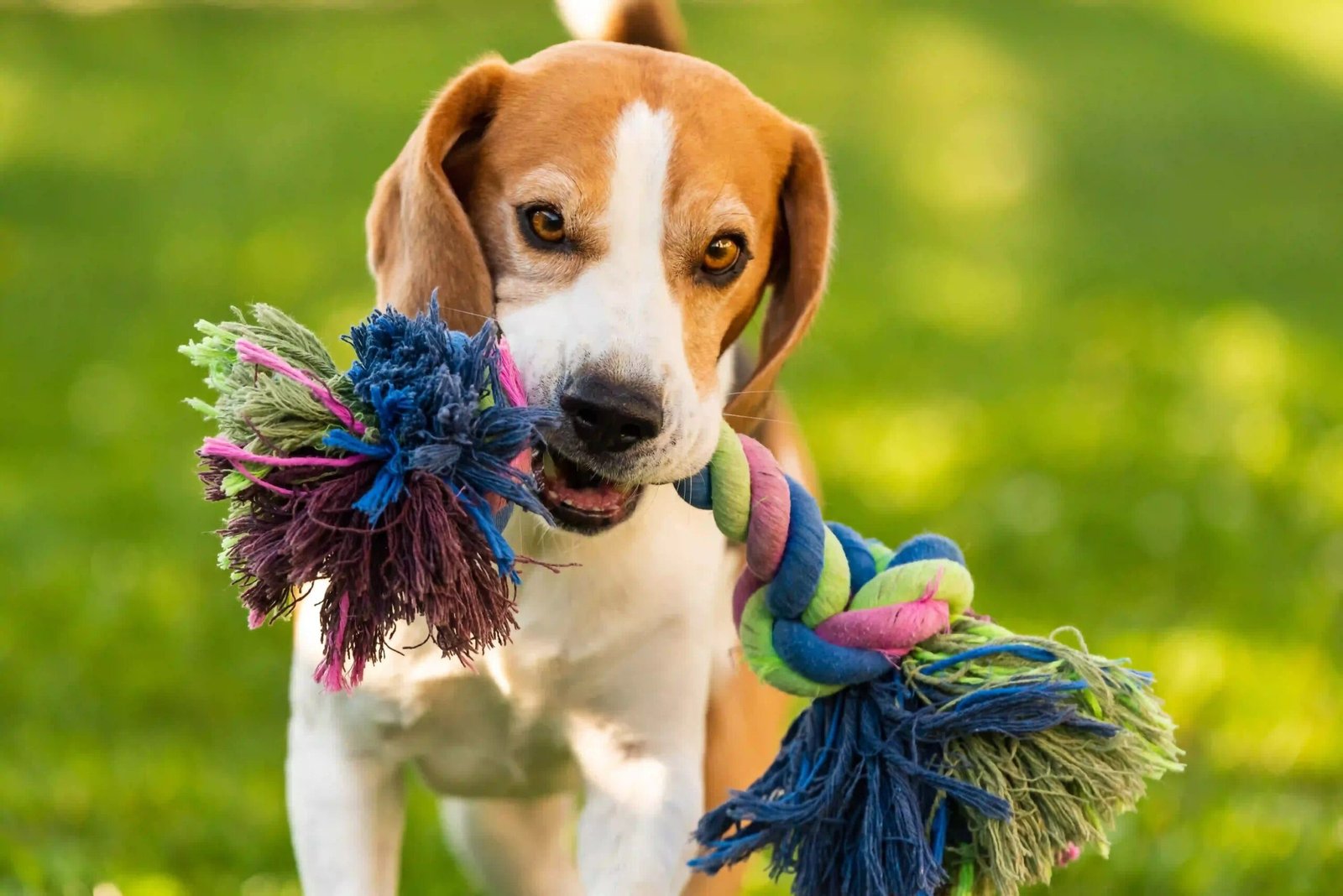
A bored senior dog can quickly become a depressed one. Senior dog mental health is vital for staving off cognitive decline. To keep their gears turning, experts suggest:
- Puzzle Toys: Making them hunt for snacks to keep problem-solving skills sharp.
- Scent Games: Hiding high-value treats around the living room to engage their strongest sense.
- New Environments: Even a slow stroll in a new neighborhood provides fresh mental stimulation that keeps them alert.
Why Seniors Need More Frequent Vet Visits
In the younger years, the vet is for shots and the occasional “what did they eat now?” visit. For an older pup, senior dog veterinary care should shift to a twice-yearly schedule.
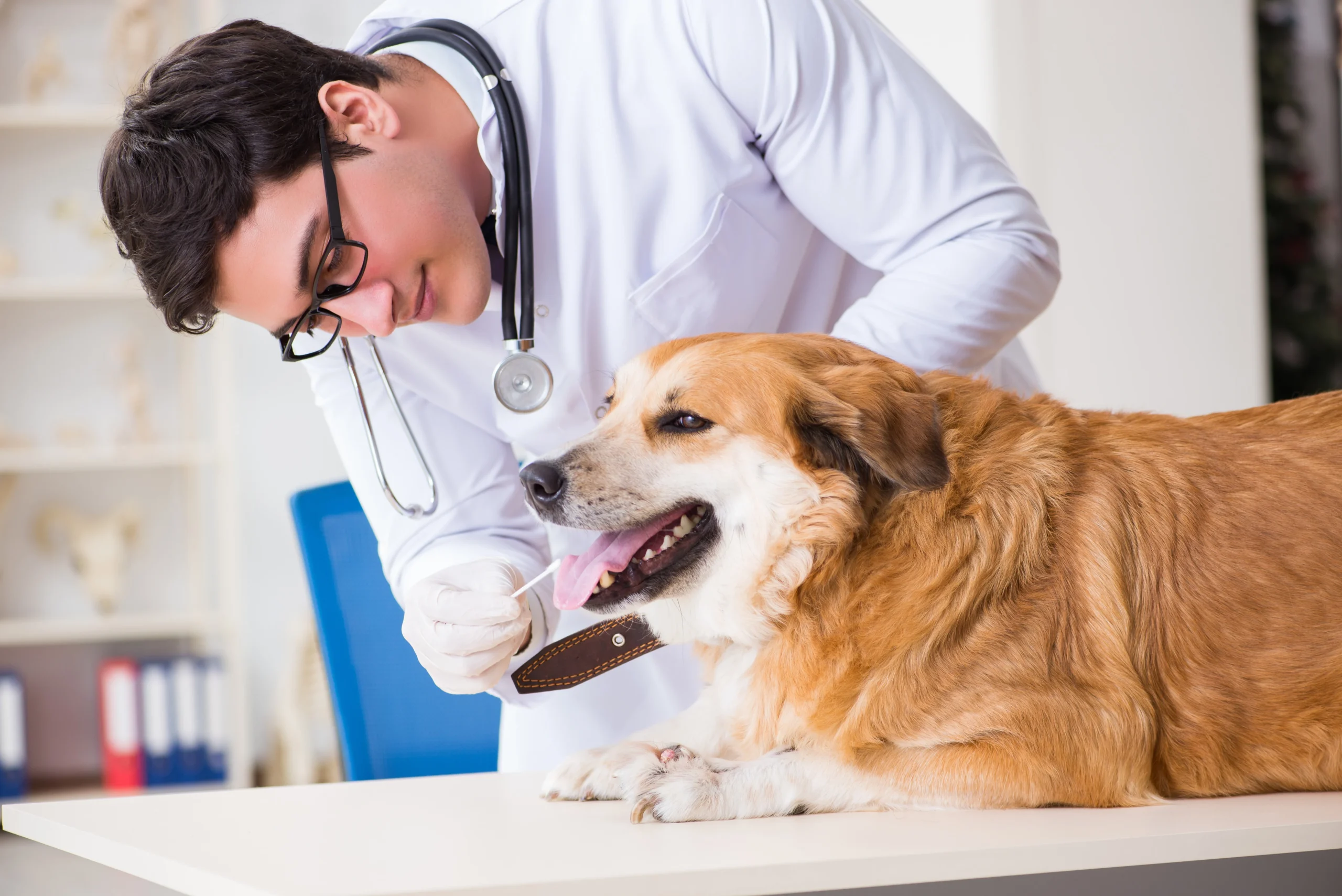
Regular aging dog health checkups allow vets to catch internal issues before they show outward signs:
- Blood Panels: Checking kidney and liver function to ensure the internal plumbing is running smoothly.
- Dental Exams: Tooth pain is a leading cause of grumpiness or loss of appetite in seniors.
- Pain Management: Modern medicine offers incredible options for arthritis relief that can truly change a dog’s life overnight.
Making Your Home a Senior Sanctuary
You don’t need to remodel the house to improve senior dog comfort. Making just a few minor tweaks can lead to significant changes:
- Rug Runners: Hardwood floors are basically ice rinks for a dog with weak hips. Adding non-slip paths is a life-changer for their confidence.
- Orthopedic Beds: A high-quality memory foam bed supports those joints much better than a standard floor cushion.
- Raised Bowls: Lifting their food and water a few inches reduces the strain on their neck and spine during mealtime.
Conclusion: Cherishing the Slower Pace
A senior dog staying healthy and active is a way to show appreciation for a lifetime of love. They’ve been there for us all their lives. Now it’s our chance to slow down for them. By being proactive about their health and keeping their minds stimulated, we can make sure their golden years are filled with comfort and respect.
Those afternoon snoozes might last longer, and the walks could be a bit shorter, but the connection? That just gets stronger as time goes on. Cherish the peaceful moments and those sweet gray-muzzle nudges they truly are the highlight of the journey.
-
 All Products
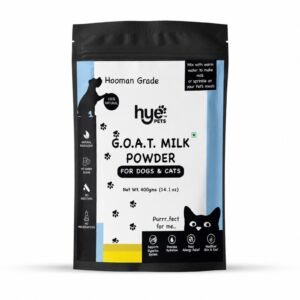
Goat Milk Powder for Dogs and Cats – 400g
Original price was: ₹1,298.86.₹733.96Current price is: ₹733.96. -
 All Products
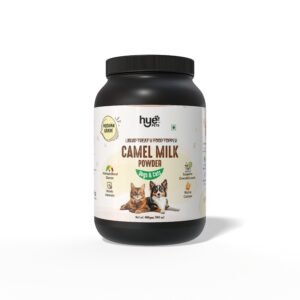
Camel Milk Powder For Dogs and Cats – 400g
Original price was: ₹1,499.75.₹499.00Current price is: ₹499.00. -
 All Products
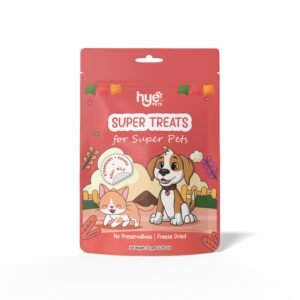
Super Treats for Super Pets made with Goat Milk, Strawberry and Banana | 30g
Original price was: ₹325.00.₹308.75Current price is: ₹308.75. -
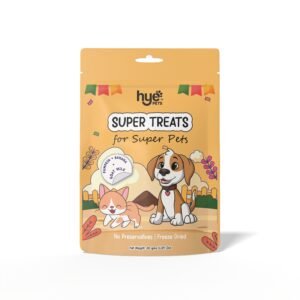 All Products
Super Treats for Super Pets made with Goat Milk, Pumpkin and Banana | 30g
Original price was: ₹279.00.₹265.06Current price is: ₹265.06. -
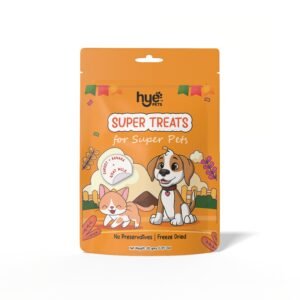 All Products
Super Treats for Super Pets made with Goat Milk, Carrot and Banana | 30g
Original price was: ₹279.00.₹265.06Current price is: ₹265.06. -
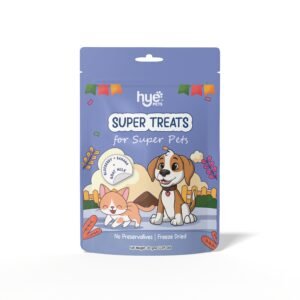 All Products
Super Treats for Super Pets made with Goat Milk, Blueberry and Banana | 30g
Original price was: ₹325.00.₹308.75Current price is: ₹308.75. -
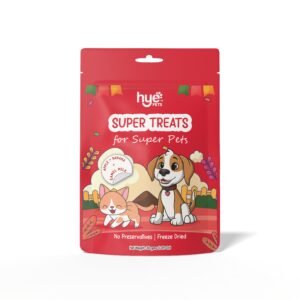 Out of stockAll Products
Super Treats for Super Pets made with Camel Milk, Apple and Banana | 30g
Original price was: ₹279.00.₹265.06Current price is: ₹265.06. -
 All Products
Super Treats for Super Pets made Camel Milk, Beetroot and Banana | 30g
Original price was: ₹279.00.₹265.06Current price is: ₹265.06. -
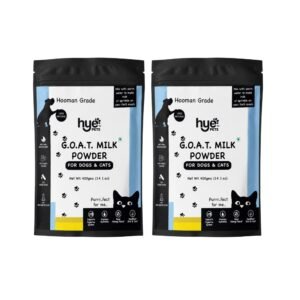 Combos
Goat Milk Powder for Dogs and Cats – Combo Pack (2 x 400g)
Original price was: ₹3,065.28.₹1,680.32Current price is: ₹1,680.32. -
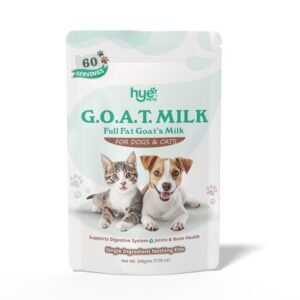 All Products
Goat Milk Powder for Dogs and Cats – 200g
Original price was: ₹698.99.₹657.05Current price is: ₹657.05. -
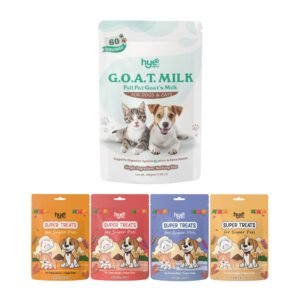 All Products
Goat Milk Powder and Freeze-Dried Goat Milk Treats Combo for Dogs and Cats
Original price was: ₹2,250.26.₹2,067.36Current price is: ₹2,067.36. -
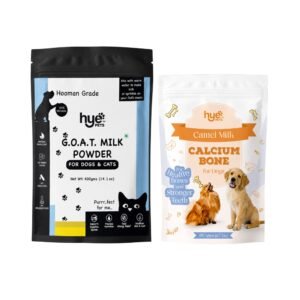 Combos
Goat Milk Powder and Camel Milk Calcium Bone for Dogs – Combo Pack
Original price was: ₹1,826.47.₹1,108.02Current price is: ₹1,108.02. -
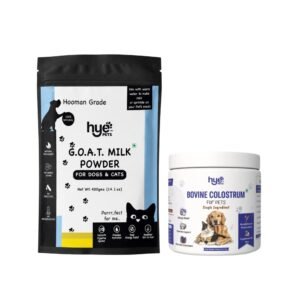 Combos
Goat Milk Powder and Bovine Colostrum Combo for Dogs & Cats
Original price was: ₹2,357.47.₹1,221.30Current price is: ₹1,221.30. -
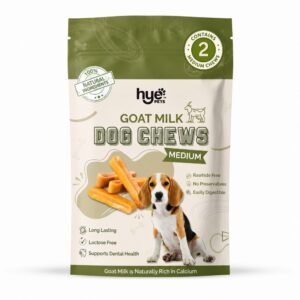 Goat Milk Treats
Goat Milk Dog Chews for Medium Dogs | Rawhide-Free Dental Treats | 2 Chews
Original price was: ₹449.01.₹422.01Current price is: ₹422.01. -
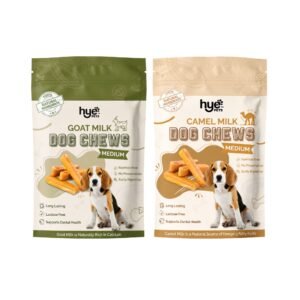 Combos
Goat Milk and Camel Milk Chews Combo for Medium Dogs
Original price was: ₹1,118.64.₹1,019.52Current price is: ₹1,019.52. -
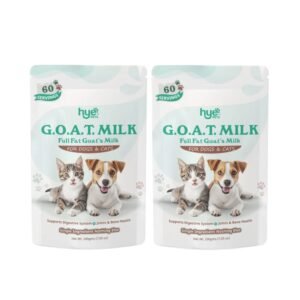 Combos
Full Fat Goat Milk Powder for Dogs and Cats Combo Pack (2 x 200g)
Original price was: ₹1,649.64.₹1,509.22Current price is: ₹1,509.22. -
 Combos
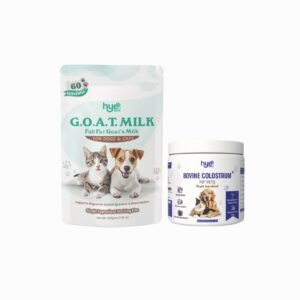
Full Fat Goat Milk Powder and Bovine Colostrum Combo for Dogs and Cats
Original price was: ₹1,398.01.₹949.01Current price is: ₹949.01.
- All Posts
- Blog
- Blogs
- Recipe
- Stories
- Trivia