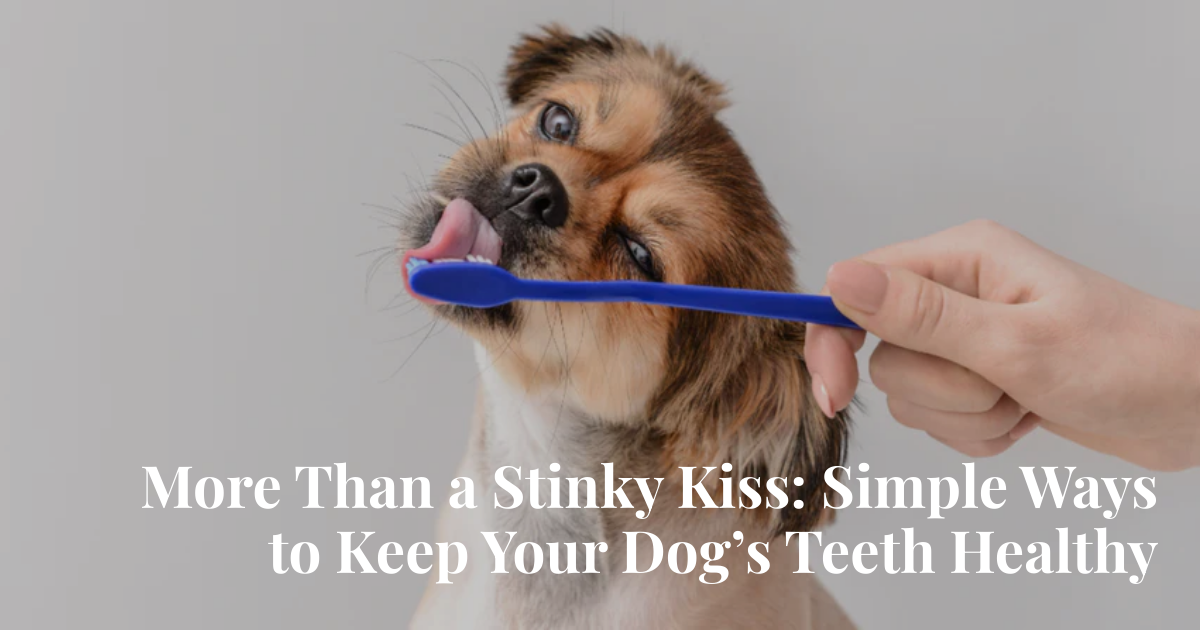
Our furries are often seen panting and sticking their tongues out while going for walks in the summer. Sometimes they even flop down on their return. Yes, the water bowl is full and he is slurping it voraciously, but is he getting enough water for his system? That is the real issue.
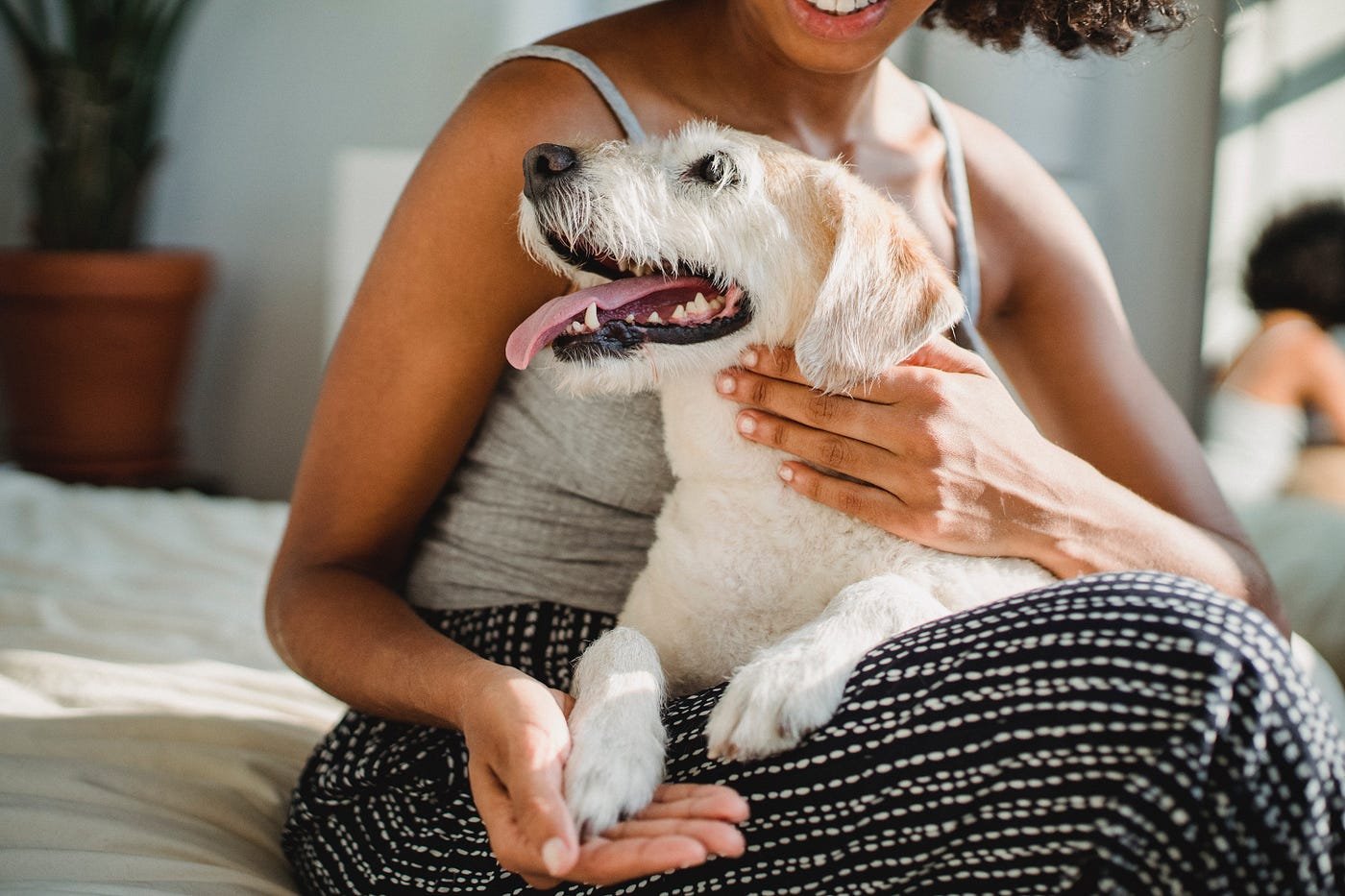
Water isn’t only vital to humans; it is important for dogs’ health as well. However, many pet parents don’t notice the subtle signs of dehydration in dogs and assume that their dog is fine as long as the water bowl isn’t empty. But a reality check: dogs can become dehydrated more quickly than you think, especially when it is hot outside, after any activity or exercise, or if they have had an upset stomach.
More so, it doesn’t take long for fluid deficits to spiral from dehydration to medical emergency. However, the best news is that if the signs of dehydration are recognized, it can be prevented from becoming long-term or serious.
Signs of Dehydration in Dogs
Unlike us, dogs can’t simply come up and say, “Hey, I am thirsty.” It’s easy to confuse a dog being dehydrated with a dog simply being fatigued from the heat. Understanding non-verbal communication is a critical element in such situations.
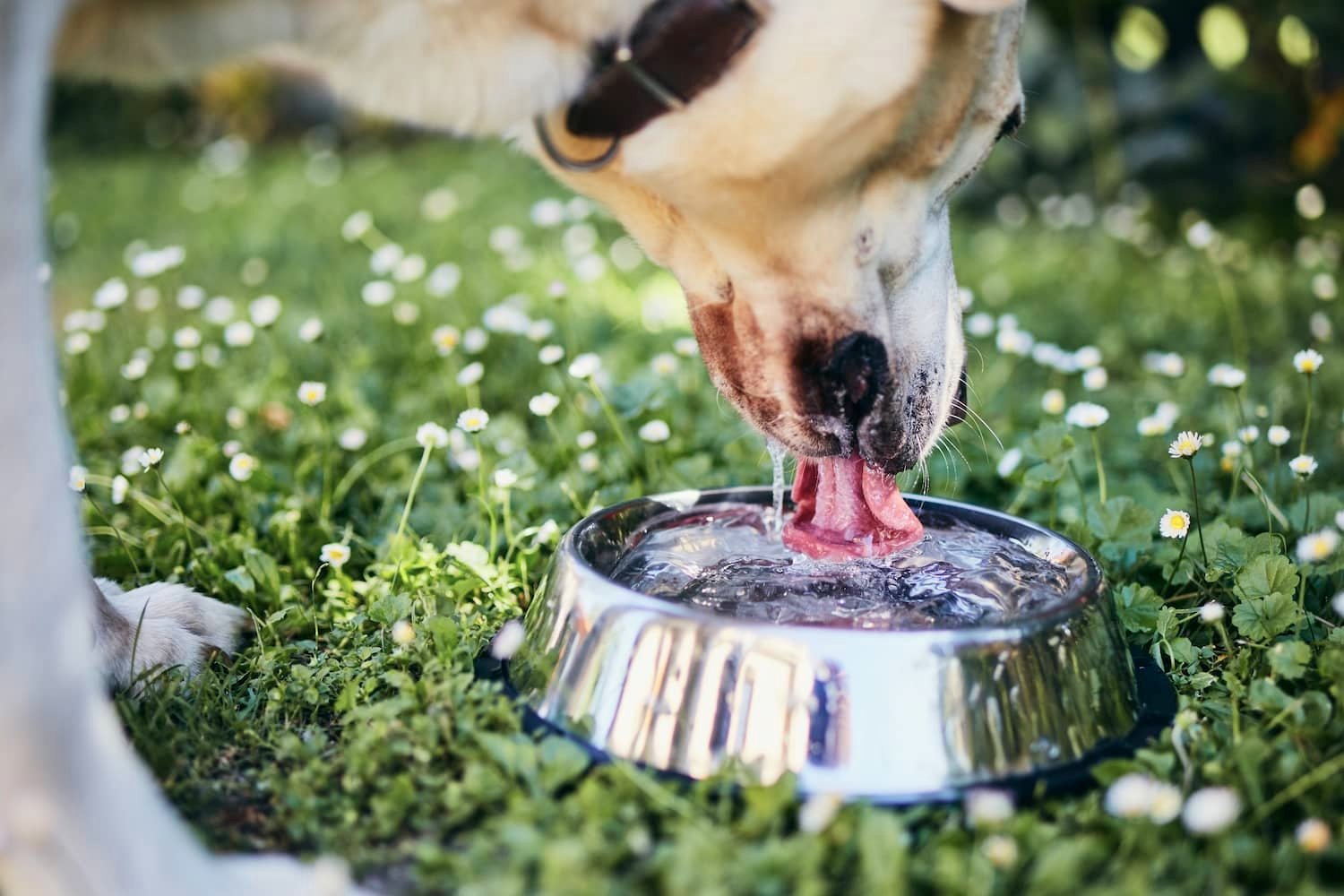
Dry Nose and Sticky gums
A healthy dog’s gums should feel smooth and moist. When hydration becomes an issue, gums can feel sticky, tacky, or even dry instead of the normally moist and comfortable feeling.
Skin elasticity test
If the dog is dehydrated, its skin does not spring back quickly, and it will be tired or come back very slowly.
Sunken or dull eyes
The eyes of the dogs suffering from dehydration may look recessed slightly or look less bright when examined from a distance.
Unusual lethargy and weakness
An energetic dog that suddenly shows no interest in play, walks, or even moving around normally may be showing early signs of dehydration.
Heavy or excessive panting
If a dog shows prolonged signs of panting without major exercise stressors, dehydration may be present.
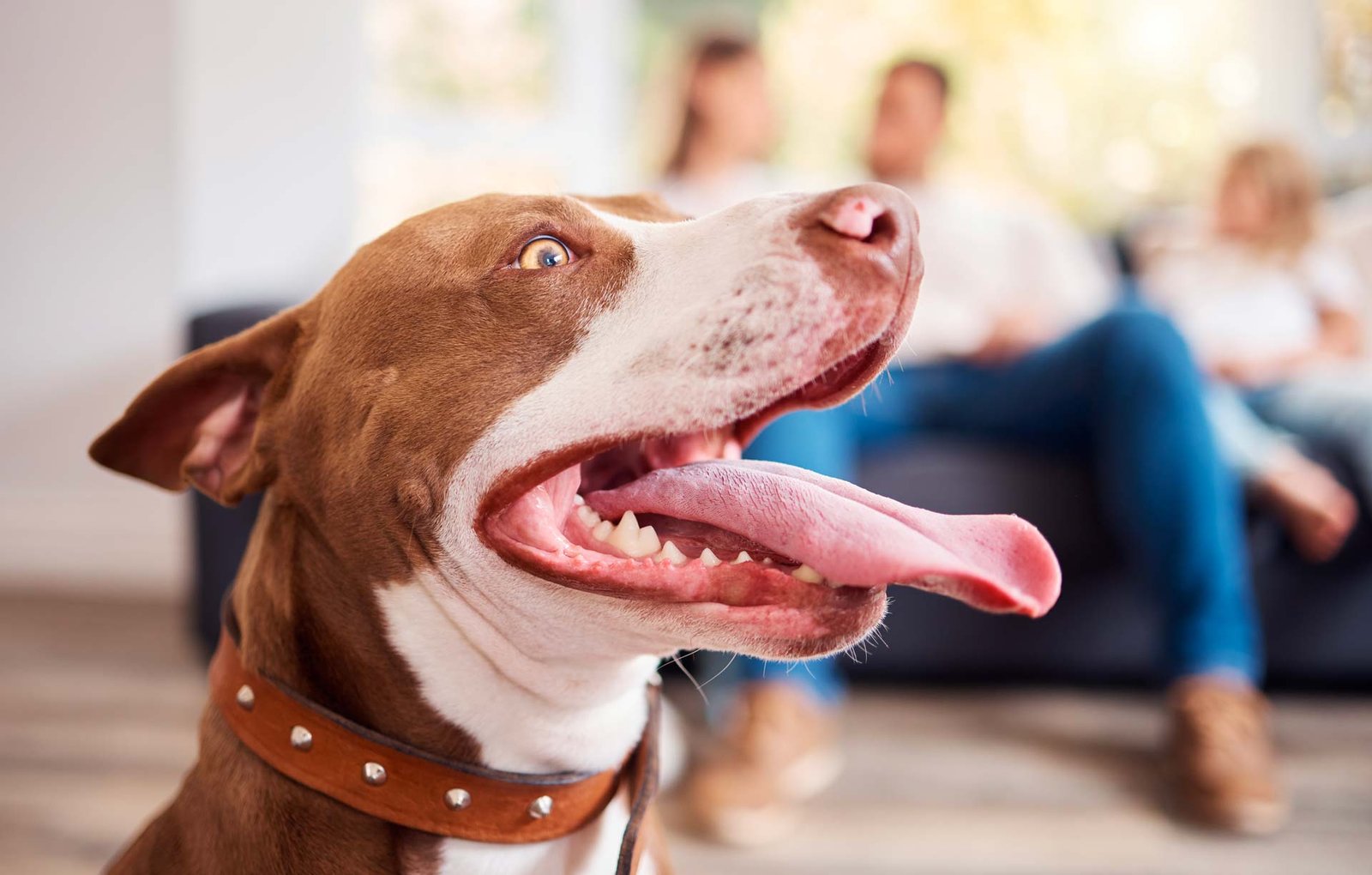
Pet owners should get into the practice of performing the skin test and checking the gums when it’s a hot day or after their dog has exercised. Quick identification of dog dehydration symptoms can help to prevent clinical complications and may even avoid a vet visit.
Causes of Dehydration: Common Triggers, Pets’ Parents should know
Recognizing the signs of dehydration only solves part of the issue; it is also important to know what causes a dog to dehydrate. This may help pet owners mitigate the risk of dehydration before it becomes a problem.
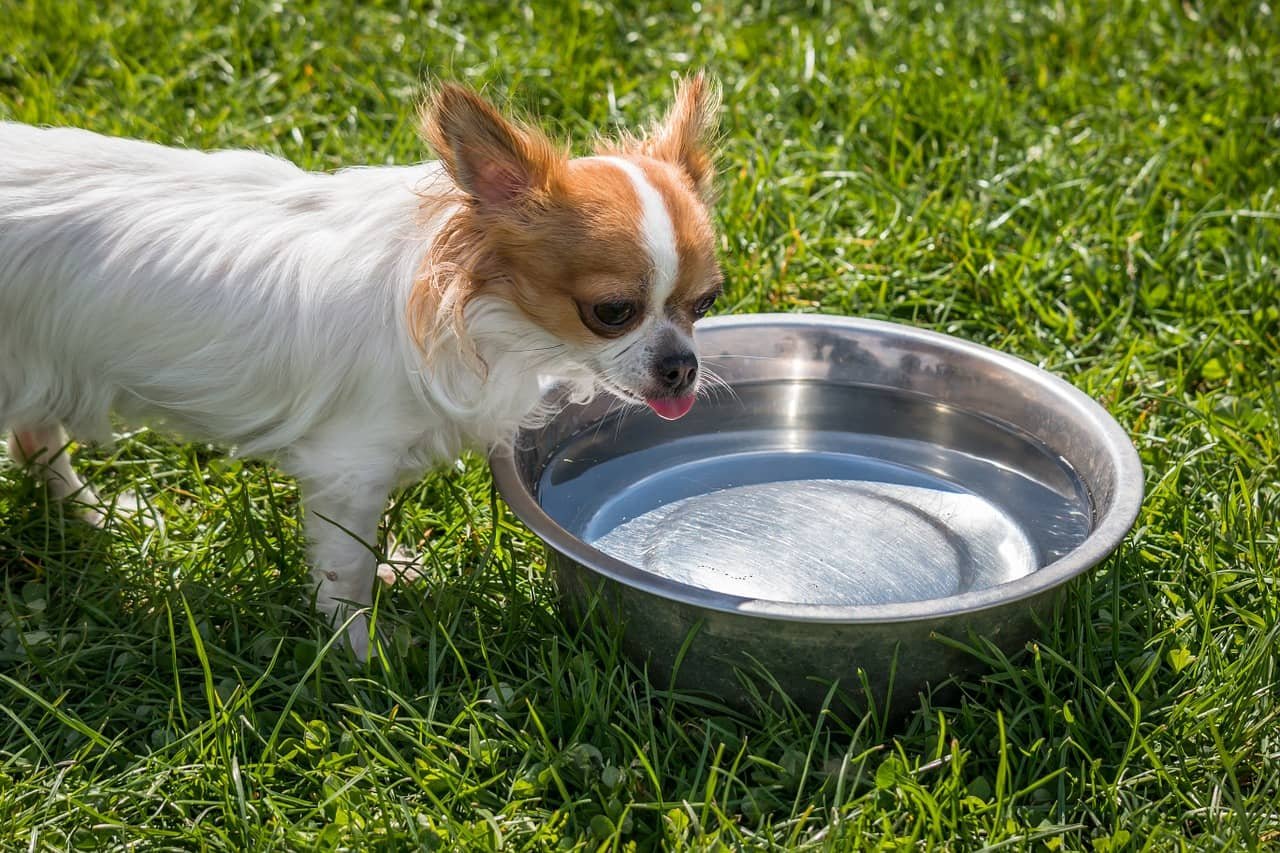
Heat & overexertion result in loss of water.
Fluids can be depleted sooner during illnesses like vomiting, diarrhea, and fever.
Lack of water or inability to access clean water.
Chronic health conditions like kidney disease, diabetes, and hormonal issues can lead to dehydration.
From Water Bowls to Vet Visits: What to do when Dehydration Strikes
After recognition of the signs, the next step is the response. The speed with which action is taken determines whether it will be an emergency vet trip or, at the very least, a straightforward recovery at home.
Mild Dehydration
For dogs exhibiting early and mild symptoms, such as sticky gums or mild lethargy, offering fresh, cool water in small amounts initially may be beneficial. Lightly flavored water may be offered with a dog-safe broth to entice a reluctant drinker.
Moderate Dehydration
If more notable signs are observed, such as skin that does not bounce back immediately, or prolonged panting, sometimes pet-safe electrolytes may help to replenish important salts and minerals lost along with the fluids.
Severe Dehydration
Once animals reach severe dehydration, with many warning signs, such as sunken eyes, extreme weakness, and refusal to drink, home remedies will not be enough. At this stage, it is crucial to seek veterinary intervention.
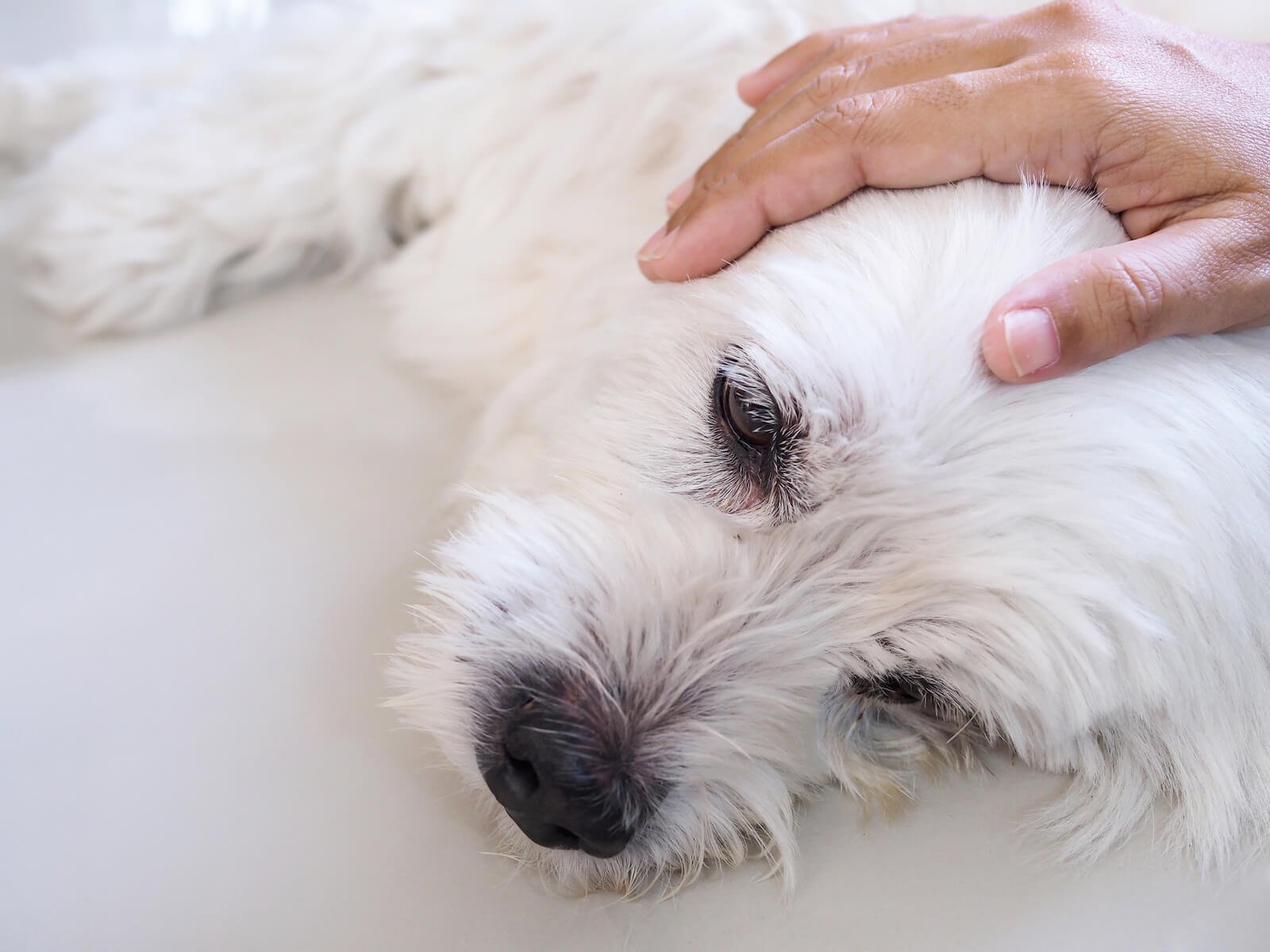
Sticking to clean water or vet-approved solutions is the best approach. Goat milk may be considered in such situations, as it is an excellent source of electrolytes; however, it is not a replacement for water. Tuffy was suffering from dehydration and lethargy in the summer, but the introduction of Goat milk in his diet solved the problem.
Sip, Slurp, and Repeat: Tricks to Keep the dog hydrated
Prevention is always better and safer than a cure!
When pet parents build hydration into their dog’s daily routine, they can help minimize their dog’s chances of becoming dehydrated and avoid panic-inducing health problems.
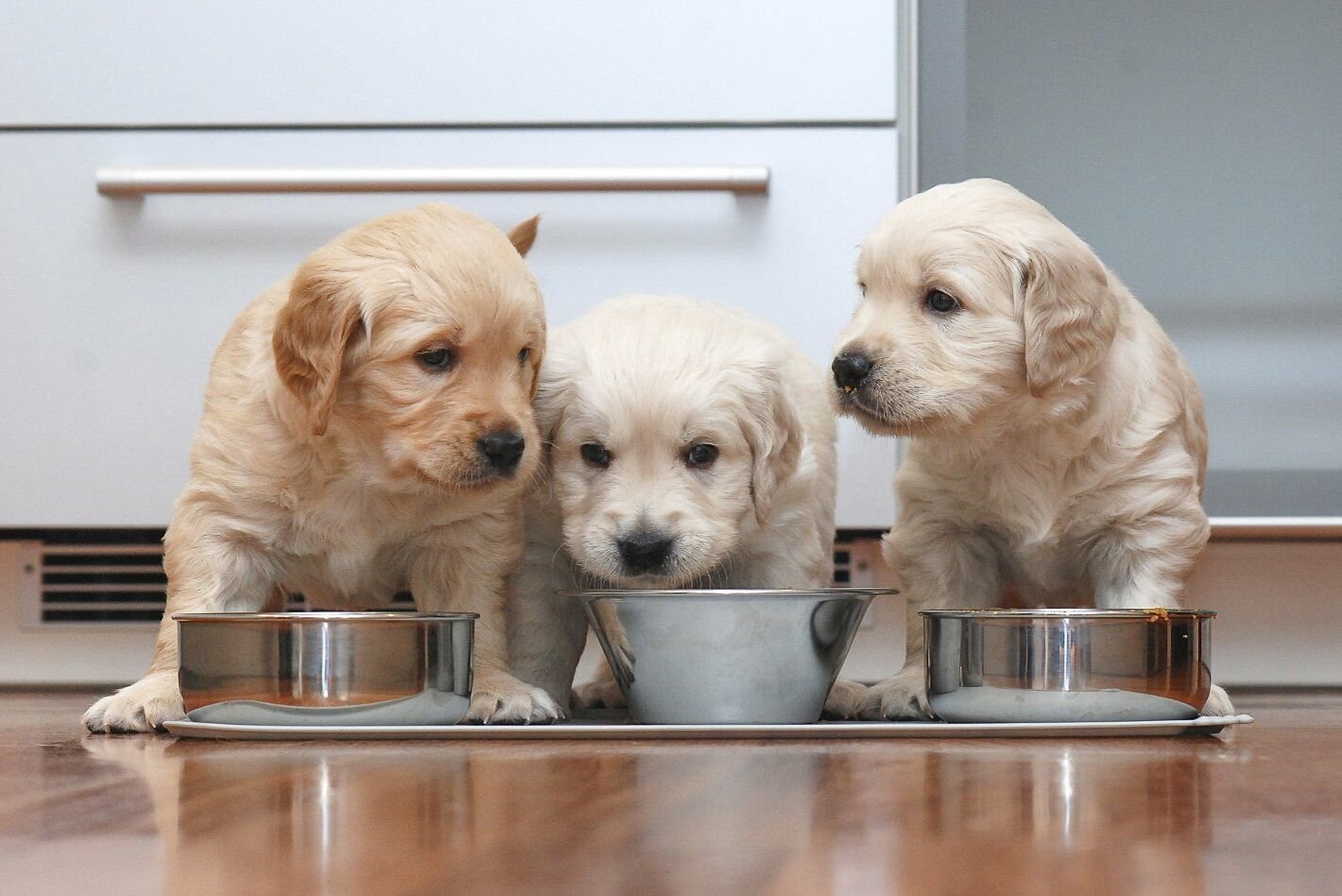
Various water bowls with clean, fresh water can be placed throughout the home so that the furry companion always has easy access and does not have to hunt for water.
A travel water bottle should be carried along on walks, hikes, or road trips. Hydration doesn’t have to end when the leash goes on.
Switching to wet food or adding broth to the dog’s kibble may help sneak in some extra fluids.
Drinking must be made fun of. Ice cubes as a treat or frozen fruit like blueberries may be used.
Final Thoughts
Dehydration in dogs is a common issue that can be prevented if recognized early by the dog’s parents. What often starts as a few subtle signs can quickly turn dire. By being mindful of the signs of dehydration in the furries, along with offering a steady supply of fresh water, adding foods or even supplements that add hydration (like goat milk), the risk can be reduced. And when things do get serious, knowing how to fix dehydration and when to take your dog to the vet can influence the outcome. Hydration affects every system in the body (digestion, circulatory, and energy systems, as well as joint health). Water is the stop fuel that gets the tail wagging movement and keeps their hearts strong.
A hydrated dog is a happy dog and a healthy friend for many years.
-
 All Products
Goat Milk Powder for Dogs and Cats – 400g
Original price was: ₹1,298.86.₹733.96Current price is: ₹733.96. -
 All Products
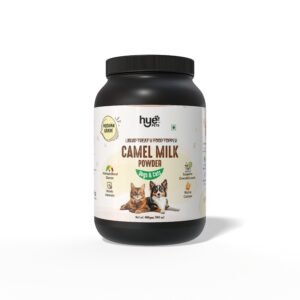
Camel Milk Powder For Dogs and Cats – 400g
Original price was: ₹1,499.75.₹499.00Current price is: ₹499.00. -
 All Products
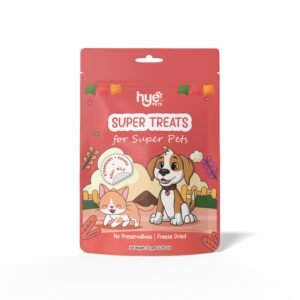
Super Treats for Super Pets made with Goat Milk, Strawberry and Banana | 30g
Original price was: ₹325.00.₹308.75Current price is: ₹308.75. -
 All Products
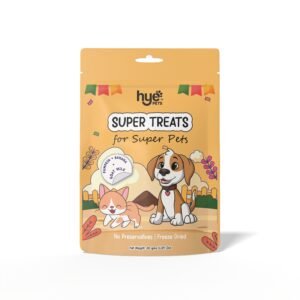
Super Treats for Super Pets made with Goat Milk, Pumpkin and Banana | 30g
Original price was: ₹279.00.₹265.06Current price is: ₹265.06. -
 All Products
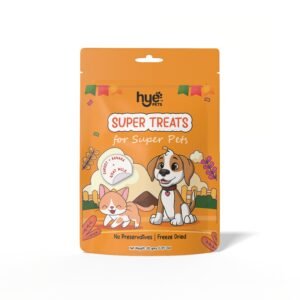
Super Treats for Super Pets made with Goat Milk, Carrot and Banana | 30g
Original price was: ₹279.00.₹265.06Current price is: ₹265.06. -
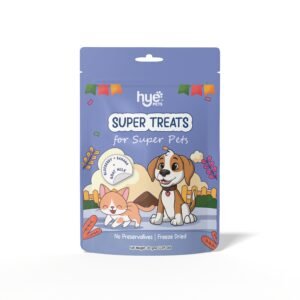 All Products
Super Treats for Super Pets made with Goat Milk, Blueberry and Banana | 30g
Original price was: ₹325.00.₹308.75Current price is: ₹308.75. -
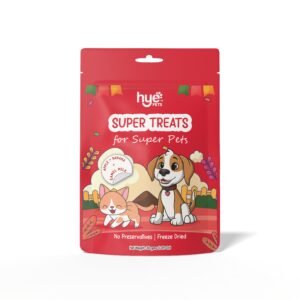 All Products
Super Treats for Super Pets made with Camel Milk, Apple and Banana | 30g
Original price was: ₹279.00.₹265.06Current price is: ₹265.06. -
 All Products
Super Treats for Super Pets made Camel Milk, Beetroot and Banana | 30g
Original price was: ₹279.00.₹265.06Current price is: ₹265.06. -
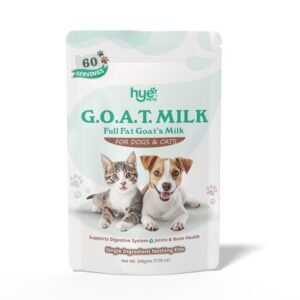 All Products
Goat Milk Powder for Dogs and Cats – 200g
Original price was: ₹698.99.₹657.05Current price is: ₹657.05. -
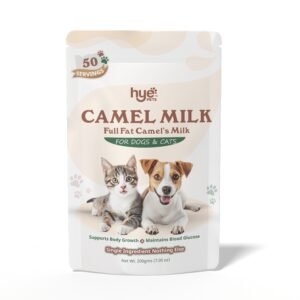 All Products
Camel Milk Powder For Dogs and Cats – 200g
Original price was: ₹748.99.₹704.05Current price is: ₹704.05. -
 All Products
Bovine Colostrum for Dogs and Cats – 60g
Original price was: ₹1,199.10.₹333.00Current price is: ₹333.00.
- All Posts
- Blog
- Blogs
- Recipe
- Stories
- Trivia