There’s a moment many dog owners know quietly, even if they can’t quite name it. It happens somewhere between a morning walk and an evening cuddle, a subtle shift. The dog who used to sprint to the door at the sound of a leash now takes a little longer to rise. The breakfast bowl that was licked clean within seconds sits half-touched. Nothing dramatic. Nothing alarming enough to send anyone rushing to the vet. Just a soft, almost imperceptible dimming of the light that used to fill a room.
That’s often where it starts. Not with a diagnosis, but with a feeling.
Dog owners tend to know their animals the way they know their own heartbeats intuitively, without needing to think. And when something shifts, even slightly, that knowing doesn’t miss it. The question is rarely whether something has changed. It’s usually what to do about it.
For many dogs, the answer lives quietly in something that doesn’t always get the attention it deserves.
The Small Signs That Often Go Unnoticed
A weakened immune system rarely announces itself loudly. It tends to whisper first through the small, easy-to-overlook things that loving owners sometimes chalk up to a bad day, a change in weather, or just one of those weeks.
Some dogs begin scratching more than usual. Not frantically, just consistently. A patch near the ear, the same spot on a paw, returning again and again. Others develop recurring tummy troubles, soft stools, a little gas, and an occasional refusal to eat that comes and goes without an obvious reason. A coat that once gleamed might start to look a little dull, a little dry, a little less like itself.
Then there’s the energy. A dog who used to bound enthusiastically through afternoon walks might now seem content to plod, sniff less, and circle back toward home earlier. Slower to recover after a run in the park. Slower to bounce back after a long day of activity.
These things, taken individually, can seem minor. Taken together, over time, they begin to paint a picture. Not of illness, exactly but of a body quietly working harder than it should have to just to maintain its balance.
Many loving pet parents overlook these signs not because they’re inattentive, but because they’re small. Because dogs are stoic in the way only dogs can be. Because it’s easy to assume that what’s happening now is just a phase and it might yet pass on its own.
Sometimes it does. And sometimes it’s the body asking, gently, for a little more support.
Why Immunity Affects More Than People Think
Most people associate immunity with illness whether a dog gets sick, how quickly they recover from a cold or infection. And that’s true. But a dog’s immune system does so much more than simply stand guard against germs.
It shapes how they feel, day to day.
A dog with strong, well-supported immunity tends to have steadier energy not hyperactivity, but the kind of calm vitality that makes them eager for a walk, curious on an outing, present and engaged. Their digestion tends to run more smoothly. Their skin and coat often have a quiet luminance that owners notice without always being able to pinpoint why their dog just looks healthy.
Mood is connected, too. Dogs with imbalanced immunity often linked to gut disruption, can seem more anxious, more reactive, and more easily overwhelmed. The gut and the immune system are deeply intertwined, and when one is struggling the other often feels it.
Recovery is another piece of the picture. A dog with well-supported immunity heals more easily from small scrapes and infections, bounces back from stress faster, and generally seems more resilient in the way a healthy body should be.
None of this requires medical expertise to observe. It simply requires paying attention which most devoted dog owners already do, often without realizing how much they know.
Natural Ways to Support a Dog’s Immunity
There’s something deeply comforting about the idea that immunity, at least in part, can be nurtured through the ordinary rhythms of daily life. Through food and movement and rest. Through the small, quiet choices made every single day.
Food & Nourishment
The relationship between what a dog eats and how their immune system performs is intimate and ongoing. It doesn’t require a complete dietary overhaul to make a meaningful difference, often it’s the small additions that matter most.
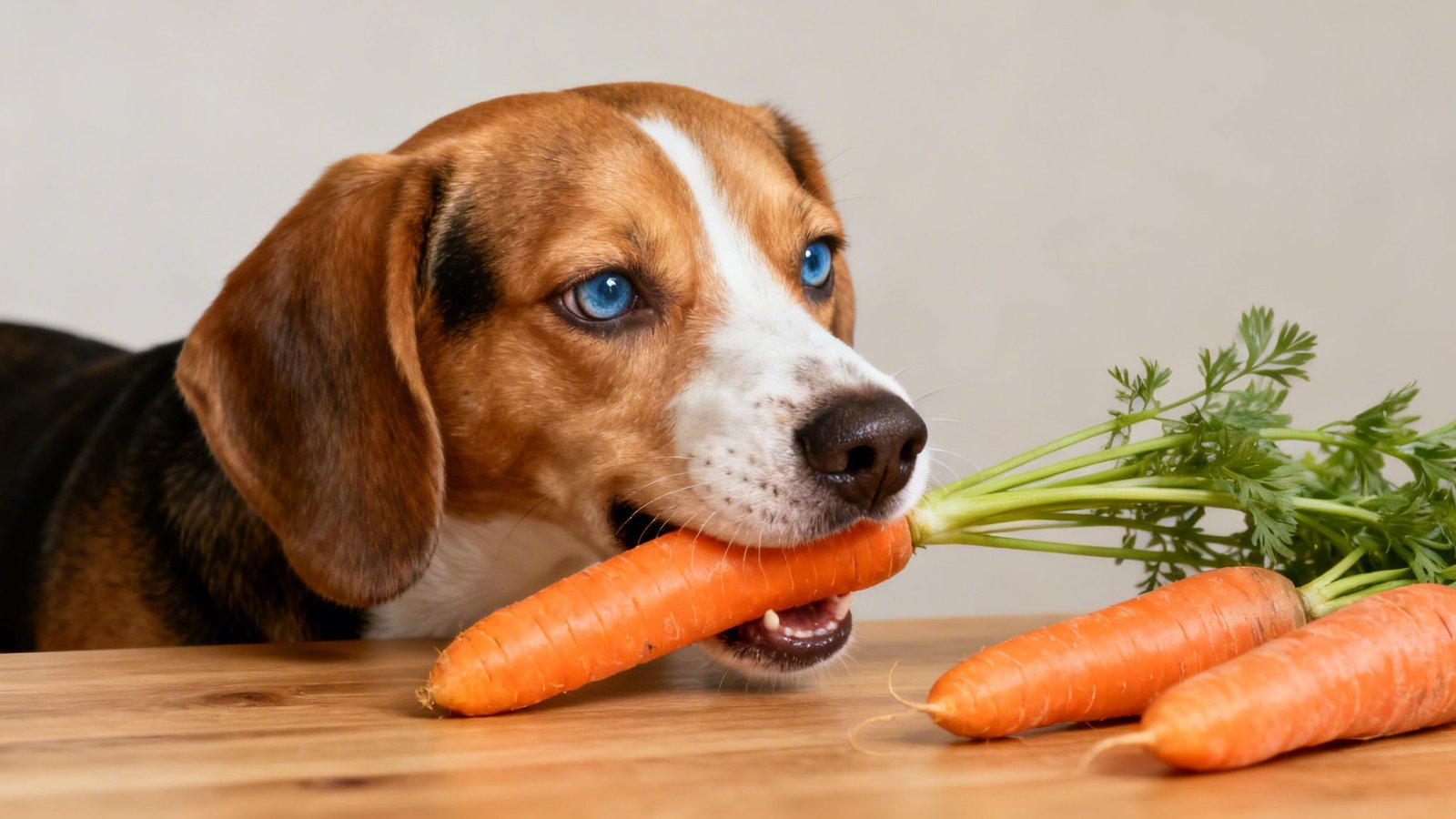
Pumpkin for instance is wonderfully gentle on a dog’s digestive system and quietly rich in nutrients that support overall wellbeing. A spoonful stirred into a regular meal a few times a week is something many dogs happily accept. Blueberries, just a small handful, bring their own soft goodness, and most dogs find them delightful as a treat. Carrots offer something satisfying to chew, something grounding, something nourishing without complexity.
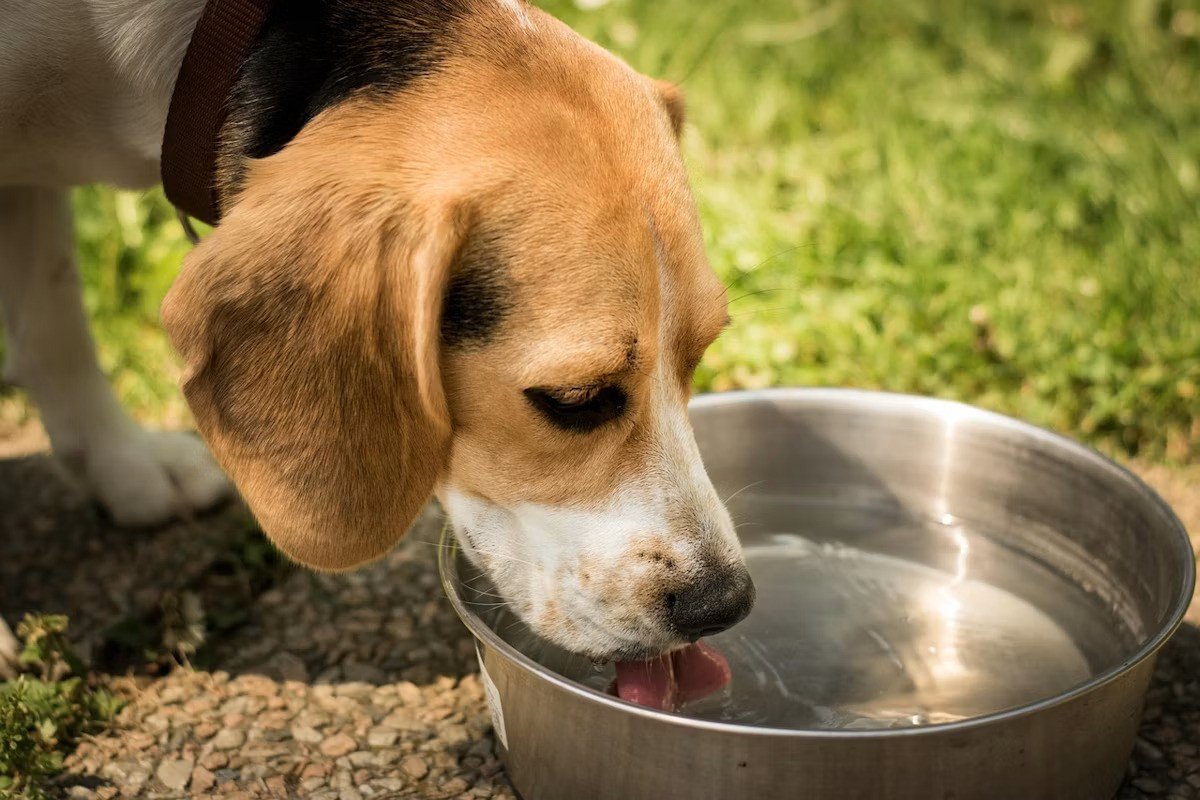
Bone broth, made simply and without added salt or seasoning, can be a lovely addition to meals warming in winter, cooling when poured over food on a warm day, and deeply hydrating in a way that plain water sometimes doesn’t quite achieve. Speaking of water hydration matters more than it often gets credit for. A clean, freshly filled bowl is always accessible, always inviting.
The goal isn’t perfection. Its intention is small, caring choices made consistently over time.
Daily Movement & Outdoor Time
Movement and immunity are quietly connected in ways that don’t always make the wellness conversation but probably should.
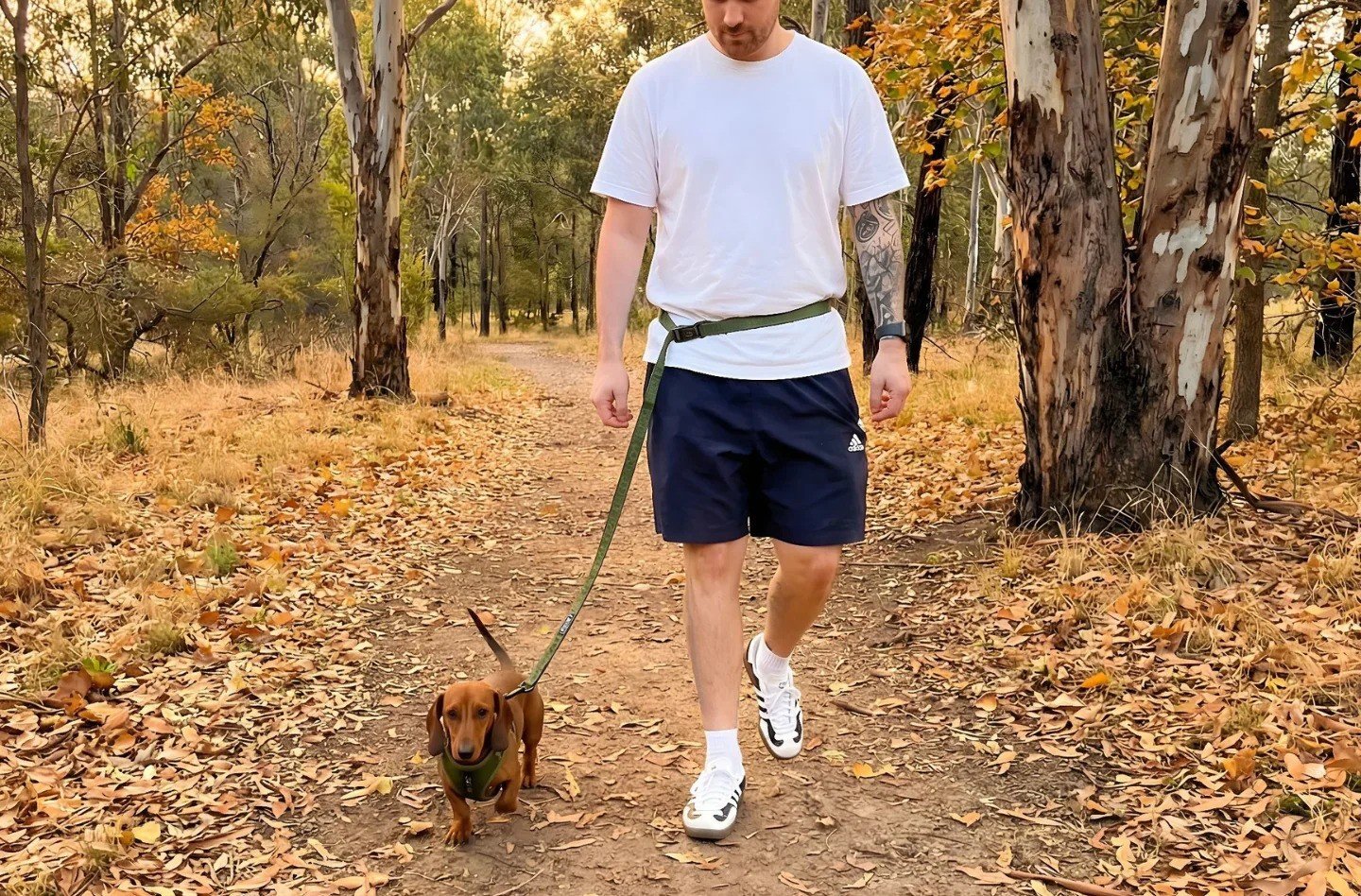
Regular outdoor time, not necessarily long or vigorous, but consistent, allows a dog’s body to regulate breathing, to engage with the world in the way their nature calls them to. Sniff walks, in particular, are worth championing. The kind of walks where the dog leads gently with their nose, pausing at whatever interests them, taking their time. These walks are less about physical exertion and more about mental engagement, and they matter enormously for a dog’s overall sense of wellbeing.
Sunlight plays a role, too. A little natural light each day, even on overcast days, carries something beneficial a regulation of rhythm, a lift in mood, a quiet biological settling.
Playful movement, when a dog is willing a slow game of fetch, a gentle tug, a wander through a new space adds something that structured exercise alone can’t always offer joy. And joy, in its own way, is a kind of medicine.
Rest, Comfort & Stress Reduction
Here is something that doesn’t get discussed nearly enough dogs are profoundly affected by their emotional environment.
A dog who lives with chronic low-level stress, irregular routines, too much noise, unpredictable schedules, not enough quiet carries that stress in their body. And the body has a way of expressing what the heart absorbs. Immunity is one of the places it shows up.
Creating a life that feels safe and predictable for a dog is not small work. It is, in many ways, the foundation of everything else. A consistent feeding schedule. A sleeping space that is genuinely their soft, quiet, a little removed from the household chaos. Moments of calm togetherness that ask nothing of them, where they can simply be.
Overstimulation is real. Some dogs, especially those who are sensitive by nature, become quietly depleted by too much activity, too many visitors, and too little stillness. Recognizing when a dog needs to rest, and protecting that space, is one of the gentlest and most powerful things an owner can offer.
Gut Health & Digestion
A significant portion of the immune system lives in the gut. That’s not a clinical abstraction, it’s a practical reality that shapes daily life for dogs in ways that are easy to see once you know to look for them.
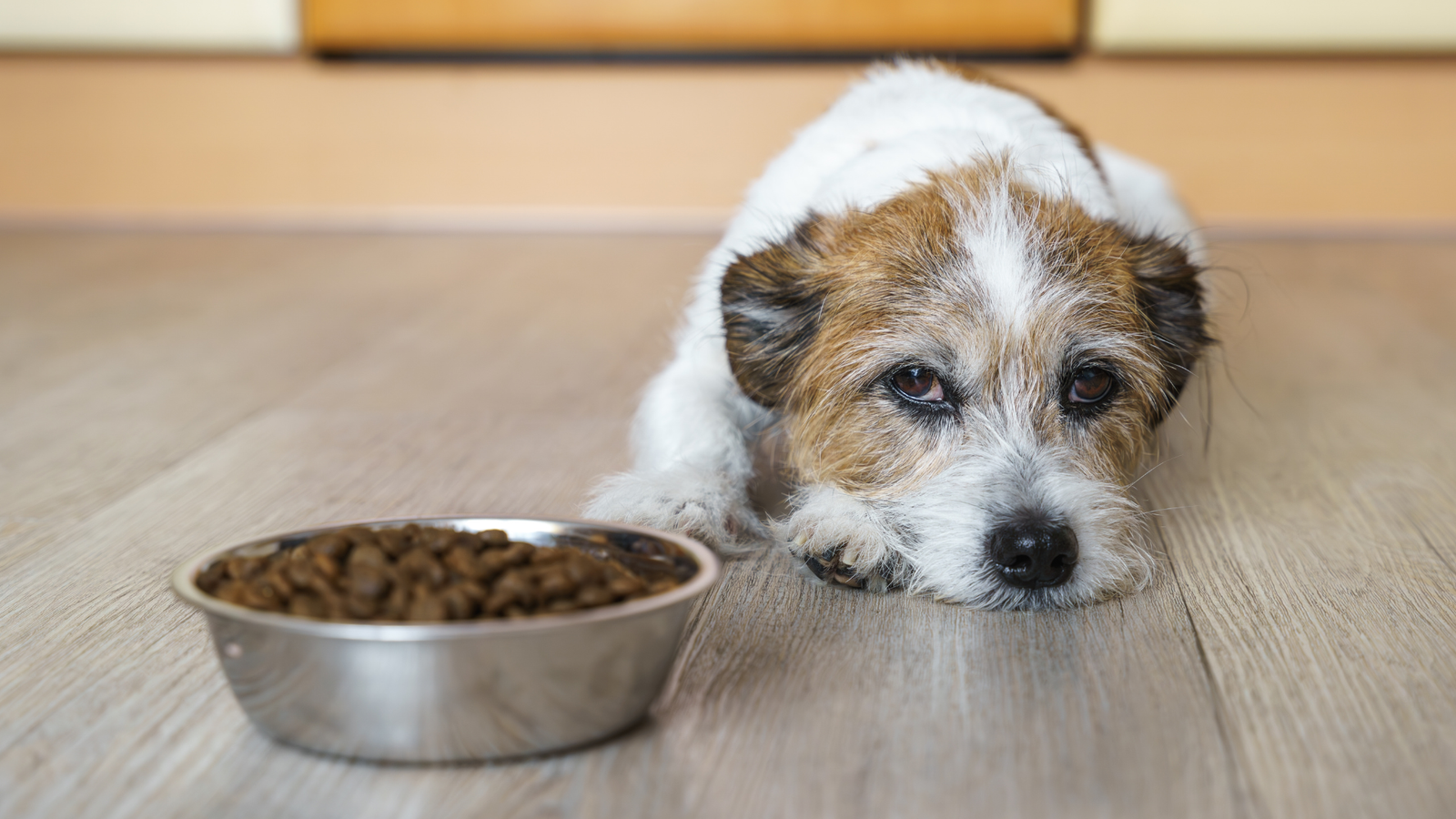
A dog whose digestion runs smoothly, regularly, comfortably, and uncomplicatedly is a dog whose immune system is being quietly supported with every meal. When digestion is disrupted, when there’s bloating or irregularity or discomfort, that ripples outward.
Supporting gut health doesn’t have to be complicated. Probiotics, introduced gently and consistently, can make a real difference for many dogs particularly those with sensitive stomachs or a history of digestive trouble. Feeding at consistent times each day allows the digestive system to develop a rhythm it can rely on. Avoiding dramatic swings in diet, offering hydration throughout the day, and being thoughtful about treats all contribute to a gut that functions with ease.
A Simple Daily Immunity Routine
Building stronger immunity doesn’t require a dramatic new regimen. It asks, mostly, for consistency the same gentle habits, woven quietly into the shape of each day.
Morning tends to be a natural starting point. Fresh water first before food, always. A nutritious breakfast is offered at roughly the same time each day, so the body knows what to expect and prepares accordingly. A calm start, without too much stimulation too early, gives the nervous system a chance to ease into the day rather than jolt into it.
Afternoon is often when movement fits most naturally. A walk, ideally outside, ideally with enough time to sniff and wander. Some form of engagement a toy, a gentle game, a new smell to investigate. For dogs who enjoy the company of other dogs, a calm social encounter can be nourishing. For those who prefer their own company, quiet exploration is equally valuable.
Evening is for winding down. A consistent dinner hour. A gradual softening of the household lower light, quieter voices, and less activity. Time to settle, to rest, to drift into the deep, restorative sleep that does so much of the body’s quiet maintenance work overnight.
None of this is complicated. Most of it, many devoted owners are already doing. The difference, often, is simply the intention behind it the understanding that these small, ordinary moments are building something.
Common Habits That May Quietly Weaken Immunity
It’s worth acknowledging, gently and without judgment, that some everyday habits can work against a dog’s immune health without anyone meaning for them to.
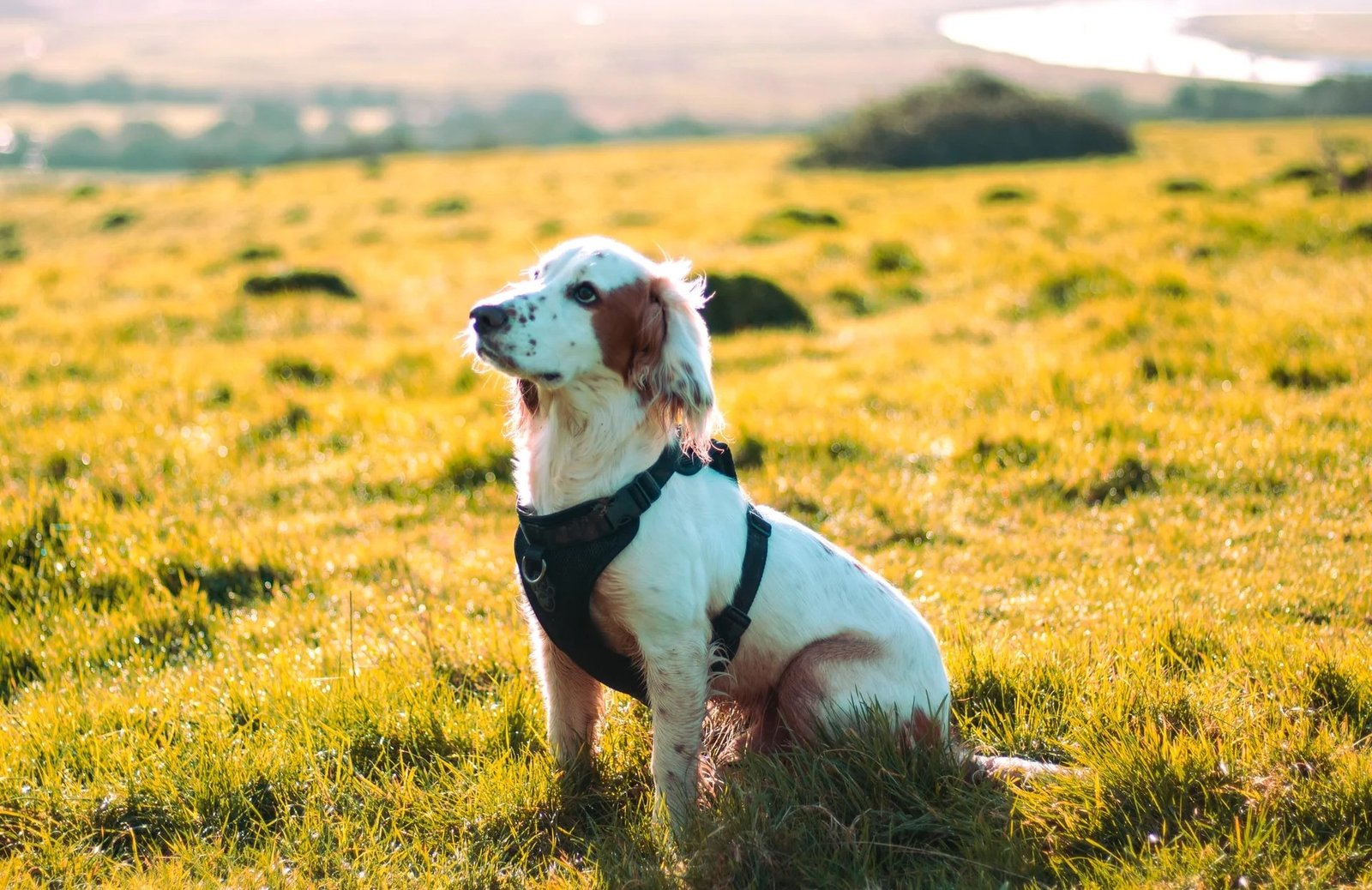
Processed treats, for instance the brightly packaged kind with long ingredient lists can, over time and in large quantities, put quite pressure on a dog’s gut and overall system. They’re convenient, dogs love them, and occasional indulgence is completely fine. But when treats become a significant part of the daily diet, the cumulative effect is worth considering.
Irregular schedules are harder on dogs than most people realize. Feeding at different times each day, walks that vary dramatically in timing or frequency, sleeping arrangements that shift all of these create a low-level unpredictability that the body has to work to manage.
Ignoring minor symptoms a little itching that’s been going on for weeks, a recurring soft stool that comes and goes, low energy that’s been present for a month is understandable. Life is busy, and these things can seem small. But the body often gives small signals before it gives loud ones, and paying attention early tends to make things easier later.
There’s no blame here. These are human things, normal things. Noticing them is simply the first step toward doing differently.
When to Seek Professional Help
All of this the food, the movement, the gut support, the gentle routines matters enormously. And yet, there are moments when a dog needs more than a caring owner can provide at home.
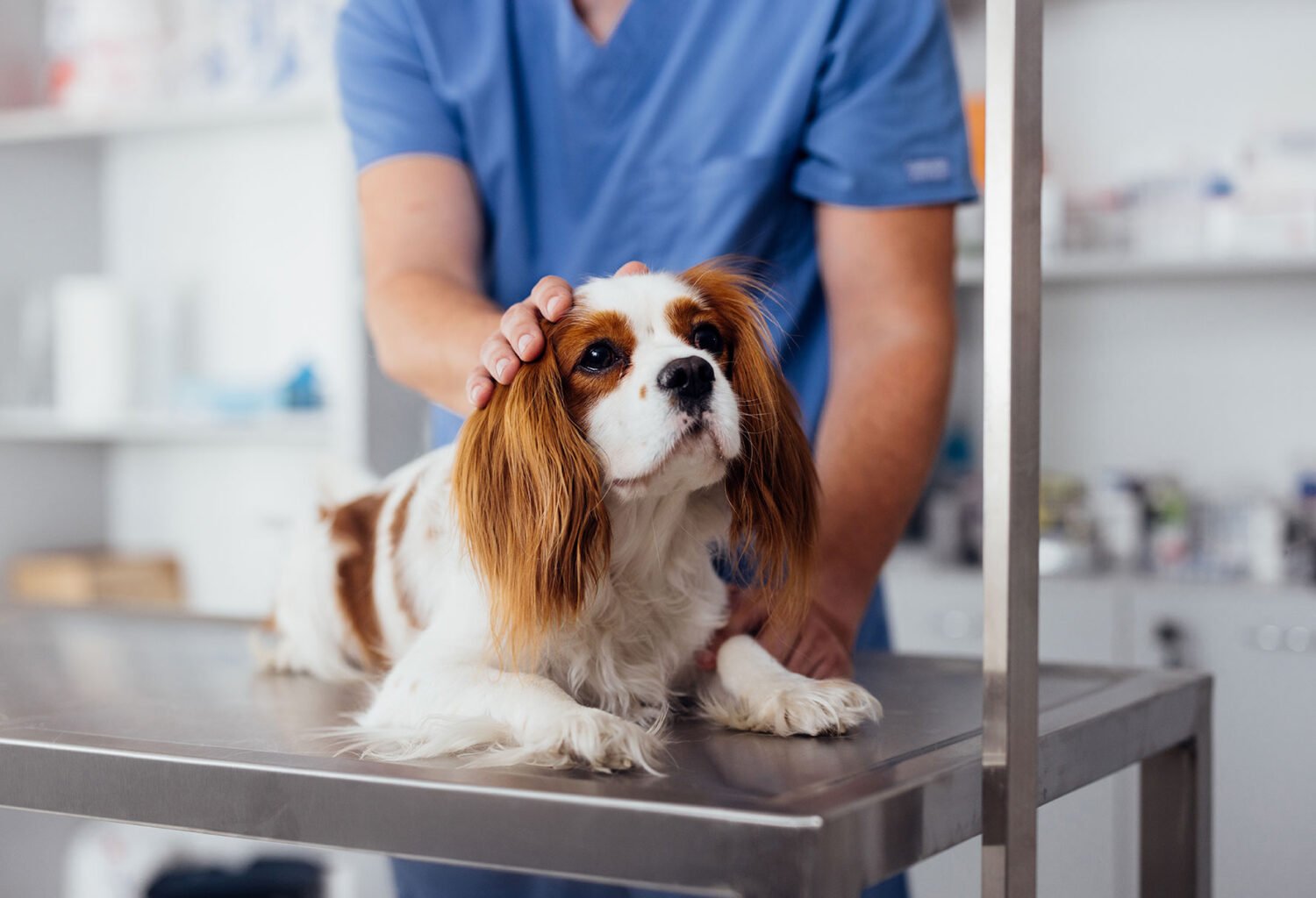
Persistent fever, severe or repeated vomiting, extreme fatigue that doesn’t lift after rest, recurring infections, or any sudden and significant change in behavior or appetite all deserve professional attention. These aren’t things to manage with pumpkin and probiotics. These are invitations to let a veterinarian in.
A good relationship with a trusted vet is not a sign that something has gone wrong. It’s one of the most loving things an owner can maintain on behalf of their dog a safety net, a partnership, a resource for the moments when home care simply isn’t enough.
The Heart of It All
A dog’s immunity is not separate from the life they live. It is, in many ways, a reflection of the care they receive, the food they’re offered, the rest they’re given, the emotional safety they’re held within.
The good news and it is genuinely good news is that building a stronger immune system doesn’t require perfection. It doesn’t require expensive supplements or complicated protocols or a complete transformation of routine. It asks, mostly, for consistency and attention and the kind of small, intentional love that good dog owners already know how to give.
Every fresh bowl of water. Every unhurried walk where the dog gets to follow their nose. Every evening of quiet togetherness. Every gentle morning routine. These things accumulate. They compound. They become, over time, the foundation of a dog who is not just surviving but genuinely, visibly thriving.
That’s worth paying attention to. That’s worth showing up for, day after day not because it has to be earned, but because it can be given. Quietly. Consistently. With love.
And dogs, in their particular wisdom, seem to know the difference.
-
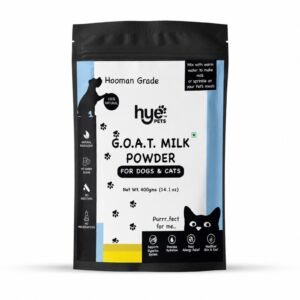 All Products
Goat Milk Powder for Dogs and Cats – 400g
Original price was: ₹1,298.86.₹733.96Current price is: ₹733.96. -
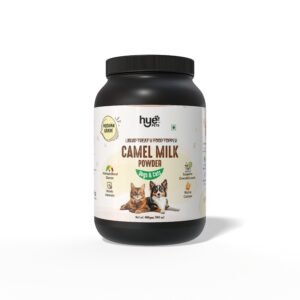 All Products
Camel Milk Powder For Dogs and Cats – 400g
Original price was: ₹1,499.75.₹499.00Current price is: ₹499.00. -
 All Products
Super Treats for Super Pets made with Goat Milk, Strawberry and Banana | 30g
Original price was: ₹325.00.₹308.75Current price is: ₹308.75. -
 All Products
Super Treats for Super Pets made with Goat Milk, Pumpkin and Banana | 30g
Original price was: ₹279.00.₹265.06Current price is: ₹265.06. -
 All Products
Super Treats for Super Pets made with Goat Milk, Carrot and Banana | 30g
Original price was: ₹279.00.₹265.06Current price is: ₹265.06. -
 All Products
Super Treats for Super Pets made with Goat Milk, Blueberry and Banana | 30g
Original price was: ₹325.00.₹308.75Current price is: ₹308.75. -
 Out of stockAll Products
Super Treats for Super Pets made with Camel Milk, Apple and Banana | 30g
Original price was: ₹279.00.₹265.06Current price is: ₹265.06. -
 All Products
Super Treats for Super Pets made Camel Milk, Beetroot and Banana | 30g
Original price was: ₹279.00.₹265.06Current price is: ₹265.06. -
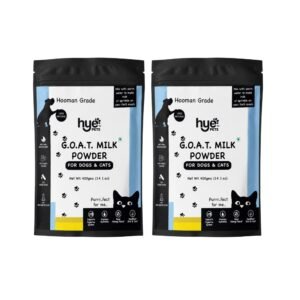 Combos
Goat Milk Powder for Dogs and Cats – Combo Pack (2 x 400g)
Original price was: ₹3,065.28.₹1,680.32Current price is: ₹1,680.32. -
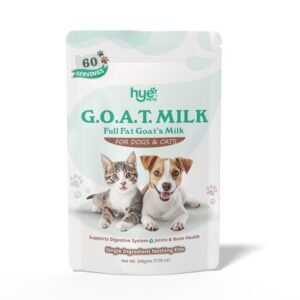 All Products
Goat Milk Powder for Dogs and Cats – 200g
Original price was: ₹698.99.₹657.05Current price is: ₹657.05. -
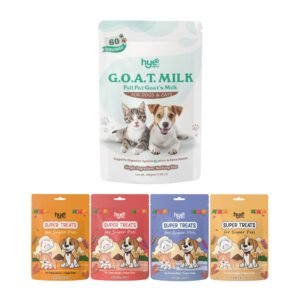 All Products
Goat Milk Powder and Freeze-Dried Goat Milk Treats Combo for Dogs and Cats
Original price was: ₹2,250.26.₹2,067.36Current price is: ₹2,067.36. -
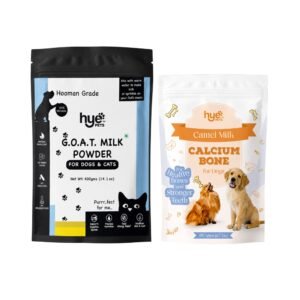 Combos
Goat Milk Powder and Camel Milk Calcium Bone for Dogs – Combo Pack
Original price was: ₹1,826.47.₹1,108.02Current price is: ₹1,108.02. -
 Combos
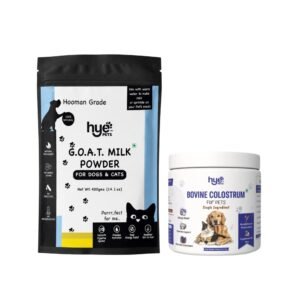
Goat Milk Powder and Bovine Colostrum Combo for Dogs & Cats
Original price was: ₹2,357.47.₹1,221.30Current price is: ₹1,221.30. -
 Goat Milk Treats
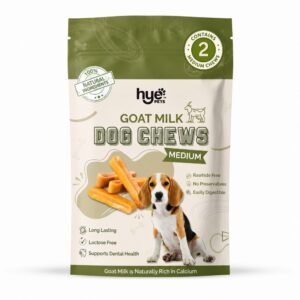
Goat Milk Dog Chews for Medium Dogs | Rawhide-Free Dental Treats | 2 Chews
Original price was: ₹449.01.₹422.01Current price is: ₹422.01. -
 Combos
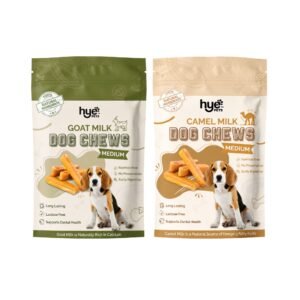
Goat Milk and Camel Milk Chews Combo for Medium Dogs
Original price was: ₹1,118.64.₹1,019.52Current price is: ₹1,019.52. -
 Combos
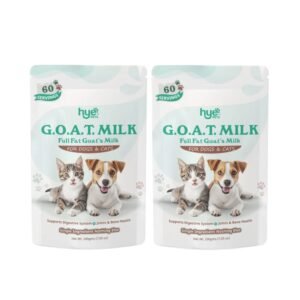
Full Fat Goat Milk Powder for Dogs and Cats Combo Pack (2 x 200g)
Original price was: ₹1,649.64.₹1,509.22Current price is: ₹1,509.22. -
 Combos
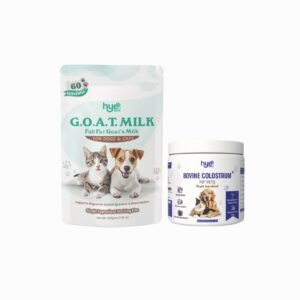
Full Fat Goat Milk Powder and Bovine Colostrum Combo for Dogs and Cats
Original price was: ₹1,398.01.₹949.01Current price is: ₹949.01.
- All Posts
- Blog
- Blogs
- Recipe
- Stories
- Trivia