The Morning Everything Changes
Picture a dog that has always been a reliable eater.
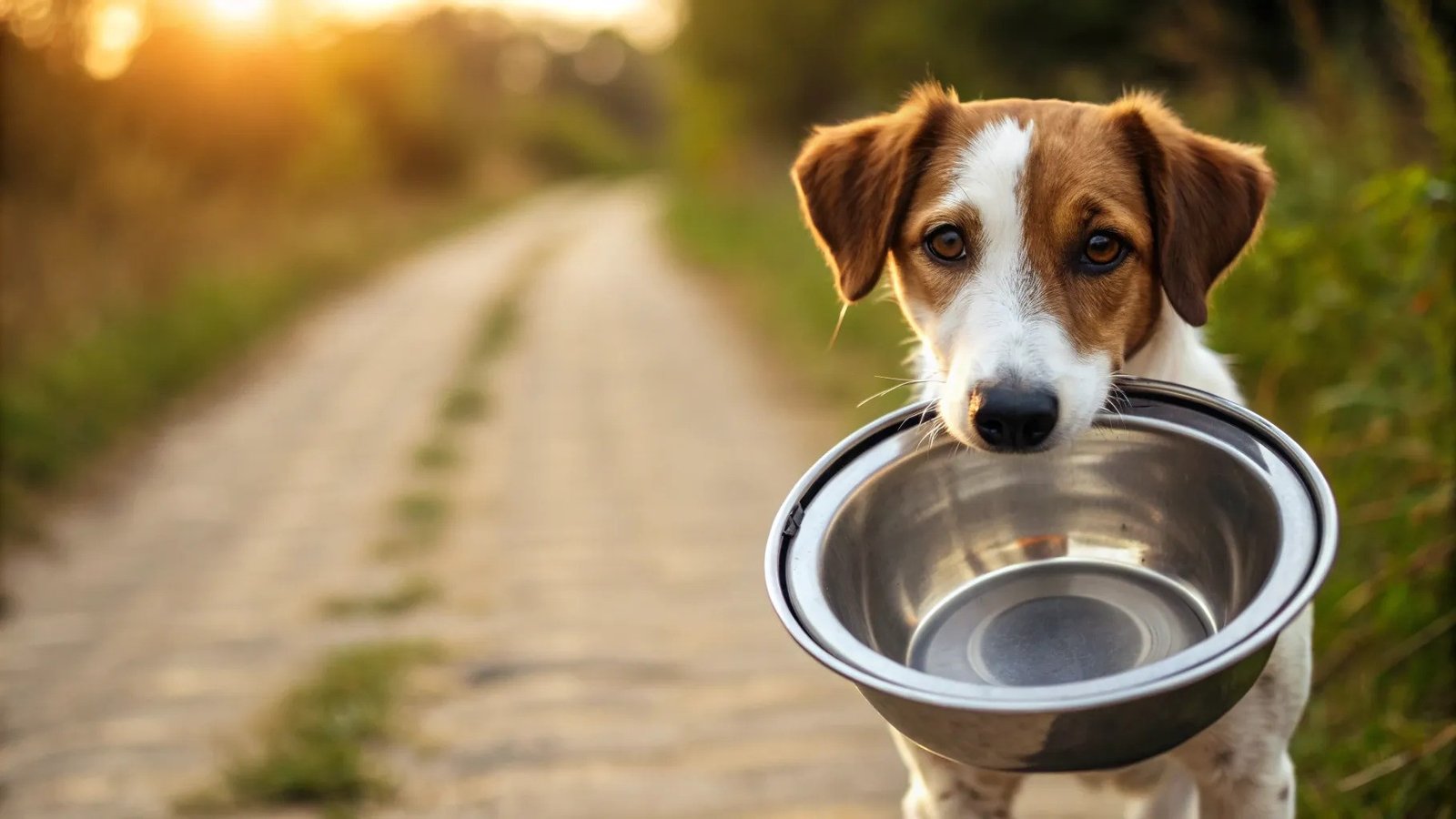
Every single morning, the bowl goes down and the food disappears in under a minute. Tail wagging, nose buried, done before the owner has even stepped back. That dog has eaten the same way for years. Fast, happy, consistent.
Then one morning, something is different.
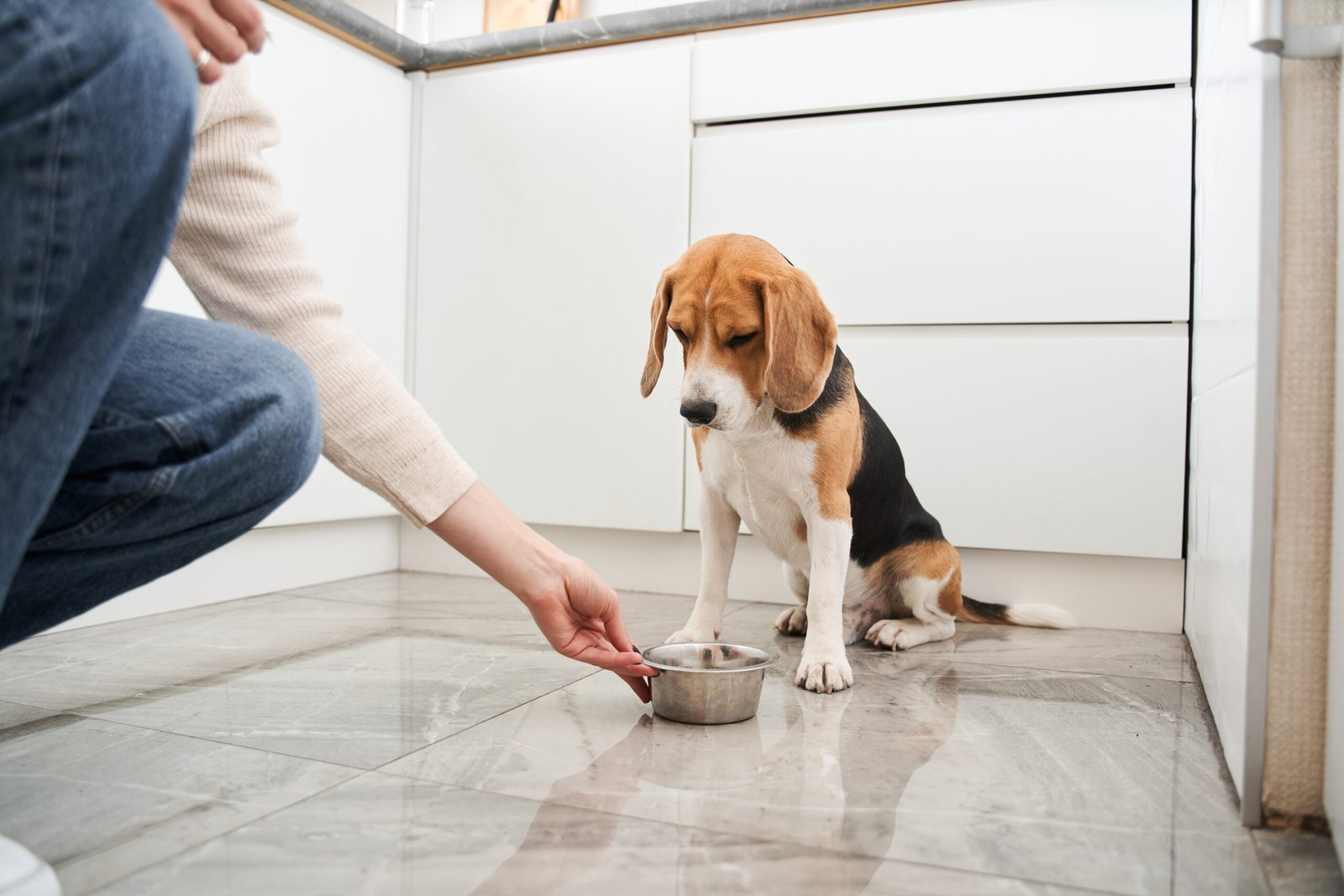
The bowl goes down. The dog walks over, sniffs it, and walks away.
The owner waits. Maybe the dog is just distracted. Maybe it will come back.
It does not come back.
By evening, the food is still sitting there, untouched. The owner starts Googling. Then second-guessing. Then quietly panicking while pretending not to panic.
This situation happens to pet owners all the time. It is confusing, a little unsettling, and hard to know what to make of because a dog cannot explain what is wrong. There are no words. Just a full bowl and a dog that is not interested.
Here is what is usually going on, and what to do about it.
Why Dogs Stop Eating
Dogs stop eating for many different reasons. Some of those reasons are minor and fix themselves within a day. Others point to something that needs attention.
The most common causes include stress or anxiety, mild stomach upset, boredom with the same food, a change in environment, or an underlying health issue. In older dogs, dental pain is a surprisingly common cause that often goes unnoticed.
Most of the time, it is not an emergency. But it always deserves attention.
The Main Reasons a Dog May Be Refusing Food
Something in the environment changed.
Dogs are more sensitive to change than most people expect. A new home, a rearranged feeding spot, a new person in the house, a shift in the daily schedule any of these can be enough to throw a dog off its routine. Some dogs are especially anxious by nature and will skip meals when they feel unsettled. This is usually temporary. Once the dog adjusts, the appetite comes back on its own.
The food has gone stale or smells different.
A dog’s sense of smell is far sharper than a human’s. If a bag of kibble has been open for a while, or if the manufacturer quietly changed the formula, the dog may simply not want it anymore. This is not stubbornness. It is instinct. Food that smells off to a dog even if it looks perfectly fine to the owner will often be left alone.
If a dog ate something it should not have grass from the garden, a piece of food off the floor, or something picked up outside the stomach may just need time to settle. Mild digestive upset frequently shows up as a skipped meal or two. This usually passes on its own within a day.
Boredom with the same food.
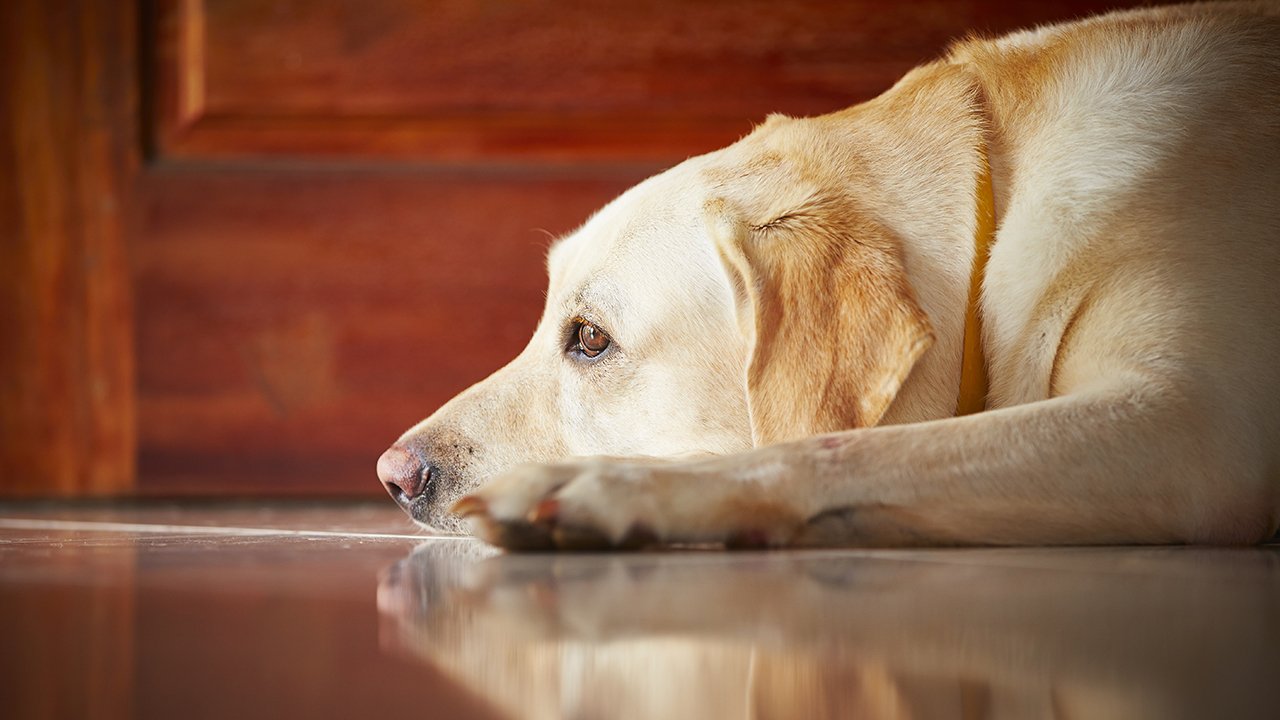
Not all dogs experience this, but some do. A dog that has eaten the same kibble for months or years may simply lose interest. The appetite dips, the motivation to eat fades, and mealtimes become something the dog approaches with less and less enthusiasm. Food boredom on its own is rarely serious, but it can make other issues worse.
Hot weather.
This surprises many owners. Dogs tend to eat less when the weather is very hot, just like people do. The body slows down, activity drops, and less fuel is needed. If the weather has been unusually warm and the dog otherwise seems completely normal, that alone could explain the reduced appetite.
A minor illness or dental pain.
A sore tooth, a small infection, or gum discomfort can make eating painful without showing any dramatic symptoms. Dogs are good at hiding discomfort. If a dog seems hesitant around the bowl, drops food while chewing, or paws at its mouth, dental issues are worth checking with a vet.
When It Becomes Serious
One skipped meal is not a crisis. Two or three skipped meals are a different situation.
These are signs that a vet visit should not be delayed:
- The dog has not eaten for 24 to 48 hours
- There is vomiting, diarrhea, or both
- The dog seems unusually tired or weak, not just quieter than normal
- There is noticeable weight loss
- The dog is drinking far more water than usual, or not drinking at all
- There is any bloating, labored breathing, or visible discomfort
Some conditions like bloat, intestinal blockage, or kidney disease, can get worse quickly. When there is any doubt, a call to the vet is always the right move. That call costs nothing and can matter a great deal.
What to Do Right Now
Step one: Observe before doing anything.
The instinct is to immediately try something different a food, a treat, a new bowl. Resist that for a few hours first. Watch how the dog is behaving. Is it drinking water? Moving around normally? Any vomiting or changes in energy? These observations will be useful whether or not a vet ends up being involved.
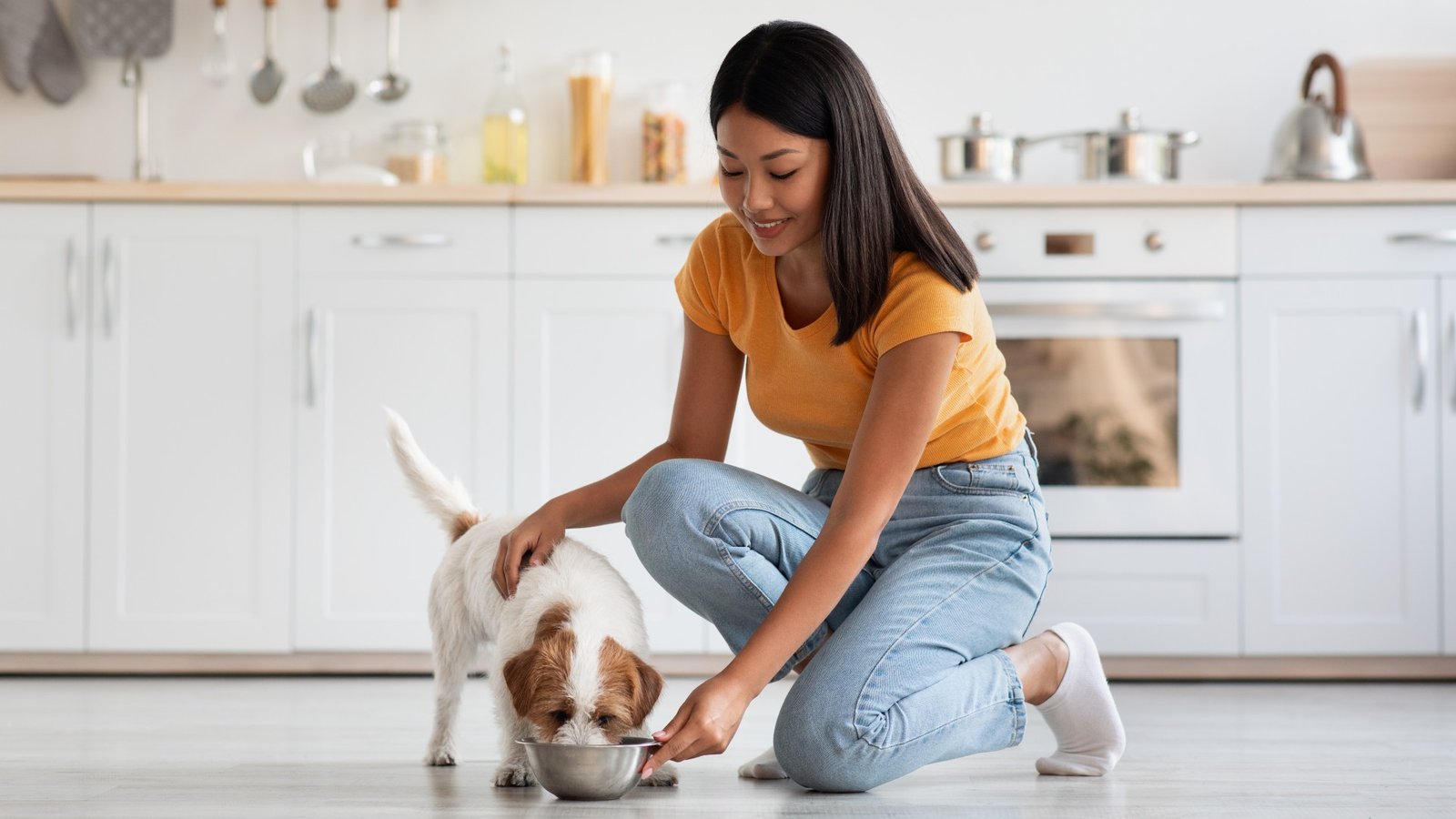
Step two: Think about what recently changed.
Go through the last 48 hours. Was a new bag of food opened? Did a guest visit? Was there a change in routine, a loud event nearby, or a different feeding time? Sometimes the cause becomes obvious once someone actually stops to look for it.
Step three: Try warming the food slightly.
For dogs eating wet or fresh food, gentle warming brings out the smell and can make the food more appealing. This works for some dogs and does not affect others, but it is a simple thing to try. The food should be stirred well and checked to make sure it is not too hot before putting the bowl down.
Step four: Offer something easy on the stomach.
When mild digestive upset seems likely, a gentle option can help the dog get back on track. Plain boiled chicken and rice are a common choice easy to digest, plain, and most dogs will accept it. Some pet owners also find that a small amount of plain goat milk helps ease a queasy stomach and gets the dog interested in food again. It is gentler than cow’s milk and easier for most dogs to digest. This is not a treatment for anything serious. It is simply a way to offer something light while the dog recovers.
Step five: Remove the bowl after 20 minutes.
Leaving food out all day makes it harder to know how much the dog is actually eating. It can also create a grazing habit that works against a healthy appetite. The bowl should go down, stay for 15 to 20 minutes, and then come back up whether or not the food has been touched. Offer again at the next regular mealtime.
Supporting Appetite Naturally Over Time
Once things are back to normal, keeping a dog’s appetite steady comes down to routine and gut health.
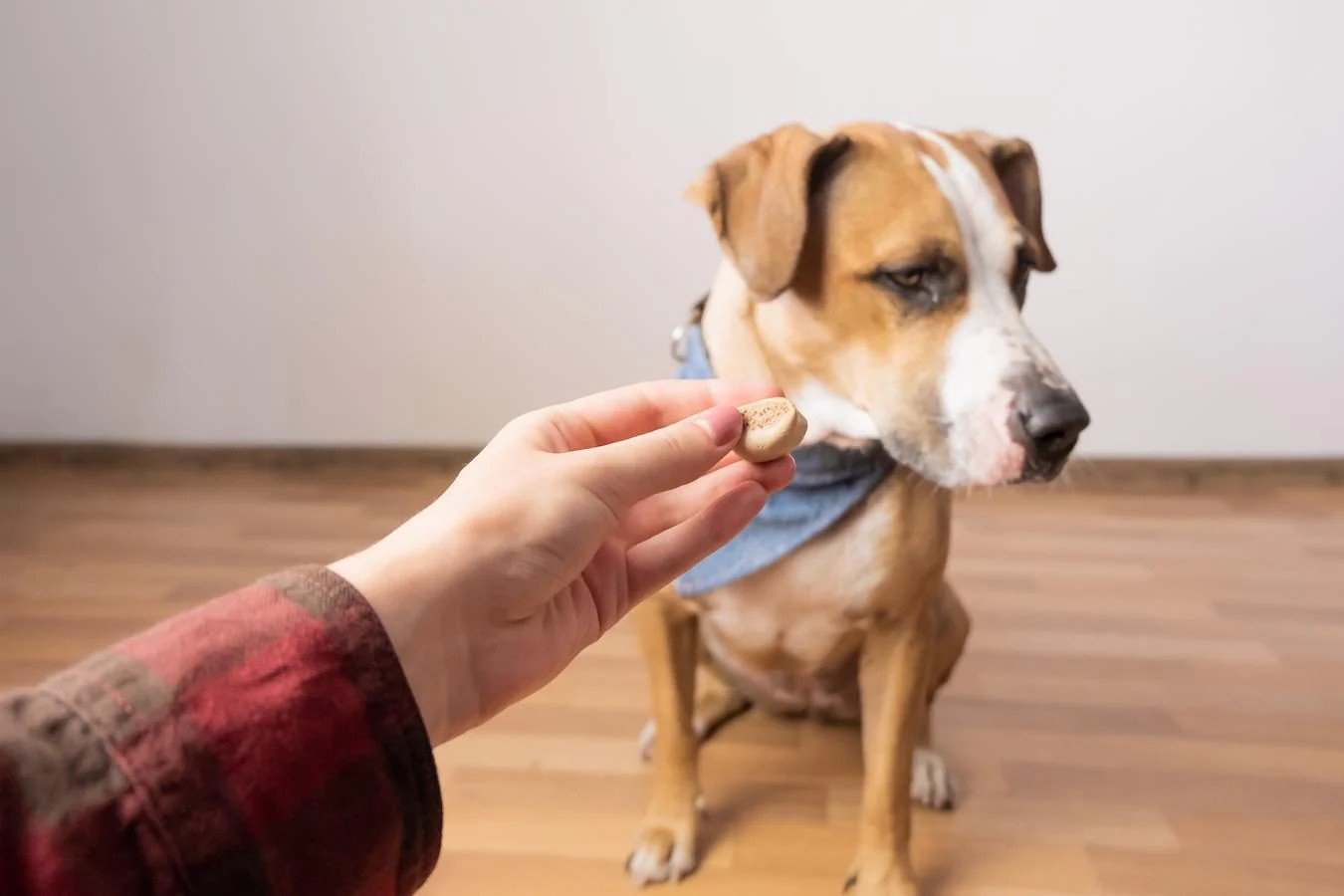
Consistent meal times matter more than most people realize. Dogs are creatures of habit. Feeding at the same time every day reduces mealtime anxiety and helps the digestive system stay regular.
Portion sizes should be appropriate for the dog’s size, age, and activity level. Overfeeding stretches the stomach over time, which can make a dog less interested in standard portions. Underfeeding creates its own set of problems. A vet can help determine the right amount if there is any uncertainty.
Gut-friendly additions can help occasionally. Small amounts of pumpkin puree, plain yogurt, or probiotic treats can support digestive health. A dog with a healthy gut tends to have a more consistent appetite.
Food changes should always happen slowly. If variety is wanted, any new food should be introduced gradually a little mixed in with the regular food first, then more over several days. Sudden switches often cause stomach upset, which makes the appetite problem worse rather than better.
Common Mistakes to Avoid
Force feeding. This almost always makes things worse. It creates anxiety around mealtimes and can seriously damage the trust between a dog and its owner. Food should never feel like a confrontation.
Switching food entirely out of panic. When a dog refuses to eat, the immediate reaction is often to buy something completely different. But a sudden food change can upset the stomach further and prolong the recovery. Any transition should be slow and deliberate.
Replacing meals with treats. Offering treats when a dog skips a meal sends the wrong message. The dog learns quickly that refusing food leads to something more interesting. A few days of this and a difficult habit is formed.
Waiting too long to act. One missed meal is fine. Two is worth watching closely. Three meals skipped, or any other worrying signs, mean it is time to call the vet. Waiting too long is just as unhelpful as overreacting too soon.
A Final Word
Most of the time a dog that stops eating is not in serious trouble. The cause is usually something manageable, such as stale food, a minor stomach upset a change in routine, or a stress reaction. Appetite comes back, life returns to normal, and the worried afternoon in the kitchen becomes a distant memory.
But not every case resolves on its own. Some dogs need a vet visit, a diet change, or treatment for something they simply cannot communicate. The difference between the two often comes down to how early the signs were noticed and how quickly someone acted.
A dog cannot say that something feels wrong. All it can do is walk away from the bowl.
That quiet signal is worth paying attention to.
-
 All Products
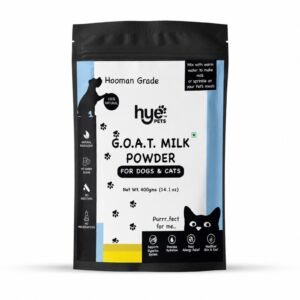
Goat Milk Powder for Dogs and Cats – 400g
Original price was: ₹1,298.86.₹733.96Current price is: ₹733.96. -
 All Products
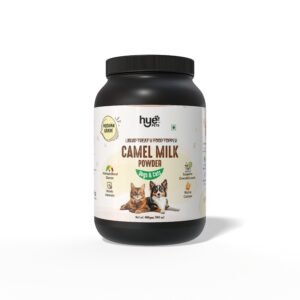
Camel Milk Powder For Dogs and Cats – 400g
Original price was: ₹1,499.75.₹499.00Current price is: ₹499.00. -
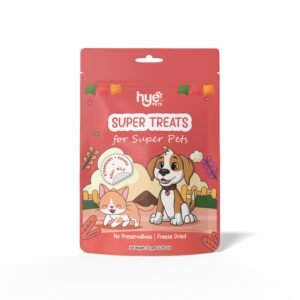 All Products
Super Treats for Super Pets made with Goat Milk, Strawberry and Banana | 30g
Original price was: ₹325.00.₹308.75Current price is: ₹308.75. -
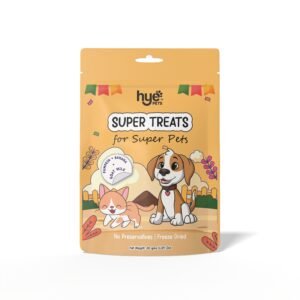 All Products
Super Treats for Super Pets made with Goat Milk, Pumpkin and Banana | 30g
Original price was: ₹279.00.₹265.06Current price is: ₹265.06. -
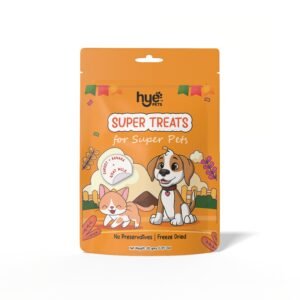 All Products
Super Treats for Super Pets made with Goat Milk, Carrot and Banana | 30g
Original price was: ₹279.00.₹265.06Current price is: ₹265.06. -
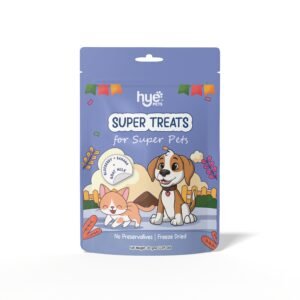 All Products
Super Treats for Super Pets made with Goat Milk, Blueberry and Banana | 30g
Original price was: ₹325.00.₹308.75Current price is: ₹308.75. -
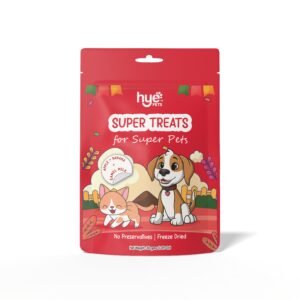 Out of stockAll Products
Super Treats for Super Pets made with Camel Milk, Apple and Banana | 30g
Original price was: ₹279.00.₹265.06Current price is: ₹265.06. -
 All Products
Super Treats for Super Pets made Camel Milk, Beetroot and Banana | 30g
Original price was: ₹279.00.₹265.06Current price is: ₹265.06. -
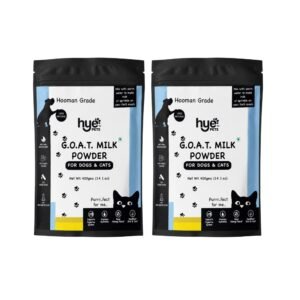 Combos
Goat Milk Powder for Dogs and Cats – Combo Pack (2 x 400g)
Original price was: ₹3,065.28.₹1,680.32Current price is: ₹1,680.32. -
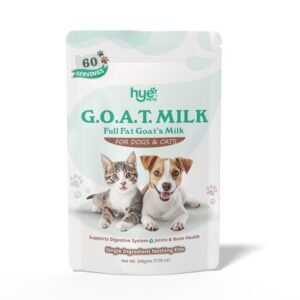 All Products
Goat Milk Powder for Dogs and Cats – 200g
Original price was: ₹698.99.₹657.05Current price is: ₹657.05. -
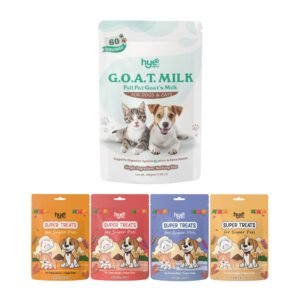 All Products
Goat Milk Powder and Freeze-Dried Goat Milk Treats Combo for Dogs and Cats
Original price was: ₹2,250.26.₹2,067.36Current price is: ₹2,067.36. -
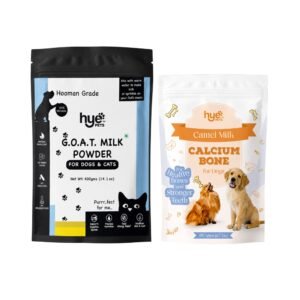 Combos
Goat Milk Powder and Camel Milk Calcium Bone for Dogs – Combo Pack
Original price was: ₹1,826.47.₹1,108.02Current price is: ₹1,108.02. -
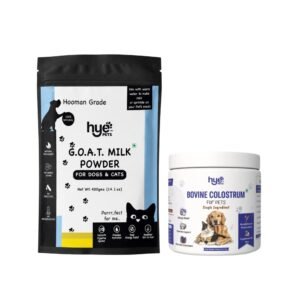 Combos
Goat Milk Powder and Bovine Colostrum Combo for Dogs & Cats
Original price was: ₹2,357.47.₹1,221.30Current price is: ₹1,221.30. -
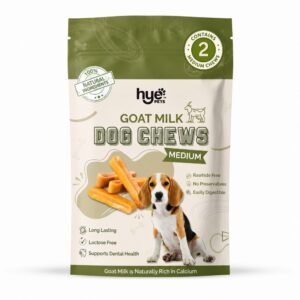 Goat Milk Treats
Goat Milk Dog Chews for Medium Dogs | Rawhide-Free Dental Treats | 2 Chews
Original price was: ₹449.01.₹422.01Current price is: ₹422.01. -
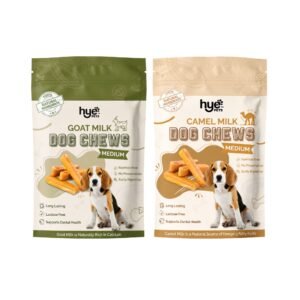 Combos
Goat Milk and Camel Milk Chews Combo for Medium Dogs
Original price was: ₹1,118.64.₹1,019.52Current price is: ₹1,019.52. -
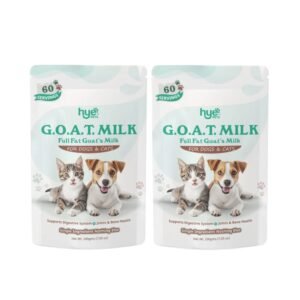 Combos
Full Fat Goat Milk Powder for Dogs and Cats Combo Pack (2 x 200g)
Original price was: ₹1,649.64.₹1,509.22Current price is: ₹1,509.22. -
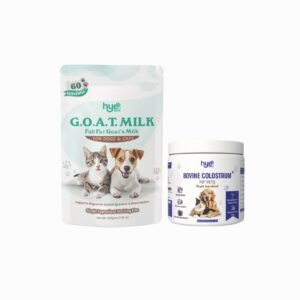 Combos
Full Fat Goat Milk Powder and Bovine Colostrum Combo for Dogs and Cats
Original price was: ₹1,398.01.₹949.01Current price is: ₹949.01.
- All Posts
- Blog
- Blogs
- Recipe
- Stories
- Trivia