You’ve probably seen goat milk popping up everywhere lately in pet stores, online, and even recommended by other dog owners. It sounds like one of those simple upgrades that can actually make a difference, especially if your dog has a sensitive stomach or gets bored with their usual food.
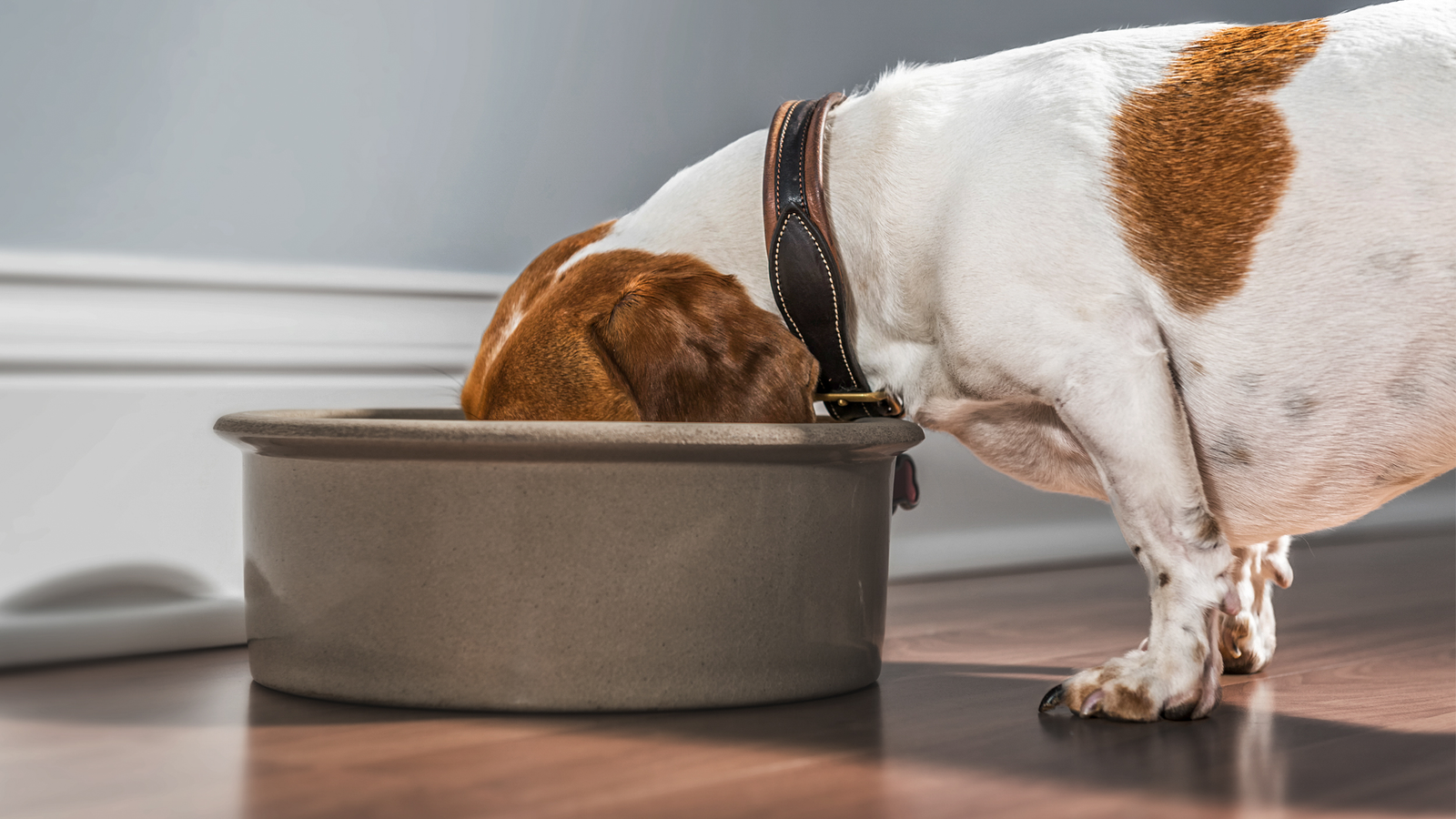
But then comes the confusing part. Do you go for the frozen raw version, or the easy powdered one sitting on the shelf?
At first glance, both seem like good options. One feels more natural, the other feels more convenient. And if you’re just trying to do what’s best for your dog, it’s not always obvious which one makes more sense.
This guide breaks it down in a simple way so you can choose what actually works for your routine and your dog.
Why Is Goat Milk for Dogs Becoming So Popular?
Think of goat milk as nature’s most digestible multivitamin. While many dogs struggle with the lactose in cow’s milk, goat milk has smaller fat globules and a different protein structure, making it much gentler on the stomach.
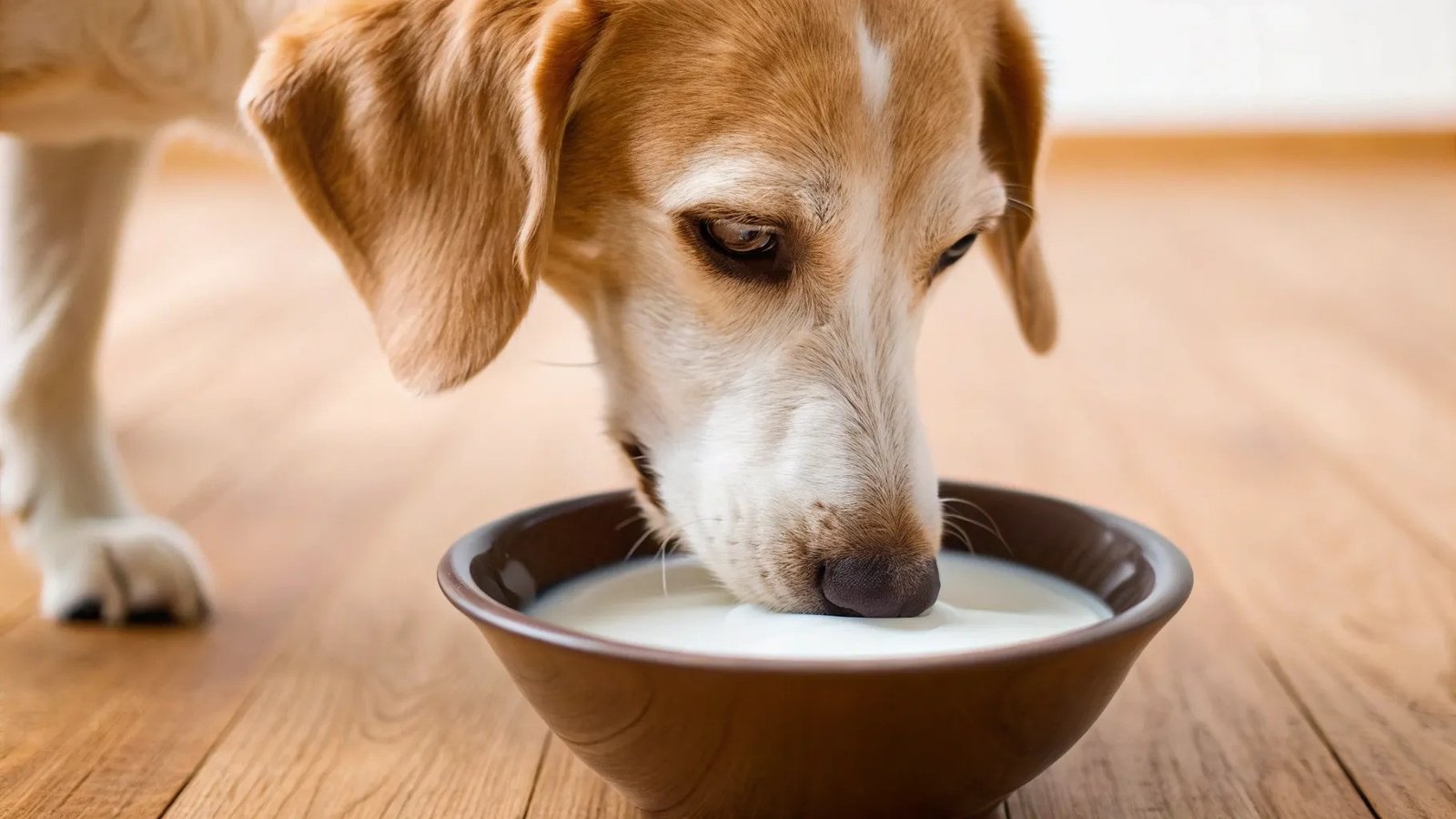
Pet parents are making the switch because it naturally:
- Eases Digestion: It breaks down in the gut much faster than cow’s milk.
- Supports Gut Health: It’s a natural anti-inflammatory that helps good bacteria thrive.
- Adds a Nutrient Punch: It’s a great source of Vitamin A, calcium, and potassium.
The Lowdown on Raw Goat Milk for Dogs
Raw goat milk is straight from the farm milk that hasn’t been pasteurized or heat-treated. You’ll usually find it frozen or in the refrigerator section of boutique pet stores.
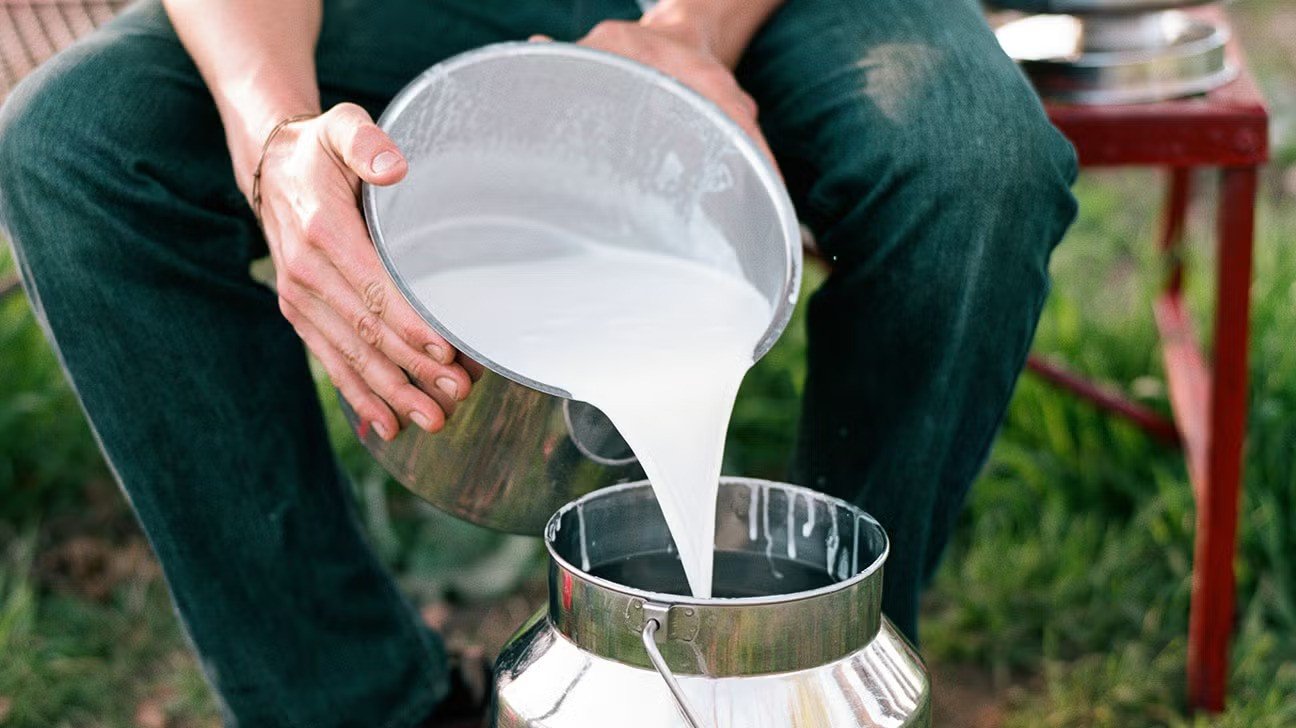
The Benefits of Going Raw
- Maximum Enzyme Power: It stays in its most natural, potent state.
- Living Probiotics: It’s packed with active good bacteria that heat usually kills off during processing.
- The Whole Food Advantage: It’s as close to nature as a supplement can get.
Factors to Consider
- Storage Needs: It must stay in the freezer until you’re ready. Once thawed, you usually have a 5–7 day window to use it.
- Source Quality: Since it isn’t heat-treated, buying from a reputable, clean farm is essential for safety.
Understanding Powdered Goat Milk Options
This is fresh milk that has been dehydrated into a fine powder. When you’re ready to serve, you just scoop it out and stir it with a little warm water.
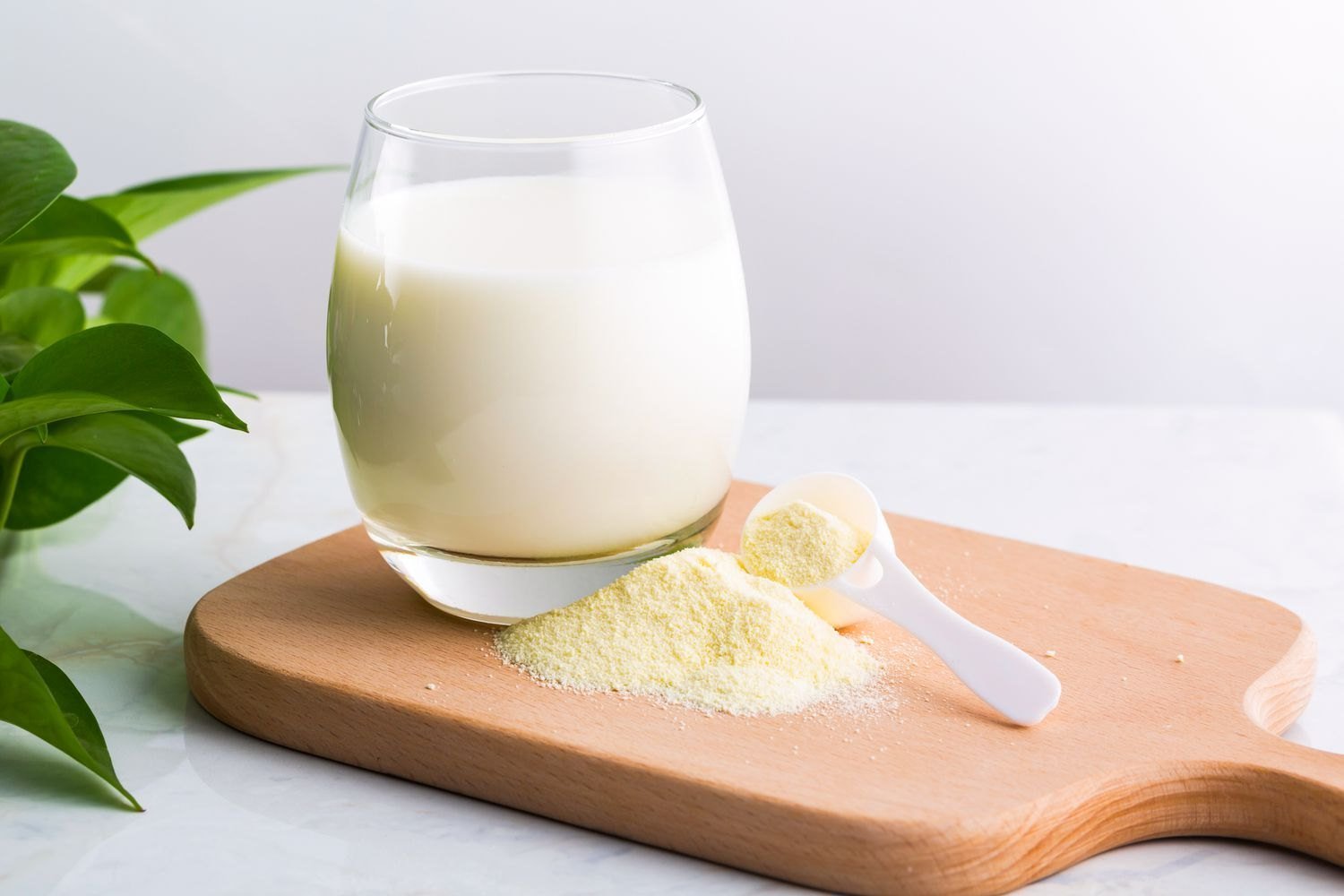
Why Pet Parents Love Powder
- Ultimate Convenience: It lives in your pantry for months. No more worrying about the milk going off before you finish the bottle.
- Travel-Friendly: Taking your dog camping or to a sitter? Just throw the canister in your bag.
- Wallet-Friendly: It’s usually more economical and reduces waste because you only mix what you need for that specific meal.
Things to Watch For
- Processing Levels: The drying process can slightly reduce the activity of some delicate, heat-sensitive enzymes.
- Ingredient Labels: Some brands might add fillers. Always look for 100% Goat Milk to ensure your dog is getting the real deal.
Comparison of Raw vs. Powdered Goat Milk
Feature | Raw Goat Milk | Powdered Goat Milk |
Freshness | Maximum (Unheated) | Dehydrated |
Convenience | Requires Thawing | Instant Mix |
Storage | Freezer & Fridge | Pantry Shelf |
Shelf Life | Very Short (Once thawed) | Very Long |
Best For | Extreme Gut Sensitivity | Busy Schedules & Travel |
Which Option Should You Choose for Your Dog?
Go for Raw Goat Milk If:
- You prefer fresh, minimally processed whole foods for your pet.
- You have a routine that allows for thawing and fridge management.
- Your dog has specific digestive issues and needs maximum active probiotics.
Go for Powdered Goat Milk If:
- You want something quick and mess-free for busy mornings.
- You travel often or don’t have a local store that stocks frozen pet supplements.
- You’re looking for a high-quality nutrient boost that fits a tighter budget.
How to Safely Add Goat Milk to Your Dog’s Diet
The golden rule? Start small. quantity matters! Even the healthiest supplement can cause loose stool if you introduce too much too fast.

- The Slow Pour: Start with just a teaspoon or two mixed into their regular food.
- Mix or Serve: You can drizzle it over kibble as a topper or serve it in a separate bowl as a hydrating snack.
- Observe: Watch how your dog responds over a few days before increasing the amount.
- A Topper, Not a Meal: Keep it as a supplement about 10% or less of their daily calories, not a replacement for their balanced diet.
Common Mistakes to Avoid
- Buying Human Flavored Milks: Never give your dog goat milk with added sugar, vanilla, or worst of all, Xylitol.
- Skipping the Ingredient List: Avoid products with maltodextrin or anti-caking agents.
- Ignoring Storage Rules: Don’t leave raw milk on the counter, and keep powdered milk in a cool, dry place to prevent clumping.
The Verdict
Whether you choose the probiotic-packed raw version or the ultra-convenient powder, you’re giving your dog a massive nutritional leg-up. There isn’t a single right way to do it only the one that fits your lifestyle and makes your dog’s tail wag. Try a small amount of either and see how quickly your pup falls in love with their new favorite treat!
-
 All Products
Goat Milk Powder for Dogs and Cats – 400g
Original price was: ₹1,298.86.₹733.96Current price is: ₹733.96. -
 All Products
Camel Milk Powder For Dogs and Cats – 400g
Original price was: ₹1,499.75.₹499.00Current price is: ₹499.00. -
 All Products
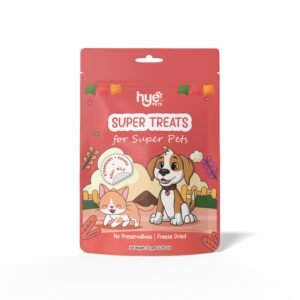
Super Treats for Super Pets made with Goat Milk, Strawberry and Banana | 30g
Original price was: ₹325.00.₹308.75Current price is: ₹308.75. -
 All Products
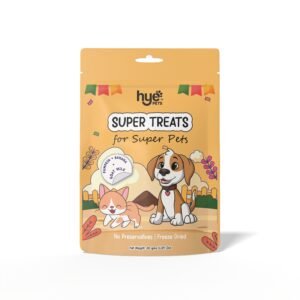
Super Treats for Super Pets made with Goat Milk, Pumpkin and Banana | 30g
Original price was: ₹279.00.₹265.06Current price is: ₹265.06. -
 All Products
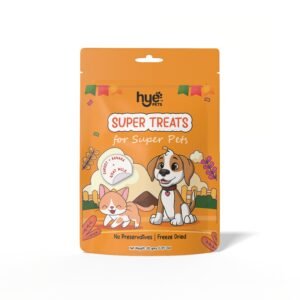
Super Treats for Super Pets made with Goat Milk, Carrot and Banana | 30g
Original price was: ₹279.00.₹265.06Current price is: ₹265.06. -
 All Products
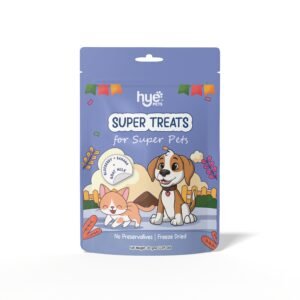
Super Treats for Super Pets made with Goat Milk, Blueberry and Banana | 30g
Original price was: ₹325.00.₹308.75Current price is: ₹308.75. -
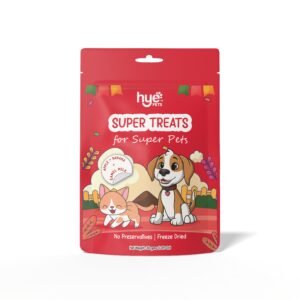 Out of stockAll Products
Super Treats for Super Pets made with Camel Milk, Apple and Banana | 30g
Original price was: ₹279.00.₹265.06Current price is: ₹265.06. -
 All Products
Super Treats for Super Pets made Camel Milk, Beetroot and Banana | 30g
Original price was: ₹279.00.₹265.06Current price is: ₹265.06. -
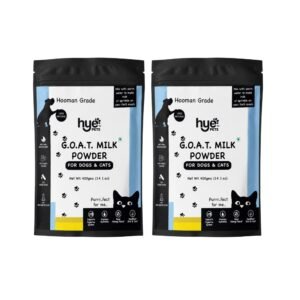 Combos
Goat Milk Powder for Dogs and Cats – Combo Pack (2 x 400g)
Original price was: ₹3,065.28.₹1,680.32Current price is: ₹1,680.32. -
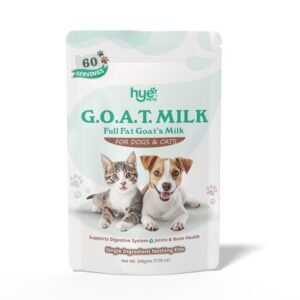 All Products
Goat Milk Powder for Dogs and Cats – 200g
Original price was: ₹698.99.₹657.05Current price is: ₹657.05. -
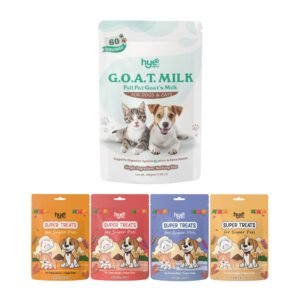 All Products
Goat Milk Powder and Freeze-Dried Goat Milk Treats Combo for Dogs and Cats
Original price was: ₹2,250.26.₹2,067.36Current price is: ₹2,067.36. -
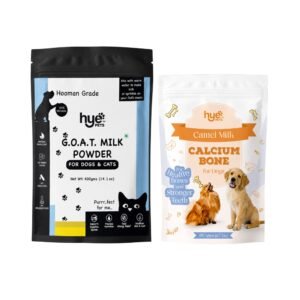 Combos
Goat Milk Powder and Camel Milk Calcium Bone for Dogs – Combo Pack
Original price was: ₹1,826.47.₹1,108.02Current price is: ₹1,108.02. -
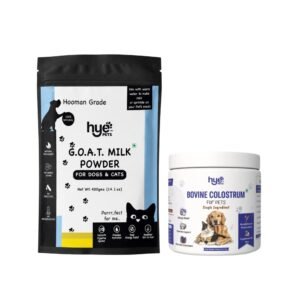 Combos
Goat Milk Powder and Bovine Colostrum Combo for Dogs & Cats
Original price was: ₹2,357.47.₹1,221.30Current price is: ₹1,221.30. -
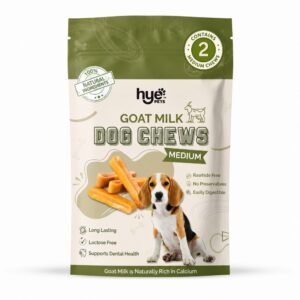 Goat Milk Treats
Goat Milk Dog Chews for Medium Dogs | Rawhide-Free Dental Treats | 2 Chews
Original price was: ₹449.01.₹422.01Current price is: ₹422.01. -
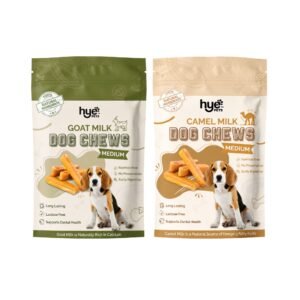 Combos
Goat Milk and Camel Milk Chews Combo for Medium Dogs
Original price was: ₹1,118.64.₹1,019.52Current price is: ₹1,019.52. -
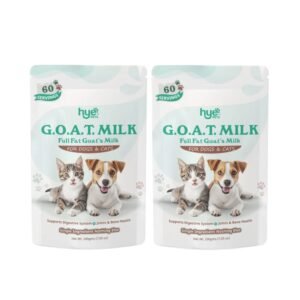 Combos
Full Fat Goat Milk Powder for Dogs and Cats Combo Pack (2 x 200g)
Original price was: ₹1,649.64.₹1,509.22Current price is: ₹1,509.22. -
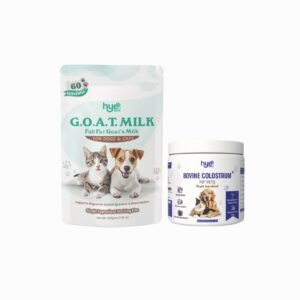 Combos
Full Fat Goat Milk Powder and Bovine Colostrum Combo for Dogs and Cats
Original price was: ₹1,398.01.₹949.01Current price is: ₹949.01.
- All Posts
- Blog
- Blogs
- Recipe
- Stories
- Trivia