Who among us hasn’t leaned in for a cozy snuggle, only to be met with a puff of dog breath that smells suspiciously like a forgotten trash can? It’s a classic pet parent moment, we usually laugh, pull back, and offer a quick ear scratch instead. But while we often treat that funky smell as just part of the canine package, it is often the first quiet signal that a pup is struggling with their oral hygiene.
Dogs are incredibly stoic creatures; they won’t usually whine or pace when they have a toothache. Instead, they just keep wagging, leaving it up to us to notice the subtle shifts. Taking care of their teeth through proper dog dental care isn’t just about making those morning wake-up kisses more bearable; it’s about ensuring they can enjoy their favorite tennis ball and crunchy treats without hidden harm.
Why Dog Dental Health Matters More Than We Realize
It’s a common misconception that because dogs descended from wolves, their teeth are somehow self-cleaning. In reality, domestic dogs live very different lives and eat much softer diets than their ancestors. This shift makes intentional dog dental care a cornerstone of modern pet health.
The numbers are quite eye-opening. According to the American Veterinary Dental College (AVDC), nearly 80% of dogs show signs of periodontal disease by the time they hit age three. This isn’t just a cosmetic issue, it’s a significant health hurdle that starts with a sticky film of bacteria called plaque.
The hidden impact of plaque and tartar
Every time a dog eats, plaque begins to form on their teeth. If it isn’t brushed away, it reacts with the minerals in their saliva and hardens into tartar calculus in as little as 36 to 48 hours. Once tartar sets in, it’s like concrete on the teeth.
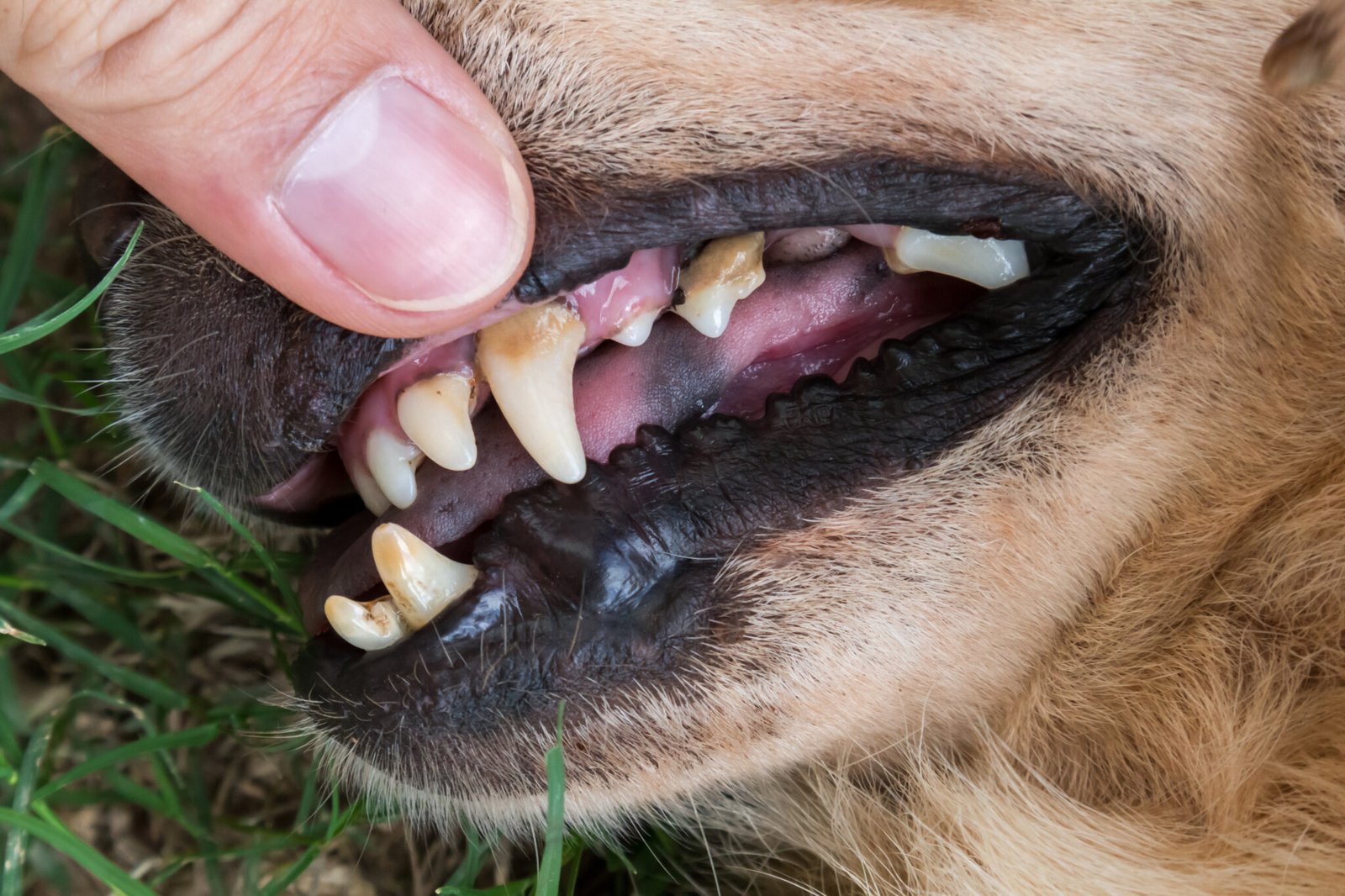
This buildup provides a rough, porous surface where even more bacteria can thrive. Eventually, it burrows deep under the gumline where a standard toothbrush can’t reach, leading to dog gum disease and potential tooth loss.
How oral health affects overall wellness
Poor dental hygiene isn’t just a mouth problem. Think of the mouth as a gateway to the rest of the body. When gums become inflamed or infected, bacteria can actually hitch a ride into the bloodstream.
General veterinary guidance emphasizes that chronic dental disease is closely linked to increased strain on a dog’s heart, liver, and kidneys. Protecting their teeth is, quite literally, one of the most effective ways to protect their vital organs for the long haul.
Common Signs of Dental Problems in Dogs
Since dogs are masters at hiding discomfort, the clues they leave are often easy to miss. It’s rarely a loud cry of pain; it’s more about the things they stop doing.
Bad breath and gum changes
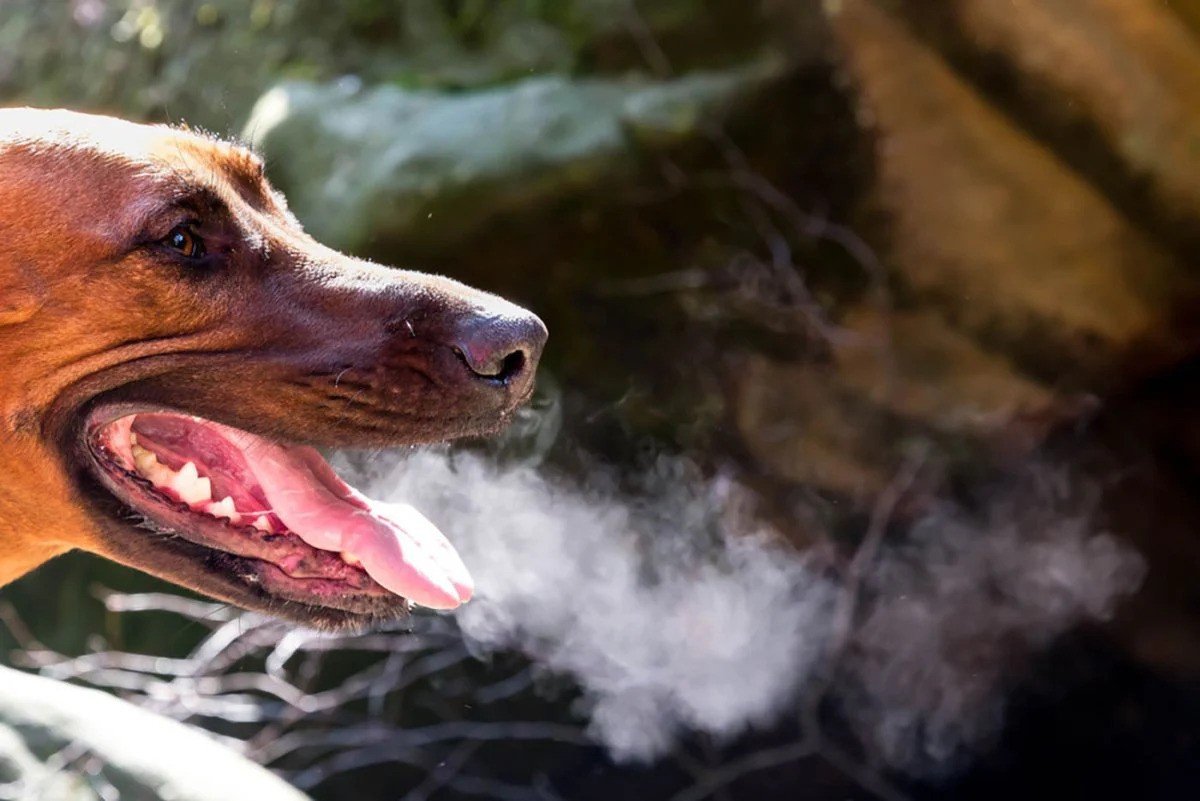
While kibble breath is one thing, a truly foul, rotting odor is a major red flag. Most dog bad breath causes are rooted in heavy bacterial overgrowth or decaying tissue.
A quick peek under the lip can reveal even more. Healthy gums should be a soft bubblegum pink. If there is a bright red line where the tooth meets the gum, or if the gums look puffy and bleed during a game of tug-of-war, your dog likely needs a professional checkup.
Changes in eating or chewing behavior
Have you ever noticed a dog suddenly dropping pieces of kibble back into the bowl, or tilting their head to chew exclusively on one side? These aren’t usually signs of a picky eater.
More often, they are signs of physical discomfort. If a pup suddenly loses interest in a favorite hard rubber toy or hesitates before grabbing a treat they usually love, their mouth is likely sending them a pain signal.
Simple Dog Dental Care Habits for Healthy Teeth
You don’t need to be a pro to make a massive difference in a dog’s life. Following a simple dog dental care checklist can keep them on the right track:
- Daily: A quick check of the gums and a 30-second brushing session.
- Weekly: Inspect the back molars for any new yellowish buildup or tartar.
- Monthly: Wash their favorite chew toys to keep bacteria levels down.
- Annually: Schedule a professional dental exam with your veterinarian.
Brushing a dog’s teeth safely
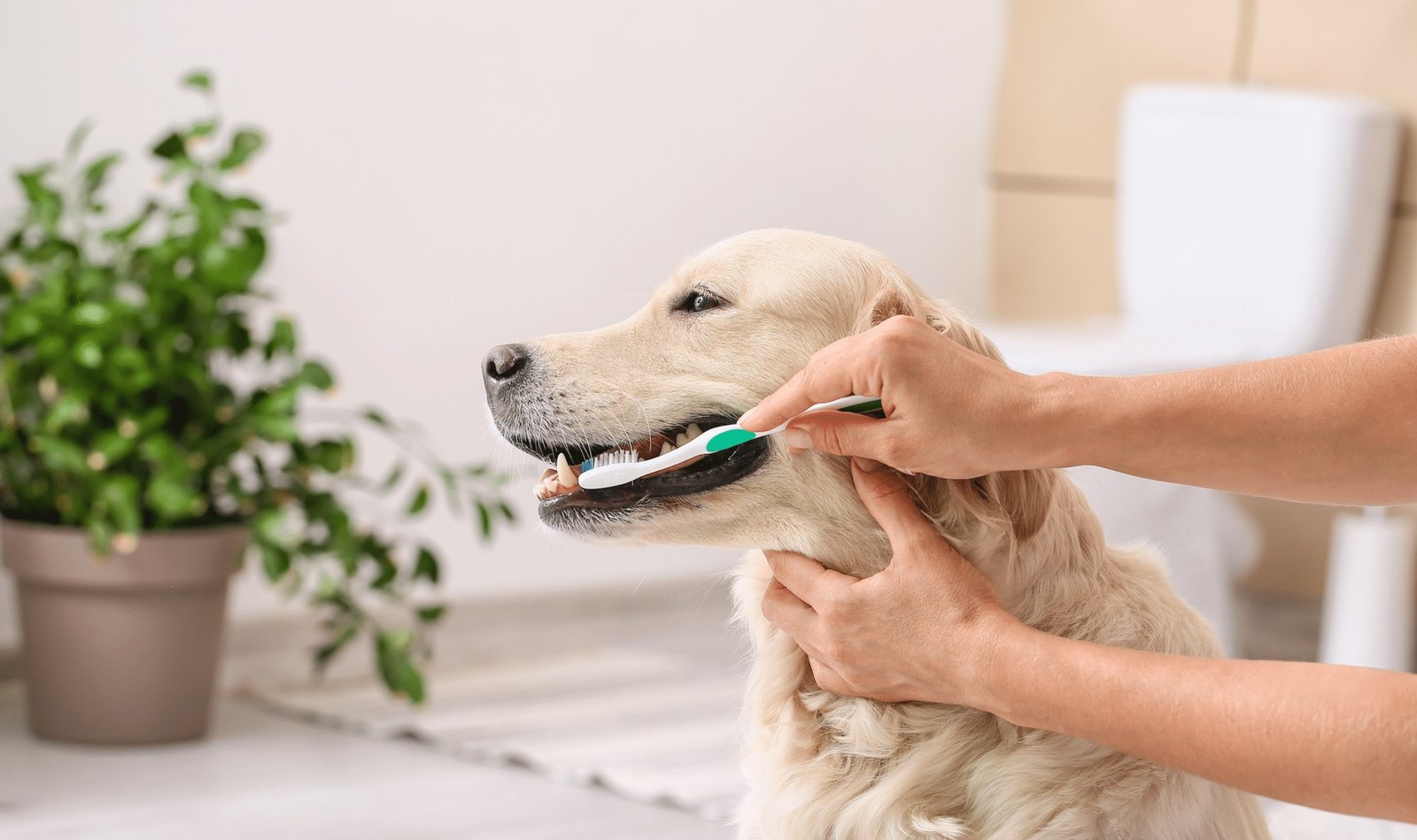
Learning how to clean dog teeth is the gold standard of care. It can be a little awkward at first, you might end up with more toothpaste on your sleeve than on their teeth, but it gets easier with practice.
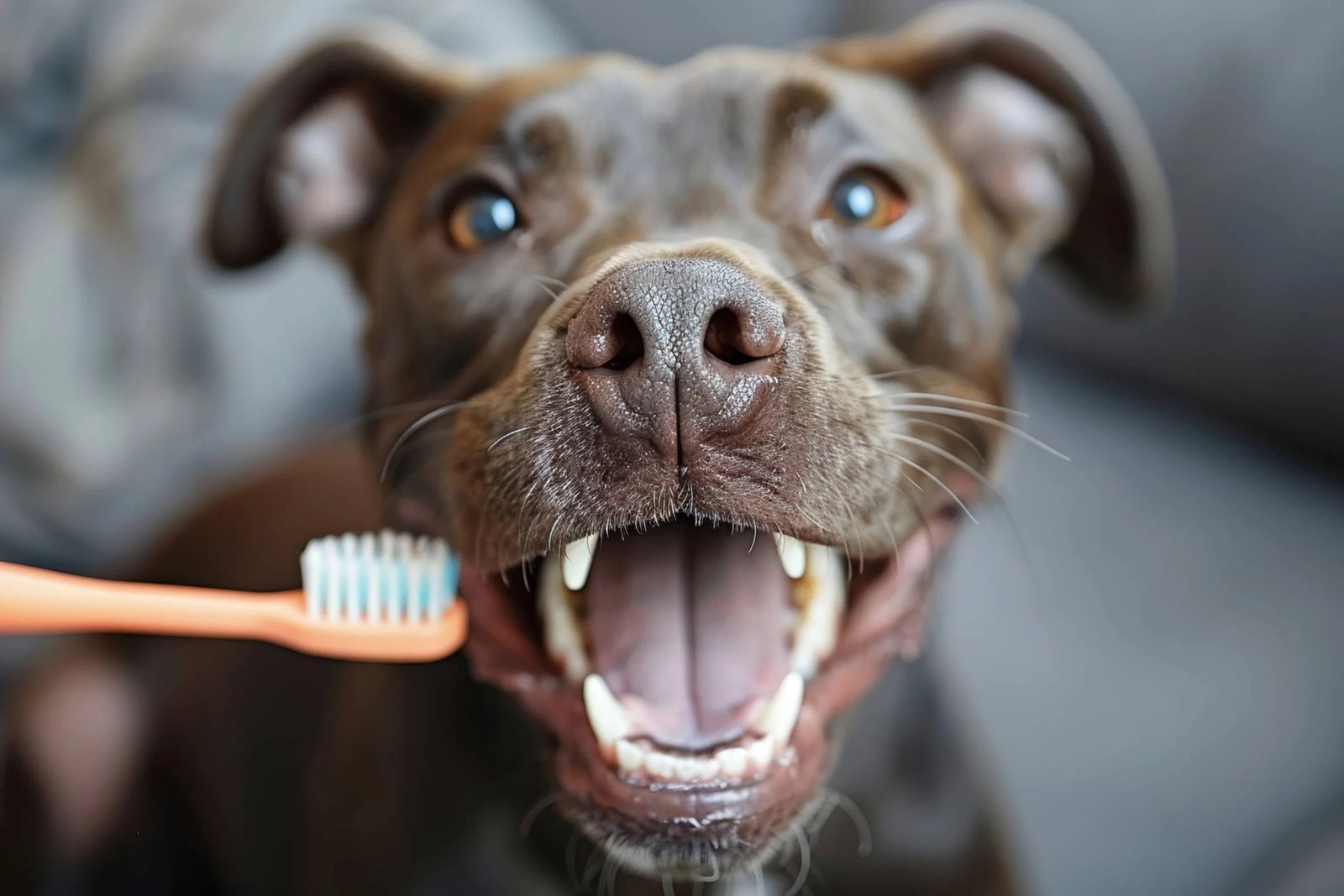
Focus on the outside surfaces of the teeth, the part touching the cheeks. A dog’s tongue does a decent job of keeping the inside surfaces clean. Always use dog-specific toothpaste, human versions contain xylitol and fluoride, which are toxic to dogs.
Best Dental Products for Dogs
Keeping your dog’s teeth healthy becomes much easier with the right tools. Many veterinarians recommend combining brushing with other dental care products.
Common options include:
- Dog toothbrushes: Designed with softer bristles and angled heads to reach back teeth.
- Enzymatic dog toothpaste: Helps break down plaque and bacteria safely.
- Dental chews: Special treats that help scrape plaque from teeth while dogs chew.
- Water additives: Added to drinking water to help reduce bacteria and freshen breath.
Using a combination of these products can significantly improve your dog’s dental hygiene and reduce plaque buildup.
Dog Breeds More Prone to Dental Problems
Some dog breeds are naturally more vulnerable to dental disease due to the shape and size of their mouths. Small breeds often have crowded teeth that allow plaque and tartar to build up quickly.
Breeds that commonly experience dental issues include:
- Yorkshire Terriers
- Pugs
- Chihuahuas
- Dachshunds
- Maltese
Owners of these breeds should pay extra attention to brushing routines and regular dental checkups.
The Role of Veterinary Checkups
Even with the best home routine, genetics play a role. Smaller breeds, like Yorkies or Pugs, often have crowded mouths that trap bacteria regardless of how much you brush your dog’s teeth.
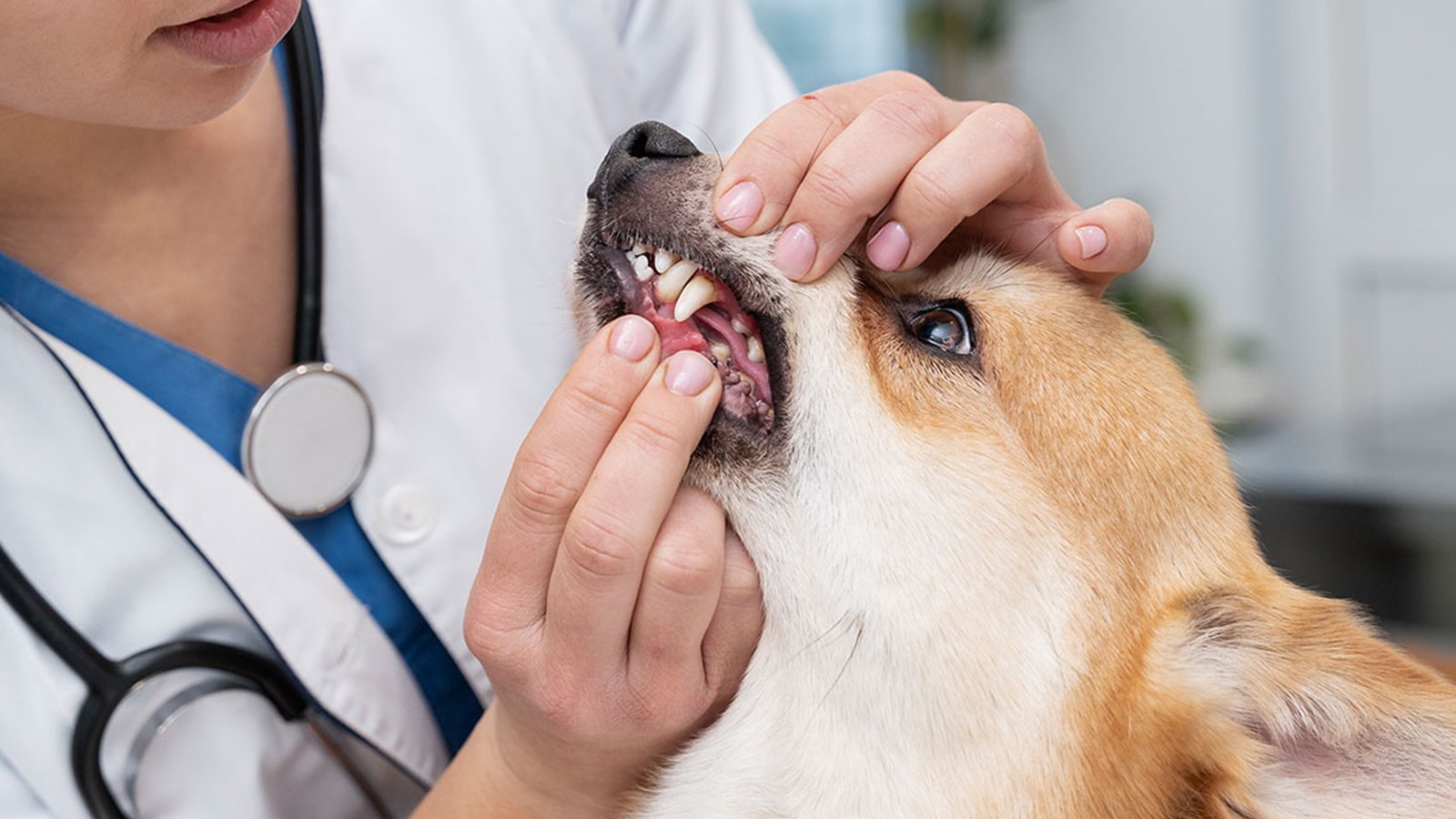
Vets generally recommend a professional cleaning once a year. This is performed under light anesthesia so the vet can safely clean deep under the gumline and perform X-rays. Since 60% of a dog’s tooth is hidden under the bone, an X-ray is the only way to see if a tooth is actually healthy or rotting from the inside out.
Conclusion: A Lifetime of Happy Smiles
Looking after a dog’s mouth is about much more than just a movie star smile. It’s about their quality of life. By staying alert to subtle signs like the smell of their breath or the way they chew their toys, you can add years of comfort to your dog’s life.
Consistency beats perfection every single time. A few minutes a week spent on a pup’s pearly whites is a small price to pay for a lifetime of healthy tails and fresh-breath morning kisses.
Take the next step for your dog’s health. Don’t wait for a trash can breath moment to take action. Start a simple brushing routine this week and keep a close eye on your dog’s eating habits. If you notice any redness, bleeding, or unusual odors, schedule a dental checkup with your vet right away to keep your best friend thriving!
-
 All Products
Goat Milk Powder for Dogs and Cats – 400g
Original price was: ₹1,298.86.₹733.96Current price is: ₹733.96. -
 All Products
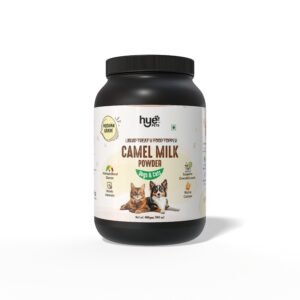
Camel Milk Powder For Dogs and Cats – 400g
Original price was: ₹1,499.75.₹499.00Current price is: ₹499.00. -
 All Products
Super Treats for Super Pets made with Goat Milk, Strawberry and Banana | 30g
Original price was: ₹325.00.₹308.75Current price is: ₹308.75. -
 All Products
Super Treats for Super Pets made with Goat Milk, Pumpkin and Banana | 30g
Original price was: ₹279.00.₹265.06Current price is: ₹265.06. -
 All Products
Super Treats for Super Pets made with Goat Milk, Carrot and Banana | 30g
Original price was: ₹279.00.₹265.06Current price is: ₹265.06. -
 All Products
Super Treats for Super Pets made with Goat Milk, Blueberry and Banana | 30g
Original price was: ₹325.00.₹308.75Current price is: ₹308.75. -
 Out of stockAll Products
Super Treats for Super Pets made with Camel Milk, Apple and Banana | 30g
Original price was: ₹279.00.₹265.06Current price is: ₹265.06. -
 All Products
Super Treats for Super Pets made Camel Milk, Beetroot and Banana | 30g
Original price was: ₹279.00.₹265.06Current price is: ₹265.06. -
 Combos
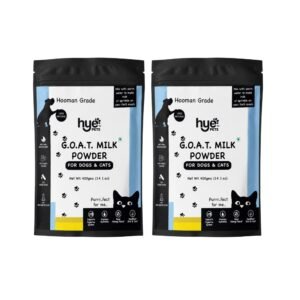
Goat Milk Powder for Dogs and Cats – Combo Pack (2 x 400g)
Original price was: ₹3,065.28.₹1,680.32Current price is: ₹1,680.32. -
 All Products
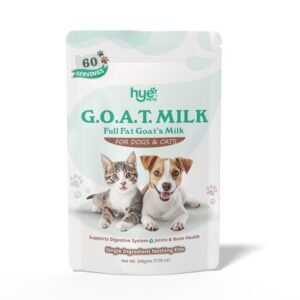
Goat Milk Powder for Dogs and Cats – 200g
Original price was: ₹698.99.₹657.05Current price is: ₹657.05. -
 All Products
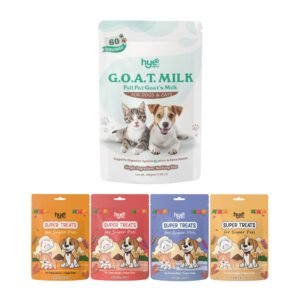
Goat Milk Powder and Freeze-Dried Goat Milk Treats Combo for Dogs and Cats
Original price was: ₹2,250.26.₹2,067.36Current price is: ₹2,067.36. -
 Combos
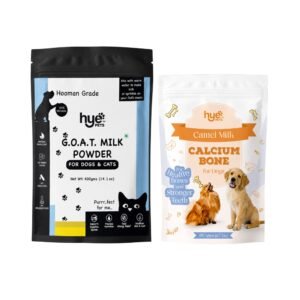
Goat Milk Powder and Camel Milk Calcium Bone for Dogs – Combo Pack
Original price was: ₹1,826.47.₹1,108.02Current price is: ₹1,108.02. -
 Combos
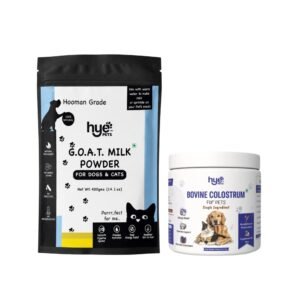
Goat Milk Powder and Bovine Colostrum Combo for Dogs & Cats
Original price was: ₹2,357.47.₹1,221.30Current price is: ₹1,221.30. -
 Goat Milk Treats
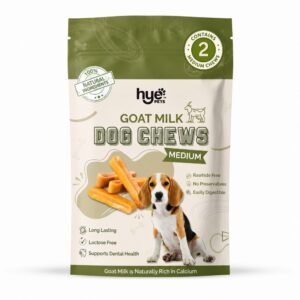
Goat Milk Dog Chews for Medium Dogs | Rawhide-Free Dental Treats | 2 Chews
Original price was: ₹449.01.₹422.01Current price is: ₹422.01. -
 Combos
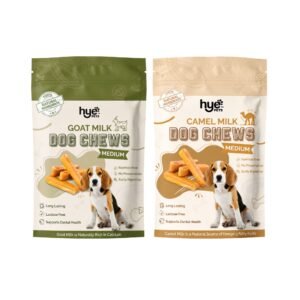
Goat Milk and Camel Milk Chews Combo for Medium Dogs
Original price was: ₹1,118.64.₹1,019.52Current price is: ₹1,019.52. -
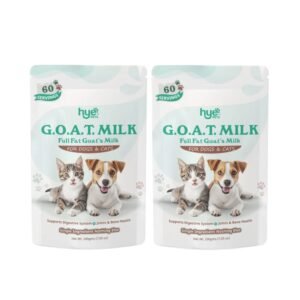 Combos
Full Fat Goat Milk Powder for Dogs and Cats Combo Pack (2 x 200g)
Original price was: ₹1,649.64.₹1,509.22Current price is: ₹1,509.22. -
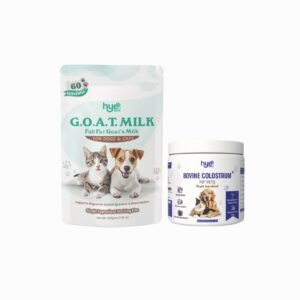 Combos
Full Fat Goat Milk Powder and Bovine Colostrum Combo for Dogs and Cats
Original price was: ₹1,398.01.₹949.01Current price is: ₹949.01.
- All Posts
- Blog
- Blogs
- Recipe
- Stories
- Trivia