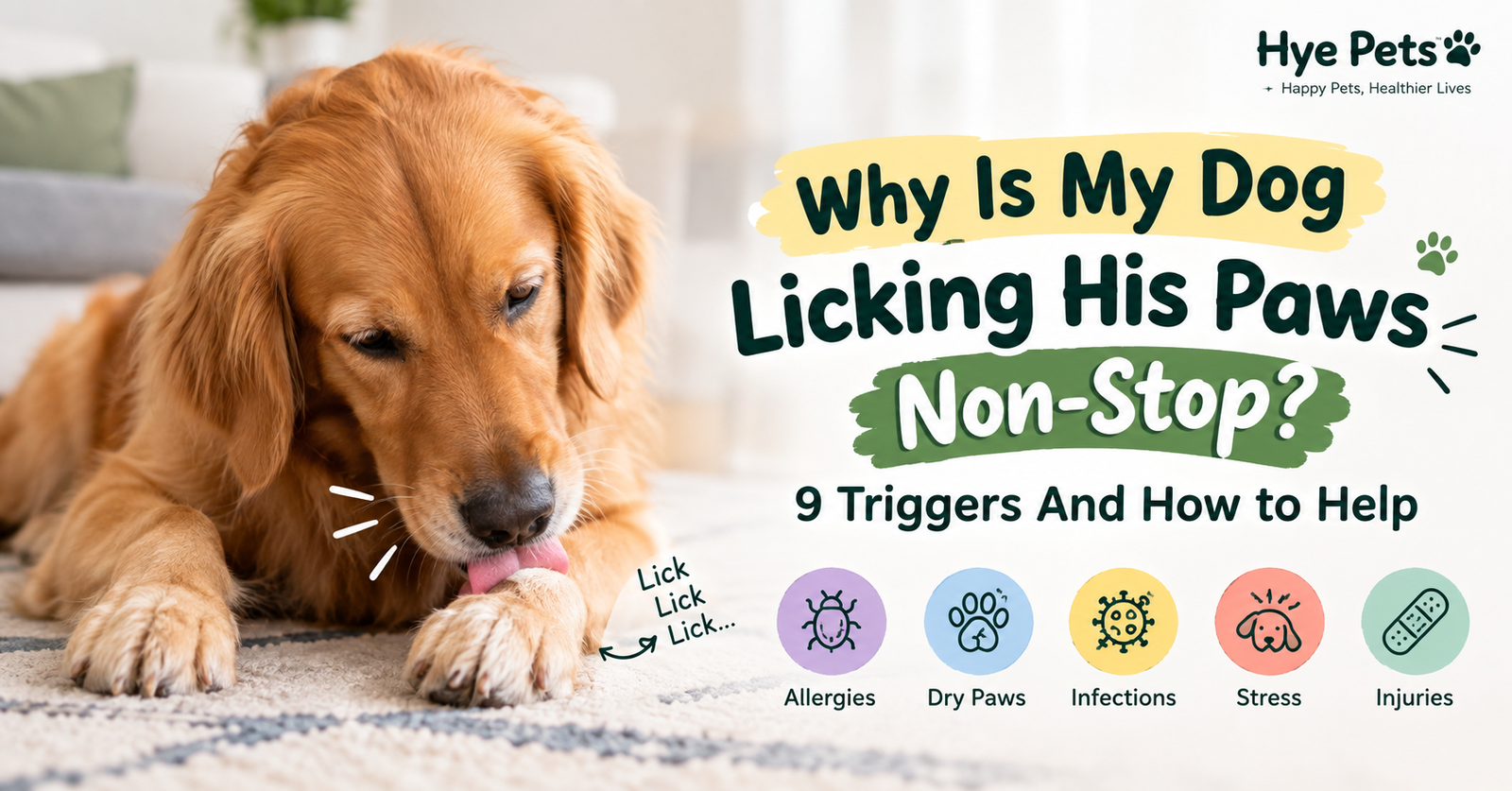
It starts with a few extra stray hairs on the couch. Then, a tumbleweed of fur rolls across the hardwood floor. At first, you think nothing of it after all, dogs shed. It’s just that time of year, right?
But a few weeks pass, and the lint roller stopped keeping up three rooms ago. You notice your dog scratching just a little too often, maybe thumping a leg against the floor in the middle of the night. When they sit in the sunlight, that once-glossy coat looks surprisingly dull, and the fur around their shoulders looks a bit thin. Suddenly, that sinking feeling sets in. This isn’t just normal shedding. Could something in the weekly routine actually be causing this?
The truth is, many well-meaning dog parents are inadvertently damaging their pup’s coat. The good news? Once you spot where the routine is breaking down, it’s incredibly easy to fix.
Normal Shedding vs. Unhealthy Hair Fall
Every dog owner expects a bit of fur on their clothes it’s practically a badge of honor. Most breeds go through seasonal blowouts as the weather changes, which is completely natural. As a general rule of thumb, healthy shedding usually happens evenly across the body. There might be a lot of it, but the dog still looks like themselves underneath.
Unhealthy hair fall is different. It leaves distinct clues behind that tell a clear story of a skin barrier in distress. Keep an eye out for these warning signs:
- Bald patches or areas where the fur looks noticeably thin or ragged.
- Constant scratching, licking, or biting at the same spot over and over.
- Dry, flaky, or red skin hidden beneath the fur, resembling canine dandruff.
- An excessive amount of fur is coming out in clumps with just a gentle stroke.
- A dull, brittle coat texture that feels coarse or wire-like rather than soft.
4 Common Grooming Mistakes and How to Correct Them
1. Overbathing
It is easy to see how this happens a dog gets a little muddy at the park, or starts smelling a bit too doggy after a humid afternoon, so into the tub they go. It feels like the most responsible way to care for them.
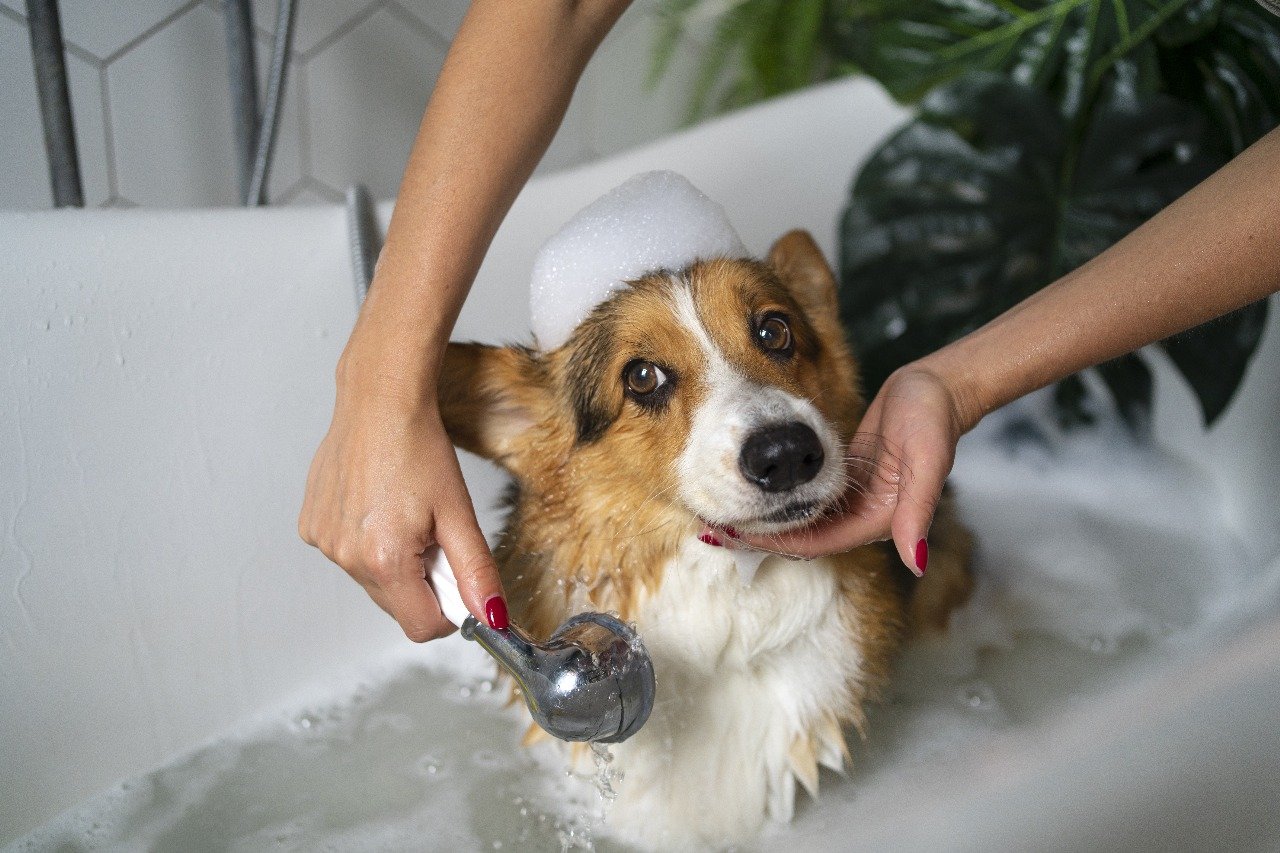
But dogs aren’t like humans they don’t need daily or even weekly showers. A dog’s skin produces specialized natural oils that act as a built-in shield to hydrate and protect the coat. When baths happen too frequently, that shield gets stripped away. The skin becomes chronically dry, the hair follicles weaken, and suddenly, the fur starts falling out far more easily than it should.
If a dog starts to itch like crazy just a day or two after a bath, or if little white flakes appear on their back, the skin is begging for a break. Reducing baths to once a month gives the coat time to recover. If they get muddy in between, a damp towel or some pet-safe wipes on the paws and belly will do the trick while letting those natural oils do their job.
2. Using Human Shampoo
It’s Sunday night, the dog rolled in something funky, and the bottle of dog shampoo is empty. It’s incredibly tempting to grab that gentle baby shampoo or a hydrating human body wash from the shower ledge.
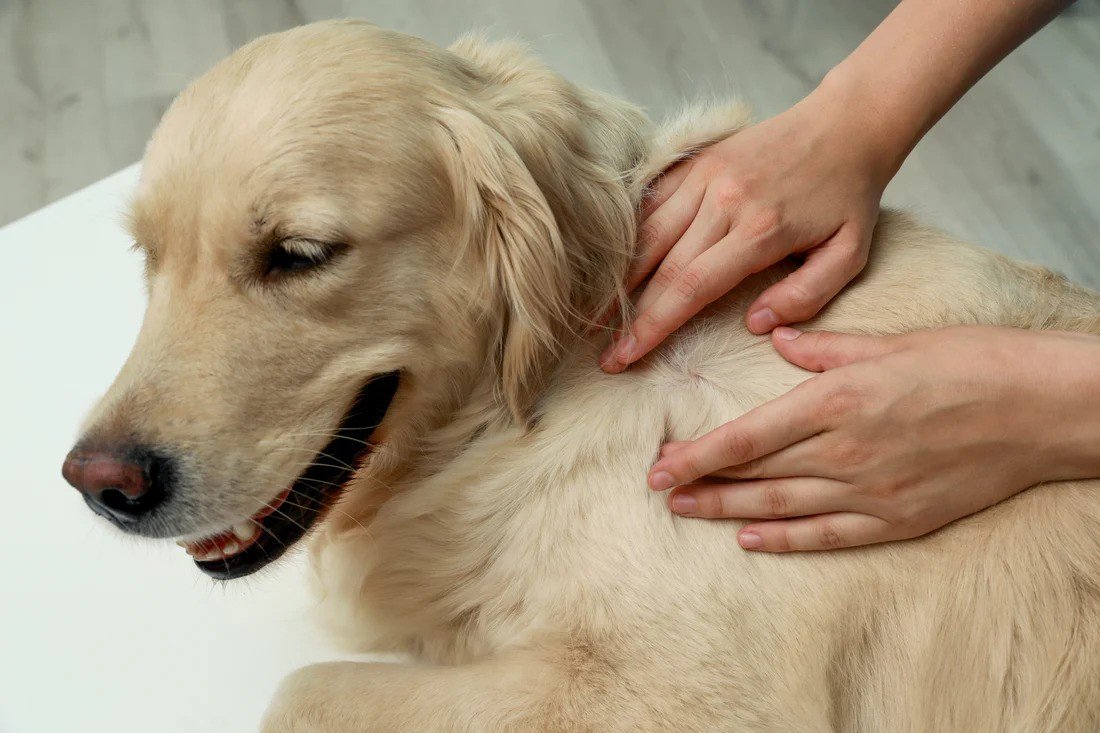
However, human skin and dog skin live in entirely different worlds when it comes to chemistry. Human skin is quite acidic, while canine skin is much closer to neutral. When human products are used on a dog, it completely disrupts the skin’s natural barrier. This doesn’t just dry them out, it actually leaves them vulnerable to bacteria and severe irritation that triggers rapid hair fall.
If the skin looks red and irritated right after a wash, or if sudden, patchy shedding starts shortly after, the shampoo choice is likely the culprit. Sticking strictly to dog-safe, pH-balanced formulas with simple, soothing ingredients like oatmeal or aloe vera will help the skin recover naturally.
3. Skipping Regular Brushing
Brushing is often treated as an occasional chore rather than a daily habit, especially with short-haired dogs who don’t seem to get tangles.
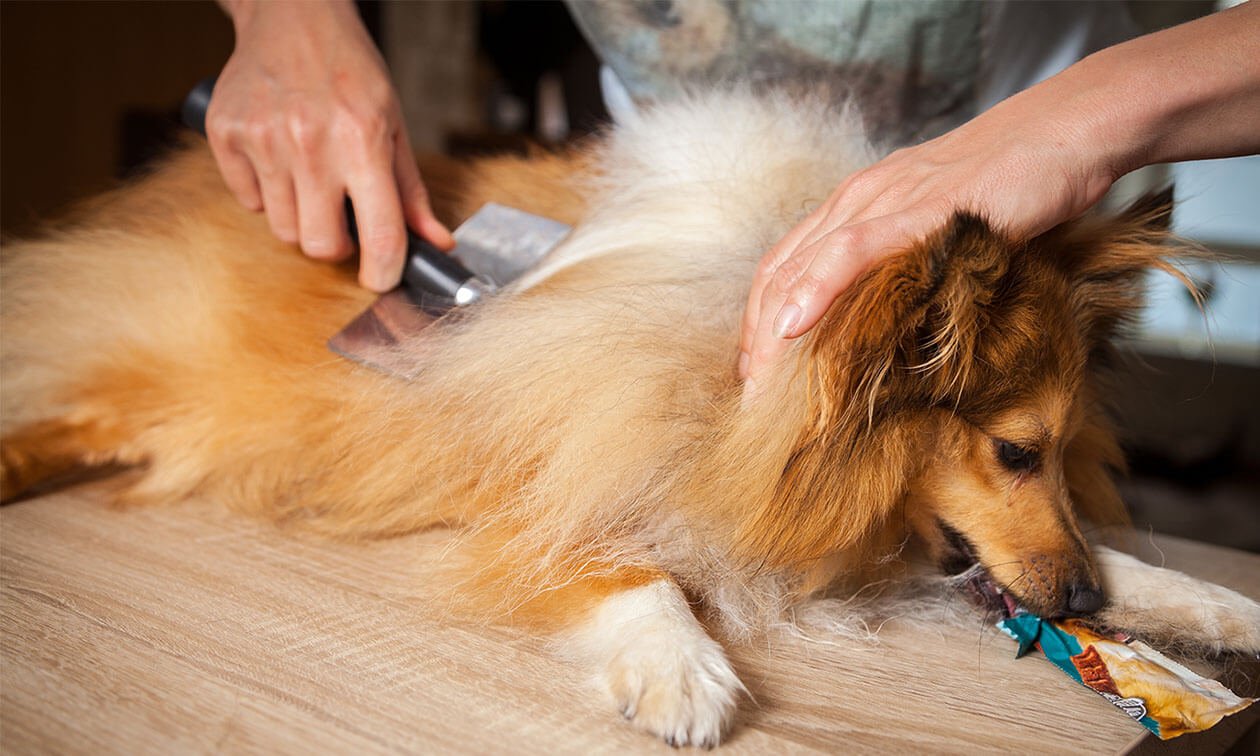
But skipping regular brushing does more damage than it might seem. When dead fur isn’t brushed out, it sits on the skin, traps moisture, and eventually forms tiny mats that pull painfully on the skin. This lack of stimulation causes the coat’s health to decline, leading to massive clouds of loose fur all over the furniture. Regular brushing acts like a mini massage it stimulates blood circulation right at the surface of the skin, which is exactly what tells the hair follicles to grow healthy, strong fur.
There’s a beautiful emotional side to this, too. Once a dog gets used to the routine, a gentle brushing session becomes an incredible bonding tool. It lowers their stress levels, releases calming endorphins, and provides a quiet moment of comfort after a busy day. Dedicating just five to ten minutes every few days to sit down with a brush suited for their coat type makes a world of difference.
4. Overlooking Internal Nutrition
It’s easy to focus entirely on external sprays, brushes, and shampoos while completely forgetting about what goes into a dog’s bowl every single day.
Hair is made almost entirely of protein, meaning a gorgeous coat starts from the inside out. If a dog’s diet lacks high-quality proteins or essential fatty acids like Omegas, the body does a bit of triage. It diverts those scarce nutrients to vital organs first, leaving the coat starved, brittle, and prone to shedding. Persistent, heavy shedding year-round alongside a brittle texture that breaks easily is a strong sign that the diet needs an upgrade.
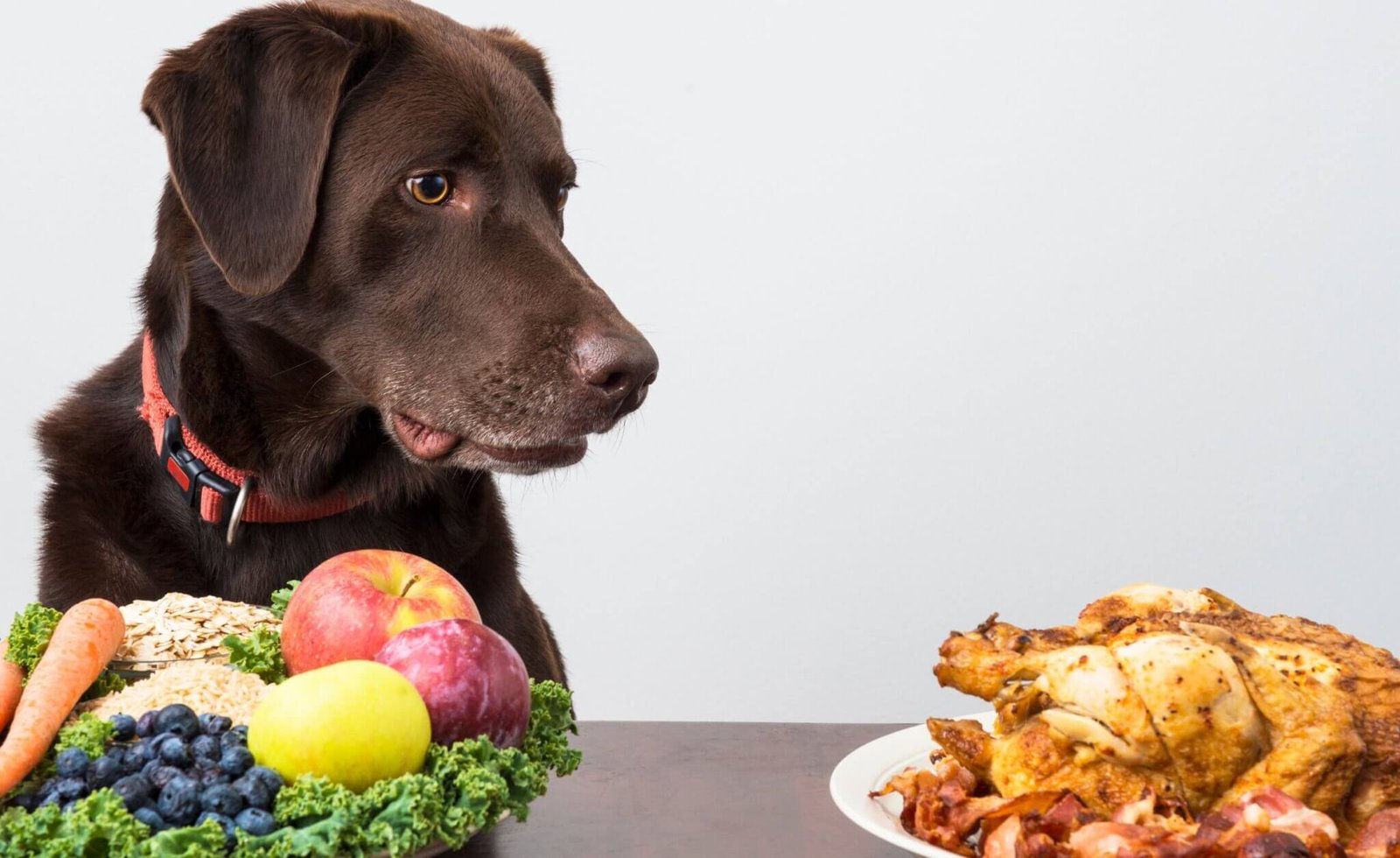
Fixing this doesn’t have to be complicated. A quick look at the food bag can confirm if a high-quality meat protein is listed as the very first ingredient. Keeping the dog well-hydrated helps immensely, too. Introducing omega-rich nutrition, such as a splash of wild-caught salmon oil to their breakfast, works wonders for bringing back that deep, healthy shine.
Hidden Causes Owners Often Miss
Sometimes, a grooming routine can be flawless and the fur is still flying. If habits have been tweaked and progress is slow, it might be one of these stealthy culprits:
- Fleas and Critters: Even if they aren’t visible, a single flea bite can cause an allergic reaction that leads to frantic scratching and sudden hair loss.
- The Indoor Air: Running winter heating or blasting the AC can sap the moisture right out of a dog’s skin, just like it does to humans.
- Stress and Anxiety: Big changes like a new house, a new baby, or separation anxiety can cause dogs to nervously lick or chew their fur away.
- Environmental Allergies: Dogs can be allergic to pollen, grasses, or even the household chemicals used to clean carpets.
When to Call the Vet
While most coat issues can be sorted out with a few simple adjustments at home, some situations require a professional. It is best to schedule a visit with a veterinarian if there is severe, sudden hair loss that leaves completely bare spots, or skin that looks bright red, inflamed, or oozing. If a dog is scratching so obsessively that it prevents them from sleeping or playing, a professional opinion can quickly rule out underlying issues like thyroid imbalances or mites.
Small Habits, Happy Pups
Achieving a vibrant, healthy coat doesn’t require a shelf full of expensive luxury products or constant trips to a high-end salon. It really just comes down to the small, consistent choices made every week.
A little less time in the tub, a few more minutes with the brush, and a focus on good food are the greatest tools available. A soft, glossy coat is the ultimate reflection of a dog’s internal comfort and there is truly no better feeling than running a hand through their fur and knowing they feel just as good as they look.
-
 All Products
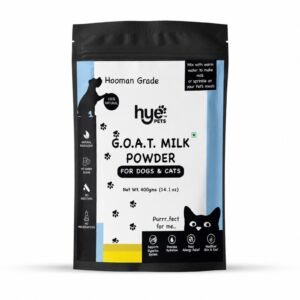
Goat Milk Powder for Dogs and Cats – 400g
Original price was: ₹1,298.86.₹733.96Current price is: ₹733.96. -
 All Products
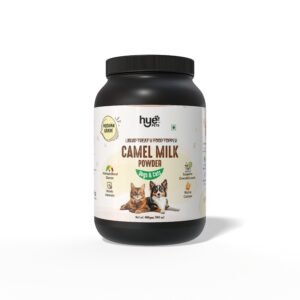
Camel Milk Powder For Dogs and Cats – 400g
Original price was: ₹1,499.75.₹499.00Current price is: ₹499.00. -
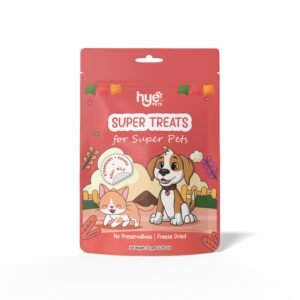 All Products
Super Treats for Super Pets made with Goat Milk, Strawberry and Banana | 30g
Original price was: ₹325.00.₹308.75Current price is: ₹308.75. -
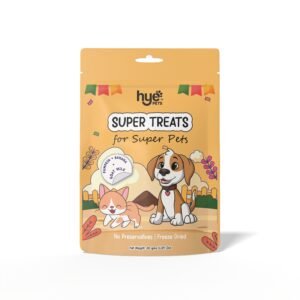 All Products
Super Treats for Super Pets made with Goat Milk, Pumpkin and Banana | 30g
Original price was: ₹279.00.₹265.06Current price is: ₹265.06. -
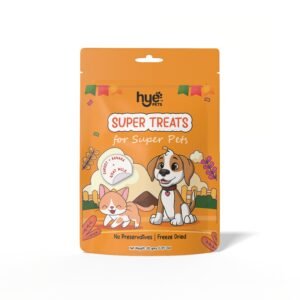 All Products
Super Treats for Super Pets made with Goat Milk, Carrot and Banana | 30g
Original price was: ₹279.00.₹265.06Current price is: ₹265.06. -
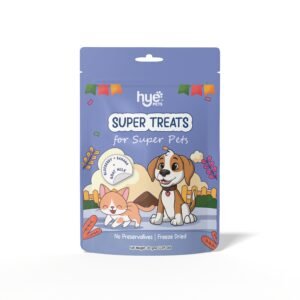 All Products
Super Treats for Super Pets made with Goat Milk, Blueberry and Banana | 30g
Original price was: ₹325.00.₹308.75Current price is: ₹308.75. -
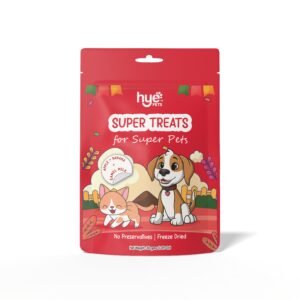 Out of stockAll Products
Super Treats for Super Pets made with Camel Milk, Apple and Banana | 30g
Original price was: ₹279.00.₹265.06Current price is: ₹265.06. -
 All Products
Super Treats for Super Pets made Camel Milk, Beetroot and Banana | 30g
Original price was: ₹279.00.₹265.06Current price is: ₹265.06. -
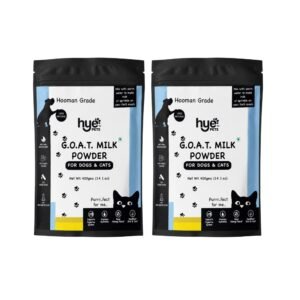 Combos
Goat Milk Powder for Dogs and Cats – Combo Pack (2 x 400g)
Original price was: ₹3,065.28.₹1,680.32Current price is: ₹1,680.32. -
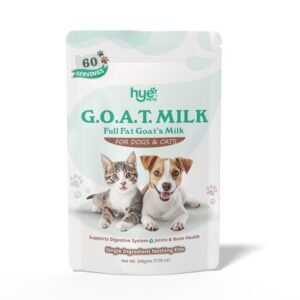 All Products
Goat Milk Powder for Dogs and Cats – 200g
Original price was: ₹698.99.₹657.05Current price is: ₹657.05. -
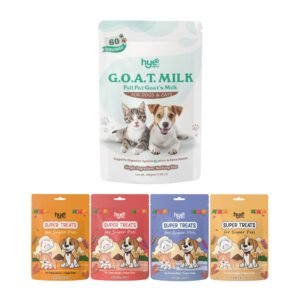 All Products
Goat Milk Powder and Freeze-Dried Goat Milk Treats Combo for Dogs and Cats
Original price was: ₹2,250.26.₹2,067.36Current price is: ₹2,067.36. -
 Combos
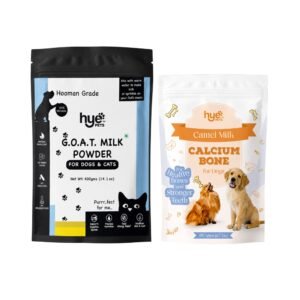
Goat Milk Powder and Camel Milk Calcium Bone for Dogs – Combo Pack
Original price was: ₹1,826.47.₹1,108.02Current price is: ₹1,108.02. -
 Combos
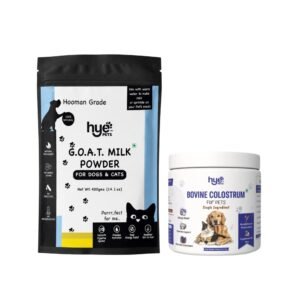
Goat Milk Powder and Bovine Colostrum Combo for Dogs & Cats
Original price was: ₹2,357.47.₹1,221.30Current price is: ₹1,221.30. -
 Goat Milk Treats
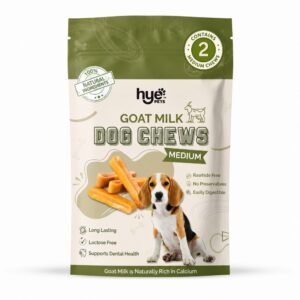
Goat Milk Dog Chews for Medium Dogs | Rawhide-Free Dental Treats | 2 Chews
Original price was: ₹449.01.₹422.01Current price is: ₹422.01. -
 Combos
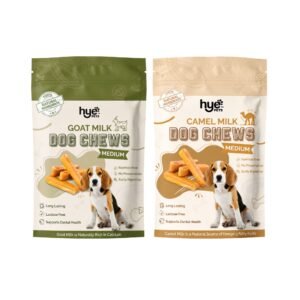
Goat Milk and Camel Milk Chews Combo for Medium Dogs
Original price was: ₹1,118.64.₹1,019.52Current price is: ₹1,019.52. -
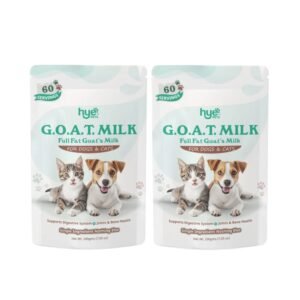 Combos
Full Fat Goat Milk Powder for Dogs and Cats Combo Pack (2 x 200g)
Original price was: ₹1,649.64.₹1,509.22Current price is: ₹1,509.22. -
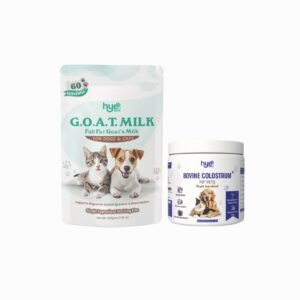 Combos
Full Fat Goat Milk Powder and Bovine Colostrum Combo for Dogs and Cats
Original price was: ₹1,398.01.₹949.01Current price is: ₹949.01.
- All Posts
- Blog
- Blogs
- Recipe
- Stories
- Trivia