It’s 2:00 AM. The house is dead silent. Most people are finally falling into a deep sleep when it starts.
Thump. Thump. Thump.
It’s the sound of a dog’s back leg hitting the floor. Then comes the jingle-jingle of their collar, followed by the sound of a dog chewing on a paw like it’s a snack. It is a scene that makes many owners sigh and look at their best friend in the moonlight. The dog looks tired, their belly might be red, and their eyes seem to say, I want to stop, but I just can’t.
For anyone who has been there, the heart breaks a little. It isn’t just about the noise it’s about knowing a beloved pet is in pain. It leads to late nights on the internet, wondering why your dog is itchy and feeling worried about what to do next.
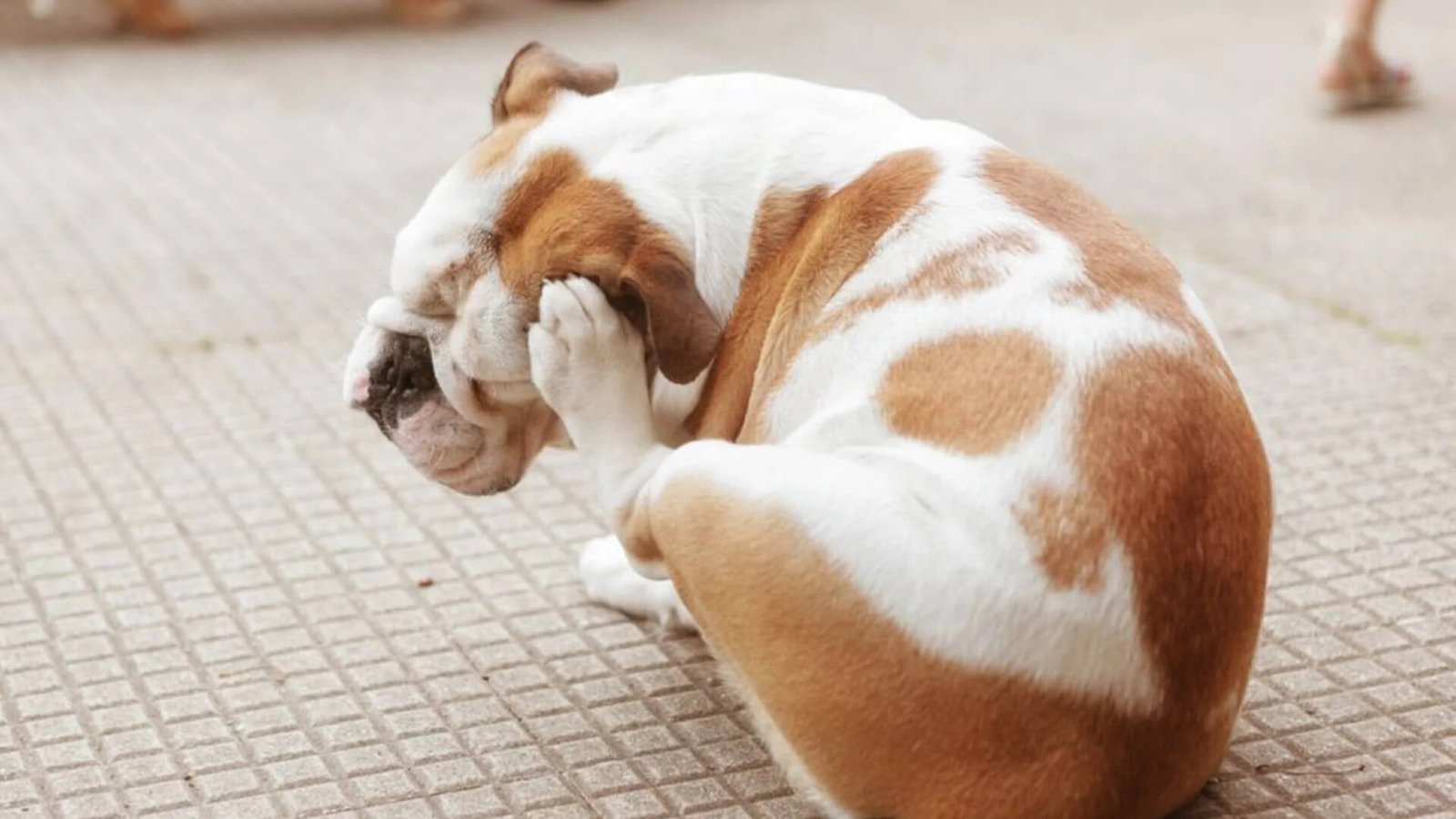
Take a deep breath. No one is a bad owner, and the dog isn’t broken. Skin problems are the most common reason dogs visit the vet. While it feels like a lot to handle, the solution is often simpler than it looks. Let’s look at what is going on in plain, easy terms.
Is a Little Scratching Normal?
Dogs don’t have hands, so they use their feet to itch. A quick scratch after waking up or playing in the grass is totally fine.
- The Fine Zone: A quick scratch here and there is just dog stuff.
- The Problem Zone: It is time to help when the scratching stops them from playing, eating, or sleeping.
- Early Signs: Look for licking paws, rubbing their face on the carpet, or a smell that reminds you of corn chips coming from their ears.
Playing Detective: Why Your Dog Is Itchy
To fix the itch, the cause must be found. Think of it like a puzzle. Here are the usual suspects:
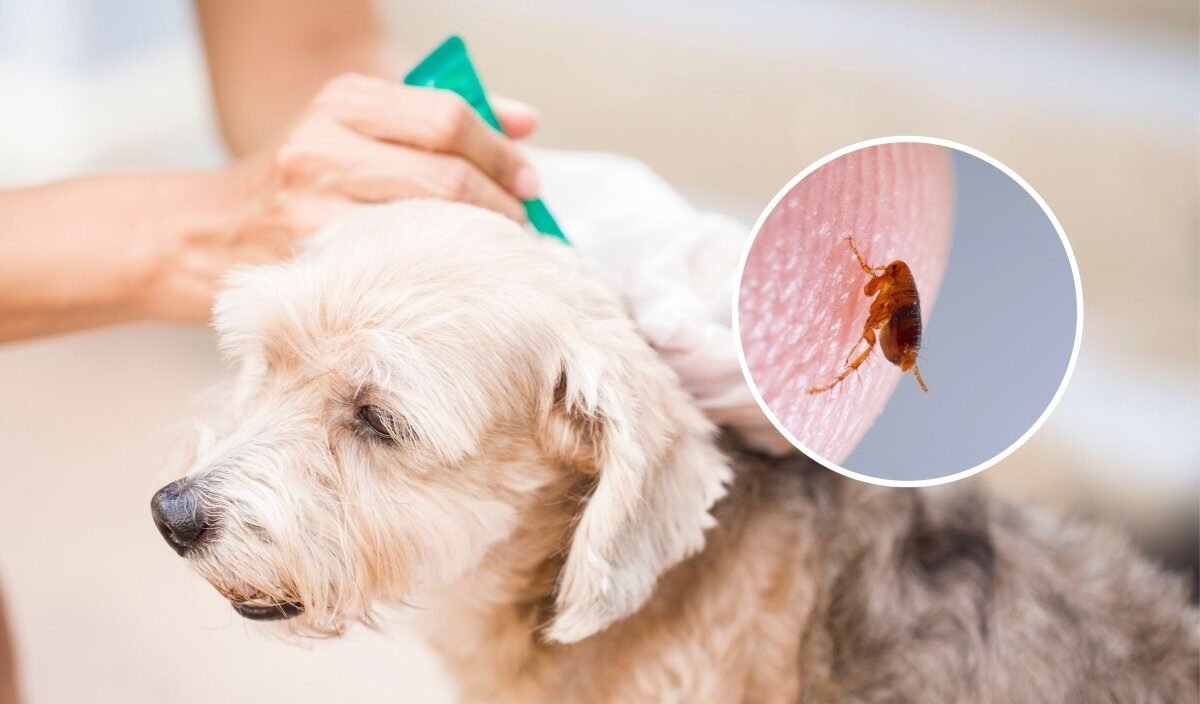
Tiny Pests (Fleas)
Even the cleanest dogs can pick up a flea from the yard. For some dogs, just one flea bite causes a huge reaction. This makes their whole body feel like it’s on fire. If the scratching is mostly near the tail or the groin, fleas are the first thing to check for.
Food Troubles
Often, why your dog is itchy comes down to their bowl. It is usually not a new food. Most dogs develop allergies to things they have eaten for a long time, like chicken or beef. If they have itchy ears or red paws, their food might be the problem.
Outside Allergies
Just like people get hay fever, dogs get allergies to pollen, ragweed, and grass. Instead of sneezing, they get itchy skin. Even dust in the house or the soap used on their bed can cause a reaction.
Dry Skin
If a dog has flakes like dandruff, it might just be dry skin. Cold weather, heaters in the house, or not enough healthy fats in their food can make skin feel tight and itchy.
Fillers in Food
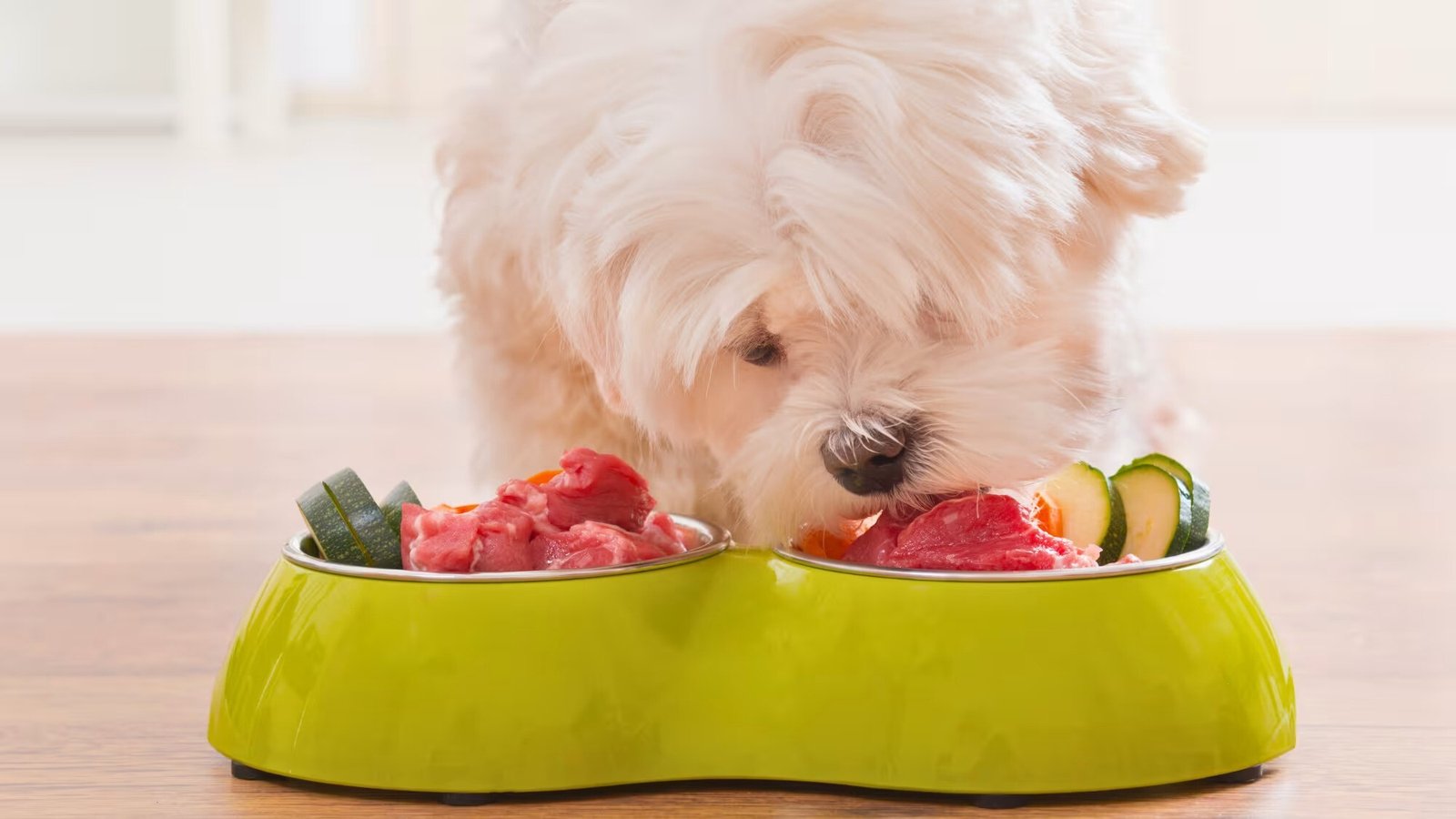
A dog’s skin needs good fuel. If their food is full of cheap fillers and artificial colors, their skin is the first thing to suffer. Without good protein, the skin becomes weak and easily irritated.
Simple Solutions to Stop the Itch
The good news is that no one has to just live with it. There are easy ways to help.
Changing the Food
- New Proteins: If a food allergy is suspected, try a protein the dog has never had, like duck, venison, or rabbit.
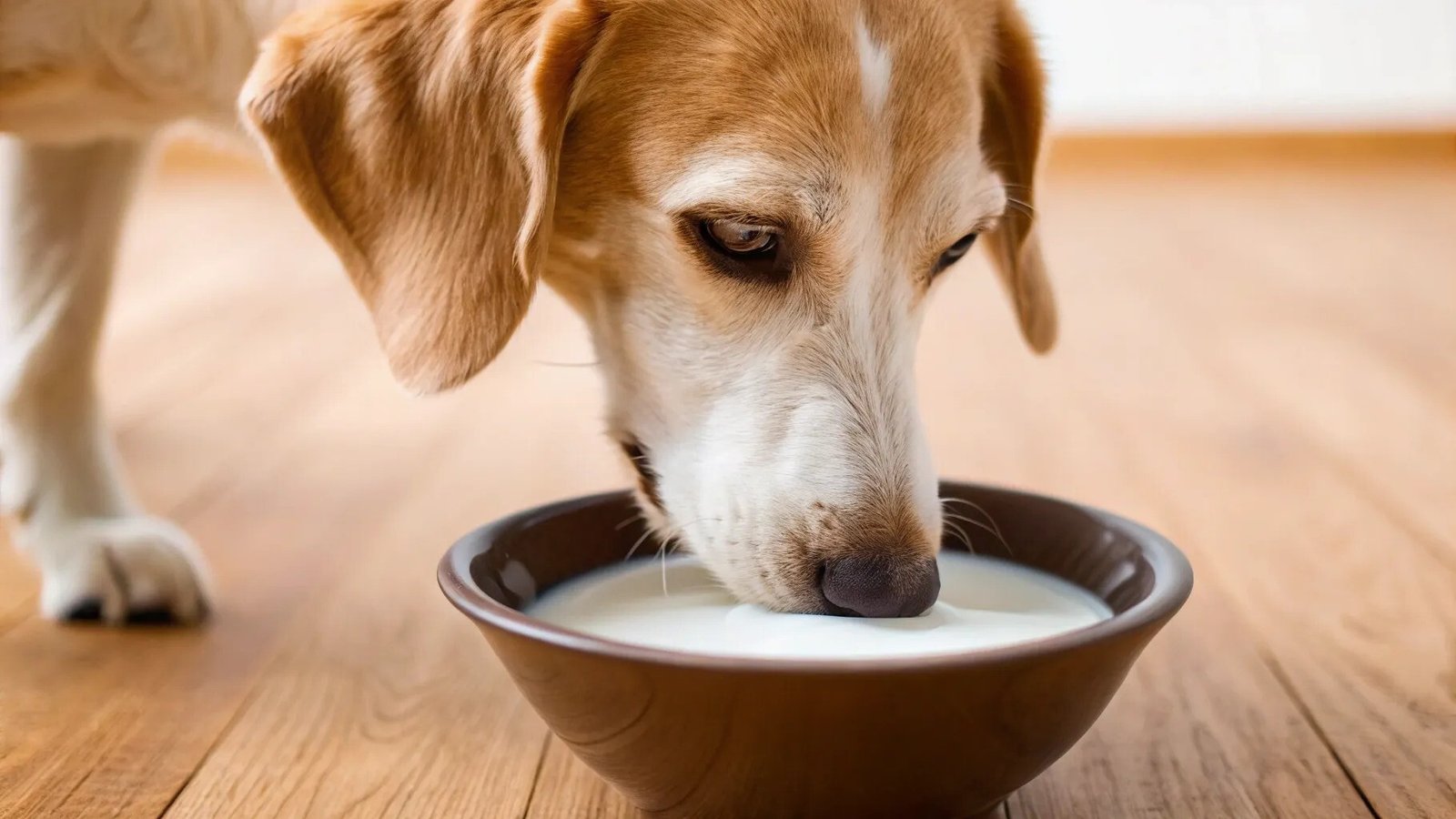
- Add Goat Milk: Many owners find that adding a little raw goat milk to the bowl helps. It has naturally good bacteria that calm the body from the inside out.
- Healthy Oils: Adding fish oil to their meals acts like a moisturizer that works from the inside, making the skin stronger.
Simple Care at Home
- The Goldilocks Bath: Don’t wash the dog too much! Too many baths dry out the skin. Once every month is usually enough. Use a very gentle oatmeal or aloe shampoo.
- Wipe the Paws: When coming in from a walk, use a damp cloth to wipe their paws and belly. This gets rid of pollen before it starts to itch.
When to See the Vet
If you see hot spots red, raw, or oozing sores or if the dog is losing clumps of hair, it is time to call the vet. Sometimes they need a little medicine to stop the pain so the skin can finally heal.
How to Keep the Itch Away
- Wash Their Bed: Wash dog blankets once a week with a soap that has no scents or dyes.
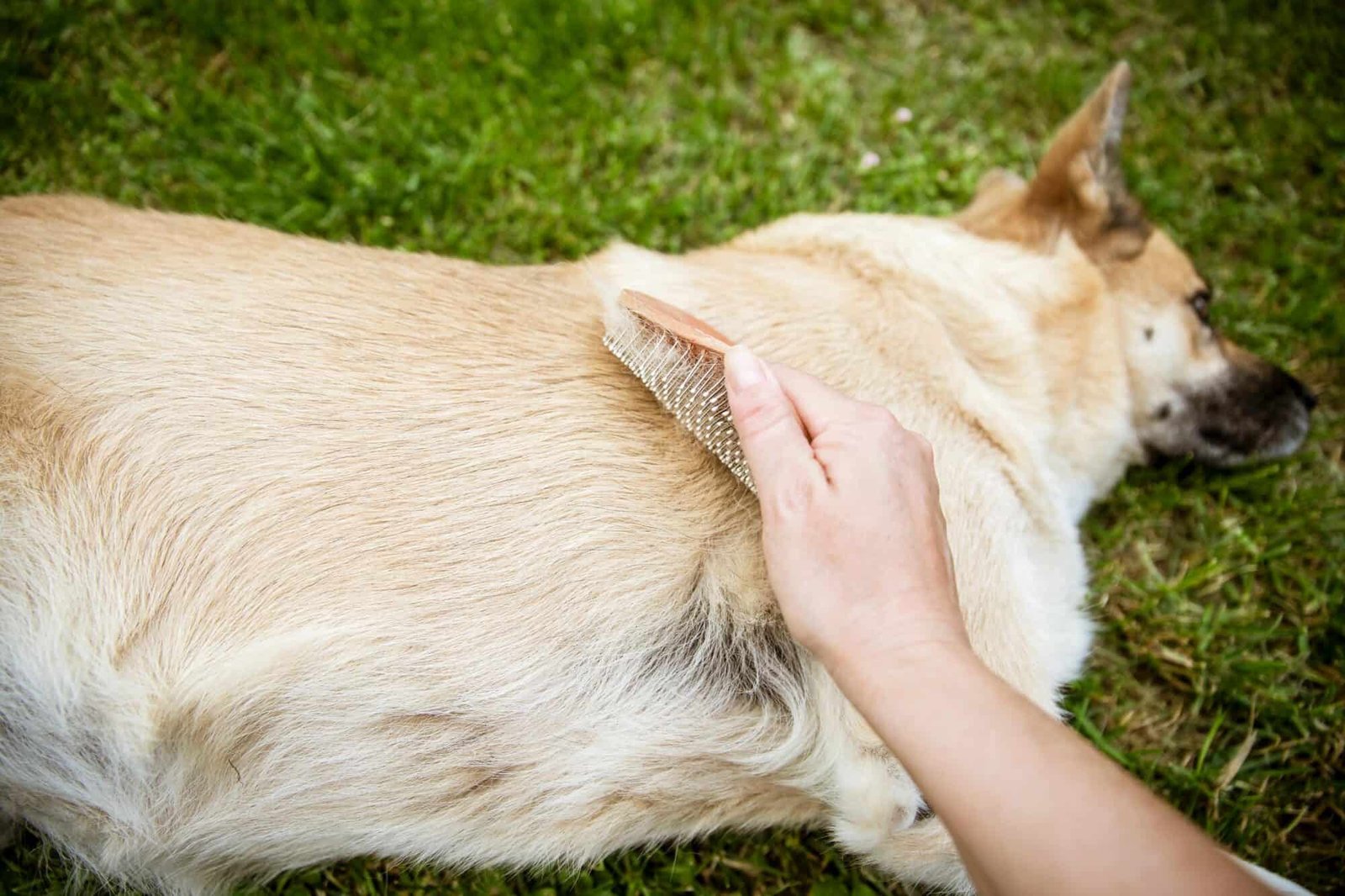
- Brush Them Daily: Brushing moves the skin’s natural oils around and helps you find fleas or red spots early.
- Clean Food: Avoid foods with by-products or fake colors. Better food means a better coat.
Final Thought
It is exhausting to hear that thump-thump-thump every night. Every owner just wants their happy, waggly dog back. It is important to remember that the dog isn’t trying to be a bother. That scratching is their only way of saying, I’m uncomfortable, can you help me?
By watching the clues where they scratch and what they eat the best thing possible is already being done. Healing takes time, and skin doesn’t get better overnight. But with a little patience and a few simple changes, those quiet, scratch-free nights will be back soon.
The dog is lucky to have someone who cares enough to find the answers.
-
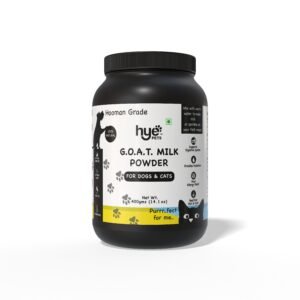 All Products
Goat Milk Powder for Dogs and Cats – 400g
Original price was: ₹1,298.86.₹733.96Current price is: ₹733.96. -
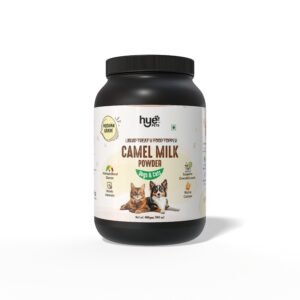 All Products
Camel Milk Powder For Dogs and Cats – 400g
Original price was: ₹1,499.75.₹499.00Current price is: ₹499.00. -
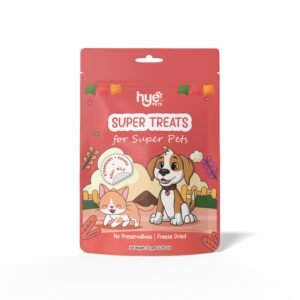 All Products
Super Treats for Super Pets made with Goat Milk, Strawberry and Banana | 30g
Original price was: ₹325.00.₹308.75Current price is: ₹308.75. -
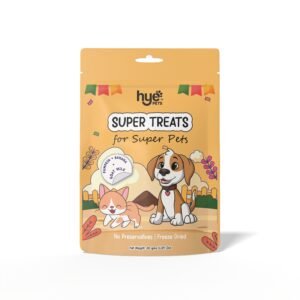 All Products
Super Treats for Super Pets made with Goat Milk, Pumpkin and Banana | 30g
Original price was: ₹279.00.₹265.06Current price is: ₹265.06. -
 All Products
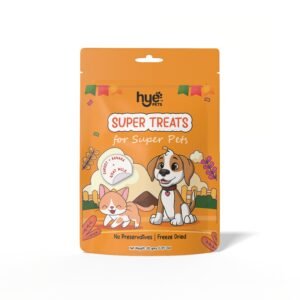
Super Treats for Super Pets made with Goat Milk, Carrot and Banana | 30g
Original price was: ₹279.00.₹265.06Current price is: ₹265.06. -
 All Products
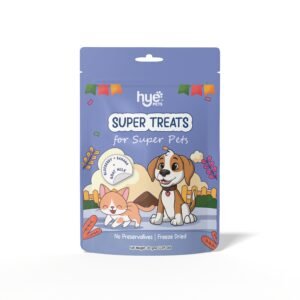
Super Treats for Super Pets made with Goat Milk, Blueberry and Banana | 30g
Original price was: ₹325.00.₹308.75Current price is: ₹308.75. -
 All Products
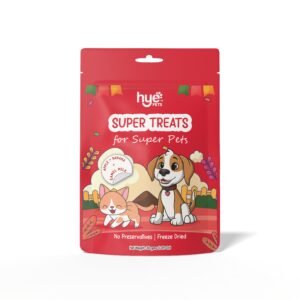
Super Treats for Super Pets made with Camel Milk, Apple and Banana | 30g
Original price was: ₹279.00.₹265.06Current price is: ₹265.06. -
 All Products
Super Treats for Super Pets made Camel Milk, Beetroot and Banana | 30g
Original price was: ₹279.00.₹265.06Current price is: ₹265.06. -
 All Products
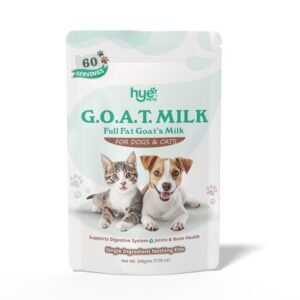
Goat Milk Powder for Dogs and Cats – 200g
Original price was: ₹698.99.₹657.05Current price is: ₹657.05. -
 All Products
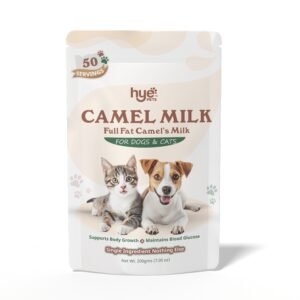
Camel Milk Powder For Dogs and Cats – 200g
Original price was: ₹748.99.₹704.05Current price is: ₹704.05. -
 All Products
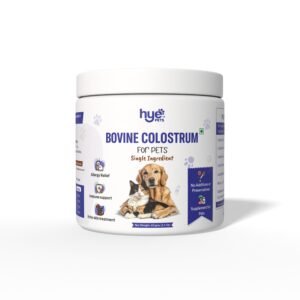
Bovine Colostrum for Dogs and Cats – 60g
Original price was: ₹1,199.10.₹333.00Current price is: ₹333.00.
- All Posts
- Blog
- Blogs
- Recipe
- Stories
- Trivia