A dog that suddenly starts panting while resting can be worrying, especially when there hasn’t been any exercise or hot weather to explain it. While panting is a normal way for dogs to cool themselves, it isn’t always harmless. In some cases, heavy breathing can be triggered by stress, pain, certain medications, or an underlying health condition. Knowing the difference between normal panting and warning signs can help pet owners respond appropriately, whether that means offering a chance to cool down or seeking prompt veterinary care. This guide explains the most common reasons dogs pant, when it’s considered normal, and the signs that should never be ignored.
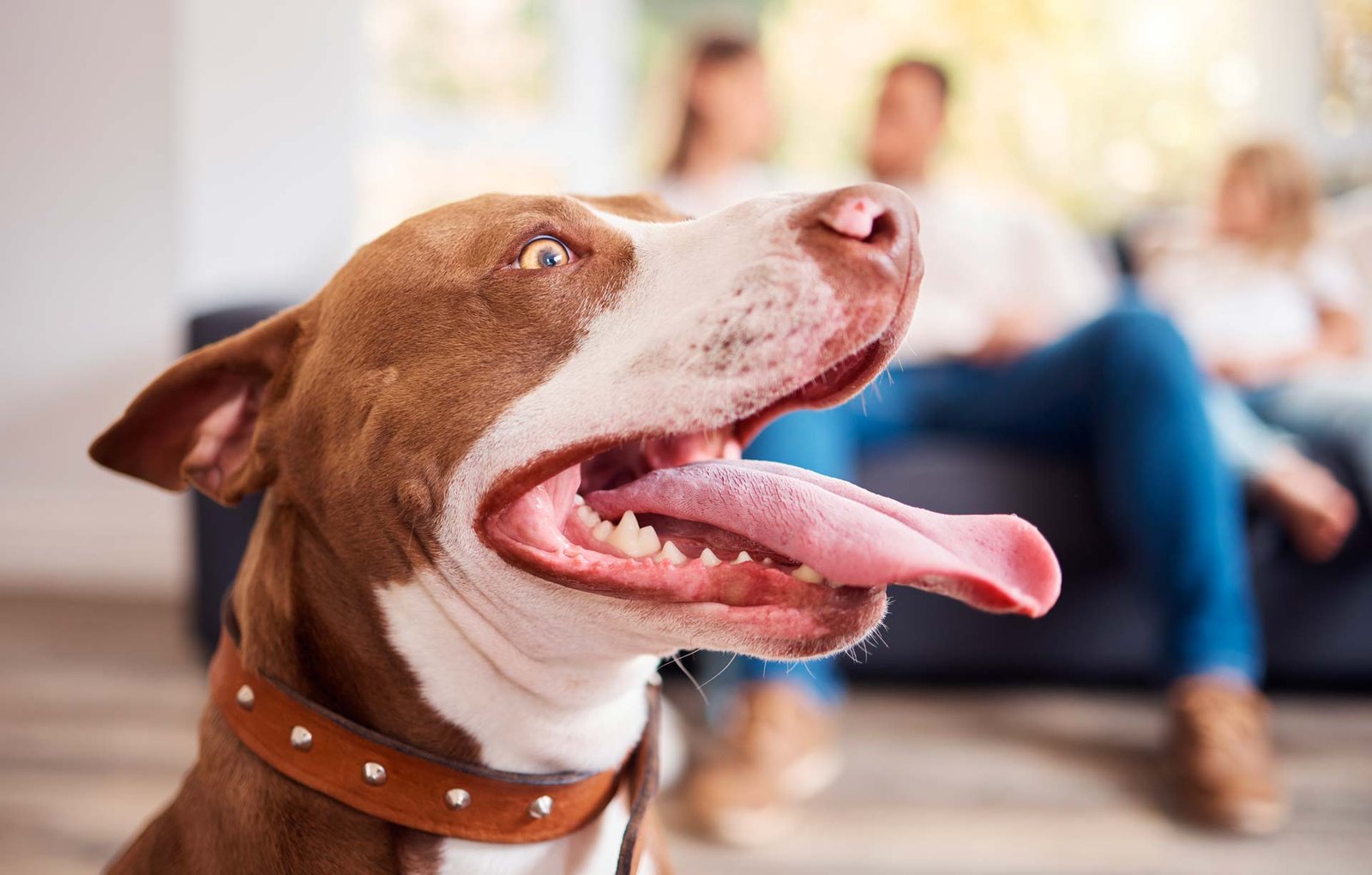
The Canine Air Conditioner: How Dogs Cool Off
Humans are lucky when we get hot, we sweat from head to toe. Dogs can’t do that. They have a few sweat glands in their paw pads, but those are mostly useless for cooling down a furry body. If you’ve ever seen your dog flop onto the cold kitchen tile in the middle of summer, it’s because their paws alone aren’t cutting it.
Dogs rely almost entirely on panting to beat the heat.
When a dog pants, they move air quickly over the moist surfaces of their tongue, mouth, and throat. This evaporates moisture, which cools down the blood vessels in their head. That cooler blood then circulates through the rest of their body. It works incredibly well, but it takes a lot of physical effort.
Normal vs. Abnormal Panting: A Quick Checklist
What to look for | Normal Panting | A Sign of Trouble |
The Situation | Happens after a game of fetch, on a warm day, or when they’re excited. | Happens out of the blue in a cool room while they are resting or sleeping. |
How long it lasts | Stops within a few minutes once they rest or get a drink. | Continuous, heavy, or doesn’t stop after 15 minutes of quiet time. |
The Sound | Clean, rhythmic, and sounds like normal heavy breathing. | Harsh, raspy, whistling, or paired with a dry cough. |
Body Language | Relaxed posture, soft eyes, happy wagging tail. | Tense body, wide whale eyes or their stomach muscles are straining to pump air. |
Normal Triggers for Rapid Breathing
Before you panic and call the vet, look at what your dog was doing just a few minutes ago. Everyday triggers include:
- Catching their breath: Just like us, physical exertion pushes a dog’s body temperature up. Panting is just their recovery phase. Some dogs bounce back in two minutes, others take a bit longer to stop huffing after a trip to the dog park.
- The weather: On sticky, humid days, moisture doesn’t evaporate from a dog’s mouth very easily. They have to work twice as hard and pant much longer to get the same cooling effect they’d get on a dry day.
- Pure excitement: A sudden rush of adrenaline can make a dog breathe fast and shallow. You’ll usually see this when the leash comes out for a walk or a favorite visitor walks through the front door.
Common Causes of Unexpected Heavy Breathing
When a dog pants indoors while resting or sleeping, the behavior may stem from several distinct physical or emotional factors.
Flat Faces and Heavy Coats
For some dogs, breathing is simply harder work. Flat-faced (brachycephalic) breeds like Bulldogs, Pugs, and Boston Terriers have shortened airways that restrict airflow. They are incredibly sensitive to heat and humidity, and will start breathing heavily much faster than a Labrador or a German Shepherd. Heavy-coated dogs like Huskies or Malamutes also trap heat like a down jacket they might start panting inside simply because your thermostat is set a degree or two too high for them.
Stress, Fear, and Anxiety
Thunderstorms, fireworks, construction next door, or a ride in the car can easily trigger heavy breathing. Fear spikes their adrenaline, which sends their heart rate through the roof. This kind of panting usually comes with other clues like trembling, yawning, constant lip-licking, a tucked tail, or a dog trying to squeeze themselves under the bed.
Hidden Pain
Dogs are hardwired to hide when they hurt. It’s an old survival instinct. Because they rarely whine or limp until a problem is really bad, sudden panting is often one of the only clues that they are in pain. A dog dealing with arthritis, a pulled muscle, or an upset stomach will frequently lie completely still while breathing fast.
Overheating and Heatstroke
A dog’s normal body temperature sits between 101°F and 102.5°F. Midday walks in the summer or sitting in a room with poor airflow can cause that number to climb fast. If their temperature hits 106°F, it becomes heatstroke. This is a massive medical emergency where their internal cooling system crashes completely, causing dangerous internal heat buildup.
Carrying Extra Weight
An overweight dog is wearing a built-in winter coat of fat that traps heat against their core. On top of that, their heart and lungs have to work drastically harder just to move them across the room, leading to heavy breathing during everyday, low-energy activities.
Health Changes and Medications
In older dogs, chronic heavy breathing can be a sign of an illness like Cushing’s disease. This happens when the adrenal glands make too much cortisol, the stress hormone, leading to constant panting, a pot-bellied look, and a dog who suddenly drinks water non-stop. Early heart failure or lung issues can also cut down oxygen levels, leaving the dog short of breath.
Certain medications can also explain sudden panting. Steroids like prednisone commonly cause increased thirst and heavier breathing, so owners may notice these changes shortly after treatment begins.
Red Flags: When to Head to the Vet Immediately
Sometimes you can’t afford to wait and see. Take your dog to an emergency clinic immediately if you notice any of these warning signs:
- Straining for air: Their belly is actively sucking in and working hard to push air out, or they are standing with their elbows out and neck stretched straight to try and open their airway.
- Scary gum colors: A healthy dog’s gums should be bubblegum pink. If you flip up their lip and see pale, white, blue-gray, or bright brick-red gums, they are struggling for oxygen or in shock.
- Weakness or collapse: Their back legs give out, they seem dizzy, or their eyes look glazed over.
- Panting with vomiting: Heavy breathing mixed with a sudden upset stomach or extreme lethargy is a classic sign of heatstroke or poisoning.
What You Can Do at Home
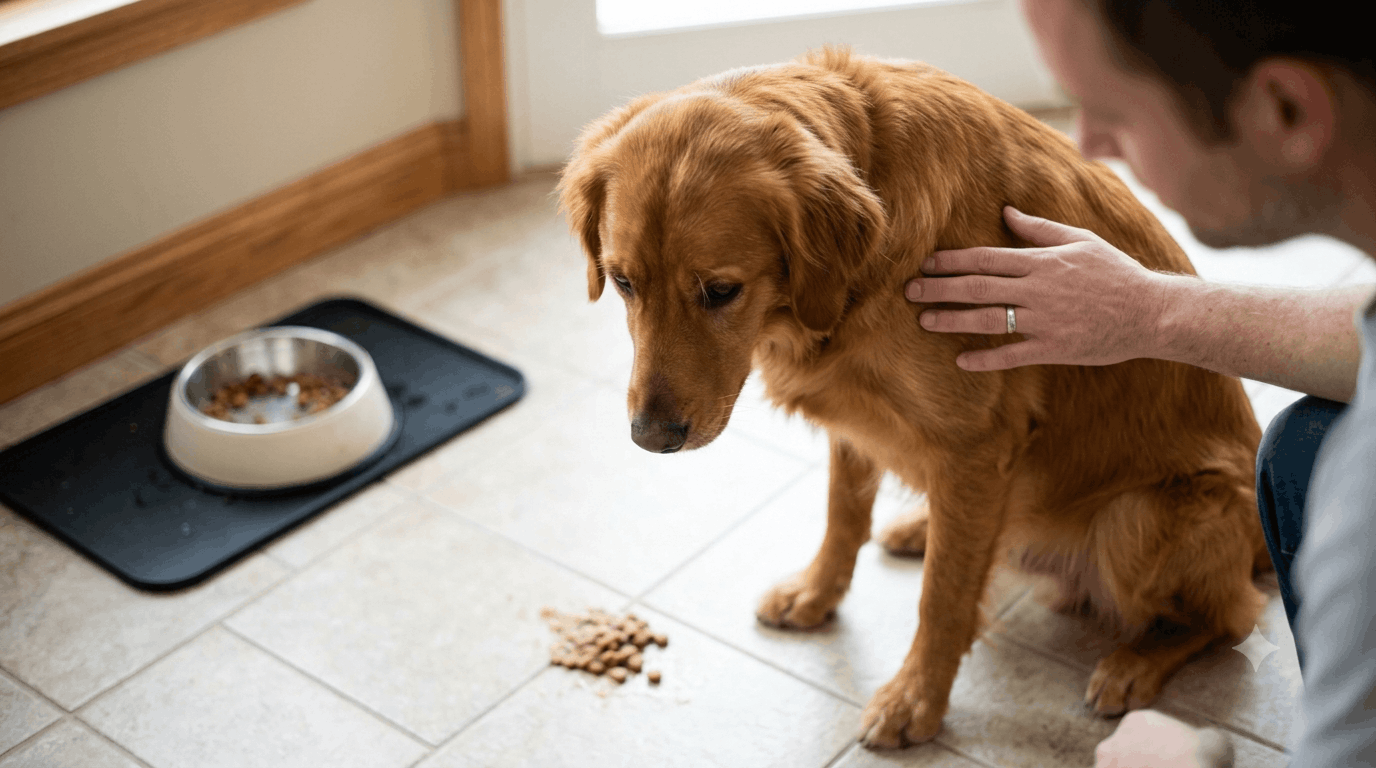
If your dog is breathing a little fast but isn’t showing any of the scary red flags above, you can help them cool down and relax with a few steps:
- Cool the room: Move them to an air-conditioned room right away or set up a fan to blow fresh air directly on them.
- Offer fresh water: Put down a fresh bowl of cool water, but don’t force them to drink. Note: If you suspect heatstroke, never use ice-cold water or ice packs. Ice causes the blood vessels in the skin to shrink, which traps heat inside the body. Stick to cool, damp towels draped over their belly and paws instead.
- Keep it quiet: Give them some space. Keep kids and other pets away so your dog’s nervous system can settle down and their heart rate can drop.
- Take a video: Grab your phone and record a quick 20-second clip of how their chest is moving. If you do end up at the vet later, this video is gold. Dogs often stop panting the moment the adrenaline of the vet clinic hits, and showing the doctor exactly what happened at home helps them get the right diagnosis.
Simple Ways to Prevent Overheating
A little bit of planning goes a long way in keeping your dog’s breathing normal:
- Watch the clock: In the summer, get your walks in during the early morning or late evening hours. A good rule of thumb is to press the back of your bare hand to the pavement for seven seconds. If it’s too hot for your skin, it’s too hot for their paws and will overheat them quickly.
- Watch the treats: Use a measuring cup for meals rather than eyeballing it. Keeping your dog lean takes a massive load off thei r heart, lungs, and joints.
- Don’t skip yearly checkups: Regular vet visits let your doctor listen closely to your dog’s chest. They can catch subtle heart murmurs or airway changes long before you notice your dog panting on a quiet evening at home.
Next time your dog starts panting out of nowhere, take ten seconds to play detective. Look at the room temperature, think about what they were doing twenty minutes ago, and check their body language. Keeping a quick cell phone video of the episode gives your vet exactly what they need to see if the huffing and puffing doesn’t clear up with a little rest.
Conclusion
Panting is a normal part of how dogs regulate their body temperature, especially after exercise, during hot weather, or moments of excitement. However, heavy breathing that occurs without an obvious cause, lasts longer than expected, or is accompanied by other unusual symptoms may indicate an underlying health problem. Paying attention to when the panting begins, how long it lasts, and any changes in behavior can help identify potential issues early. When there is any doubt about the cause, seeking veterinary advice is the safest way to protect a dog’s health and well-being.
-
 All Products
Goat Milk Powder for Dogs and Cats – 400g
Original price was: ₹1,298.86.₹733.96Current price is: ₹733.96. -
 All Products
Camel Milk Powder For Dogs and Cats – 400g
Original price was: ₹1,499.75.₹499.00Current price is: ₹499.00. -
 All Products
Super Treats for Super Pets made with Goat Milk, Strawberry and Banana | 30g
Original price was: ₹325.00.₹308.75Current price is: ₹308.75. -
 All Products
Super Treats for Super Pets made with Goat Milk, Pumpkin and Banana | 30g
Original price was: ₹279.00.₹265.06Current price is: ₹265.06. -
 All Products
Super Treats for Super Pets made with Goat Milk, Carrot and Banana | 30g
Original price was: ₹279.00.₹265.06Current price is: ₹265.06. -
 All Products
Super Treats for Super Pets made with Goat Milk, Blueberry and Banana | 30g
Original price was: ₹325.00.₹308.75Current price is: ₹308.75. -
 All Products
Super Treats for Super Pets made with Camel Milk, Apple and Banana | 30g
Original price was: ₹279.00.₹265.06Current price is: ₹265.06. -
 All Products
Super Treats for Super Pets made Camel Milk, Beetroot and Banana | 30g
Original price was: ₹279.00.₹265.06Current price is: ₹265.06. -
 Combos
Goat Milk Powder for Dogs and Cats – Combo Pack (2 x 400g)
Original price was: ₹3,065.28.₹1,680.32Current price is: ₹1,680.32. -
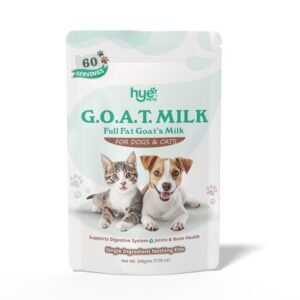 All Products
Goat Milk Powder for Dogs and Cats – 200g
Original price was: ₹698.99.₹657.05Current price is: ₹657.05. -
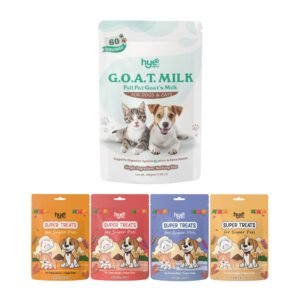 All Products
Goat Milk Powder and Freeze-Dried Goat Milk Treats Combo for Dogs and Cats
Original price was: ₹2,250.26.₹2,067.36Current price is: ₹2,067.36. -
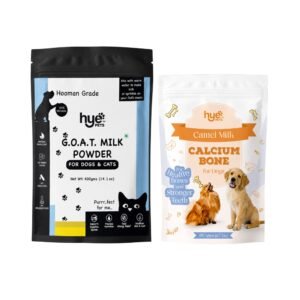 Combos
Goat Milk Powder and Camel Milk Calcium Bone for Dogs – Combo Pack
Original price was: ₹1,826.47.₹1,108.02Current price is: ₹1,108.02. -
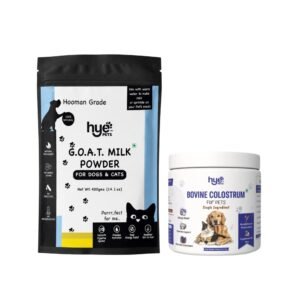 Combos
Goat Milk Powder and Bovine Colostrum Combo for Dogs & Cats
Original price was: ₹2,357.47.₹1,221.30Current price is: ₹1,221.30. -
 Goat Milk Treats
Goat Milk Dog Chews for Medium Dogs | Rawhide-Free Dental Treats | 2 Chews
Original price was: ₹449.01.₹422.01Current price is: ₹422.01. -
 Combos
Goat Milk and Camel Milk Chews Combo for Medium Dogs
Original price was: ₹1,118.64.₹1,019.52Current price is: ₹1,019.52. -
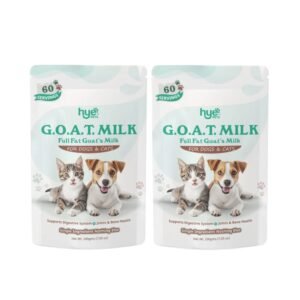 Combos
Full Fat Goat Milk Powder for Dogs and Cats Combo Pack (2 x 200g)
Original price was: ₹1,649.64.₹1,509.22Current price is: ₹1,509.22. -
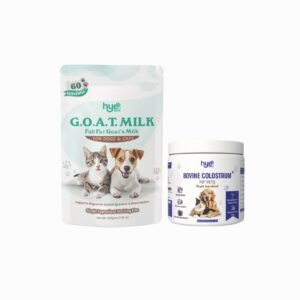 Combos
Full Fat Goat Milk Powder and Bovine Colostrum Combo for Dogs and Cats
Original price was: ₹1,398.01.₹949.01Current price is: ₹949.01.
- All Posts
- Blog
- Blogs
- Recipe
- Stories
- Trivia