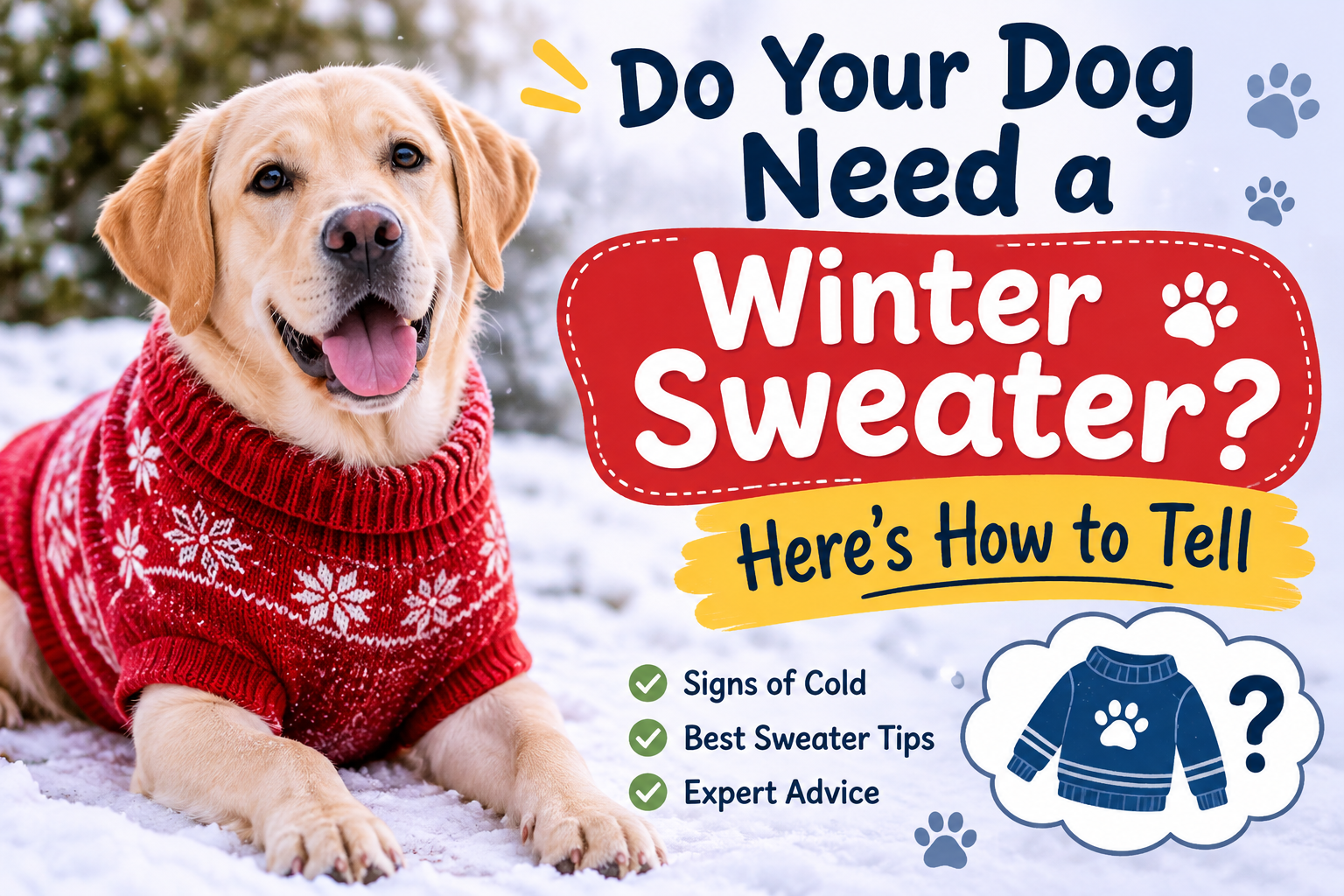
Winter has arrived. Many people reach for a warm jacket, thick socks, and a hot cup of chai before heading out the door. But what about the family dog?
While pet owners bundle up, their dogs often stand by the door, eager for a morning walk. Some dogs happily step into the chilly air, while others start shivering before they have even reached the front gate. This leads many dog owners to wonder whether investing in winter clothes for dogs is a practical necessity or simply a fashionable trend.
Consider a Chihuahua hesitating on a cold tiled floor compared with a Golden Retriever happily exploring the garden. Both are dogs, but their bodies do not respond to lower temperatures in the same way.
So, should a dog owner buy a winter sweater, or is a dog’s natural fur already doing the job?
The answer depends on several factors. A dog’s size, coat type, age, health status, and local weather conditions all play a role. While some dogs genuinely benefit from an extra layer, others are perfectly comfortable without one.
Here is a closer look at how to tell the difference, which dogs may need extra warmth, and how to choose winter clothing that prioritises comfort over appearance.
Do Dogs Really Need Winter Clothes, or Does Their Fur Do the Job?
A dog’s coat is more than just fur it acts as a natural layer of thermal insulation.
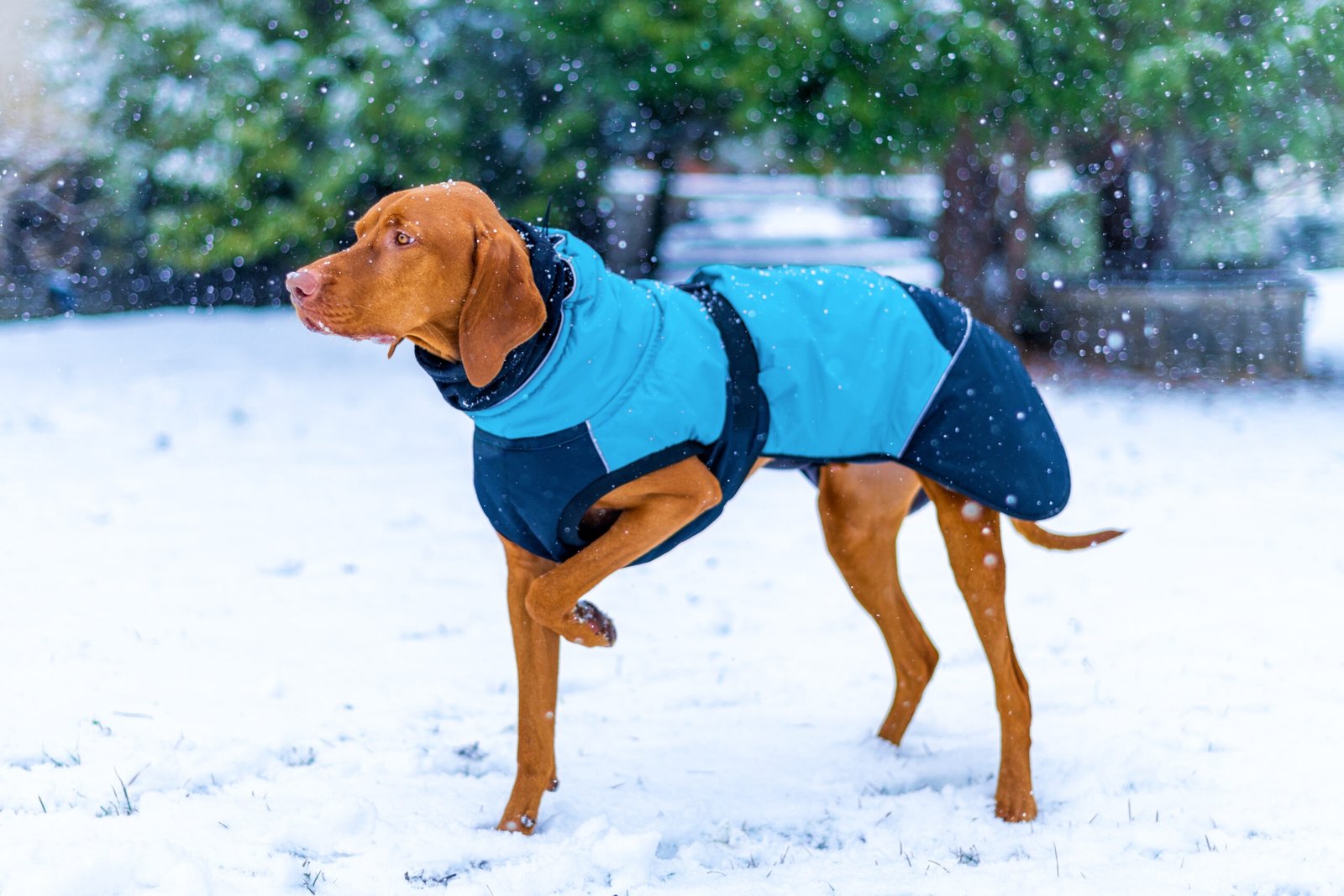
Hair fibers trap a boundary layer of air close to the skin, which warms up from body heat and shields against the cold outside. Dogs with thick double coats have a dense, woolly undercoat beneath their outer guard hairs, providing effective protection in chilly weather.
However, built-in winter protection varies significantly from dog to dog.
A Chihuahua and a Siberian Husky have drastically different coat densities and body builds. What feels like a pleasant morning walk to one dog can feel uncomfortably cold to another.
Several biological and environmental factors influence how a dog tolerates cold weather:
- Body Size: Smaller dogs have a higher surface-area-to-body-mass ratio, so they lose body heat faster than larger dogs.
- Coat Type: Dogs without a thick, insulating undercoat feel the chill faster, particularly in windy conditions.
- Distance from the Ground: Short-legged breeds carry their chest and belly much closer to cold floors, damp grass, and chilled pavements.
- Age and Health: Puppies and senior dogs often struggle to regulate their body temperature efficiently. Certain underlying medical conditions can also impair cold tolerance.
Rather than relying on breed rules alone, owners should watch their dog’s behaviour on outdoor walks to gauge comfort.
7 Types of Dogs That May Need a Little Extra Warmth
Some dogs are naturally equipped for cold weather, while others appreciate a cosy sweater when temperatures drop.
Here are seven categories of dogs that often benefit from extra warmth during winter.
1. Small Dogs That Feel the Chill Quickly
Small dogs often start shivering quickly on cold mornings.
Breeds such as Chihuahuas, Yorkshire Terriers, Toy Poodles, and Dachshunds lose body heat faster than larger dogs. Their smaller frame and low height relative to cold surfaces make them more vulnerable to the chill.
For these smaller companions, a well-fitted sweater can make daily walks significantly more enjoyable.
2. Short-Haired Dogs That May Feel the Cold
Dogs with short, thin coats lack a thick protective layer against low temperatures.
Greyhounds, Whippets, Boxers, and French Bulldogs have short coats that offer limited insulation against cold winds. Beagles also have short fur, though their dense double coat offers slightly better protection individual cold tolerance can still vary based on age, health, and sensitivity.
Paying attention to how a short-haired dog reacts during early morning or late evening walks helps determine if an extra layer is needed.
3. Puppies Still Learning to Regulate Their Body Temperature
Puppies are energetic and curious, but their bodies are still developing.
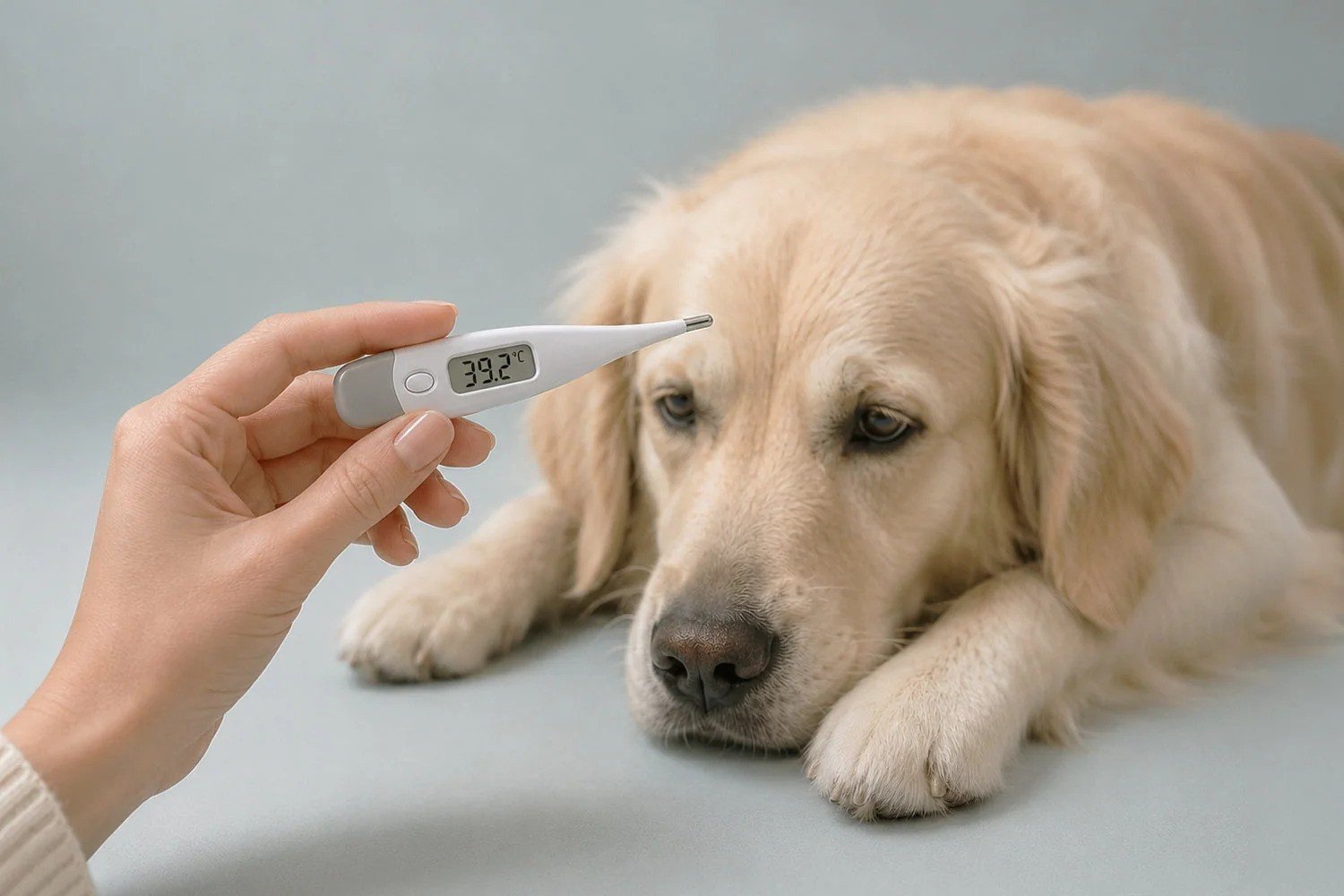
Because young dogs do not regulate their internal temperature as effectively as healthy adult dogs, cold air can affect them quickly during toilet breaks or outdoor play.
A lightweight, properly fitted sweater can help keep a puppy warm during short outdoor trips. Supervision is essential to ensure the clothing stays secure and does not become something they chew.
4. Senior Dogs That Need a Little More Comfort
As dogs age, their physiological needs change.
Senior dogs frequently lose muscle mass, become less active, or develop joint conditions like arthritis. Cold and damp weather can make joint stiffness and movement discomfort more pronounced.
If an older dog hesitates to step outside or shivers during walks, a warm sweater can provide much-needed comfort. An insulated indoor sleeping spot is equally valuable. However, if joint stiffness persists or worsens, consulting a veterinarian is recommended.
5. Naturally Lean or Underweight Dogs
Body condition strongly impacts how well a dog handles the cold.
There is a clear distinction between a naturally lean, muscular breed and a dog that is underweight. Lean athletic breeds like Greyhounds lack thick subcutaneous fat reserves for natural insulation. Underweight dogs or those recovering from illness have less fat and muscle tissue to retain heat, making cold weather harder to tolerate.
If a dog is underweight, addressing the underlying health or nutritional cause with a veterinarian is important rather than relying solely on clothing.
6. Dogs with Certain Health Conditions
Cold sensitivity can sometimes be tied directly to a dog’s health status.
Medical conditions such as hypothyroidism, poor blood circulation, or skin disorders that lead to hair loss can compromise a dog’s natural ability to stay warm.
When a dog suddenly becomes unusually sensitive to chilly weather, scheduling a veterinary checkup is a safer first step than simply dressing them in a thicker sweater.
7. Dogs That Have Recently Had Their Coats Clipped
Grooming sessions can leave long-coated breeds with far less natural fur than usual.
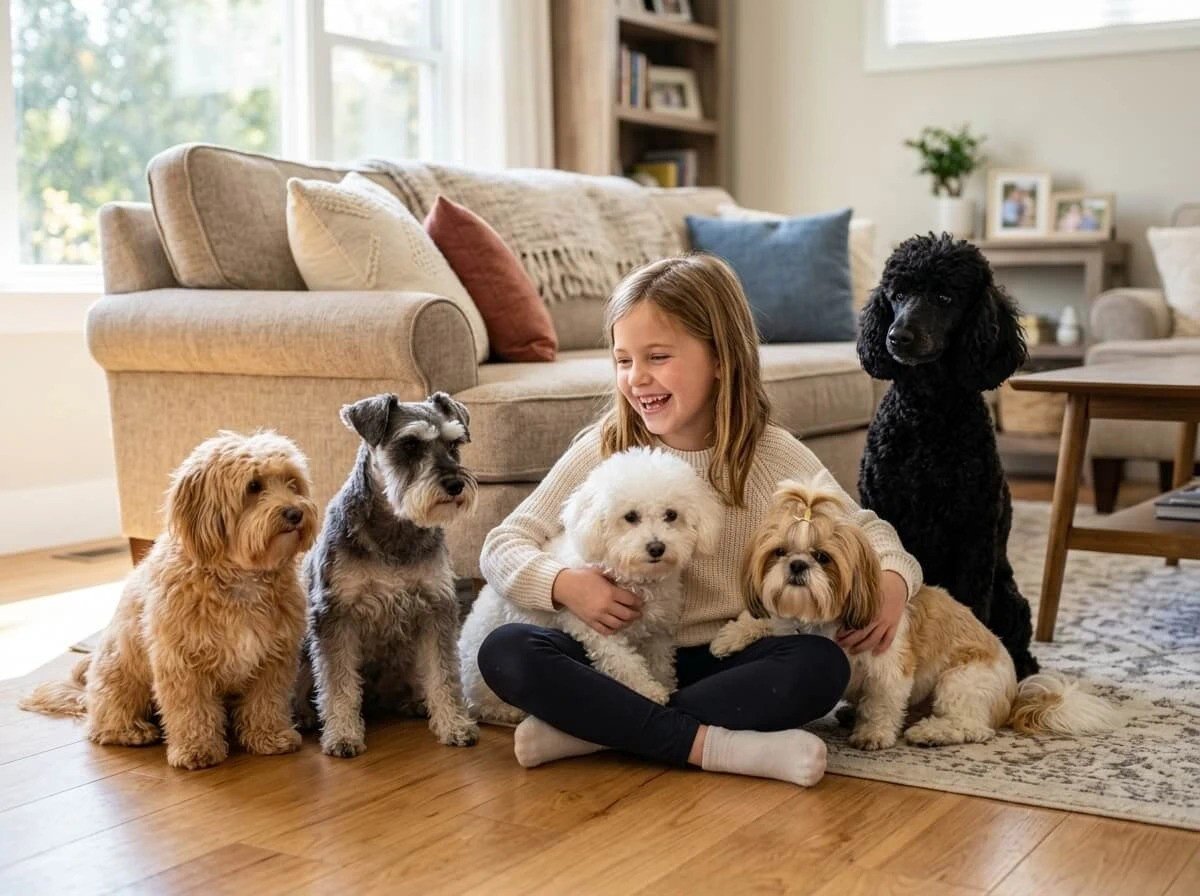
Breeds like Poodles, Shih Tzus, and Lhasa Apsos lose significant natural insulation when clipped short. The need for an extra garment after grooming depends on the dog’s coat type, the length of the haircut, and current weather conditions.
If a sweater is used, it should fit comfortably without chafing freshly groomed skin.
6 Signs Your Dog Is Secretly Asking for More Warmth
Dogs cannot express their discomfort verbally, but their physical actions and body language provide clear signals.
During winter walks, watch for these common behavioral signs:
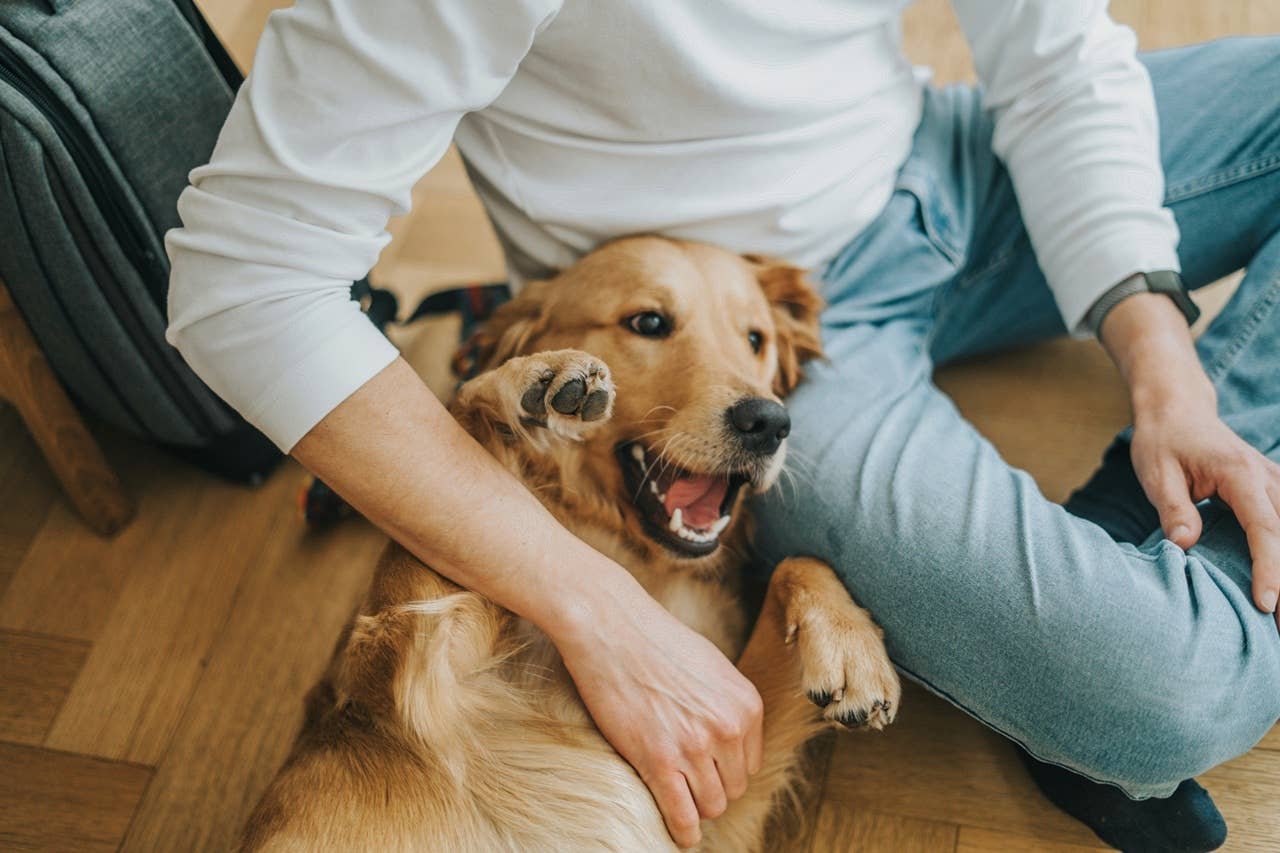
- Shivering or Trembling: Involuntary muscle shaking is the primary biological response to generate body heat.
- A Hunched Posture or Tucked Tail: A cold dog may stand rigidly, arch its back, or hold its tail tightly against its body to reduce heat loss.
- Lifting Paws Off the Ground: Alternating paws or holding a foot up off cold tiles or wet pavement indicates surface discomfort. Note that grit, road salt, or pad injuries can trigger the same response, so inspecting the paws is advisable.
- Refusing to Continue Walking: Stopping suddenly, turning back toward home, or refusing to walk forward often means the dog is feeling uncomfortably cold.
- Seeking Constant Physical Warmth: Leaning heavily against an owner’s legs or trying to sit on their feet during stops is a common sign of seeking heat.
- Whining or Acting Restless: Vocalising, pacing, or exhibiting unusual anxiety during routine walks can signal thermal discomfort, though pain or environmental stress can cause similar behavior.
If these signs appear, take the dog indoors to a warm, draft-free room. A sweater helps maintain warmth during a walk, but bringing a shivering dog inside is necessary.
Veterinary Warning: Persistent shivering, unusual weakness, extreme lethargy, muscle stiffness, slow or shallow breathing, or collapse can indicate severe hypothermia or an underlying medical emergency. Seek immediate veterinary care if any of these critical symptoms occur.
Does Every Dog Need a Winter Sweater? Not Quite.
It is a misconception that all dogs require winter clothing when the temperature drops.
Many breeds are naturally equipped to handle cooler climates comfortably without any added layers.
Siberian Huskies, Alaskan Malamutes, and Samoyeds possess dense, heavy double coats designed to withstand cold conditions. Other double-coated breeds, such as German Shepherds and Golden Retrievers, generally navigate standard winter weather with ease. Nevertheless, even thick-coated dogs require dry, draft-free shelter and should never be left outdoors in severe weather for extended periods.
Active dogs that spend their walks running, chasing balls, or engaging in intense exercise generate substantial body heat. Adding a sweater during energetic play can cause them to overheat.
Here is a quick overview:
|
A Sweater May Not Be Necessary |
A Sweater May Be Helpful |
|
Huskies, Malamutes, and Samoyeds |
Chihuahuas and other small toy breeds |
|
Dogs with dense, thick double coats |
Greyhounds, Whippets, and Boxers |
|
Dogs acclimated to local winter weather |
Short-haired dogs sensitive to cold winds |
|
Highly active dogs during heavy exercise |
Puppies and senior dogs requiring extra comfort |
|
Dogs showing no signs of cold discomfort |
Dogs with freshly clipped coats or health conditions |
Indoor Clothing Advice: Most homes remain warm enough for dogs without indoor clothing. Leaving garments on inside for long periods can cause friction, skin irritation, and overheating. Clothing should always be removed when a dog is left unsupervised, particularly if they chew on fabric. However, cold-sensitive or elderly dogs in unusually chilly or drafty rooms may benefit from a light, supervised layer. A padded bed, warm blanket, or raised mat is usually the best indoor solution.
Found the Perfect Sweater? Here’s What to Check Before Buying
Selecting the right sweater involves evaluating fit, fabric, and safety rather than focusing on aesthetic appeal.
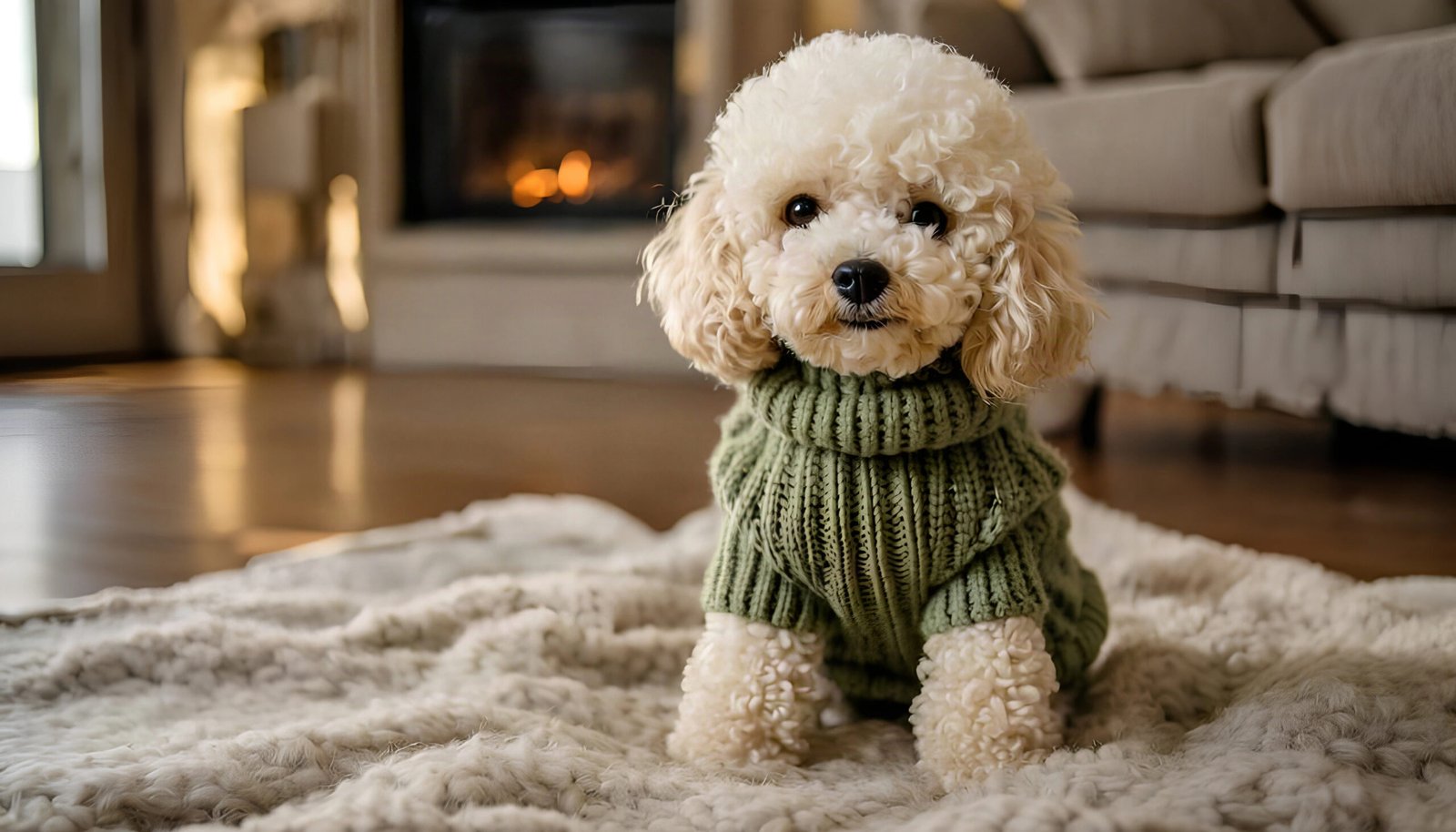
A garment that looks charming but restricts natural movement or chafes the skin can cause distress.
Keep these six guidelines in mind when shopping:
1. Get the Measurements Right
Sizing should never be selected based solely on breed labels or weight. Body shapes vary widely even within the same breed.
Use a soft measuring tape to check:
- Neck: Measure around the base of the neck where a collar rests comfortably.
- Chest: Measure around the widest part of the ribcage, directly behind the front legs. This is the most crucial measurement for comfort.
- Back: Measure along the spine from the base of the neck to roughly two inches before the base of the tail.
Although checking for a two-finger gap under the fabric offers a helpful starting point, the sweater must allow completely unrestricted movement. It should sit comfortably around the neck, chest, shoulders, and belly without rubbing or pinching. Always cross-check measurements against the manufacturer’s size guide.
2. Choose Soft, Breathable Materials
Materials like fleece, soft wool blends, and knitted cotton offer good breathability and warmth.
If using cotton garments, ensure they stay dry, as pure cotton absorbs and holds moisture easily in wet weather. Check that inner seams are flat and smooth to prevent skin friction.
3. Ensure Full Freedom of Movement
A dog must be able to walk, run, sit, lie down, and stretch naturally while wearing clothing.
Pay close attention to shoulder and leg openings. The underside must also be cut high enough around the belly so male dogs can urinate without wetting the fabric.
4. Keep Fasteners Simple and Safe
Avoid garments with dangling ribbons, small decorative buttons, or loose strings, which pose swallowing or choking hazards.
Opt for simple designs featuring wide Velcro strips, sturdy snaps, or elasticated step-in cuts. Ensure zippers do not catch on fur or press into the skin.
5. Choose Easy-to-Wash Garments
Winter walks can involve mud, dust, and damp grass.
Select machine-washable fabrics that retain their shape and soft texture after repeated washing.
6. Watch for Signs of Overheating
A sweater should keep a dog comfortable, not overly warm.
Monitor for heavy panting, unusual restlessness, or repeated attempts to rub the garment off against walls or furniture. If these signs occur, remove the sweater promptly and allow the dog to cool down.
First Time Wearing a Sweater? Help Your Dog Get Used to It
Some dogs accept clothing right away, while others freeze in place, wriggle continuously, or attempt to pull the fabric off.
This is a completely natural reaction to an unfamiliar sensation across their body.
To help a dog adjust comfortably:
- Allow Exploration: Place the sweater on the floor and let the dog sniff it. Placing a few treats near the fabric creates a positive association.
- Drape It Gently: Once the dog is comfortable nearby, gently drape the garment over their back for a few seconds without fastening it. Reward them with a treat and remove it.
- Keep Initial Sessions Short: Secure the sweater and let the dog wear it indoors for one to two minutes during a positive activity, like mealtime or play.
- Associate with Outdoor Fun: Once the dog accepts the garment indoors, put it on right before stepping out for a walk so they link the sweater to an enjoyable routine.
If a dog continues to show distress or anxiety despite a slow introduction, do not force them to wear clothing. Shorter walks during warmer, sunnier hours of the day serve as a practical alternative.
Winter Sweater Myths Every Dog Owner Should Know
Misconceptions about pet care during winter are common. Here is the reality behind a few frequent assumptions:
|
Common Belief |
The Practical Reality |
|
Every dog needs a sweater in winter. |
Need depends entirely on size, coat density, age, health, and local weather. |
|
Thick fur means a dog can never feel cold. |
Thick coats provide insulation, but prolonged exposure to cold wind or damp weather can still cause chilling. |
|
Dogs can wear sweaters indoors all day. |
Most dogs do not need indoor clothes. Wearing garments continuously can lead to skin irritation or overheating. |
|
A tighter sweater keeps a dog warmer. |
Clothing must fit comfortably without restricting movement, circulation, or chafing the skin. |
|
A sweater is enough protection in severe cold. |
Clothes offer light insulation on walks, but they cannot replace warm shelter or reduced exposure during extreme cold. |
Beyond Sweaters: 5 Simple Ways to Keep Your Dog Comfortable This Winter
Clothing is only one part of seasonal care. Simple changes around the house and during daily routines can keep dogs comfortable throughout the colder months:
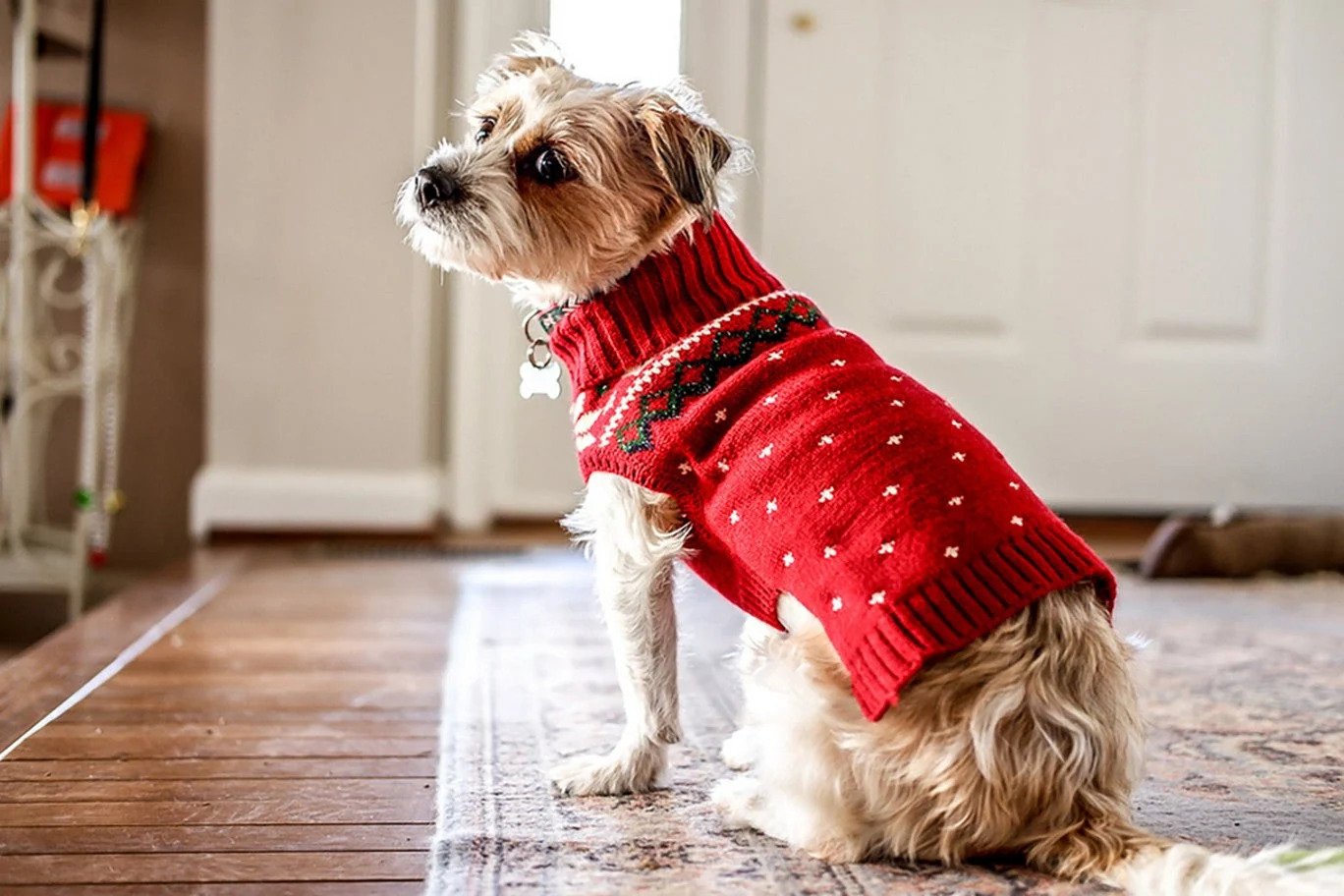
- Create a Draft-Free Sleeping Area: Position pet beds away from cold tiled floors, exterior doors, and drafty windows. An insulated mat or raised bed helps protect against floor chill.
- Adjust Walk Times: Schedule longer outdoor walks for mid-morning or early afternoon when temperatures and weather conditions are most favourable.
- Towel-Dry After Walks: If a dog gets damp outdoors, use a clean towel to dry their legs, chest, and belly immediately upon returning inside.
- Inspect and Clean Paws: Cold ground, road dust, and grit can collect between toe pads. Gently wipe paws after walks and inspect for dry, cracked skin.
- Provide Fresh Water: Indoor heating and chilly winds can be dehydrating. Ensure clean, room-temperature drinking water is available at all times.
The Best Winter Outfit? One That Keeps Your Dog Comfortable.
A winter sweater might look charming, but physical comfort and safety should always remain the top priorities.
For certain dogs, an extra layer makes chilly morning walks significantly more comfortable. Others are naturally equipped to stay warm on their own and do best without added clothing.
Paying attention to a dog’s body language, activity level, and reaction to the weather makes it easy to decide what is best for their care.
The goal of seasonal pet care is simple: keeping dogs safe, warm, and comfortable all winter long
-
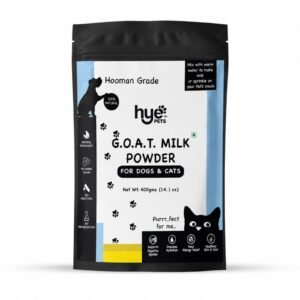 All Products
Goat Milk Powder for Dogs and Cats – 400g
Original price was: ₹1,298.86.₹733.96Current price is: ₹733.96. -
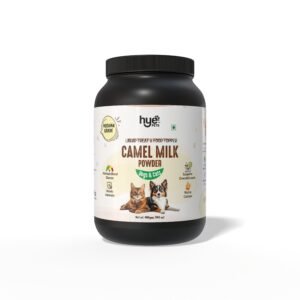 All Products
Camel Milk Powder For Dogs and Cats – 400g
Original price was: ₹1,499.75.₹499.00Current price is: ₹499.00. -
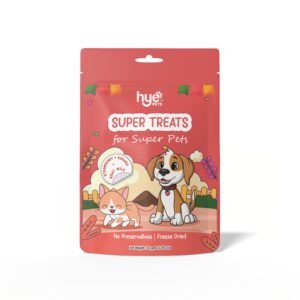 All Products
Super Treats for Super Pets made with Goat Milk, Strawberry and Banana | 30g
Original price was: ₹325.00.₹308.75Current price is: ₹308.75. -
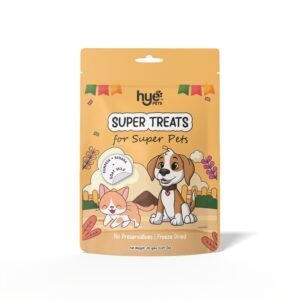 All Products
Super Treats for Super Pets made with Goat Milk, Pumpkin and Banana | 30g
Original price was: ₹279.00.₹265.06Current price is: ₹265.06. -
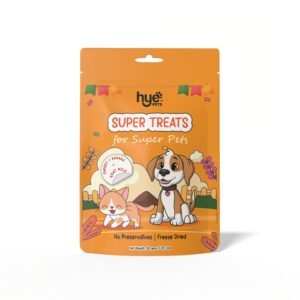 All Products
Super Treats for Super Pets made with Goat Milk, Carrot and Banana | 30g
Original price was: ₹279.00.₹265.06Current price is: ₹265.06. -
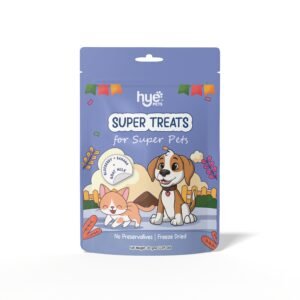 All Products
Super Treats for Super Pets made with Goat Milk, Blueberry and Banana | 30g
Original price was: ₹325.00.₹308.75Current price is: ₹308.75. -
 All Products
Super Treats for Super Pets made with Camel Milk, Apple and Banana | 30g
Original price was: ₹279.00.₹265.06Current price is: ₹265.06. -
 All Products
Super Treats for Super Pets made Camel Milk, Beetroot and Banana | 30g
Original price was: ₹279.00.₹265.06Current price is: ₹265.06. -
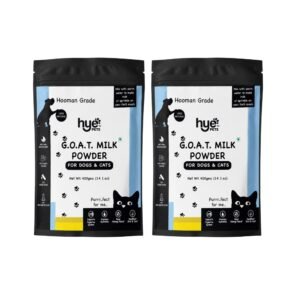 Combos
Goat Milk Powder for Dogs and Cats – Combo Pack (2 x 400g)
Original price was: ₹3,065.28.₹1,680.32Current price is: ₹1,680.32. -
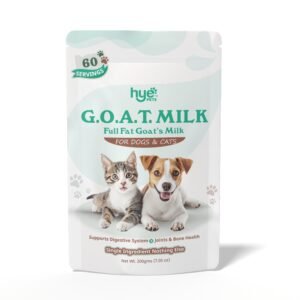 All Products
Goat Milk Powder for Dogs and Cats – 200g
Original price was: ₹698.99.₹657.05Current price is: ₹657.05. -
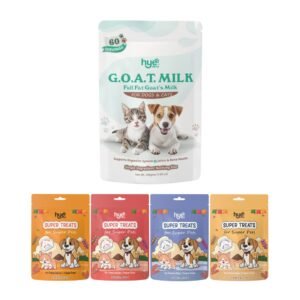 All Products
Goat Milk Powder and Freeze-Dried Goat Milk Treats Combo for Dogs and Cats
Original price was: ₹2,250.26.₹2,067.36Current price is: ₹2,067.36. -
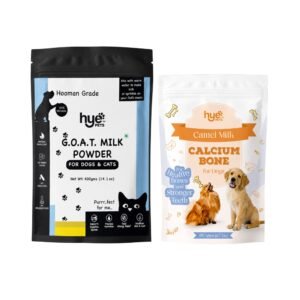 Combos
Goat Milk Powder and Camel Milk Calcium Bone for Dogs – Combo Pack
Original price was: ₹1,826.47.₹1,108.02Current price is: ₹1,108.02. -
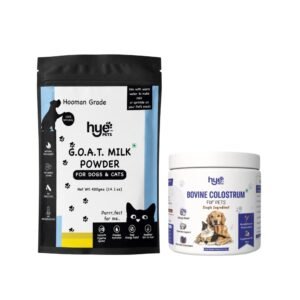 Combos
Goat Milk Powder and Bovine Colostrum Combo for Dogs & Cats
Original price was: ₹2,357.47.₹1,221.30Current price is: ₹1,221.30. -
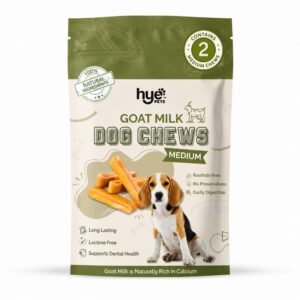 Goat Milk Treats
Goat Milk Dog Chews for Medium Dogs | Rawhide-Free Dental Treats | 2 Chews
Original price was: ₹449.01.₹422.01Current price is: ₹422.01. -
 Combos
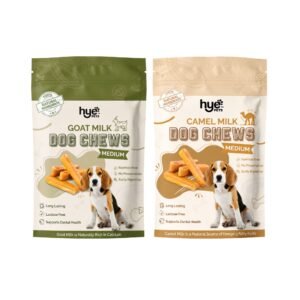
Goat Milk and Camel Milk Chews Combo for Medium Dogs
Original price was: ₹1,118.64.₹1,019.52Current price is: ₹1,019.52. -
 Combos
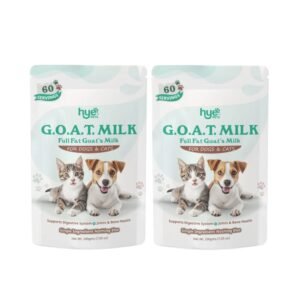
Full Fat Goat Milk Powder for Dogs and Cats Combo Pack (2 x 200g)
Original price was: ₹1,649.64.₹1,509.22Current price is: ₹1,509.22. -
 Combos
Full Fat Goat Milk Powder and Bovine Colostrum Combo for Dogs and Cats
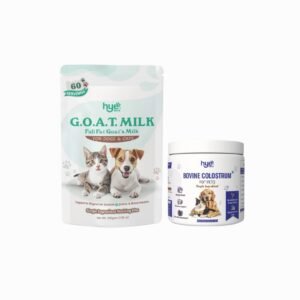
Original price was: ₹1,398.01.₹949.01Current price is: ₹949.01.
- All Posts
- Blog
- Blogs
- Recipe
- Stories
- Trivia