Your dog has three perfectly good toys on the floor, and somehow they’ve gone for your shoe. Again.
If you’ve been there, you already know the frustration. Why the shoe? Why not the $15 squeaky taco? The object itself doesn’t actually matter much to a dog chewing is simply what they’re built to do, whether you’ve provided an acceptable outlet or not.
Instead of trying to stop the behavior entirely, it helps to understand why dogs need to chew in the first place, what they get out of it, and how to give them something safe to work on.
Why Do Dogs Need to Chew?
A dog’s drive to chew depends on a mix of age, energy, and individual personality.
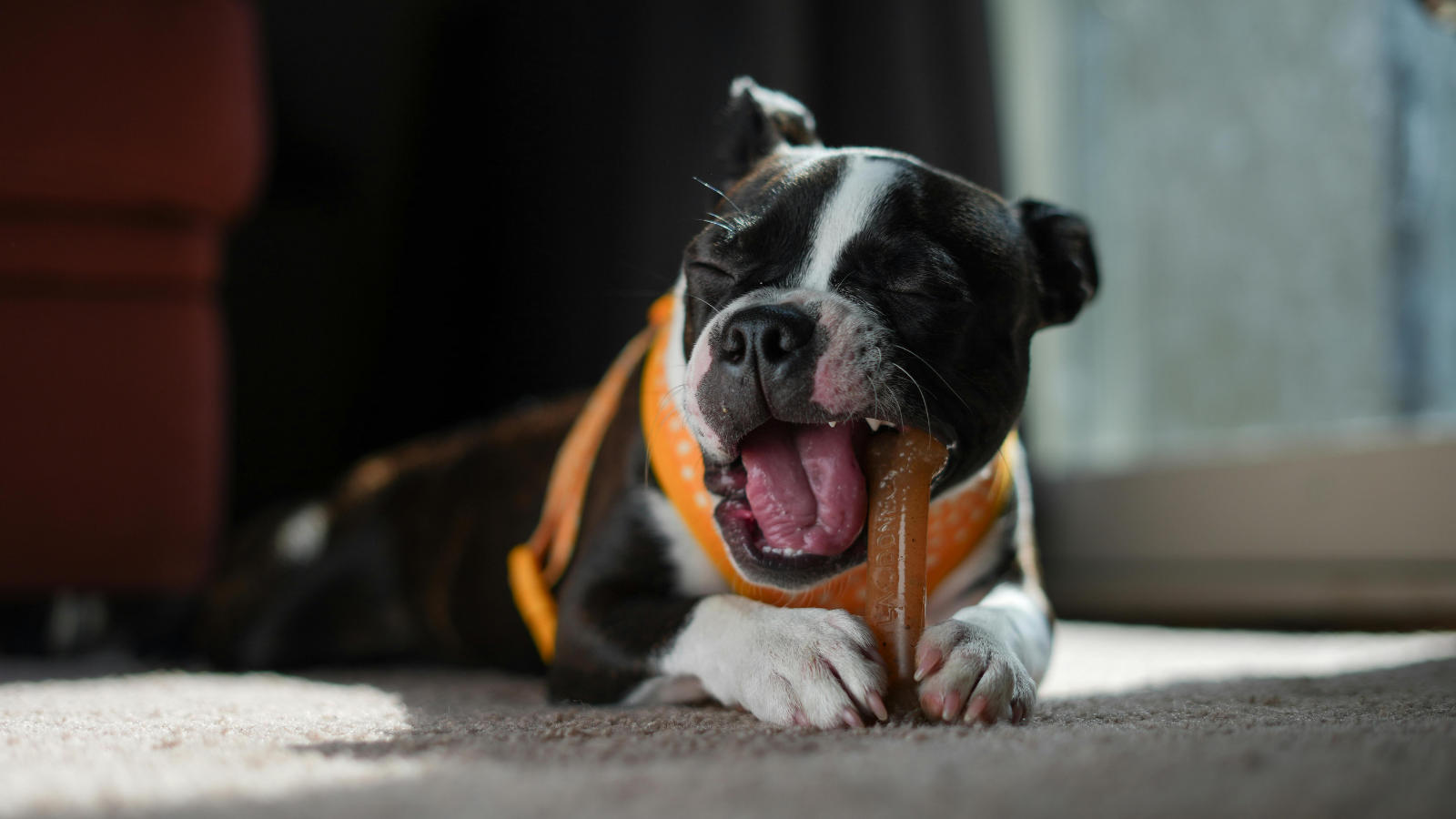
Chewing starts as pure instinct. Dogs explore with their mouths much like we use our hands. Long before commercially made chew toys existed, dogs investigated their world by gnawing on it.
Puppies show this impulse most clearly. They’re naturally curious, and once teething kicks in, that curiosity turns into a non-stop mission. Teething frequently happens somewhere between three and six months, though every puppy works on their own timeline. If your pup has developed a sudden personal vendetta against your coffee table leg, blame the new teeth coming in.
Boredom is another big driver. A dog with nothing to do will make their own entertainment, and a decent chew session can help redirect restless energy before it gets pointed at your baseboards. For many dogs, gnawing is just deeply satisfying it gives them a simple task to focus on. While it won’t resolve underlying separation anxiety, plenty of dogs visibly settle down once they get into a good chewing rhythm.
What Are the Actual Benefits?
Giving your dog an appropriate chew can help in a few clear ways:
- Mental focus: Working through a chew takes concentration. It won’t replace real exercise or training, but it holds their attention long enough to help them unwind.
- Furniture protection: Redirecting that natural drive onto a dedicated toy keeps your shoes, couch legs, and rug corners intact.
- Supporting dental health: Some veterinary-approved dental chews can aid in reducing mild plaque and tartar buildup through mechanical action. Just keep in mind that a chew is a supporting tool it doesn’t replace brushing or regular vet checkups.
- Relief during teething: For young pups, a softer chew sized for a smaller mouth can help comfort tender gums and make the teething phase easier on everyone.
When Does Chewing Become a Problem?
The habit itself isn’t bad, but what your dog chews on matters. Vets pay close attention to how hard a dog bites and whether pieces are getting swallowed.
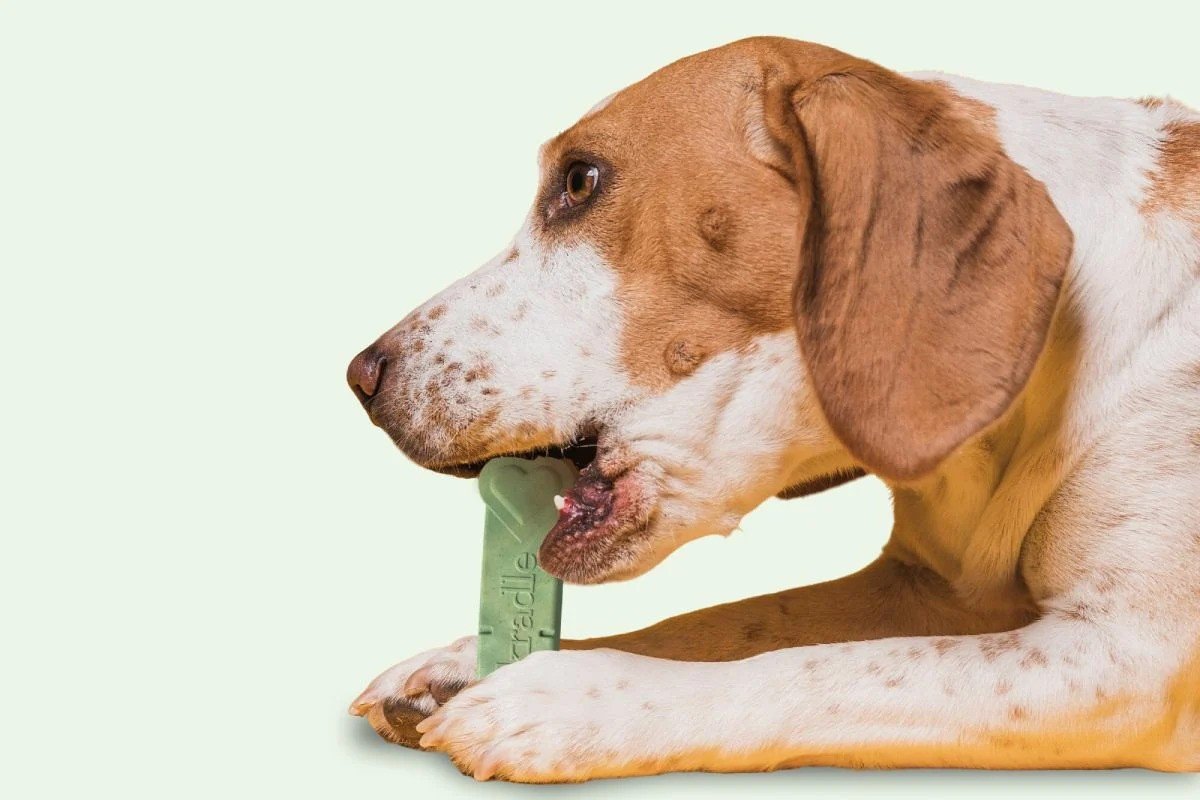
Swallowed chunks are the primary safety concern. Foreign objects gulped down whole can pose choking hazards or potentially lead to intestinal blockages that require emergency surgery.
Keep an eye out for these warning signs:
- Persistent chewing on furniture, drywall, or electrical cords
- Obsessive or frantic chewing that’s hard to distract them from
- Toys or chews that are cracking, splitting, or splintering
- Pawing at the mouth, sudden drooling, or reluctance to eat hard food
- Any sudden shift in your dog’s typical chewing habits
You don’t need to hover over them every second, but if something looks off or a chew isn’t breaking down safely, trust your gut and take it away.
Not Every Chew is a Good Chew
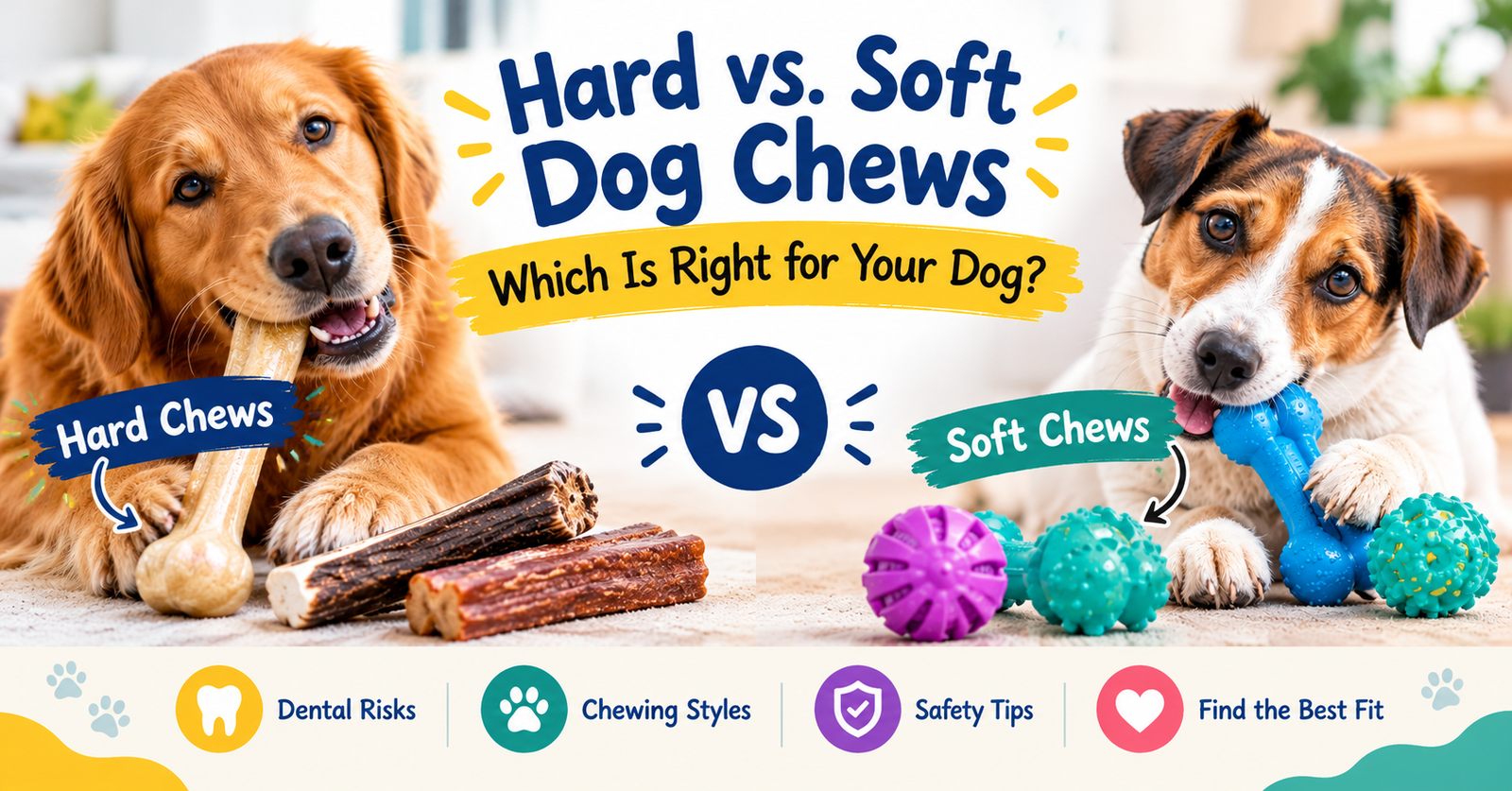
Marketing terms like tough,all-natural, or indestructible don’t tell you if a chew is safe for your specific dog. Look at these key details instead:
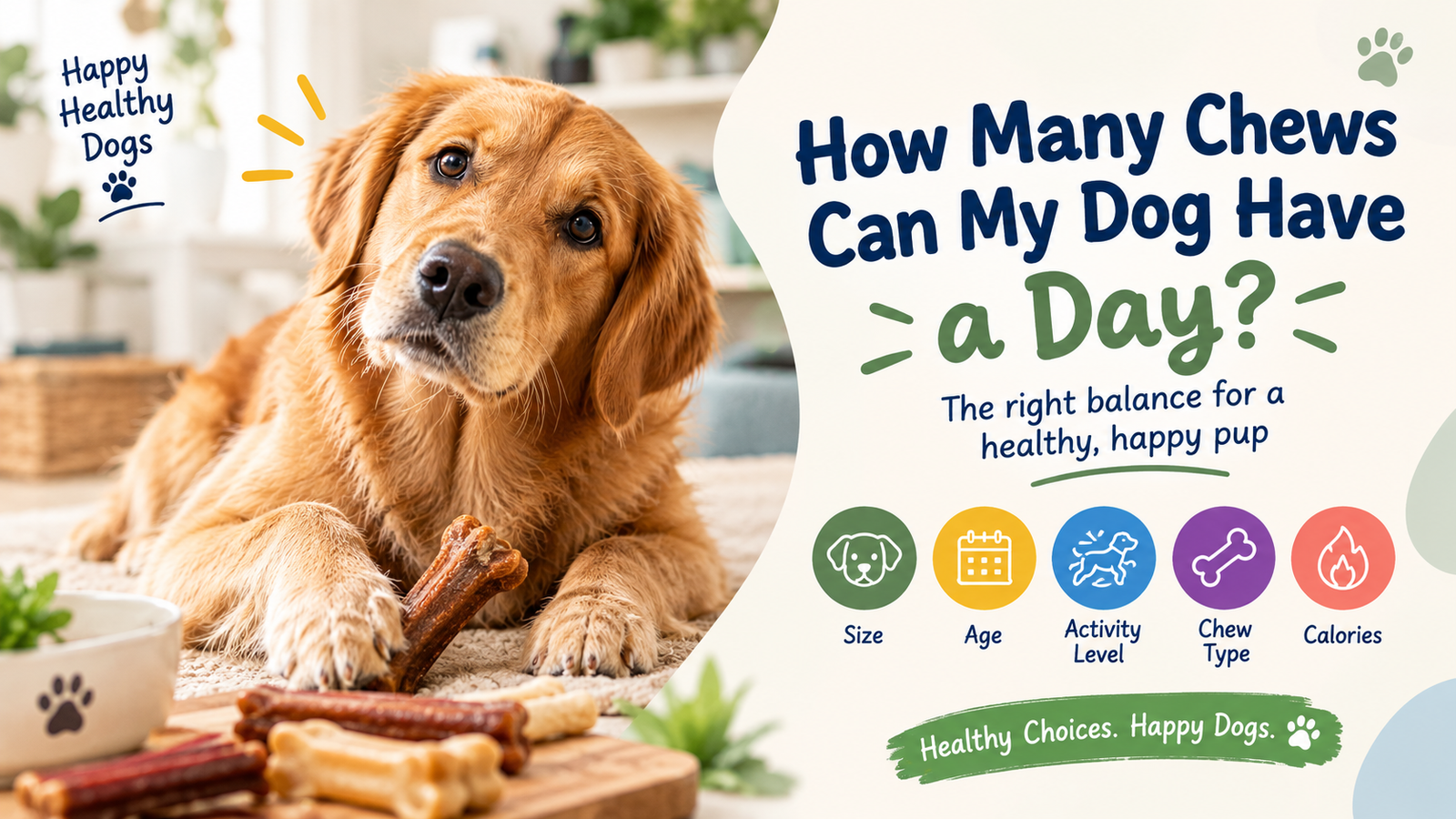
- Size: Small chews can quickly become choking hazards. Big chews are often frustrating to handle and get ignored. Pick a size made specifically for your dog’s weight class.
- Hardness: Rigid or rock-solid chews can chip or fracture teeth. If you’re unsure whether a material is too hard, check the manufacturer’s guidance or ask your veterinarian.
- Chewing Style: Gentle chewers take their time, while others wear things down steadily. Stronger chewers try to crush everything in sight. Remember that chewing strength varies by dog, and a powerful chewer shouldn’t automatically get the hardest material available. Biting down hard on an unyielding chew can increase the risk of tooth damage or fractures.
Supervise any new chew for the first few sessions. Once a chew gets small enough to fit completely inside your dog’s mouth, take it away.
How to Choose the Right Chew for Your Dog
Picking the right option comes down to three main steps:
- Match their age: Puppies need softer materials for developing teeth and gums. Senior dogs often need gentler textures that won’t strain worn teeth or sensitive mouths.
- Read the ingredient list: For edible chews, look for short, clear ingredient lists. Keep an eye on calorie counts as well bully sticks and treat chews carry extra calories that add up fast if your dog is watching their weight.
- Account for allergies: If your dog has a sensitive stomach or food allergies, check labels carefully for protein sources like beef, chicken, or dairy before introducing a new chew.

Quick Chew-Safety Checklist
Run through these questions before handing over a new chew:
- Is this the right size for my dog’s mouth?
- Is the material appropriate for their age and tooth strength?
- Do I know all the ingredients inside it?
- Can I supervise them while they try it out?
- What happens if a chunk breaks off will it splinter or crumble?
When to Throw a Chew Away
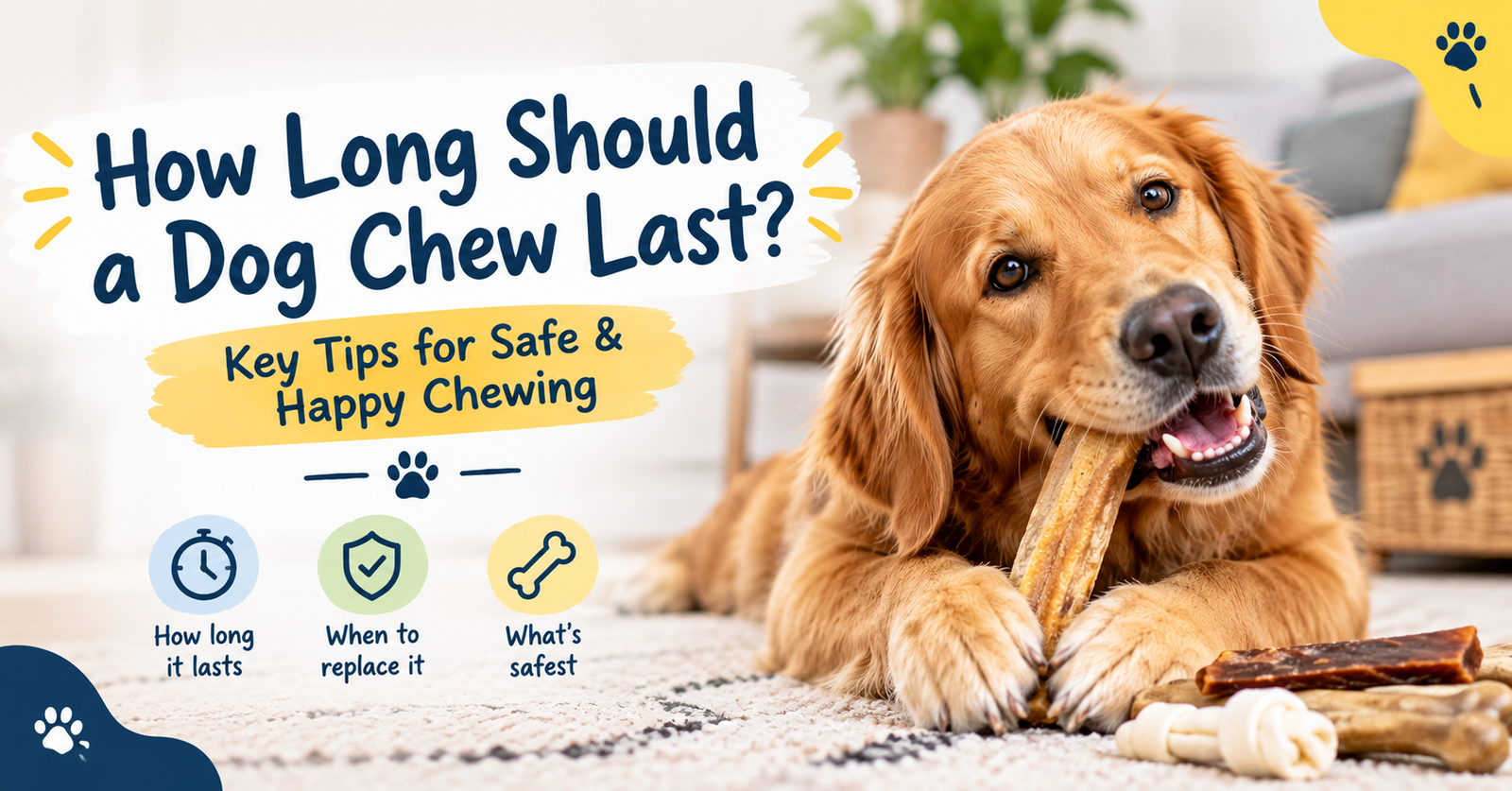
No chew toy is meant to last forever. Throw a chew in the trash immediately if it:
- Wears down small enough to be swallowed whole
- Develops sharp or jagged edges
- Starts splitting, shredding, or splintering
- Shows heavy wear or smells foul
Your dog may give you the ultimate betrayal look when you toss it. Take it away anyway.
Chewing Isn’t Dental Care on Its Own
It’s worth emphasizing: a chew doesn’t replace brushing or professional cleanings. While dental chews offer a bit of mechanical cleaning, daily brushing and routine veterinary checkups remain the most effective core practices for long-term oral health. Spotting issues like bad breath or bleeding gums early helps protect their teeth over time.

The Bottom Line
Your dog isn’t trying to cause trouble when they start gnawing on the coffee table they’re just acting on a deep-seated drive. Giving them a safe outlet comes down to picking the right size and texture, watching how they handle a new chew, and tossing it before it turns into a hazard.
Take a look at our chew collection to browse options filtered by dog size and chew strength, or ask your vet if you ever have doubts about what’s safest for your dog.
-
 All Products
Goat Milk Powder for Dogs and Cats – 400g
Original price was: ₹1,298.86.₹733.96Current price is: ₹733.96. -
 All Products
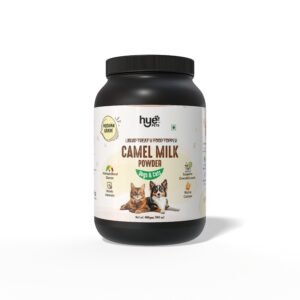
Camel Milk Powder For Dogs and Cats – 400g
Original price was: ₹1,499.75.₹499.00Current price is: ₹499.00. -
 All Products
Super Treats for Super Pets made with Goat Milk, Strawberry and Banana | 30g
Original price was: ₹325.00.₹308.75Current price is: ₹308.75. -
 All Products
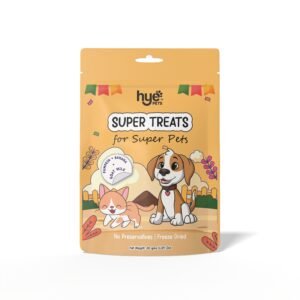
Super Treats for Super Pets made with Goat Milk, Pumpkin and Banana | 30g
Original price was: ₹279.00.₹265.06Current price is: ₹265.06. -
 All Products
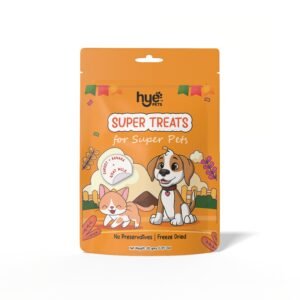
Super Treats for Super Pets made with Goat Milk, Carrot and Banana | 30g
Original price was: ₹279.00.₹265.06Current price is: ₹265.06. -
 All Products
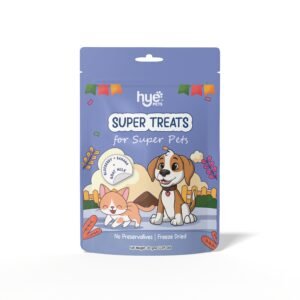
Super Treats for Super Pets made with Goat Milk, Blueberry and Banana | 30g
Original price was: ₹325.00.₹308.75Current price is: ₹308.75. -
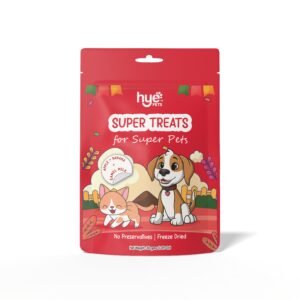 Out of stockAll Products
Super Treats for Super Pets made with Camel Milk, Apple and Banana | 30g
Original price was: ₹279.00.₹265.06Current price is: ₹265.06. -
 All Products
Super Treats for Super Pets made Camel Milk, Beetroot and Banana | 30g
Original price was: ₹279.00.₹265.06Current price is: ₹265.06. -
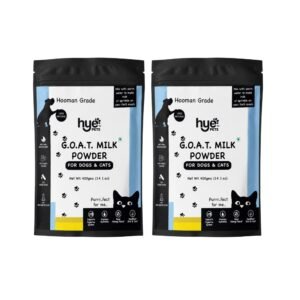 Combos
Goat Milk Powder for Dogs and Cats – Combo Pack (2 x 400g)
Original price was: ₹3,065.28.₹1,680.32Current price is: ₹1,680.32. -
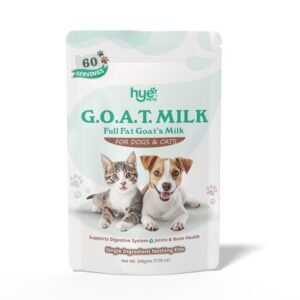 All Products
Goat Milk Powder for Dogs and Cats – 200g
Original price was: ₹698.99.₹657.05Current price is: ₹657.05. -
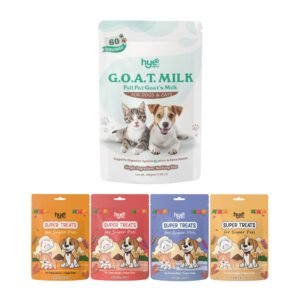 All Products
Goat Milk Powder and Freeze-Dried Goat Milk Treats Combo for Dogs and Cats
Original price was: ₹2,250.26.₹2,067.36Current price is: ₹2,067.36. -
 Combos
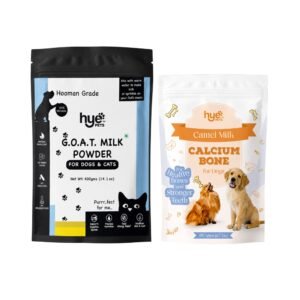
Goat Milk Powder and Camel Milk Calcium Bone for Dogs – Combo Pack
Original price was: ₹1,826.47.₹1,108.02Current price is: ₹1,108.02. -
 Combos
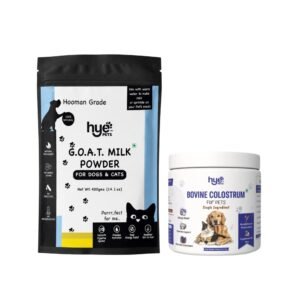
Goat Milk Powder and Bovine Colostrum Combo for Dogs & Cats
Original price was: ₹2,357.47.₹1,221.30Current price is: ₹1,221.30. -
 Goat Milk Treats
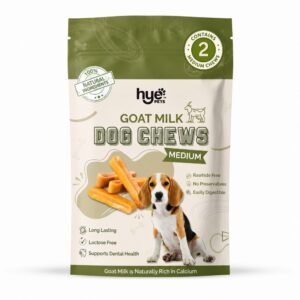
Goat Milk Dog Chews for Medium Dogs | Rawhide-Free Dental Treats | 2 Chews
Original price was: ₹449.01.₹422.01Current price is: ₹422.01. -
 Combos
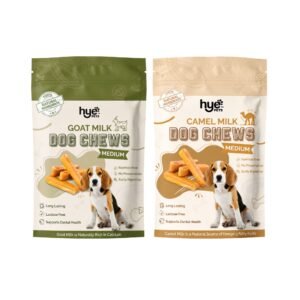
Goat Milk and Camel Milk Chews Combo for Medium Dogs
Original price was: ₹1,118.64.₹1,019.52Current price is: ₹1,019.52. -
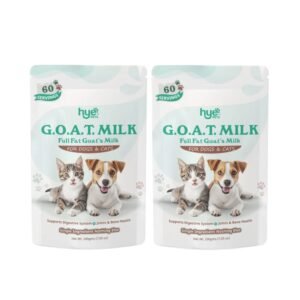 Combos
Full Fat Goat Milk Powder for Dogs and Cats Combo Pack (2 x 200g)
Original price was: ₹1,649.64.₹1,509.22Current price is: ₹1,509.22. -
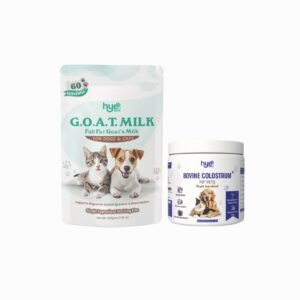 Combos
Full Fat Goat Milk Powder and Bovine Colostrum Combo for Dogs and Cats
Original price was: ₹1,398.01.₹949.01Current price is: ₹949.01.
- All Posts
- Blog
- Blogs
- Recipe
- Stories
- Trivia