You reach down to pet your dog, expecting them to lean into your hand. Instead, they turn their head away, flick their tongue across their nose, and shift their weight back. You pause for a second, wondering if you just misread the room.
Or maybe you’ve watched your dog’s tail thumping rapidly while a stranger approaches on a walk, only to notice their torso is completely stiff. At the vet’s office, they might let out a massive yawn even though they slept all morning on the couch.
Moments like these leave many of us asking the same question: What is my dog actually trying to tell me?
Dogs are constantly communicating, but their signals rarely come with a single, obvious translation. Learning dog body language isn’t about memorising a rigid dictionary of gestures. It’s about observing subtle shifts across your dog’s face, ears, tail, and posture, then evaluating those details together within the environment. Once you start noticing these combined signals, everyday interactions with your dog begin to make much more sense.
Before Reading Dog Body Language, Look at the Whole Picture
One of the most common pitfalls in understanding dog body language is isolating a single gesture. A tail movement, an ear position, or a sudden roll onto the back can mean completely different things depending on the surrounding environment and the rest of the dog’s posture.
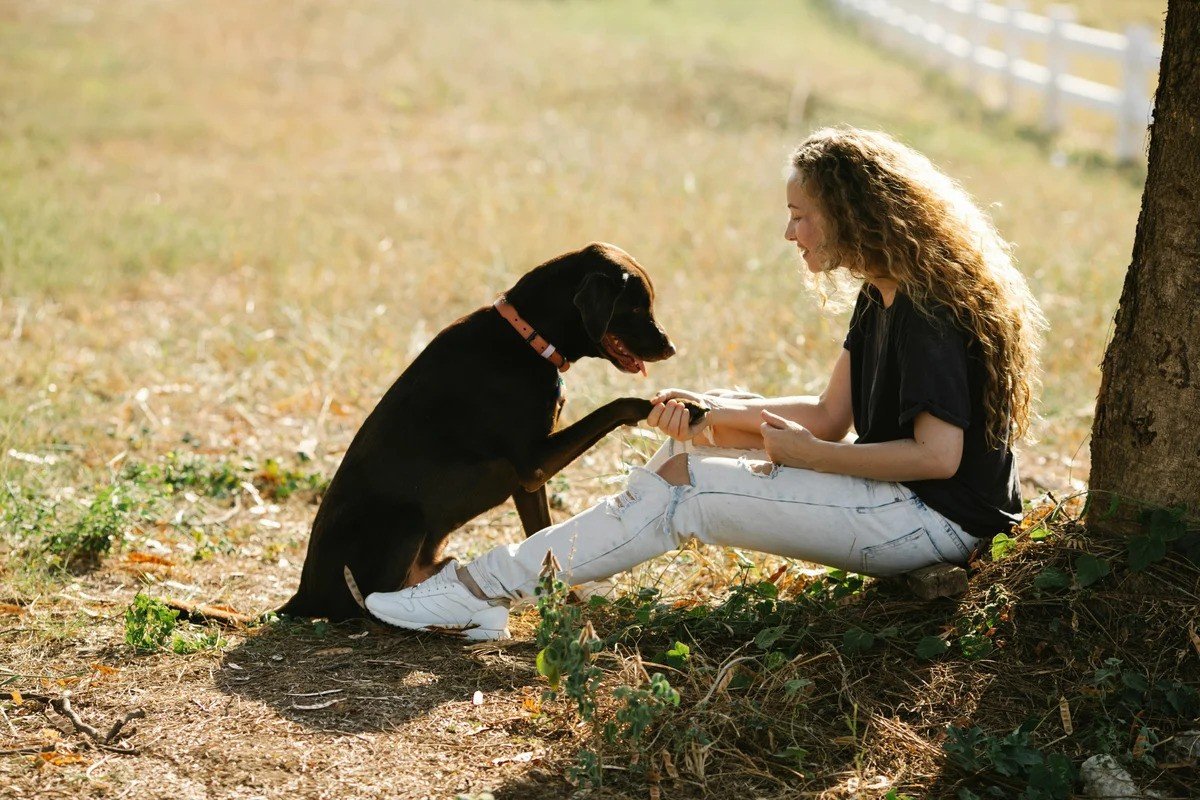
Think of canine communication like a sentence rather than a single word. Isolating one gesture is like pulling a single word out of a paragraph you lose the context that gives it meaning.
When evaluating dog communication, considering four primary elements simultaneously helps paint a clearer picture:
- Tail: Is it sweeping loosely in broad strokes, or held high and vibrating with tension?
- Facial Expression: Are the eyes soft and almond-shaped, or wide with visible whites? Is the mouth relaxed or tightly closed?
- Body Tension: Are the muscles fluid and loose, or rigid and braced?
- Context & Antecedent: What happened two seconds before this reaction? Did a child step near their food bowl? Did a strange dog approach on the sidewalk?
15 Dog Body Language Signs Every Owner Should Know
1. The Whole-Body Wiggle
When a greeting is genuinely relaxed, the movement typically flows through the dog’s entire body. You might see their hips sway, their shoulders shift, and their spine form a soft curve as they move toward you. This loose, fluid posture generally suggests comfort and social openness. It can be a useful sign of a relaxed, socially comfortable dog, particularly when it occurs in familiar surroundings.
2. Tail Movement in Different Contexts
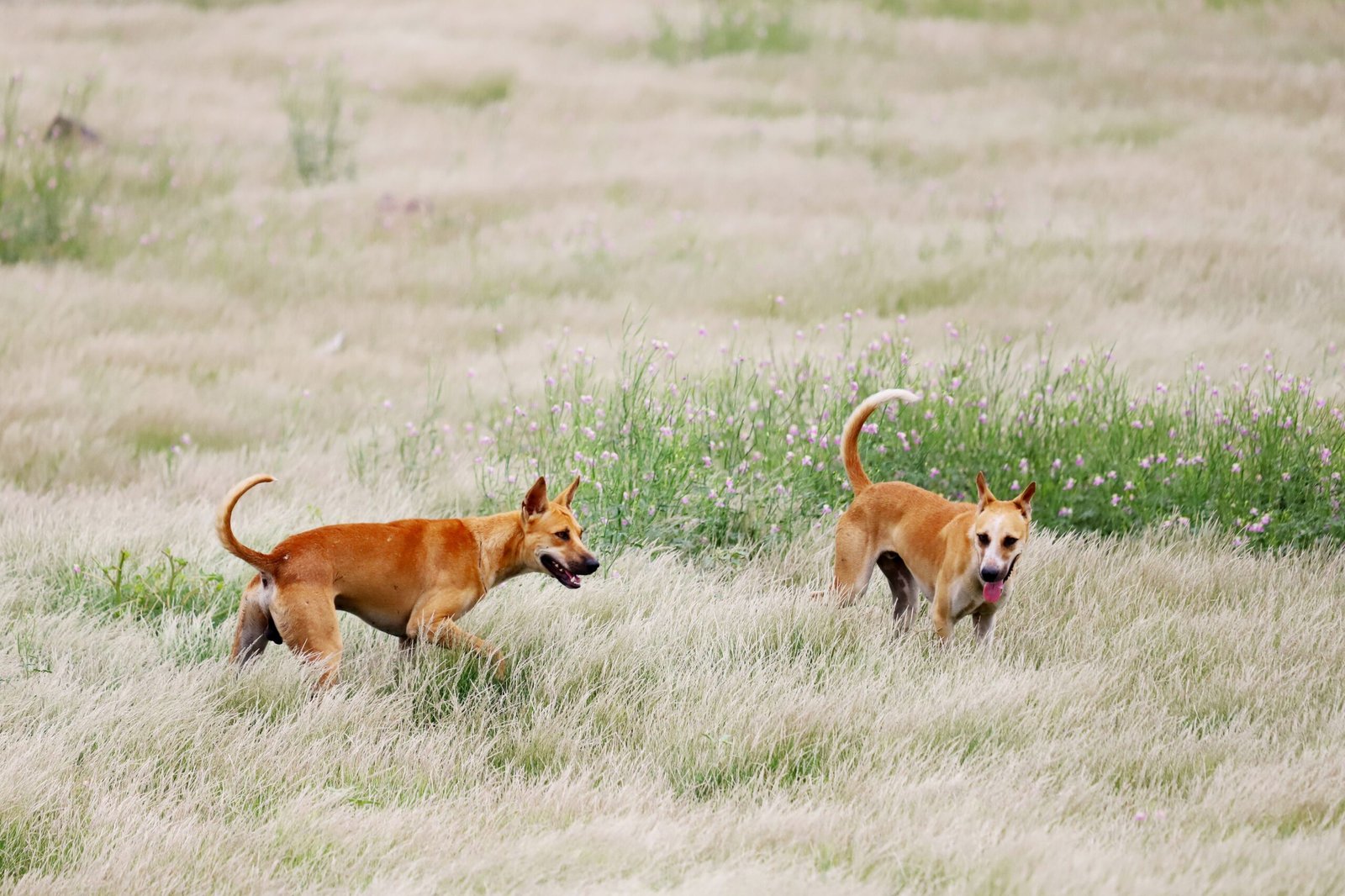
A wagging tail simply indicates emotional arousal or energy it does not automatically signal friendliness. To understand what the movement means, observe the tail’s height, speed, and stiffness along with the rest of the body. A broad, low-to-mid-height sweep with a loose torso usually reflects a friendly state. Conversely, a high, rigid tail moving back and forth quickly can accompany high tension, conflict, or uncertainty.
3. Sudden Muscle Stiffness
Sometimes the most informative signal a dog gives is a sudden pause in movement. If a dog becomes completely still while being petted or while someone approaches their space, it often indicates heightened tension or discomfort. This temporary freeze can occur when a dog feels conflicted or overwhelmed. In these moments, stepping back and halting the interaction gives the dog space to process without feeling pressured.
4. Tail Tucked Tight Against the Body
During loud fireworks, a sudden storm, or a visit to a noisy environment, a dog may draw their tail tightly beneath their abdomen. This physical movement is aimed at making the body smaller and protecting vulnerable areas. A tucked tail is a common indicator among scared dog body language signals, pointing toward anxiety, fear, or a desire to avoid interaction.
5. Ears Shifted Back
Ear placement varies significantly depending on a dog’s natural breed morphology, but changes in position offer useful clues. Ears drawn back slightly can occur during gentle, friendly social interactions. However, when ears are pinned tightly flat against the head alongside a tense face or wide eyes, it can be a sign your dog is stressed or feeling fearful.
6. Ears Forward with Focused Gaze
When a dog hears a sudden noise at the front door or spots a squirrel in the yard, their ears often shift forward and their body aligns toward the sound or object. This posture reflects alertness and focused attention. While an alert posture means the dog is paying close attention to a stimulus, it does not mean the dog will react aggressively; it simply marks a shift in focus.
7. Visible Whites of the Eyes (Whale Eye)
Whale eye describes a moment when a dog turns their head slightly away while keeping their eyes locked on a person, object, or other animal, exposing a white crescent of the eye. This expression frequently appears when a dog feels uncomfortable, cornered, or protective of a resource. For instance, if a child reaches toward a dog who is resting on their bed and the dog shows whale eye, it is generally a signal that the dog needs space.
8. Lip Licking Outside of Mealtime
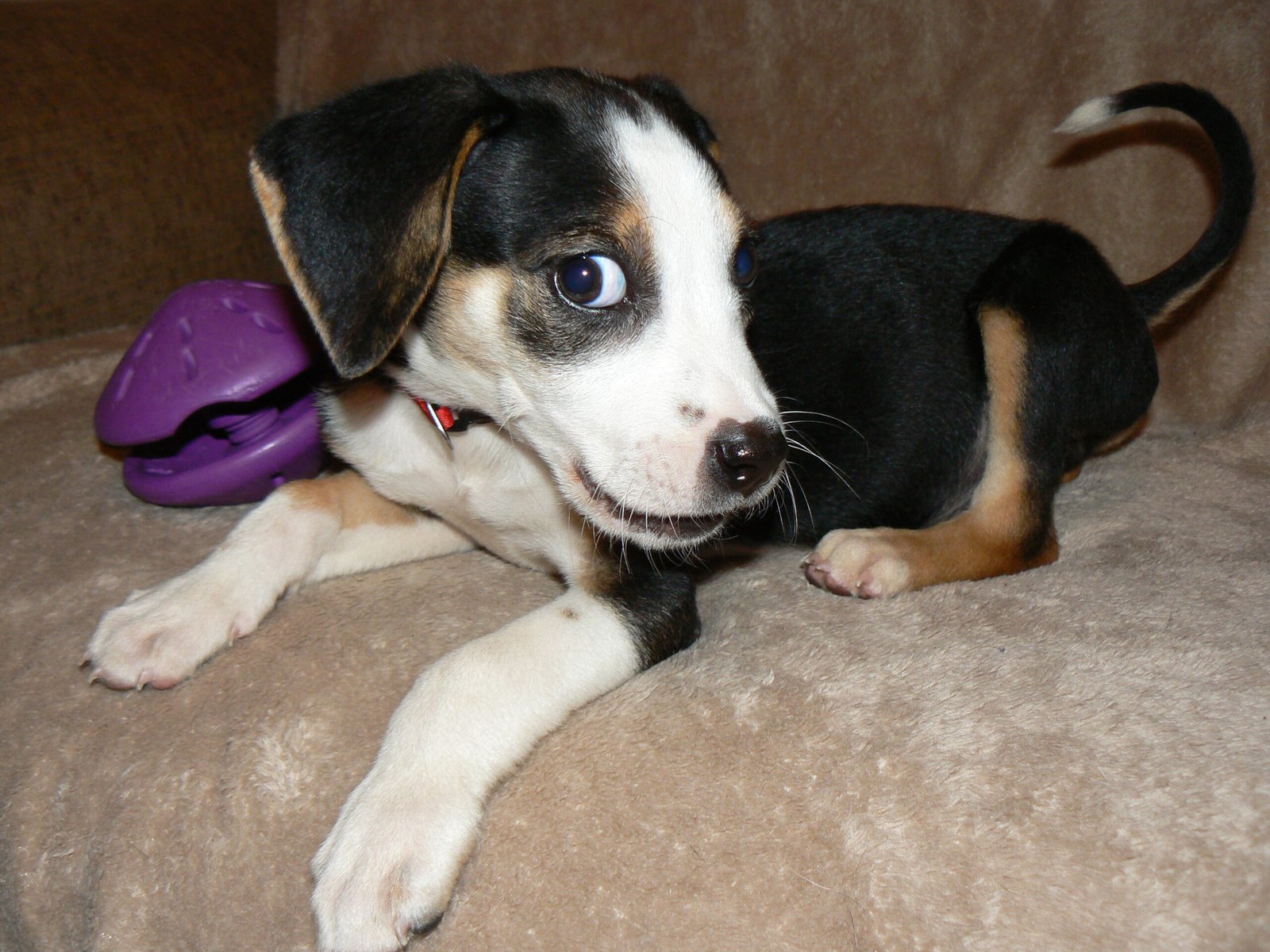
While dogs naturally lick their lips after eating or drinking, sudden or repeated lip licks in other contexts can serve as subtle calming signals. A dog might quickly flick their tongue over their nose when an unfamiliar person leans over them to say hello. This subtle gesture often indicates mild discomfort or an attempt to diffuse potential tension in the interaction.
9. Yawning in Non-Resting Situations
If a dog lets out a large yawn in the middle of a busy training class or while waiting in a vet clinic, it may occur even when a dog isn’t tired. While yawning is a normal sign of sleepiness, context matters. In stressful, exciting, or unfamiliar environments, yawning can function as a displacement behavior an involuntary reaction to internal conflict, arousal, or mild stress.
10. The Play Bow
A classic play bow, where the dog lowers their front legs and chest to the ground while keeping their rear in the air, is one of the clearest signals commonly associated with play. Often accompanied by soft eyes and an open mouth, this movement serves to initiate play or signal that any preceding or following rough movement is intended as fun. It is one of the most reliable dog body language signs for friendly play intentions.
11. Exposing the Belly
Rolling onto the back and exposing the abdomen is often interpreted as a request for a belly rub, and in many relaxed contexts with familiar people, it is. However, exposing the belly can also be an appeasement gesture intended to show non-threat when a dog feels vulnerable or overwhelmed. If the dog’s body is stiff, their tail is tucked, or their mouth is tightly closed, touching their belly can increase their stress rather than soothe it.
12. Raised Hackles (Piloerection)
Piloerection the raising of hair along the neck, shoulders, or spine is an involuntary physiological reaction driven by adrenaline, similar to human goosebumps. It signals heightened arousal, but it does not specify the underlying emotion. A dog may raise their hackles during intense play, out of sudden excitement, or when startled by an approaching dog on a walk. Reading the surrounding posture is essential to understanding why the hackles were raised.
13. Restlessness, Pacing, or Panting Without Obvious Exercise
When a dog wanders through the house, struggles to settle on their bed, or pants heavily when the indoor temperature is comfortable and they haven’t been exercising, it can reflect internal distress or anxiety. While pacing can stem from environmental stressors, sudden or persistent restlessness can also be an early indicator of physical discomfort or pain.
14. Freezing During Physical Handling
While growls and barks are easily recognized, a sudden freeze during handling such as having their paws wiped, their collar held, or being hugged, can be easy to miss. Freezing can indicate discomfort, fear, conflict, or feeling overwhelmed by the current level of physical contact. Respecting this sign by pausing the interaction helps prevent the situation from escalating.
15. Leaning Against a Person
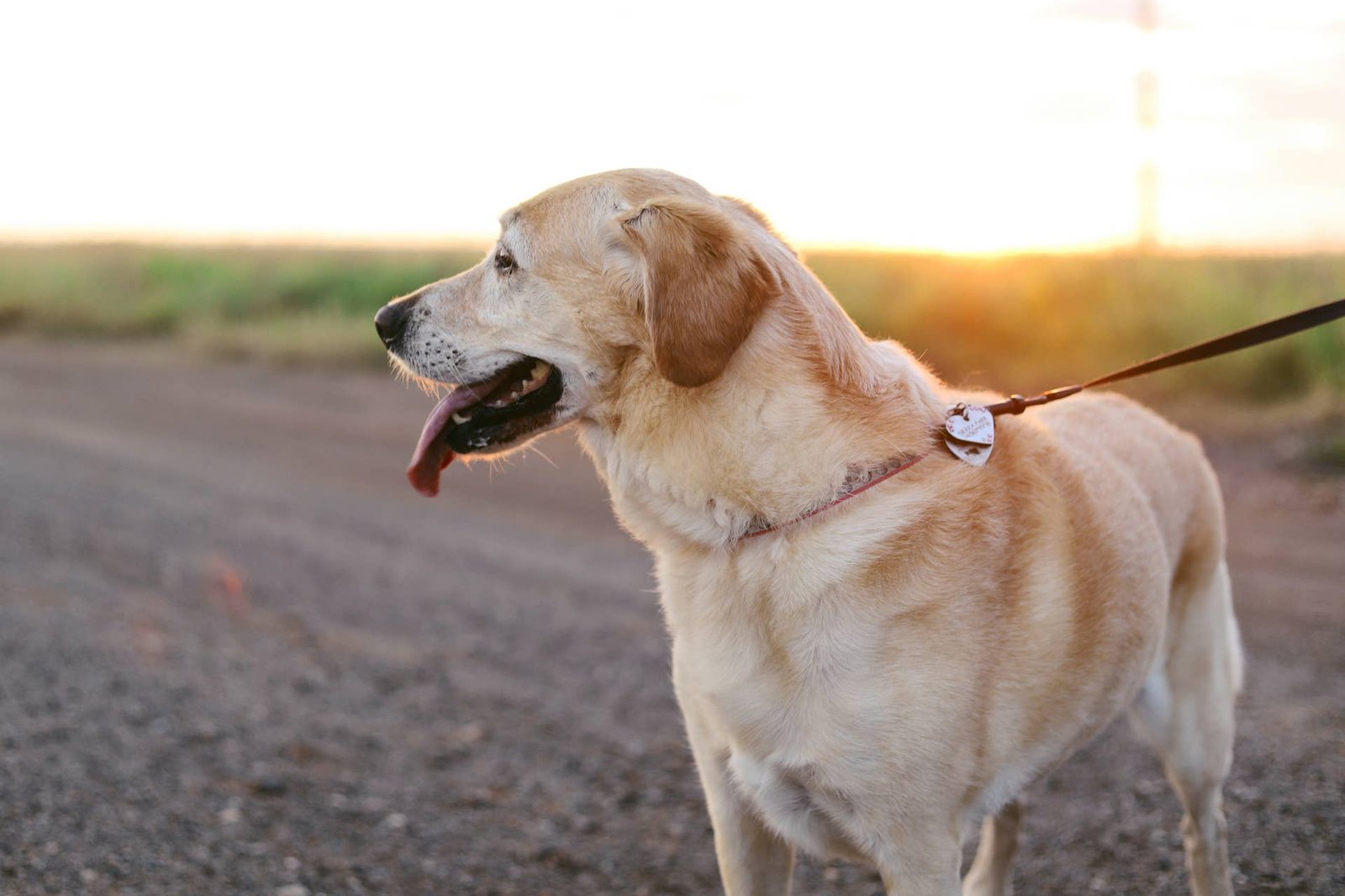
When a dog walks over and rests their physical weight against your legs, the meaning depends heavily on the surroundings. In a quiet living room, leaning often reflects social attachment and a desire for contact. In a busy or unfamiliar environment, the same behavior may indicate that the dog is seeking security or reassurance from their owner.
The ABC Framework for Reading Canine Behaviour
A simple way to make sense of body language is to use an ABC approach:
Element | Description | Practical Example |
A – Antecedent | What occurred immediately before the behavior? | A stranger reaches down to pet the dog’s head. |
B – Body | What is the entire body doing from head to tail? | The dog’s ears shift back, lip licks, and muscles stiffen. |
C – Context | Where is the interaction taking place, and what is the environment? | A crowded indoor event with high noise levels. |
Evaluating these three elements together prevents the mistake of relying on a single gesture to determine what a dog is experiencing.
Practical Responses When Your Dog Shows Discomfort
Understanding canine signals is most useful when it guides how we interact with our dogs in daily life:
- Offer Choice: Instead of reaching into a dog’s space, step back, crouch down, and let the dog choose whether to approach.
- Maintain Exit Paths: Avoid cornering a dog during greetings or handling, ensuring they have room to step away if they choose.
- Protect Physical Boundaries: If a dog shows signals of discomfort when children hug them or when strangers pet their head, step in and politely pause the interaction.
- Avoid Punishing Warning Signals: Growling, freezing, or showing hackles are vital communication tools. Scolding a dog for these behaviors can teach them to suppress their early warning signs, increasing the risk of a bite without prior warning.
When Sudden Behaviour Shifts Require Professional Evaluation
Every dog has a baseline pattern of behavior how they rest, interact with family, move, and respond to familiar handling. A sudden change in body language or demeanor often warrants closer attention.
Sudden shifts in behavior that deserve further investigation include:
- Uncharacteristic irritability or aggression when touched
- Sudden reluctance to climb stairs, jump into the car, or go on walks
- Persistent restlessness, pacing, or inability to find a comfortable resting position
- New hiding behaviors or withdrawal from family activities
- Increased sensitivity around food, toys, or resting spaces
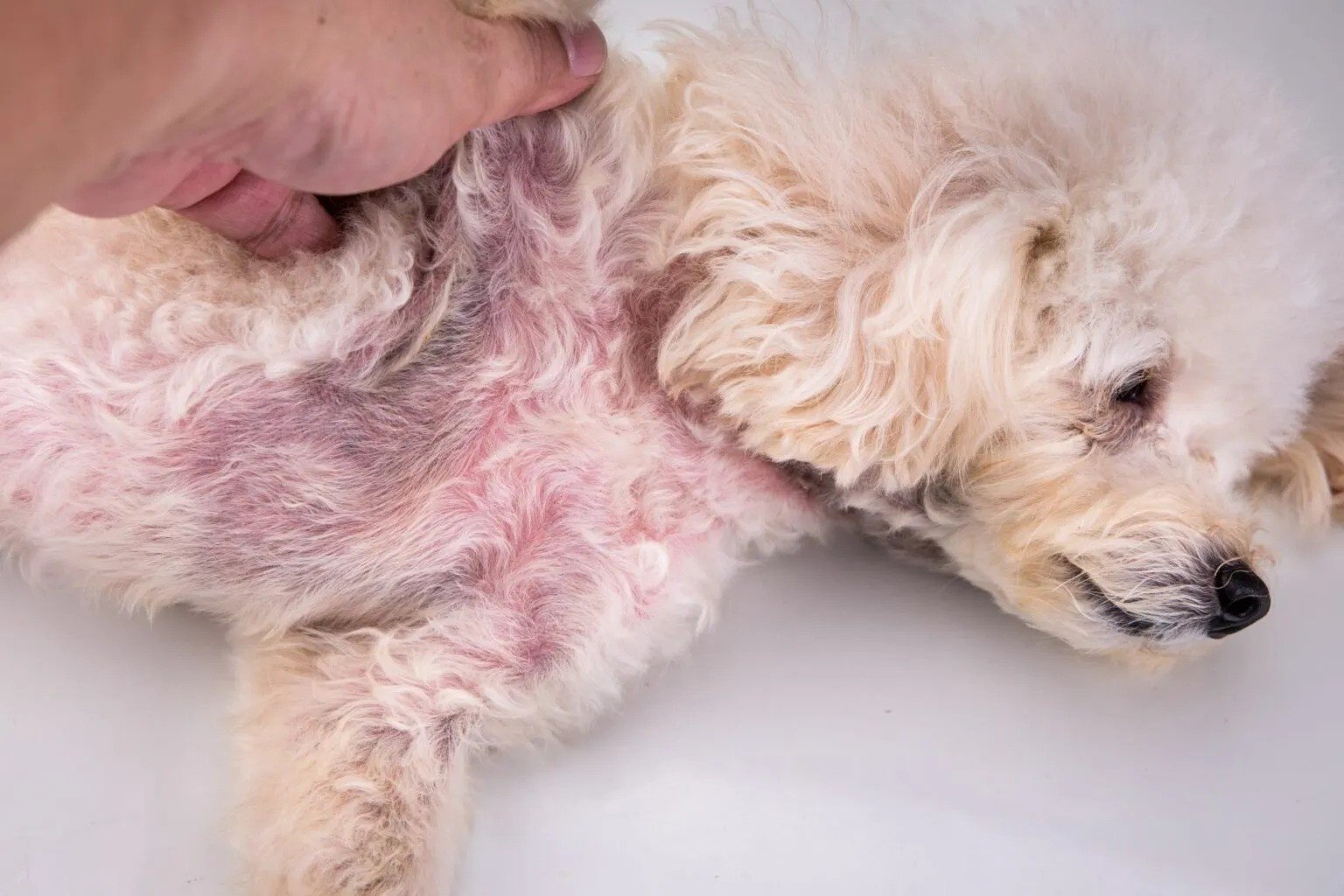
Behavioral changes can frequently be traced to underlying medical issues, such as joint pain, dental discomfort, or internal illness. Diagnosing medical issues from body language alone is impossible. If you notice persistent or sudden shifts in your dog’s demeanor, schedule an evaluation with a licensed veterinarian to rule out pain or physical illness before assuming the issue is purely behavioral.
Next time your dog wanders over while you’re sitting on the couch, take a quiet second before reaching out to pet them. Look at their shoulders are they loose? Are their eyes soft? Is their mouth gently open?
Noticing those small details changes how you interact. You aren’t trying to decode every single movement like a puzzle you’re simply paying attention to the conversation your dog has been having with you all along.
Conclusion
The next time your dog looks away when you reach for them, gives you a quick lip lick, freezes during a cuddle, or suddenly leans against your leg, don’t be too quick to brush it off. These little moments are easy to miss, but they can tell you something about how your dog is feeling right then.
You won’t always get it right and that’s okay. The goal isn’t to become a perfect dog translator. It’s to notice patterns, look at the whole picture, and give your dog the choice to move closer or take a little space.
Over time, those small observations can make everyday life together easier. You may start noticing when your dog is excited, when they’re uncomfortable, or when they’re simply asking you to stay close.
That’s the real value of understanding dog body language: learning not just what your dog is doing, but how to respond in a way that helps them feel safe, comfortable, and understood.
Disclaimer: This guide is intended for educational purposes only and does not replace individualized professional advice. For persistent behavioral challenges, fear, or safety concerns, consult a credentialed canine behavior consultant. If you suspect your dog is in pain or experiencing a medical issue, consult a licensed veterinarian.
-
 All Products
Goat Milk Powder for Dogs and Cats – 400g
Original price was: ₹1,298.86.₹733.96Current price is: ₹733.96. -
 All Products
Camel Milk Powder For Dogs and Cats – 400g
Original price was: ₹1,499.75.₹499.00Current price is: ₹499.00. -
 All Products
Super Treats for Super Pets made with Goat Milk, Strawberry and Banana | 30g
Original price was: ₹325.00.₹308.75Current price is: ₹308.75. -
 All Products
Super Treats for Super Pets made with Goat Milk, Pumpkin and Banana | 30g
Original price was: ₹279.00.₹265.06Current price is: ₹265.06. -
 All Products
Super Treats for Super Pets made with Goat Milk, Carrot and Banana | 30g
Original price was: ₹279.00.₹265.06Current price is: ₹265.06. -
 All Products
Super Treats for Super Pets made with Goat Milk, Blueberry and Banana | 30g
Original price was: ₹325.00.₹308.75Current price is: ₹308.75. -
 All Products
Super Treats for Super Pets made with Camel Milk, Apple and Banana | 30g
Original price was: ₹279.00.₹265.06Current price is: ₹265.06. -
 All Products
Super Treats for Super Pets made Camel Milk, Beetroot and Banana | 30g
Original price was: ₹279.00.₹265.06Current price is: ₹265.06. -
 Combos
Goat Milk Powder for Dogs and Cats – Combo Pack (2 x 400g)
Original price was: ₹3,065.28.₹1,680.32Current price is: ₹1,680.32. -
 All Products
Goat Milk Powder for Dogs and Cats – 200g
Original price was: ₹698.99.₹657.05Current price is: ₹657.05. -
 All Products
Goat Milk Powder and Freeze-Dried Goat Milk Treats Combo for Dogs and Cats
Original price was: ₹2,250.26.₹2,067.36Current price is: ₹2,067.36. -
 Combos
Goat Milk Powder and Camel Milk Calcium Bone for Dogs – Combo Pack
Original price was: ₹1,826.47.₹1,108.02Current price is: ₹1,108.02. -
 Combos
Goat Milk Powder and Bovine Colostrum Combo for Dogs & Cats
Original price was: ₹2,357.47.₹1,221.30Current price is: ₹1,221.30. -
 Goat Milk Treats
Goat Milk Dog Chews for Medium Dogs | Rawhide-Free Dental Treats | 2 Chews
Original price was: ₹449.01.₹422.01Current price is: ₹422.01. -
 Combos
Goat Milk and Camel Milk Chews Combo for Medium Dogs
Original price was: ₹1,118.64.₹1,019.52Current price is: ₹1,019.52. -
 Combos
Full Fat Goat Milk Powder for Dogs and Cats Combo Pack (2 x 200g)
Original price was: ₹1,649.64.₹1,509.22Current price is: ₹1,509.22. -
 Combos
Full Fat Goat Milk Powder and Bovine Colostrum Combo for Dogs and Cats
Original price was: ₹1,398.01.₹949.01Current price is: ₹949.01.
- All Posts
- Blog
- Blogs
- Recipe
- Stories
- Trivia