
When your dog isn’t acting like themselves, it’s easy to feel a knot in your stomach. Maybe they turned away from dinner, seemed unusually quiet, or were breathing a little strangely. Because dogs instinctively hide discomfort, figuring out what’s wrong and how fast you need to act can feel overwhelming. Is this something you can safely observe at home, a reason to call your clinic, or a crisis that requires immediate emergency care?
If you’re asking yourself those questions right now, take a deep breath. This guide will help you interpret subtle changes in your dog’s behavior, recognize true medical emergencies, and take clear, practical next steps.
Quick Guide: Triage and Action Plan
Deciding where and when to seek help is often the hardest part. The chart below offers a quick triage reference, but always trust your gut if you feel your dog is in severe distress, head to the nearest open veterinary facility right away.
Symptom | Recommended Action | Next Steps |
Severe breathing distress, blue or pale gums | Immediate Attention | Drive straight to a hospital call en route so staff can prepare oxygen. |
Swollen, hard belly with unproductive retching/drooling | Immediate Attention | Suspected bloat (GDV). Every minute counts do not wait. |
Collapse, loss of consciousness, or sudden severe weakness | Immediate Attention | Transport safely, using a thick blanket as a makeshift stretcher if needed. |
Seizure lasting 5+ minutes, or multiple seizures in 24 hrs | Immediate Attention | Clear away hard objects keep hands away from their mouth and note timing. |
Straining to urinate with little or no output | Immediate Attention | Potential urinary blockage. High risk, particularly for male dogs. |
Suspected toxin or poison ingestion | Call Vet / Poison Hotline | Grab the packaging or plant sample call ahead before driving or inducing vomiting. |
Uncontrolled bleeding or major physical trauma | Immediate Attention | Apply firm, direct pressure with a clean towel and transport immediately. |
Repeated vomiting, blood in stool/vomit, or unable to hold down water | Contact Primary Vet | Call for same-day evaluation or phone guidance. |
Loss of appetite lasting over 24 hours (sooner for puppies/seniors) | Contact Primary Vet | Call your vet, especially if paired with tiredness or fever. |
Limping, stiffness, or signs of mild physical discomfort | Contact Primary Vet | Rest your dog and schedule an appointment within a day or two. |
Single, isolated episode of vomiting (dog remains active and alert) | Monitor at Home | Pause food briefly, keep fresh water available, and watch closely. |
1. Breathing Problems: What to Look For and What to Do
Breathing issues are always a red flag. This isn’t the heavy, happy panting your dog does after fetching a ball on a warm day it’s a dog physically struggling to pull air into their lungs.
What you might notice at home:
- Exaggerated movement: Their chest and belly heave dramatically while lying completely still.
- Unusual noises: You hear loud choking, raspy wheezing, or high-pitched whistling with each breath.
- Discolored gums: Their gums look pale, muddy gray, or bluish rather than a healthy, bubblegum pink.
- Airway posture: They stand or sit with their neck stretched out and elbows flared wide to open their throat.
- Restlessness: They pace anxiously, look wide-eyed, or refuse to lie down because sitting up makes breathing easier.
What to do next: Respiratory distress can stem from allergic reactions, heart issues, fluid buildup, or choked objects. Because oxygen deprivation escalates rapidly, watching and waiting is too risky. Have someone call the clinic while you drive so the medical team can prepare an oxygen cage before you arrive.
2. Repeated Vomiting or Severe Diarrhea
An isolated mess on the rug isn’t always a crisis dogs regularly sample things off the sidewalk that offend their stomachs. However, when fluid loss becomes persistent, dehydration and imbalance set in quickly.
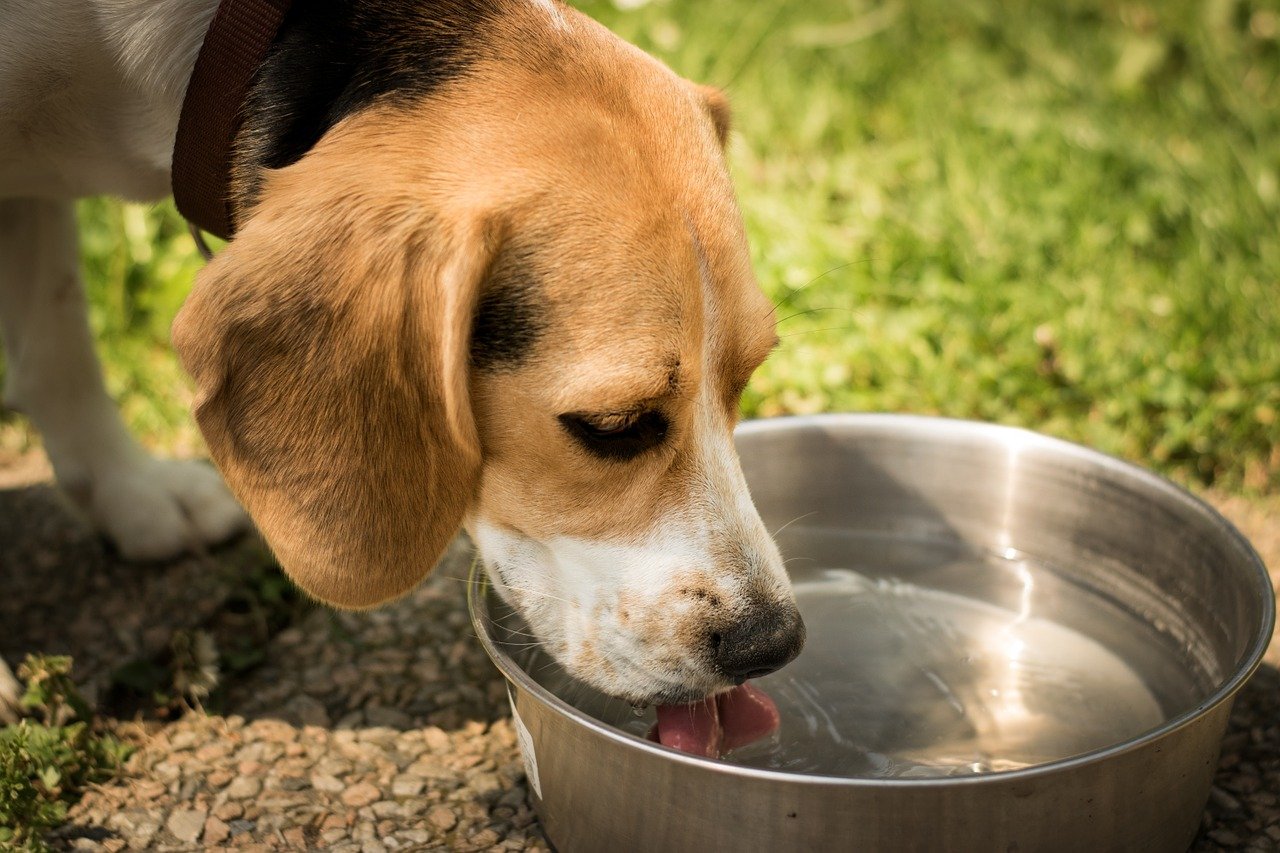
Rather than watching the clock for an arbitrary 24 hours, pay attention to how your dog looks overall. An active dog who vomits once after eating grass is very different from a dog who vomits and then retreats under the bed.
- When to monitor at home: If your dog vomits once or has a single loose stool, but remains energetic, alert, and eager to drink water, pause treats or heavy food for a few hours and observe.
- When to call your primary vet: Reach out to your clinic if vomiting or diarrhea happens multiple times in a single day, or if mild loose stools persist for more than two days.

- When to head to urgent care: Go straight to an emergency facility if you see continuous retching where they can’t even keep small sips of water down, bright red blood or dark coffee-ground material in the vomit, black tarry stools, or severe abdominal pain paired with extreme weakness.
3. Sudden Loss of Appetite
If a food-loving Labrador turns their nose up at dinner, take note. While skipping a single meal on a hot afternoon isn’t cause for panic, an abrupt refusal to eat is one of the clearest ways a dog tells us they aren’t feeling well.
Always contextualize appetite loss with your dog’s age, size, and hydration. Young puppies, toy breeds, and senior dogs have much smaller energy reserves than healthy young adults and can drop their blood sugar quickly.
If a healthy adult dog turns down food for more than 24 hours or if a puppy, toy breed, or senior dog skips even a single meal while acting quiet, cold, or nauseous, call your vet’s office for advice.
4. Extreme Lethargy or Weakness
It’s normal for a dog to sleep heavily after a long hike. But true lethargy isn’t ordinary tiredness.

A tired dog will still open an eye, thump their tail, or jump up if you pick up their leash or open a cheese wrapper. A lethargic dog barely lifts their head, turns down high-value treats, or appears mentally disconnected from their home.
If your dog wobbles when trying to stand, sways like they are drunk, or suddenly collapses, skip routine appointment booking and seek urgent care. Sudden weakness can point to internal bleeding, severe anemia, sudden blood pressure drops, or cardiac events.
5. Signs Your Dog May Be in Pain
Dogs rarely cry out or whine when experiencing chronic or internal pain. Instead, they show discomfort through subtle shifts in posture, movement, and mood.
Common physical & behavioral cues:
- The praying posture: Lowering their front legs flat to the floor while keeping their rear end raised high a classic posture to relieve severe stomach pain.

- Restlessness: Pacing, turning in circles, or lying down for a few seconds only to stand right back up.
- Guarding or hiding: Ducking under beds, or growling/snapping when you touch a sore spot.
- Resting panting: Heavy, rapid breathing while lying quietly in an air-conditioned room.
- Stiffness: Hesitating before stairs, struggling to jump into the car, or walking with a rigid, arched back.
If you notice unexplained behavioral shifts or limping where your dog refuses to put weight on a paw, call your clinic. Important Safety Warning Never give your dog human pain medications like ibuprofen, aspirin, or acetaminophen. These are toxic to dogs and cause severe stomach ulcers, kidney damage, or liver failure.
6. Trouble Urinating or Defecating
Changes in bathroom habits offer direct insight into your dog’s internal health.
Straining to urinate with little or no output is a medical emergency. If your dog squats or lifts a leg repeatedly, strains hard, and passes only a few drops or nothing at all, go to a clinic immediately. This often signals a urethral blockage or bladder stone. While especially common in male dogs, a complete obstruction in any dog leads to painful bladder rupture and toxic waste buildup in the blood within hours.
If your dog is straining during bowel movements, keep a close watch. Straining without passing stool for more than 24 hours warrants a call to your vet to check for constipation, a swallowed foreign object, or swollen anal glands.
7. Swollen or Painful Abdomen (Bloat)
A belly that suddenly appears visibly distended, tight like a drum, or hard to the touch requires immediate emergency evaluation.
In medium to large, deep-chested breeds such as Great Danes, German Shepherds, Poodles, and Setters, a swollen belly paired with pacing, excessive drooling, and repeated, unproductive attempts to vomit retching without bringing up food points to Gastric Dilatation-Volvulus (GDV), commonly called bloat.
During GDV, the stomach fills with gas and twists, cutting off blood circulation to vital organs. If you see this specific pattern, drive to the nearest open veterinary hospital immediately. Do not wait to see if their stomach settles.
8. Seizures or Sudden Collapse
Watching a dog have a seizure is frightening, but keeping a clear head is the best way to help them.
- Clear the area: Move furniture, power cords, and hard objects away so they don’t injure themselves.
- Keep hands away: Never put your hands near or inside their mouth. Dogs cannot swallow their tongues, but they can bite down hard involuntarily.
- Note the timing: Note the exact start time and film a brief video if safe this provides vital diagnostic clues for your vet.
When to seek immediate emergency help:
- It is your dog’s very first seizure.
- The seizure lasts 5 minutes or longer (status epilepticus).
- Your dog has two or more seizures within a 24-hour period (cluster seizures).
- Your dog collapses unexpectedly, even if they stand back up a moment later.
If your dog has an established epilepsy diagnosis, follow the specific emergency medication protocol provided by your neurologist or veterinarian.
9. Severe Injury or Uncontrolled Bleeding
Accidents happen in a split second, whether it’s a car injury, a rough dog fight, or a bad fall down stairs.
- For bleeding: Place a clean towel directly over the wound and apply firm, continuous pressure. Avoid lifting the cloth to check the wound, as disturbing the site breaks fresh blood clots.
- For safety: Injured, terrified dogs often bite out of sheer reflex. Wrap a soft blanket around them for handling, but never muzzle a dog that is panting heavily, vomiting, or struggling to breathe.

- For transport: Move them gently using a thick blanket as a makeshift stretcher to support their spine and limbs. Avoid applying homemade tourniquets or ointments to deep wounds.
10. Suspected Poisoning or Toxic Exposure
Dogs explore the world with their mouths, making accidental poisonings frequent. Common hazards include human pain relievers, prescription pills, rodent baits, chocolate, xylitol/birch bark extract found in sugar-free gums and some peanut butters, grapes, raisins, and toxic household plants like sago palms.
- Identify the culprit: Grab the wrapper, pill bottle, or plant sample so you can tell the medical team exactly what was eaten.
- Call for expert guidance: Contact your vet, an emergency animal hospital, or a dedicated line like the ASPCA Animal Poison Control Center.
- Do NOT induce vomiting at home unless a veterinary professional explicitly tells you to do so. Corrosive chemicals cause severe tissue burns coming back up, and inducing vomiting in a groggy or weak dog can cause them to inhale vomit into their lungs.
11. Signs of Heatstroke
Heatstroke doesn’t just happen in hot cars it frequently occurs on humid days during ordinary fetch sessions or neighborhood walks.
Warning signs:
- Frantic, heavy panting with thick, ropey saliva
- Gums that look dark red, dry, or tacky
- Unsteadiness, confusion, or weakness on their feet
- Vomiting, bloody diarrhea, or sudden collapse
Immediate first aid: Move your dog to the shade or an air-conditioned room right away. Pour cool or ambient-temperature tap water over their body, focusing on the back of the neck, armpits, and belly.
Crucial Safety Rule: Never use ice-cold water or an ice bath. Extreme cold constricts the blood vessels near the skin’s surface, trapping intense heat deep within their core organs, where it causes the most damage. Turn the car’s air conditioning on high and head straight to a clinic.
Practical Advice: What to Tell Your Clinic
Veterinarians frequently hear owners say, I felt like something was off yesterday, but I was worried I was overreacting.
Clinics almost always prefer to take a quick phone call and reassure you about a minor issue rather than treat a serious medical emergency that went untreated for days. When you call your vet, have these details ready:
- The exact physical or behavioral symptoms you are seeing
- How long these changes have been going on
- Whether your dog is eating, drinking, urinating, and defecating normally
- Any household items, human foods, or medications they could have accessed
Having this information ready helps the staff immediately determine whether you should monitor at home, pop in for a same-day checkup, or head straight to emergency care.
Conclusion: When in Doubt, Call Your Vet
Your dog may not be able to tell you when something is wrong, but they often show us through changes in their behavior, appetite, energy, breathing, or daily habits. A small change may not always mean an emergency, but symptoms that are sudden, severe, or getting worse should never be ignored.
If your dog seems unusually unwell and you’re unsure what to do, it’s always okay to call your veterinarian and ask. A quick conversation can help you decide whether your dog needs to be monitored at home, seen the same day, or taken to an emergency clinic. Trust your instincts you know your dog better than anyone. When something feels seriously off, it’s better to check than to wait.
Trusted Resources for Pet Owners
When researching your dog’s symptoms online, stick to medically vetted animal health sources:
- ASPCA Animal Poison Control Center (APCC): Reliable 24/7 information on household toxins, plants, and emergency poisoning consultation.
- American Veterinary Medical Association (AVMA): Official guidance on pet first aid, emergency symptoms, and preventive health.
- Veterinary Partner (by VIN): In-depth articles written by practicing veterinarians explaining medical conditions, medications, and treatments.
- VCA Animal Hospitals Knowledge Base: Practical clinical summaries of common dog illnesses, symptoms, and care plans.
Disclaimer: This guide is intended for general educational purposes only and does not replace professional diagnosis, examination, or treatment by a licensed veterinarian. If your dog is showing severe, rapidly worsening, or life-threatening symptoms, contact a veterinary clinic or emergency animal hospital immediately.
-
 All Products
Goat Milk Powder for Dogs and Cats – 400g
Original price was: ₹1,298.86.₹733.96Current price is: ₹733.96. -
 All Products
Camel Milk Powder For Dogs and Cats – 400g
Original price was: ₹1,499.75.₹499.00Current price is: ₹499.00. -
 All Products
Super Treats for Super Pets made with Goat Milk, Strawberry and Banana | 30g
Original price was: ₹325.00.₹308.75Current price is: ₹308.75. -
 All Products
Super Treats for Super Pets made with Goat Milk, Pumpkin and Banana | 30g
Original price was: ₹279.00.₹265.06Current price is: ₹265.06. -
 All Products
Super Treats for Super Pets made with Goat Milk, Carrot and Banana | 30g
Original price was: ₹279.00.₹265.06Current price is: ₹265.06. -
 All Products
Super Treats for Super Pets made with Goat Milk, Blueberry and Banana | 30g
Original price was: ₹325.00.₹308.75Current price is: ₹308.75. -
 All Products
Super Treats for Super Pets made with Camel Milk, Apple and Banana | 30g
Original price was: ₹279.00.₹265.06Current price is: ₹265.06. -
 All Products
Super Treats for Super Pets made Camel Milk, Beetroot and Banana | 30g
Original price was: ₹279.00.₹265.06Current price is: ₹265.06. -
 Combos
Goat Milk Powder for Dogs and Cats – Combo Pack (2 x 400g)
Original price was: ₹3,065.28.₹1,680.32Current price is: ₹1,680.32. -
 All Products
Goat Milk Powder for Dogs and Cats – 200g
Original price was: ₹698.99.₹657.05Current price is: ₹657.05. -
 All Products
Goat Milk Powder and Freeze-Dried Goat Milk Treats Combo for Dogs and Cats
Original price was: ₹2,250.26.₹2,067.36Current price is: ₹2,067.36. -
 Combos
Goat Milk Powder and Camel Milk Calcium Bone for Dogs – Combo Pack
Original price was: ₹1,826.47.₹1,108.02Current price is: ₹1,108.02. -
 Combos
Goat Milk Powder and Bovine Colostrum Combo for Dogs & Cats
Original price was: ₹2,357.47.₹1,221.30Current price is: ₹1,221.30. -
 Goat Milk Treats
Goat Milk Dog Chews for Medium Dogs | Rawhide-Free Dental Treats | 2 Chews
Original price was: ₹449.01.₹422.01Current price is: ₹422.01. -
 Combos
Goat Milk and Camel Milk Chews Combo for Medium Dogs
Original price was: ₹1,118.64.₹1,019.52Current price is: ₹1,019.52. -
 Combos
Full Fat Goat Milk Powder for Dogs and Cats Combo Pack (2 x 200g)
Original price was: ₹1,649.64.₹1,509.22Current price is: ₹1,509.22. -
 Combos
Full Fat Goat Milk Powder and Bovine Colostrum Combo for Dogs and Cats
Original price was: ₹1,398.01.₹949.01Current price is: ₹949.01.
- All Posts
- Blog
- Blogs
- Recipe
- Stories
- Trivia