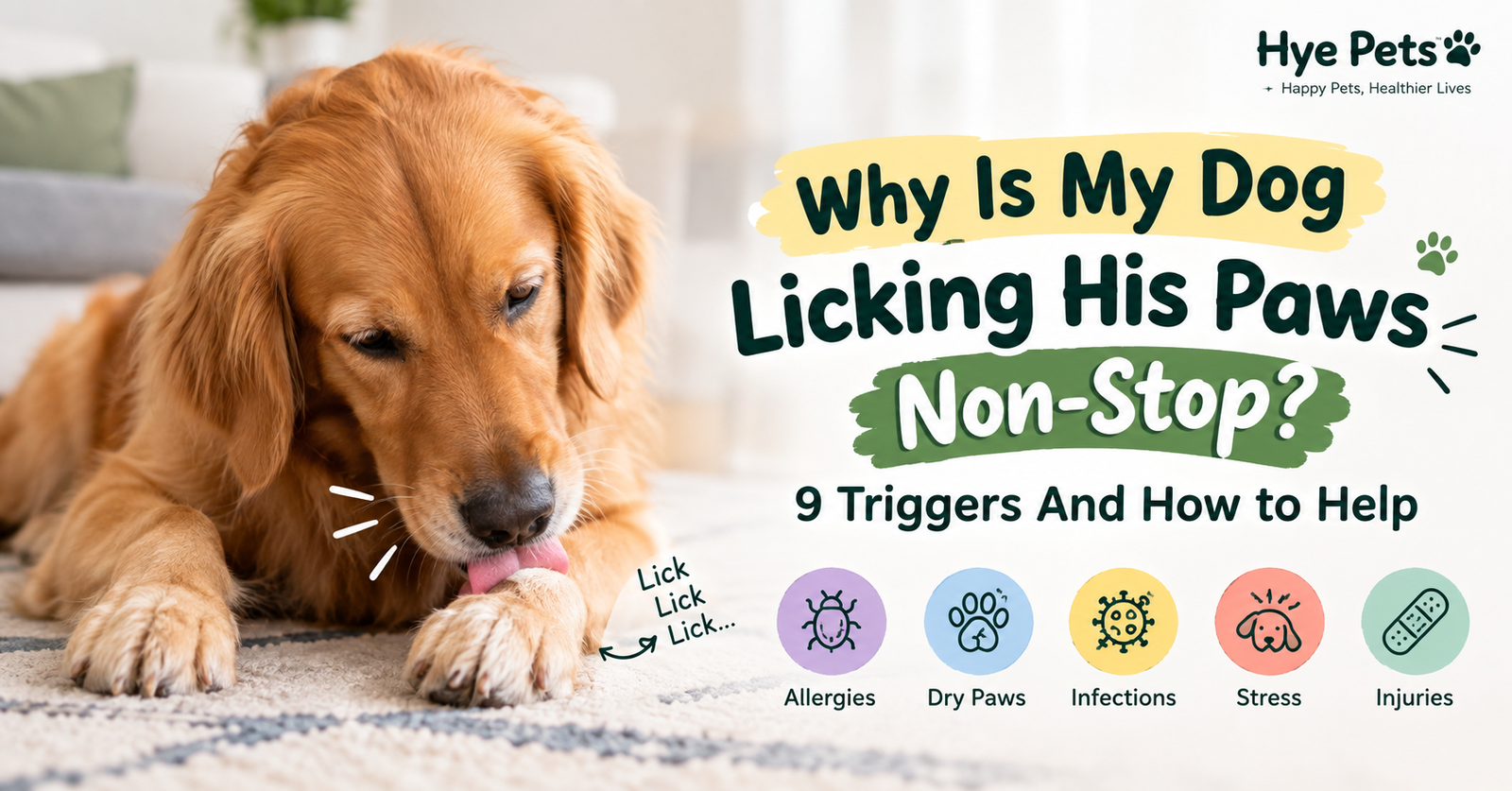
If you’ve spent the last three months waking up at 2:00 AM to the sound of your dog aggressively licking their paws, or if you’re on a first-name basis with everyone at your vet’s office because of chronic ear infections, you are probably exhausted.
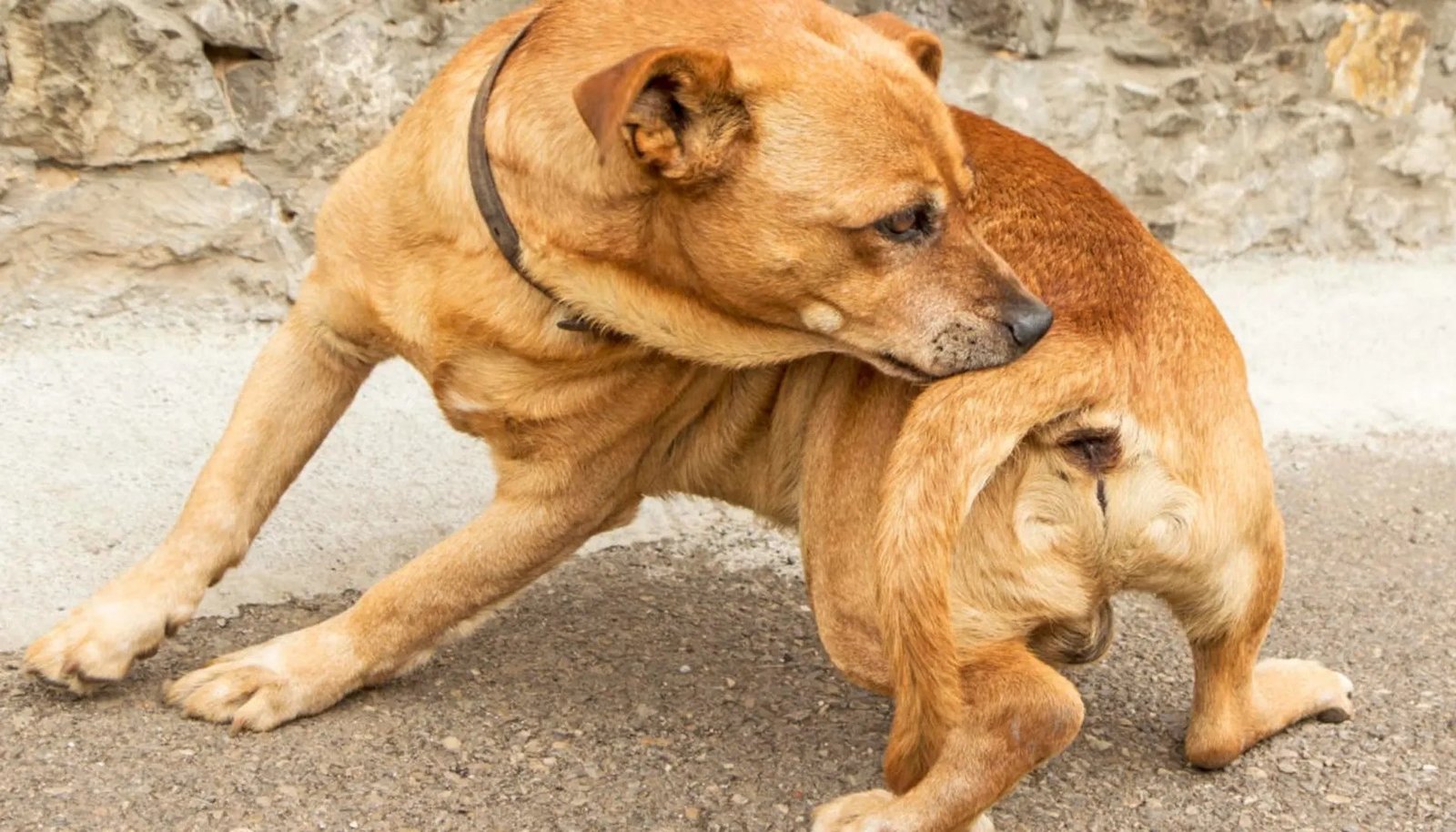
When a dog won’t stop scratching, our first instinct is to blame the obvious outside stuff pollen, fleas, a change in the weather, or a walk through the wrong patch of grass. Owners buy expensive soothing shampoos, try apple cider vinegar rinses, and slather on creams, only to find the itching comes right back. That’s usually the moment people start staring at the food bowl, wondering if the culprit has been hiding in plain sight all along.
The problem is that figuring out pet nutrition right now is a headache. Walk into any pet store and you’re hit with a wall of marketing grain-free, ancient grains, raw-infused, superfood blends. It’s incredibly easy to spend $80 on a bag of food thinking you’re fixing the issue, when you might actually be making it worse.
It’s Usually the Protein, Not the Grains
There is a massive misconception out there that grains are the root of all evil in dog food. The grain-free movement was a wildly successful marketing pivot, but veterinary dermatologists will tell you that true grain allergies are actually pretty rare.
Instead, the immune system usually rebels against proteins.
When you look at clinical studies of dogs with confirmed food allergies, the same ingredients top the list year after year:
- Beef
- Dairy
- Chicken
- Wheat
It usually comes down to repetition. Most of us find a food our dog likes and we stick with it for years. But when a dog’s immune system is exposed to the exact same chicken or beef protein day after day, year after year, it can eventually misidentify that protein as a threat and trigger an allergic reaction.
This is why switching from a standard chicken kibble to a premium, grain-free chicken kibble doesn’t fix a thing. If the chicken itself is causing the flare-up, cutting out the corn or wheat accomplishes nothing.
What a Food Allergy Actually Looks Like
A lot of people assume a food allergy will show up as an upset stomach. While some dogs do get chronic gas or loose stools, a true immune response usually explodes right through their skin.
- The Rusty Paws: If your dog is constantly chewing their feet like they’re trying to extract a thorn, it’s a major red flag. If you look closely at the fur between their toes, you might notice it has turned a rusty, reddish-brown color. That isn’t their natural coat, it’s actually staining caused by the enzymes in their saliva from constant licking.
- The Ear Infection Cycle: This is one of the most frustrating symptoms. You go to the vet, get the drops, clear up the ear infection, and then three weeks after the medicine stops, the ears are red, gooey, and painful again. If you are trapped in this loop, the root cause is almost always systemic inflammation, often driven by diet.
- The Armpit and Belly Scratch: Constant biting and rubbing around the friction points of the body the armpits, the groin, and the face is classic allergic behavior.
The Reality of the Elimination Diet
If you suspect a food allergy, those at-home saliva or hair tests you see online are, unfortunately, a waste of money. They are notoriously inaccurate and often flag ingredients your dog handles perfectly fine.
The only way to get a real answer is through an elimination diet trial, and frankly, it is a test of human willpower.
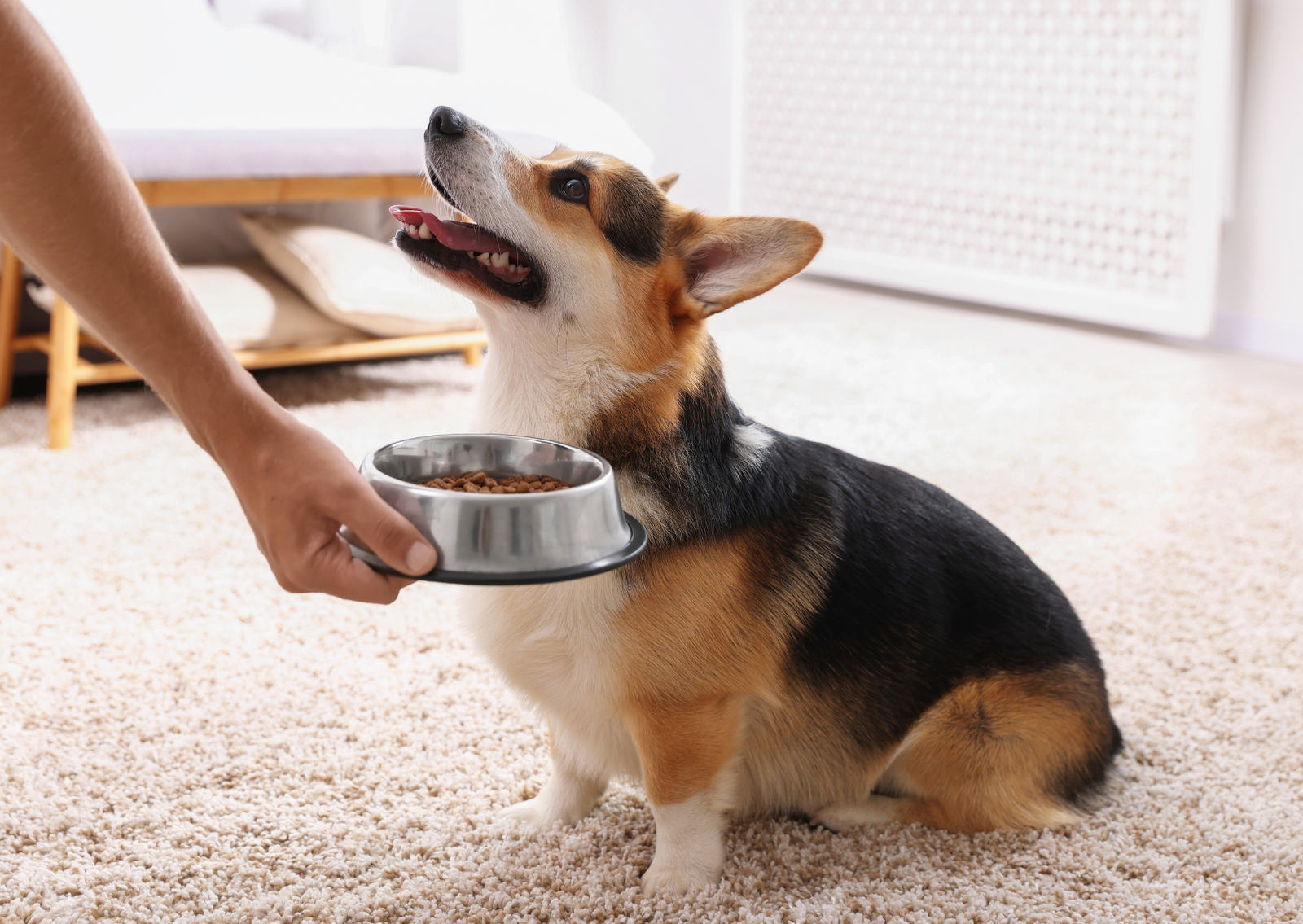
Your vet will have you switch your dog to a completely blank slate for 8 to 12 weeks. This is usually either a prescription hydrolyzed diet where the proteins are broken down so small that the immune system literally can’t recognize them or a novel protein your dog has never eaten in their life, like venison, kangaroo, or alligator.
Here is where the real-world difficulty sets in for two to three months, your dog cannot eat anything else. No standard dog treats, no dental chews, no table scraps, and no flavored heartworm or flea preventatives which are almost always flavored with pork or beef. If your dog finds a piece of crust dropped by a toddler on the kitchen floor, the clock resets.
It takes a ton of discipline, and it means having tough conversations with kids, grandparents, and pet sitters who just want to give the dog a treat. But if the scratching stops by week eight, and then flares up again the moment you reintroduce their old food, you finally have your answer.
Getting Past the Front Cover
Dealing with an allergic dog is a test of patience, but once you know what ingredient to avoid, things get much easier.
The biggest takeaway for owners is to stop reading the front of the dog food bag and start reading the back. A bag might say Salmon Formula in giant letters on the front, but when you look at the actual ingredient list on the back, you’ll often find chicken fat or beef meal buried halfway down the list as a cheap filler.
It takes some detective work and a lot of label-checking, but watching your dog finally stop scratching and get back to just being a dog makes the whole process worth it.
-
 All Products
Goat Milk Powder for Dogs and Cats – 400g
Original price was: ₹1,298.86.₹733.96Current price is: ₹733.96. -
 All Products
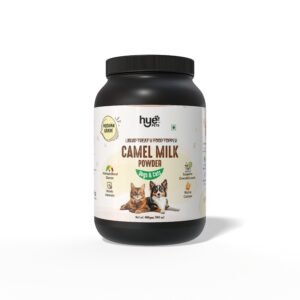
Camel Milk Powder For Dogs and Cats – 400g
Original price was: ₹1,499.75.₹499.00Current price is: ₹499.00. -
 All Products
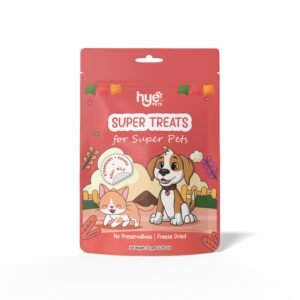
Super Treats for Super Pets made with Goat Milk, Strawberry and Banana | 30g
Original price was: ₹325.00.₹308.75Current price is: ₹308.75. -
 All Products
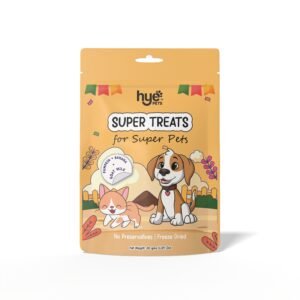
Super Treats for Super Pets made with Goat Milk, Pumpkin and Banana | 30g
Original price was: ₹279.00.₹265.06Current price is: ₹265.06. -
 All Products
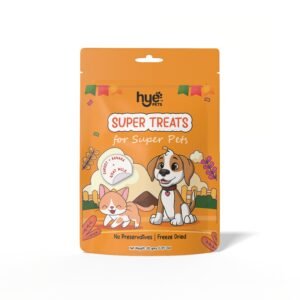
Super Treats for Super Pets made with Goat Milk, Carrot and Banana | 30g
Original price was: ₹279.00.₹265.06Current price is: ₹265.06. -
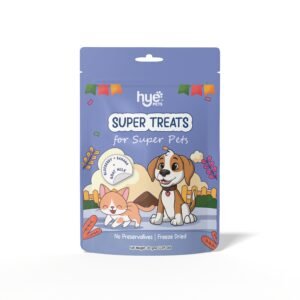 All Products
Super Treats for Super Pets made with Goat Milk, Blueberry and Banana | 30g
Original price was: ₹325.00.₹308.75Current price is: ₹308.75. -
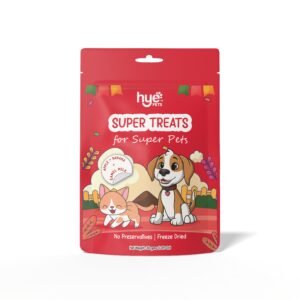 Out of stockAll Products
Super Treats for Super Pets made with Camel Milk, Apple and Banana | 30g
Original price was: ₹279.00.₹265.06Current price is: ₹265.06. -
 All Products
Super Treats for Super Pets made Camel Milk, Beetroot and Banana | 30g
Original price was: ₹279.00.₹265.06Current price is: ₹265.06. -
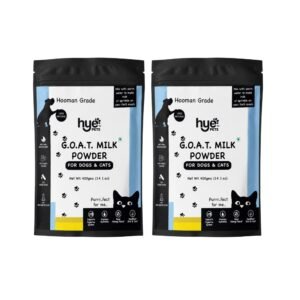 Combos
Goat Milk Powder for Dogs and Cats – Combo Pack (2 x 400g)
Original price was: ₹3,065.28.₹1,680.32Current price is: ₹1,680.32. -
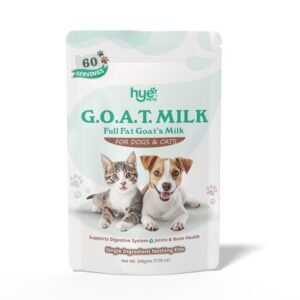 All Products
Goat Milk Powder for Dogs and Cats – 200g
Original price was: ₹698.99.₹657.05Current price is: ₹657.05. -
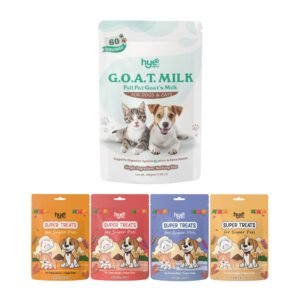 All Products
Goat Milk Powder and Freeze-Dried Goat Milk Treats Combo for Dogs and Cats
Original price was: ₹2,250.26.₹2,067.36Current price is: ₹2,067.36. -
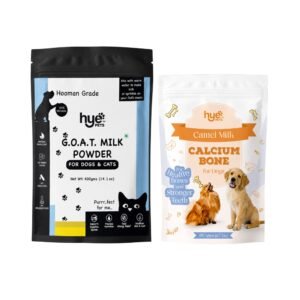 Combos
Goat Milk Powder and Camel Milk Calcium Bone for Dogs – Combo Pack
Original price was: ₹1,826.47.₹1,108.02Current price is: ₹1,108.02. -
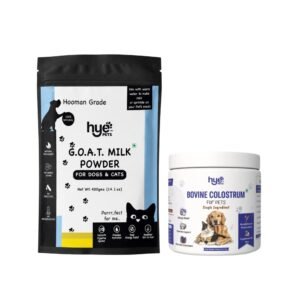 Combos
Goat Milk Powder and Bovine Colostrum Combo for Dogs & Cats
Original price was: ₹2,357.47.₹1,221.30Current price is: ₹1,221.30. -
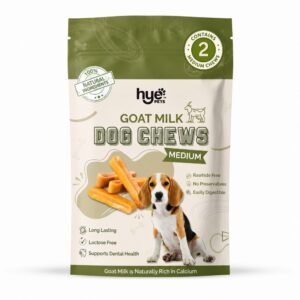 Goat Milk Treats
Goat Milk Dog Chews for Medium Dogs | Rawhide-Free Dental Treats | 2 Chews
Original price was: ₹449.01.₹422.01Current price is: ₹422.01. -
 Combos
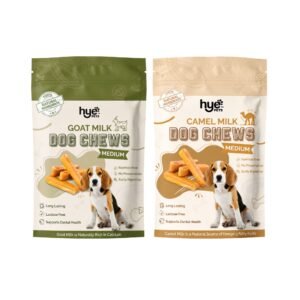
Goat Milk and Camel Milk Chews Combo for Medium Dogs
Original price was: ₹1,118.64.₹1,019.52Current price is: ₹1,019.52. -
 Combos
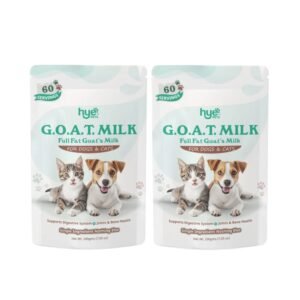
Full Fat Goat Milk Powder for Dogs and Cats Combo Pack (2 x 200g)
Original price was: ₹1,649.64.₹1,509.22Current price is: ₹1,509.22. -
 Combos
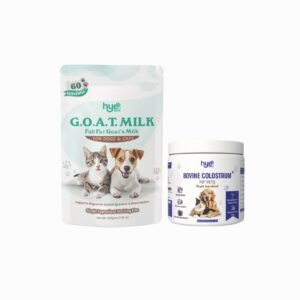
Full Fat Goat Milk Powder and Bovine Colostrum Combo for Dogs and Cats
Original price was: ₹1,398.01.₹949.01Current price is: ₹949.01.
- All Posts
- Blog
- Blogs
- Recipe
- Stories
- Trivia