It starts the same way in most households. A dog sits beside the kitchen counter, ears up, watching a glass of milk being poured. The eyes are patient. The tail is already moving. It seems harmless enough just a little splash in a bowl.
A few hours later, the atmosphere in the house changes. The dog is restless. There is gas. There are frequent trips to the door. What felt like a kind gesture has turned into an uncomfortable evening for the animal and a guilty one for the owner.
It is a story that plays out quietly in countless homes, and most people never quite connect the cause to the reaction. The milk seemed so innocent. But not all milk is the same, and for dogs, the difference between the wrong kind and the right kind can be significant.
Can dogs drink milk at all?
The honest answer is that it depends entirely on the type of milk being offered. Most adult dogs are at least mildly lactose intolerant. Once puppyhood ends, the body produces much less lactase, the enzyme responsible for breaking down lactose, the natural sugar present in milk. Without enough lactase, that sugar passes through the gut undigested and causes real discomfort.
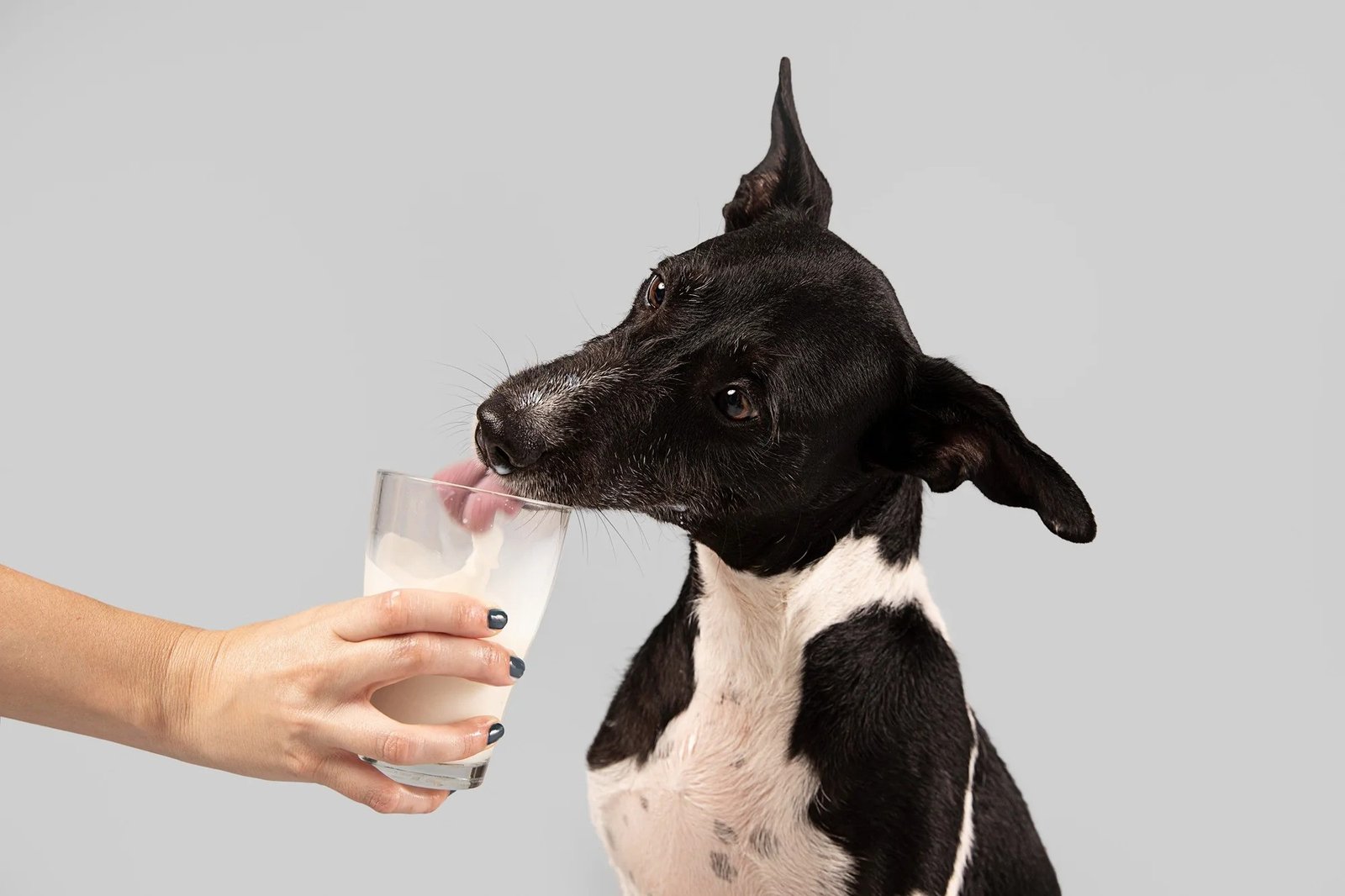
The signs are familiar to anyone who has seen loose stools, bloating, excessive gas, and sometimes vomiting. Reactions typically appear within a few hours. Nothing life-threatening in small doses, but genuinely uncomfortable for the animal and an experience that tends to repeat itself every time the wrong milk is offered.
Cow milk for dogs
Cow milk ends up in a dog’s bowl most often simply because it is already in the house. It is the default milk in most kitchens, familiar, affordable, and packed with calcium, protein, and vitamins. From the outside, sharing a little seems reasonable enough.
The problem lies in its lactose content. Cow milk contains among the highest levels of lactose of any commonly available animal milk, roughly 4.5 to 5 percent per serving. For a dog whose digestive system is not equipped to process that amount, the result is almost predictable. Even dogs that do not react dramatically in the short term may be dealing with low-level digestive stress that goes unnoticed simply because no one made the connection.
Small amounts of cow milk are unlikely to cause serious harm in an otherwise healthy adult dog. But the window of what counts as a small amount is narrower than most people assume, and the digestive system of a dog is rarely forgiving when that line is crossed.
Goat milk for dogs
Goat milk has been gaining attention in the pet health space for a reason that becomes clear once the science is understood. It carries many of the same nutritional qualities as cow milk protein, calcium, vitamins but it interacts with a dog’s digestive system in a fundamentally different way.
The lactose content in goat milk is noticeably lower, typically falling around 4 percent or below. But the lactose level is only part of the story. The fat molecules in goat milk are smaller in structure, which means the digestive system processes them with far less effort. The result is a milk that tends to sit gently in the gut rather than disrupting it.
When the goat milk is raw or fermented, the benefits go further. It is naturally rich in probiotics, digestive enzymes, and electrolytes all of which actively support gut health rather than simply avoiding harm. For dogs with sensitive stomachs, older animals, or those recovering from illness, this distinction matters quite a bit. It is not just a safer choice. For many dogs, it is an actively helpful one.

Goat milk vs cow milk: a quick comparison
Factor | Goat milk | Cow milk |
Lactose level | Lower (~4%) | Higher (~4.7%) |
Digestibility | Easier smaller fat molecules | Harder on sensitive stomachs |
Gut health support | Probiotics and enzymes (raw/fermented) | Minimal |
Risk of reaction | Lower | Higher |
Availability | Pet shops, specialty stores | Widely available |
Which one is better?
For dogs, goat milk is the clearer choice. It is gentler on the gut, lower in lactose, and offers nutritional benefits that cow milk simply cannot match. Cow milk is not dangerous in very small quantities, but there is no practical reason to choose it when a more digestible, more beneficial alternative exists.
How to introduce goat milk to a dog’s diet
Even with a gentler milk, a slow introduction is always the right approach. Most vets and experienced pet owners recommend the same process:
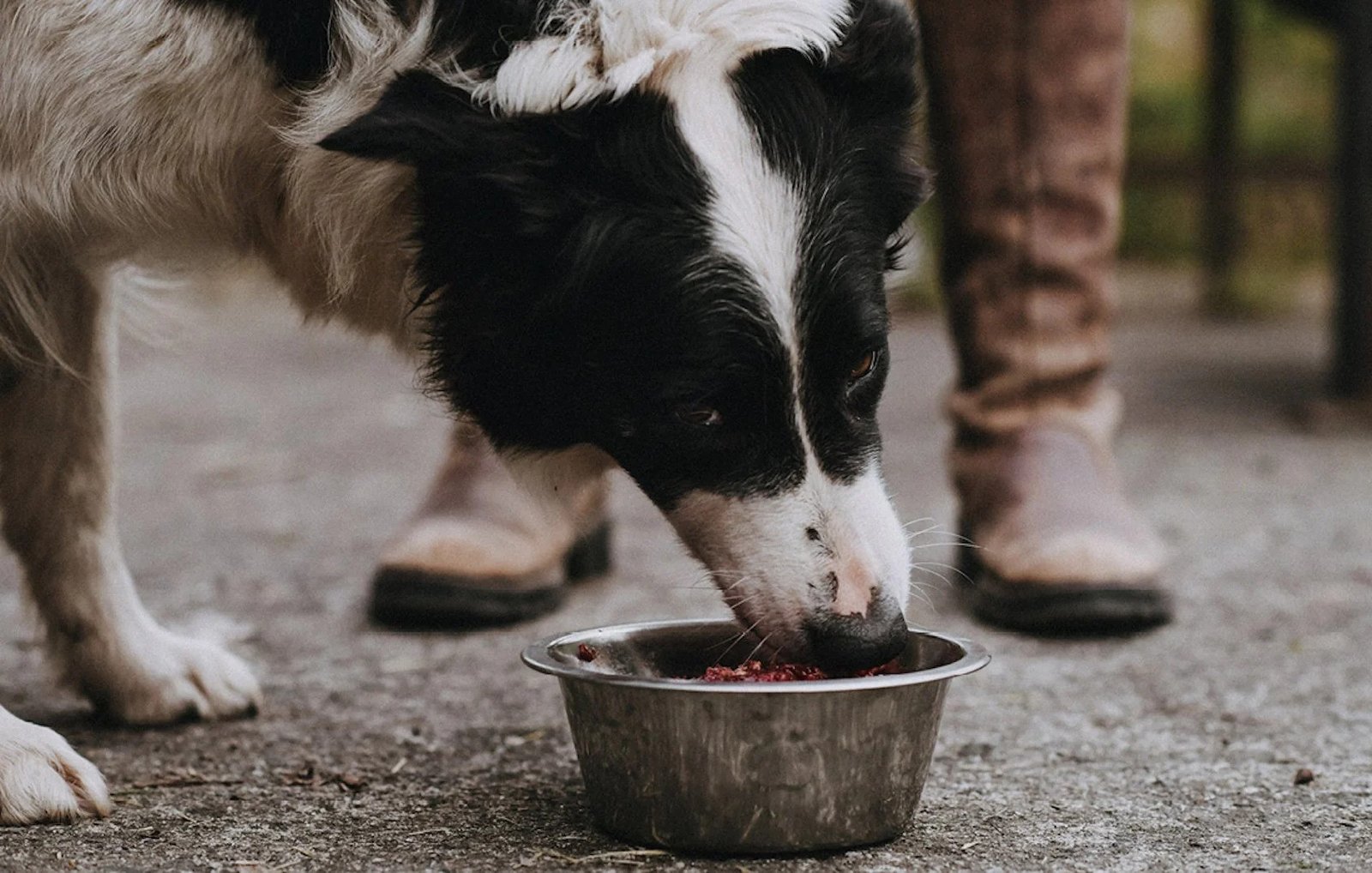
- Begin with one to two tablespoons for smaller dogs a few tablespoons for larger breeds
- Mix it into regular food rather than serving it on its own this slows intake and eases the digestive transition
- Watch the animal closely for 24 to 48 hours after the first serving, noting any changes in stool or behavior
- Increase the amount gradually only if no adverse reaction appears
Raw or fermented goat milk, available at most pet specialty stores, tends to offer the most benefit when gut health support is the goal.
Common mistakes to avoid
- Giving too much too soon. Even gentle milk can cause stomach upset in an animal that is not accustomed to it. Gradual is always better.
- Using milk as a substitute for water. Milk is a treat, not hydration. Fresh water must always remain the primary drink throughout the day.
- Continuing despite visible discomfort. Soft stools or unusual gas are the body communicating something. Those signals deserve attention, not dismissal.
- Buying sweetened or flavored varieties. Many commercial goat milk products aimed at humans contain added sugar or flavorings. Plain, unsweetened is the only appropriate option for animals.
A final thought
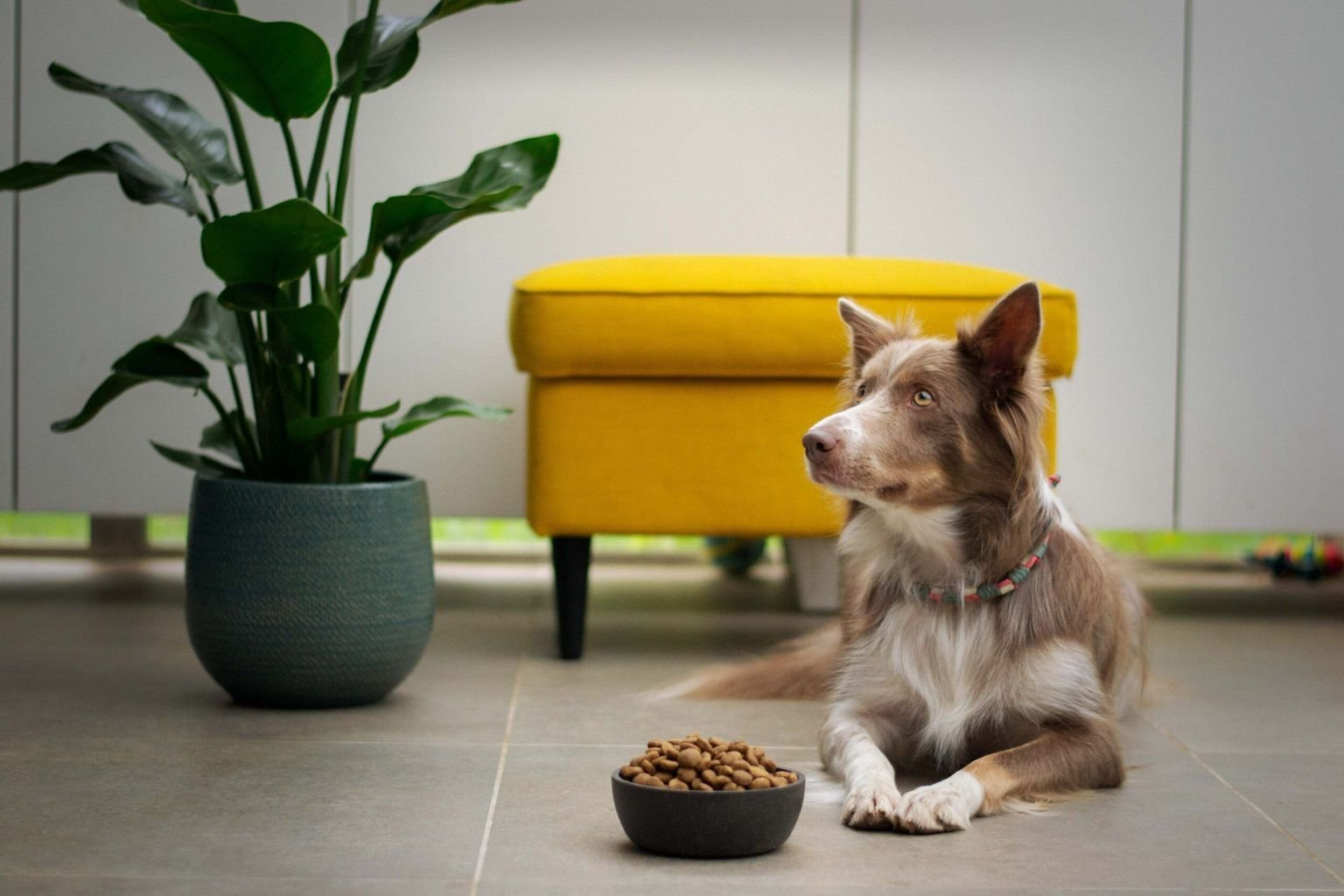
The instinct to share food with a pet is a natural one. It comes from the same place as most acts of care the desire to give something good to a creature that cannot ask for it in words. Milk, in particular, carries a sense of warmth and nourishment that makes it feel like a fitting gift.
The difference is simply in choosing the version that the dog’s body was built to handle. Goat milk does not just avoid the problems that cow milk causes. In many cases, it quietly supports the gut, steadies digestion, and leaves the animal feeling better than before. That is a small switch with a real effect and one that tends to make itself felt in calmer evenings and a more comfortable, contented dog.
When the goal is a dog that feels good from the inside out, goat milk is the version of milk that actually works with the animal’s body, not against it. Small change. Real difference.
-
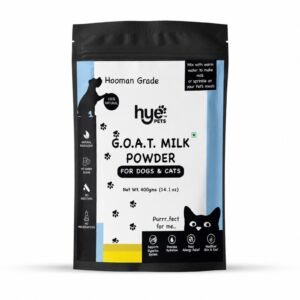 All Products
Goat Milk Powder for Dogs and Cats – 400g
Original price was: ₹1,298.86.₹733.96Current price is: ₹733.96. -
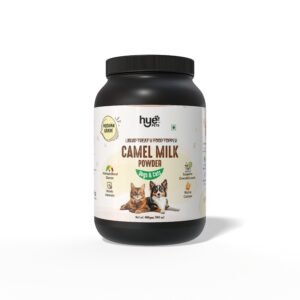 All Products
Camel Milk Powder For Dogs and Cats – 400g
Original price was: ₹1,499.75.₹499.00Current price is: ₹499.00. -
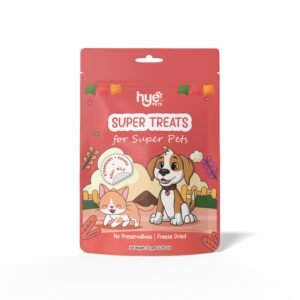 All Products
Super Treats for Super Pets made with Goat Milk, Strawberry and Banana | 30g
Original price was: ₹325.00.₹308.75Current price is: ₹308.75. -
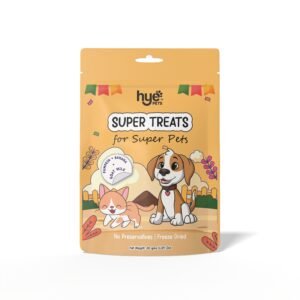 All Products
Super Treats for Super Pets made with Goat Milk, Pumpkin and Banana | 30g
Original price was: ₹279.00.₹265.06Current price is: ₹265.06. -
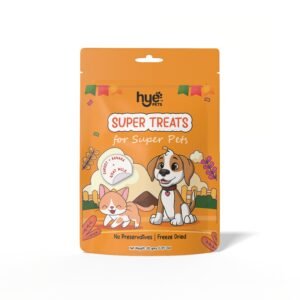 All Products
Super Treats for Super Pets made with Goat Milk, Carrot and Banana | 30g
Original price was: ₹279.00.₹265.06Current price is: ₹265.06. -
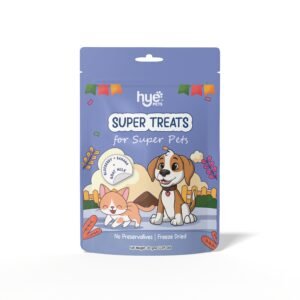 All Products
Super Treats for Super Pets made with Goat Milk, Blueberry and Banana | 30g
Original price was: ₹325.00.₹308.75Current price is: ₹308.75. -
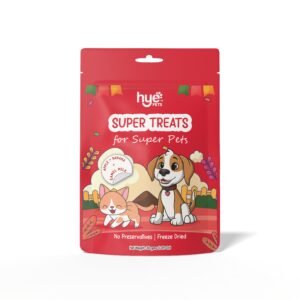 All Products
Super Treats for Super Pets made with Camel Milk, Apple and Banana | 30g
Original price was: ₹279.00.₹265.06Current price is: ₹265.06. -
 All Products
Super Treats for Super Pets made Camel Milk, Beetroot and Banana | 30g
Original price was: ₹279.00.₹265.06Current price is: ₹265.06. -
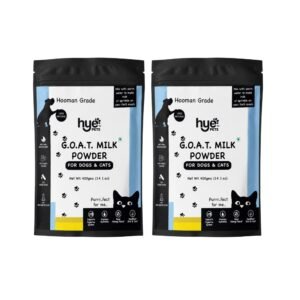 Combos
Goat Milk Powder for Dogs and Cats – Combo Pack (2 x 400g)
Original price was: ₹3,065.28.₹1,680.32Current price is: ₹1,680.32. -
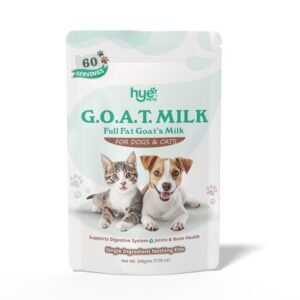 All Products
Goat Milk Powder for Dogs and Cats – 200g
Original price was: ₹698.99.₹657.05Current price is: ₹657.05. -
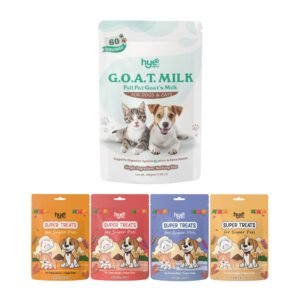 All Products
Goat Milk Powder and Freeze-Dried Goat Milk Treats Combo for Dogs and Cats
Original price was: ₹2,250.26.₹2,067.36Current price is: ₹2,067.36. -
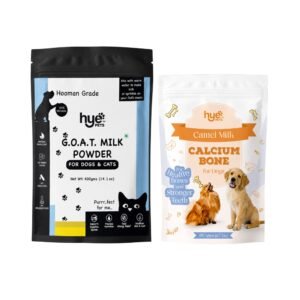 Combos
Goat Milk Powder and Camel Milk Calcium Bone for Dogs – Combo Pack
Original price was: ₹1,826.47.₹1,108.02Current price is: ₹1,108.02. -
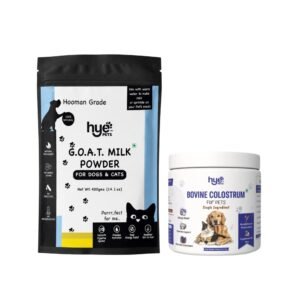 Combos
Goat Milk Powder and Bovine Colostrum Combo for Dogs & Cats
Original price was: ₹2,357.47.₹1,221.30Current price is: ₹1,221.30. -
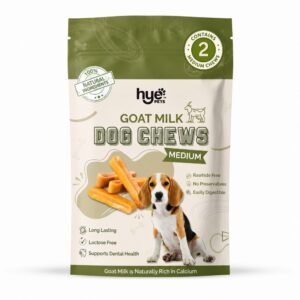 Goat Milk Treats
Goat Milk Dog Chews for Medium Dogs | Rawhide-Free Dental Treats | 2 Chews
Original price was: ₹449.01.₹422.01Current price is: ₹422.01. -
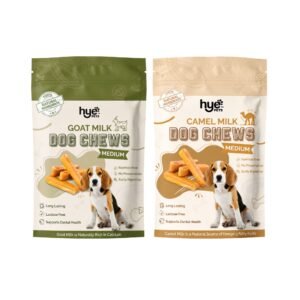 Combos
Goat Milk and Camel Milk Chews Combo for Medium Dogs
Original price was: ₹1,118.64.₹1,019.52Current price is: ₹1,019.52. -
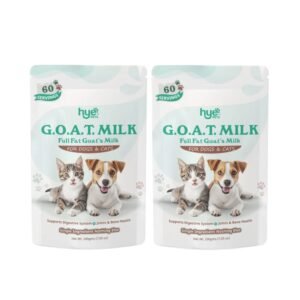 Combos
Full Fat Goat Milk Powder for Dogs and Cats Combo Pack (2 x 200g)
Original price was: ₹1,649.64.₹1,509.22Current price is: ₹1,509.22. -
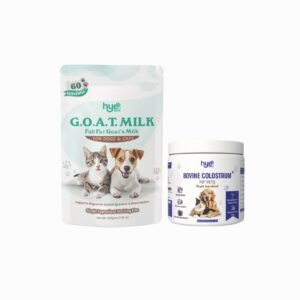 Combos
Full Fat Goat Milk Powder and Bovine Colostrum Combo for Dogs and Cats
Original price was: ₹1,398.01.₹949.01Current price is: ₹949.01.
- All Posts
- Blog
- Blogs
- Recipe
- Stories
- Trivia