We’ve all seen that guilt-trip stare your dog gives you while you’re finishing a bowl of cereal. It’s hard to say no, but most of us have learned the hard way that cow’s milk and dogs don’t mix. The result is usually a night of stomach gymnastics, gurgling noises, and a frantic run to the backyard. Most dogs are naturally lactose intolerant, which leaves pet owners in a tough spot. We want to give them a treat they love, but we don’t want them to suffer for it. This is exactly why camel milk has suddenly become the it drink in pet wellness circles. It’s being marketed as the safe, easy-to-digest alternative, but is it actually a game-changer or just another expensive trend?
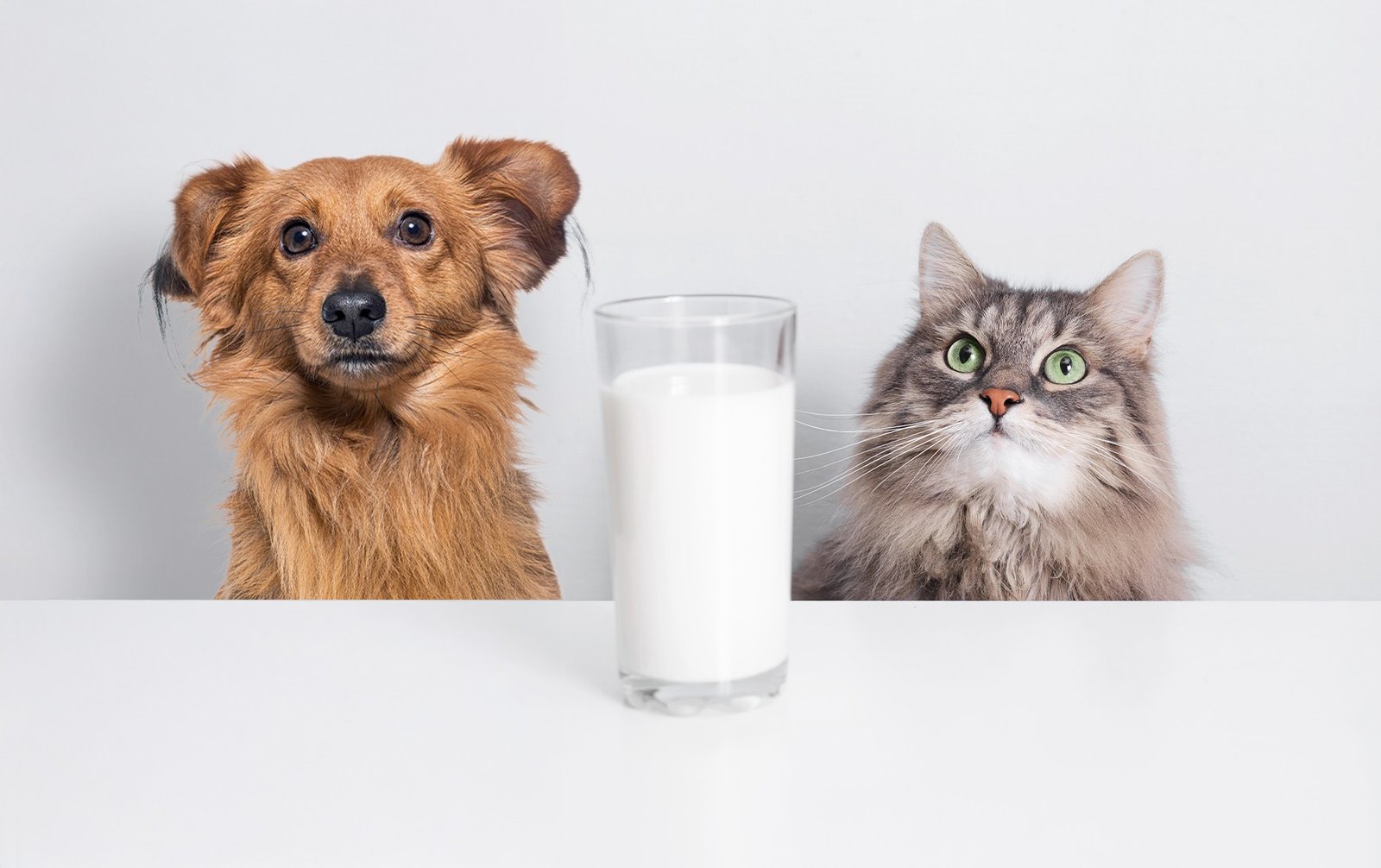
Why Is Everyone Talking About Camel Milk?
If you spend any time on pet health forums or Instagram, you’ve probably seen camel milk popping up as a superfood topper. It’s not just hype there’s a real movement toward functional nutrition for pets. People are looking for ways to boost their dog’s immunity without relying on processed supplements. While the buzz is mostly positive, it’s fair to be a bit skeptical. After all, exotic doesn’t always mean better. We’re seeing a lot of mixed opinions online, so it’s worth stripping away the marketing to see what’s actually in the bottle.
Can Dogs Drink Camel Milk?
The short answer is yes, but keep it in moderation. Camel milk is far more digestible than the stuff you buy at the grocery store. It has a different protein structure that’s gentler on a dog’s gut, though it isn’t a free pass for every pup to drink by the gallon.
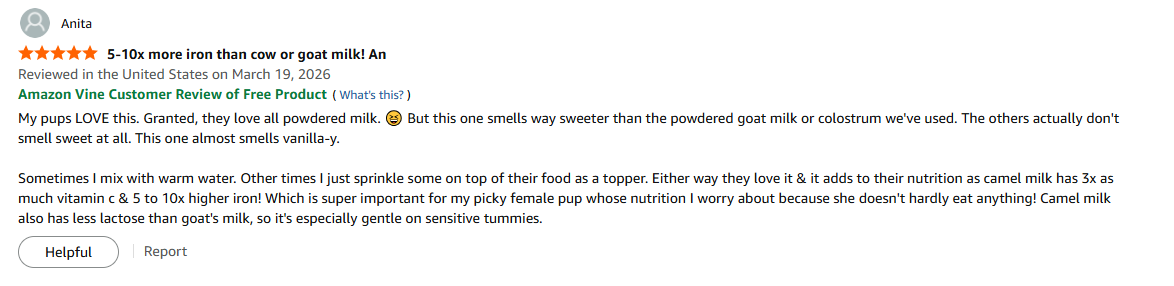
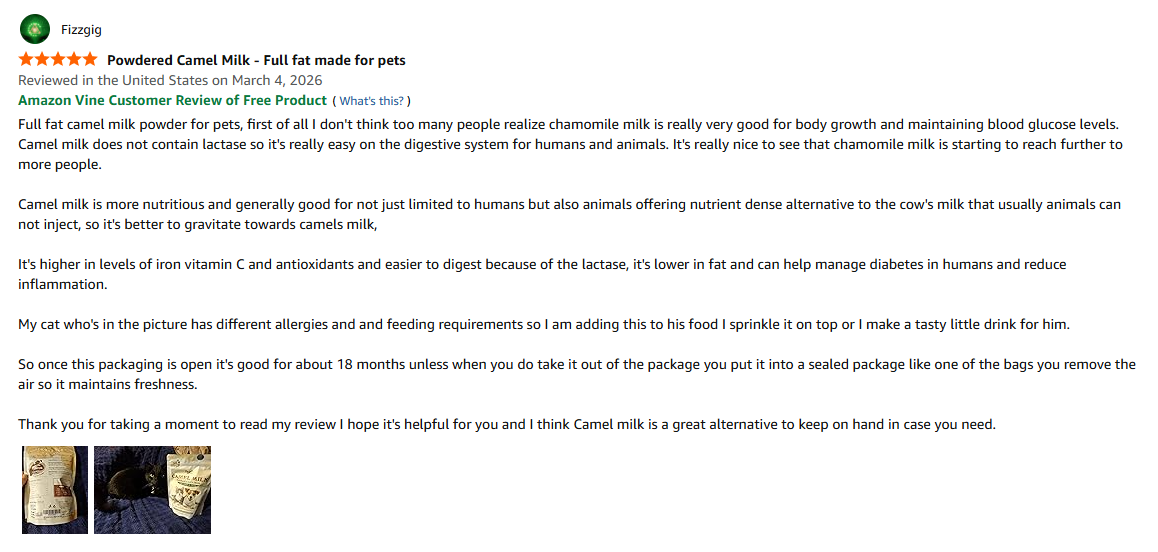
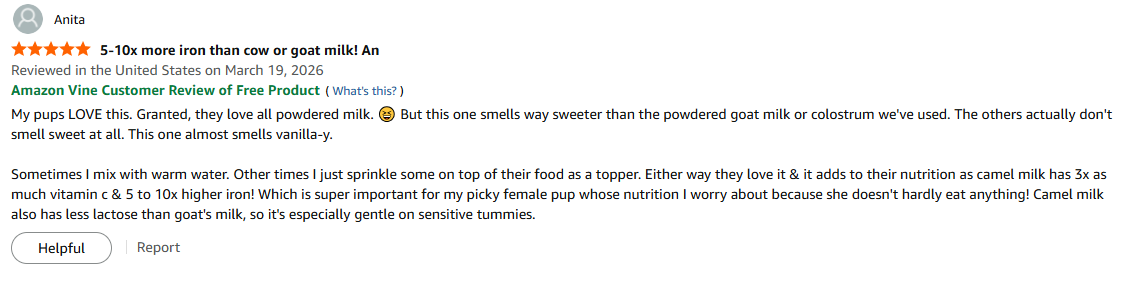
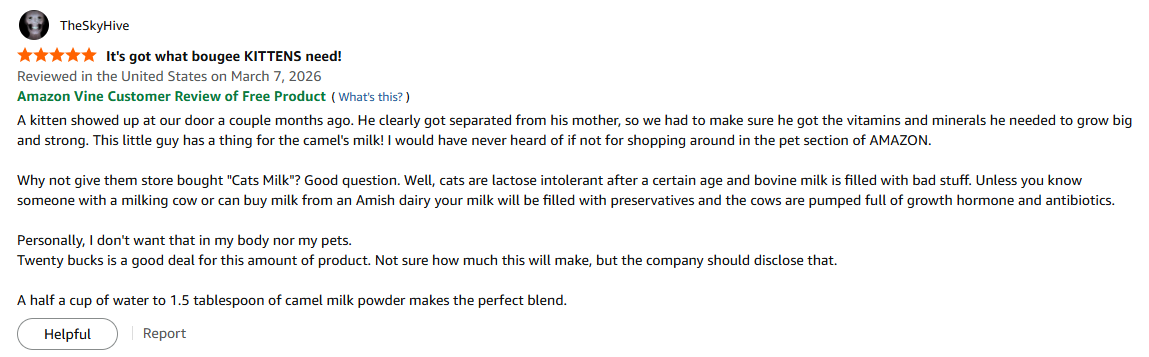
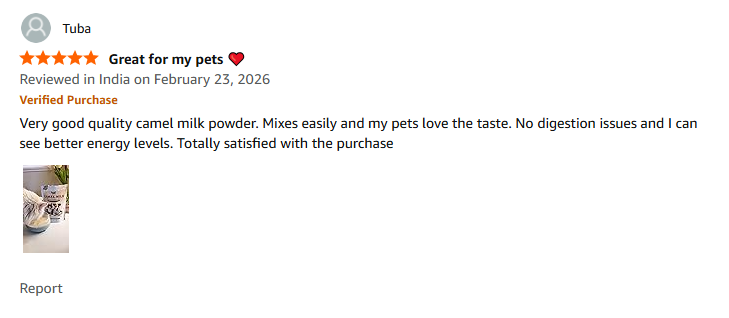
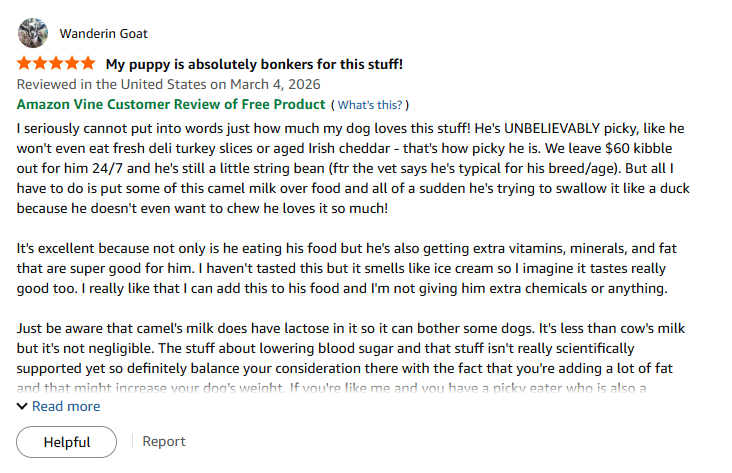
What Pet Parents are Actually Saying
Before looking at the science, it’s helpful to see how real dogs are handling it. Most owners who switch to camel milk are doing so because their dogs have sensitive systems that react poorly to almost everything else.
The Actual Benefits: More Than Just a Treat
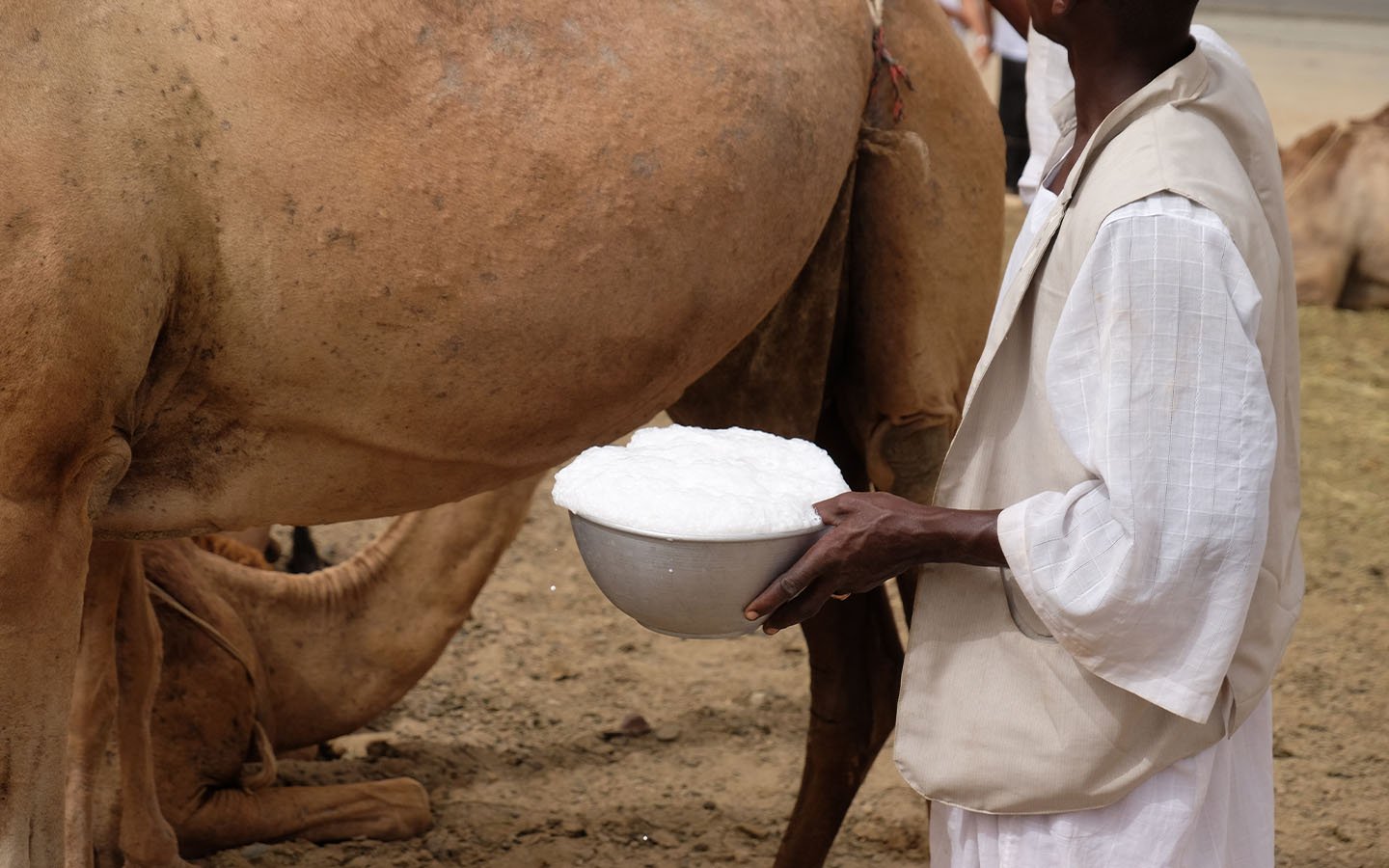
The reason camel milk gets so much praise comes down to its molecular makeup. Cow’s milk contains A1 casein, which is notorious for causing gut inflammation. Camel milk, on the other hand, is strictly A2, which the canine body recognizes and processes much more efficiently.
- Easier on the Tummy: It’s naturally lower in lactose, meaning much less chance of bloating and gas.
- Immune Support: It’s loaded with lactoferrin and immunoglobulins the same fighting proteins found in a mother dog’s milk that help ward off bacteria.
- Vitamin Punch: It actually has way more Vitamin C and iron than cow’s milk, which helps with everything from energy levels to bone health.
- The Fussy Eater Solution: For dogs that aren’t drinking enough water, a splash of this can be a healthy way to keep them hydrated and interested in their bowl.
The Risks Don’t Go Overboard
Let’s be honest no food is perfect. Even though camel milk is low-lactose, it’s not lactose-free. If your dog has a severe dairy allergy, they might still get an itchy ear or soft stool.
Quality is the biggest factor here. You want to avoid raw, unpasteurized milk, which can carry nasty bacteria. It’s also quite rich, think of it like a protein shake for your dog. If you give them too much too fast, you’re looking at weight gain or a temporary bout of diarrhea just from the richness alone.
What Do the Experts Say?
Most vets are cautiously supportive. They’ll tell you that while camel milk is a high-quality protein, it’s not a requirement for a healthy dog. It’s a supplement, not a meal replacement. The professional advice is almost always the same test the waters first. Don’t dump a whole bowl in front of them on day one. Give them a little taste, wait a day, and see how their bathroom breaks look. If everything’s normal, you’re good to go.
How to Serve It Safely
If you want to try it out, here’s the best way to do it without an accident:
- Start Tiny: One or two teaspoons is plenty for a first try.
- The Wait and See: Give it 24 hours to make sure it clears their system okay.
- Keep it Clean: Buy from a reputable brand that doesn’t add sugar or preservatives.
- Treat it as a Topper: Use it a few times a week as a special treat or a food topper rather than a daily drink.
Camel Milk vs. Cow Milk
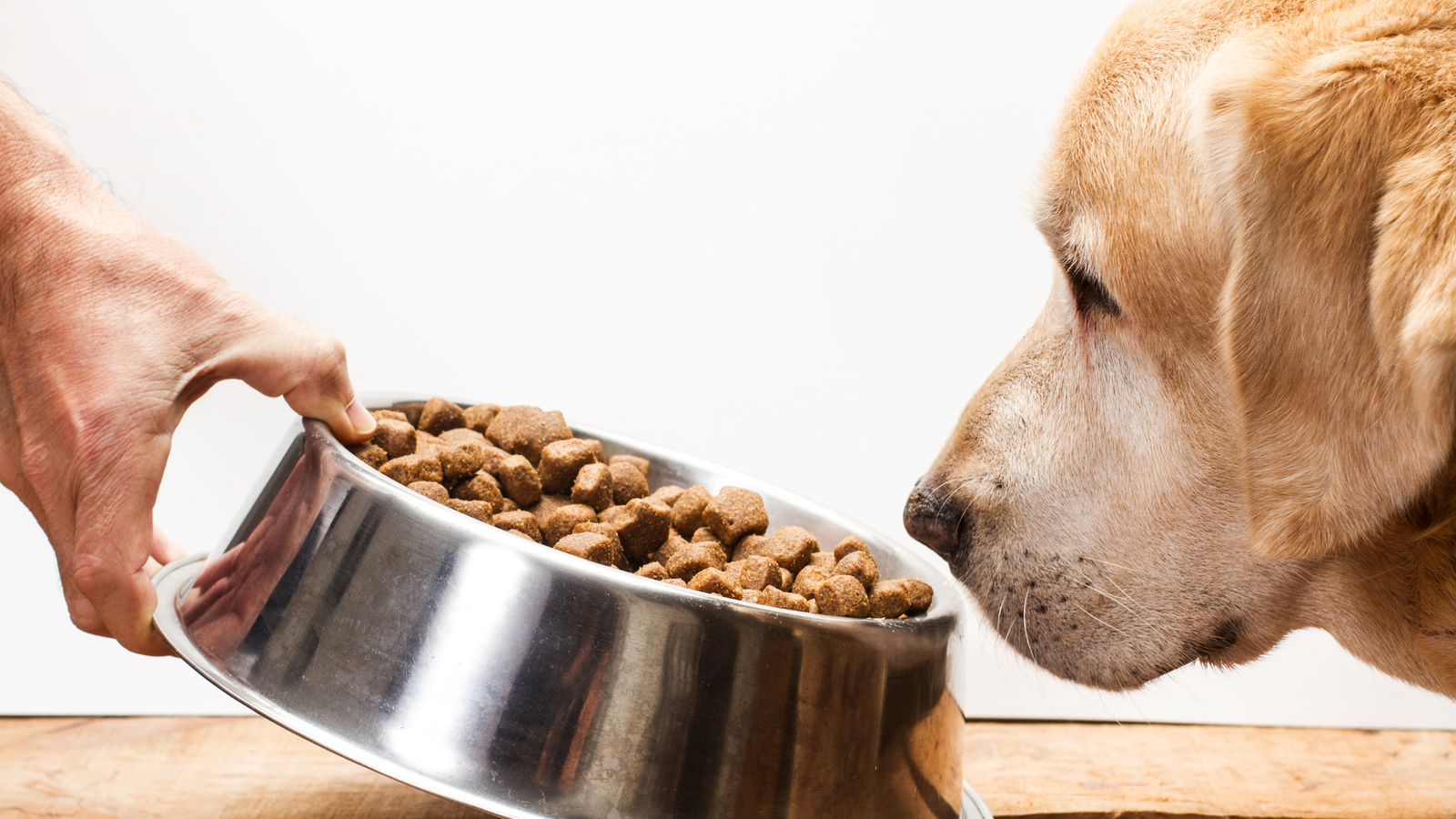
The real difference is in the fat and protein. Cow’s milk has heavy, inflammatory proteins and big fat globules that sit like a brick in a dog’s stomach. Camel milk has smaller fat globules and A2 proteins that glide through the digestive tract. It’s basically the difference between eating a heavy pasta meal and a light salad one is just way easier for the body to handle.
The Verdict: Is It Worth the Price?
If you have a dog with a sensitive stomach who misses out on treats, or a senior dog who needs a nutritional boost, camel milk is absolutely worth a shot. It’s a cleaner, more bioavailable option than almost any other dairy out there. However, if your dog is doing perfectly fine on their current diet, you don’t need to buy it. It’s a premium addition that’s great for wellness, but not a mandatory part of being a good dog owner.
Ready to Try It?
The best move is to check out some real-world reviews for the brand you’re looking at and start with a small bottle. Your dog’s stomach will tell you pretty quickly if it’s the right move for them!
-
 All Products
Goat Milk Powder for Dogs and Cats – 400g
Original price was: ₹1,298.86.₹733.96Current price is: ₹733.96. -
 All Products
Camel Milk Powder For Dogs and Cats – 400g
Original price was: ₹1,499.75.₹499.00Current price is: ₹499.00. -
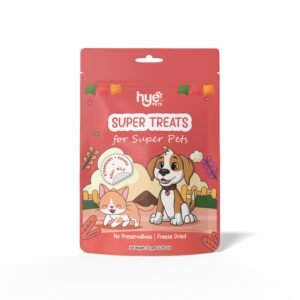 All Products
Super Treats for Super Pets made with Goat Milk, Strawberry and Banana | 30g
Original price was: ₹325.00.₹308.75Current price is: ₹308.75. -
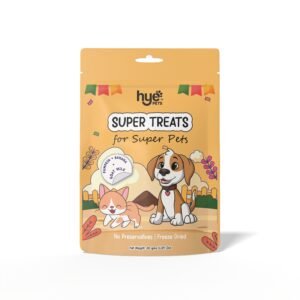 All Products
Super Treats for Super Pets made with Goat Milk, Pumpkin and Banana | 30g
Original price was: ₹279.00.₹265.06Current price is: ₹265.06. -
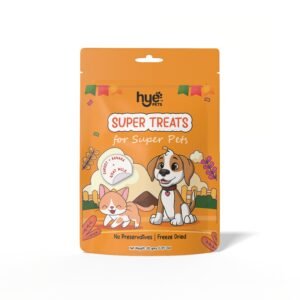 All Products
Super Treats for Super Pets made with Goat Milk, Carrot and Banana | 30g
Original price was: ₹279.00.₹265.06Current price is: ₹265.06. -
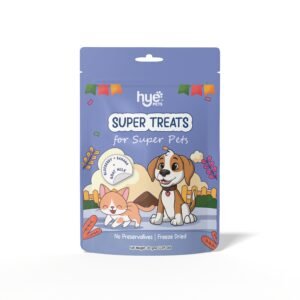 All Products
Super Treats for Super Pets made with Goat Milk, Blueberry and Banana | 30g
Original price was: ₹325.00.₹308.75Current price is: ₹308.75. -
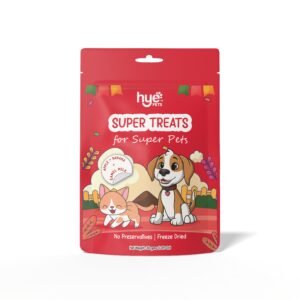 Out of stockAll Products
Super Treats for Super Pets made with Camel Milk, Apple and Banana | 30g
Original price was: ₹279.00.₹265.06Current price is: ₹265.06. -
 All Products
Super Treats for Super Pets made Camel Milk, Beetroot and Banana | 30g
Original price was: ₹279.00.₹265.06Current price is: ₹265.06. -
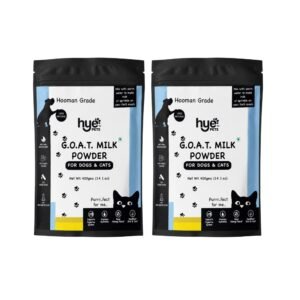 Combos
Goat Milk Powder for Dogs and Cats – Combo Pack (2 x 400g)
Original price was: ₹3,065.28.₹1,680.32Current price is: ₹1,680.32. -
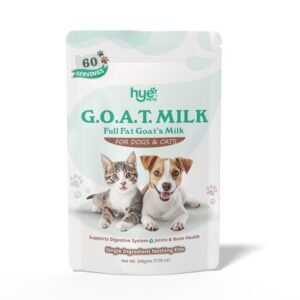 All Products
Goat Milk Powder for Dogs and Cats – 200g
Original price was: ₹698.99.₹657.05Current price is: ₹657.05. -
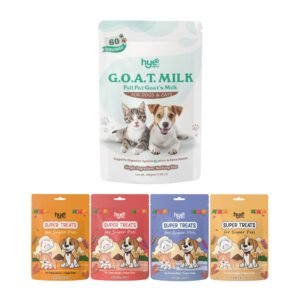 All Products
Goat Milk Powder and Freeze-Dried Goat Milk Treats Combo for Dogs and Cats
Original price was: ₹2,250.26.₹2,067.36Current price is: ₹2,067.36. -
 Combos
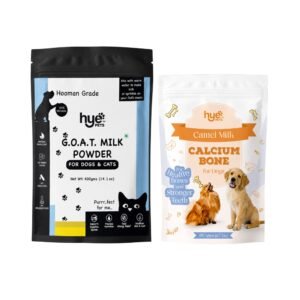
Goat Milk Powder and Camel Milk Calcium Bone for Dogs – Combo Pack
Original price was: ₹1,826.47.₹1,108.02Current price is: ₹1,108.02. -
 Combos
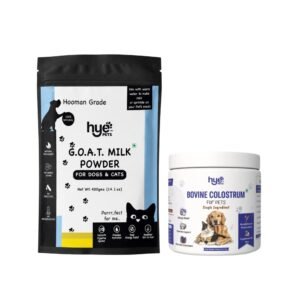
Goat Milk Powder and Bovine Colostrum Combo for Dogs & Cats
Original price was: ₹2,357.47.₹1,221.30Current price is: ₹1,221.30. -
 Goat Milk Treats
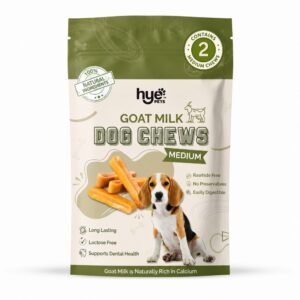
Goat Milk Dog Chews for Medium Dogs | Rawhide-Free Dental Treats | 2 Chews
Original price was: ₹449.01.₹422.01Current price is: ₹422.01. -
 Combos
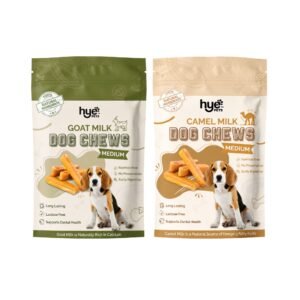
Goat Milk and Camel Milk Chews Combo for Medium Dogs
Original price was: ₹1,118.64.₹1,019.52Current price is: ₹1,019.52. -
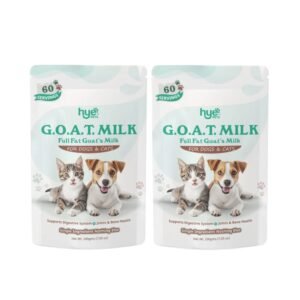 Combos
Full Fat Goat Milk Powder for Dogs and Cats Combo Pack (2 x 200g)
Original price was: ₹1,649.64.₹1,509.22Current price is: ₹1,509.22. -
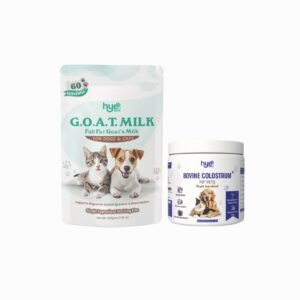 Combos
Full Fat Goat Milk Powder and Bovine Colostrum Combo for Dogs and Cats
Original price was: ₹1,398.01.₹949.01Current price is: ₹949.01.
- All Posts
- Blog
- Blogs
- Recipe
- Stories
- Trivia