During breakfast preparation, it is common to find a canine companion waiting expectantly for a stray scrap to fall from the counter. Because eggs are a staple in many households, pet parents frequently wonder if sharing this high-protein food is a safe choice or a health hazard for their companion. This guide covers the nutritional advantages of eggs, the serious risks associated with raw feeding, and the exact serving sizes required to keep a dog healthy.
Quick Answer
Fully cooked eggs are safe for the majority of healthy dogs. They should always be served completely plain, without any added butter, oils, salt, onions, or garlic. Eggs should be treated as an occasional treat or food topper rather than a replacement for a balanced, complete commercial diet.
Nutritional Benefits for Dogs
Eggs provide several key nutrients that support a dog’s health:
- High-Quality Protein: Highly digestible protein assists in muscle maintenance and tissue repair.
- Essential Fatty Acids: Linoleic acid and omega-3 fatty acids help support healthy skin and a shinier coat by reducing dryness and flaking.
- Vitamins and Minerals: Egg yolks contain vitamins A, D, E, and B-complex, alongside iron and selenium, which contribute to overall metabolic health.
- Easy Digestion: The soft texture of a cooked egg provides an easily absorbable source of energy, making it a practical option for senior dogs or those recovering from mild stomach upsets.
When Eggs Should Be Avoided
Eggs are relatively calorie-dense and high in fat and phosphorus. Because of this nutrient profile, dogs with specific medical conditions should not eat eggs unless explicitly approved by a veterinarian:
- Pancreatitis: Egg yolks contain a concentrated amount of fat. In dogs with a history of or predisposition to pancreatitis, dietary fat can trigger painful pancreatic inflammation.
- Kidney Disease: The high protein and phosphorus levels in eggs place extra strain on compromised kidneys, which struggle to filter these elements.
- Obesity and Weight Management: Frequent egg treats can easily stall progress for dogs on a strict weight-loss plan due to their high calorie density.
- Prescription Diets: Adding outside ingredients can disrupt the precise nutrient balance required for dogs managing chronic conditions on therapeutic diets.
- Food Allergies: Dogs can develop hypersensitivities to egg proteins, which requires complete elimination from their diet.
The Risks of Feeding Raw Eggs
Established veterinary authorities, including the American Veterinary Medical Association (AVMA) and the U.S. Food and Drug Administration (FDA), strongly advise against giving uncooked eggs to pets.
Raw egg whites contain a protein called avidin, which binds to biotin (Vitamin B7) and prevents its absorption. Over time, a heavy raw-egg diet can cause a biotin deficiency, resulting in hair loss and skin problems.
Furthermore, raw eggs pose a high risk of exposure to harmful bacteria such as Salmonella and E. coli. These pathogens cause severe food poisoning in dogs, leading to vomiting, diarrhea, and lethargy. Because these bacteria can be transmitted through saliva and waste, they also pose a significant health risk to human family members. Cooking the egg thoroughly neutralizes avidin and reduces the risk of bacterial contamination.
How to Prepare Eggs Safely
Eggs fed to dogs must remain entirely unseasoned. Common cooking additions can cause gastrointestinal distress or toxicity.
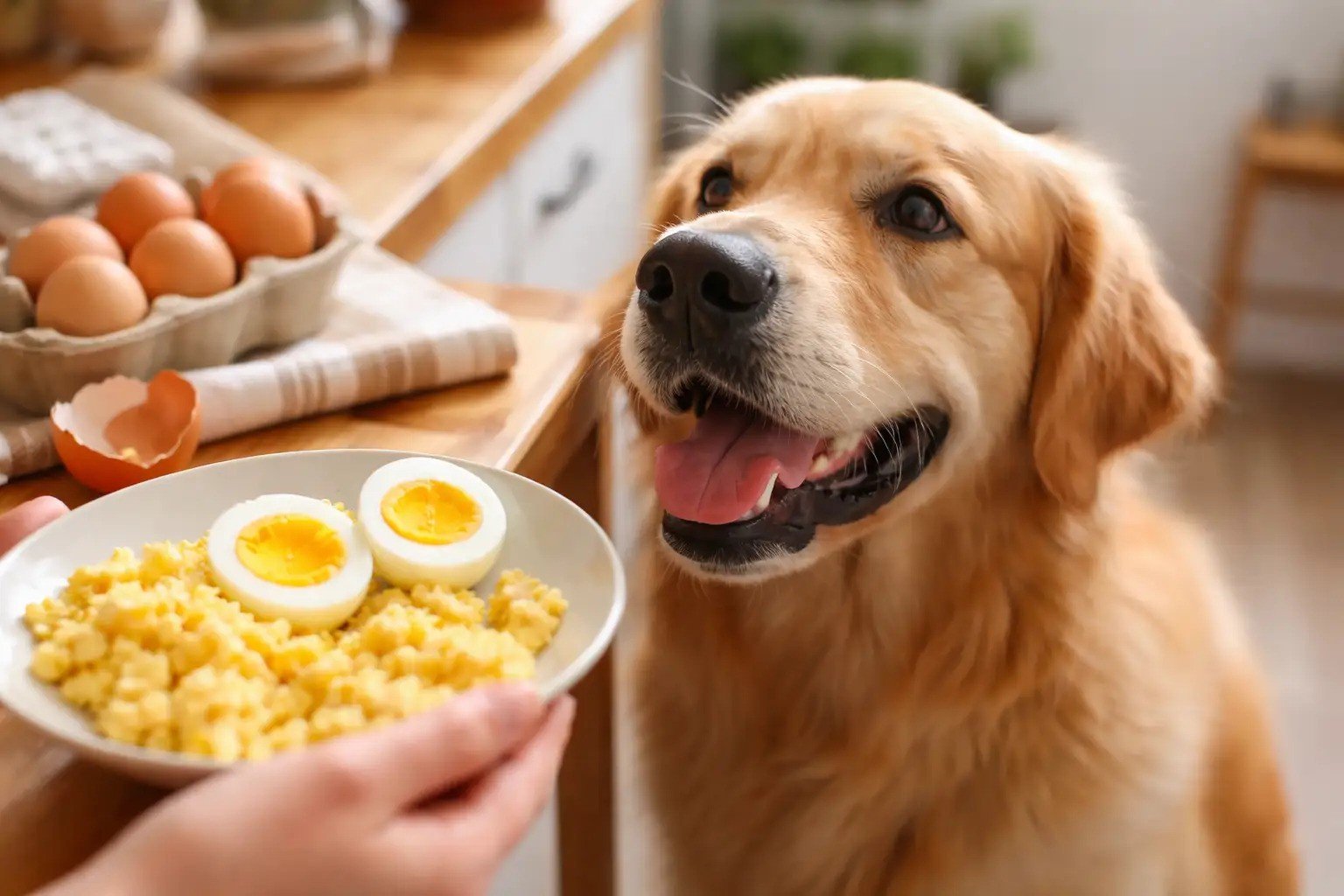
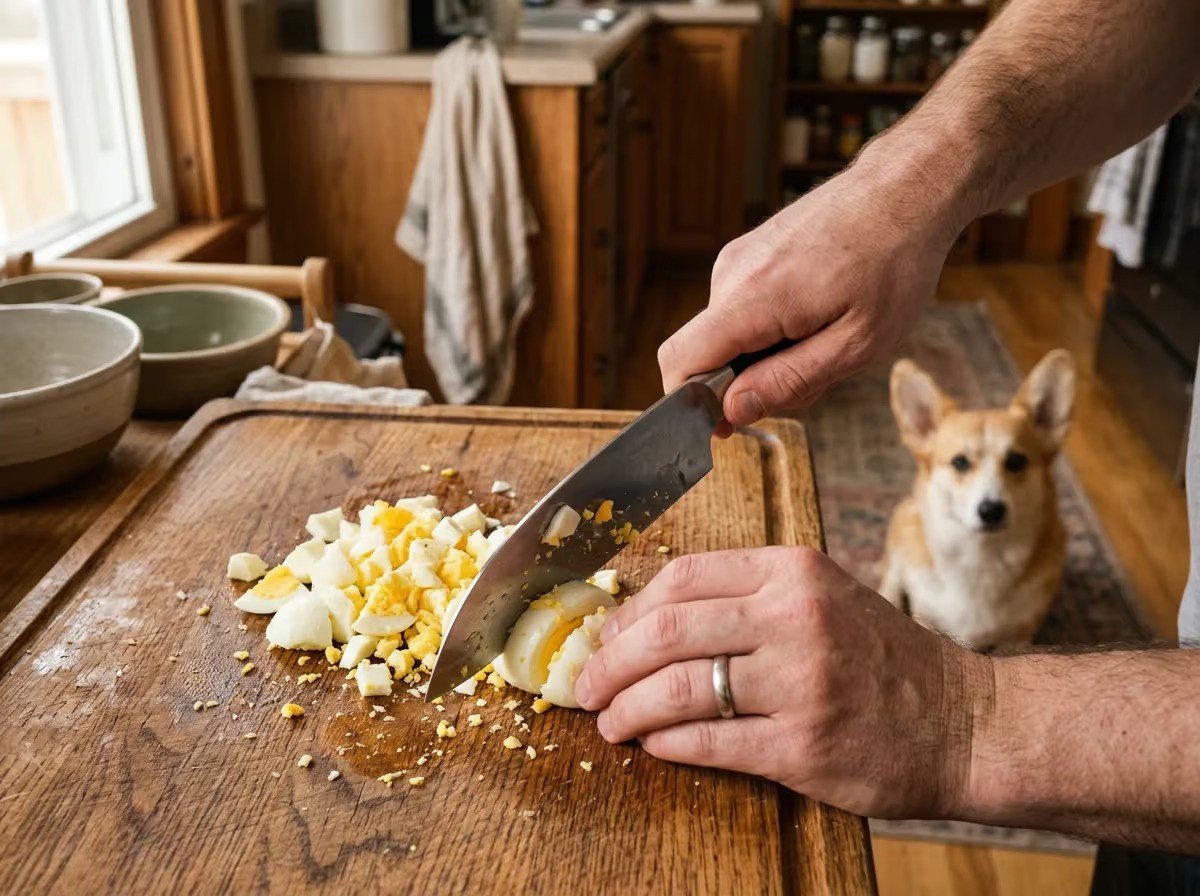
- Boiled: Hard-boiled or soft-boiled eggs are the most practical choices. Because they are cooked in water, they require no added fats. Once cooled and peeled, they can be chopped into bite-sized pieces.
- Scrambled: Scrambled eggs are safe if cooked in a dry, non-stick skillet. You must omit milk, butter, margarine, cooking sprays, and salt.
- Poached: Poaching in plain water is safe, provided the egg white is completely firm and opaque before serving.
- Fried: Frying is not recommended. The oils or butter required to prevent sticking introduce excessive fats that can trigger acute diarrhea or stomach upset.
Can Dogs Eat Eggshells?
Eggshells are high in calcium, but they should never be given to a dog whole. Jagged pieces present a choking hazard and can irritate the digestive tract.
To prepare them safely, the empty shells must first be boiled to eliminate bacteria, air-dried completely, and ground into a fine, smooth powder using a blender or coffee grinder. A small pinch can be stirred into kibble, but only under veterinary guidance. Unnecessary calcium supplementation can cause severe nutritional imbalances and skeletal issues, particularly in growing large-breed puppies.
Safe Serving Sizes by Dog Weight
To prevent obesity, treats and table scraps should never exceed 10% of a dog’s total daily calorie intake. When offering eggs for the first time, provide just a single bite-sized piece and monitor the dog’s stool for 24 hours to check for sensitivities. For more information on safely feeding human foods, view our guide on safe human foods dogs can eat.
If no digestive upset occurs, use the following guidelines:
Dog Size | Weight Reference | Suggested Serving | Frequency |
Small | Under 9 kg (20 lbs) | 1/4 of an egg | 1–2 times per week |
Medium | 9–18 kg (20–40 lbs) | 1/2 of an egg | 1–2 times per week |
Large | 18–41 kg (40–90 lbs) | 1 whole egg | 2–3 times per week |
Giant | Over 41 kg (90 lbs) | 1–2 whole eggs | 2–3 times per week |
Identifying Signs of an Egg Allergy
Dogs typically manifest food allergies through their skin or digestive systems rather than respiratory distress. Discontinue feeding eggs immediately and consult a veterinary clinic if the dog shows any of the following symptoms:
- Frequent scratching, biting, or chewing at the paws, ears, or belly
- Repeated head shaking or chronic ear inflammation
- Vomiting or loose stools shortly after ingestion
- Hives or localized skin redness
Common Feeding Mistakes to Avoid
- Sharing Leftovers: Scraping the remains of a human breakfast into a dog’s bowl introduces hidden salt, pepper, butter, or toxic ingredients like onion and garlic powder. If you suspect your pet consumed a hazardous ingredient, review our checklist of toxic foods for dogs.
- Using Cooking Fats: Preparing eggs with butter, oil, or margarine adds unnecessary grease that can cause digestive inflammation.
- Serving Hot Food: Dogs often swallow food quickly. Eggs must be cool to the touch before serving to prevent mouth burns.
- Overfeeding: One whole egg represents a significant portion of a small breed’s daily caloric budget. For lighter alternatives, browse our list of healthy dog treats.
Conclusion
Fully cooked, plain eggs serve as an excellent, budget-friendly nutritional boost for dogs, but they must always remain a strictly regulated treat rather than a dietary staple. The safest approach is to allocate a specific day of the week for egg treats, such as finely chopping a plain, hard-boiled egg to use exclusively as a Sunday food topper, ensuring the portion strictly complies with the 10% daily treat rule. If a dog has an underlying health condition like pancreatitis or kidney disease, always secure veterinary approval before introducing eggs to the bowl.
-
 All Products
Goat Milk Powder for Dogs and Cats – 400g
Original price was: ₹1,298.86.₹733.96Current price is: ₹733.96. -
 All Products
Camel Milk Powder For Dogs and Cats – 400g
Original price was: ₹1,499.75.₹499.00Current price is: ₹499.00. -
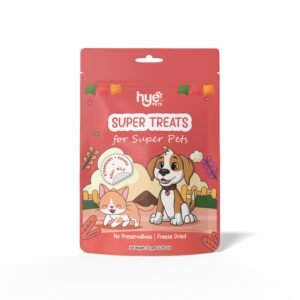 All Products
Super Treats for Super Pets made with Goat Milk, Strawberry and Banana | 30g
Original price was: ₹325.00.₹308.75Current price is: ₹308.75. -
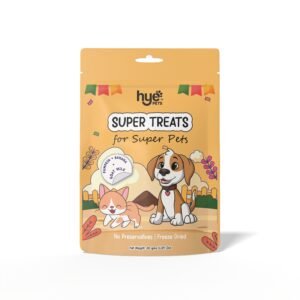 All Products
Super Treats for Super Pets made with Goat Milk, Pumpkin and Banana | 30g
Original price was: ₹279.00.₹265.06Current price is: ₹265.06. -
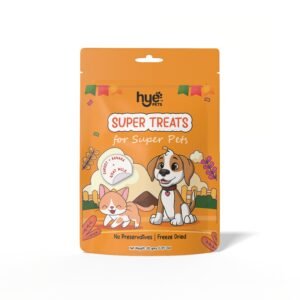 All Products
Super Treats for Super Pets made with Goat Milk, Carrot and Banana | 30g
Original price was: ₹279.00.₹265.06Current price is: ₹265.06. -
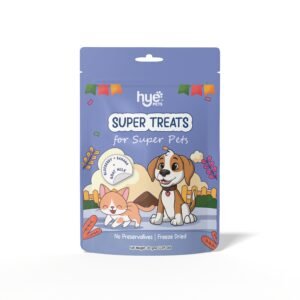 All Products
Super Treats for Super Pets made with Goat Milk, Blueberry and Banana | 30g
Original price was: ₹325.00.₹308.75Current price is: ₹308.75. -
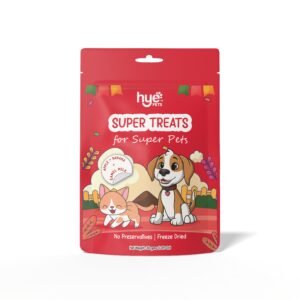 Out of stockAll Products
Super Treats for Super Pets made with Camel Milk, Apple and Banana | 30g
Original price was: ₹279.00.₹265.06Current price is: ₹265.06. -
 All Products
Super Treats for Super Pets made Camel Milk, Beetroot and Banana | 30g
Original price was: ₹279.00.₹265.06Current price is: ₹265.06. -
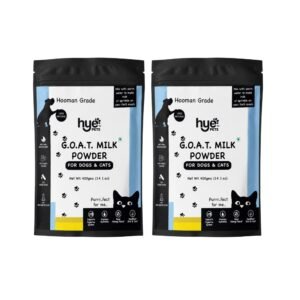 Combos
Goat Milk Powder for Dogs and Cats – Combo Pack (2 x 400g)
Original price was: ₹3,065.28.₹1,680.32Current price is: ₹1,680.32. -
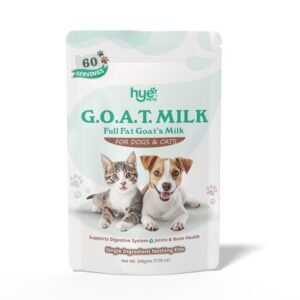 All Products
Goat Milk Powder for Dogs and Cats – 200g
Original price was: ₹698.99.₹657.05Current price is: ₹657.05. -
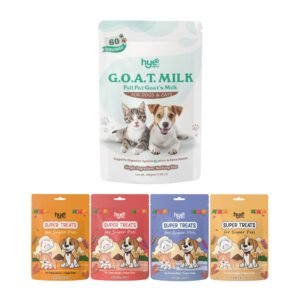 All Products
Goat Milk Powder and Freeze-Dried Goat Milk Treats Combo for Dogs and Cats
Original price was: ₹2,250.26.₹2,067.36Current price is: ₹2,067.36. -
 Combos
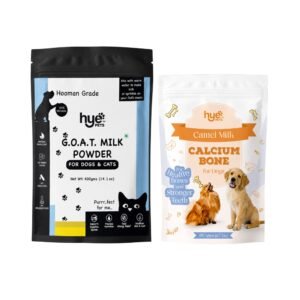
Goat Milk Powder and Camel Milk Calcium Bone for Dogs – Combo Pack
Original price was: ₹1,826.47.₹1,108.02Current price is: ₹1,108.02. -
 Combos
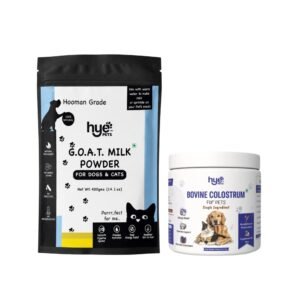
Goat Milk Powder and Bovine Colostrum Combo for Dogs & Cats
Original price was: ₹2,357.47.₹1,221.30Current price is: ₹1,221.30. -
 Goat Milk Treats
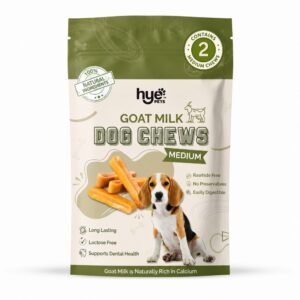
Goat Milk Dog Chews for Medium Dogs | Rawhide-Free Dental Treats | 2 Chews
Original price was: ₹449.01.₹422.01Current price is: ₹422.01. -
 Combos
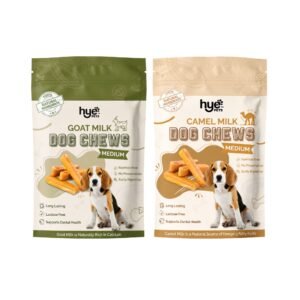
Goat Milk and Camel Milk Chews Combo for Medium Dogs
Original price was: ₹1,118.64.₹1,019.52Current price is: ₹1,019.52. -
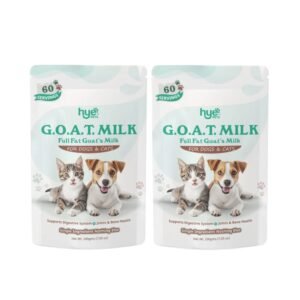 Combos
Full Fat Goat Milk Powder for Dogs and Cats Combo Pack (2 x 200g)
Original price was: ₹1,649.64.₹1,509.22Current price is: ₹1,509.22. -
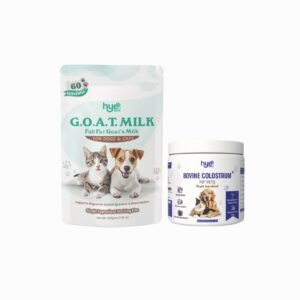 Combos
Full Fat Goat Milk Powder and Bovine Colostrum Combo for Dogs and Cats
Original price was: ₹1,398.01.₹949.01Current price is: ₹949.01.
- All Posts
- Blog
- Blogs
- Recipe
- Stories
- Trivia