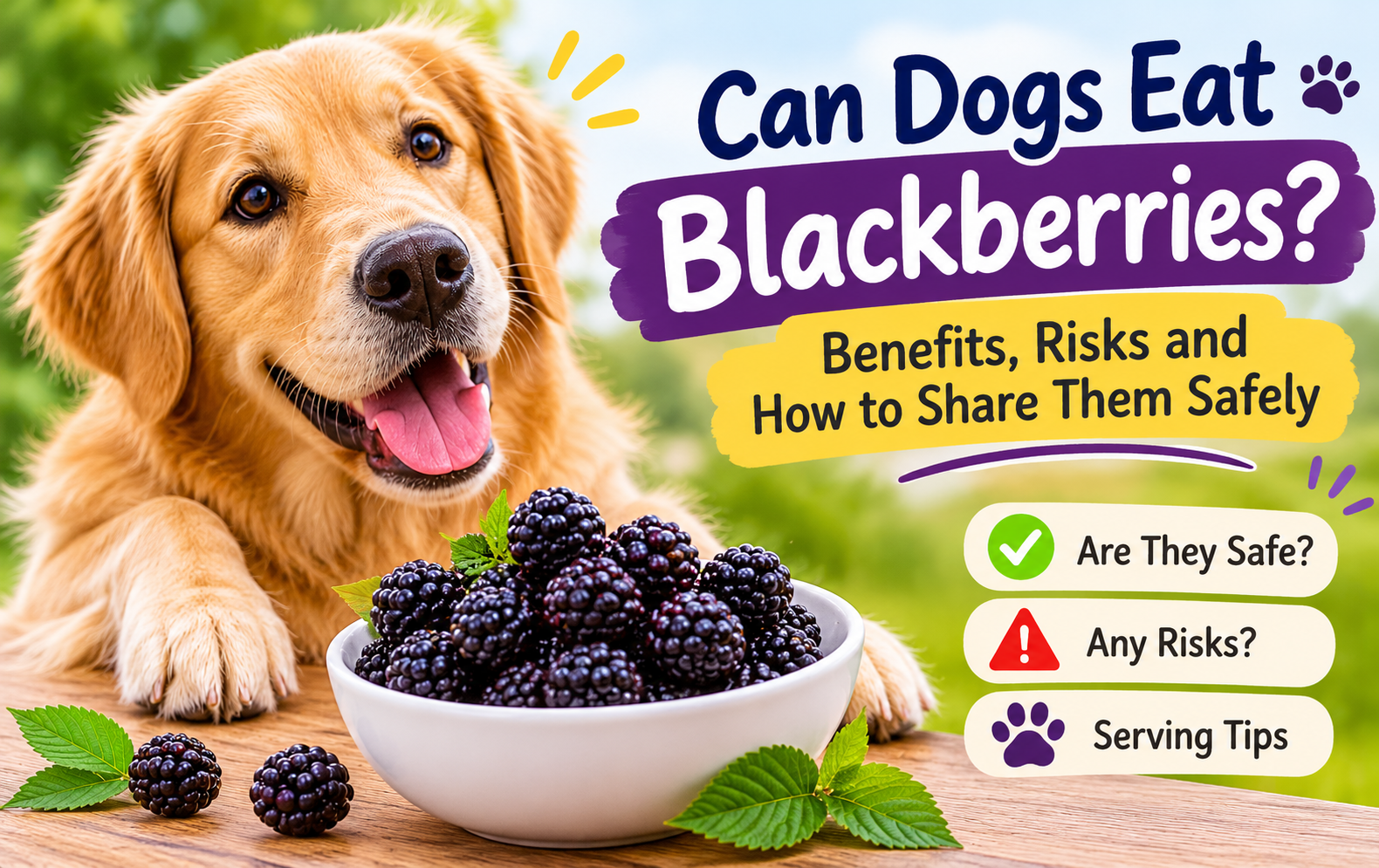
You’re sitting on the sofa with a bowl of fresh blackberries. Within seconds, your dog is right beside you chin resting on your knee, eyes glued to your hand. Before you toss one over, a familiar doubt creeps in: can dogs actually eat blackberries?
Plenty of human snacks are off-limits for dogs, even the ones that look healthy. Blackberries, fortunately, are safe to share, as long as you keep a few simple things in mind.
Are Blackberries Safe for Dogs?
Yes, healthy dogs can eat plain, fresh blackberries in moderation. Veterinary resources like the American Kennel Club (AKC) and PetMD confirm they aren’t toxic, making them an easy snack to share when you’re having some yourself.
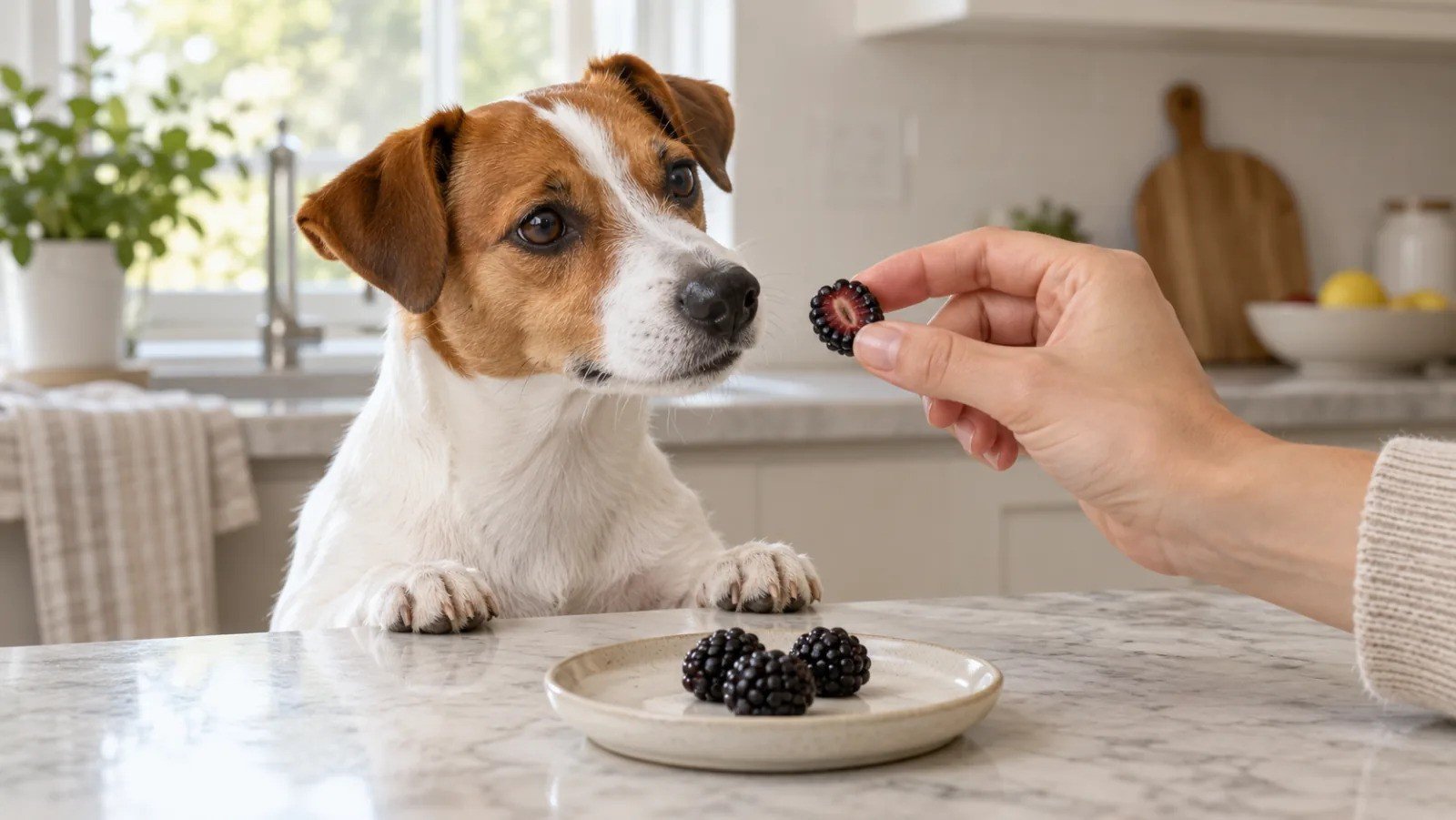
Still, safe doesn’t mean necessary. Your dog already gets complete nutrition from their regular meals, so treat blackberries as an occasional bonus rather than something they need every day.
Note: If your dog has diabetes, a sensitive stomach, or follows a prescription diet, check with your vet before introducing any new food.
Are Blackberries Good for Dogs?
Blackberries won’t prevent or treat any health conditions, and they aren’t a substitute for a balanced diet. However, they do offer some general nutritional value compared to processed biscuits:
- Low in calories: Because they’re mostly water, a few berries can be a lighter alternative to richer treats.
- Natural fibre: They contain dietary fibre, which supports healthy digestion in small doses.
- Vitamins and antioxidants: Blackberries provide vitamin C, vitamin K, and plant pigments called anthocyanins which give them their deep colour. These contribute general nutritional value, though healthy dogs already produce their own vitamin C and get essential vitamins from their daily meals.
- A new texture: Some dogs love the soft pop and mild tartness of a fresh berry. If yours sniffs it once and walks away, though, there’s no need to coax them.
How Many Blackberries Can a Dog Eat?
You don’t need a calculator for this just a little perspective. A single berry is a tiny snack for a Labrador, while for a Chihuahua, it’s a much bigger mouthful.
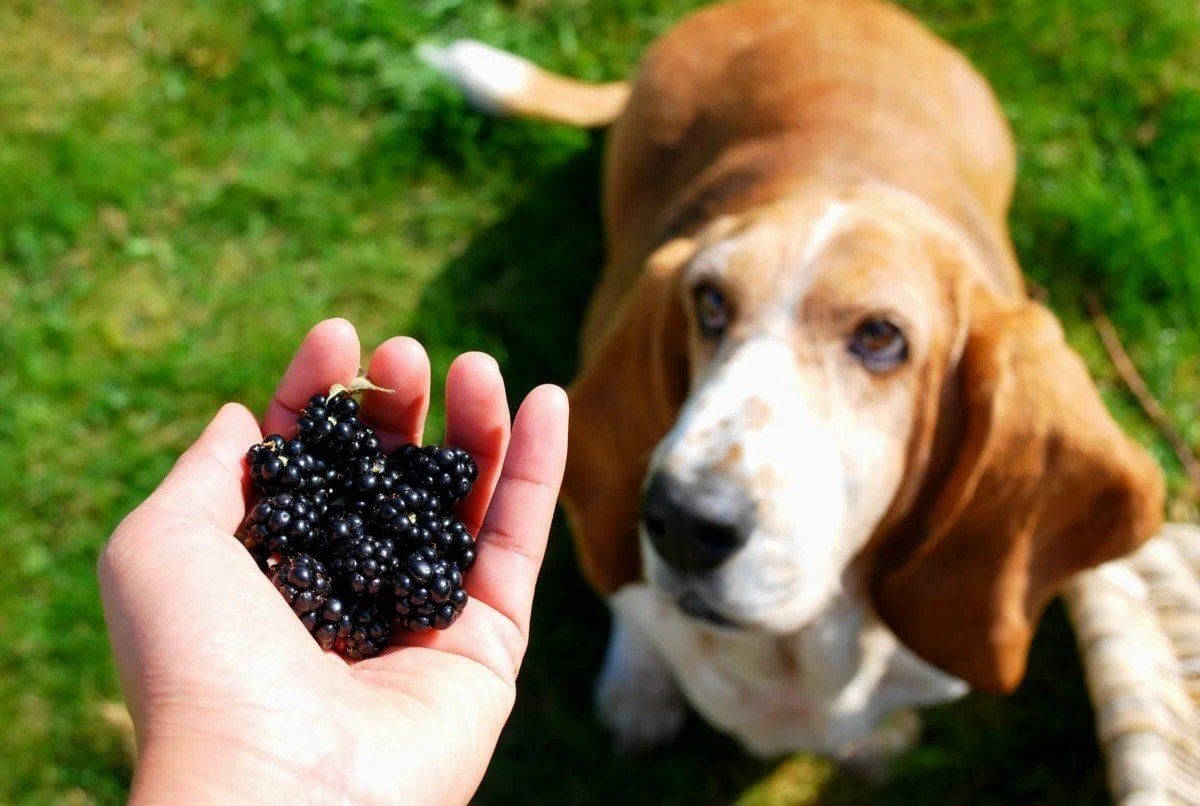
Start with a small amount, like a small piece for a tiny dog or a modest portion for your dog’s size, and watch how their stomach handles it. Even healthy fruit can cause gas or loose stools if a dog gets too much fibre and natural sugar all at once.
The World Small Animal Veterinary Association (WSAVA) guide on feeding treats recommends that all treats biscuits, chews, training rewards, and fruit should make up no more than 10% of your dog’s daily calorie intake. The remaining calories should come from their regular, balanced food.
Fresh, Frozen, Dried, or Jam: What Works Best?
How the berries are prepared makes a big difference for your dog:
- Fresh blackberries: Your best option. Rinse them well, pull off any green stems, and serve them plain. For smaller dogs or fast eaters, cutting or mashing the berries makes it much easier to swallow.
- Frozen blackberries: Fine, as long as they’re plain, unsweetened berries with no harmful additives. Let them thaw before serving so they are softer and easier for your dog to eat.
- Dried blackberries: Better skipped. Drying concentrates natural sugars into a chewy bite, and store-bought dried fruit often has added sugar.
- Jams, jellies, and desserts: Keep these out of reach. They’re packed with sugar and fats, and sugar-free spreads sometimes contain xylitol (also labelled as birch sugar), a sweetener that is highly toxic to dogs.
Watch Out for Wild Berries on Walks
Passing a blackberry bush on a morning walk can be tempting, especially if your dog loves foraging along the trail. It’s safer to steer them away, though curious noses can easily grab an unidentified wild plant, and berries growing near roads or parks may have been sprayed with pesticides or herbicides. Stick to washed berries from your own kitchen.
A Treat Worth Sharing in Small Amounts
The next time your dog gives you that hopeful look while you’re snacking on blackberries, you don’t have to say no. A small piece of a washed, plain berry is a simple way to include them in a quiet moment on the sofa.
Just keep the portions modest, watch how their stomach responds, and save the jams and sweet desserts for yourself.
-
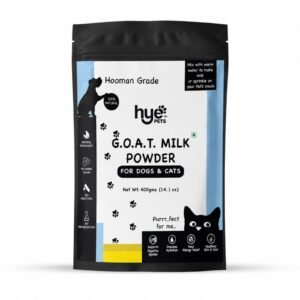 All Products
Goat Milk Powder for Dogs and Cats – 400g
Original price was: ₹1,298.86.₹733.96Current price is: ₹733.96. -
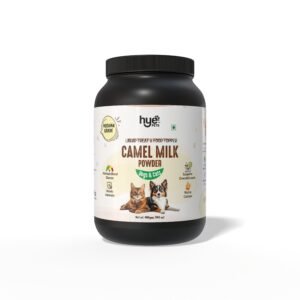 All Products
Camel Milk Powder For Dogs and Cats – 400g
Original price was: ₹1,499.75.₹499.00Current price is: ₹499.00. -
 All Products
Super Treats for Super Pets made with Goat Milk, Strawberry and Banana | 30g
Original price was: ₹325.00.₹308.75Current price is: ₹308.75. -
 All Products
Super Treats for Super Pets made with Goat Milk, Pumpkin and Banana | 30g
Original price was: ₹279.00.₹265.06Current price is: ₹265.06. -
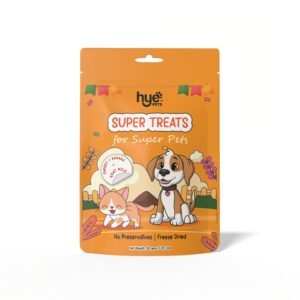 All Products
Super Treats for Super Pets made with Goat Milk, Carrot and Banana | 30g
Original price was: ₹279.00.₹265.06Current price is: ₹265.06. -
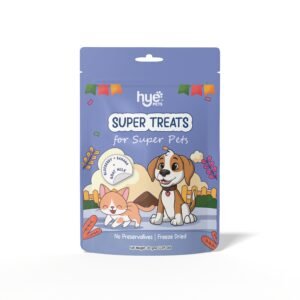 All Products
Super Treats for Super Pets made with Goat Milk, Blueberry and Banana | 30g
Original price was: ₹325.00.₹308.75Current price is: ₹308.75. -
 All Products
Super Treats for Super Pets made with Camel Milk, Apple and Banana | 30g
Original price was: ₹279.00.₹265.06Current price is: ₹265.06. -
 All Products
Super Treats for Super Pets made Camel Milk, Beetroot and Banana | 30g
Original price was: ₹279.00.₹265.06Current price is: ₹265.06. -
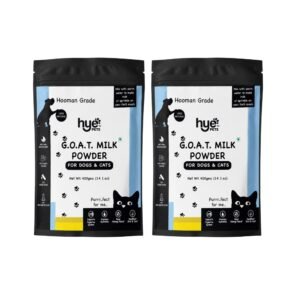 Combos
Goat Milk Powder for Dogs and Cats – Combo Pack (2 x 400g)
Original price was: ₹3,065.28.₹1,680.32Current price is: ₹1,680.32. -
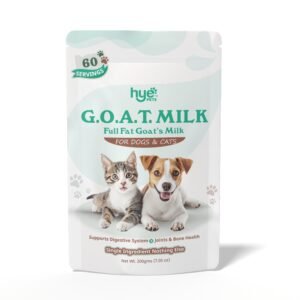 All Products
Goat Milk Powder for Dogs and Cats – 200g
Original price was: ₹698.99.₹657.05Current price is: ₹657.05. -
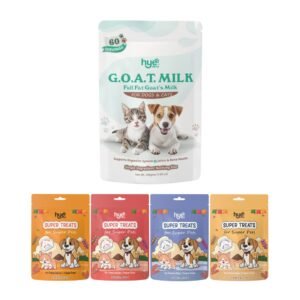 All Products
Goat Milk Powder and Freeze-Dried Goat Milk Treats Combo for Dogs and Cats
Original price was: ₹2,250.26.₹2,067.36Current price is: ₹2,067.36. -
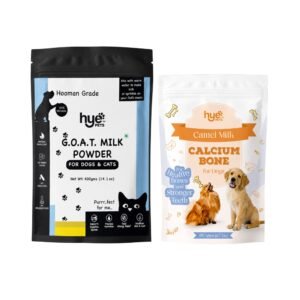 Combos
Goat Milk Powder and Camel Milk Calcium Bone for Dogs – Combo Pack
Original price was: ₹1,826.47.₹1,108.02Current price is: ₹1,108.02. -
 Combos
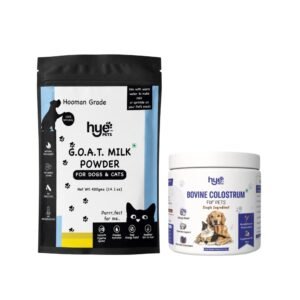
Goat Milk Powder and Bovine Colostrum Combo for Dogs & Cats
Original price was: ₹2,357.47.₹1,221.30Current price is: ₹1,221.30. -
 Goat Milk Treats
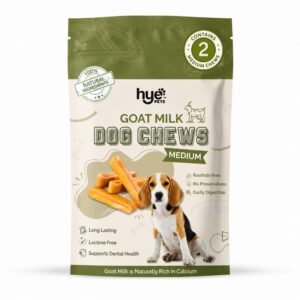
Goat Milk Dog Chews for Medium Dogs | Rawhide-Free Dental Treats | 2 Chews
Original price was: ₹449.01.₹422.01Current price is: ₹422.01. -
 Combos
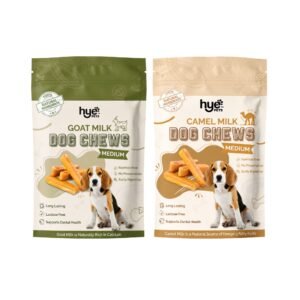
Goat Milk and Camel Milk Chews Combo for Medium Dogs
Original price was: ₹1,118.64.₹1,019.52Current price is: ₹1,019.52. -
 Combos
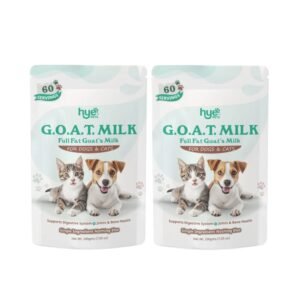
Full Fat Goat Milk Powder for Dogs and Cats Combo Pack (2 x 200g)
Original price was: ₹1,649.64.₹1,509.22Current price is: ₹1,509.22. -
 Combos
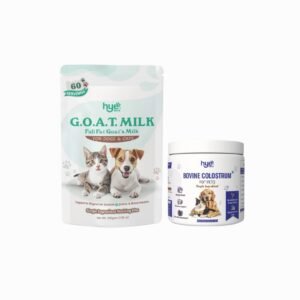
Full Fat Goat Milk Powder and Bovine Colostrum Combo for Dogs and Cats
Original price was: ₹1,398.01.₹949.01Current price is: ₹949.01.
- All Posts
- Blog
- Blogs
- Recipe
- Stories
- Trivia