If you have ever tried to answer a work email or prep dinner while your dog paces around asking for attention, you know how handy a good distraction can be. Walks and fetch are great for physical energy, but dogs also need mental engagement to settle down happily.
That is where lick mats for dogs come in.
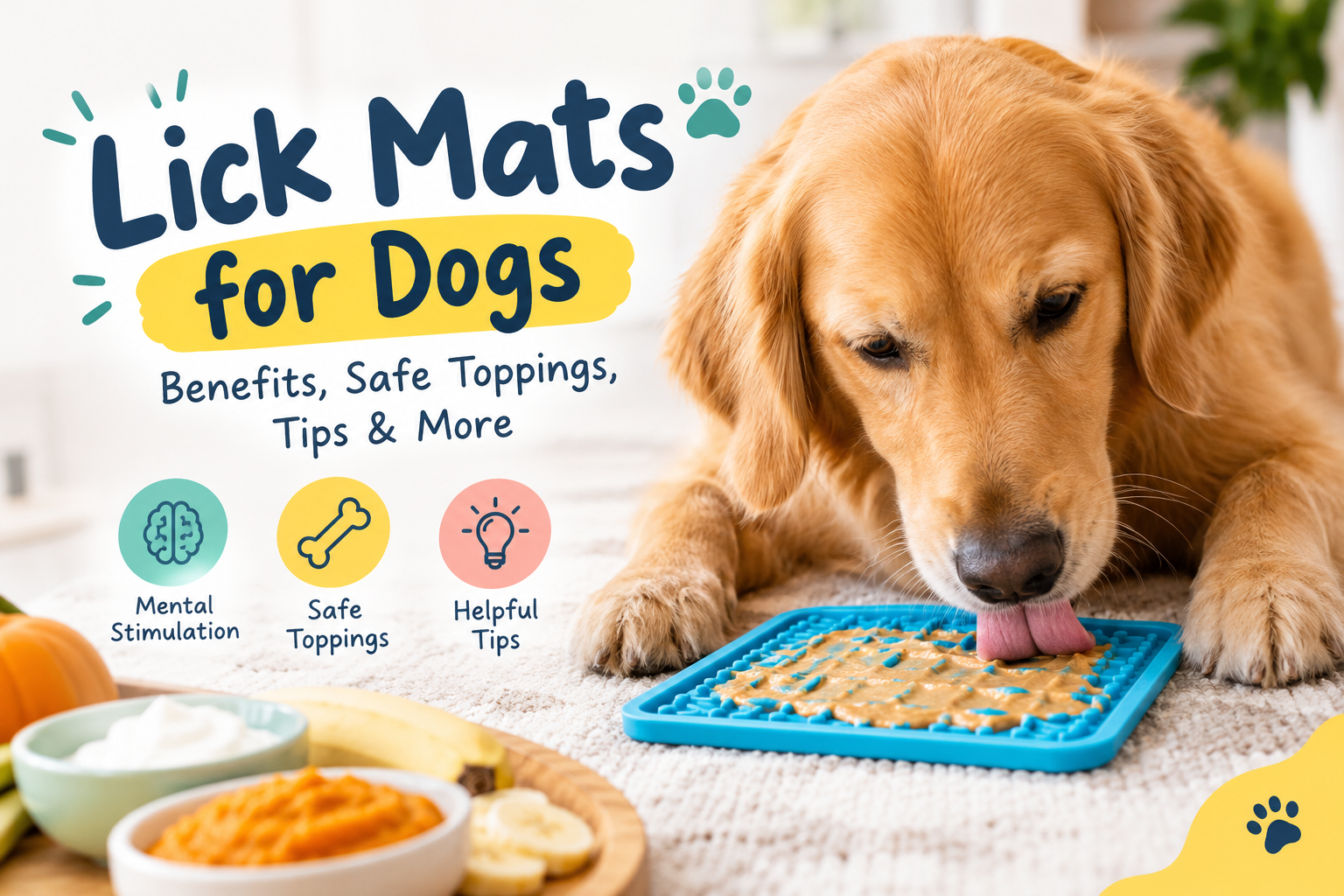
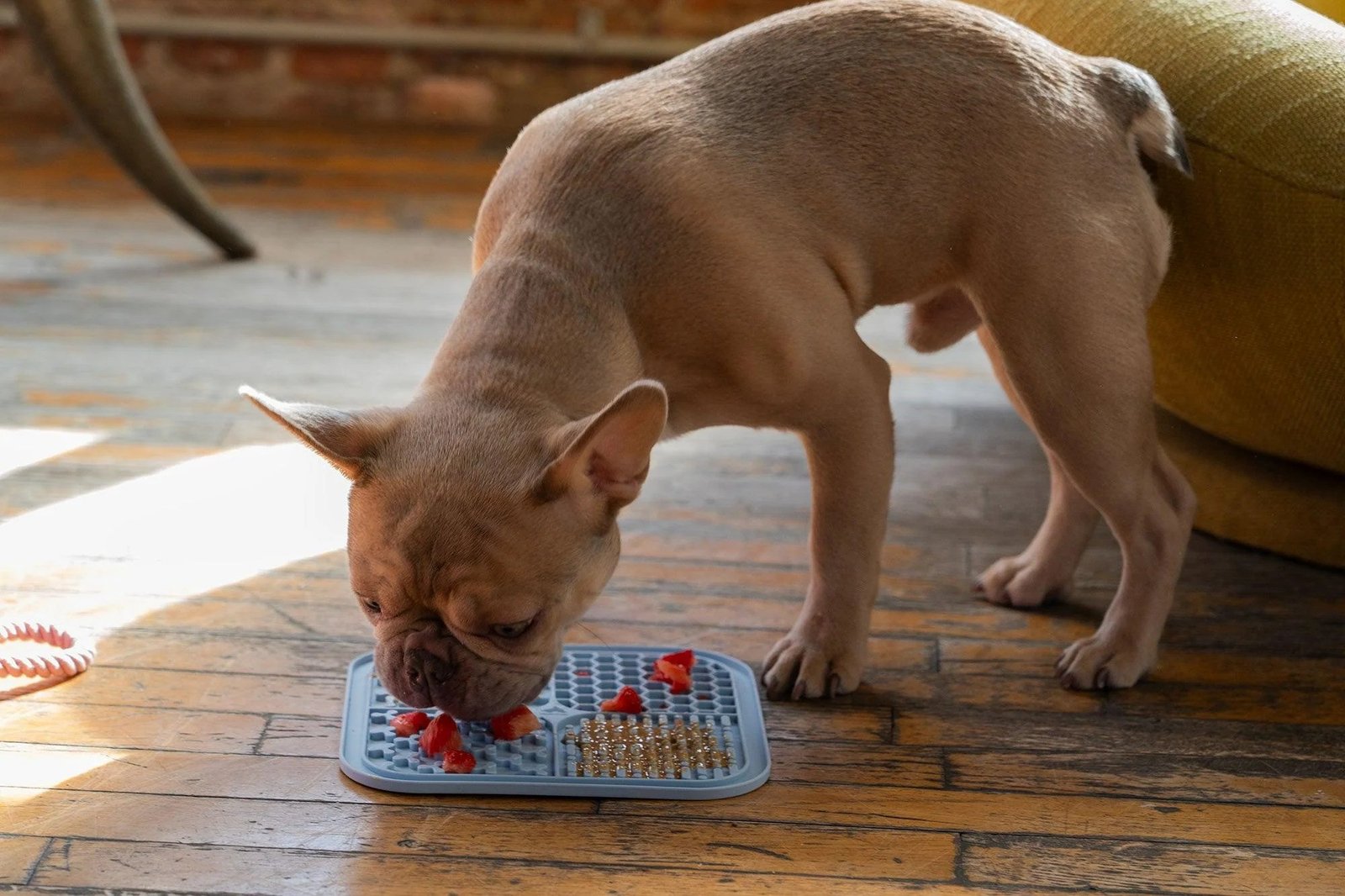
A lick mat is simply a flat silicone or rubber pad covered with textured ridges, maze patterns, or raised dots. When you smear soft food across the surface, your dog has to use their tongue to work the food out of the small crevices. It is a straightforward tool that turns a quick snack into an engaging activity, giving you a quiet window to get things done.
What Is a Lick Mat for Dogs?
Unlike standard food bowls that let dogs gulp down meals in a few seconds, a lick mat spreads soft food thinly across a wider area. Working food out of the textured grooves requires focus and deliberate effort.
Because licking is a stationary activity, it works well for dogs in almost any situation:
Dog Life Stage | Why a Lick Mat Helps | Typical Use Case |
Puppies | Encourages quiet focus during downtime. | Great for crate training or post-play rest periods. |
High-Energy Adults | Offers constructive mental focus when outdoor time is limited. | Perfect for rainy days or while you are busy on a work call. |
Senior Dogs | Provides low-impact mental engagement. | Ideal for older dogs who cannot manage long daily walks. |
5 Benefits of Lick Mats for Dogs
1. Mental Engagement
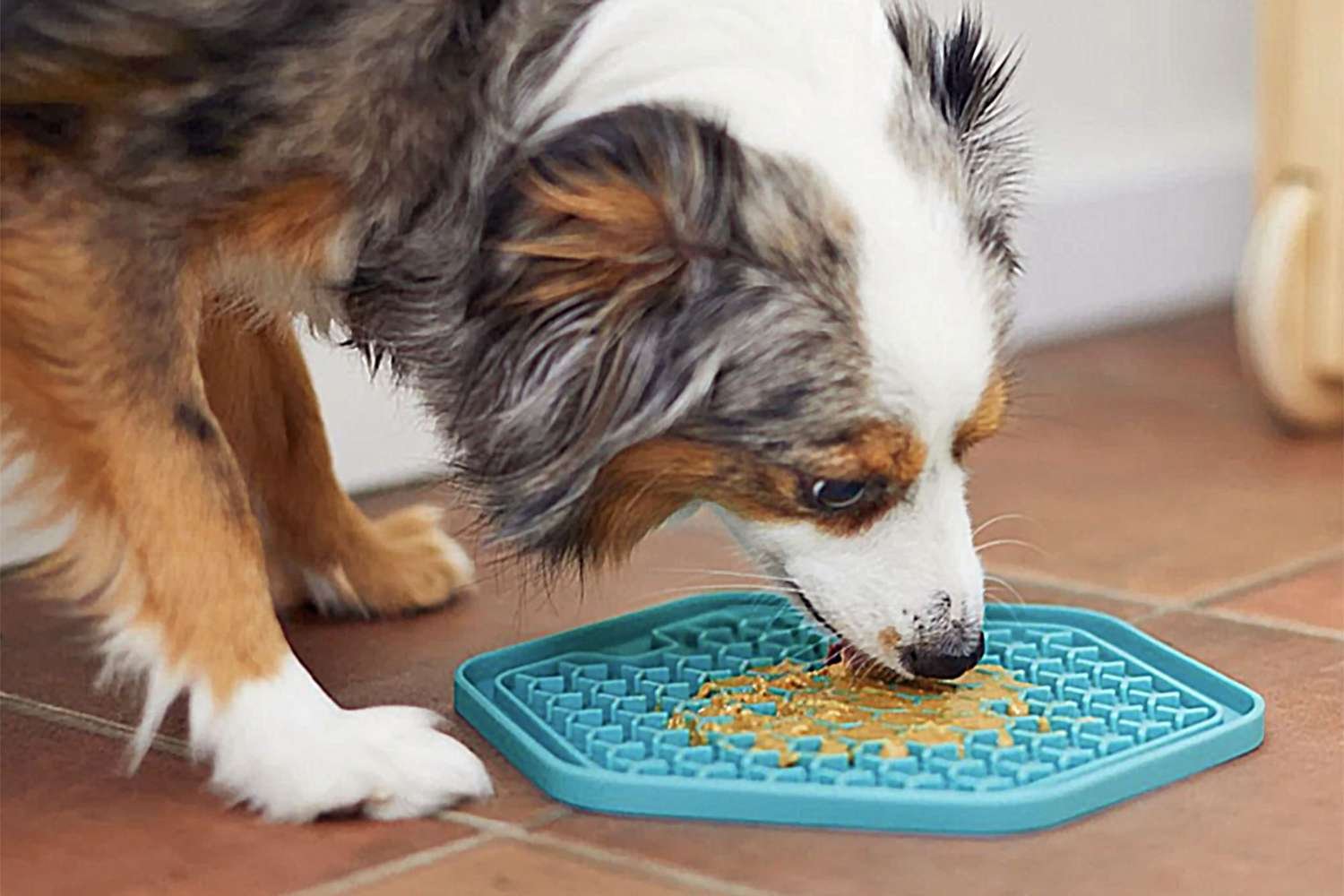
Working food out of small pattern grooves gives your dog a problem-solving task. Using their brain to figure out the puzzle helps channel their focus into a quiet, constructive activity indoors.
2. May Help Slow Down Soft Meals
For dogs that swallow canned wet food quickly, a lick mat can encourage a more measured eating speed. Spreading the food thin forces them to take smaller licks, which may help extend mealtime for soft or wet foods.
3. Great Distraction During Care Routines
If your dog gets uneasy during bath time, nail trims, or coat brushing, a suction-backed lick mat stuck to the wall or floor can redirect their attention to something positive while you finish the task.
4. Solitary Focus
Lick mats offer a self-directed activity that your dog can enjoy independently in one designated spot like their bed or a quiet corner while you cook or handle household chores.
5. Stretches Small Portions
Instead of handing over a treat that disappears in a single crunch, spreading a spoonful of plain pumpkin or yogurt across a mat turns a small snack into a longer-lasting activity without adding extra calories.
Note on Dry Kibble: Lick mats are designed specifically for soft spreads, purées, and canned wet food. If your dog eats dry kibble rapidly, a deep, rigid slow-feeder bowl with tall maze walls is generally a better option.
What Can You Put on a Lick Mat for Dogs?
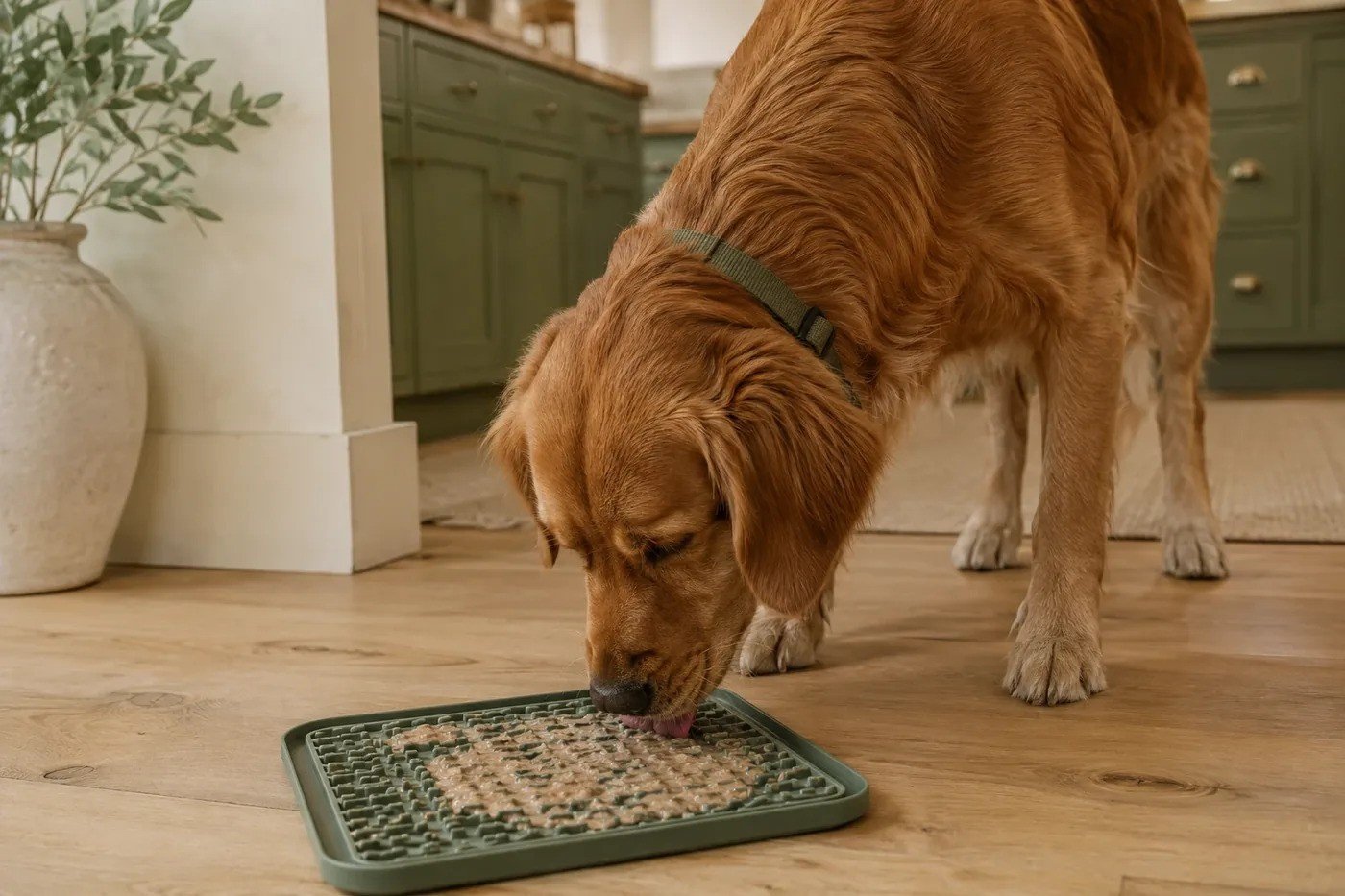
When choosing what to put on a lick mat for dogs, stick to plain, unseasoned ingredients that fit smoothly into your dog’s regular daily diet.
Safe Foods to Try | Toxic Foods (NEVER Use) | Unsuitable Foods (Avoid) |
• Plain canned pumpkin purée | • Xylitol / Birch Sugar (check peanut butter!) | • Salted, sweetened, or spiced human foods |
• Mashed banana (small portions) | • Grapes, raisins, and sultanas | • Heavy dairy (cheese, cream, whole milk) |
• Plain, unsweetened Greek yogurt | • Chocolate, cocoa, and caffeine | • Store-bought broths with onion or garlic |
• Complete canned wet dog food | • Onions, garlic, chives, and leeks | • Fatty meats, poultry skin, and cooked bones |
• Plain cooked sweet potato | • Macadamia nuts | • Avocado pits and skins (choking/persin hazard) |
• Plain, cooked boneless chicken | • Alcohol and raw yeast dough | • Heavy oils and high-fat spreads in large amounts |
Practical Topping Advice
- Aim for the Right Consistency: Very thin or watery liquids can pool at the bottom or spill over the edges. Thicker pastes like canned pumpkin, Greek yogurt, or mashed sweet potato cling best to the grooves. If canned wet food seems too loose, mash in a few pieces of crushed kibble or soak dry kibble in warm water first.
- Stick to Pure Pumpkin: Always double-check canned pumpkin labels to ensure you are buying pure pumpkin purée, not pumpkin pie mix, which contains added sugars and spices that cause digestive upset.
- Check Dairy Tolerance: Plain Greek yogurt offers protein and is naturally lower in lactose than regular milk, but if your dog experiences gas or loose stools from dairy, leave it off the menu.
- A Familiar Choice for Sensitive Tummies: Spreading complete canned wet food from your dog’s regular daily diet avoids introducing novel proteins or unfamiliar ingredients, making it a comfortable choice for dogs with sensitive digestion.
- Always Check Nut Butters for Xylitol: Read the full ingredient label on nut butter jars every time you buy. Never give your dog nut butter containing xylitol which is sometimes listed as birch sugar. According to official FDA guidance on xylitol toxicity, this artificial sweetener causes a rapid, dangerous drop in blood sugar and liver damage in dogs. Choose natural peanut butter made solely from peanuts with no added salt or oils.
- Watch Out for Hidden Ingredients in Broths: Store-bought human broths frequently contain hidden onion or garlic powder, both of which are toxic to dogs according to the ASPCA Animal Poison Control Center. Use plain water or unseasoned homemade bone broth instead. Also avoid avocado pits and skins due to physical choking hazards and persin content while a small bite of plain flesh is generally non-toxic, its high fat content can cause loose stools in sensitive dogs.
- Keep Calories in Mind: Extra toppings add up quickly. As recommended by general guidelines from the World Small Animal Veterinary Association (WSAVA), treats and enrichment spreads should generally stay within 10% of your dog’s total daily calorie allowance. Because individual caloric requirements vary based on age, weight, and activity level, consult your veterinarian if you are unsure how enrichment treats fit into your dog’s specific diet.
3 Easy Lick Mat Recipes for Dogs
Note: The recipe portions below are estimated for a medium-sized dog (30–40 lbs). Adjust the amounts down for smaller breeds or up for larger dogs to align with their daily calorie needs. These ideas are occasional enrichment snacks, not complete meal replacements.
Recipe Name | Ingredients | Preparation & Pro Tip |
1. Pumpkin & Wet Food Mash | • 2 tbsp canned wet dog food • 1 tbsp 100% plain pumpkin | Mix together in a small bowl, then use a silicone spatula to press the paste into the mat pattern. Pro Tip: Pressing food deep into the corners keeps your dog working longer without adding extra calories. |
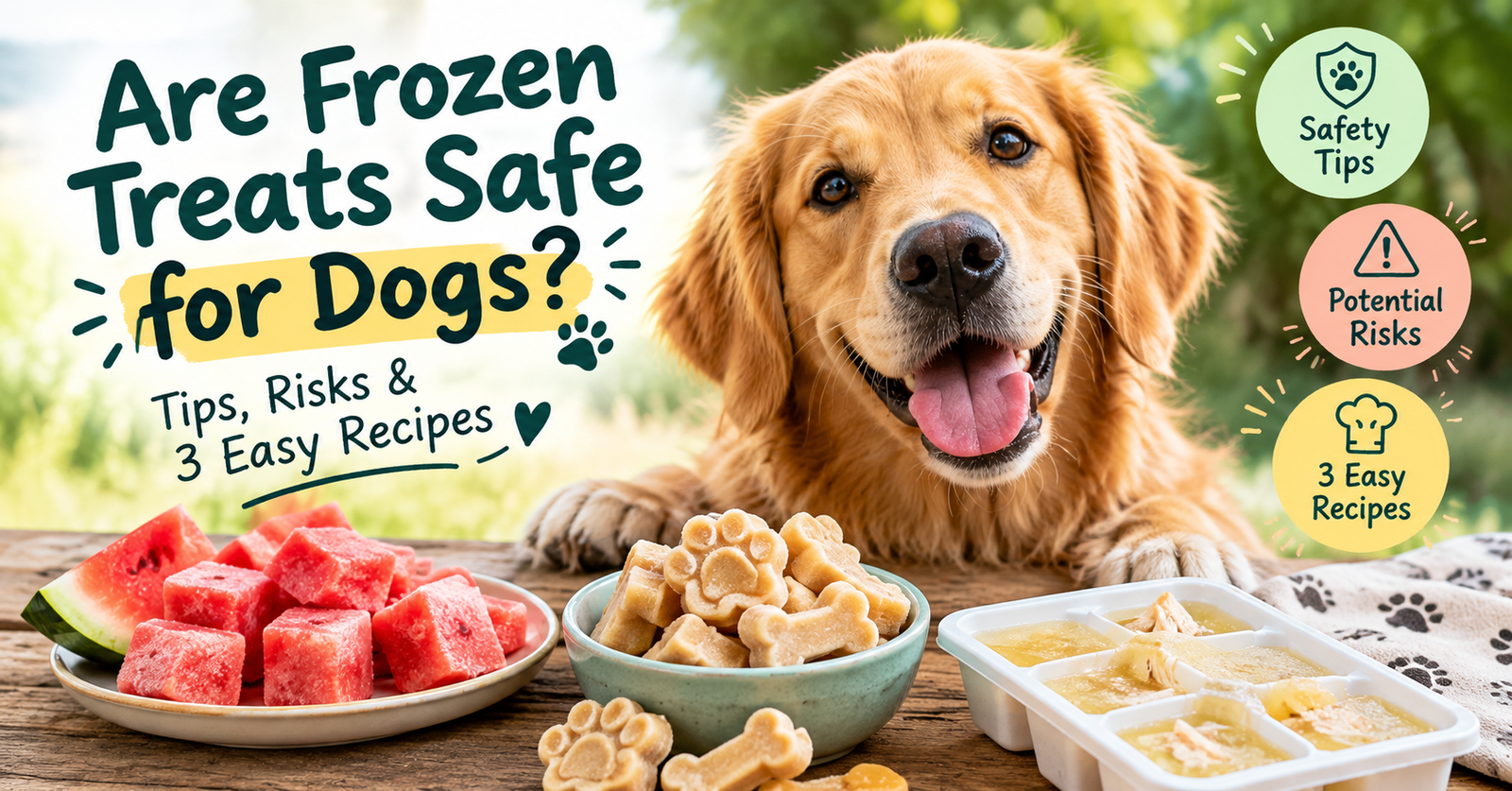
2. Banana & Greek Yogurt Spread | • 2 tbsp plain Greek yogurt • 1 tbsp mashed ripe banana | Mash the banana into the yogurt with a fork until smooth, then spread evenly. Pro Tip: Freezing this mat briefly offers a cool, refreshing option on warm days. |
3. Chicken & Sweet Potato Purée | • 2 tbsp cooked sweet potato • 1 tbsp cooked shredded chicken • 1–2 tsp warm water | Mash ingredients together into a thick paste and press into the grooves. Pro Tip: Always use boneless, skinless chicken cooked plain without butter, oil, or seasoning. |
How to Use a Lick Mat for Dogs Safely
Step | Action | Practical Advice |
1 | Match Pattern to Texture | Shallow dot patterns work best for thin purées deep maze patterns hold thick canned wet food better. |
2 | Spread Thin, Press Deep | Scrape food flat across the top with a spatula. Pressing food into the grooves encourages licking rather than biting. |
3 | Pick a Calm Spot | Place the mat on a non-slip floor (or suction it to tile) away from busy walkways so your dog can focus comfortably. |
4 | Stay in the Room | Always monitor your dog. If they start tugging, biting, or tearing at the rubber material, step in right away. |
5 | Pick It Up Promptly | Pick up the mat as soon as your dog finishes licking so they do not turn the empty pad into a chew toy. |
Common Lick Mat Mistakes Dog Owners Should Avoid
1. Leaving Your Dog Alone With the Mat
Never leave your dog unattended while they use a rubber or silicone mat. Once the food is gone, a dog may bite off flexible edges and swallow rubber pieces, creating a risk of intestinal blockage that requires emergency veterinary care.
2. Switching to Hard Plastics for Chewers
If your dog bites or tears soft silicone, switching to hard plastic plates is not a guaranteed fix. Strong jaws can crack or splinter hard plastic, creating sharp edges that cut gums or cause internal injury if swallowed. If a dog attempts to chew mats regardless of the material, stop using lick mats and switch to a durable rubber chew toy designed for chewing, such as a stuffed Kong.
3. Ignoring Signs of Frustration
Lick mats should be a rewarding activity, not a frustrating one. If your dog paws at the mat, barks, or tries to bite the corners, the food may be packed too tightly or frozen too solid. Lift the mat away, let it thaw slightly, or simplify the setup next time by using a looser, unfrozen spread.
4. Overloading on Dense, Fatty Spreads
Filling an entire mat with dense ingredients like peanut butter introduces a lot of extra calories and fat, which can trigger stomach upset. Keep richer spreads as thin accents mixed with lighter bases like pumpkin or wet food.
Are Lick Mats Suitable for Puppies?
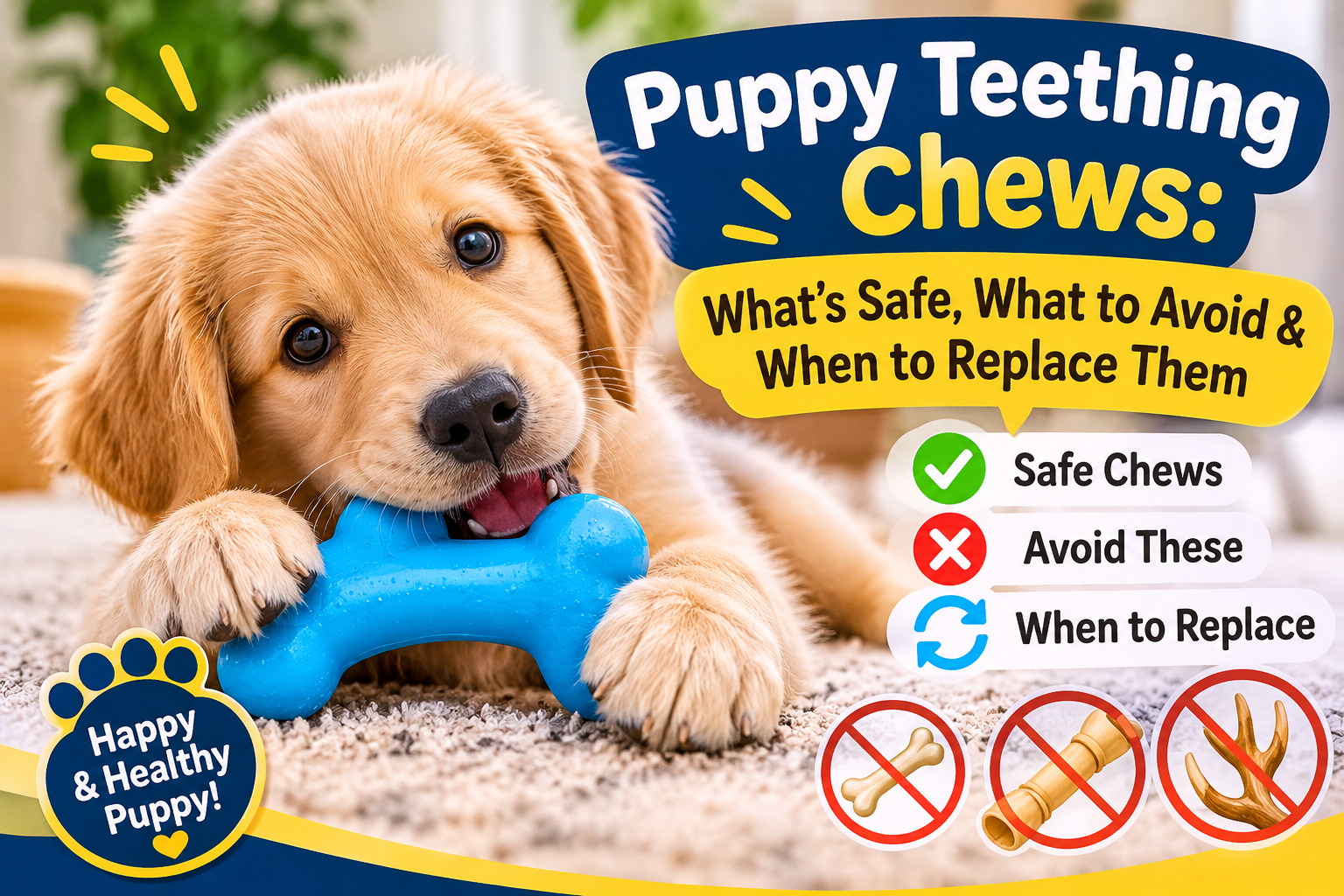
Lick mats can be a helpful tool for puppies when introduced under direct adult supervision. They offer a quiet focus during crate training or post-play rest periods. However, puppies explore objects with their teeth, making soft silicone edges a natural chewing temptation.
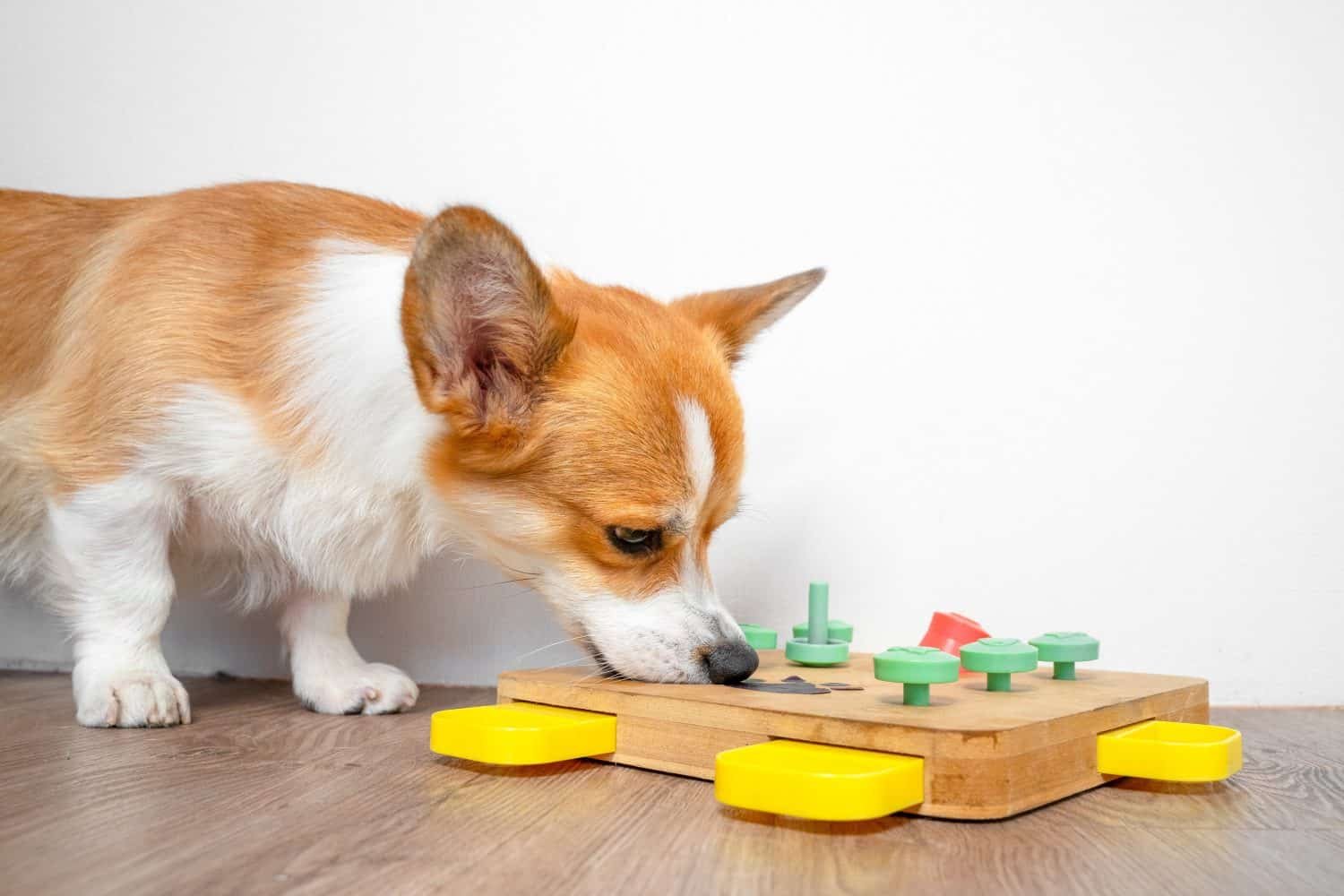
Select a small mat, stick to simple puppy-safe toppings, and remain present throughout the session. Lift the mat as soon as the food is cleared. If your puppy starts biting the edges rather than licking, take the mat away and offer a puppy-safe chew toy instead.
How to Clean and Store a Dog Lick Mat
Cleaning dried wet food out of small rubber crevices can be tricky if left too long. Here is the easiest way to manage it:
- Soak Immediately: Place the mat in warm, soapy water as soon as your dog finishes to loosen food residue.
- Use a Dish Brush: A stiff-bristled dish brush or an old toothbrush sweeps food debris out of deep corners much better than a standard sponge.
- Check Manufacturer Instructions: Always check your mat’s care label while many food-grade silicone mats are safe on the top rack of a dishwasher, temperature limits vary by manufacturer and some materials require hand washing.
- Inspect Before Storing: Check for cracks, torn ridges, or missing pieces while drying. Discard and replace any damaged mat immediately.
Conclusion:
Lick mats offer a practical, low-cost way to slow down wet meals, provide mental focus, and keep your dog occupied in a set spot. By picking plain, dog-safe ingredients, watching portion sizes, and supervising every session, you can easily make lick mats a helpful part of your dog’s daily routine.
If you are new to lick mats, start simple by spreading a single tablespoon of plain pumpkin purée or wet food on a mat to see how your dog responds. For more practical feeding tips and treat ideas, explore our Hye Pets dog nutrition guides.
-
 All Products
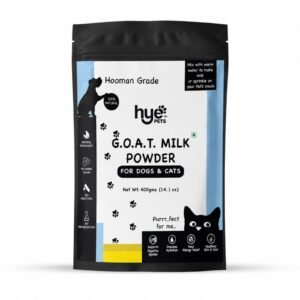
Goat Milk Powder for Dogs and Cats – 400g
Original price was: ₹1,298.86.₹733.96Current price is: ₹733.96. -
 All Products
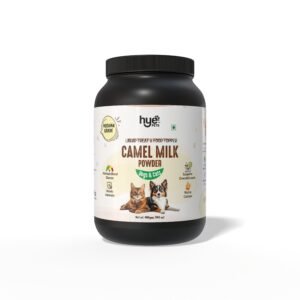
Camel Milk Powder For Dogs and Cats – 400g
Original price was: ₹1,499.75.₹499.00Current price is: ₹499.00. -
 All Products
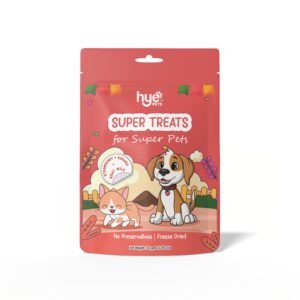
Super Treats for Super Pets made with Goat Milk, Strawberry and Banana | 30g
Original price was: ₹325.00.₹308.75Current price is: ₹308.75. -
 All Products
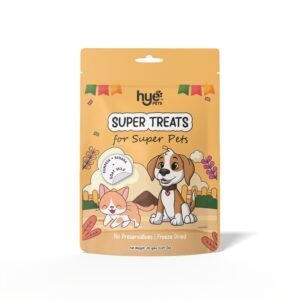
Super Treats for Super Pets made with Goat Milk, Pumpkin and Banana | 30g
Original price was: ₹279.00.₹265.06Current price is: ₹265.06. -
 All Products
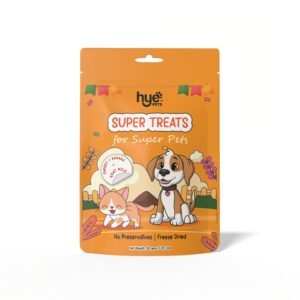
Super Treats for Super Pets made with Goat Milk, Carrot and Banana | 30g
Original price was: ₹279.00.₹265.06Current price is: ₹265.06. -
 All Products
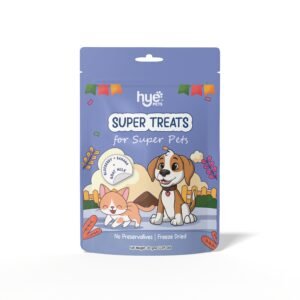
Super Treats for Super Pets made with Goat Milk, Blueberry and Banana | 30g
Original price was: ₹325.00.₹308.75Current price is: ₹308.75. -
 All Products
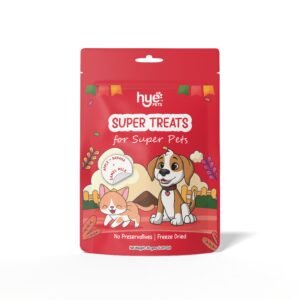
Super Treats for Super Pets made with Camel Milk, Apple and Banana | 30g
Original price was: ₹279.00.₹265.06Current price is: ₹265.06. -
 All Products
Super Treats for Super Pets made Camel Milk, Beetroot and Banana | 30g
Original price was: ₹279.00.₹265.06Current price is: ₹265.06. -
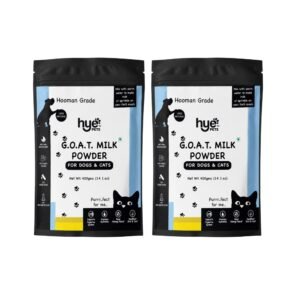 Combos
Goat Milk Powder for Dogs and Cats – Combo Pack (2 x 400g)
Original price was: ₹3,065.28.₹1,680.32Current price is: ₹1,680.32. -
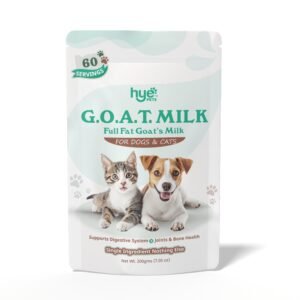 All Products
Goat Milk Powder for Dogs and Cats – 200g
Original price was: ₹698.99.₹657.05Current price is: ₹657.05. -
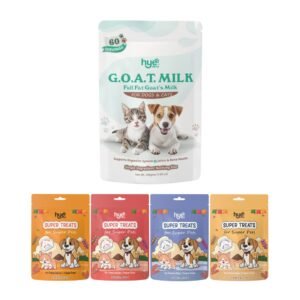 All Products
Goat Milk Powder and Freeze-Dried Goat Milk Treats Combo for Dogs and Cats
Original price was: ₹2,250.26.₹2,067.36Current price is: ₹2,067.36. -
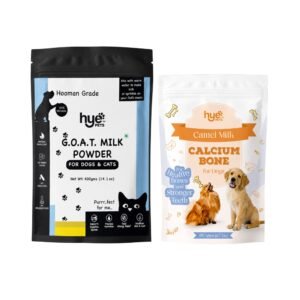 Combos
Goat Milk Powder and Camel Milk Calcium Bone for Dogs – Combo Pack
Original price was: ₹1,826.47.₹1,108.02Current price is: ₹1,108.02. -
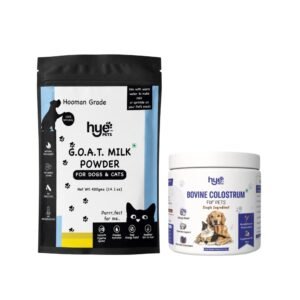 Combos
Goat Milk Powder and Bovine Colostrum Combo for Dogs & Cats
Original price was: ₹2,357.47.₹1,221.30Current price is: ₹1,221.30. -
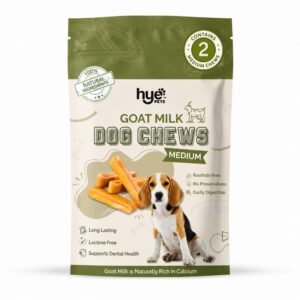 Goat Milk Treats
Goat Milk Dog Chews for Medium Dogs | Rawhide-Free Dental Treats | 2 Chews
Original price was: ₹449.01.₹422.01Current price is: ₹422.01. -
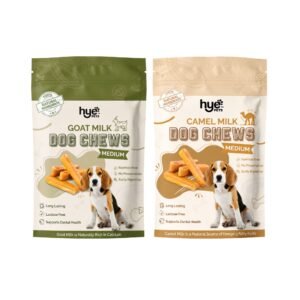 Combos
Goat Milk and Camel Milk Chews Combo for Medium Dogs
Original price was: ₹1,118.64.₹1,019.52Current price is: ₹1,019.52. -
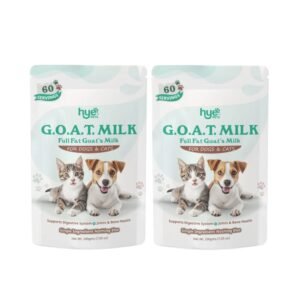 Combos
Full Fat Goat Milk Powder for Dogs and Cats Combo Pack (2 x 200g)
Original price was: ₹1,649.64.₹1,509.22Current price is: ₹1,509.22. -
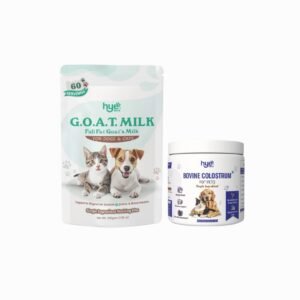 Combos
Full Fat Goat Milk Powder and Bovine Colostrum Combo for Dogs and Cats
Original price was: ₹1,398.01.₹949.01Current price is: ₹949.01.
- All Posts
- Blog
- Blogs
- Recipe
- Stories
- Trivia