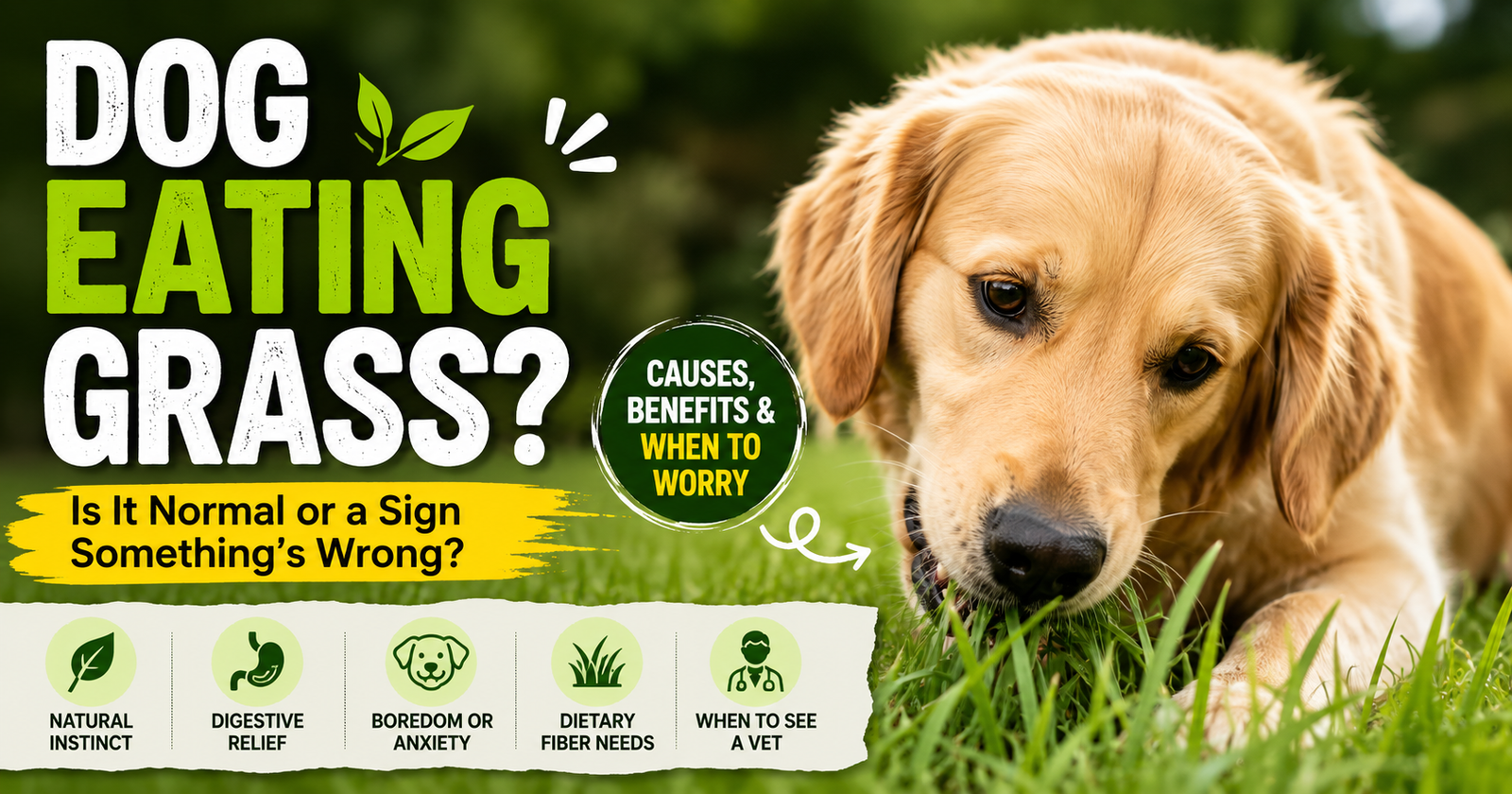
You’re twenty minutes into an otherwise easy walk when your dog suddenly stops, locks onto a patch of lawn, and starts chomping away like a tiny cow.
It’s a common sight that makes almost every pet parent pause Are they sick? Is their stomach hurting? Am I feeding them the wrong food?
Watching a carnivore-leaning pet graze on lawn clippings can feel concerning, but dogs have engaged in this behavior for thousands of years. At the same time, a few blades on a sunny afternoon are usually completely harmless, how and when your dog grazes can offer helpful clues about their overall digestive comfort.
Is It Normal for Dogs to Eat Grass?
Yes, grass eating is a common, normal canine behavior.
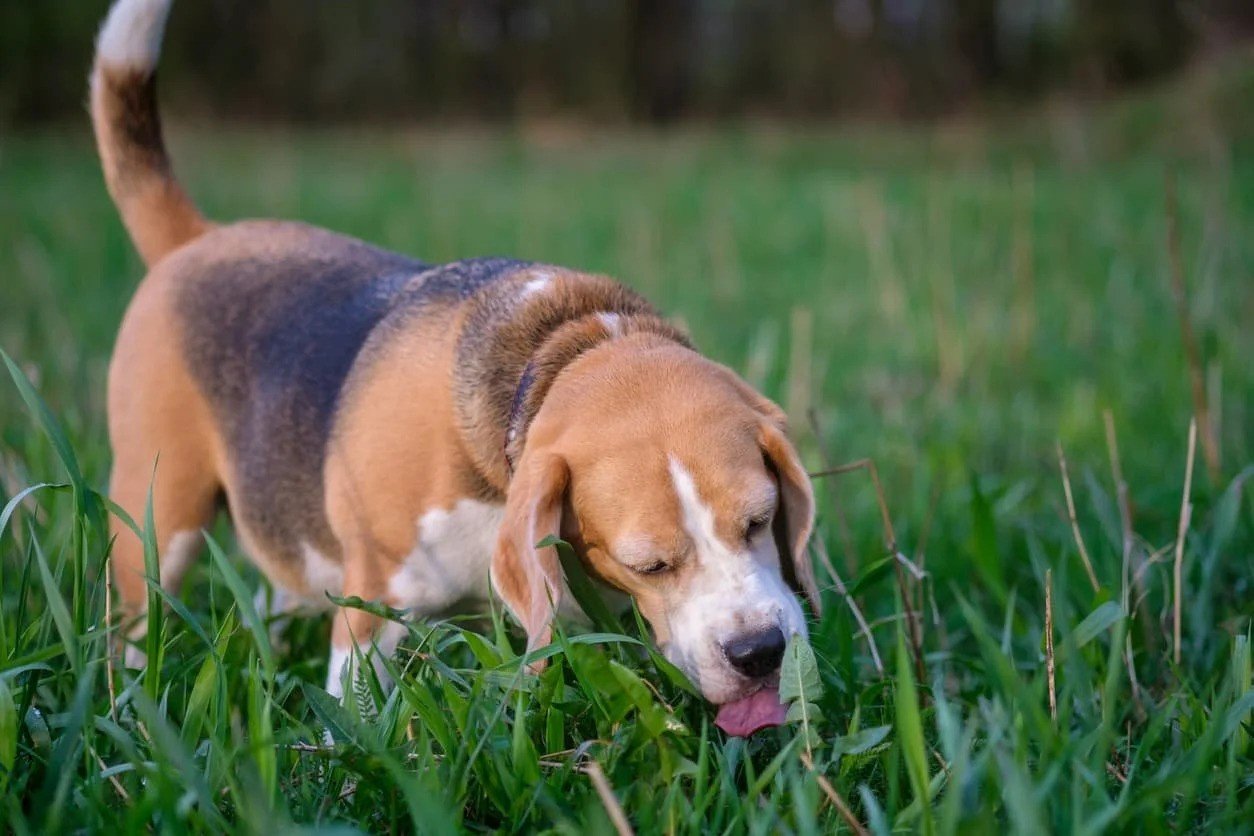
In a landmark survey conducted by researchers at the University of California, Davis School of Veterinary Medicine, nearly 80% of dog owners reported that their dogs regularly ate plants and grass.
It helps to remember that dogs are not strict carnivores biologically, they are opportunistic omnivores. Their wild ancestors naturally consumed plants, berries, and vegetative material. Modern dogs carry those same instincts.
Grazing isn’t restricted to specific breeds or diets either. Raw-fed, kibble-fed, young, and old dogs all sample grass. An occasional nibble is typically fine. The key is simply knowing what’s normal for your specific dog.
Why Do Dogs Eat Grass?
Because dogs can’t tell us what they’re feeling, animal behaviorists and vets look at physical, behavioral, and nutritional clues. As it turns out, there isn’t just one single reason dogs turn to the lawn.
1. Curiosity and Taste
Dogs explore the world mouth-first. Young, dew-covered grass contains natural plant sugars that can make it taste surprisingly crisp and appealing.
Real-Life Observation: If you watch closely, dogs rarely chew on random patches of lawn. They will often sniff out specific tall blades, frequently target-selecting broad-leafed crabgrass or tender spring sprouts, pulling them up with their front incisors.
2. Mild Digestive Relief or Roughage
There’s a long-standing myth that dogs eat grass purely to force themselves to throw up. However, the UC Davis study revealed that less than 22% of dogs vomit after grazing, and only 9% show signs of illness beforehand.
Veterinary experts, including Dr. Jerry Klein, Chief Veterinary Officer for the American Kennel Club (AKC), note that while grass isn’t a deliberate medicine for most dogs, its natural roughage can help support gut transit. Unchewed grass blades may tickle the throat or stomach lining, occasionally triggering a quick purge if a dog feels mild discomfort.
Veterinary clinical studies, such as research published in Applied Animal Behaviour Science, also note that dogs may simply graze out of habit or hunger rather than active gastrointestinal distress.
If your dog deals with a sensitive stomach regularly, keeping an eye out for broader signs of Digestive Problems in Dogs can help you address the root cause.

3. A Natural Drive for Dietary Fiber
Dietary fiber keeps a dog’s digestive tract moving predictably. When a dog’s regular meals lack sufficient crude fiber, their body may prompt them to forage for natural roughage outdoors.
Adding safe, fiber-rich whole foods to their bowl or checking out ideas for High-Fiber Foods for Dogs often satisfies this urge naturally.
4. Boredom or Anxiety
When left alone in a backyard with little to do, grazing gives dogs an easy way to pass the time.
Additionally, veterinary behaviorists note that chewing and licking can act as self-soothing behaviors for anxious pets. Stressed dogs may nibble grass as a comforting routine during loud events or schedule changes.
5. Chronic Gut Conditions
If grazing is sudden, frantic, or happens every single day, it may stem from an underlying medical issue. Conditions like Inflammatory Bowel Disease (IBD), food intolerances, or internal parasites can create ongoing gut discomfort that drives a dog to seek relief.
Instinctive Foraging vs. Pica
Most online guides treat every instance of plant-eating as the exact same habit. However, veterinary specialists distinguish between foraging and pica:
- Instinctive Foraging: Selective, calm nibbling on living plants like fresh lawn grass or dandelion leaves. This is normal biological behavior.
- Pica: Compulsive eating of non-nutritive, non-plant items like dirt, rocks, socks, or dry mulch.
While foraging is usually harmless, pica can be a symptom of underlying nutritional deficiencies or behavioral issues. If your dog regularly consumes non-plant items alongside grass, consult your vet.
Why Do Some Dogs Eat Grass and Throw Up?
When a dog experiences sudden nausea, they may gulp long, coarse blades quickly without chewing.
Those long blades land intact in the stomach, tickling the gastric walls and throat to trigger a protective gag reflex. It’s a natural ancestral survival mechanism designed to purge irritating material.
On the other hand, if a healthy dog simply eats a large amount of grass quickly, overloading their stomach with tough plant fibers can trigger an accidental toss-up.
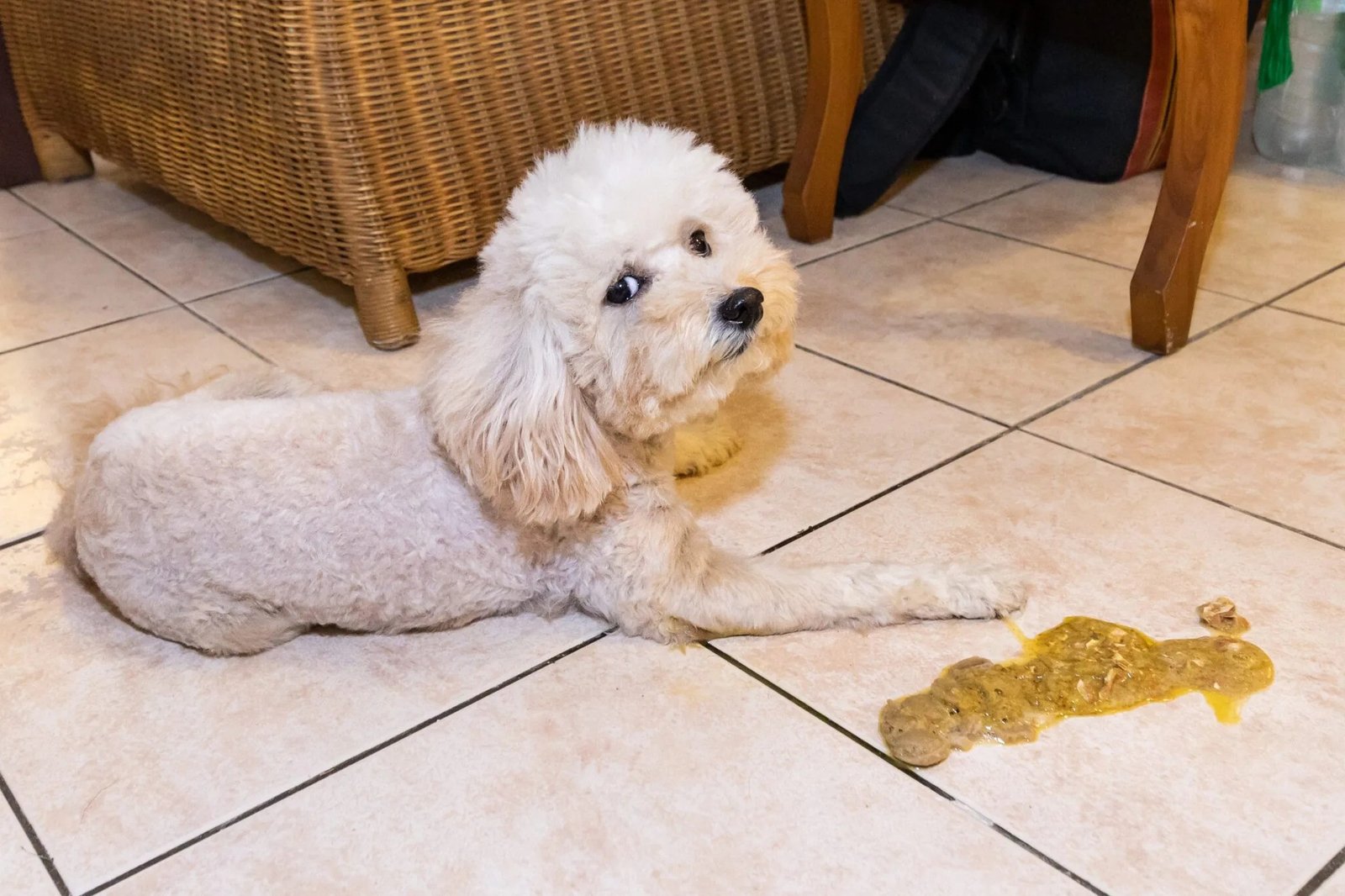
An occasional throw-up after eating grass isn’t an immediate crisis. However, if your dog is repeatedly retching or bringing up bile, review our guide on Dog Vomiting: How to Tell When It’s an Emergency.
Hidden Hazards on the Lawn
While untreated grass itself is non-toxic, public lawns and gardens carry hidden risks:
- Lawn Chemicals: Herbicides, pesticides, and synthetic fertilizers can cause toxicity if ingested.
- Microscopic Parasites: High-traffic park lawns can harbor parasite eggs like roundworms, hookworms, and Giardia left behind by other animals.
- Toxic Fungi & Plants: Wild mushrooms and toxic garden plants like azaleas often hide mixed into unmaintained turf.
- Foxtails & Sharp Weeds: Coarse seed heads can lodge in the throat or migrate painfully into a dog’s gums and nose.
As a general rule, a private, chemical-free backyard is safest for casual grazing. Public park borders and treated lawns should remain off-limits.
When to Call Your Vet
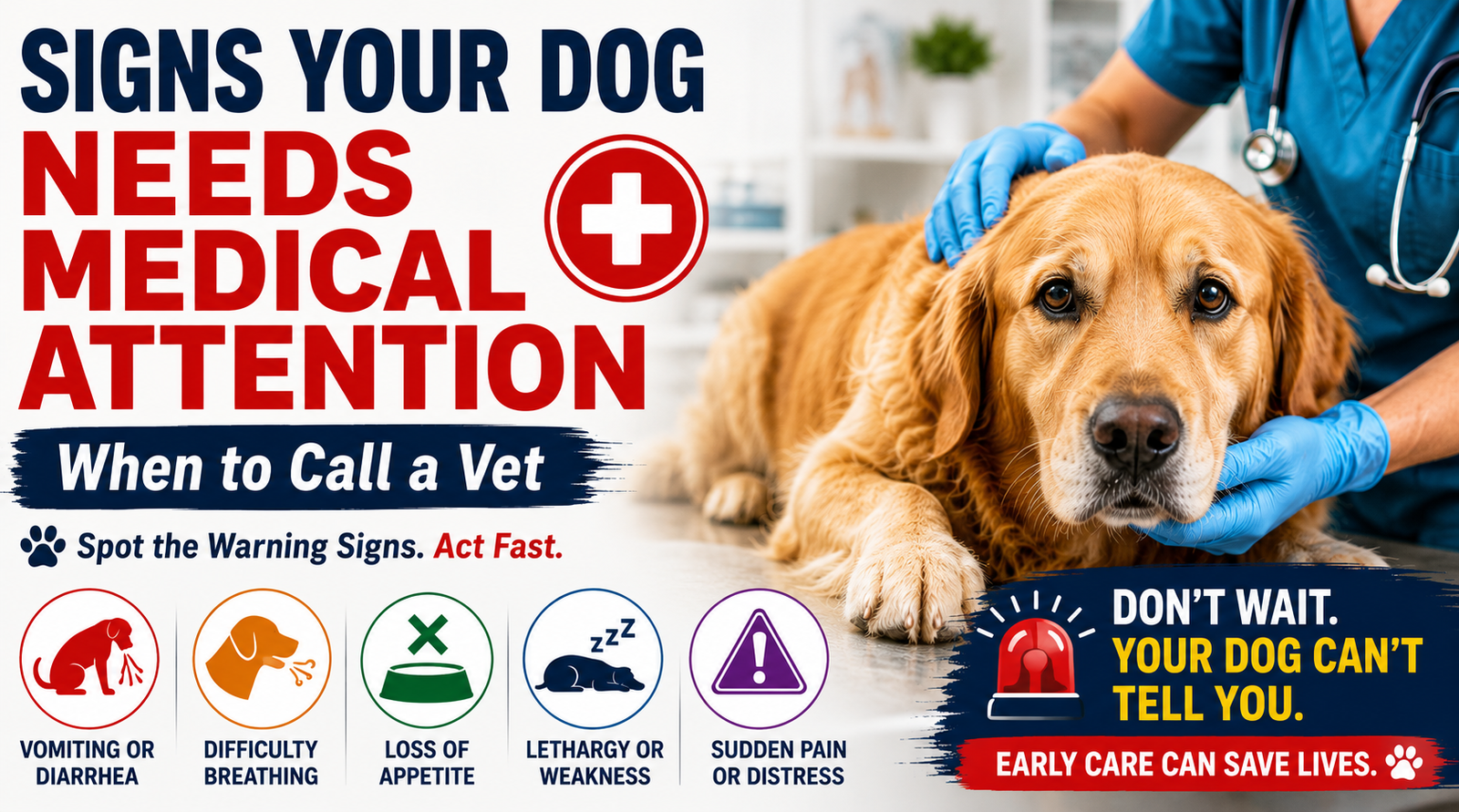
Context is what separates a harmless habit from a health concern. Schedule a checkup if grass eating is accompanied by any of these warning signs:
- Frantic, obsessive daily grazing
- Repeated vomiting or dry-heaving
- Diarrhea or blood in the stool
- Sudden lethargy or refusal to eat regular meals
- Stretching into a prayer position, front legs down, rear end up, signaling abdominal discomfort
Practical Ways to Reduce Grass Eating
If your vet has ruled out medical issues and you’d like to scale back their grazing habit, a few simple adjustments can help.
1. Adjust Fiber and Balance Their Bowl
Ensuring your dog’s daily meals contain adequate fiber helps curb the physical drive to forage. Adding pureed pumpkin, steamed green beans, or cooked carrots directly to their bowl is an easy, natural way to add healthy fiber.
Reviewing a comprehensive Dog Food Guide can help confirm whether their diet matches their age, weight, and activity level.
2. Support Overall Digestive Health
A settled gut reduces the urge to seek out roughage for relief.
- Add Probiotics: Introducing daily Probiotics for Dogs helps balance gut bacteria.
- Incorporate Whole Foods: Digestible additions like fresh Goat Milk for Dogs offer gentle nutrition for sensitive stomachs.
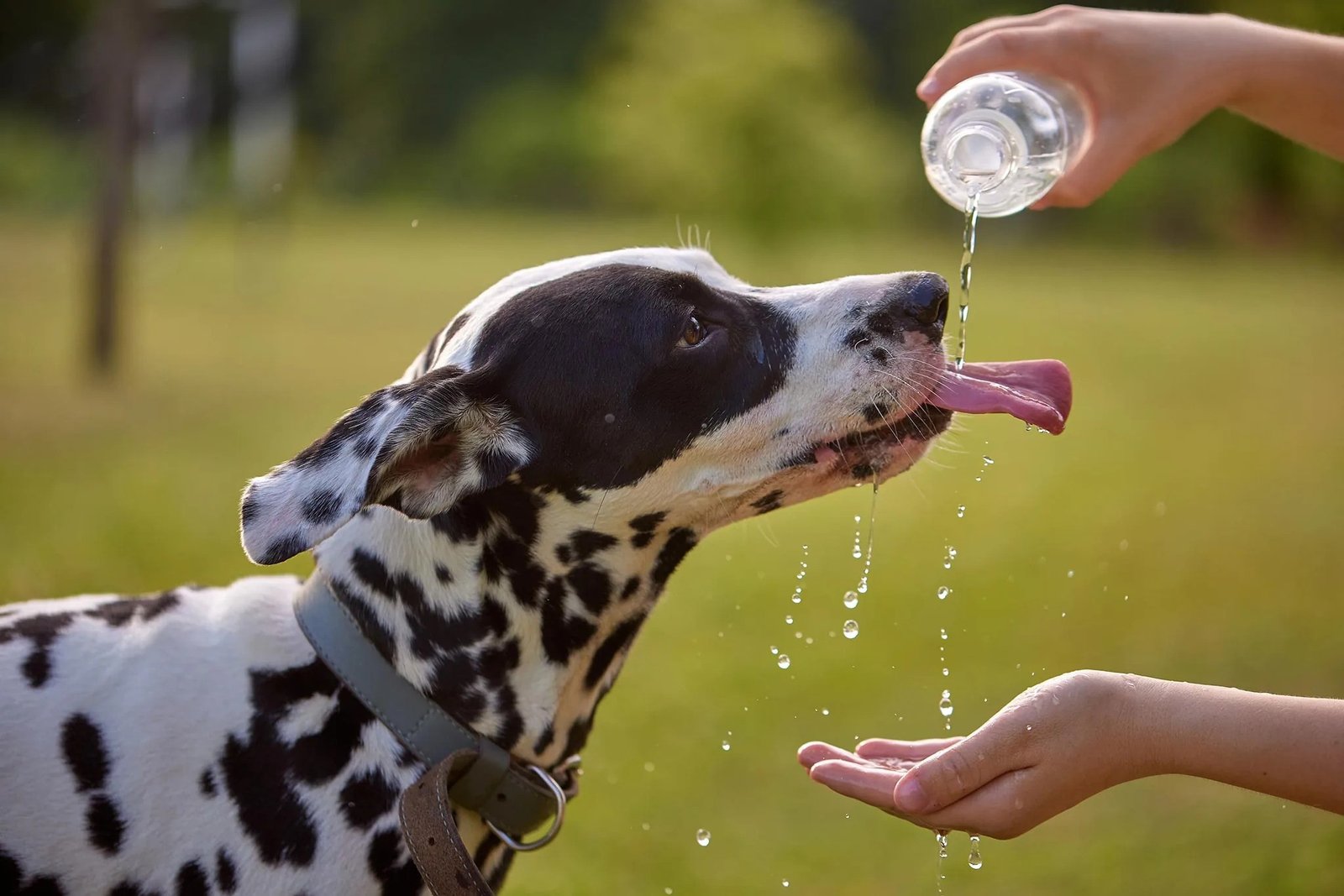
- Keep Fluids Up: Dehydration can mimic hunger or discomfort. Simple tips in our Dog Hydration Guide can help keep fluid levels optimal.
For dogs with occasional stomach sensitivity, a gentle gut supplement such as HyePets Digestive Support provides a balanced blend of daily probiotics and soothing ingredients to help support smooth digestion.
3. Add Mental Stimulation and Exercise
If your dog wanders the yard nibbling grass out of boredom, redirect their focus. Swap standard food bowls for puzzle feeders, scatter kibble across the patio for a snuffle game, or engage in active play before yard time.
The Bottom Line
Watching your dog stop for a lawn snack can be puzzling, but in the vast majority of cases, it’s a normal, harmless canine habit. Whether they are following ancient instincts, seeking extra fiber, or simply enjoying a crisp crunch, it’s rarely a sign of trouble.
As long as your dog is energetic, eating well, and grazing on chemical-free grass, you can relax and enjoy your time outdoors together.
-
 All Products
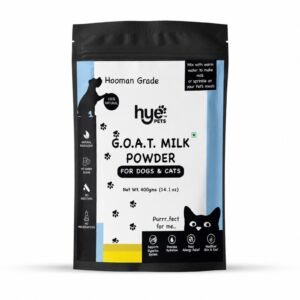
Goat Milk Powder for Dogs and Cats – 400g
Original price was: ₹1,298.86.₹733.96Current price is: ₹733.96. -
 All Products
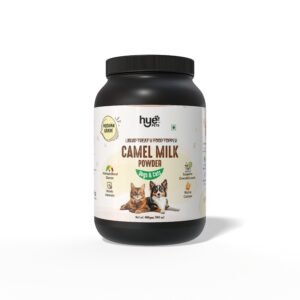
Camel Milk Powder For Dogs and Cats – 400g
Original price was: ₹1,499.75.₹499.00Current price is: ₹499.00. -
 All Products
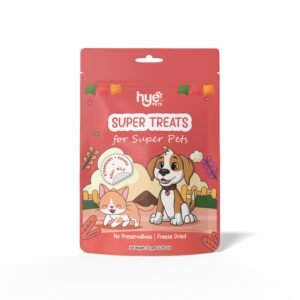
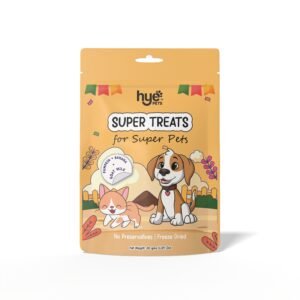
Super Treats for Super Pets made with Goat Milk, Strawberry and Banana | 30g
Original price was: ₹325.00.₹308.75Current price is: ₹308.75. -
 All Products
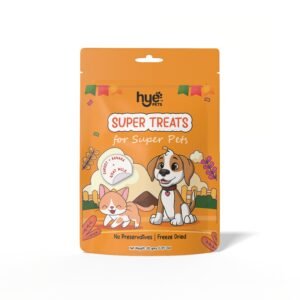
Super Treats for Super Pets made with Goat Milk, Pumpkin and Banana | 30g
Original price was: ₹279.00.₹265.06Current price is: ₹265.06. -
 All Products
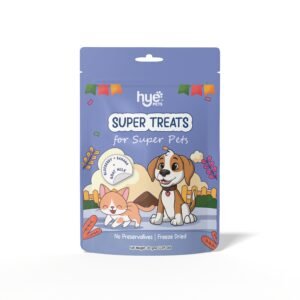
Super Treats for Super Pets made with Goat Milk, Carrot and Banana | 30g
Original price was: ₹279.00.₹265.06Current price is: ₹265.06. -
 All Products
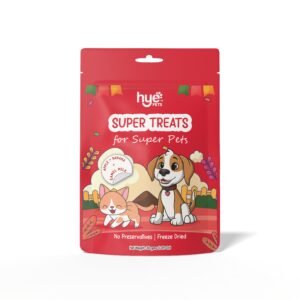
Super Treats for Super Pets made with Goat Milk, Blueberry and Banana | 30g
Original price was: ₹325.00.₹308.75Current price is: ₹308.75. -
 Out of stockAll Products
Super Treats for Super Pets made with Camel Milk, Apple and Banana | 30g
Original price was: ₹279.00.₹265.06Current price is: ₹265.06. -
 All Products
Super Treats for Super Pets made Camel Milk, Beetroot and Banana | 30g
Original price was: ₹279.00.₹265.06Current price is: ₹265.06. -
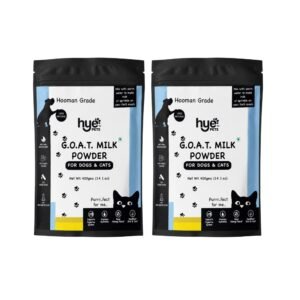 Combos
Goat Milk Powder for Dogs and Cats – Combo Pack (2 x 400g)
Original price was: ₹3,065.28.₹1,680.32Current price is: ₹1,680.32. -
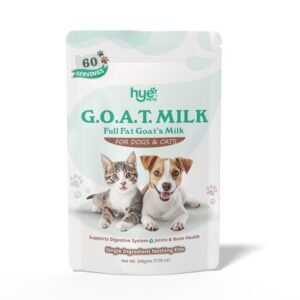 All Products
Goat Milk Powder for Dogs and Cats – 200g
Original price was: ₹698.99.₹657.05Current price is: ₹657.05. -
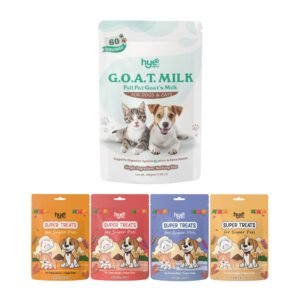 All Products
Goat Milk Powder and Freeze-Dried Goat Milk Treats Combo for Dogs and Cats
Original price was: ₹2,250.26.₹2,067.36Current price is: ₹2,067.36. -
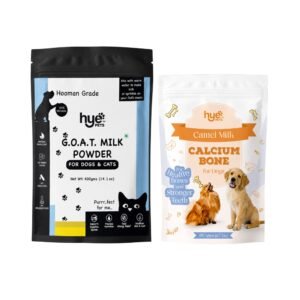 Combos
Goat Milk Powder and Camel Milk Calcium Bone for Dogs – Combo Pack
Original price was: ₹1,826.47.₹1,108.02Current price is: ₹1,108.02. -
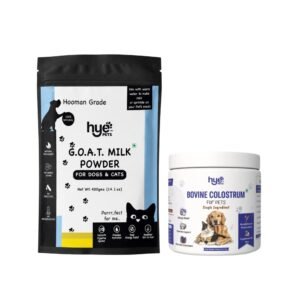 Combos
Goat Milk Powder and Bovine Colostrum Combo for Dogs & Cats
Original price was: ₹2,357.47.₹1,221.30Current price is: ₹1,221.30. -
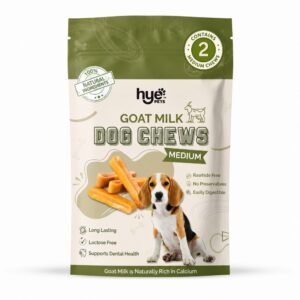 Goat Milk Treats
Goat Milk Dog Chews for Medium Dogs | Rawhide-Free Dental Treats | 2 Chews
Original price was: ₹449.01.₹422.01Current price is: ₹422.01. -
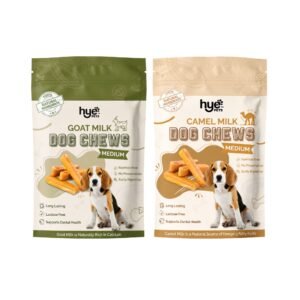 Combos
Goat Milk and Camel Milk Chews Combo for Medium Dogs
Original price was: ₹1,118.64.₹1,019.52Current price is: ₹1,019.52. -
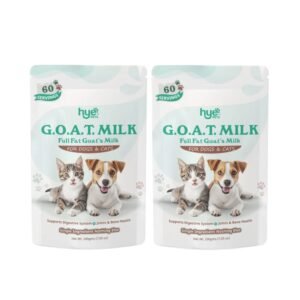 Combos
Full Fat Goat Milk Powder for Dogs and Cats Combo Pack (2 x 200g)
Original price was: ₹1,649.64.₹1,509.22Current price is: ₹1,509.22. -
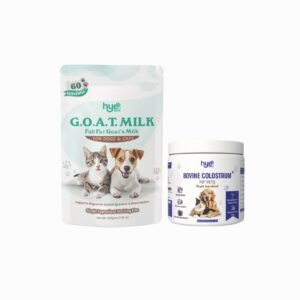 Combos
Full Fat Goat Milk Powder and Bovine Colostrum Combo for Dogs and Cats
Original price was: ₹1,398.01.₹949.01Current price is: ₹949.01.
- All Posts
- Blog
- Blogs
- Recipe
- Stories
- Trivia