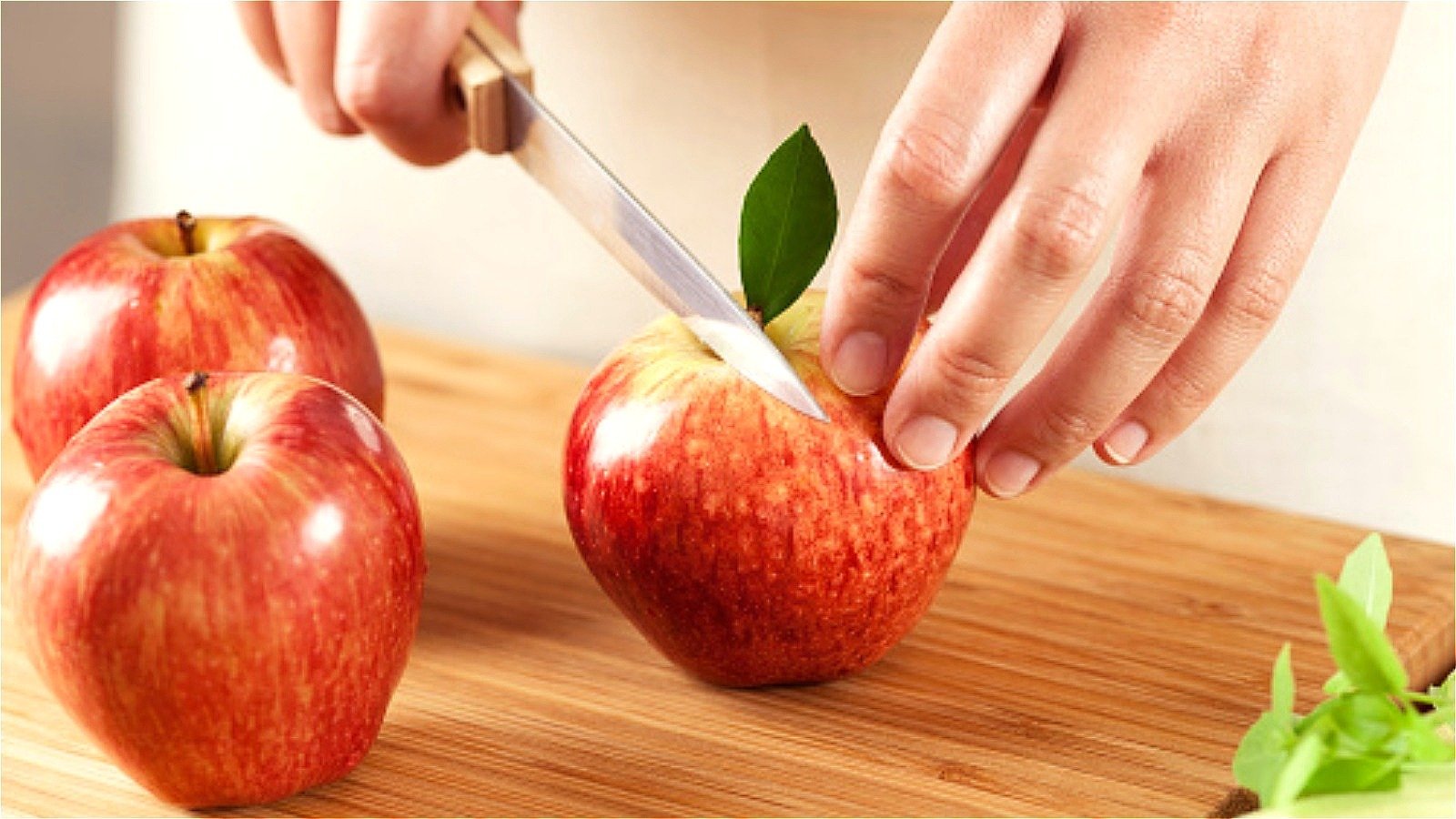
You’re standing at the counter cutting up an apple for yourself. Before you even lay the knife down, you hear that familiar thump-thump-thump of a tail hitting the kitchen floor.
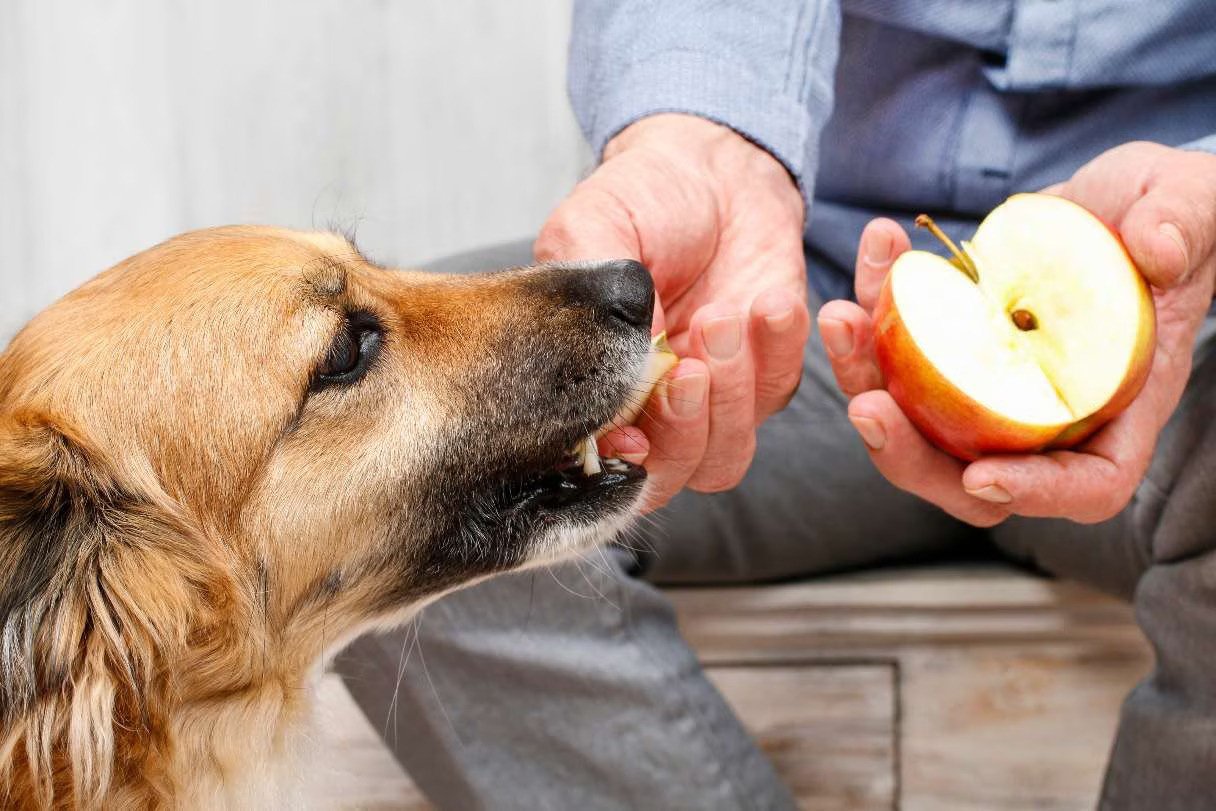
You look down, and your dog is staring up at the cutting board like it’s the most important thing in the world.
It’s hard to resist tossing a piece down. But if you’ve ever spent a long night cleaning up after a pup with a sudden stomach bug, you know it’s always worth checking first.
The short answer is yes, dogs can safely eat apples. They are cheap, easy to prep, and most dogs love them. That said, handing over a whole fruit is asking for trouble. It takes less than a minute to slice an apple safely, which keeps your dog out of the vet’s office for a preventable blockage.
Why the Crunch Is Such a Big Deal to Your Dog
If you’ve ever wondered why your dog comes running the second an apple cracks open, it usually comes down to simple acoustics.
Dogs experience the world through sound and texture just as much as taste. That sharp, juicy crunch hits the same sensory spot as a fresh chew toy, only without the artificial colors or heavy fat packed into standard processed meat biscuits.
Fruit is also a quiet lifesaver for dog owners dealing with a pet on a weight-loss plan. When a vet tells you to cut back your dog’s daily food intake, the hardest part isn’t reducing the kibble, it’s dealing with the guilt of cutting out treat time. Replacing heavy marrow bones with a few fresh apple pieces lets you keep your reward routine intact without piling on unnecessary calories.
The key is watching the sugar content. Apples are packed with natural fructose, and a dog’s short digestive tract isn’t built to handle big hits of fruit sugar at once. Think of them as a fun weekend extra, not a daily meal topper.
What the Flesh Actually Provides and What to Throw Away
When served correctly, the sweet white flesh of an apple offers genuine nutritional value supported by veterinary research:
- Skin and coat health: Small doses of Vitamin A and C help support skin cell renewal and immune function (American Kennel Club).
- Controlled calories: Veterinary guidelines recommend keeping all treats under 10% of a dog’s total daily calories, making low-fat fruits an ideal training tool.
- Gut support: The soluble fiber in apples, mainly pectin, helps firm up loose stools and keeps digestion moving smoothly (PetMD).
Where Things Go Wrong
While the flesh is healthy, the rest of the apple brings real hazards.
The seeds contain amygdalin, a plant compound that releases cyanide when chewed up. A single stray seed won’t drop a large Retriever, but toxins build up over time and for toy breeds like Yorkies or Frenchies, even tiny amounts pose a risk.
Then there’s the core itself. Dogs don’t chew like humans they bite once or twice and attempt to gulp food down whole. The rubbery center core is nearly impossible for a dog’s stomach acid to dissolve quickly, meaning a swallowed core can easily lodge in the esophagus or trigger an intestinal blockage.
Finally, introduce fruit slowly. If your dog has eaten the exact same dry kibble for three years straight, dropping a cup of raw apple into their bowl out of nowhere will irritate their stomach lining, leading to gas and a messy yard clean-up later.
Slicing It Right: Portion Sizes and Prep
How much apple can you actually hand over? Rather than guessing, match the portion size to your dog’s weight class:
Dog Size | Example Breeds | Daily Limit | Best Way to Serve |
Small (Under 20 lbs) | Pug, Shih Tzu, Frenchie | 1–2 small cubes | Finely diced (1/4-inch) |
Medium (20–50 lbs) | Beagle, Aussie, Spaniel | 2–3 thin slices | Thin wedges |
Large (Over 50 lbs) | Lab, Shepherd, Golden | 4–5 thin slices | Thick slices or chunks |
When prepping the fruit, scrub the skin under warm water to strip off the food-grade wax grocery stores use to preserve shelf life. Slice around the middle to leave the stem, core, and seeds behind in one piece, and drop that core straight into a covered trash can so your dog can’t scavenge it later.
If you’re using apple pieces for trick training, chop a single slice into dozens of tiny, fingernail-sized bits. Dogs don’t care about the volume of a reward they react to how frequently they get one.
Applesauce, Peels, and Green Varieties
Not all apple products are created equal when it comes to your dog’s bowl:
- Unsweetened Applesauce: Plain applesauce works wonderfully for smearing onto a lick mat or hiding bitter prescription pills. Just double-check the label for xylitol, sometimes listed as birch sugar, an artificial sweetener that is deadly to dogs even in minute amounts.
- Green Apples (Granny Smith): Green apples are completely safe, but they carry a much higher acid content than red varieties like Gala or Fuji. That sour tang can trigger mild acid reflux or lip-licking discomfort in dogs with sensitive stomachs.
- Apple Peels: The skin is safe to leave on and contains the highest concentration of fiber. However, if your dog has a sensitive stomach, peeling the apple first makes it slightly easier to digest.
What to Do If Your Dog Snags a Core
If you turn your back for two seconds and your dog clears an apple core off the table, try not to panic. Many dogs pass small pieces without incident, but a core remains a recognized choking and obstruction risk.
Keep a close eye on your dog over the next 24 to 48 hours. If you are ever unsure or notice unusual behavior, call your vet or an animal poison hotline right away.
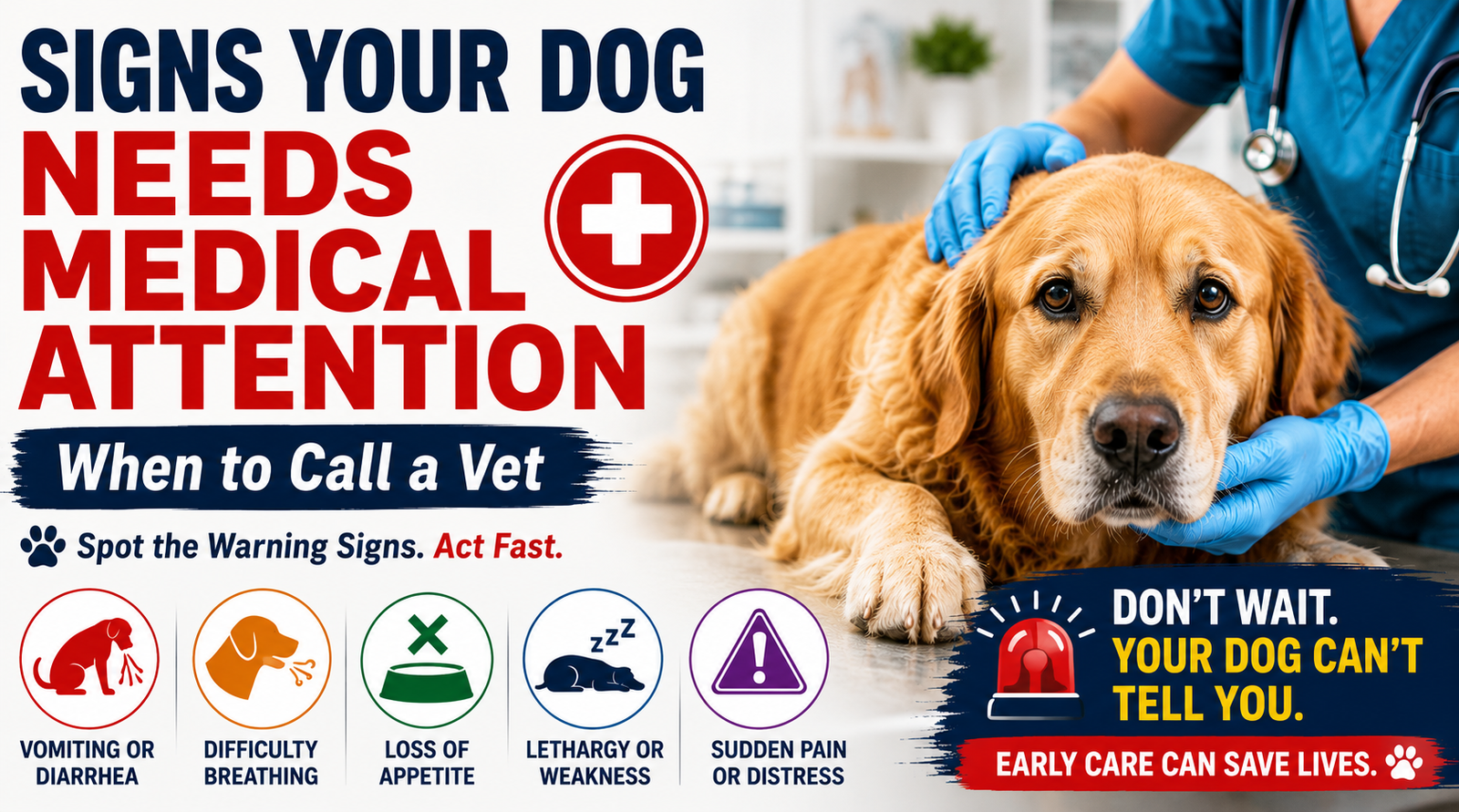
Seek immediate veterinary care if you see any of these warning signs:
- Repeated dry heaving, gagging, or vomiting
- Refusing to eat their normal dinner or acting unusually lethargic
- Straining repeatedly when trying to poop
- Whining or showing obvious pain when attempting to lie down
The Bottom Line
Sharing fresh food with your dog is a great way to build variety into their day. Apples prove that a good treat doesn’t need to come out of an expensive bag. Sometimes simple produce does the job best.
Just keep the basic rules in mind: ditch the seeds, throw away the core, wash the skin, and keep the portions small.
-
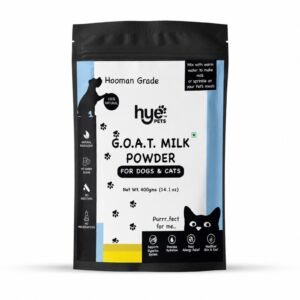 All Products
Goat Milk Powder for Dogs and Cats – 400g
Original price was: ₹1,298.86.₹733.96Current price is: ₹733.96. -
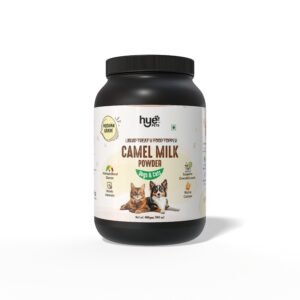 All Products
Camel Milk Powder For Dogs and Cats – 400g
Original price was: ₹1,499.75.₹499.00Current price is: ₹499.00. -
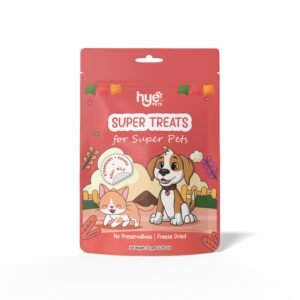 All Products
Super Treats for Super Pets made with Goat Milk, Strawberry and Banana | 30g
Original price was: ₹325.00.₹308.75Current price is: ₹308.75. -
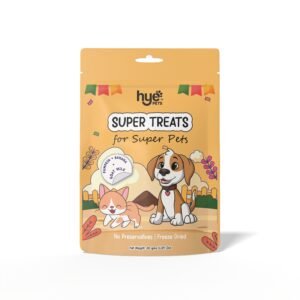 All Products
Super Treats for Super Pets made with Goat Milk, Pumpkin and Banana | 30g
Original price was: ₹279.00.₹265.06Current price is: ₹265.06. -
 All Products
Super Treats for Super Pets made with Goat Milk, Carrot and Banana | 30g
Original price was: ₹279.00.₹265.06Current price is: ₹265.06. -
 All Products
Super Treats for Super Pets made with Goat Milk, Blueberry and Banana | 30g
Original price was: ₹325.00.₹308.75Current price is: ₹308.75. -
 Out of stockAll Products
Super Treats for Super Pets made with Camel Milk, Apple and Banana | 30g
Original price was: ₹279.00.₹265.06Current price is: ₹265.06. -
 All Products
Super Treats for Super Pets made Camel Milk, Beetroot and Banana | 30g
Original price was: ₹279.00.₹265.06Current price is: ₹265.06. -
 Combos
Goat Milk Powder for Dogs and Cats – Combo Pack (2 x 400g)
Original price was: ₹3,065.28.₹1,680.32Current price is: ₹1,680.32. -
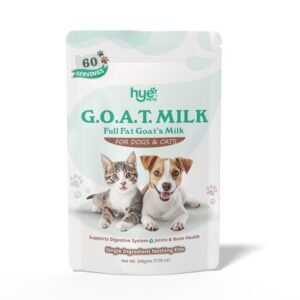 All Products
Goat Milk Powder for Dogs and Cats – 200g
Original price was: ₹698.99.₹657.05Current price is: ₹657.05. -
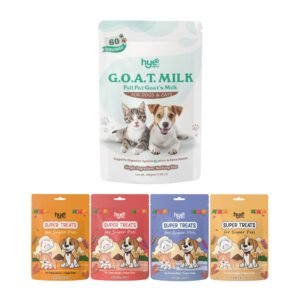 All Products
Goat Milk Powder and Freeze-Dried Goat Milk Treats Combo for Dogs and Cats
Original price was: ₹2,250.26.₹2,067.36Current price is: ₹2,067.36. -
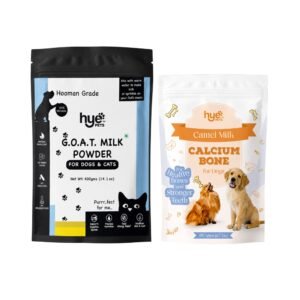 Combos
Goat Milk Powder and Camel Milk Calcium Bone for Dogs – Combo Pack
Original price was: ₹1,826.47.₹1,108.02Current price is: ₹1,108.02. -
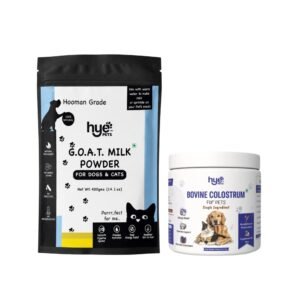 Combos
Goat Milk Powder and Bovine Colostrum Combo for Dogs & Cats
Original price was: ₹2,357.47.₹1,221.30Current price is: ₹1,221.30. -
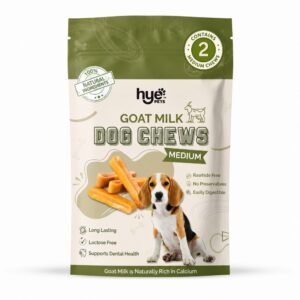 Goat Milk Treats
Goat Milk Dog Chews for Medium Dogs | Rawhide-Free Dental Treats | 2 Chews
Original price was: ₹449.01.₹422.01Current price is: ₹422.01. -
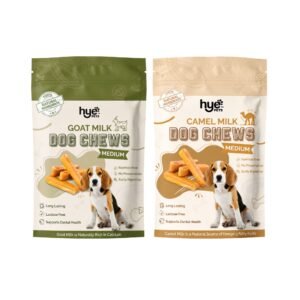 Combos
Goat Milk and Camel Milk Chews Combo for Medium Dogs
Original price was: ₹1,118.64.₹1,019.52Current price is: ₹1,019.52. -
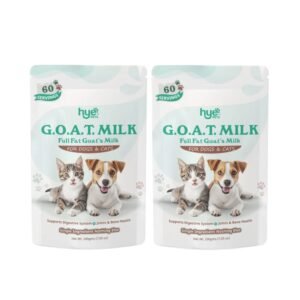 Combos
Full Fat Goat Milk Powder for Dogs and Cats Combo Pack (2 x 200g)
Original price was: ₹1,649.64.₹1,509.22Current price is: ₹1,509.22. -
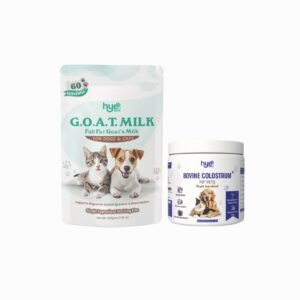 Combos
Full Fat Goat Milk Powder and Bovine Colostrum Combo for Dogs and Cats
Original price was: ₹1,398.01.₹949.01Current price is: ₹949.01.
- All Posts
- Blog
- Blogs
- Recipe
- Stories
- Trivia