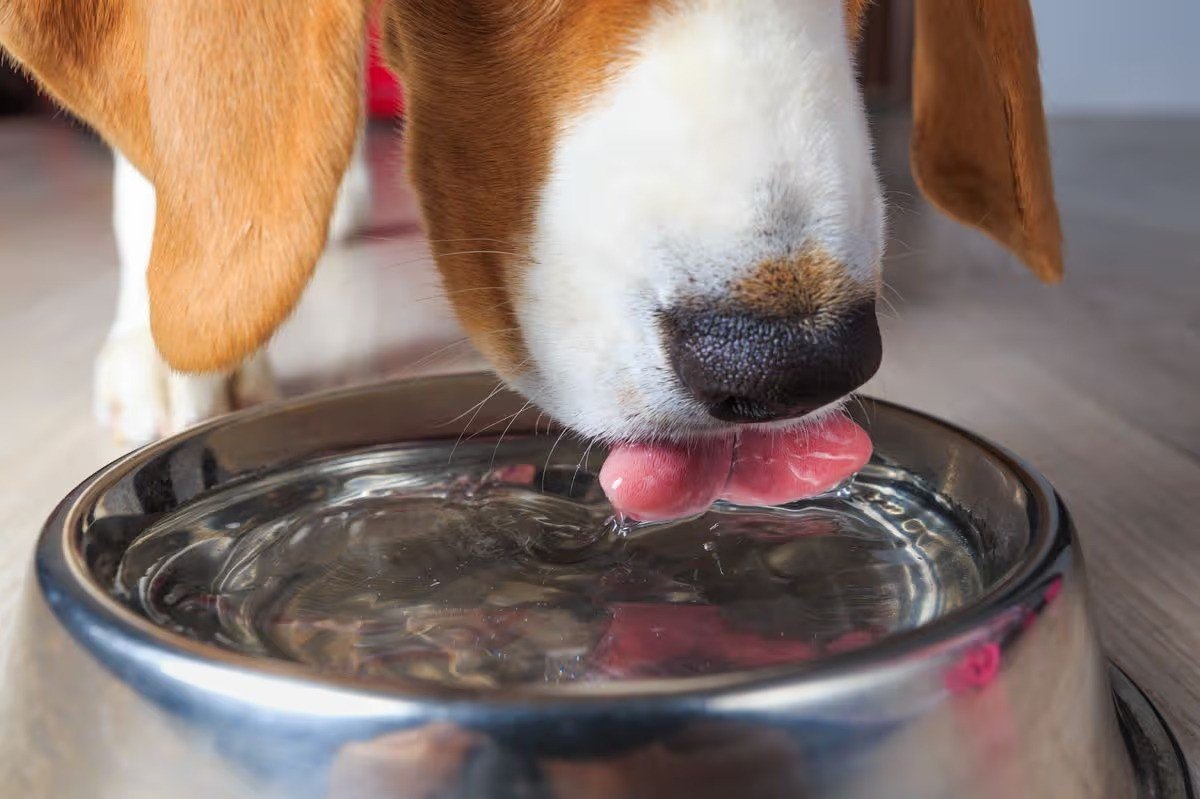
We’ve all watched the ritual a thousand times. Your dog trots over to the water bowl, takes a few noisy gulps, leaves a trail of wet footprints on the kitchen floor, and wanders away. You glance at the bowl, see it’s still mostly full, and think, Perfect. Job done.
It’s an easy assumption to make. If the water is there and the dog is drinking it, we figure their hydration is officially taken care of.
But if you look closer at how modern dogs actually live, that full bowl can be a bit of an illusion. A lot of our dogs are walking around with a mild, ongoing water deficit. They aren’t in any immediate danger, and we aren’t talking about emergency heatstroke here. It’s more of an invisible middle ground, a slow, quiet drain on their everyday vitality.
When a dog is running low on fluids, it doesn’t look like a medical crisis. It looks like a coat that’s lost its shine, a little less enthusiasm when you pull out the tennis ball, or a digestive system that’s just a bit sluggish. To get a real idea of how they’re doing, we have to look past the surface of the water bowl.
The Difference Between Drinking and Absorbing
We tend to treat a dog like a bucket, put water in, and the bucket is full. But canine biology doesn’t really work that way. There is a huge difference between the water a dog swallows and the moisture that actually makes it into their system.
Think about a hot summer afternoon. Your dog comes inside from the yard, pants heavily, and clears out a whole bowl of water in one sitting. Then, ten minutes later, they’re standing by the back door asking to go right back out to pee it all onto the grass.
That isn’t true hydration. The water just passed straight through them.
When a dog chugs a massive amount of plain water all at once, their body often just triggers a reflex to flush the excess away to keep things balanced. For water to actually soak into a dog’s tissues and do some good, it needs to be taken in gradually and paired with natural minerals like sodium and potassium. Without those elements helping to balance things out, the water moves too fast to be of much use.
Why Modern Homes Create a Hidden Problem
Our dogs live incredibly comfortable lives, but our houses are a far cry from the environments their bodies were built for. Without realizing it, the modern setups we provide can actually dry them out.
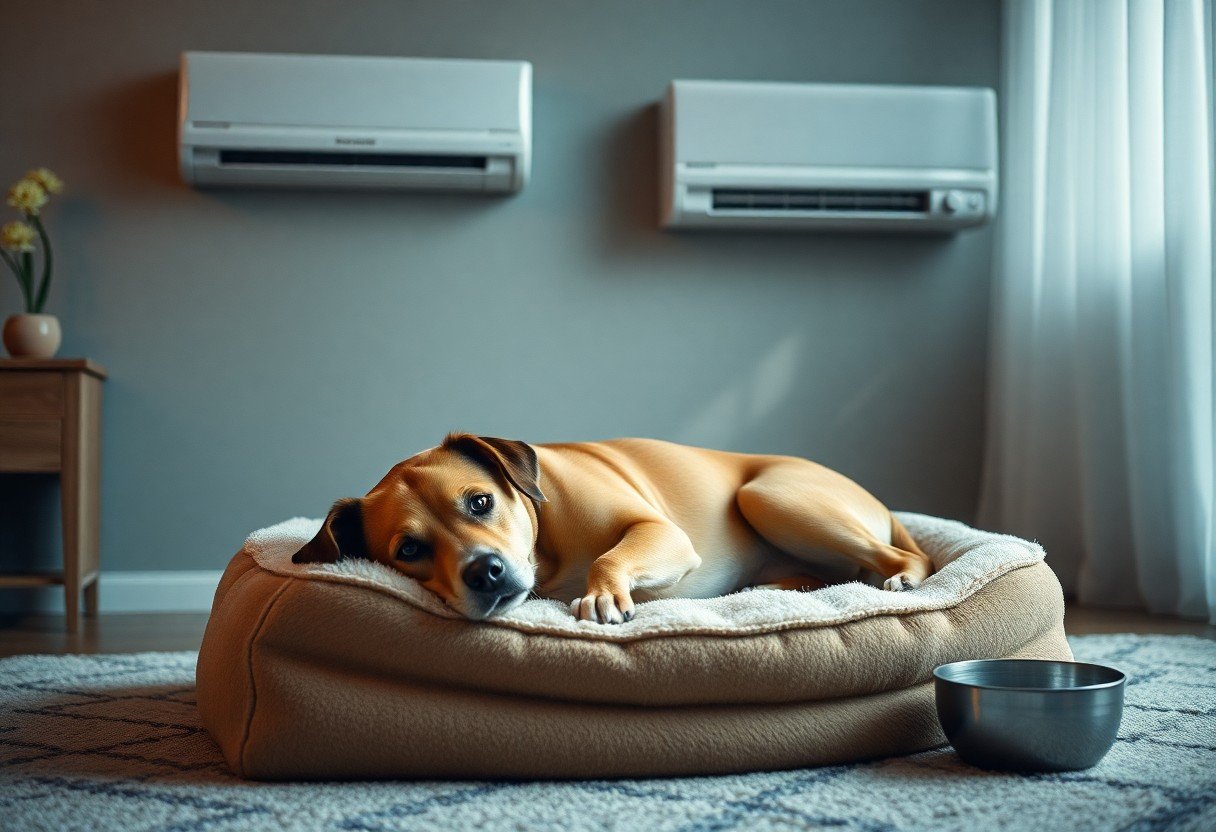
Take the air inside your house. Whether you have the AC blasting in July or the central heat cranking in January, climate control works by stripping humidity out of the room. Because dogs rely so heavily on panting and breathing to regulate their temperature, spending twenty hours a day in a dry house naturally saps their fluid levels with every single breath.
Then there’s how we exercise them. A lot of dogs spend most of the day sleeping on a plush sofa, only to hit a sudden, high-intensity burst of energy at the park sprinting after toys and wrestling with other dogs. That sudden shift requires an immense amount of fluid to keep muscles and joints moving smoothly. A quick rinse at a communal bowl on the way back to the car rarely makes up for what they lost.
Historically, a dog’s ancestors got most of their daily water directly from the fresh, moisture-rich food they ate. Today, we’ve flipped that script entirely, and it leaves modern dogs working much harder just to stay level.
What Fluids Actually Do Behind the Scenes
To see why a lack of moisture takes such a toll, it helps to think of water as your dog’s main transport system. When fluids run low, everything slows down. The body has to work twice as hard just to do basic daily maintenance.
When a dog is genuinely hydrated, their internal systems run exactly the way they’re supposed to:
- The Delivery System: Blood is mostly water. When fluid levels are right, oxygen and nutrients move effortlessly to vital organs, and waste products are swept cleanly out through the kidneys.
- The Cushion: Joint cartilage needs water to stay spongy and flexible. A well-hydrated dog moves with more ease because their joints have enough fluid to absorb the impact of running and jumping.
- The Cooling System: Since dogs don’t sweat through their skin like we do, their cooling relies entirely on moisture. Good hydration keeps their panting efficient so they don’t overheat during everyday activities.
The Subtle Signs You Might Be Missing
Because this kind of low-grade dehydration is a slow, quiet thing, it doesn’t show up with dramatic symptoms. Instead, it manifests as small behavioral shifts that are easy to chalk up to just getting older or having a lazy day.
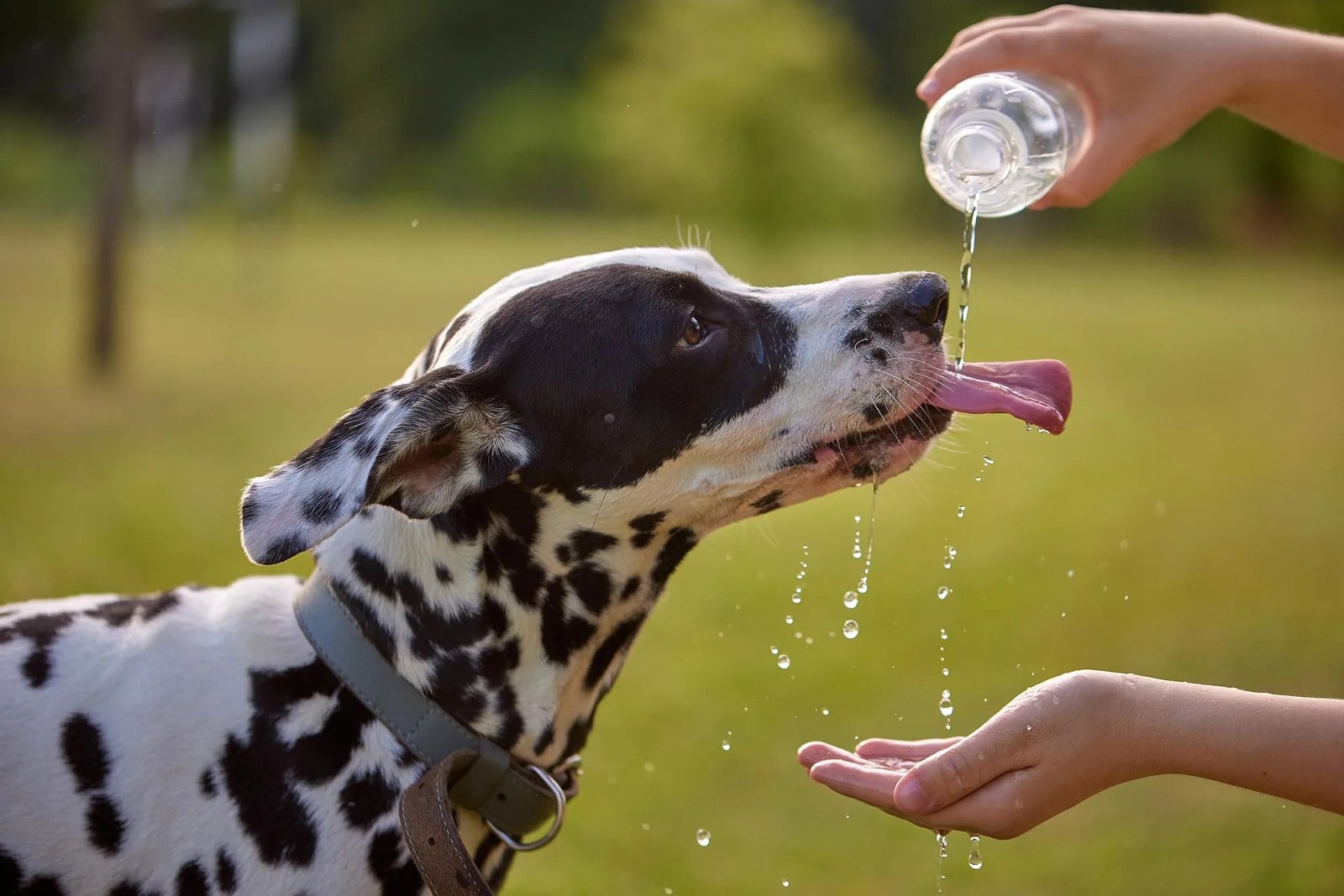
If you want to know where your dog really stands, you have to look for the smaller clues:
- The Tacky Test: Next time your dog comes over for a scratch behind the ears, lift their lip. Their gums should feel slick, wet, and slippery. If they feel tacky or sticky, or if their saliva seems thick and stringy, they’re running low on water.
- The Skin Snap: Gently pinch a small fold of skin between your dog’s shoulder blades and let it go. On a healthy, hydrated dog, the skin snaps back into place instantly. If it hesitates for a second or slowly glides back down, the tissue is losing its natural elasticity.
- The Energy Slump: Watch how your dog recovers after a routine walk. If a route that used to leave them happy and alert now leaves them panting on the kitchen tile for an hour, they might be short on fluids.
- Bathroom Clues: Pay attention on your daily walks. Dark, highly concentrated urine or small, hard stools are clear signs that the body is straining to hold onto every drop of water it can find.
The Kibble Conundrum
We can’t talk about a dog’s hydration without talking about what goes into their bowl twice a day. Modern dry kibble is great it’s convenient, lasts forever, and offers balanced nutrition. But from a purely physical standpoint, it is completely dry.
A natural, fresh canine diet consists of foods that are roughly 70% to 80% water. Standard dry kibble usually sits at around 10%.
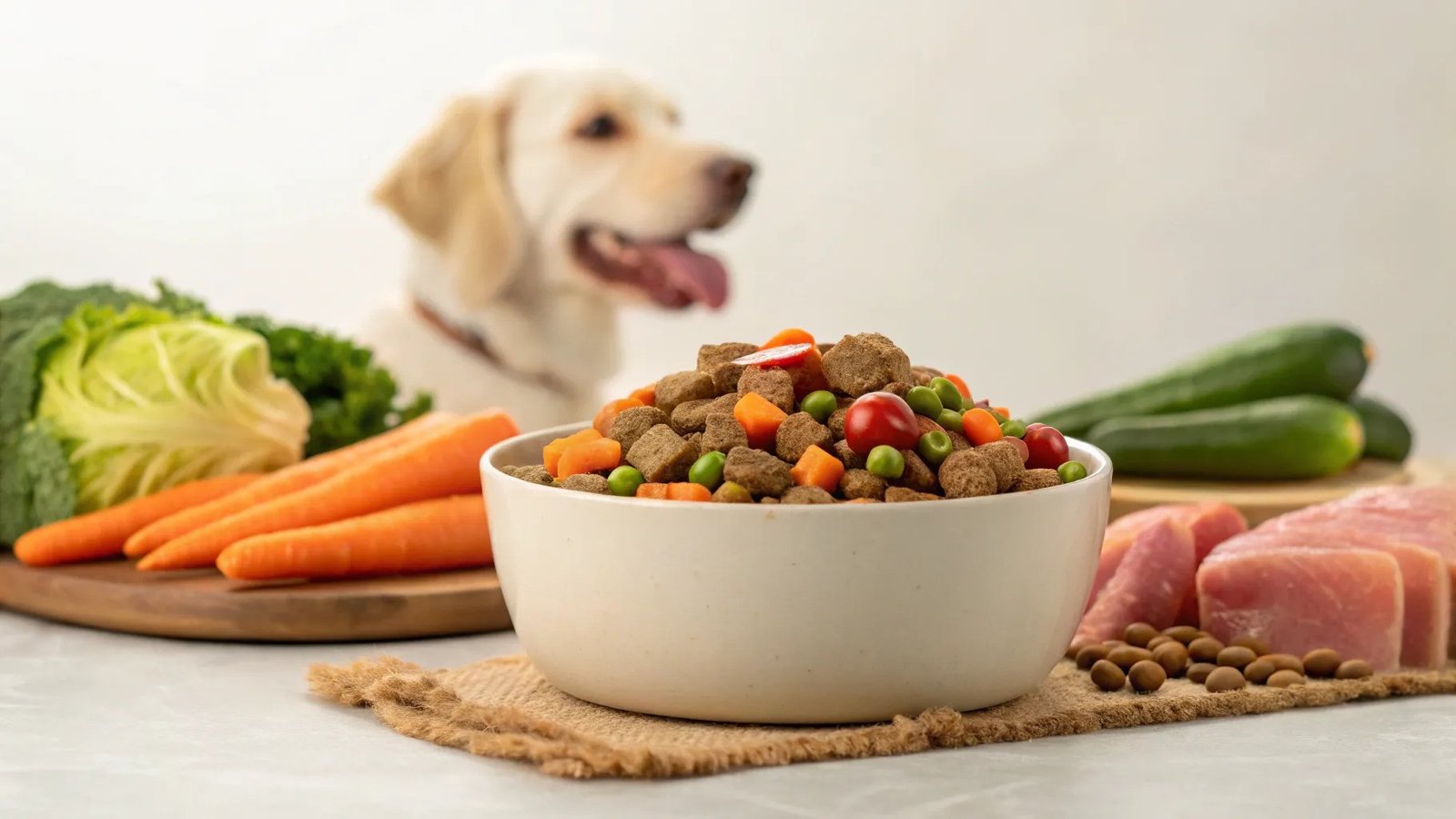
When a dog eats a meal of completely dry food, their body can’t digest it right away. The stomach actually has to pull moisture from the rest of the body just to wet the food down so it can be broken down and processed.
You’ve probably noticed that kibble-fed dogs tend to drink heavily right after they eat. But research shows that dogs on an entirely dry diet rarely drink enough extra water to match the total fluid intake of a dog eating moisture-rich food. They are constantly playing catch-up, relying on thirst rather than a steady baseline of hydration.
Simple Ways to Help Your Dog
The good news is that fixing this doesn’t require a radical, expensive lifestyle change. It’s just about making a few small, intentional adjustments to their daily routine.
Float Their Food
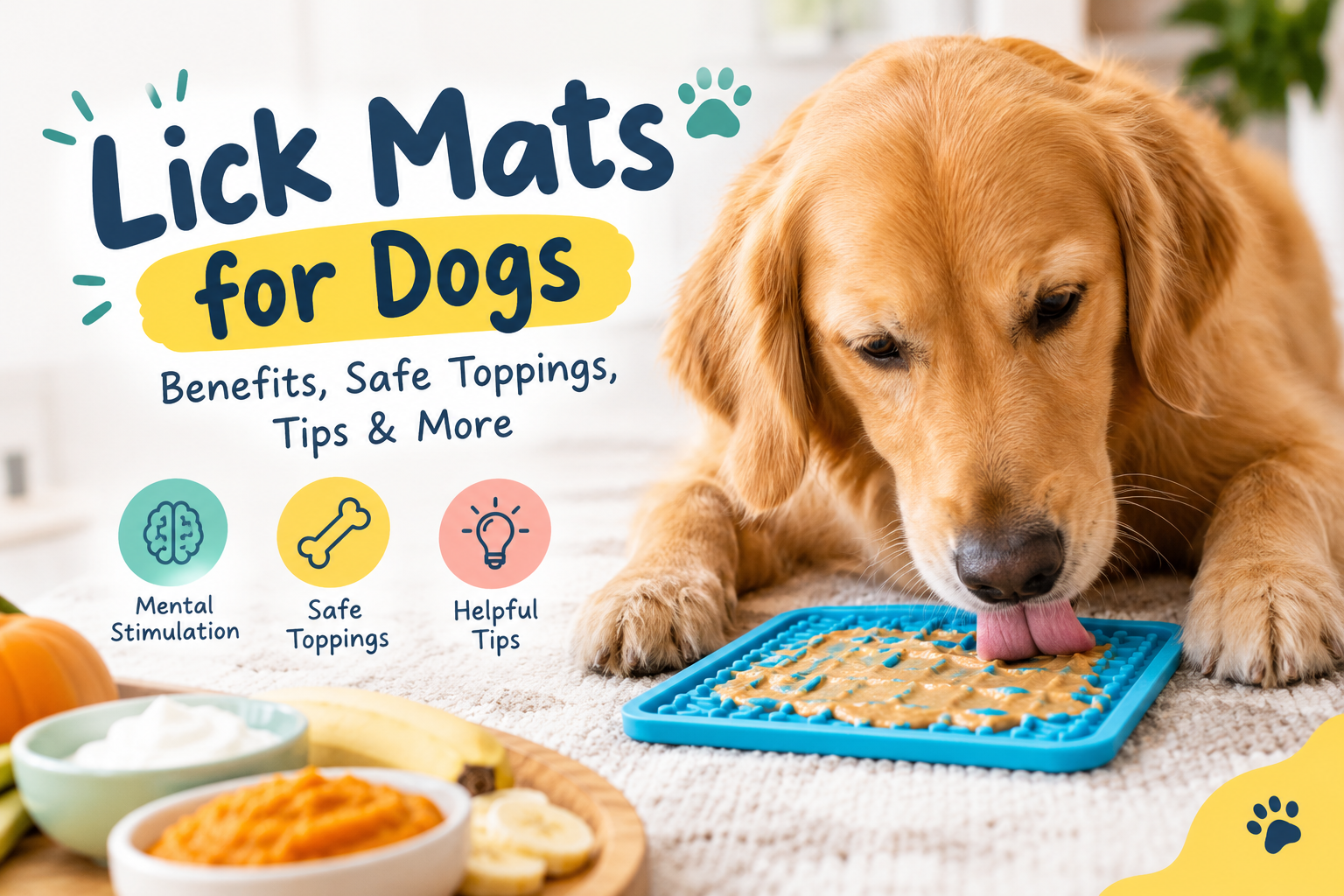
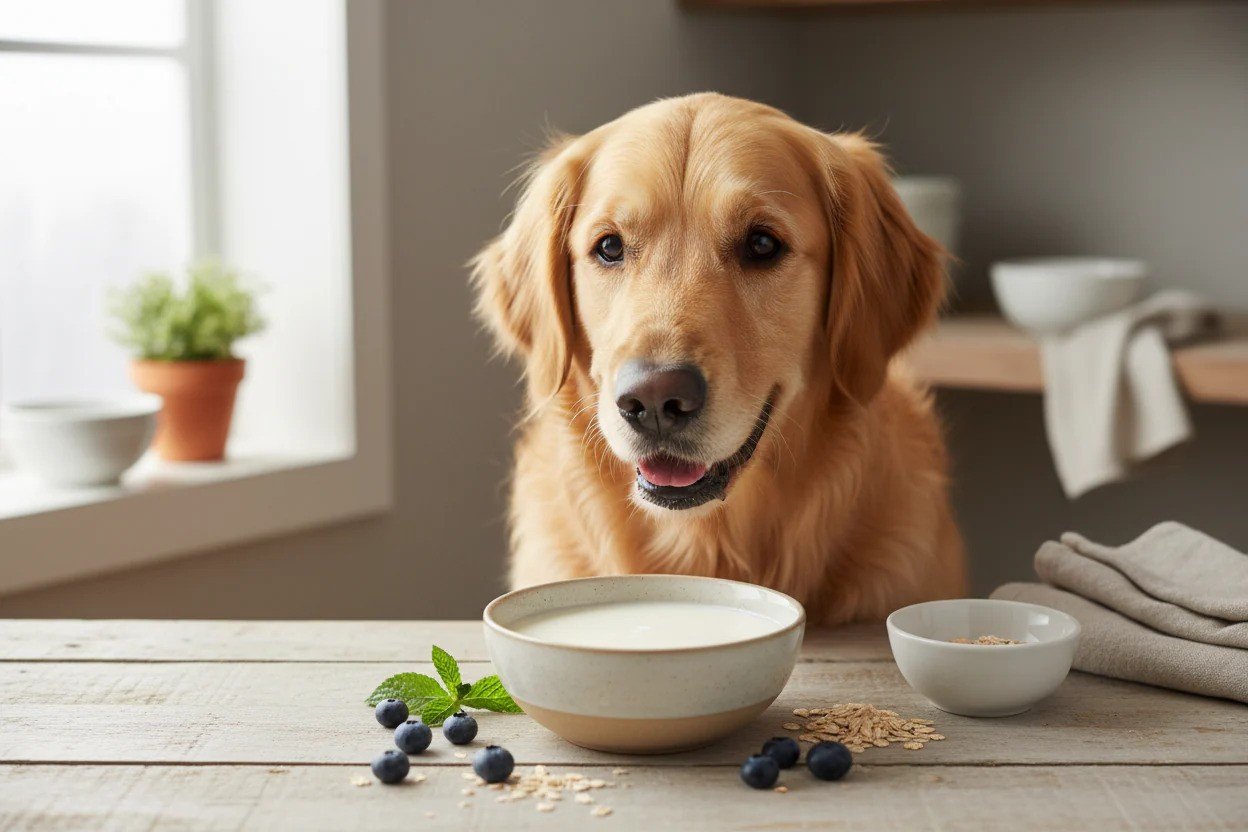
The easiest fix happens right at mealtime. Don’t serve kibble completely dry. Try pouring a splash of warm water, unsalted bone broth, or goat’s milk directly over their food a few minutes before serving. Letting the food soak up the moisture before it hits their stomach preserves their internal fluid levels and makes digestion a whole lot easier.
Upgrade the Water Stations
Dogs can be surprisingly picky about how and where they drink. If you only have one water bowl and it’s stuck right next to a noisy refrigerator, your dog might be avoiding it more than you think. Try placing a couple of extra bowls in quiet, low-traffic areas of the house. Also, ditch the old plastic bowls they scratch easily, collect bacteria, and can give water a strange taste. Stick to clean ceramic, glass, or stainless steel.
Offer a Flavorful Drink After Exercise
If your dog struggles to drink enough after a long afternoon at the park, make their water a little more enticing. Drop a single tablespoon of low-sodium bone broth into their water dish. The scent alone is usually enough to get them to drink deeply, which helps them recover much faster after a hard run.
conclusion
Focusing on better hydration isn’t about solving a temporary case of thirst. It’s just good, daily care that pays off over the course of a dog’s life.
When a dog’s body is constantly forced to stretch its water levels, the internal wear and tear adds up. The kidneys have to work harder, the liver strains to clear waste, and the digestive tract has a tougher time moving things along. Over a lifetime, that persistent strain can accumulate, contributing to early joint stiffness and unnecessary kidney stress.
By making moisture a natural part of their daily routine, you support their entire body. You give them what they need to keep their energy high, their joints moving smoothly, and their systems resilient as they grow older.
True hydration isn’t about checking a chore off your list by filling a bowl to the brim. It’s about looking at the dog sitting at your feet, understanding what they actually need, and making sure they have the right foundation to thrive.
-
 All Products
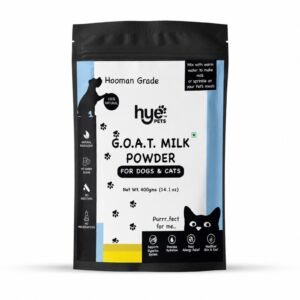
Goat Milk Powder for Dogs and Cats – 400g
Original price was: ₹1,298.86.₹733.96Current price is: ₹733.96. -
 All Products
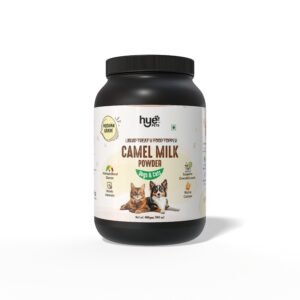
Camel Milk Powder For Dogs and Cats – 400g
Original price was: ₹1,499.75.₹499.00Current price is: ₹499.00. -
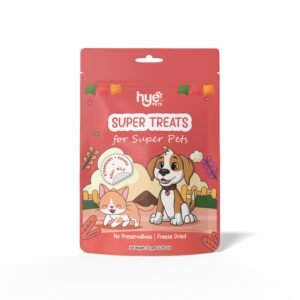 All Products
Super Treats for Super Pets made with Goat Milk, Strawberry and Banana | 30g
Original price was: ₹325.00.₹308.75Current price is: ₹308.75. -
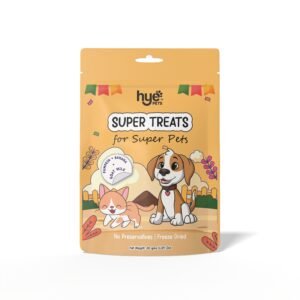 All Products
Super Treats for Super Pets made with Goat Milk, Pumpkin and Banana | 30g
Original price was: ₹279.00.₹265.06Current price is: ₹265.06. -
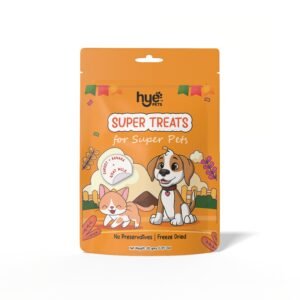 All Products
Super Treats for Super Pets made with Goat Milk, Carrot and Banana | 30g
Original price was: ₹279.00.₹265.06Current price is: ₹265.06. -
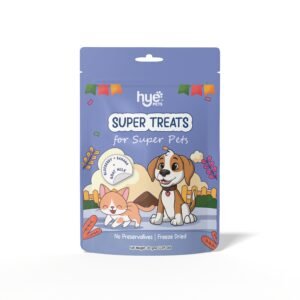 All Products
Super Treats for Super Pets made with Goat Milk, Blueberry and Banana | 30g
Original price was: ₹325.00.₹308.75Current price is: ₹308.75. -
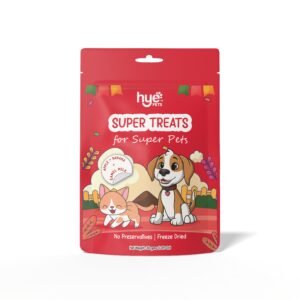 All Products
Super Treats for Super Pets made with Camel Milk, Apple and Banana | 30g
Original price was: ₹279.00.₹265.06Current price is: ₹265.06. -
 All Products
Super Treats for Super Pets made Camel Milk, Beetroot and Banana | 30g
Original price was: ₹279.00.₹265.06Current price is: ₹265.06. -
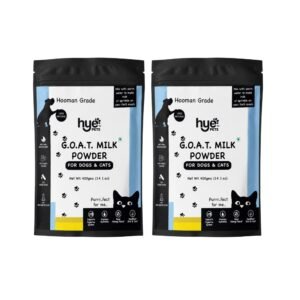 Combos
Goat Milk Powder for Dogs and Cats – Combo Pack (2 x 400g)
Original price was: ₹3,065.28.₹1,680.32Current price is: ₹1,680.32. -
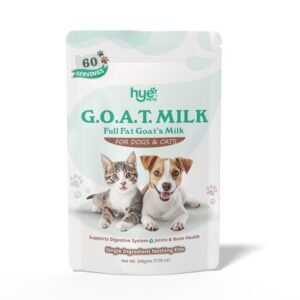 All Products
Goat Milk Powder for Dogs and Cats – 200g
Original price was: ₹698.99.₹657.05Current price is: ₹657.05. -
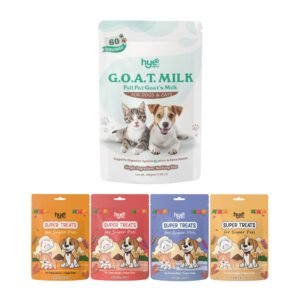 All Products
Goat Milk Powder and Freeze-Dried Goat Milk Treats Combo for Dogs and Cats
Original price was: ₹2,250.26.₹2,067.36Current price is: ₹2,067.36. -
 Combos
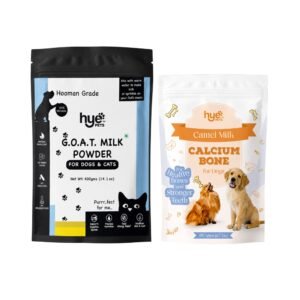
Goat Milk Powder and Camel Milk Calcium Bone for Dogs – Combo Pack
Original price was: ₹1,826.47.₹1,108.02Current price is: ₹1,108.02. -
 Combos
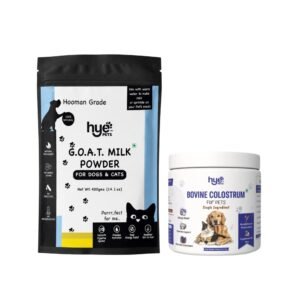
Goat Milk Powder and Bovine Colostrum Combo for Dogs & Cats
Original price was: ₹2,357.47.₹1,221.30Current price is: ₹1,221.30. -
 Goat Milk Treats
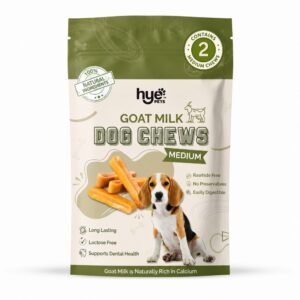
Goat Milk Dog Chews for Medium Dogs | Rawhide-Free Dental Treats | 2 Chews
Original price was: ₹449.01.₹422.01Current price is: ₹422.01. -
 Combos
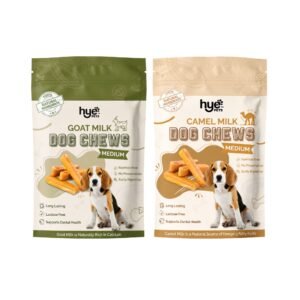
Goat Milk and Camel Milk Chews Combo for Medium Dogs
Original price was: ₹1,118.64.₹1,019.52Current price is: ₹1,019.52. -
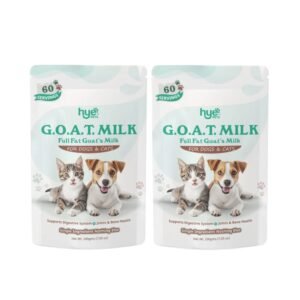 Combos
Full Fat Goat Milk Powder for Dogs and Cats Combo Pack (2 x 200g)
Original price was: ₹1,649.64.₹1,509.22Current price is: ₹1,509.22. -
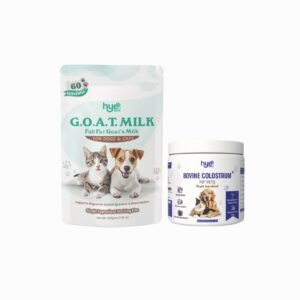 Combos
Full Fat Goat Milk Powder and Bovine Colostrum Combo for Dogs and Cats
Original price was: ₹1,398.01.₹949.01Current price is: ₹949.01.
- All Posts
- Blog
- Blogs
- Recipe
- Stories
- Trivia