It starts the same way for a lot of dog owners. Your pup is scratching again at their ears, their belly, and their paws. You’ve already tried switching food. You’ve done the oatmeal baths. You’ve googled everything from grain allergies to seasonal pollen counts at 11 pm. And somehow, your dog is still uncomfortable. That’s usually the point where many pet parents start looking beyond the usual solutions and wondering what else might actually help.
That’s usually the moment people start looking beyond the standard aisle at the pet store. Natural supplements have grown into a huge conversation in the pet community, and one ingredient that keeps showing up is bovine colostrum powder.
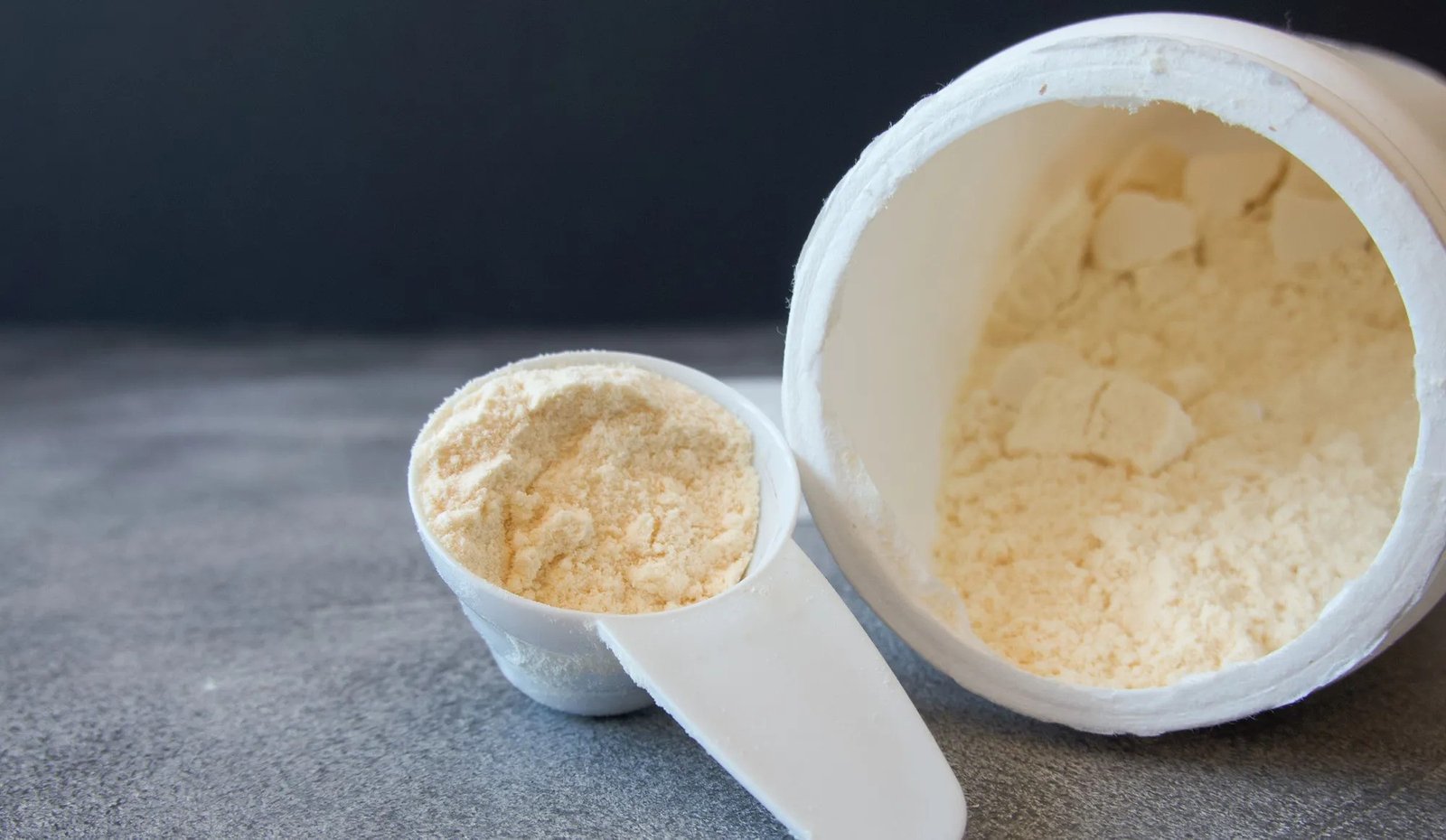
This article isn’t meant to be a product pitch. Instead, it takes a closer look at what dog owners are actually reporting after trying bovine colostrum for their pets. By looking at real customer feedback and everyday experiences, we can get a better sense of how this supplement is being used in real households and what kinds of changes people say they’ve noticed in their dogs.
What Is Bovine Colostrum?
Bovine colostrum is the very first fluid a cow produces after giving birth before regular milk comes in. It’s thick, yellowish, and nutritionally dense, designed by nature to give a newborn calf an immediate immunity boost and a head start on growth.
It’s loaded with immunoglobulins basically antibodies, lactoferrin, growth factors, and proteins that aren’t found in ordinary milk. The interesting thing is that the biological structure of bovine colostrum is remarkably similar across many mammals, which is part of the reason it’s been studied in humans and increasingly in pets.
When it’s harvested ethically and processed into powder form, it becomes the base for many pet supplements. The powder is usually unflavored or has a mild, milky taste, making it relatively easy to add to a dog’s food.
It’s worth being upfront that large-scale clinical studies specifically on bovine colostrum in dogs are still limited. A lot of what’s out there is based on preliminary research and, more practically, on what pet owners observe in their own animals.
Why Some Pet Owners Explore Bovine Colostrum for Dogs
There’s usually a specific frustration behind every supplement search. For dogs, a few problems come up over and over again and those tend to be exactly the areas where colostrum gets brought up in online pet communities and vet conversations.

Skin and coat issues top the list. Dogs that chew their paws, develop recurring hot spots, or have perpetually dull coats are a huge source of stress for their owners. Some pet parents report turning to bovine colostrum hoping it may support healthier skin from the inside, particularly in dogs who seem to have immune-related sensitivities.
Gut health is another big one. Sensitive stomachs, loose stools, and general digestive inconsistency are incredibly common in dogs. Colostrum is thought to potentially support the integrity of the gut lining, and some owners try it when their dog has ongoing tummy trouble.
Then there are seasonal sensitivities, the dogs who get watery eyes and itchy skin every spring, right alongside their owners’ hay fever. A handful of pet owners explore colostrum as a possible natural support during high-pollen months.
And sometimes it’s less about a specific problem and more about general wellness. Older dogs, dogs recovering from illness, or pet parents who simply want to give their dog a nutritional boost sometimes add colostrum to the mix.
What Customers Are Saying About Bovine Colostrum for Dogs
Customer reviews don’t replace clinical trials, but they do offer something valuable a window into what’s happening in real households, with real dogs, over real stretches of time.
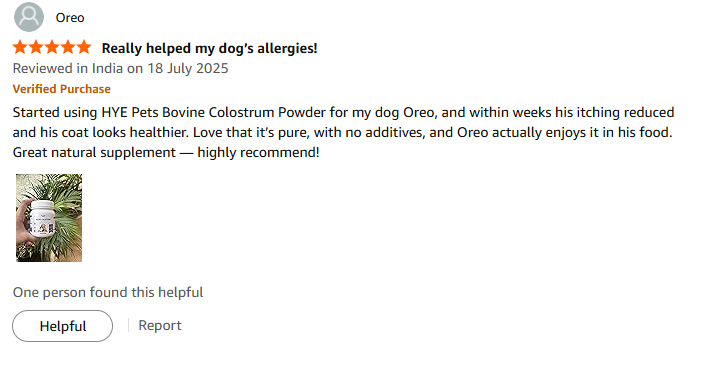
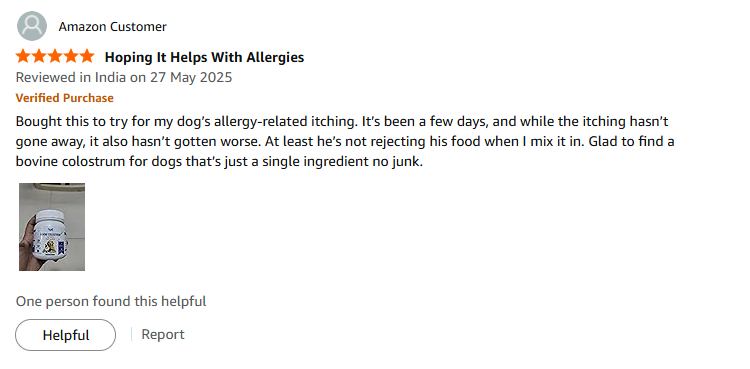
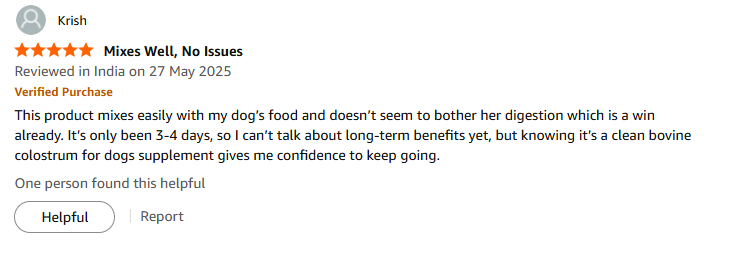
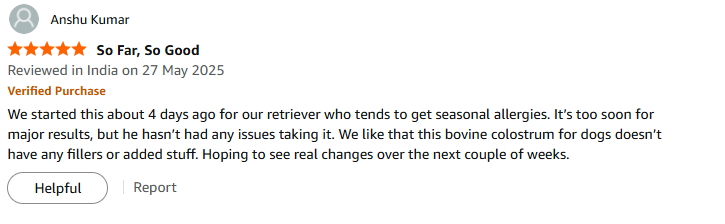
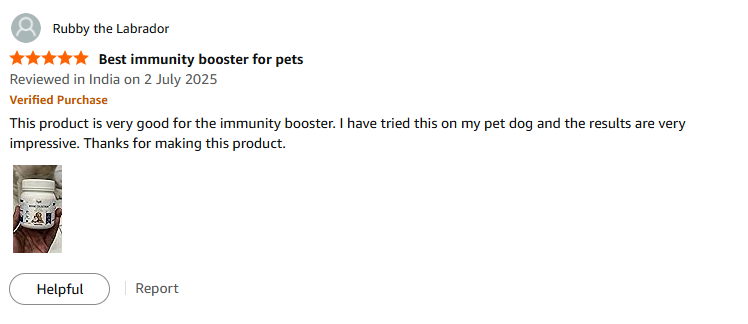
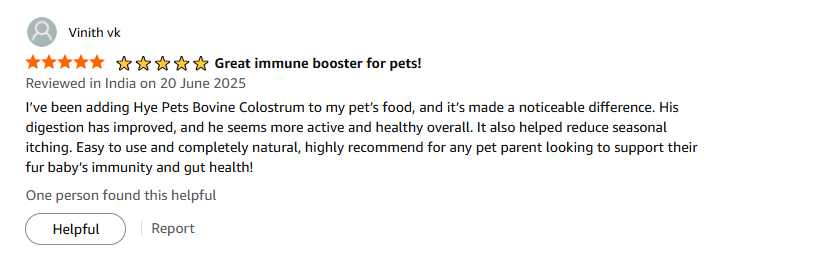
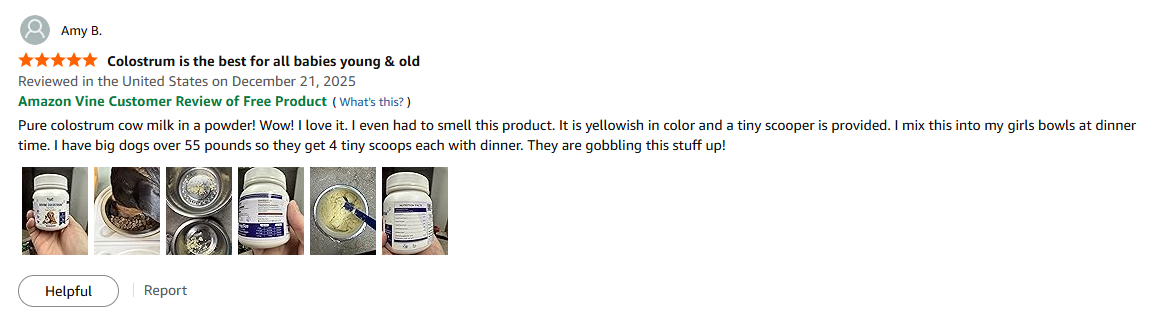
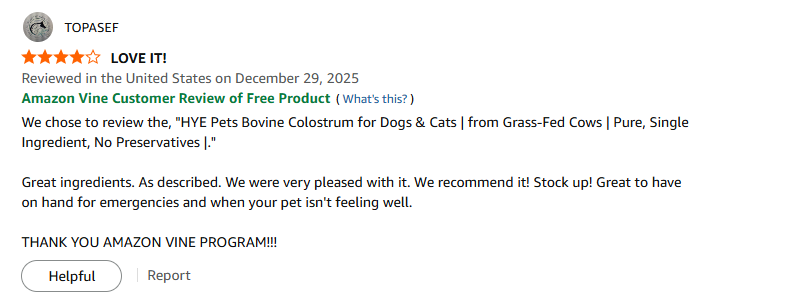
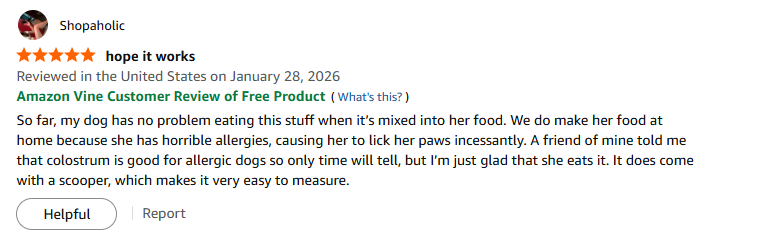
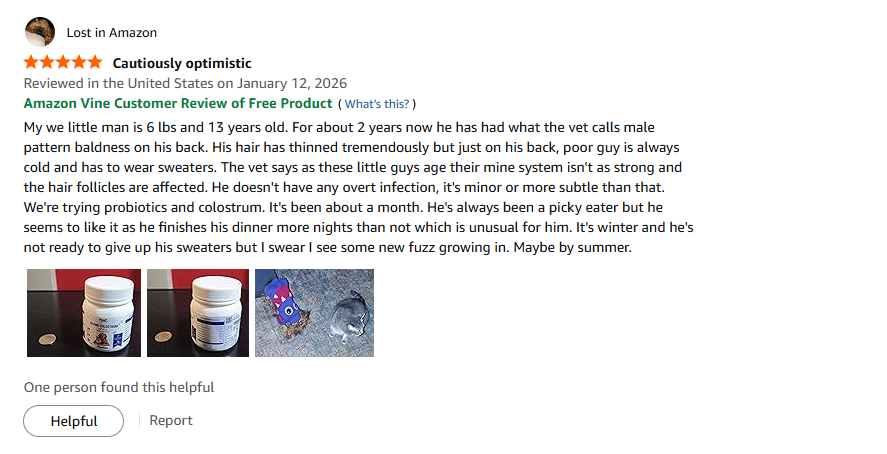
After looking through a range of verified buyer reviews for bovine colostrum powder used in dogs, some consistent patterns stood out. Not everyone had the same experience, and not everyone saw noticeable changes. But the feedback that came up repeatedly was specific enough to be worth paying attention to.
Customer Review
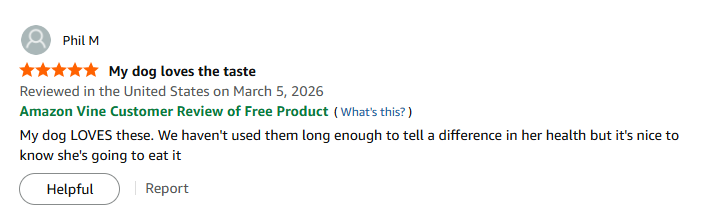
Common Experiences Mentioned by Pet Owners
Here’s a breakdown of the themes that came up most often in customer feedback:
Some Owners Noticed Reduced Itching
This was probably the most frequently mentioned change. Dog owners dealing with chronic scratching, especially seasonal itching and paw chewing, said they noticed their dogs seemed calmer and less reactive after a few weeks on bovine colostrum. One reviewer described it as their dog finally seeming “comfortable in their own skin” after months of trying other things.
It’s worth noting that these owners typically weren’t using colostrum in isolation most were still feeding their dogs a quality diet and managing their environment. But several credited the supplement as the thing that seemed to tip the balance.
Easy to Mix With Dog Food
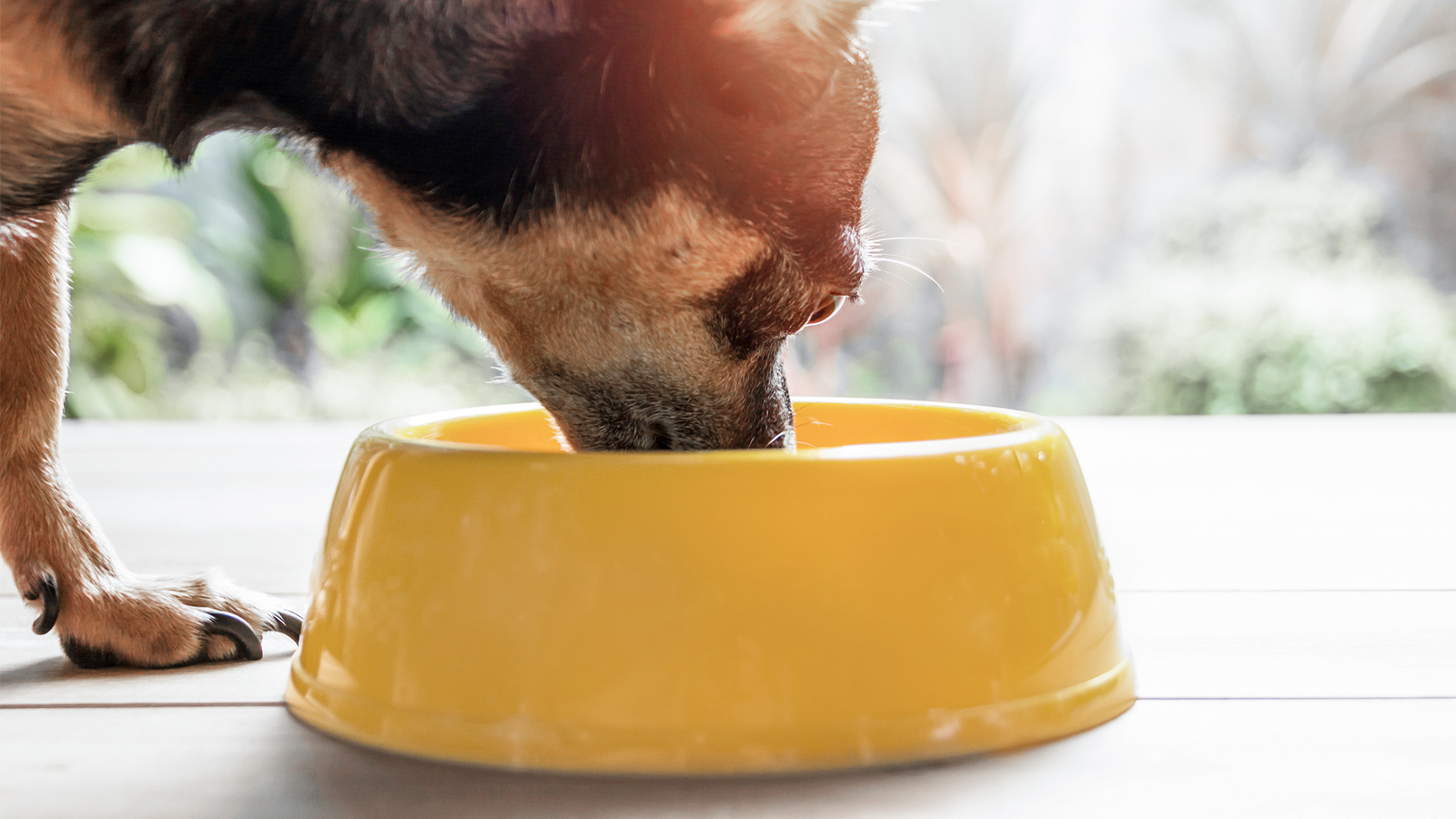
On the practical side, a lot of reviewers mentioned how simple the powder is to use. Most just stirred it into wet food or sprinkled it over kibble, and their dogs didn’t bat an eye. For pet owners who’ve wrestled with picky eaters or struggled to give pills, this came up as a genuine convenience. No tricks, no pill pockets, no wrestling matches.

Dogs Accept It Well
Related to the above palatability was a pleasant surprise for many owners. The mild, slightly milky flavor of colostrum powder seems to fly under the radar for most dogs. A few reviewers said their dogs actually seemed to eat more enthusiastically with it mixed in. Of course, there are always outliers some dogs are suspicious of anything new but the general feedback was positive.
Simple Ingredient Formula
Something that came up repeatedly, especially among health-conscious dog owners, was appreciation for a short ingredient list. In a market full of supplements packed with fillers, artificial flavors, and long strings of additives, pet parents said they liked being able to read the label and actually understand what’s in it. Colostrum powder particularly products with minimal additional ingredients scored well here.
Results May Take Time
This one is important. The pet owners who seemed most satisfied with bovine colostrum were overwhelmingly the ones who stuck with it. Most said they didn’t notice anything in the first week or two. Changes, when they happened, seemed to show up gradually often around the three to four week mark.
Several reviewers specifically mentioned giving up too soon on a previous trial, then coming back and committing to a full month before deciding whether it was working. That consistency seemed to make a meaningful difference in the outcomes people reported.
Things Pet Owners May Want to Consider
Before adding any supplement to your dog’s daily routine, a few practical things are worth thinking through:

Read the label carefully. Not all bovine colostrum products are the same. Some contain only colostrum others add vitamins, probiotics, or other ingredients. If your dog has known food sensitivities, it’s worth checking every ingredient rather than assuming a natural product is automatically fine.
Start with a smaller amount. Jumping straight to the full recommended dose isn’t always the best move, especially with dogs that have sensitive stomachs. Starting at half the dose for the first week gives the digestive system time to adjust.
Watch how your dog responds. Keep an informal log if you can note things like coat appearance, stool consistency, scratching frequency, and energy levels. Changes in any direction are worth paying attention to, and having a baseline makes it easier to spot them.
Loop in your vet. This is especially true if your dog has a health condition, takes medication, or if you’re trying to address a specific problem. A vet can help you figure out whether colostrum makes sense alongside whatever else is going on with your dog’s health.
Key Takeaways From Customer Experiences
Pulling back and looking at the overall picture from customer feedback, a few things stand out.
Bovine colostrum powder seems to be well-tolerated by most dogs. Digestive complaints were relatively rare in the reviews looked at. The dogs who seemed to benefit most were those whose owners used the supplement consistently for at least a month, rather than expecting quick results.
The areas where pet owners reported the most noticeable changes were skin comfort and general ease of use. Less common but still mentioned were improvements in digestion and seasonal sensitivity.
Importantly, the reviews were mixed enough to suggest this isn’t a universal solution. Some owners reported no noticeable change at all, even after extended use. That’s honest feedback, and it’s worth factoring in before spending money on a supplement.
The overall tone from reviewers wasn’t “this cured my dog” it was more like “this seems to be helping, we’re sticking with it.” That’s a realistic and useful signal.
Final Thoughts
Reading through what other pet owners have experienced with bovine colostrum is genuinely useful not because reviews are the same as scientific proof, but because they reflect what’s happening at ground level, in ordinary households, with dogs who aren’t part of any study.
What stands out most is this the people who found it helpful were almost always the ones who used it patiently and consistently. The ones who were disappointed mostly expected faster results or were dealing with more complex health issues that needed veterinary attention.
If you’re curious about it, approach it the same way you’d try any new thing with your dog slowly, with observation, and with your vet in the loop. Your dog’s experience may look completely different from the reviews you’ve read. That’s just the reality of working with living animals.
But if you’ve been searching for something natural to try and you’ve run out of obvious options, it might be worth adding to the conversation.
-
 All Products
Goat Milk Powder for Dogs and Cats – 400g
Original price was: ₹1,298.86.₹733.96Current price is: ₹733.96. -
 All Products
Camel Milk Powder For Dogs and Cats – 400g
Original price was: ₹1,499.75.₹499.00Current price is: ₹499.00. -
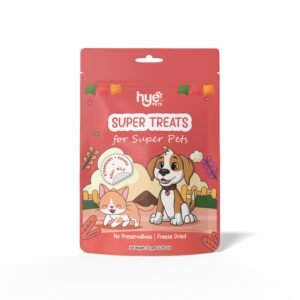 All Products
Super Treats for Super Pets made with Goat Milk, Strawberry and Banana | 30g
Original price was: ₹325.00.₹308.75Current price is: ₹308.75. -
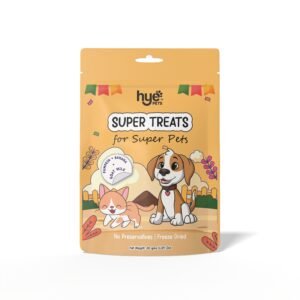 All Products
Super Treats for Super Pets made with Goat Milk, Pumpkin and Banana | 30g
Original price was: ₹279.00.₹265.06Current price is: ₹265.06. -
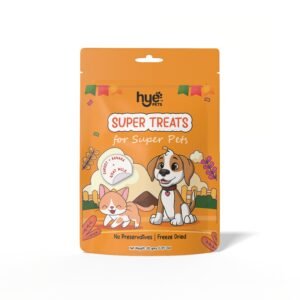 All Products
Super Treats for Super Pets made with Goat Milk, Carrot and Banana | 30g
Original price was: ₹279.00.₹265.06Current price is: ₹265.06. -
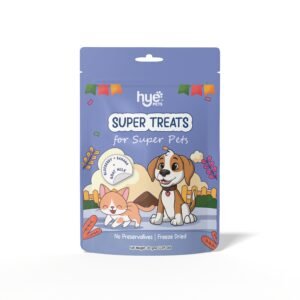 All Products
Super Treats for Super Pets made with Goat Milk, Blueberry and Banana | 30g
Original price was: ₹325.00.₹308.75Current price is: ₹308.75. -
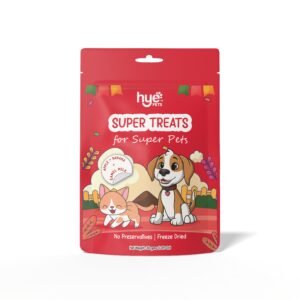 Out of stockAll Products
Super Treats for Super Pets made with Camel Milk, Apple and Banana | 30g
Original price was: ₹279.00.₹265.06Current price is: ₹265.06. -
 All Products
Super Treats for Super Pets made Camel Milk, Beetroot and Banana | 30g
Original price was: ₹279.00.₹265.06Current price is: ₹265.06. -
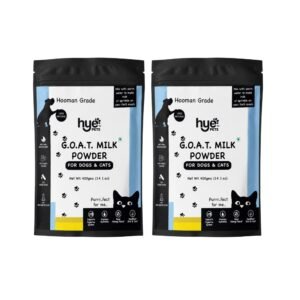 Combos
Goat Milk Powder for Dogs and Cats – Combo Pack (2 x 400g)
Original price was: ₹3,065.28.₹1,680.32Current price is: ₹1,680.32. -
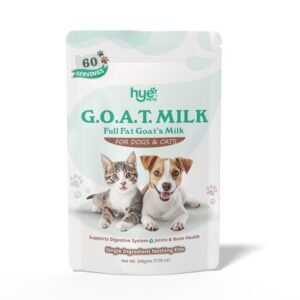 All Products
Goat Milk Powder for Dogs and Cats – 200g
Original price was: ₹698.99.₹657.05Current price is: ₹657.05. -
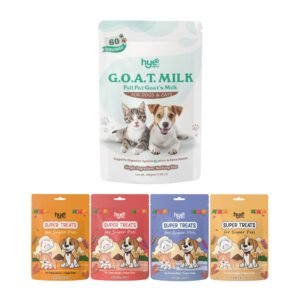 All Products
Goat Milk Powder and Freeze-Dried Goat Milk Treats Combo for Dogs and Cats
Original price was: ₹2,250.26.₹2,067.36Current price is: ₹2,067.36. -
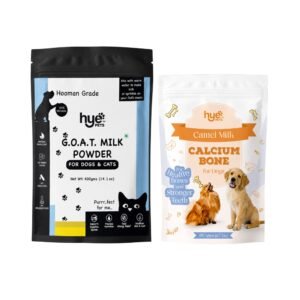 Combos
Goat Milk Powder and Camel Milk Calcium Bone for Dogs – Combo Pack
Original price was: ₹1,826.47.₹1,108.02Current price is: ₹1,108.02. -
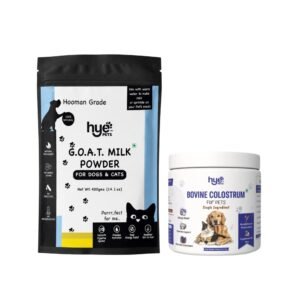 Combos
Goat Milk Powder and Bovine Colostrum Combo for Dogs & Cats
Original price was: ₹2,357.47.₹1,221.30Current price is: ₹1,221.30. -
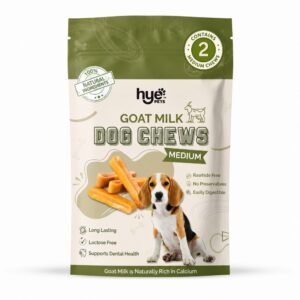 Goat Milk Treats
Goat Milk Dog Chews for Medium Dogs | Rawhide-Free Dental Treats | 2 Chews
Original price was: ₹449.01.₹422.01Current price is: ₹422.01. -
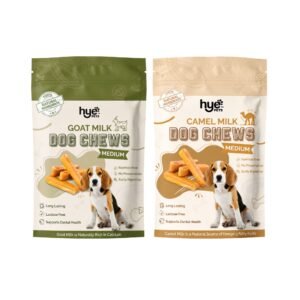 Combos
Goat Milk and Camel Milk Chews Combo for Medium Dogs
Original price was: ₹1,118.64.₹1,019.52Current price is: ₹1,019.52. -
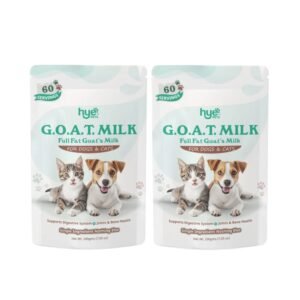 Combos
Full Fat Goat Milk Powder for Dogs and Cats Combo Pack (2 x 200g)
Original price was: ₹1,649.64.₹1,509.22Current price is: ₹1,509.22. -
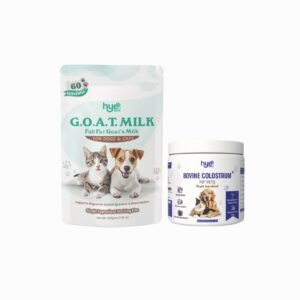 Combos
Full Fat Goat Milk Powder and Bovine Colostrum Combo for Dogs and Cats
Original price was: ₹1,398.01.₹949.01Current price is: ₹949.01.
- All Posts
- Blog
- Blogs
- Recipe
- Stories
- Trivia