Sometimes it hits on a random Tuesday night when the house feels just a little too quiet. Usually, a dog is pestering you for a walk or at least snoring loudly on the rug, but instead, they are just… staring at the wall. That is the exact moment the pet parent’s panic sets in. Doubts arise about whether the dog is just having a lazy day or if an expensive trip to the emergency vet is looming.
The tricky part is that dogs are absolute masters at faking it. Evolution taught them not to show weakness, so they won’t always cry out or limp. Instead, they speak in whispers of a skipped meal, a heavy sigh, or a sudden reluctance to climb the stairs. Thousands of people type things like “why is my dog acting weird” into search bars every single hour. People want real answers, not a medical textbook. They want to know what to worry about and what can wait until Monday morning.
Here are the 10 most common health hurdles dogs face, written for humans who actually love their pets.
1. Parvo: Every Puppy Owner’s Fear
For those with a new puppy, Parvo is the big bad. It is a vicious stomach virus that lives in the dirt and is incredibly tough to kill.
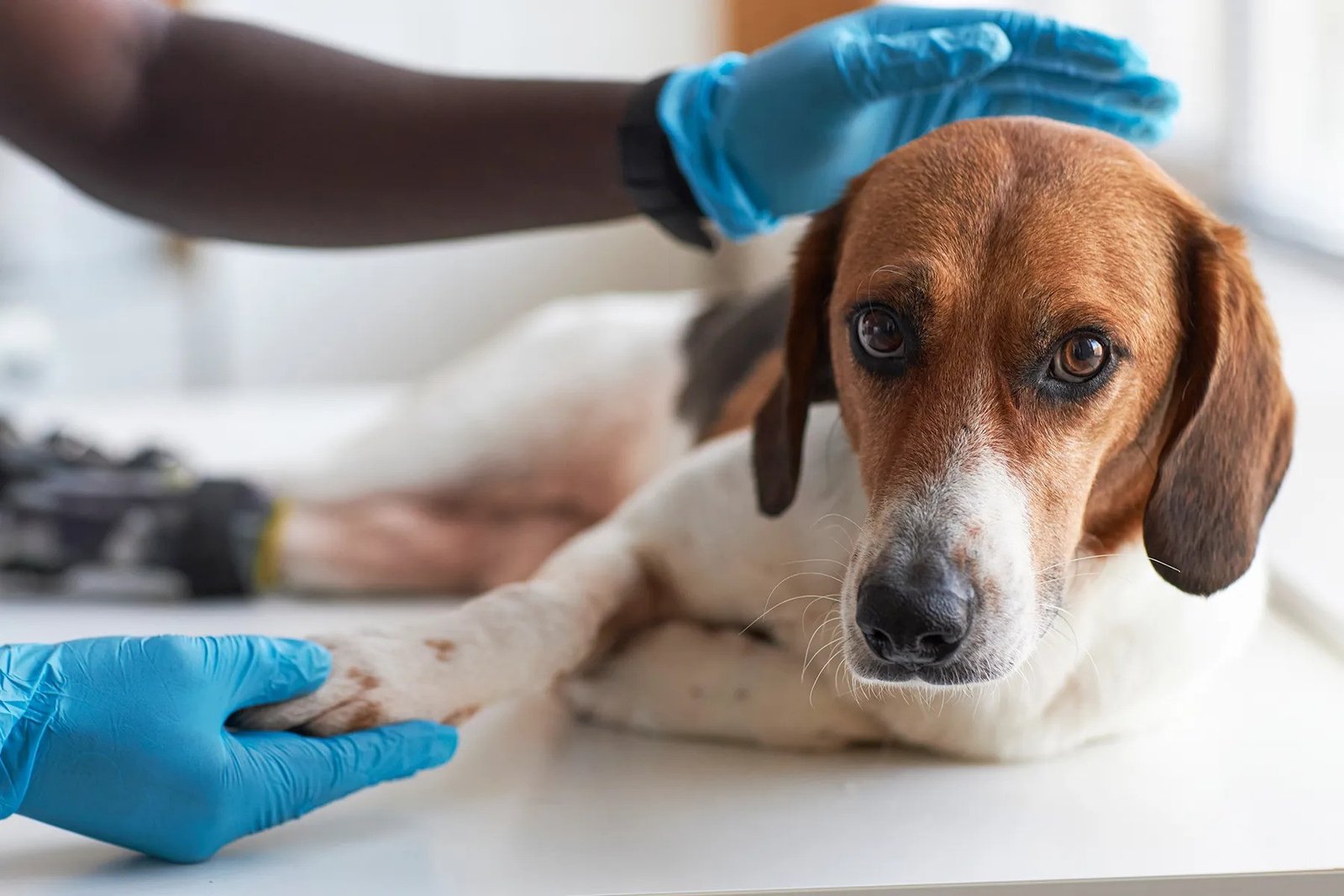
- The Reality: This isn’t just a queasy tummy. It involves a puppy that suddenly won’t move, followed by projectile vomiting and foul-smelling, bloody diarrhea.
- The Truth: Home remedies for parvo are non-existent. If a puppy has these symptoms, professional veterinary care and IV fluids are required immediately.
- Prevention: Puppies should stay off public grass until the full round of shots is finished. No exceptions.
2. Kennel Cough: The Dog Park Cold
Think of this as the common cold caught at the gym, but for dogs. It is highly contagious and spreads anywhere dogs hang out, such as daycares, groomers, or the park.
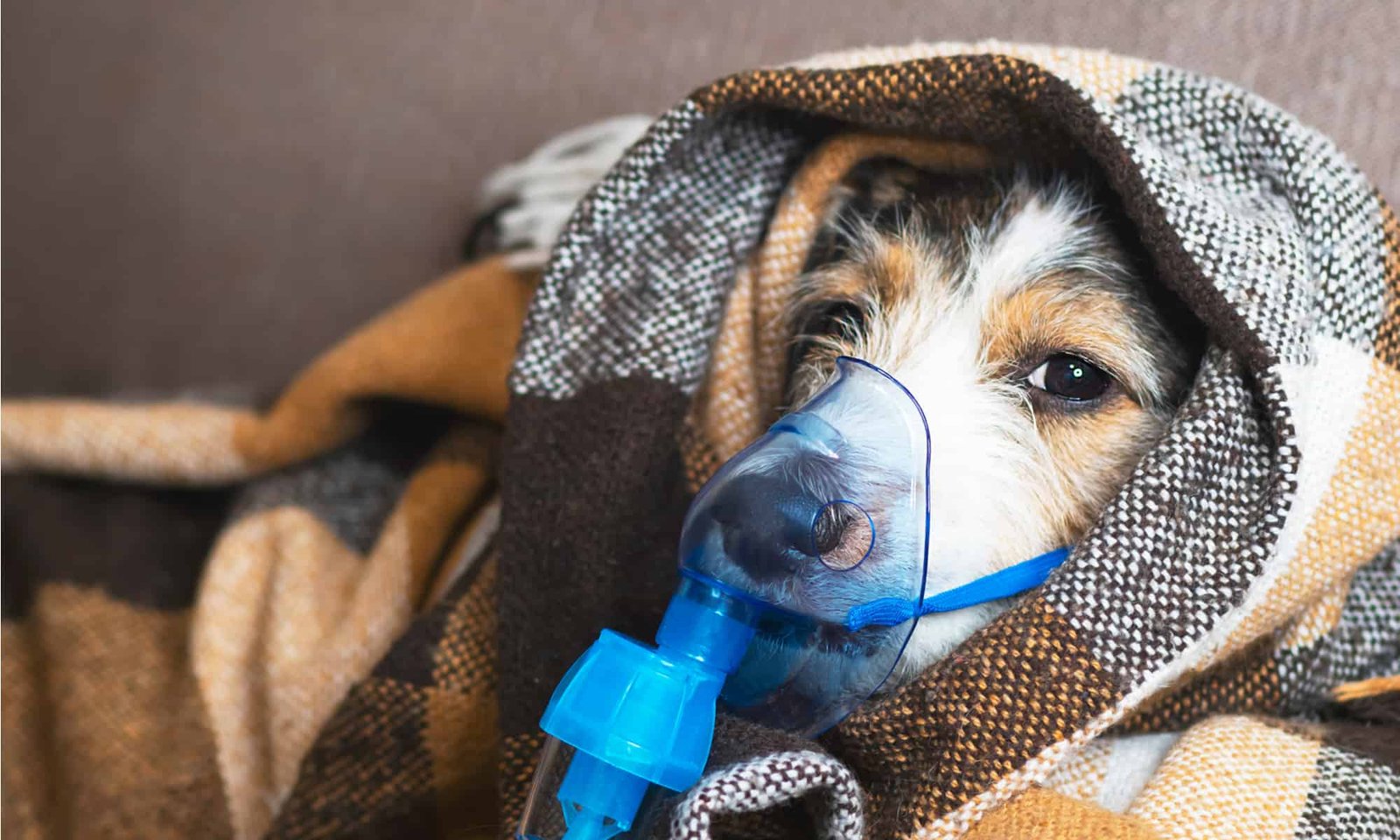
- The Sign: A dry, hacking cough that sounds exactly like a goose honking.
- The Good News: Most dogs act totally fine otherwise. They still want to play and eat; they just sound terrible.
- The Fix: Rest, isolation from other dogs, and a call to the vet for cough suppressants usually do the trick.
3. Heartworm: The Silent Danger
This is a scary one because it is hard to see coming. It is spread by a single mosquito bite. Those tiny larvae grow into actual worms up to a foot long that live in the heart and lungs.
- The Signs: For a long time, there are zero signs. By the time a soft cough develops or the dog gets winded after a short walk, the damage is already significant.
- Pro Tip: Monthly preventatives are essential. It is far cheaper to buy the chews than it is to treat the worms later.
4. Lyme Disease: Ticks are the Worst
Ticks are more than just gross, they are little disease factories. Lyme is the most famous one they pass along, and it can be very sneaky.
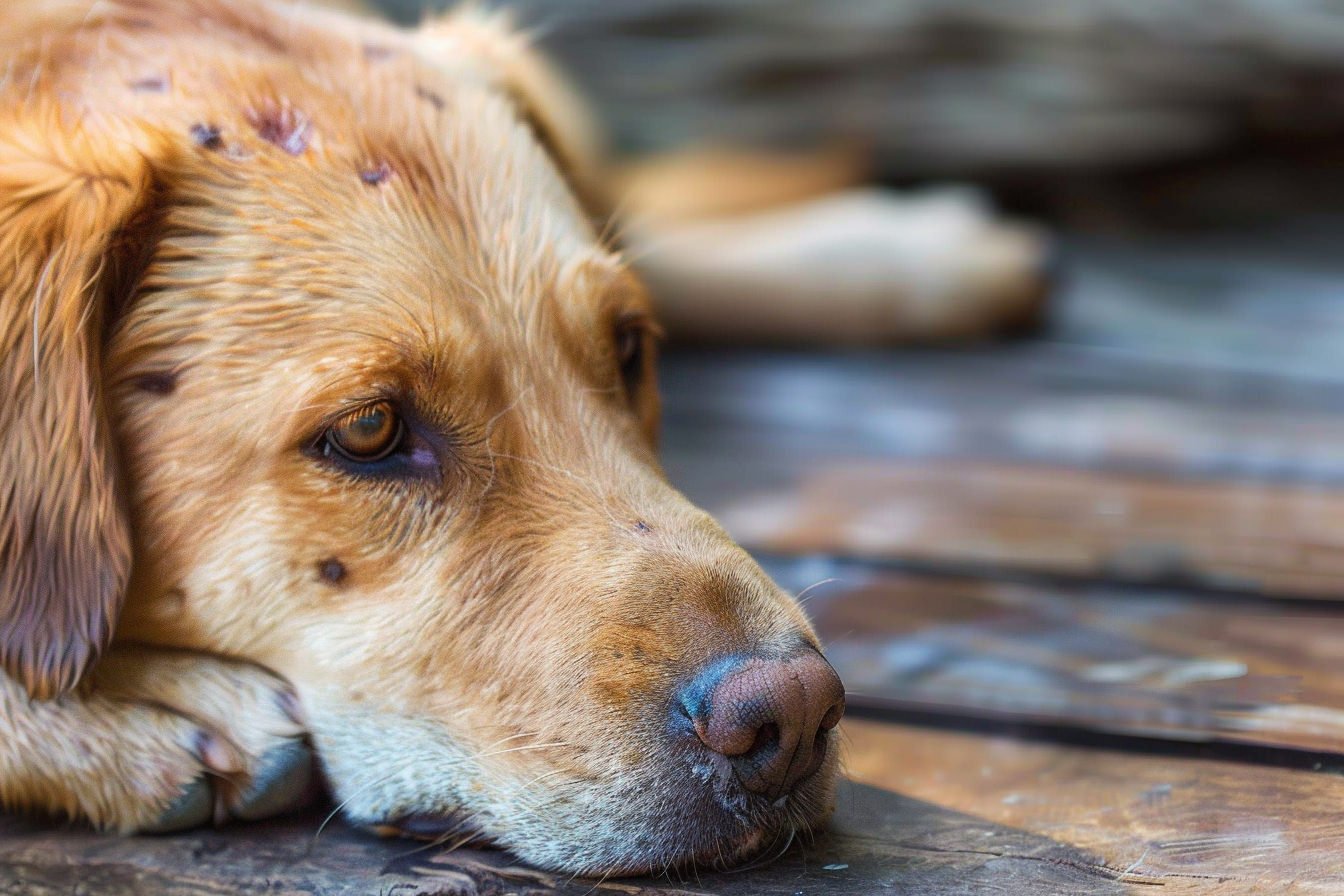
- The Vibe: It is known for shifting lameness. One day the left front leg is sore, two days later it is the right back leg. The dog will also feel lethargic and have a fever.
- Prevention: Solid flea and tick preventatives are needed year-round. Ticks do not care if the calendar says it is winter.
5. Ear Infections: The Head Shake
If a dog is shaking its head like it’s trying to dislodge a bug, an ear infection is likely.
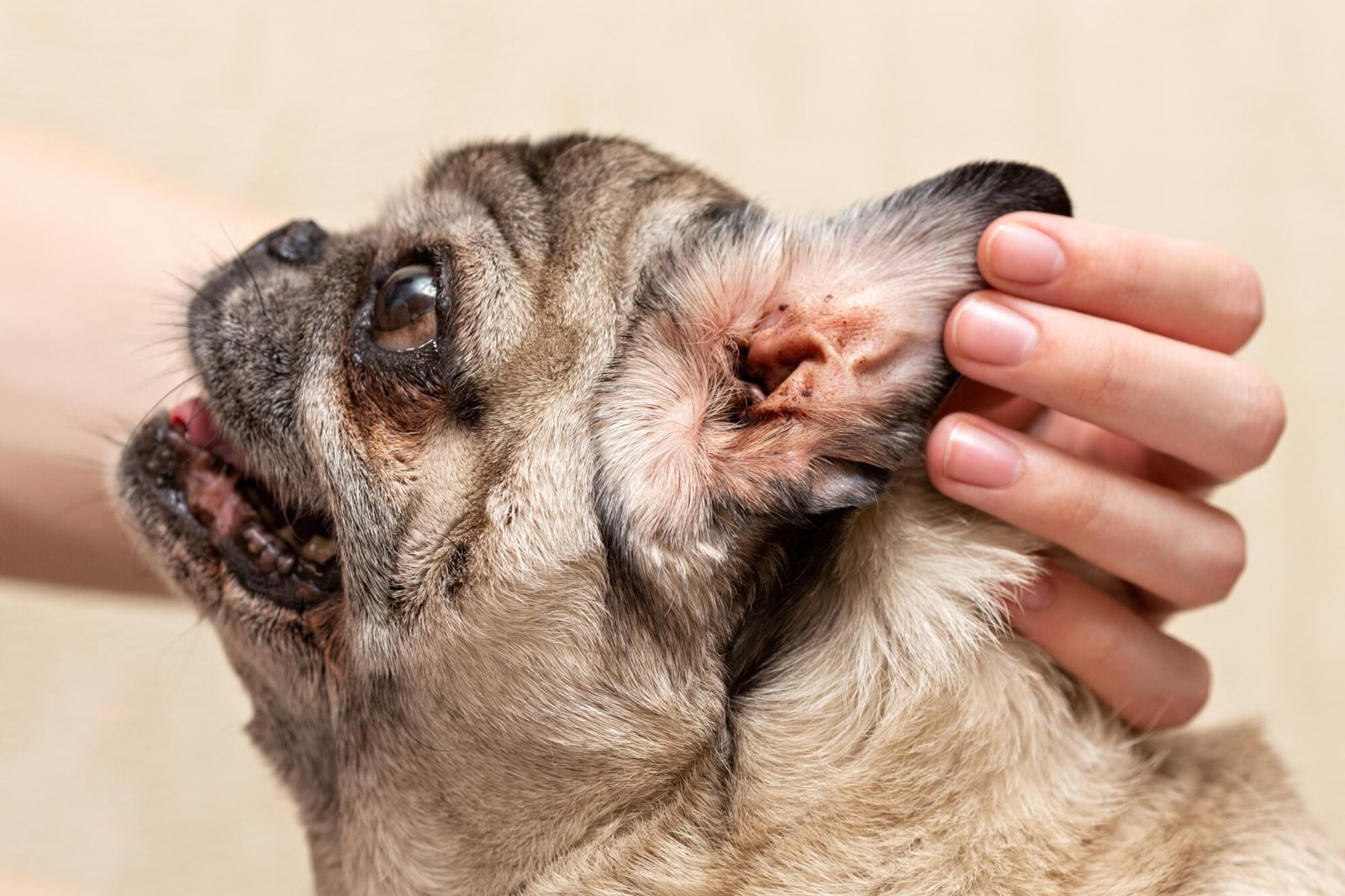
- The Signs: Red, inflamed ears and a smell that most owners instantly recognize as something between yeast and old corn chips.
- The Culprit: Usually moisture after a bath or a swim or allergies. Labs and Spaniels with big floppy ears get hit the hardest.
6. Diabetes: The Sugar Glitch
Just like humans, dogs can struggle with insulin, especially as they get older or carry extra weight.
- The Signs: If the water bowl is being filled three times a day and the dog is peeing constantly, pay attention. They might also be hungry all the time but actually losing weight.
- Management isn’t complicated, but it is consistent. Daily insulin, a steady diet, and routine checkups can give diabetic dogs a long, good life.
7. Arthritis: More Than Just Getting Old
It is hard to watch a dog slow down, especially when they still look at you like they’re ready to run.
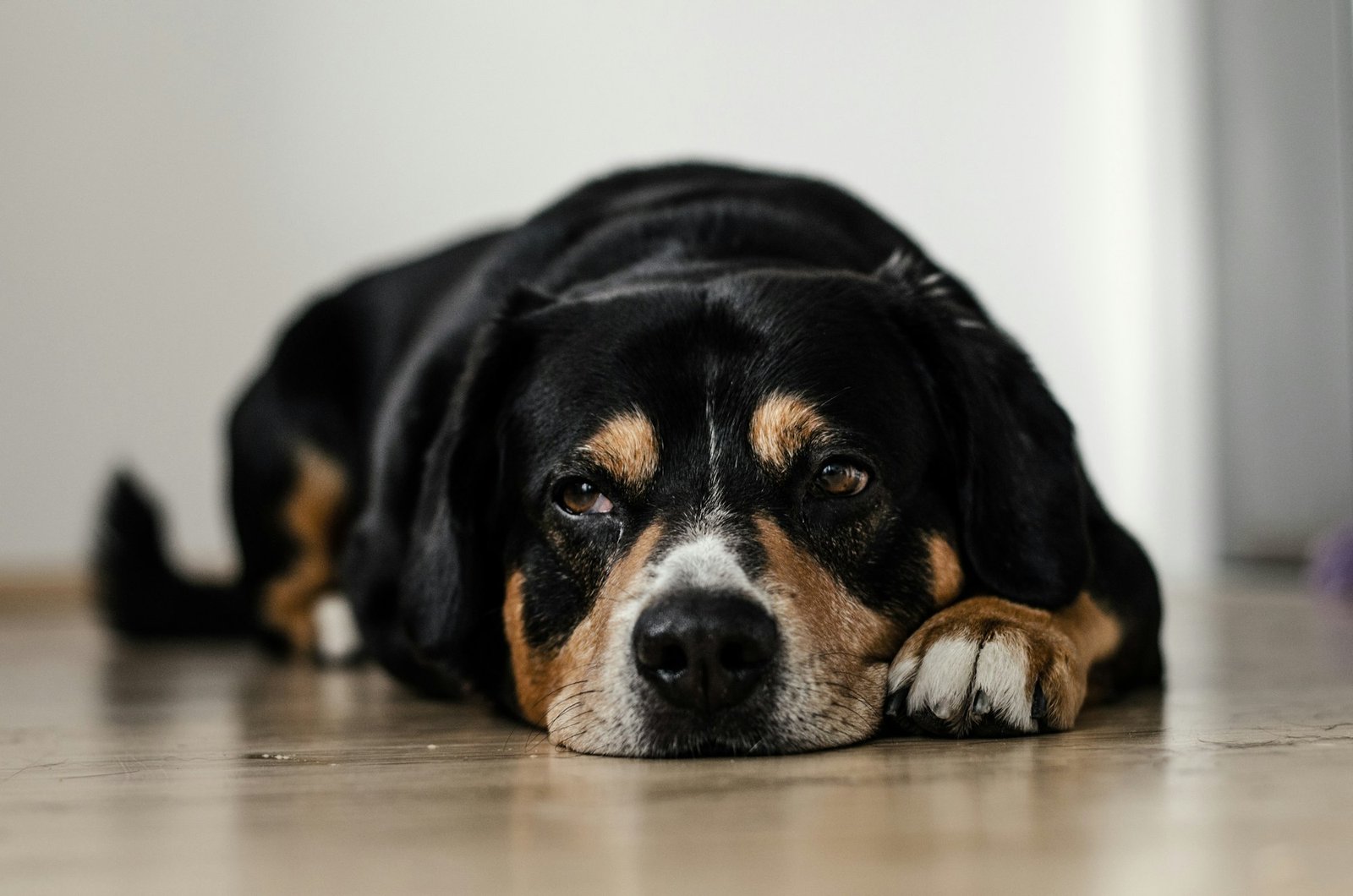
- The Signs: Hesitating before jumping into the car, taking longer to get up in the morning, or bunny hopping up the stairs.
- The Secret: The best medicine for arthritis is a healthy weight. Every extra pound on a dog is like a backpack full of rocks for their joints.
8. Mange: The Itch That Won’t Quit
Mange is caused by tiny mites burrowing into the skin. It is about as fun as it sounds.
- The Signs: Intense, non-stop scratching and patches of hair loss, usually on the face or elbows.
- The Warning: Some types of mange are contagious to other dogs and even humans, so get it checked fast.
9. Distemper: The System Crasher
This is a heavy-hitter that attacks the lungs, gut, and brain all at once. It is why the Distemper shot is considered a core vaccine.
- The Signs: It starts with gunky eyes and a runny nose, but can lead to tremors or seizures.
- Prevention: Keeping puppy shots up to date is the only real shield.
10. Rabies: The One You Don’t Ignore
It must be mentioned. It is 100% fatal and a danger to everyone in the household.
- The Signs: Extreme behavior changes, either sudden aggression or a weird, spooky kind of calm.
- The Law: In almost every state, the vaccine is required. It is the easiest win in pet health.
When to Actually Panic
If someone is frantically searching for an emergency vet at 2 a.m., it’s time to stop reading and just go. If these occur, stop reading and go:
- Gums that aren’t pink: If they are white, blue, or grey, there is an oxygen problem.
- The Dry Heave: If the stomach looks bloated and the dog keeps trying to throw up but nothing comes out. This is a 30-minute window emergency called Bloat.
- Sudden Collapse: If the dog goes down and cannot get back up.
The Bottom Line
Being a dog owner is 10% playing fetch and 90% being a detective. The normal for a specific dog is better known by the owner than any doctor or algorithm. If the gut says something is wrong, it usually is. The boring stuff, the pills, the shots, the weight management, is what quietly saves lives.
-
 All Products
Goat Milk Powder for Dogs and Cats – 400g
Original price was: ₹1,298.86.₹733.96Current price is: ₹733.96. -
 All Products
Camel Milk Powder For Dogs and Cats – 400g
Original price was: ₹1,499.75.₹499.00Current price is: ₹499.00. -
 All Products
Super Treats for Super Pets made with Goat Milk, Strawberry and Banana | 30g
Original price was: ₹325.00.₹308.75Current price is: ₹308.75. -
 All Products
Super Treats for Super Pets made with Goat Milk, Pumpkin and Banana | 30g
Original price was: ₹279.00.₹265.06Current price is: ₹265.06. -
 All Products
Super Treats for Super Pets made with Goat Milk, Carrot and Banana | 30g
Original price was: ₹279.00.₹265.06Current price is: ₹265.06. -
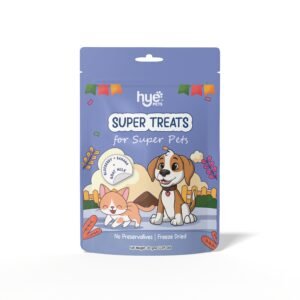 All Products
Super Treats for Super Pets made with Goat Milk, Blueberry and Banana | 30g
Original price was: ₹325.00.₹308.75Current price is: ₹308.75. -
 Out of stockAll Products
Super Treats for Super Pets made with Camel Milk, Apple and Banana | 30g
Original price was: ₹279.00.₹265.06Current price is: ₹265.06. -
 All Products
Super Treats for Super Pets made Camel Milk, Beetroot and Banana | 30g
Original price was: ₹279.00.₹265.06Current price is: ₹265.06. -
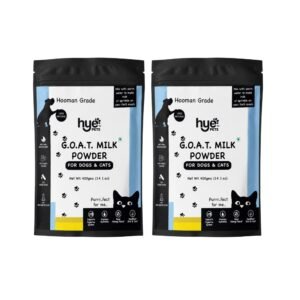 Combos
Goat Milk Powder for Dogs and Cats – Combo Pack (2 x 400g)
Original price was: ₹3,065.28.₹1,680.32Current price is: ₹1,680.32. -
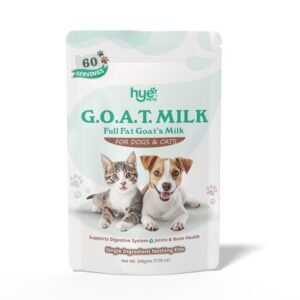 All Products
Goat Milk Powder for Dogs and Cats – 200g
Original price was: ₹698.99.₹657.05Current price is: ₹657.05. -
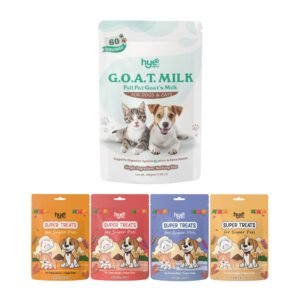 All Products
Goat Milk Powder and Freeze-Dried Goat Milk Treats Combo for Dogs and Cats
Original price was: ₹2,250.26.₹2,067.36Current price is: ₹2,067.36. -
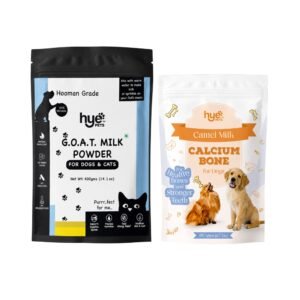 Combos
Goat Milk Powder and Camel Milk Calcium Bone for Dogs – Combo Pack
Original price was: ₹1,826.47.₹1,108.02Current price is: ₹1,108.02. -
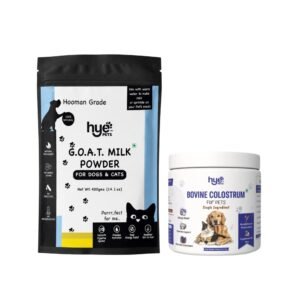 Combos
Goat Milk Powder and Bovine Colostrum Combo for Dogs & Cats
Original price was: ₹2,357.47.₹1,221.30Current price is: ₹1,221.30. -
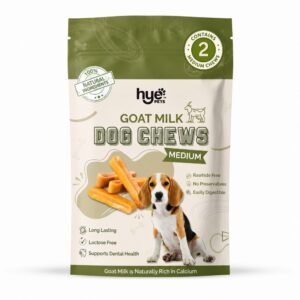 Goat Milk Treats
Goat Milk Dog Chews for Medium Dogs | Rawhide-Free Dental Treats | 2 Chews
Original price was: ₹449.01.₹422.01Current price is: ₹422.01. -
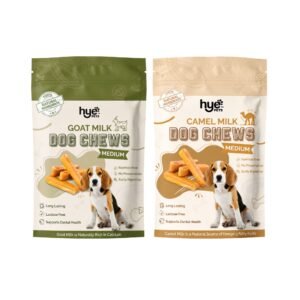 Combos
Goat Milk and Camel Milk Chews Combo for Medium Dogs
Original price was: ₹1,118.64.₹1,019.52Current price is: ₹1,019.52. -
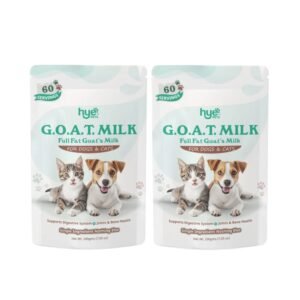 Combos
Full Fat Goat Milk Powder for Dogs and Cats Combo Pack (2 x 200g)
Original price was: ₹1,649.64.₹1,509.22Current price is: ₹1,509.22. -
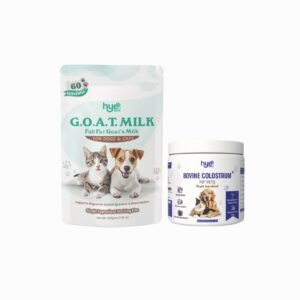 Combos
Full Fat Goat Milk Powder and Bovine Colostrum Combo for Dogs and Cats
Original price was: ₹1,398.01.₹949.01Current price is: ₹949.01.
- All Posts
- Blog
- Blogs
- Recipe
- Stories
- Trivia