Imagine a furry best friend starring in a viral clip a Golden Retriever demolishing a pup cup, whipped cream all over his nose, or a Frenchie eyeing a bark-cuterie board that screams brunch goals. These aren’t just fads they’re how many people connect with their dogs, racking up likes and heart eyes.
But here’s the wake-up call: many dogs don’t handle dairy very well. That adorable pup cup moment can sometimes turn into bloating, gas, or messy yard cleanups. The goal isn’t to stop the fun just to find better options that are easier on a dog’s stomach.
After some experimenting and smarter ingredient swaps, these seven recipes stand out. They’re simple, trend-inspired, and made with digestion in mind. Ready to try them? Let’s break them down.
7 Viral Trending Recipes
These are all quick to make under 15 minutes and easy to pull off, even on a busy weeknight.
1. The Pup Cup Everyone’s Obsessed With
TikTok’s drive-thru darling the classic whipped cream dollop. A simple swap? Whisk goat milk (fresh or powder) for about 2 minutes until soft peaks form, similar to a light foam. Scoop into a cup and serve.
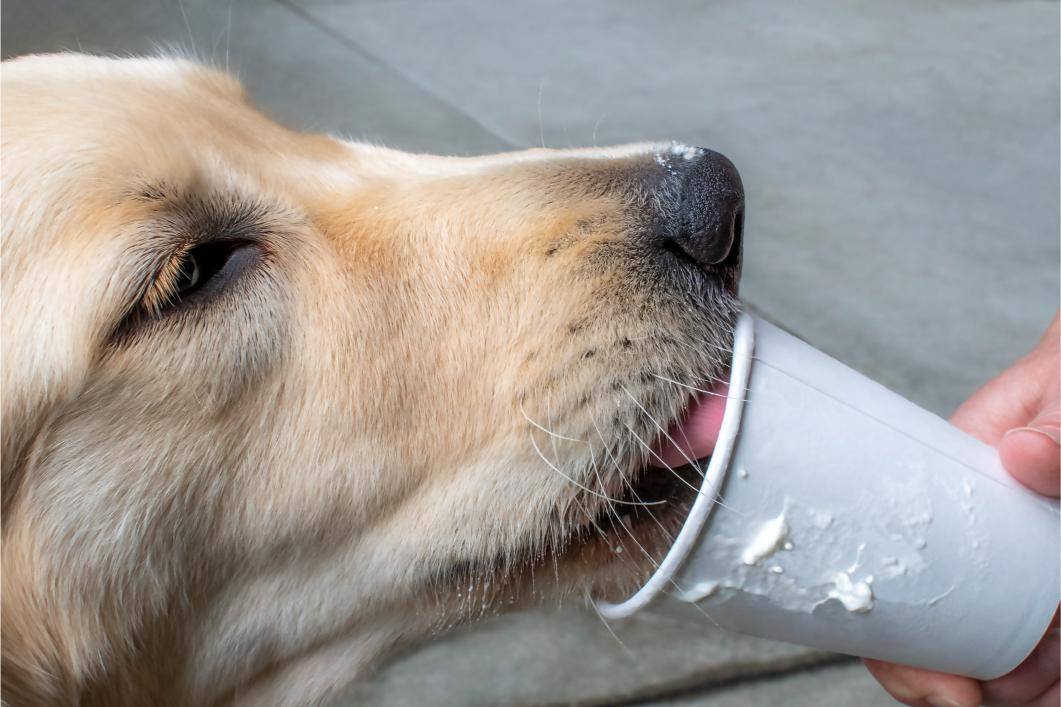
It gives dogs the same fun mustache moment but is often easier on the stomach than regular whipped cream. It keeps in the fridge for about two days.
2. Frozen Paw Bites for Aesthetic Feeds
Paw-shaped molds are everywhere on pet accounts. Blend camel milk with ½ cup blueberries, pour into molds, and freeze for about 2 hours.
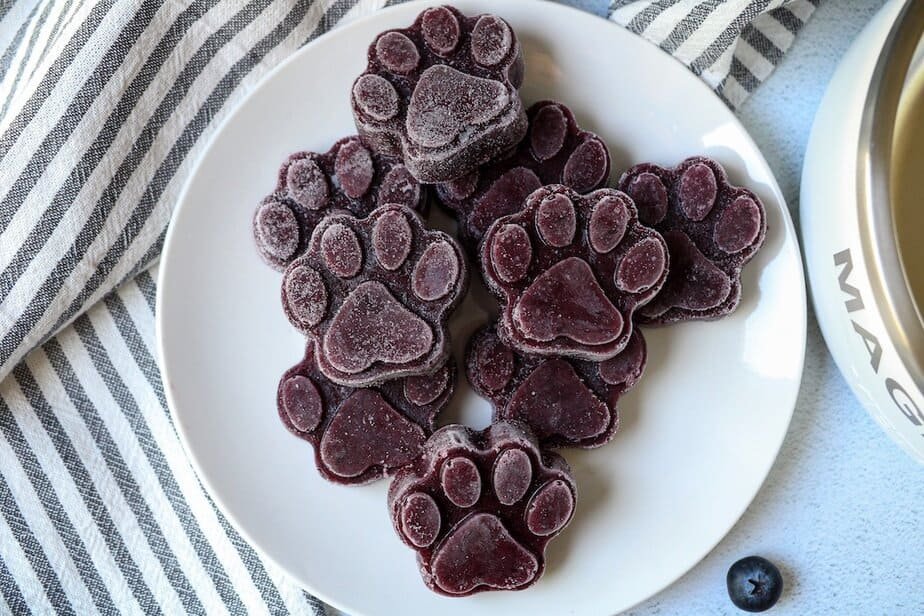
Pop one out and offer it after playtime. It’s a refreshing way to help dogs cool down, and blueberries are generally considered a healthy, dog-safe fruit. No sticky mess just an easy frozen treat.
3. Brunch Pancakes Without the Bloat
Viral dog pancake stacks look adorable, but many recipes include added sugar or salt. Instead, mix 1 cup oat flour, 1 egg, ¼ cup goat milk, and mashed banana for natural sweetness. Heat a non-stick pan, spoon in small rounds, and flip once golden.
They’re simple, lightly sweet, and tend to be easier to digest than traditional versions.
4. 3-Ingredient Power Biscuits
Store-bought treats can feel repetitive. Stir together 1 cup oat flour, ½ cup pumpkin purée (often used to support digestion), and ¼ cup camel milk. Roll the dough ½-inch thick, cut into shapes, and bake at 350°F for 20 minutes until firm.
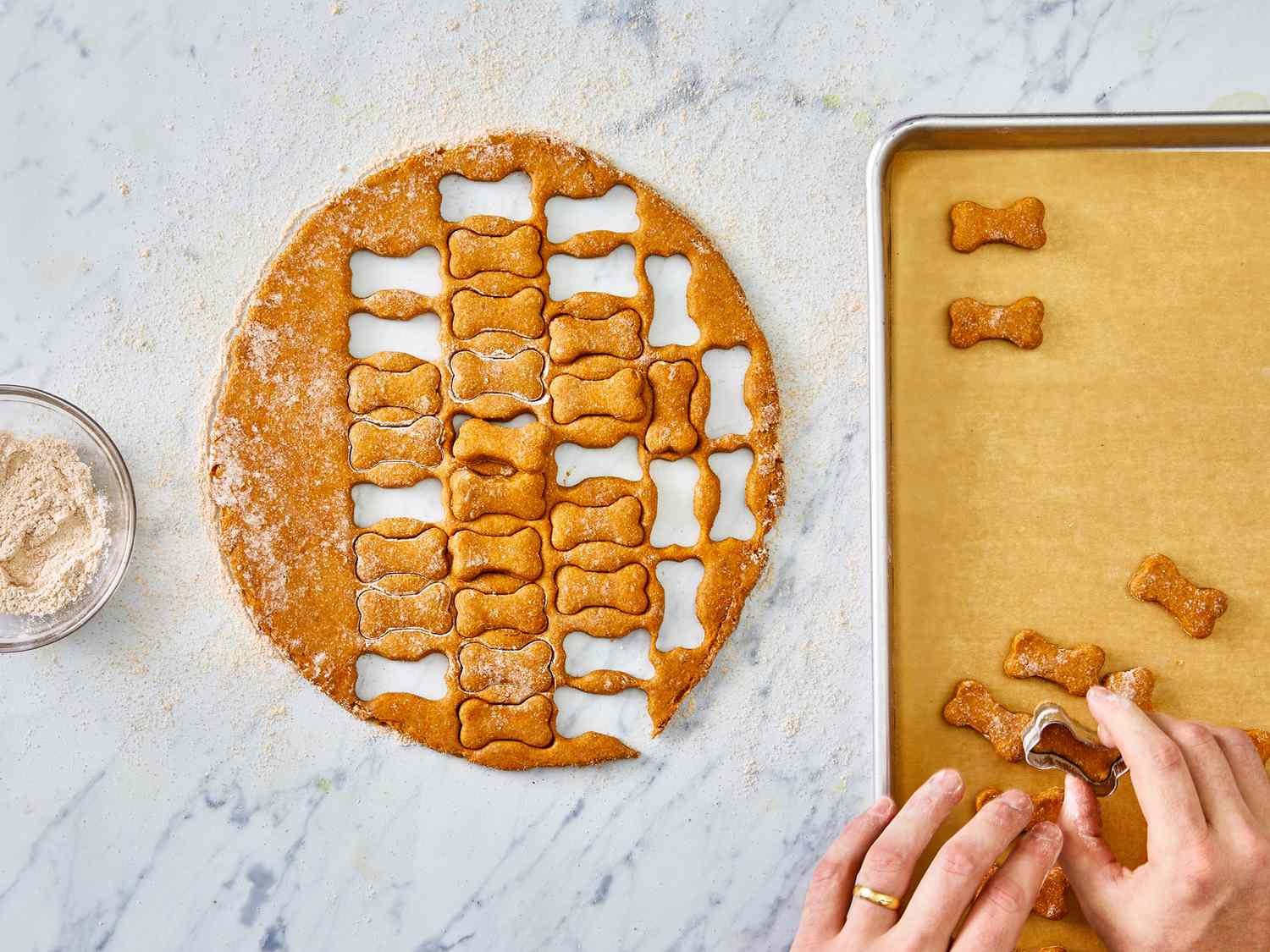
They make great crunchy training rewards and freeze well for up to a month.
5. Golden Lick Mat for Chill Vibes
Lick mats are popular for calming enrichment, but peanut butter can be high in calories. Instead, spread a thin layer of plain Greek yogurt and drizzle goat milk whisked with ⅛ tsp turmeric for color. Secure the mat and let the dog lick for about 10 minutes.
The repetitive licking itself can be soothing and helps keep dogs occupied during stressful moments like fireworks.
6. Pink Pops (Dye-Free Fun)
Bright neon treats are trending, but natural color works just as well. Blend ½ dragon fruit (pitaya) with 1 cup camel milk, pour into molds, and freeze overnight.
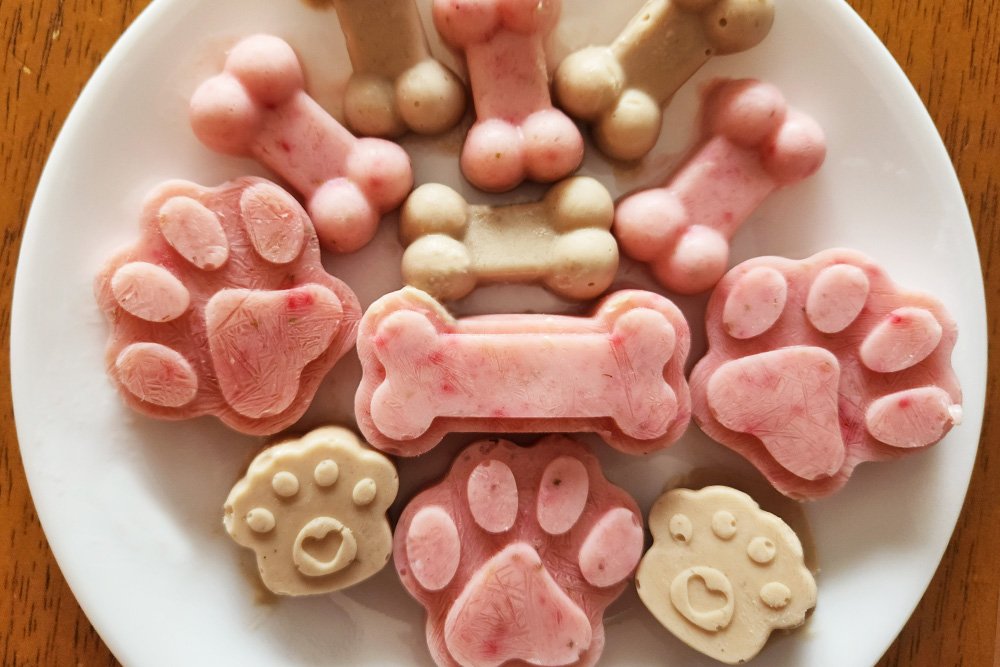
They’re naturally sweet without added sugar and make a fun, colorful treat for special occasions.
7. 60-Second Kibble Cereal Hack
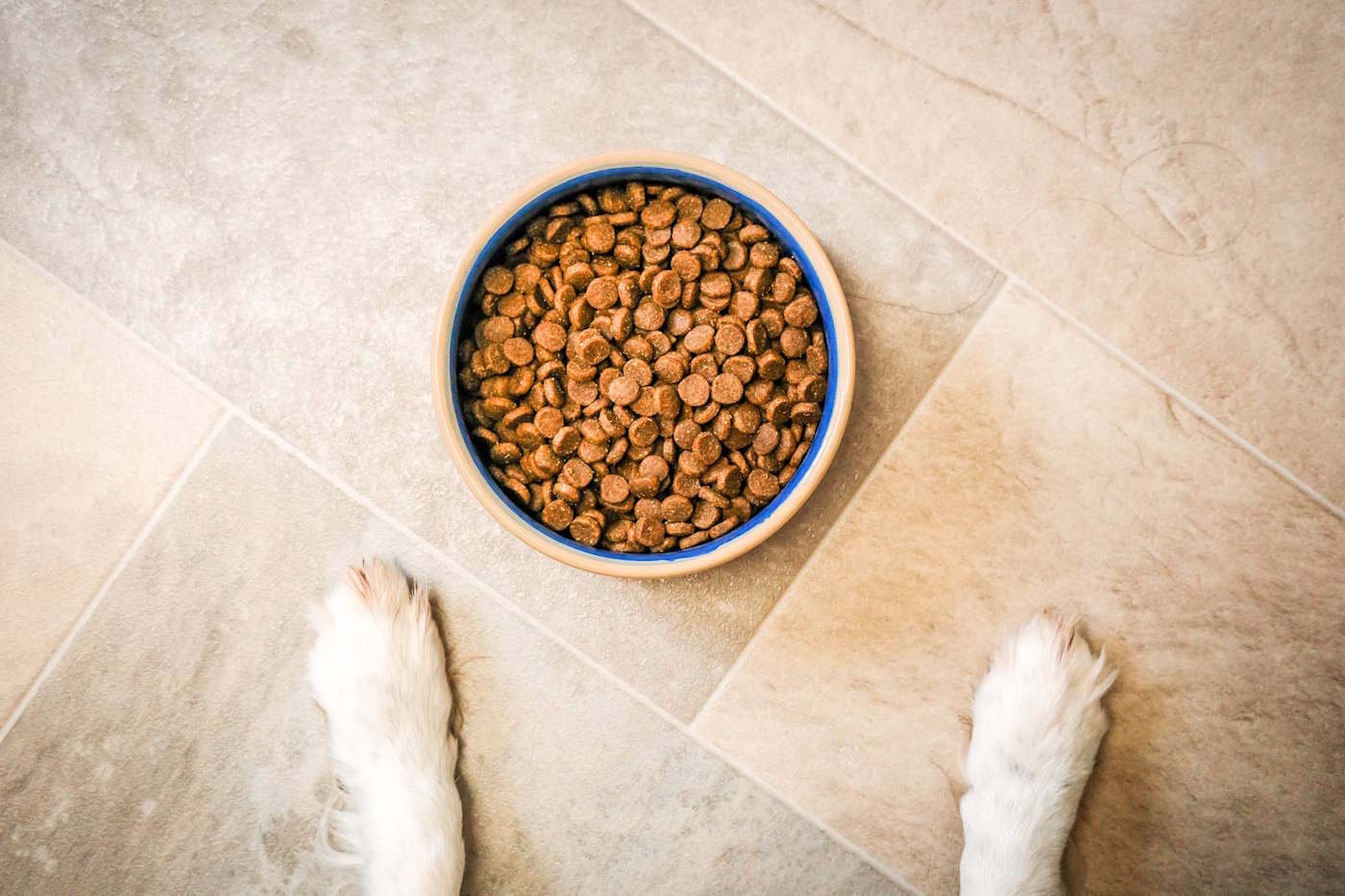
For picky eaters, warming ¼ cup of goat milk and pouring it over kibble creates a light gravy. Stir and serve.
Adding moisture can make dry food more appealing and may encourage better hydration.
Camel & Goat Milk Breakdown: Why They Work + How to Feed Safely
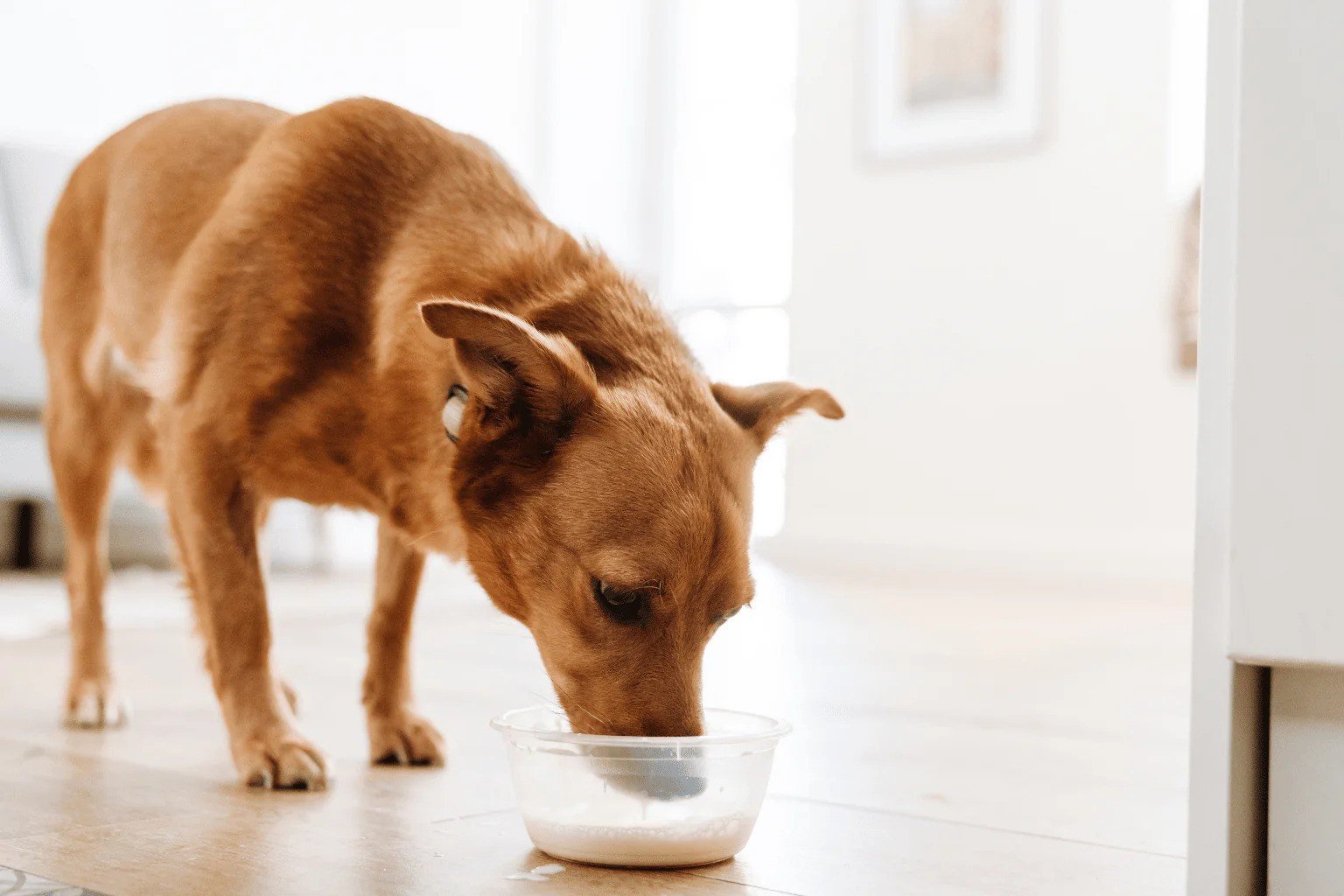
Goat milk has smaller fat globules than cow’s milk, which many dogs find easier to digest. It also contains natural probiotics and prebiotics that may support gut balance.
Camel milk can be another option. Some dogs that struggle with cow’s milk appear to tolerate it better. Many owners also use it as a way to add moisture and variety to meals.
Feeding Guide (Don’t Skip This!)
As a general rule, about 1 tablespoon per 10 pounds of body weight is plenty. A 20-pound dog would get around 2 tablespoons, split across treats. Overdoing it can lead to loose stools.
Slow Introduction:
Day 1: Pea-sized amount.
Day 2: Quarter portion.
Monitor stool consistency, energy, and any signs of sensitivity over 48 hours.
Prep Tips:
If using powdered milk, mix 1:1 with warm water. Fresh milk should be strained if needed and stored in the fridge for up to 5 days.
Store prepared recipes in an airtight container in the fridge for up to 3 days. Freeze portions in ice trays for up to 2 weeks and thaw briefly before serving.
Pup-Specific Notes:
Puppies and senior dogs may need smaller portions. Dogs on medication or with allergies should get a veterinarian’s approval before trying new ingredients. For heat-sensitive dogs, serve at room temperature.
Pro Tip:
Rotate 2–3 recipes weekly and pair treats with playtime for a balanced routine.
Simple, trend-inspired, and digestion-aware.
Wrapping It Up: Viral Fun Meets Real Health
From TikTok pup cups to colorful frozen pops, these treats bring viral fun together with more thoughtful ingredient swaps using goat and camel milk.
There’s no need to choose between a cute moment and a comfortable dog. With a few simple adjustments, it’s possible to enjoy both.
-
 All Products
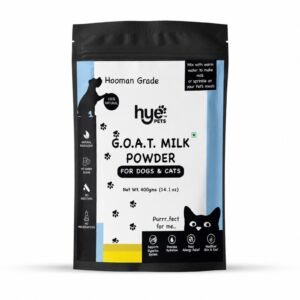
Goat Milk Powder for Dogs and Cats – 400g
Original price was: ₹1,298.86.₹733.96Current price is: ₹733.96. -
 All Products
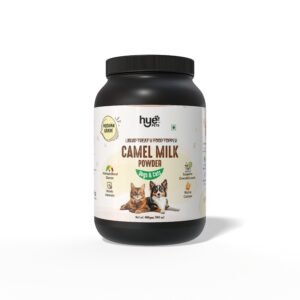
Camel Milk Powder For Dogs and Cats – 400g
Original price was: ₹1,499.75.₹499.00Current price is: ₹499.00. -
 All Products
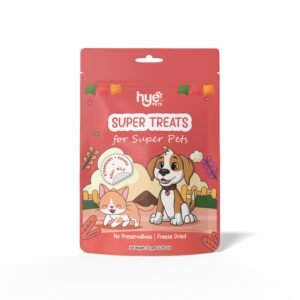
Super Treats for Super Pets made with Goat Milk, Strawberry and Banana | 30g
Original price was: ₹325.00.₹308.75Current price is: ₹308.75. -
 All Products
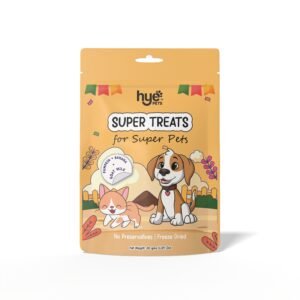
Super Treats for Super Pets made with Goat Milk, Pumpkin and Banana | 30g
Original price was: ₹279.00.₹265.06Current price is: ₹265.06. -
 All Products
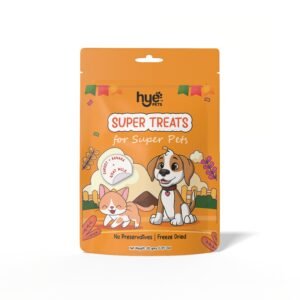
Super Treats for Super Pets made with Goat Milk, Carrot and Banana | 30g
Original price was: ₹279.00.₹265.06Current price is: ₹265.06. -
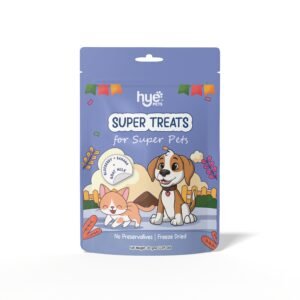 All Products
Super Treats for Super Pets made with Goat Milk, Blueberry and Banana | 30g
Original price was: ₹325.00.₹308.75Current price is: ₹308.75. -
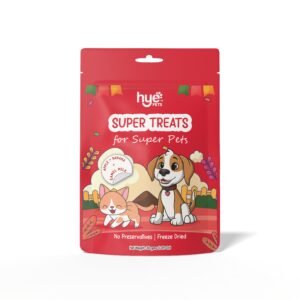 Out of stockAll Products
Super Treats for Super Pets made with Camel Milk, Apple and Banana | 30g
Original price was: ₹279.00.₹265.06Current price is: ₹265.06. -
 All Products
Super Treats for Super Pets made Camel Milk, Beetroot and Banana | 30g
Original price was: ₹279.00.₹265.06Current price is: ₹265.06. -
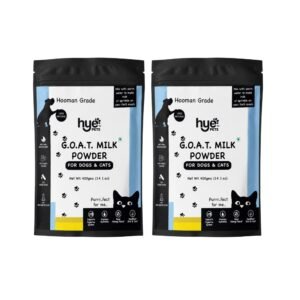 Combos
Goat Milk Powder for Dogs and Cats – Combo Pack (2 x 400g)
Original price was: ₹3,065.28.₹1,680.32Current price is: ₹1,680.32. -
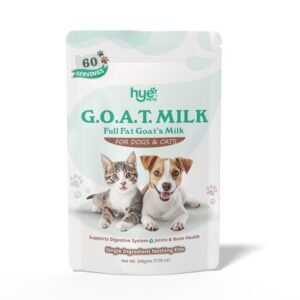 All Products
Goat Milk Powder for Dogs and Cats – 200g
Original price was: ₹698.99.₹657.05Current price is: ₹657.05. -
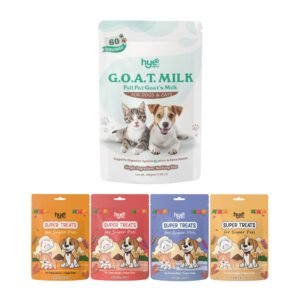 All Products
Goat Milk Powder and Freeze-Dried Goat Milk Treats Combo for Dogs and Cats
Original price was: ₹2,250.26.₹2,067.36Current price is: ₹2,067.36. -
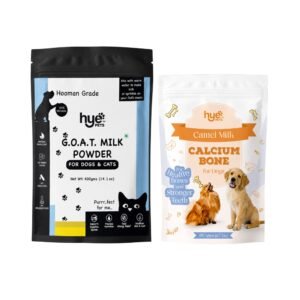 Combos
Goat Milk Powder and Camel Milk Calcium Bone for Dogs – Combo Pack
Original price was: ₹1,826.47.₹1,108.02Current price is: ₹1,108.02. -
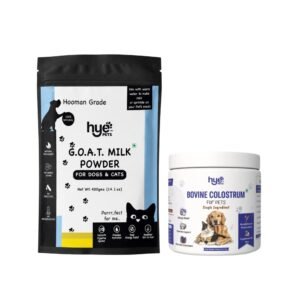 Combos
Goat Milk Powder and Bovine Colostrum Combo for Dogs & Cats
Original price was: ₹2,357.47.₹1,221.30Current price is: ₹1,221.30. -
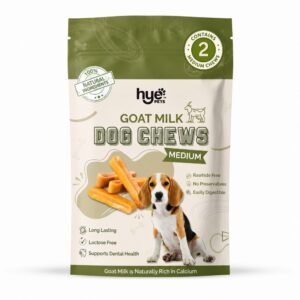 Goat Milk Treats
Goat Milk Dog Chews for Medium Dogs | Rawhide-Free Dental Treats | 2 Chews
Original price was: ₹449.01.₹422.01Current price is: ₹422.01. -
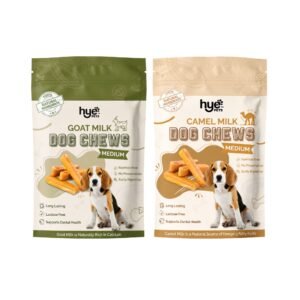 Combos
Goat Milk and Camel Milk Chews Combo for Medium Dogs
Original price was: ₹1,118.64.₹1,019.52Current price is: ₹1,019.52. -
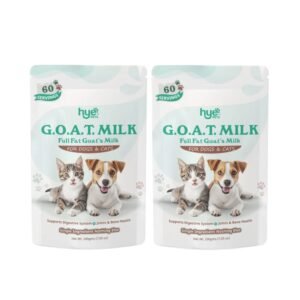 Combos
Full Fat Goat Milk Powder for Dogs and Cats Combo Pack (2 x 200g)
Original price was: ₹1,649.64.₹1,509.22Current price is: ₹1,509.22. -
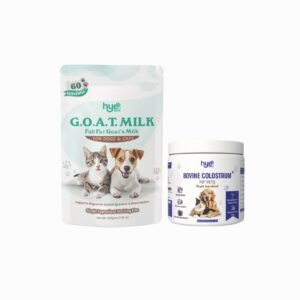 Combos
Full Fat Goat Milk Powder and Bovine Colostrum Combo for Dogs and Cats
Original price was: ₹1,398.01.₹949.01Current price is: ₹949.01.
- All Posts
- Blog
- Blogs
- Recipe
- Stories
- Trivia