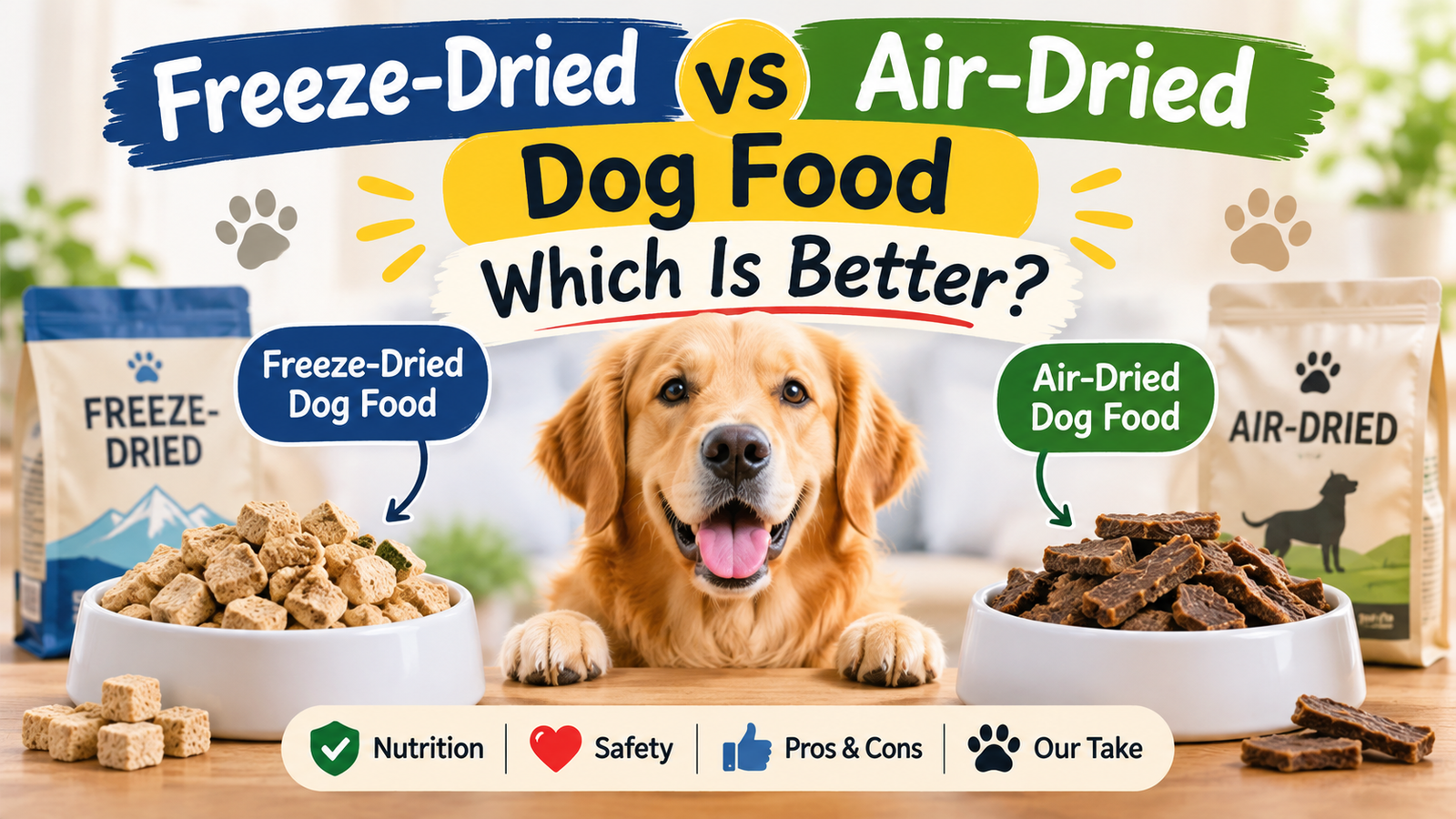
Have you ever stood in a pet store aisle comparing two bags of minimally processed dog food, wondering whether freeze-dried nuggets or air-dried strips are better for your pup? Neither freeze-dried nor air-dried dog food is automatically healthier for every dog. Both methods remove moisture to help preserve food and extend shelf life, though specific ingredients and preservation methods including natural or added preservatives vary by product.
Choosing a daily diet matters because complete, balanced nutrition supports your dog’s energy, muscle maintenance, and overall health across every life stage. While freeze-dried dog food uses sub-zero vacuum drying and air-dried dog food uses controlled warm airflow, those processing methods shape each food’s texture, preparation routine, and handling requirements, while overall nutritional value depends on the specific recipe, ingredients, and manufacturing conditions.
In this guide, we explain how both foods are made, compare their nutrition and safety profiles, weigh everyday trade-offs, and help you choose the right fit for your dog.
What Is Freeze-Dried Dog Food?
Freeze-dried dog food is made by freezing fresh ingredients most often raw, though sometimes pre-cooked and removing nearly all moisture under low pressure. This creates dry, lightweight, porous nuggets or patties that stay shelf-stable at room temperature. Common ingredients include muscle meat, organs like liver and heart, ground bone or calcium sources, vegetables, fruits, and added micronutrients.

How Is Freeze-Dried Dog Food Made?
Manufacturers generally follow three steps:
- Freezing: Fresh ingredients are mixed, shaped into patties or nuggets, and frozen at very low temperatures.
- Vacuum drying (sublimation): Frozen food enters a vacuum chamber where low pressure turns ice crystals directly into vapor without passing through a liquid stage.
- Packaging: Once moisture drops to very low levels, the food is sealed in airtight, moisture-barrier bags.
Benefits of Freeze-Dried Dog Food
Because nearly all water is removed, freeze-dried food is lightweight, compact for storage, and convenient for travel. Many formulas feature recognizable whole-food ingredients and offer serving flexibility you can feed them dry as a topper or rehydrate them with water per package directions.
Potential Drawbacks of Freeze-Dried Dog Food
Freeze-dried diets typically cost more per meal than conventional kibble. Many products use raw animal ingredients that require strict kitchen hygiene, and several items are formulated only as mixers or treats rather than complete daily meals.
What Is Air-Dried Dog Food?
Air-dried dog food uses a continuous flow of gently warmed air to evaporate moisture slowly from fresh ingredients without freezing them first. The finished product has a dense, firm, jerky-like texture and comes in small squares, strips, or bite-sized pieces that store neatly at room temperature. Recipes typically combine meat, fish, and organs with produce, oils, and essential vitamins and minerals.
How Is Air-Dried Dog Food Made?
Production generally involves three controlled stages:
- Ingredient preparation: Fresh meats, organs, and targeted nutrients are ground, blended, and sliced into small strips or squares.
- Controlled warm-air drying: Portions sit on trays in drying chambers where temperature- and humidity-controlled air circulates over several hours.
- Cooling and packaging: Once moisture reaches a shelf-stable threshold, the food cools and is packed into resealable bags.
Benefits of Air-Dried Dog Food
Air-dried dog food offers straightforward scoop-and-serve convenience with no thawing or mandatory rehydration. It stores compactly in a cupboard, provides a firm, chewy texture many dogs enjoy, and works well for everyday feeding when formulated as a complete diet.
Potential Drawbacks of Air-Dried Dog Food
Air-dried dog food also sits in a higher price tier than standard kibble. Because moisture is removed and meat content is concentrated, portions are calorie-dense, making accurate measuring important to prevent weight gain. Drying temperatures, preservation methods, and quality controls also vary across manufacturers.
Freeze-Dried vs Air-Dried Dog Food: What Are the Main Differences?
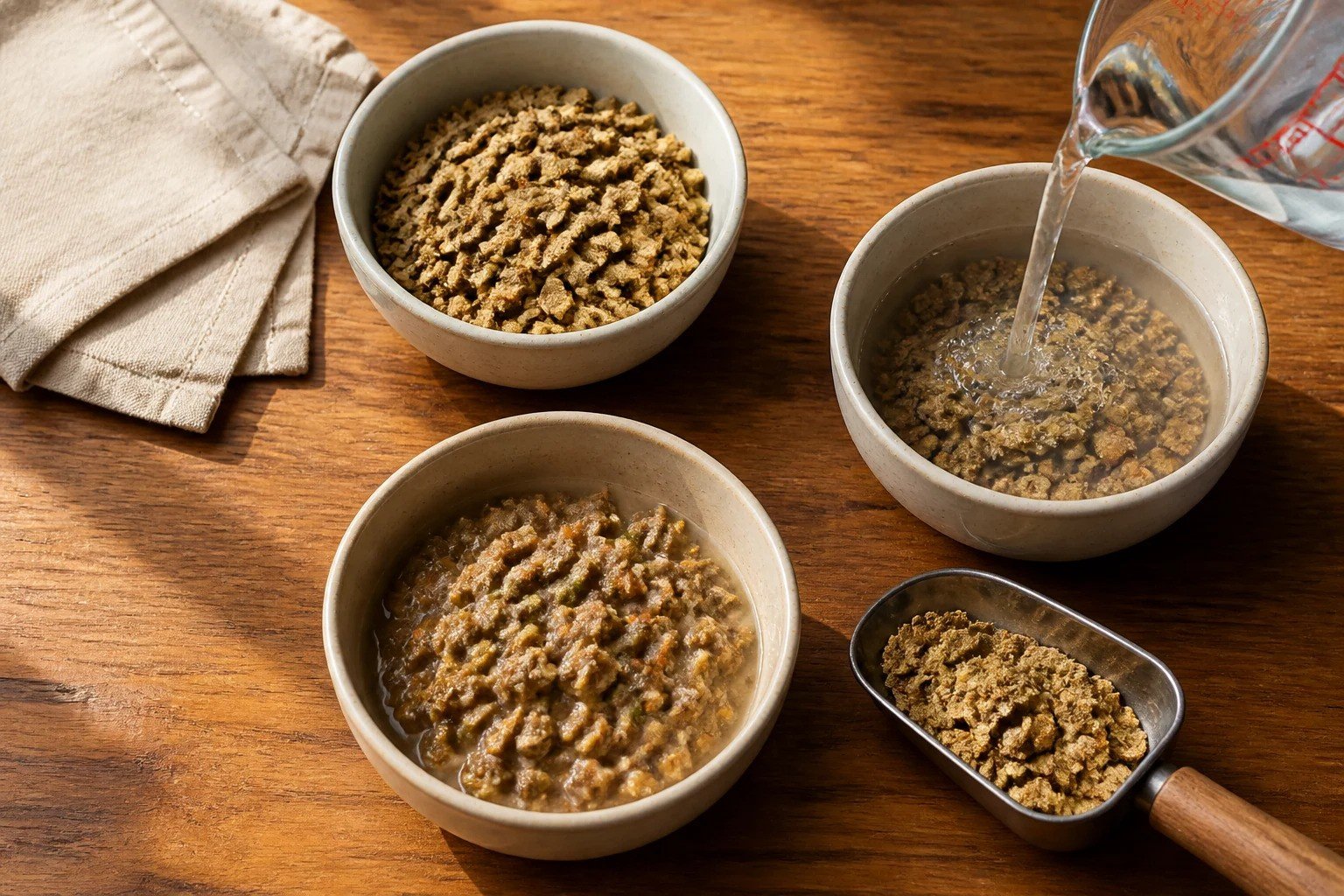
Both methods preserve food by reducing moisture, but they create distinct kitchen routines. Freeze-dried food has a light, crumbly texture, and many manufacturers recommend adding warm water before serving. Air-dried food has a denser, chewy consistency that goes straight from bag to bowl and can double as training treats.
Food safety is a critical consideration when comparing air-dried vs. freeze-dried dog food. According to the U.S. Food and Drug Administration (FDA) raw pet food guidance and the Centers for Disease Control and Prevention (CDC) pet food safety guidance, freeze-drying and dehydration do not necessarily eliminate harmful bacteria such as Salmonella, Listeria monocytogenes, or E. coli. Removing moisture inhibits bacterial growth while the food remains dry, but dormant pathogens can survive in raw or undercooked animal ingredients and pose infection risks to pets and household members.
Similarly, gentle warm-air drying may not reach temperatures high enough to destroy all pathogens. Under FDA animal food preventive-controls rules, manufacturers must identify relevant food-safety hazards and implement appropriate preventive controls. Depending on the product and identified risks, verification may include process validation, product testing, and environmental monitoring. Some brands apply high-pressure processing (HPP) to help reduce bacterial loads; however, as CDC pet food safety guidance notes, uncooked meat diets treated with HPP are still considered raw pet food, and HPP does not sterilize food or guarantee the complete absence of pathogens. Regardless of format, choose brands with transparent testing protocols, wash hands and bowls thoroughly after handling raw products, and follow proper dog food storage practices by keeping bags sealed in a cool, dry place.
Comparison Table
Factor | Freeze-Dried Dog Food | Air-Dried Dog Food |
Processing | Frozen and vacuum-dried | Controlled warm-air drying |
Texture | Lightweight and porous | Dense and chewy |
Moisture | Very low | Very low |
Preparation | May require rehydration | Usually ready to serve |
Storage | Generally shelf-stable | Generally shelf-stable |
Nutrition | Depends on formulation | Depends on formulation |
Safety | Depends on processing and ingredients | Depends on processing and ingredients |
Convenience | Easy to store and portion | Easy to serve |
Freeze-Dried vs Air-Dried Dog Food: Which Offers Better Nutrition?
Neither drying method automatically produces a more nutritious diet. Overall nutritional value depends on ingredient quality, recipe formulation, processing conditions, and whether the finished food meets established nutrient standards.
Protein and Fat Content
Many freeze-dried and air-dried formulas feature high levels of animal protein and fat, though exact amounts vary widely by recipe. Because moisture is removed, nutrients and calories are concentrated by weight, making calories per cup or gram essential to check. As the FDA explains in its pet food labeling guidance, converting guaranteed analysis percentages to a dry-matter basis allows a more accurate comparison between foods with different moisture levels.
Vitamins and Minerals
Dogs require precise ratios of essential micronutrients including calcium, phosphorus, zinc, copper, and vitamins A, D, and E to support bone structure, metabolism, and immune function. Complete and balanced recipes rely on careful ingredient formulation such as organ meats and mineral sources and, where needed, targeted vitamin and mineral supplements to meet established nutritional requirements.
Nutrient Retention
Processing affects nutrients in complex ways rather than giving either method a universal edge. While avoiding prolonged high-heat cooking helps protect certain heat-sensitive vitamins, oxygen exposure, light, and storage time still affect sensitive vitamins and fats over a product’s shelf life. Digestibility also depends on ingredient quality, processing conditions, and your individual dog rather than the drying method alone. When formulating complete diets, many manufacturers adjust ingredient ratios or add targeted vitamins and minerals to account for potential nutrient losses and meet established nutritional standards.
Complete and Balanced Nutrition
Recognizable meat ingredients do not guarantee that a diet meets your dog’s daily requirements. In North America, the Association of American Feed Control Officials (AAFCO) establishes nutrient profiles and feeding trial procedures used to substantiate complete and balanced label claims for specific life stages, though AAFCO does not test or certify individual brands. In Europe, the European Pet Food Industry Federation (FEDIAF) publishes comparable nutritional guidelines, while the World Small Animal Veterinary Association (WSAVA) offers global toolkits to help pet owners evaluate a manufacturer’s nutritional expertise and quality control without endorsing specific brands.
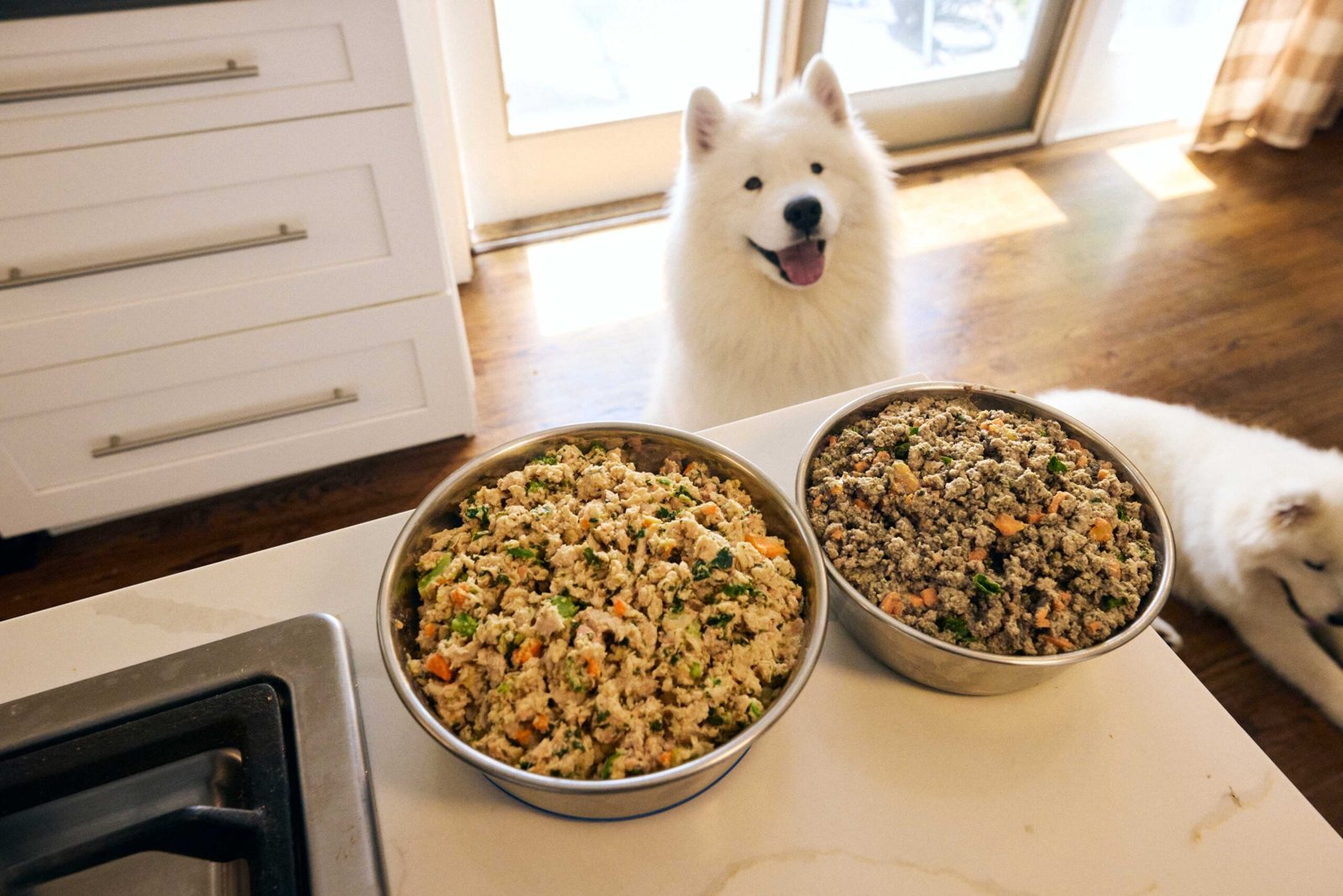
Pros and Cons of Freeze-Dried vs Air-Dried Dog Food
Practical day-to-day trade-offs often determine which format fits your home best.
Freeze-Dried Dog Food: Pros and Cons
- Travel and pantry efficiency: Lightweight bags take up minimal storage space and pack easily for trips.
- Adjustable texture and moisture: Adding water per label directions softens the nuggets and increases moisture in the bowl, which some hesitant eaters prefer.
- Daily sanitation routine: Raw formulas require thorough handwashing and disinfecting of bowls, scoops, and prep surfaces after every meal.
- Budget impact and crumbling: Feeding exclusively freeze-dried food gets costly for medium and large dogs, and fragile nuggets can break into fine powder.
Air-Dried Dog Food: Pros and Cons
- Grab-and-serve ease: Zero preparation time simplifies busy mornings and pet-sitter instructions.
- Chewy consistency and versatility: Firm pieces suit dogs that prefer chewing over crumbly textures and double easily as training rewards.
- Portion sensitivity: Concentrated calories in compact pieces mean small extra handfuls can quickly lead to weight gain.
- Manufacturer variability: Drying temperatures, ingredient ratios, and pathogen-testing transparency differ noticeably between brands.
Freeze-Dried vs Air-Dried Dog Food: Which Is Right for Your Dog?
There is no universal winner in the freeze-dried vs air-dried dog food comparison. Matching the format to your dog’s life stage, health profile, and feeding preferences helps guide your decision.
For Puppies
Growing puppies need carefully calibrated protein, fat, calcium, and phosphorus levels to support skeletal and brain development. Choose a diet labeled as complete and balanced for growth or all life stages and for large-breed puppies, and verify that it meets large-breed growth requirements for controlled calcium and calorie intake. Because raw animal-protein products can carry harmful bacteria such as Salmonella and E. coli posing heightened risks to puppies with developing immune systems as well as household members both the CDC pet food safety guidelines and the American Veterinary Medical Association (AVMA) policy on raw animal-source protein advise against feeding raw diets. Consult your veterinarian to choose a safe, appropriate diet tailored to your puppy’s nutritional needs.
For Adult Dogs
Healthy adult dogs can do well in either format when the recipe meets adult maintenance standards. Base your choice on daily convenience and budget: air-dried food suits quick dry scooping, while freeze-dried food fits owners who prefer preparing rehydrated meals or adding toppers.
For Senior Dogs
Older dogs have varying nutritional needs depending on body condition, activity level, oral comfort, and medical history. Rehydrated freeze-dried food softens with water and may be easier for some senior dogs to eat, depending on their dental comfort and individual needs, while air-dried pieces suit older dogs comfortable with firmer textures. Work with your veterinarian to tailor calorie, protein, fat, and mineral intake to your senior dog’s individual health needs.
For Picky Eaters and Dogs With Sensitive Digestion
Picky dogs may respond well to the aroma of warm, rehydrated freeze-dried food or the chewy texture of air-dried strips. For dogs with sensitive stomachs, neither format is automatically easier to digest; instead, select clearly defined recipes, follow a gradual 7-to-10-day food transition, and consult your veterinarian if digestive symptoms persist.
How to Choose Between Freeze-Dried and Air-Dried Dog Food
Before buying either format, use this checklist to evaluate the product beyond front-of-bag claims:
- Check the nutritional adequacy statement: Confirm the label states the food is complete and balanced for your dog’s life stage rather than intended only for intermittent or supplemental feeding.
- Read the ingredient list: Look for clearly named animal proteins and organs at the top of the panel rather than vague ingredient terms.
- Compare calories and guaranteed analysis: Review calories per cup or gram alongside protein and fat percentages to portion accurately.
- Verify food-safety and testing standards: Choose brands that share clear information on pathogen testing, microbial reduction steps, and quality control especially if your household includes young children, older adults, pregnant individuals, or immunocompromised people.
- Match the formula to your dog’s health: Factor in food sensitivities, weight goals, eating preferences, and veterinary advice.
- Calculate daily feeding cost: Compare the cost per day for your dog’s weight rather than judging by packet price alone.
- Follow storage and transition guidelines: Reseal bags tightly in a cool, dry place, follow rehydration directions, and introduce new food slowly over a week.
Final Verdict
Both freeze-dried and air-dried dog foods offer shelf-stable alternatives to conventional kibble. Freeze-dried food provides lightweight storage and flexible serving options, though it requires careful hygiene for raw recipes and carries a higher daily cost. Air-dried food offers straightforward scoop-and-serve convenience and a chewy texture, provided you monitor calorie-dense portions and choose a brand with strong quality controls.
Ultimately, complete and balanced nutrition and verified food-safety standards matter far more than the drying method on the label. Choose the option that fits your dog’s life stage, health profile, and daily routine and consult your veterinarian whenever you make a major change to your dog’s diet.
-
 All Products
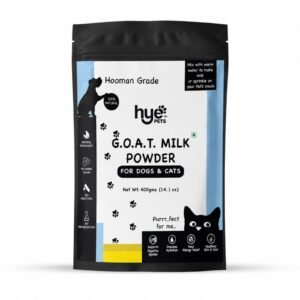
Goat Milk Powder for Dogs and Cats – 400g
Original price was: ₹1,298.86.₹733.96Current price is: ₹733.96. -
 All Products
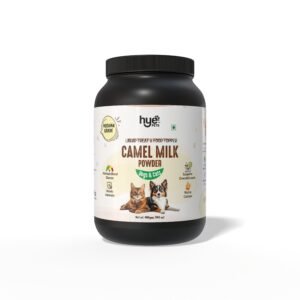
Camel Milk Powder For Dogs and Cats – 400g
Original price was: ₹1,499.75.₹499.00Current price is: ₹499.00. -
 All Products
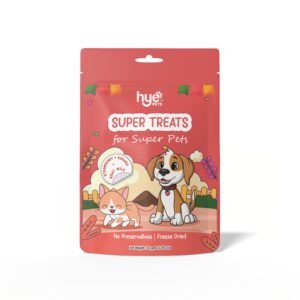
Super Treats for Super Pets made with Goat Milk, Strawberry and Banana | 30g
Original price was: ₹325.00.₹308.75Current price is: ₹308.75. -
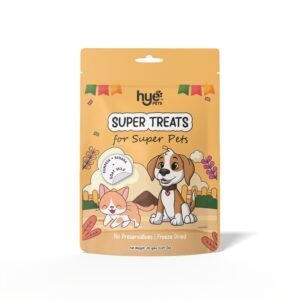 All Products
Super Treats for Super Pets made with Goat Milk, Pumpkin and Banana | 30g
Original price was: ₹279.00.₹265.06Current price is: ₹265.06. -
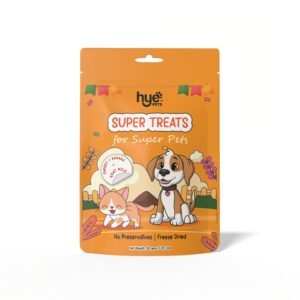 All Products
Super Treats for Super Pets made with Goat Milk, Carrot and Banana | 30g
Original price was: ₹279.00.₹265.06Current price is: ₹265.06. -
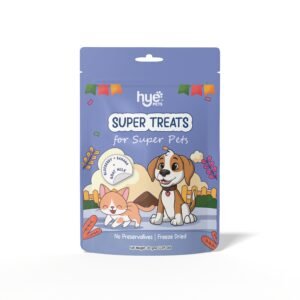 All Products
Super Treats for Super Pets made with Goat Milk, Blueberry and Banana | 30g
Original price was: ₹325.00.₹308.75Current price is: ₹308.75. -
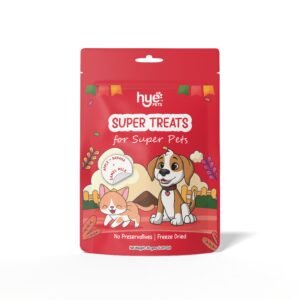 All Products
Super Treats for Super Pets made with Camel Milk, Apple and Banana | 30g
Original price was: ₹279.00.₹265.06Current price is: ₹265.06. -
 All Products
Super Treats for Super Pets made Camel Milk, Beetroot and Banana | 30g
Original price was: ₹279.00.₹265.06Current price is: ₹265.06. -
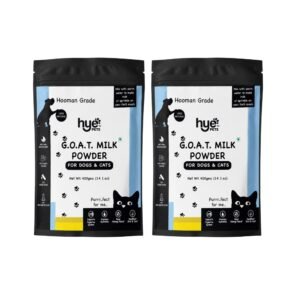 Combos
Goat Milk Powder for Dogs and Cats – Combo Pack (2 x 400g)
Original price was: ₹3,065.28.₹1,680.32Current price is: ₹1,680.32. -
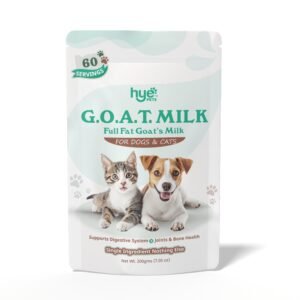 All Products
Goat Milk Powder for Dogs and Cats – 200g
Original price was: ₹698.99.₹657.05Current price is: ₹657.05. -
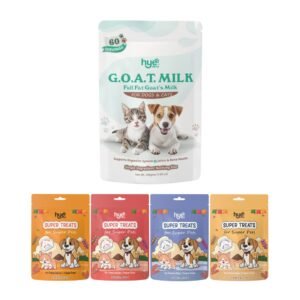 All Products
Goat Milk Powder and Freeze-Dried Goat Milk Treats Combo for Dogs and Cats
Original price was: ₹2,250.26.₹2,067.36Current price is: ₹2,067.36. -
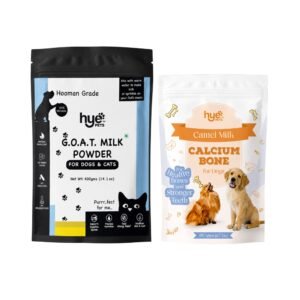 Combos
Goat Milk Powder and Camel Milk Calcium Bone for Dogs – Combo Pack
Original price was: ₹1,826.47.₹1,108.02Current price is: ₹1,108.02. -
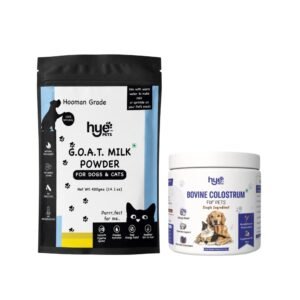 Combos
Goat Milk Powder and Bovine Colostrum Combo for Dogs & Cats
Original price was: ₹2,357.47.₹1,221.30Current price is: ₹1,221.30. -
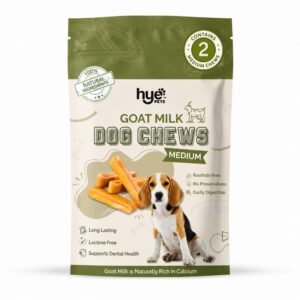 Goat Milk Treats
Goat Milk Dog Chews for Medium Dogs | Rawhide-Free Dental Treats | 2 Chews
Original price was: ₹449.01.₹422.01Current price is: ₹422.01. -
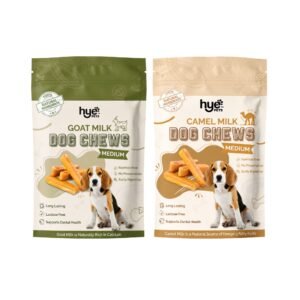 Combos
Goat Milk and Camel Milk Chews Combo for Medium Dogs
Original price was: ₹1,118.64.₹1,019.52Current price is: ₹1,019.52. -
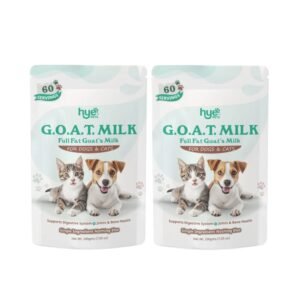 Combos
Full Fat Goat Milk Powder for Dogs and Cats Combo Pack (2 x 200g)
Original price was: ₹1,649.64.₹1,509.22Current price is: ₹1,509.22. -
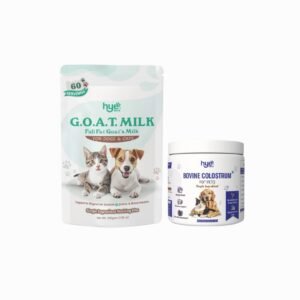 Combos
Full Fat Goat Milk Powder and Bovine Colostrum Combo for Dogs and Cats
Original price was: ₹1,398.01.₹949.01Current price is: ₹949.01.
- All Posts
- Blog
- Blogs
- Recipe
- Stories
- Trivia