
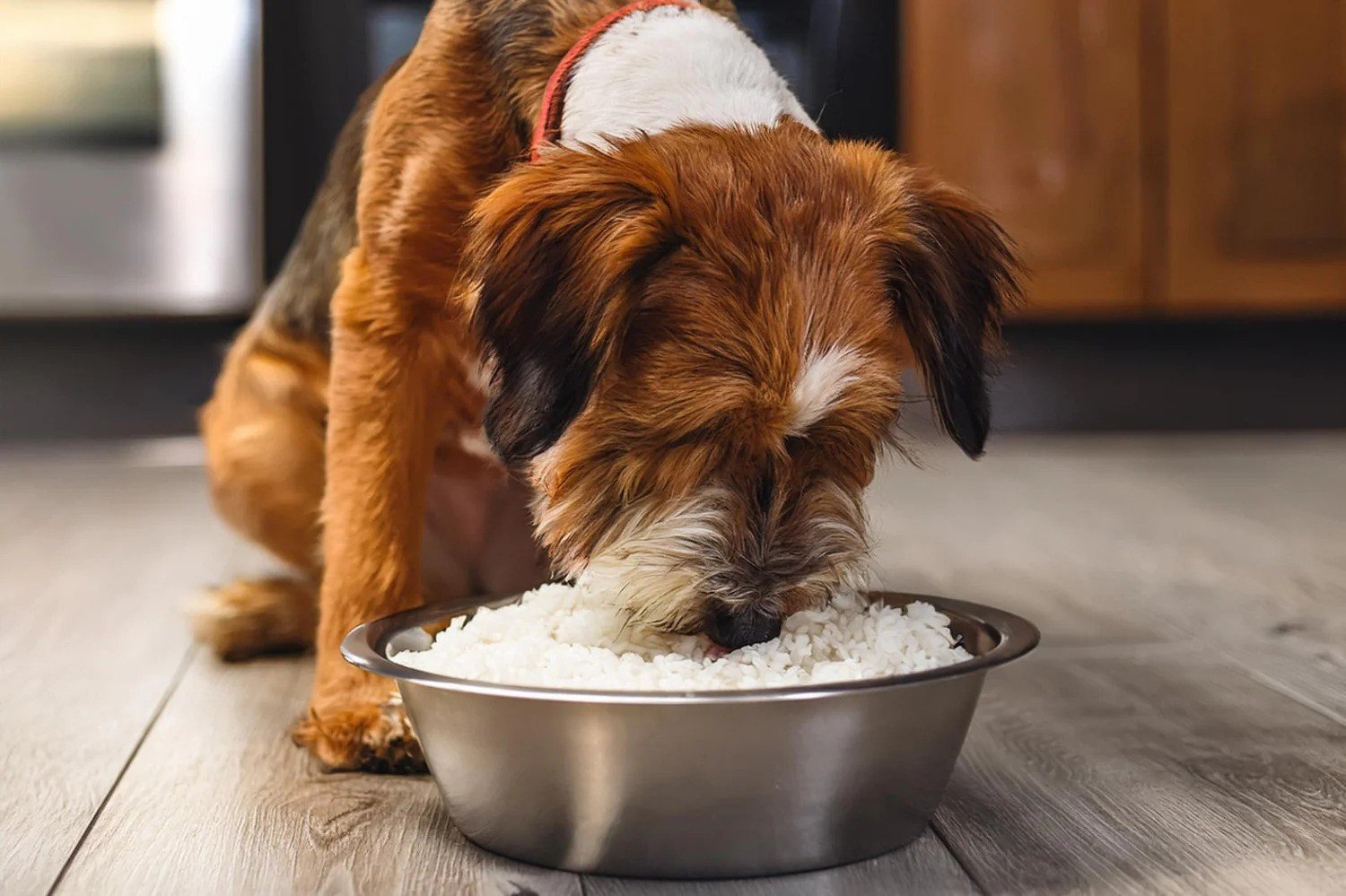
Most Indian dogs grow up eating rice in some form. Whether it is mixed with boiled chicken, a scoop of fresh dahi, a splash of dal water, or even a little leftover homemade gravy, rice is a staple in our households. For many pet parents, a warm bowl of rice feels like the safest, easiest thing to feed. And honestly, most dogs never say no to a bowl of warm rice.

But then, the internet confusion starts.
You read an online forum where someone claims rice is excellent for dogs. Five minutes later, an Instagram reel blames it for canine obesity and poor nutrition. One vet recommends plain white rice when your dog has a runny tummy, while another warns that dogs should avoid too many carbs altogether.
So what is the actual truth? Can dogs safely eat rice every day, or does a daily rice diet slowly create health problems? Let’s talk about what actually happens in the food bowl.
Can Dogs Eat Rice Every Day?
The short answer is yes, dogs can eat rice every day, but with a major catch.
Rice can absolutely be a healthy part of your dog’s daily diet, but it should never become the entire meal. While we humans can easily sustain ourselves on a heavy carbohydrate diet, our dogs have very different nutritional needs.
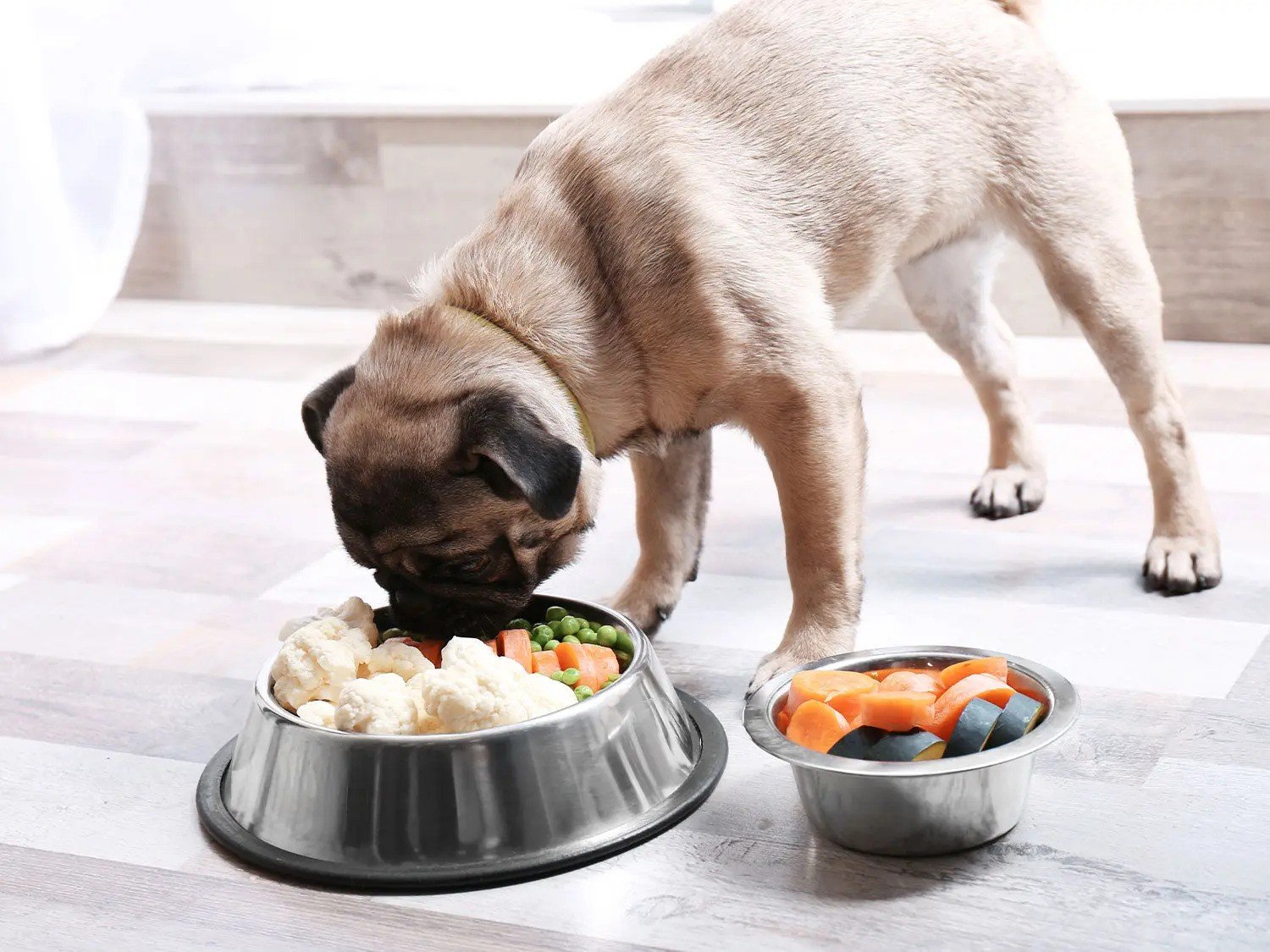
Think of rice as a supporting actor, not the star of the show. For a truly balanced dog diet, their bowl still needs plenty of high-quality proteins, essential fats, and vitamins. Feeding plain rice day in and day out without balancing it with proper proteins will lead to nutritional deficiencies over time. It fills them up, but it doesn’t give them everything they need to stay strong.
Is Rice Good for Dogs?
There is a reason why rice has been a go-to for generations of Indian pet parents. It isn’t just cheap and accessible, it actually works beautifully when a dog’s stomach is acting up.
Rice is incredibly gentle on a dog’s digestive tract. It provides a quick source of energy, which is great for high-energy dogs who burn through calories fast. Because it requires very little effort for the gut to break down, it works as an excellent recovery food. This is exactly why vets often recommend boiled rice and chicken after a sudden stomach upset.
Benefits of Rice for Dogs
Here are the practical reasons why rice for dogs can be a useful addition to their daily menu.
Easy to Digest
Cooked rice is incredibly light on the stomach. If your dog refuses everything else during an upset stomach even their favorite treats, plain rice is often one of the few foods they’ll still look at and slowly nibble on. It just goes down easily without overworking their system.
Helps During Diarrhea
Nothing ruins your day faster than cleaning up diarrhea at 2 AM while your dog looks absolutely miserable. When dealing with loose stools in dogs, plain, overcooked white rice is a lifesaver. It is low in fiber, which helps bind the stool, soothe the irritated gut lining, and give their system a much-needed break.

Gives Quick Energy
Dogs need energy to chase balls, guard the house, and follow you from room to room. The carbohydrates in rice break down quickly, providing immediate energy support for active dogs who love to run around.
Budget-Friendly Homemade Meals
Let’s be practical raising a dog can get heavy on the pocket. For pet parents looking to prepare nutritious, fresh homemade dog food, rice is a great, affordable base. Combining a portion of rice with fresh proteins like eggs, chicken, or local vegetables makes fresh feeding highly sustainable for the family budget.
White Rice vs Brown Rice for Dogs
Not all rice is created equal. When deciding between white rice vs brown rice for dogs, the right choice depends entirely on your dog’s current health status.
Feature | White Rice | Brown Rice |
Processing | Hull and bran removed | Whole grain (bran intact) |
Digestibility | Very easy to digest | Harder to digest |
Fiber Content | Low | High |
Nutrient Value | Lower (mostly pure carbs) | Higher (Vitamins & Minerals) |
Best Used For | Upset stomach, diarrhea, quick energy | Healthy, highly active adult dogs |
White rice is usually safer for sensitive stomachs because the fibrous outer shell is removed, making it incredibly easy to process. Brown rice retains its nutrient-rich outer layer. It contains more natural vitamins and serves as one of the great fiber-rich dog foods, but it requires a strong, healthy digestive system to process properly.
Can Rice Be Bad for Dogs?
While rice has its benefits, too much of it can backfire. To keep your dog healthy, we have to look at the risks.
A lot of us grew up thinking an extra scoop of rice means a fuller, happier dog. But over time, those extra carbs add up, especially for indoor dogs that spend most of their day sleeping on the sofa. Excessive rice feeding without enough physical exercise can quickly lead to weight gain and canine obesity, which puts severe pressure on your dog’s joints and heart.
Also, rice causes a quicker spike in blood sugar levels compared to proteins. For diabetic dogs, or breeds highly prone to diabetes, a high-carb rice diet can be genuinely risky. A bowl filled entirely with rice every day is not a proper diet. It just fills the stomach without giving them real nutrition.
How Much Rice Can Dogs Eat?
To keep your pup healthy, rice should only make up a small portion of their daily food ideally around 10% to 15% of the total meal, with protein always dominating the bowl.
Here is a simple breakdown based on your dog’s size:
Dog Size | Example Breeds | Recommended Daily Cooked Rice Portion |
Small Dogs | Indie Puppy, Shih Tzu, Pug, Pomeranian | 1 to 2 tablespoons |
Medium Dogs | Cocker Spaniel, Indie Adult, Beagle | 1/4 to 1/3 of a cup |
Large Dogs | Labrador, Golden Retriever, German Shepherd | 1/2 to 3/4 of a cup |
Every dog is different. Always introduce new foods gradually and adjust portions based on how active your dog actually is.
Best Things to Mix With Rice for Dogs
If you want to create wholesome, delicious homemade meals for dogs using rice as a base, keep it simple and fresh.
Great Mix-Ins:
- Boiled Chicken: Lean, packed with protein, and a classic favorite. Always remove the bones completely.
- Eggs: Scrambled or boiled without oil or salt for a fantastic protein boost.
- Pumpkin & Carrots: Steamed or mashed for natural vitamins and smooth digestion.
- Fish: Deboned, boiled fish offers great omega fatty acids.
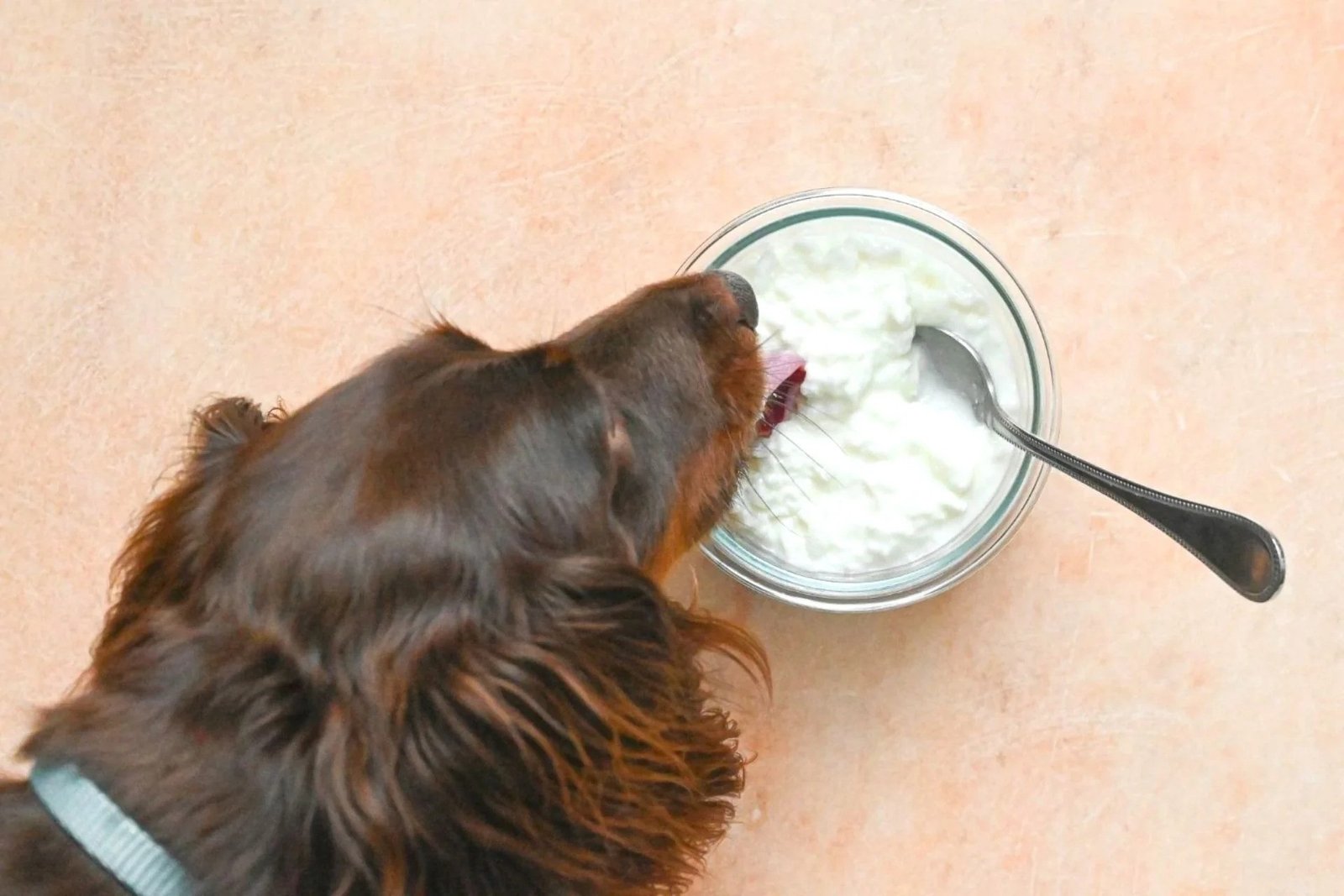
- Fresh Curd (Dahi): A cool tablespoon of unsweetened curd adds wonderful natural probiotics. It’s a lifesaver for hot summer days.
Strictly Avoid:
- Spicy Curries: Indian masalas will severely irritate a dog’s stomach lining.
- Onions & Garlic: Highly toxic to dogs in any form, so keep them away from leftover gravies.
- Oily Leftovers: Can trigger acute, painful digestive issues like pancreatitis.
- Excess Salt & Sugar: Bad for their kidneys and overall metabolism.
Can Puppies Eat Rice?
Yes, puppies can eat rice in moderation. Because it has a soft texture, it works well as a transitional soft food option when moving a puppy from mother’s milk to solid foods.
However, puppies are growing at an incredible rate. Their bones, muscles, and organs need highly specific amounts of calcium, phosphorus, and protein. While a little mushy rice and chicken is fine for a sensitive puppy’s tummy, ensure their primary meals come from a growth-focused formula so they don’t miss out on vital nutrients. They need those building blocks early on.
When Dogs Should Avoid Rice
While rice is generally safe, it is best to keep it out of the bowl if your dog suffers from:
- Obesity: If your dog is already struggling with weight, swapping carbs for lean proteins is a safer route.
- Diabetes: The starch in rice can cause risky blood sugar fluctuations.
- Grain Allergies: Though rare, some dogs experience chronic itchy skin or yeast infections from grain-heavy diets.
One dog will happily eat rice and chicken for years with zero issues. Another will get bloated after two meals and refuse breakfast the next morning. Dogs are weird like that. Pay attention to your dog’s energy, coat quality, and poop consistency to find their perfect balance.
Conclusion
Rice can be a healthy and easily digestible part of your dog’s diet when fed in moderation. It works well as a supporting food, especially for dogs with sensitive stomachs or during recovery from mild digestive issues. However, rice should never replace protein-rich foods or serve as the sole source of protein. The key is balance. Rice should complement a complete and nutritious meal, not define it.
-
 All Products
Goat Milk Powder for Dogs and Cats – 400g
Original price was: ₹1,298.86.₹733.96Current price is: ₹733.96. -
 All Products
Camel Milk Powder For Dogs and Cats – 400g
Original price was: ₹1,499.75.₹499.00Current price is: ₹499.00. -
 All Products
Super Treats for Super Pets made with Goat Milk, Strawberry and Banana | 30g
Original price was: ₹325.00.₹308.75Current price is: ₹308.75. -
 All Products
Super Treats for Super Pets made with Goat Milk, Pumpkin and Banana | 30g
Original price was: ₹279.00.₹265.06Current price is: ₹265.06. -
 All Products
Super Treats for Super Pets made with Goat Milk, Carrot and Banana | 30g
Original price was: ₹279.00.₹265.06Current price is: ₹265.06. -
 All Products
Super Treats for Super Pets made with Goat Milk, Blueberry and Banana | 30g
Original price was: ₹325.00.₹308.75Current price is: ₹308.75. -
 Out of stockAll Products
Super Treats for Super Pets made with Camel Milk, Apple and Banana | 30g
Original price was: ₹279.00.₹265.06Current price is: ₹265.06. -
 All Products
Super Treats for Super Pets made Camel Milk, Beetroot and Banana | 30g
Original price was: ₹279.00.₹265.06Current price is: ₹265.06. -
 Combos
Goat Milk Powder for Dogs and Cats – Combo Pack (2 x 400g)
Original price was: ₹3,065.28.₹1,680.32Current price is: ₹1,680.32. -
 All Products
Goat Milk Powder for Dogs and Cats – 200g
Original price was: ₹698.99.₹657.05Current price is: ₹657.05. -
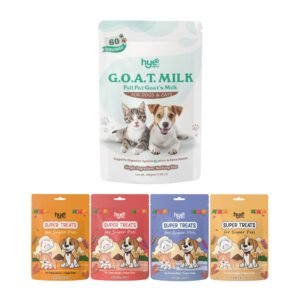 All Products
Goat Milk Powder and Freeze-Dried Goat Milk Treats Combo for Dogs and Cats
Original price was: ₹2,250.26.₹2,067.36Current price is: ₹2,067.36. -
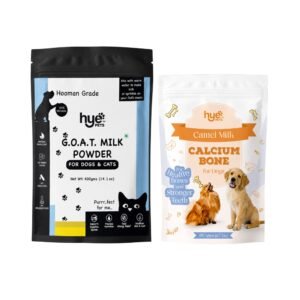 Combos
Goat Milk Powder and Camel Milk Calcium Bone for Dogs – Combo Pack
Original price was: ₹1,826.47.₹1,108.02Current price is: ₹1,108.02. -
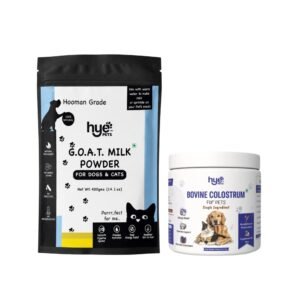 Combos
Goat Milk Powder and Bovine Colostrum Combo for Dogs & Cats
Original price was: ₹2,357.47.₹1,221.30Current price is: ₹1,221.30. -
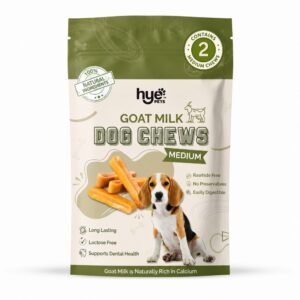 Goat Milk Treats
Goat Milk Dog Chews for Medium Dogs | Rawhide-Free Dental Treats | 2 Chews
Original price was: ₹449.01.₹422.01Current price is: ₹422.01. -
 Combos
Goat Milk and Camel Milk Chews Combo for Medium Dogs
Original price was: ₹1,118.64.₹1,019.52Current price is: ₹1,019.52. -
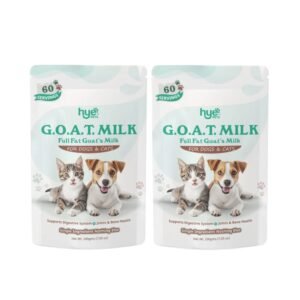 Combos
Full Fat Goat Milk Powder for Dogs and Cats Combo Pack (2 x 200g)
Original price was: ₹1,649.64.₹1,509.22Current price is: ₹1,509.22. -
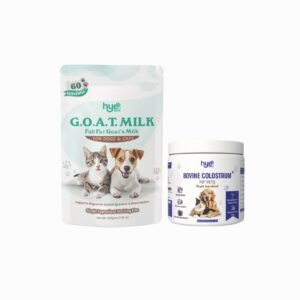 Combos
Full Fat Goat Milk Powder and Bovine Colostrum Combo for Dogs and Cats
Original price was: ₹1,398.01.₹949.01Current price is: ₹949.01.
- All Posts
- Blog
- Blogs
- Recipe
- Stories
- Trivia