When the furry isn’t purring and a litter box looks like a crime scene, don’t take it lightly. It’s time to pay some attention.
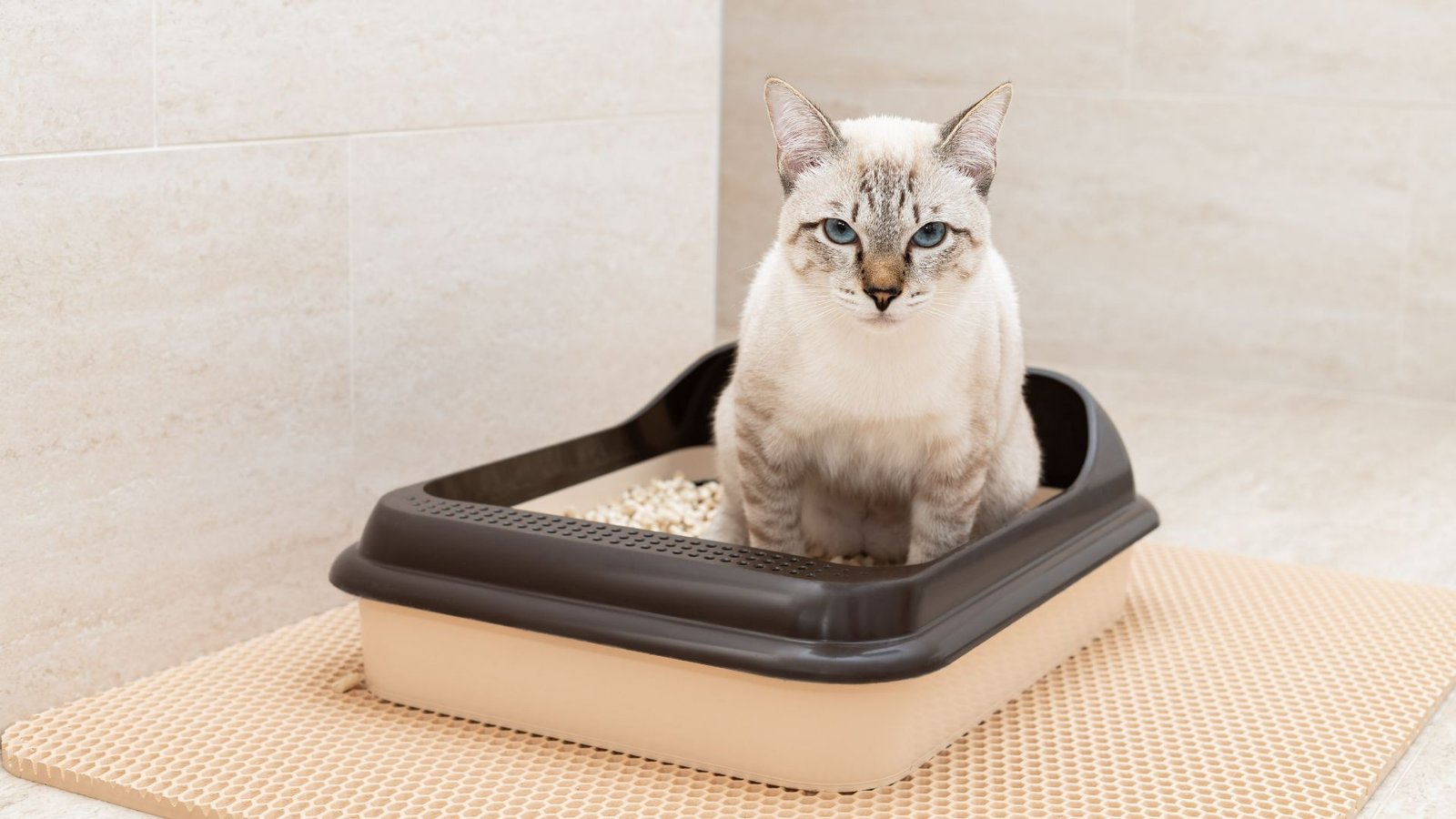
But don’t panic, it happens to all pets. Cat diarrhea is one of the most common digestive issues that pet parents have to deal with. While it may clear up on its own, sometimes it’s a sign of the chaos that is rumbling inside the cat’s tummy, and it’s always better to act fast and smartly
This may not be a fun topic, but pet parents cannot ignore it. Whether it’s a sudden splat attack or a recurring issue, the cat’s poop can reveal a lot about their health.
So what’s causing the mess? Is it a bad choice of snack, or their way of saying “something is wrong”
Poop alerts: Red flag of Tom’s Tummy
A messy moment? Is it just a one-time thing, or is there a hidden tummy issue lurking? Keep an eye and a nose for these:
- Loose, super watery stools
- Frequent litter box visits or dramatic digging
- Lethargy or lower energy than usual
- Loss of appetite – not tempted by the treats!
- Unusual color and smell of the stools
- Weird mucus or blood in the poop
- Vomiting or dry heaving on the rug
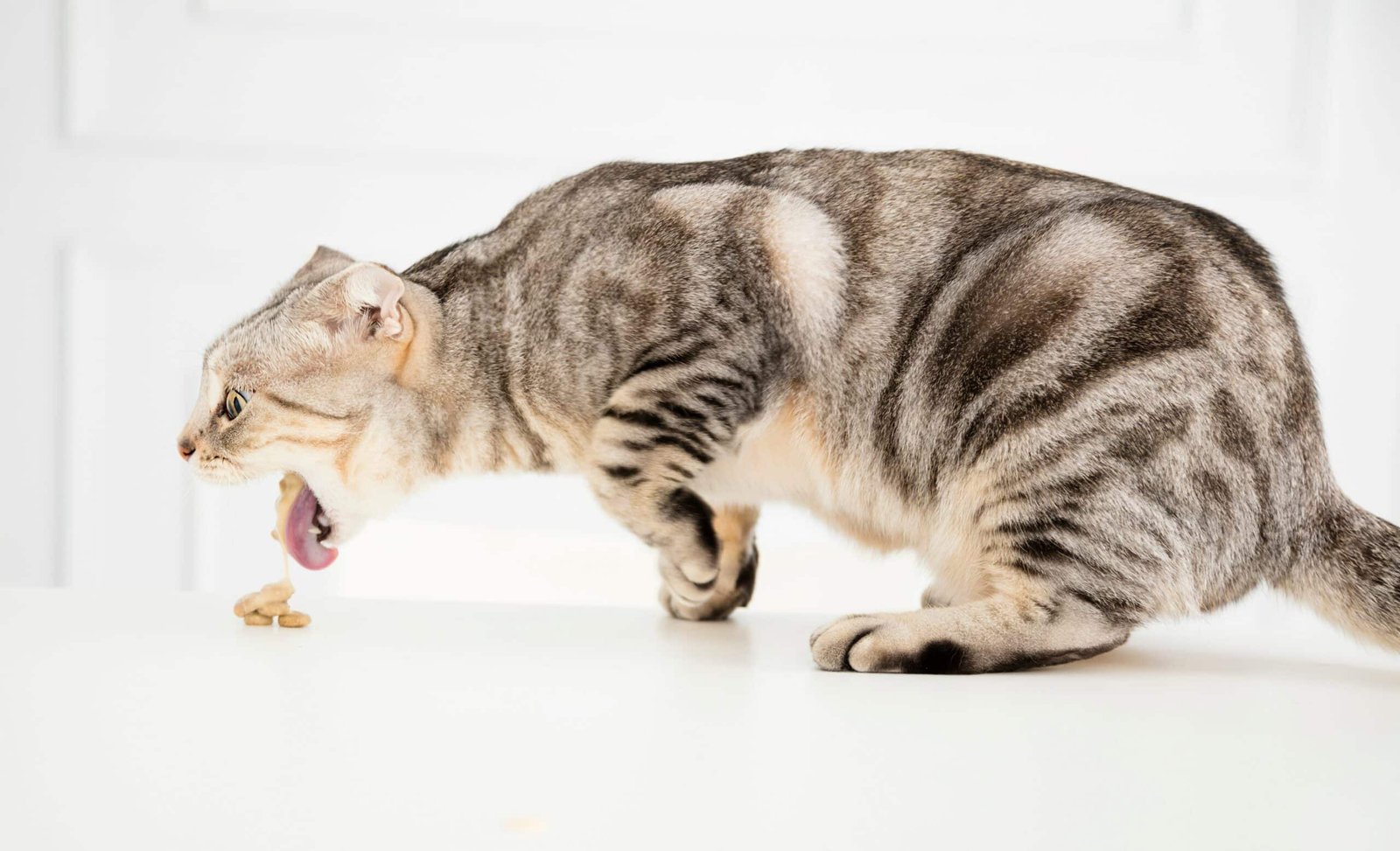
It’s important to keep notes on what is happening- the small tips like when the diarrhea started, what they ate, and any other symptoms. The vet and the cat both will be thankful for sure.
The Causes of Cat Diarrhea
Not all poop explosions created are equal. Diarrhea in cats may be due to a bad bite of food, sometimes stress, and sometimes it may be just harmless.
Sudden change in diet
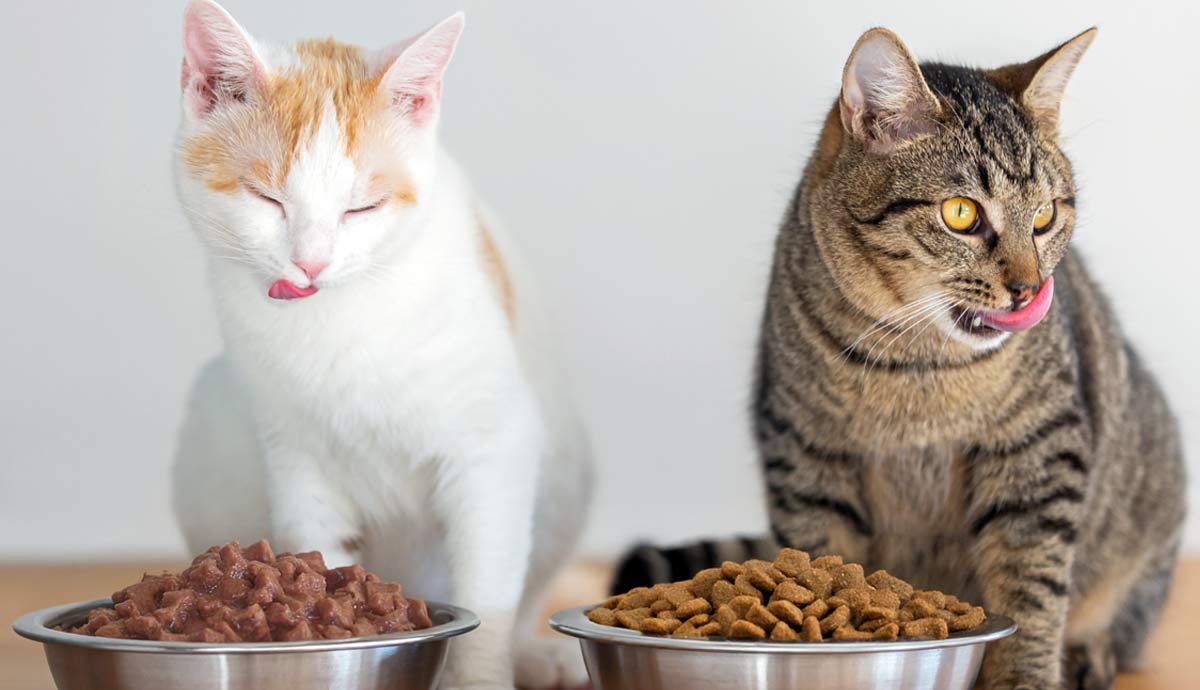
A change in cat food may become an issue. Going from kibble (dry food) to canned (wet food)? This may not help Kitty with an overnight glow-up. Its gut may be in confusion. So it’s better to transition foods slowly over 5 – 7 days.
Food sensitivities
Cartoons were fun. Tom relished every delicacy from milk to meat placed on the table with Jerry. Some studies have documented that even the most basic food items, such as cereals, cow’s milk, fish, and meat, can cause allergic responses in pets, and hence cat diarrhea. It’s always better to keep a track of their food responses.
Parasites
Worms, other microscopic freeloaders, can turn the cat’s gut into a full-blown house party. This is common in kittens and outdoor explorers.
Stress
It is said that ‘cats are control freaks. Studies have reported that stress can affect companion pets. So, whether it’s moving houses or getting a new pet, stress can significantly impact their digestion.
Toxic Snacks
Feeding the cat with onion or garlic, or chocolate, and sometimes a bite of the leftover biryani, can do real damage to its gut health. Studies say that there are some components in these otherwise safe human foods that harm pet gut health.
Underlying health issues
If cat diarrhea keeps coming back like the bad ex, it may be something deeper. This needs a vet’s help, as this may be some chronic stuff.
Time for the Vet-Squad
Be human or pet, if the tummy is not vibrating, it’s healthier to listen to it. Better safe than sorry? Is it not?
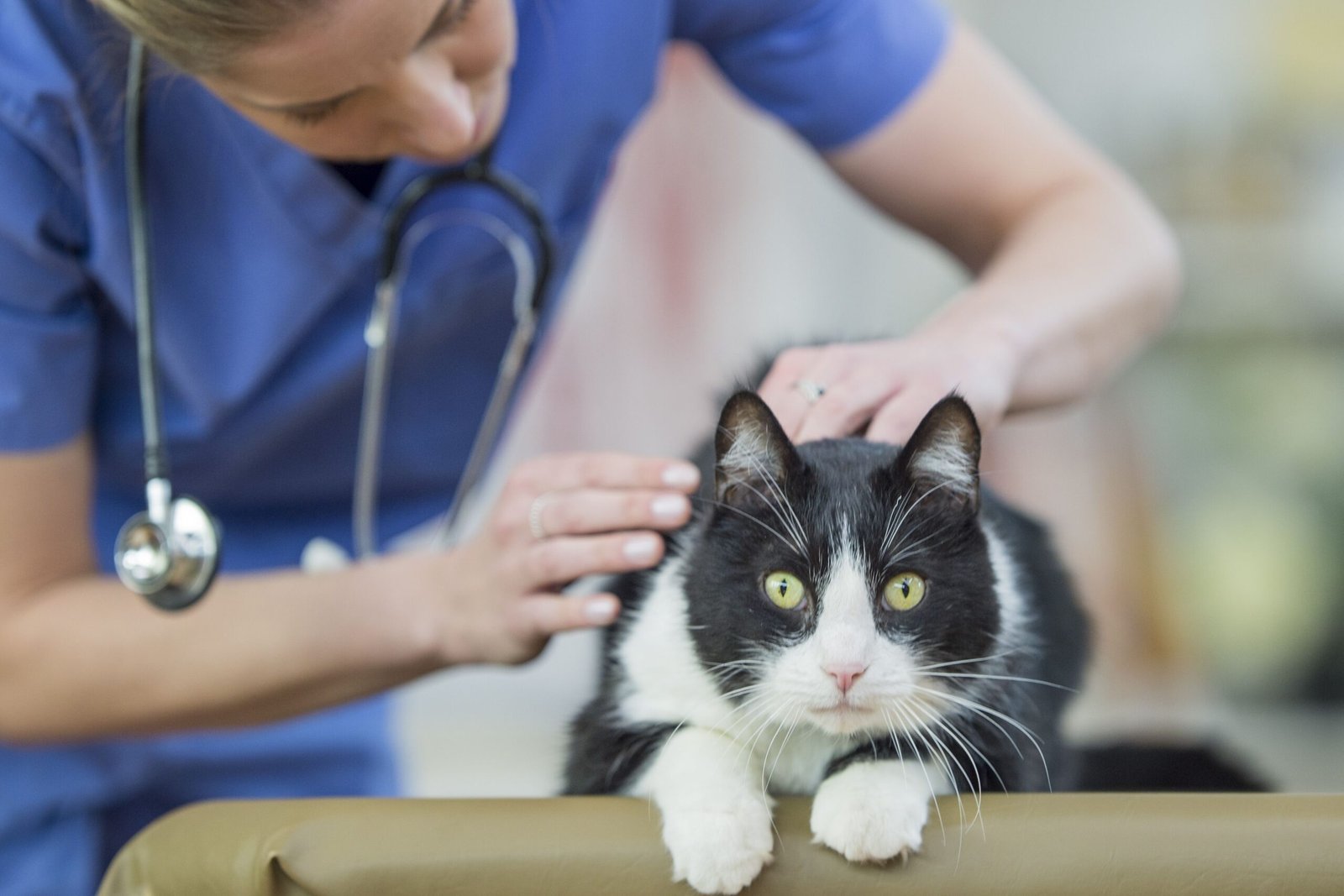
If the listed boxes are ticked, it’s time to check with the vet:
- Diarrhea for more than 48 hours
- Blood in the stool
- Kitty does not play as usual, it’s tired, it does not eat, and looks dehydrated
Home Hacks: Do’s and Don’ts
For any illnesses, household hacks come first. But not all hacks may be good, specifically for cat diarrhea.
The Yes, Please
- Keeping them hydrated with water and pet-safe electrolyte solutions
- Simple, unseasoned food in small portions may be helpful
- Becoming the poop inspector for monitoring and keeping the litter box clean
The No Nos
- Human meds may be toxic to pets, so they are a strict no-no
- Food must be simple; no junk treats at this time
- Immediate advice from a professional veterinarian is important if the diarrhea is not subsiding.
Waiting too long may worsen things, so professional advice is always suggested at the earliest. Home hacks work, but they cannot substitute professional vet advice.
Prevention is always better than a cure- Tips to keep Cat Diarrhea at Bay
Cleaning up cat poop is not bonding time with the pet. But tummy trouble can always be avoided with some care and love.
- Food swaps must be slow; new foods may have new rules. This gives the tummy time to adjust, and rebellions may be less.
- Not all human food may suit them and mess up their tummy. So it’s better to avoid giving them even a small bite. No matter how much puppy eyes they make, it’s better than a poopy butt.
- Consumption of clean water throughout the day is non-negotiable. Keeping them hydrated in fun ways may be helpful.
- Stress must be minimized in cats. Any change activates the drama queen in them, and along with their mood, their gut goes ‘off’.
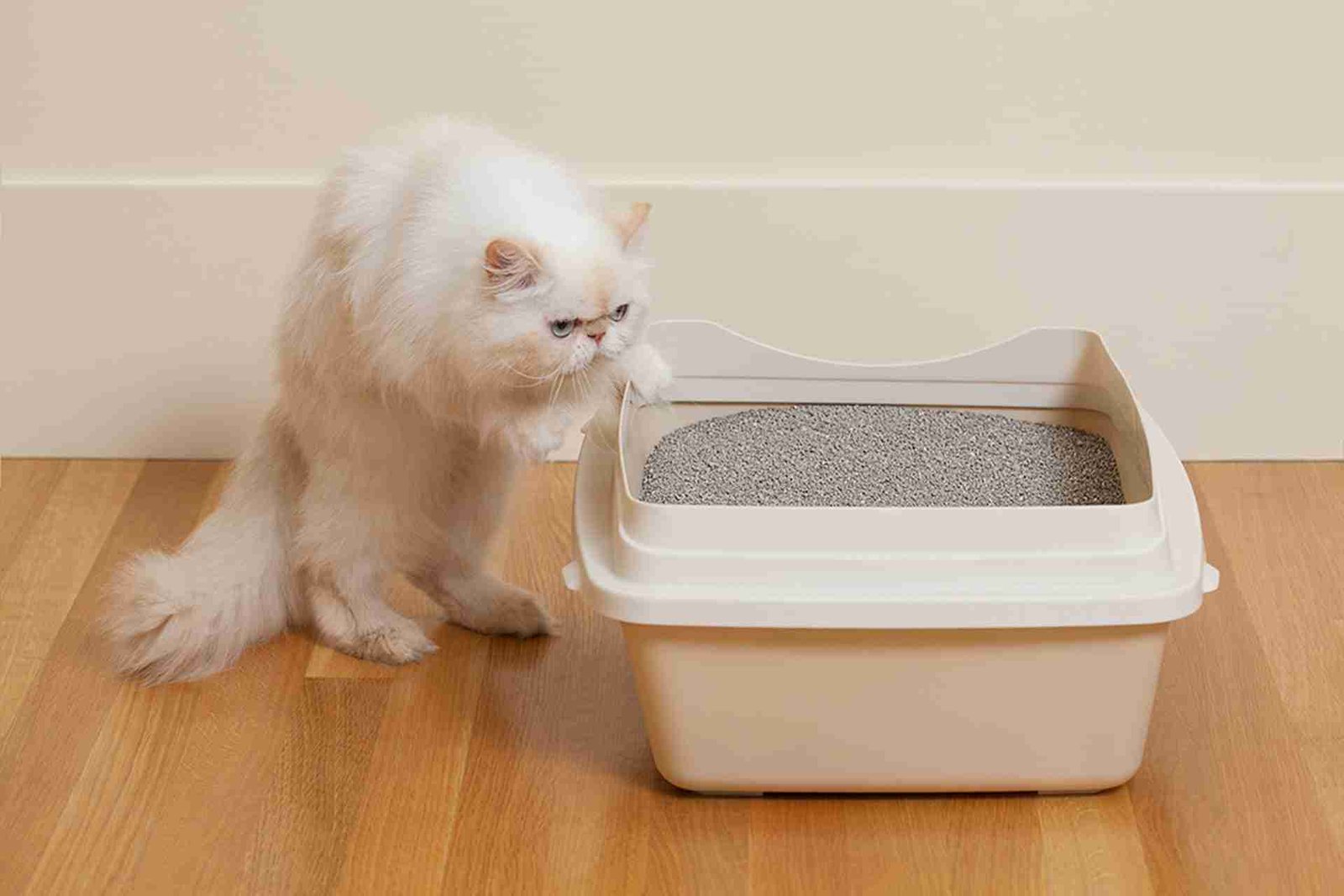
- The litter box must be cleaned every day. This may avoid stress and the chances of infections as well.
- Regular vet checkups are important, even if the kitty looks extremely fine.
A cat’s digestion may be considered a daily skincare routine that requires consistency.
Conclusion
Cat diarrhea is a common and messy affair. Dealing with it may not be a smooth ride for all. However, with smart choices and care, most cases can be handled. It is always important to keep an eye on their behavior, and simple home hacks may be helpful. But professional veterinarian advice cannot be replaced by anything. So if unsure, call them.
Kitty counts on you; you are doing great, pet parent!
-
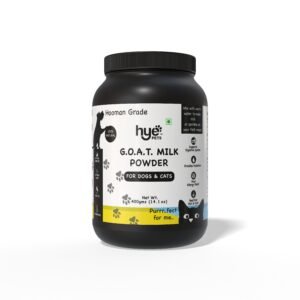 All Products
Goat Milk Powder for Dogs and Cats – 400g
Original price was: ₹1,298.86.₹733.96Current price is: ₹733.96. -
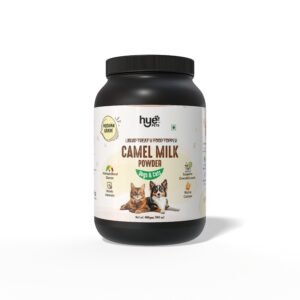 All Products
Camel Milk Powder For Dogs and Cats – 400g
Original price was: ₹1,499.75.₹499.00Current price is: ₹499.00. -
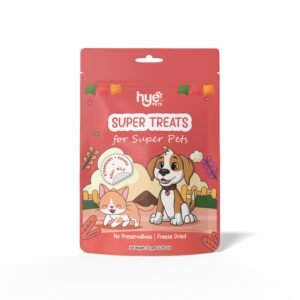 All Products
Super Treats for Super Pets made with Goat Milk, Strawberry and Banana | 30g
Original price was: ₹325.00.₹308.75Current price is: ₹308.75. -
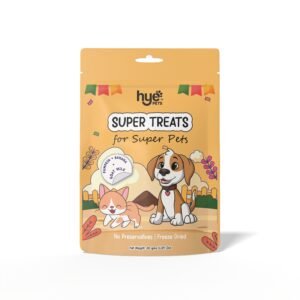 All Products
Super Treats for Super Pets made with Goat Milk, Pumpkin and Banana | 30g
Original price was: ₹279.00.₹265.06Current price is: ₹265.06. -
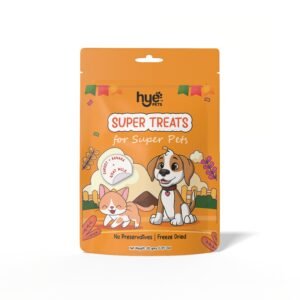 All Products
Super Treats for Super Pets made with Goat Milk, Carrot and Banana | 30g
Original price was: ₹279.00.₹265.06Current price is: ₹265.06. -
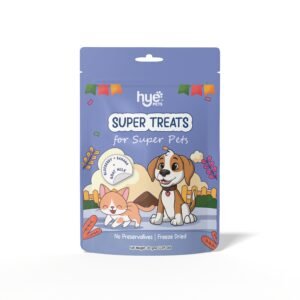 All Products
Super Treats for Super Pets made with Goat Milk, Blueberry and Banana | 30g
Original price was: ₹325.00.₹308.75Current price is: ₹308.75. -
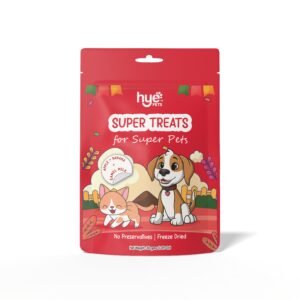 All Products
Super Treats for Super Pets made with Camel Milk, Apple and Banana | 30g
Original price was: ₹279.00.₹265.06Current price is: ₹265.06. -
 All Products
Super Treats for Super Pets made Camel Milk, Beetroot and Banana | 30g
Original price was: ₹279.00.₹265.06Current price is: ₹265.06. -
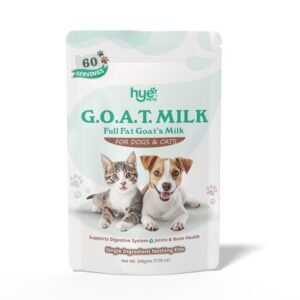 All Products
Goat Milk Powder for Dogs and Cats – 200g
Original price was: ₹698.99.₹657.05Current price is: ₹657.05. -
 All Products
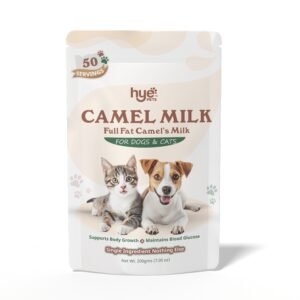
Camel Milk Powder For Dogs and Cats – 200g
Original price was: ₹748.99.₹704.05Current price is: ₹704.05. -
 All Products
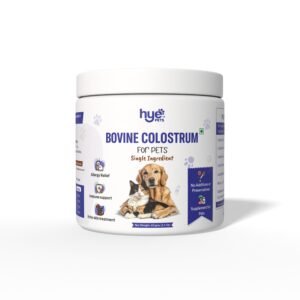
Bovine Colostrum for Dogs and Cats – 60g
Original price was: ₹1,199.10.₹333.00Current price is: ₹333.00.
- All Posts
- Blog
- Blogs
- Recipe
- Stories
- Trivia