
A lot of pet parents are definitely guilty of sharing a treat or two from their mealtime with their furry friend. A piece of cheese here, a few licks of ice cream there, as it feels harmless, and dogs certainly don’t mind.
However, while sipping a glass of milk, the longing stare of the furry baby at the creamy beverage leads to a dilemma: can this be given to them? The question is naturally asked: Is milk safe for dogs to drink, or does it mean tummy trouble?
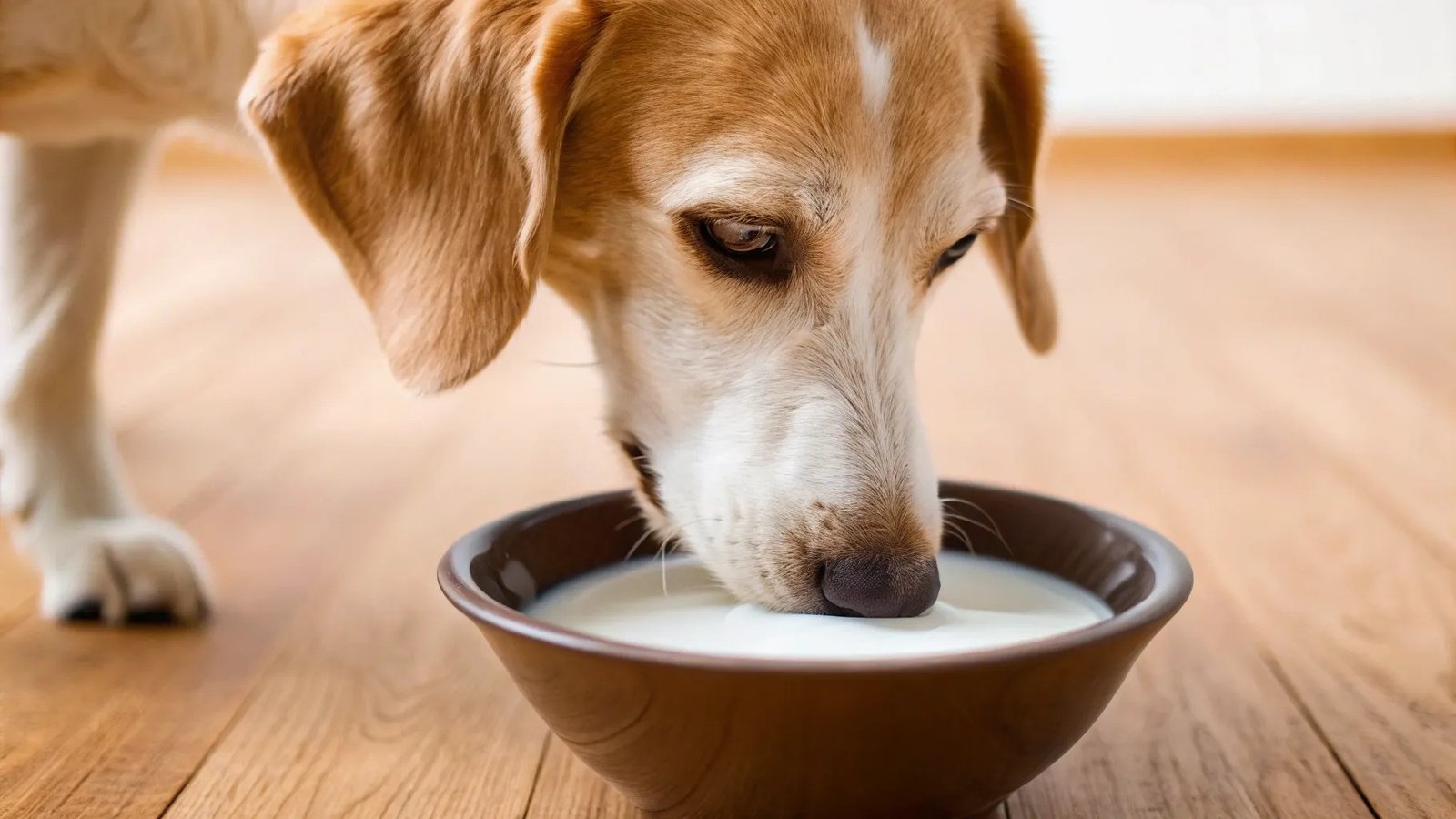
Some dogs can tolerate milk to some extent without any problem, but many cannot. The culprit is a condition called lactose intolerance in dogs. However, with the right knowledge and the right alternatives, dairy can be safely consumed in moderation sometimes!
Milk, Lactose & Dogs: A Love Triangle or a Hate Story
Although milk seems harmless, at the surface, it may have a different tale to tell in dogs. Puppies are born with lactase, the enzyme that digests lactose (the sugar in milk), so they easily digest their mother’s milk.
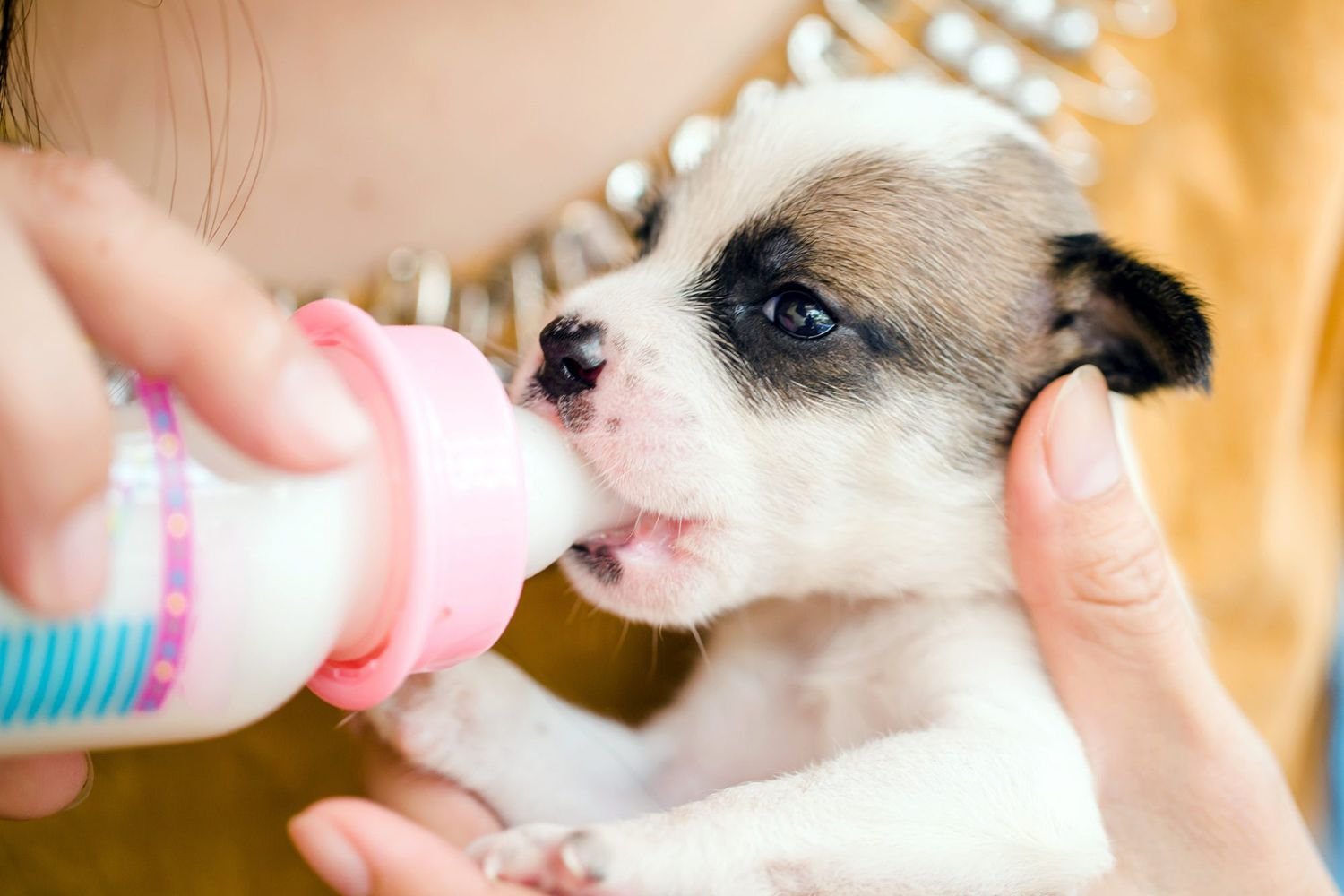
But as dogs grow and begin to eat solid food, lactase production declines naturally. Without lactase, the digestion of milk becomes disorderly. The consequence is gas, bloating, and possibly diarrhea. Now, lactose intolerance in dogs is a digestive challenge that is fairly common in adult dogs. Some dogs can tolerate dairy, while others can’t tolerate even small amounts of milk, such as a few sips. It’s all about the quantity of lactase that the dogs can handle.
Red Flags: Signs of Lactose Intolerance in Dogs
Milk is considered a wholesome and nutritious drink, containing calcium and protein. Thus, it seems reasonable that many pet parents think it is beneficial for their dogs. But what appears to be a kind gesture may not be the healthiest choice. Dogs have very different digestive systems from humans, and sometimes, milk does not agree with them.

Determining if a dog is lactose intolerant isn’t always clear unless the dog is introduced to dairy. This is why owners need to monitor them closely after consumption of dairy, whether it be milk, cheese, or ice cream. Even a minute quantity could tell you if dairy agrees with their digestive systems.
- Diarrhea: Loose, watery stool usually appears within a few hours of drinking milk.
- Gas and bloating: A swollen or enlarged stomach, or a lot of gas, can be signs that the dog is struggling to break down the lactose.
- Vomiting: Sometimes the stomach will reject the dairy altogether.
- Stomach cramping or discomfort: Whining, restlessness, body writhing, and not wanting to eat can signal pain.
- Dehydration: If it has been a long time with diarrhea or vomiting, there is a risk of dehydration.
If any of these symptoms occur after consuming dairy, then there is a very good chance that the dog is lactose intolerant, and they should not have milk.
Dairy for the Dogs: What is safe and what is not?
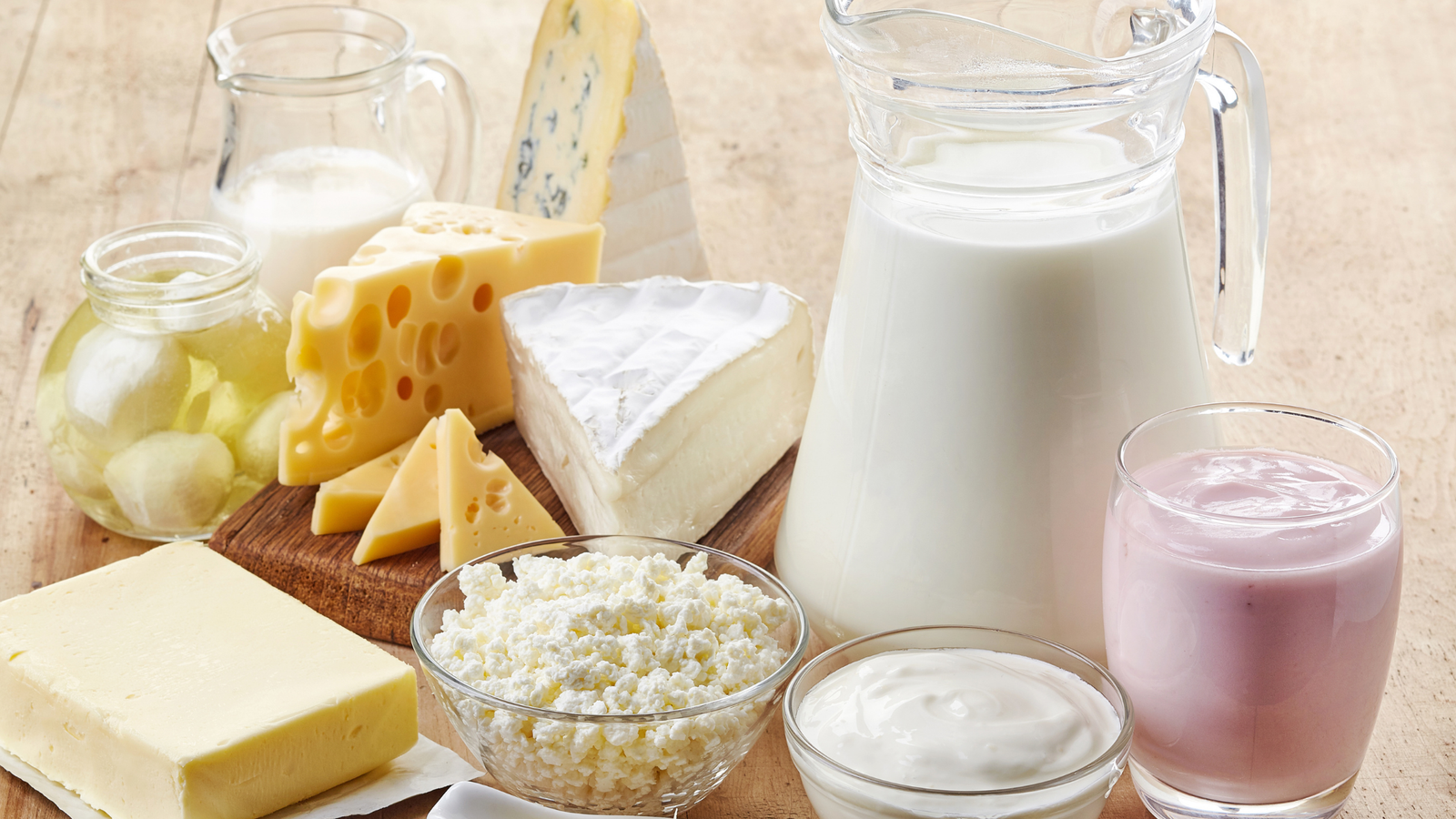
Not all dairy products are going to be the same, and this is where it gets complicated for pet parents. Again, while milk is often problematic, some dairy foods carry much less lactose than others and can be safer in small amounts. The key is figuring out which dairy foods are classified as an ‘occasional treat’ or where all dairy foods should be avoided.
Say Cheese only in Moderation!
Some forms of cheese that are firm and contain lower amounts of lactose, like cheddar or Swiss, can sometimes be used as a training treat. Traditional cheeses like Churpi can also be considered, as they are low in fat and high in protein content, along with their benefits for dental health. However, spicy and flavored varieties should be avoided.
Probiotic Breakthrough for the Canines
Plain, unsweetened kefir or yogurt with probiotics may be easier on the digestive system and help with gut health, as per studies. Therefore, these options can be considered.
Butter & Cream: High Fat, Low Benefits
These are so high in fat that they have less lactose, but could lead to other issues if fed frequently. So it is better to consult a certified vet before including it in the dog’s diet.
Ice Cream: Skip this Cold Treat that may make a Hot Mess!
Studies mention that any treat given to the dog should not exceed 10% of its daily calorie intake. Regular ice cream has lactose and sugar, so it is preferably a no-go for dogs. However, if the ingredients are customised according to the diet requirements of the dog, it may be considered.
As a thumb rule, regardless of how “safe” the dairy is, small portions and watching what they are eating are very important.
Dairy Alternatives that can be creamy substitutes
If your dog begs for milk but they don’t digest it well, don’t lose heart! Thankfully, there are dog-friendly options that will provide a fuzzy, warm, and creamy experience, without potential digestive upset. Also, some of these products are created for, or are more suited to, a canine stomach.
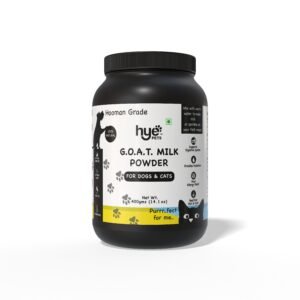
- Alternative dairy: Camel milk may be a suitable alternative, which is not free of lactose but has lower amounts of lactose. Similarly, Goat milk is often naturally lower in lactose, easier to digest, and provides a great source of vitamins and minerals. Influencer Harman has mentioned that after using HyePets Goat milk and Camel Milk powder in his personal pets’ diet, he observed substantial improvements in them. He has also endorsed that it is easily digestible and may support immunity in the dogs as well
- Lactose-Free Milk: Generally available and much easier on a dog’s sensitive tummy.
- Puppy Milk Replacers: These are definitely designed for young puppies, which provide nutrients that puppies typically need without potential tummy upset.
- Commercial Dog Milk: There are commercial pet-safe milk products in the market that are designed to be nutritious and easy to digest!
With these alternatives, you can get the creamy experience without the hassle of tummy discomfort. However, a certified vet’s advice is always better before introducing anything new in the pet’s diet.
The Bottom Line: Can Dogs Drink Milk?
Milk is a luxury and not a necessity. Some dogs may handle it fine, but many simply can not. Pet parents should realize the symptoms of lactose intolerance in dogs and reach for a safer substitute, such as goat or camel’s milk, or pick lactose-free alternatives to help avoid unnecessary discomfort.
So, can dogs drink milk? Yes, but only in moderation and if they can tolerate it. Many dogs are lactose intolerant, and the signs of distress that come with it can make them miserable.
However, if none of those signs are present, an occasional splash of milk or a cube of cheese may be fine. However, if you notice any signs of digestive upset, avoid dairy and opt for safer alternatives instead. It is worth bearing in mind that dogs do not need dairy in their diets. Their kibble may provide them with all the nutrients they need, so they will not miss it anyway.
Milk is optional, but the dog’s well-being is essential – So when in doubt, consult the vet!
-
 All Products
Goat Milk Powder for Dogs and Cats – 400g
Original price was: ₹1,298.86.₹733.96Current price is: ₹733.96. -
 All Products
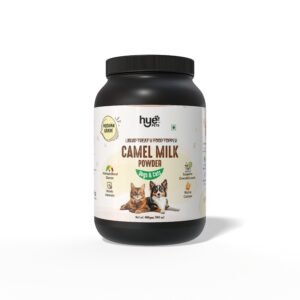
Camel Milk Powder For Dogs and Cats – 400g
Original price was: ₹1,499.75.₹499.00Current price is: ₹499.00. -
 All Products
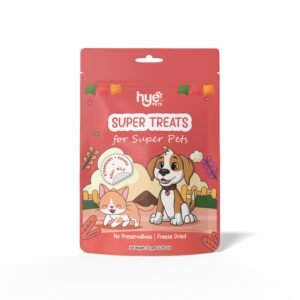
Super Treats for Super Pets made with Goat Milk, Strawberry and Banana | 30g
Original price was: ₹325.00.₹308.75Current price is: ₹308.75. -
 All Products
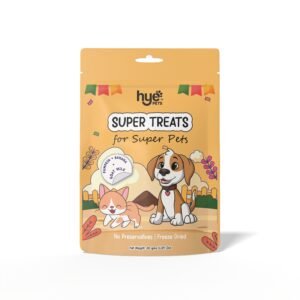
Super Treats for Super Pets made with Goat Milk, Pumpkin and Banana | 30g
Original price was: ₹279.00.₹265.06Current price is: ₹265.06. -
 All Products
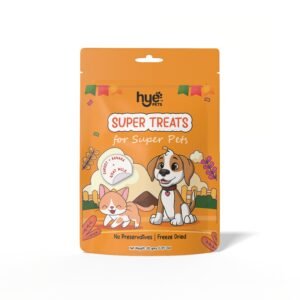
Super Treats for Super Pets made with Goat Milk, Carrot and Banana | 30g
Original price was: ₹279.00.₹265.06Current price is: ₹265.06. -
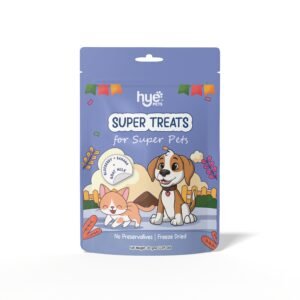 All Products
Super Treats for Super Pets made with Goat Milk, Blueberry and Banana | 30g
Original price was: ₹325.00.₹308.75Current price is: ₹308.75. -
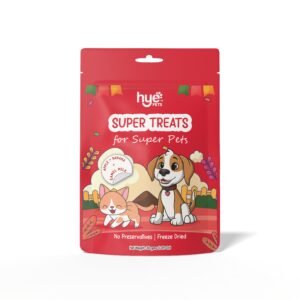 All Products
Super Treats for Super Pets made with Camel Milk, Apple and Banana | 30g
Original price was: ₹279.00.₹265.06Current price is: ₹265.06. -
 All Products
Super Treats for Super Pets made Camel Milk, Beetroot and Banana | 30g
Original price was: ₹279.00.₹265.06Current price is: ₹265.06. -
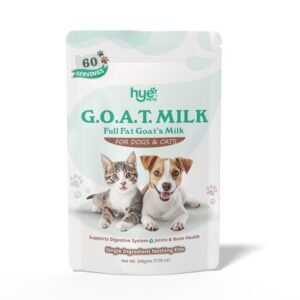 All Products
Goat Milk Powder for Dogs and Cats – 200g
Original price was: ₹698.99.₹657.05Current price is: ₹657.05. -
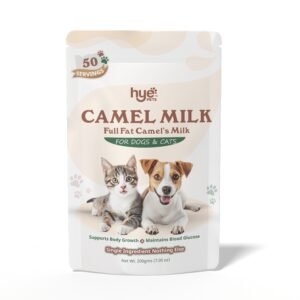 All Products
Camel Milk Powder For Dogs and Cats – 200g
Original price was: ₹748.99.₹704.05Current price is: ₹704.05. -
 All Products
Bovine Colostrum for Dogs and Cats – 60g
Original price was: ₹1,199.10.₹333.00Current price is: ₹333.00.
- All Posts
- Blog
- Blogs
- Recipe
- Stories
- Trivia