Have you ever watched your 3-month-old puppy tilt their head toward the food bowl as if asking, “Is this really the best you can give me?” If yes, you are not alone. Every new pet parent hits this moment, the realization that choosing the right puppy food is not just a task. It’s a responsibility. These early months are when your little furball grows the fastest, learns the quickest, and depends on you the most.
This guide is written exactly for you, the anxious, excited, loving new parent who wants to raise a happy, healthy companion. What if the next meal you serve decides how strong your puppy’s bones become, how shiny their coat looks, and how playful they feel?
At 3 months old, a puppy’s entire world is shaped by food, the textures they enjoy, the nutrients they absorb, and the routine they follow. This is why understanding the best food for a 3-month-old puppy is essential, no matter whether you are raising a lively Labrador, a gentle Golden Retriever, or a bold German Shepherd. This age is actually the beginning of their lifelong relationship with nutrition. And as pet parents, it’s our job to give them the best start possible.
What does your 3-month-old Puppy need for nutrition to grow healthier and stronger?
Think of your puppy as a fast-growing toddler, except one who grows at nearly 20 times the speed. That’s why Puppy nutrition needs to be dense, balanced, and thoughtfully chosen.
A suitable puppy diet should include:
- High-quality proteins (for muscle development)
- Healthy fats (for energy and brain development)
- Essential vitamins & minerals (for bones, immunity, digestion)
- DHA (for sharper learning, yes, it really helps their “training brain”)
- Calcium & phosphorus (for skeletal strength)
Since their stomachs are tiny and their energy needs are massive, every bite of Best puppy food must count. This is why high-protein puppy food plays such a crucial role, it fuels muscle growth, playfulness, and overall vitality.
Note: You should always consult your vet before going for any nutritional changes or starting any diet.
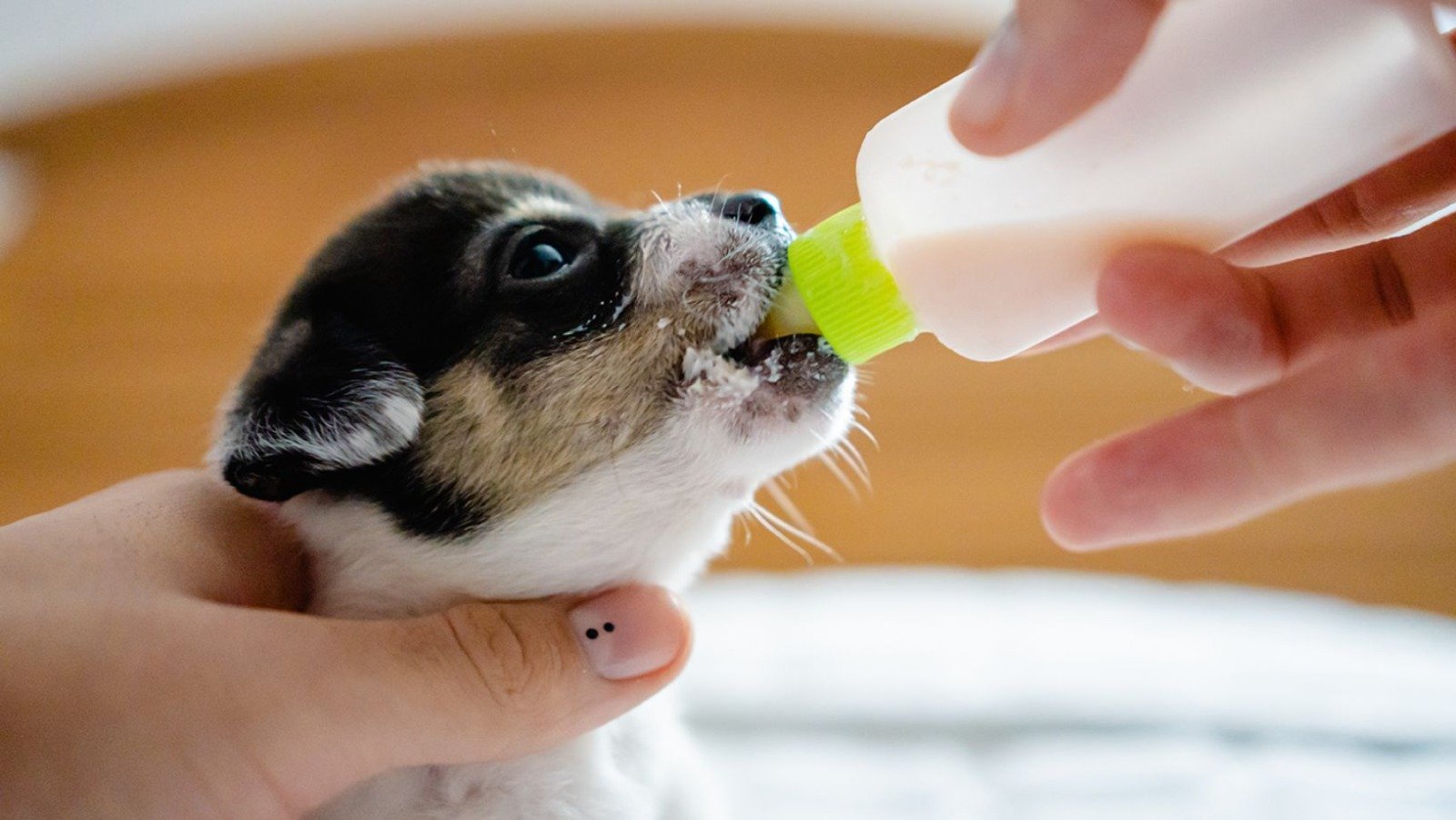
At this point, puppies continue to gain advantage from the easy-to-digest diet. Some owners automatically make the meals better by adding a tablespoon of goat milk which is famous for its easy digestion and it can also comfort the sensitive stomach of a 3-year-old. It mixes well with both dry puppy food and wet food for puppies giving warmth and extra nourishment without stressing their digestive system.
How Much Should a 3-Month-Old Puppy Eat?
Overfeeding and underfeeding are two common mistakes new parents unintentionally make. A 3-month-old puppy needs multiple small meals because their digestive system isn’t mature enough for large portions.
Most puppies at this age thrive on three structured meals a day. However, quantity depends heavily on breed size, metabolism, and activity level.
A general rule of the Puppy feeding guide is:
- Small breeds: ½ to 1 cup per day
- Medium breeds: 1 to 1.5 cups per day
- Large breeds: 1.5 to 2.5 cups per day
But portion control becomes much clearer when broken down breed-wise, which you will find in the tables below.
Types of Puppy Food (Pros and Cons)
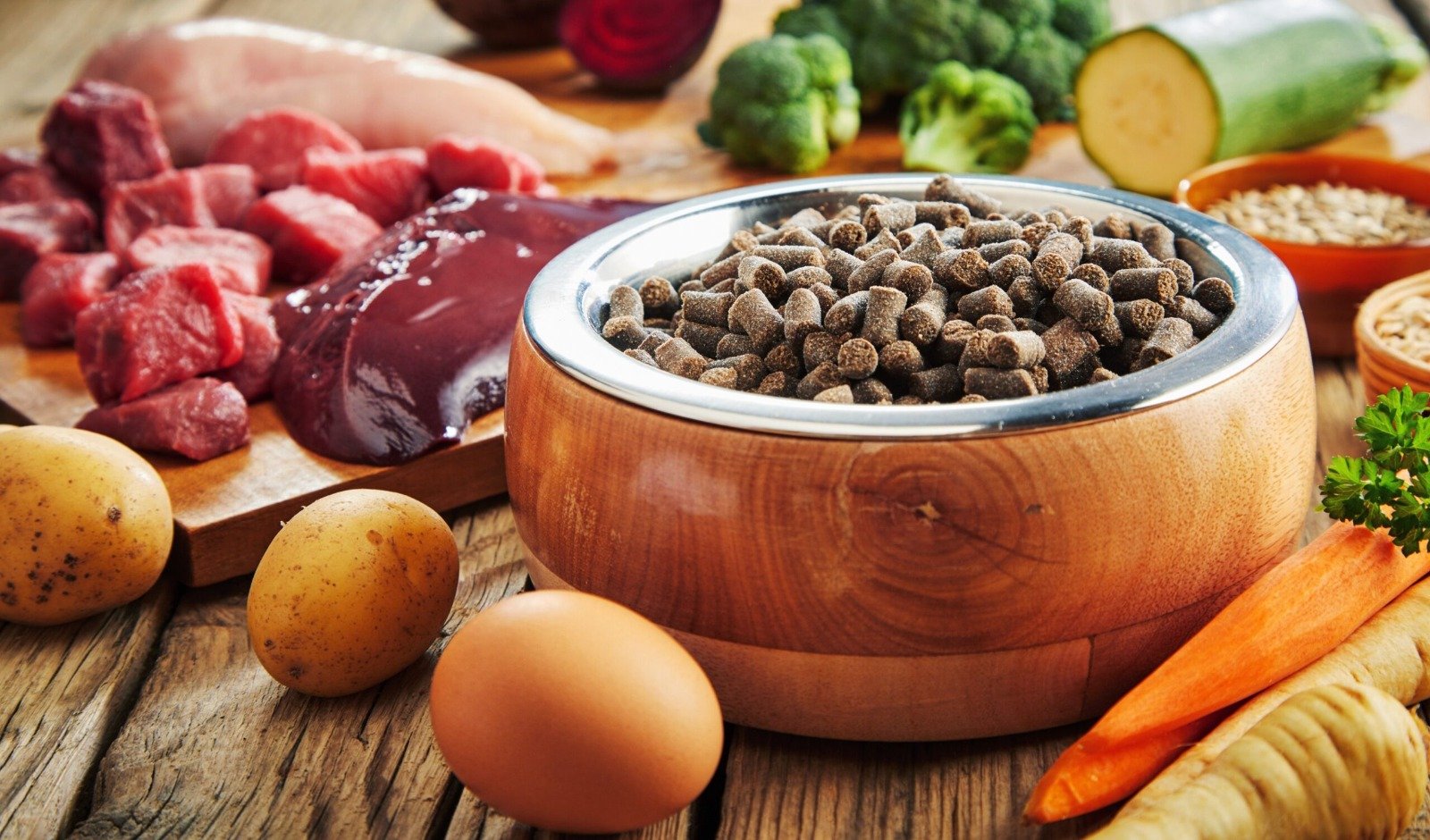
Dry puppy food is the most convenient, economical, and great for dental health. Puppies also enjoy the crunch as their teeth develop, and it blends wonderfully with warm water or a splash of goat milk for softer texture days.
Wet food for puppies is aromatic, tasty, and perfect for picky eaters. The moisture content also keeps hydration in check. However, exclusive wet feeding may not strengthen the jaw as effectively as kibble.
Some dog parents go for homemade puppy food because they feel that fresh is always better. Although home-cooked meals may seem very healthy and good, they are usually deprived of very important nutrients unless they are properly prepared with a vet’s guidance.
The best approach? A thoughtful mix, using dry food as the foundation, wet food for flavor, and small homemade additions if approved by your vet.
Breed-Specific Diet Charts for 3-Month-Old Puppies
Every breed grows at a different pace. A Labrador’s playful bulk, a Golden Retriever’s fluffy muscle, and a German Shepherd’s sharp, athletic build all require tailored nutrition. Here’s a helpful Puppy food chart for 3-month-old puppies:
Please consult your vet before you make any changes to your puppy’s diet, because every puppy has its unique wants and nutritional needs. So, it is always a safe option to be sure.
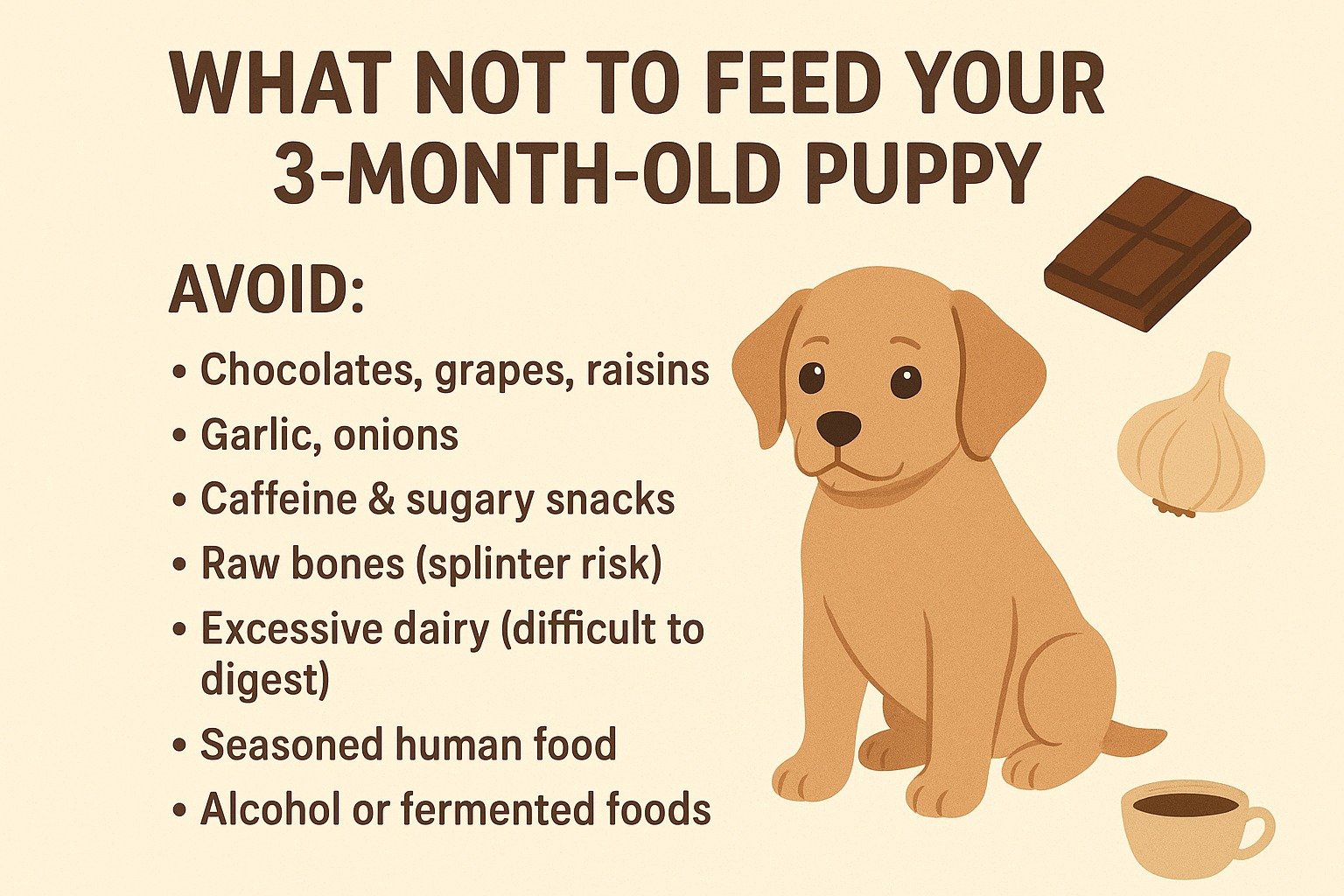
What NOT to Feed Your 3-Month-Old Puppy
Avoid:
- Chocolates, grapes, raisins
- Garlic, onions
- Caffeine & sugary snacks
- Raw bones (splinter risk)
- Excessive dairy (difficult to digest)
- Seasoned human food
- Alcohol or fermented foods
How to Transition to New Food
Switching to new puppy food too quickly may upset their stomach. Puppies need time to adjust to new tastes and ingredients.
When you introduce a new food to your puppy, start gently. For the first two days, mix about 25% of the new food with 75% of the old one so their stomach can adjust without stress. Over the next couple of days, shift to an even blend, half old food and half new. By days five and six, let the new food take the lead, making up around 75% of the bowl. And once you reach day seven, your puppy is usually ready to enjoy 100% of the new food without any trouble.
Watch for loose stools, vomiting, or refusal to eat. These symptoms can be there, so once you see them, please pause the transition or make it slower. This helps their developing digestive system adapt smoothly.
Common Feeding Problems & Solutions
Many new parents think their puppy is “fussy,” but often, the problem lies in routine, food texture, or portion size. Some puppies eat too fast, which leads to bloating or hiccups. In such cases, slow-feeder bowls help. Others may dislike dry textures; softening kibble with warm water or a spoonful of wet food usually solves this.
For sensitive stomach days, adding just a little goat milk powder to the meal can feel comforting. Because it’s gentle and easy to digest, many puppies respond well to it during minor digestive discomfort.
Conclusion
Your 3-month-old puppy grows in the blink of an eye. One moment they are wobbling on tiny paws, and the next, they are racing across the living room. And behind all this growth is the fuel you choose for them. Selecting the right puppy food, understanding portion sizes, and building a simple routine can transform their health and happiness. But, before you start any diet plan, please consult your vet for a customised plan for your pup.
Every meal is a chance to bond, nourish, and shape the future of the companion who will walk beside you for years.
-
 All Products
Goat Milk Powder for Dogs and Cats – 400g
Original price was: ₹1,298.86.₹733.96Current price is: ₹733.96. -
 All Products
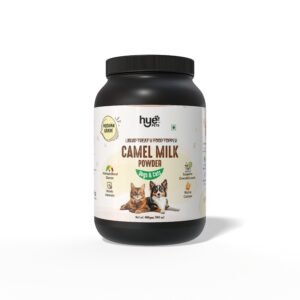
Camel Milk Powder For Dogs and Cats – 400g
Original price was: ₹1,499.75.₹499.00Current price is: ₹499.00. -
 All Products
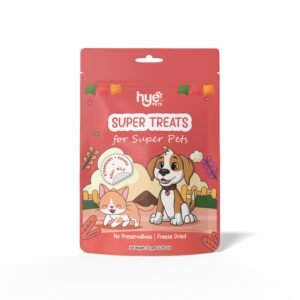
Super Treats for Super Pets made with Goat Milk, Strawberry and Banana | 30g
Original price was: ₹325.00.₹308.75Current price is: ₹308.75. -
 All Products
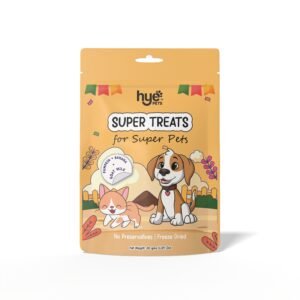
Super Treats for Super Pets made with Goat Milk, Pumpkin and Banana | 30g
Original price was: ₹279.00.₹265.06Current price is: ₹265.06. -
 All Products
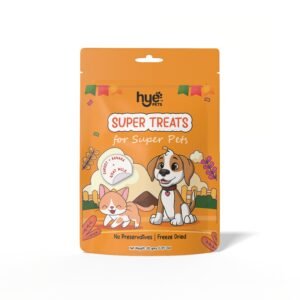
Super Treats for Super Pets made with Goat Milk, Carrot and Banana | 30g
Original price was: ₹279.00.₹265.06Current price is: ₹265.06. -
 All Products
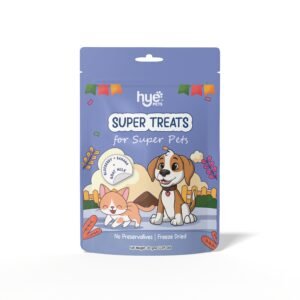
Super Treats for Super Pets made with Goat Milk, Blueberry and Banana | 30g
Original price was: ₹325.00.₹308.75Current price is: ₹308.75. -
 All Products
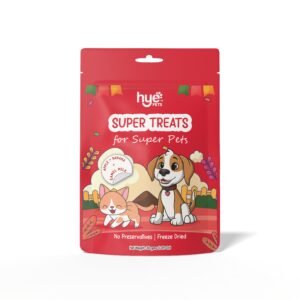
Super Treats for Super Pets made with Camel Milk, Apple and Banana | 30g
Original price was: ₹279.00.₹265.06Current price is: ₹265.06. -
 All Products
Super Treats for Super Pets made Camel Milk, Beetroot and Banana | 30g
Original price was: ₹279.00.₹265.06Current price is: ₹265.06. -
 All Products
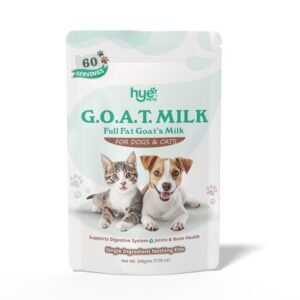
Goat Milk Powder for Dogs and Cats – 200g
Original price was: ₹698.99.₹657.05Current price is: ₹657.05. -
 All Products
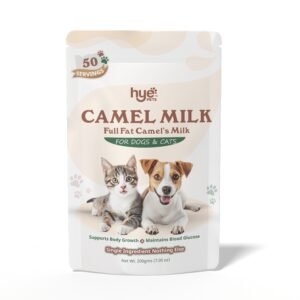
Camel Milk Powder For Dogs and Cats – 200g
Original price was: ₹748.99.₹704.05Current price is: ₹704.05. -
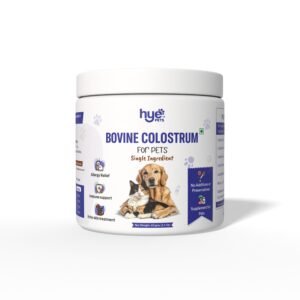 All Products
Bovine Colostrum for Dogs and Cats – 60g
Original price was: ₹1,199.10.₹333.00Current price is: ₹333.00.
- All Posts
- Blog
- Blogs
- Recipe
- Stories
- Trivia